
Che cos'è il miele cristallizzato?
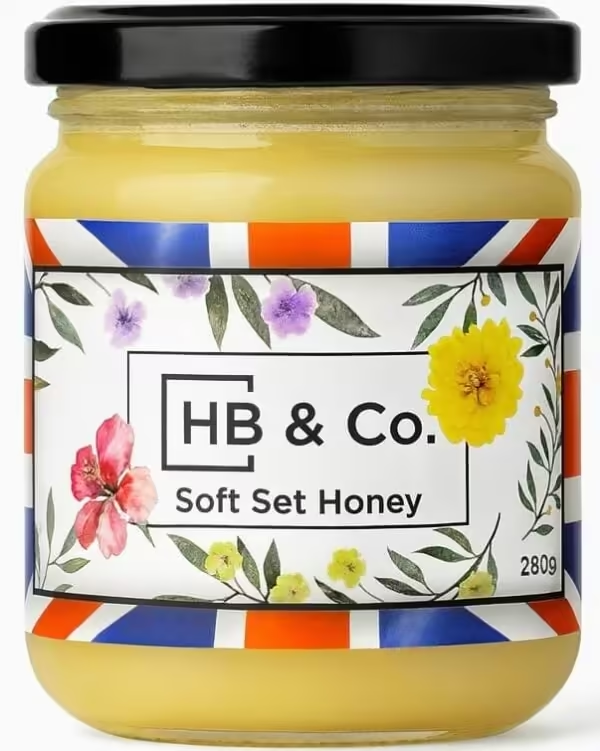
If you’ve just picked up a jar of honey and noticed either hard crystals or what looks like a lot of white air bubbles, you might be wondering if it’s still okay to use. The good news is that it is! There’s no need to throw it away. Actually, it’s quite the opposite!
Il miele cristallizzato è segno di miele di alta qualità!
So, don’t throw it out unless you want to waste delicious food.
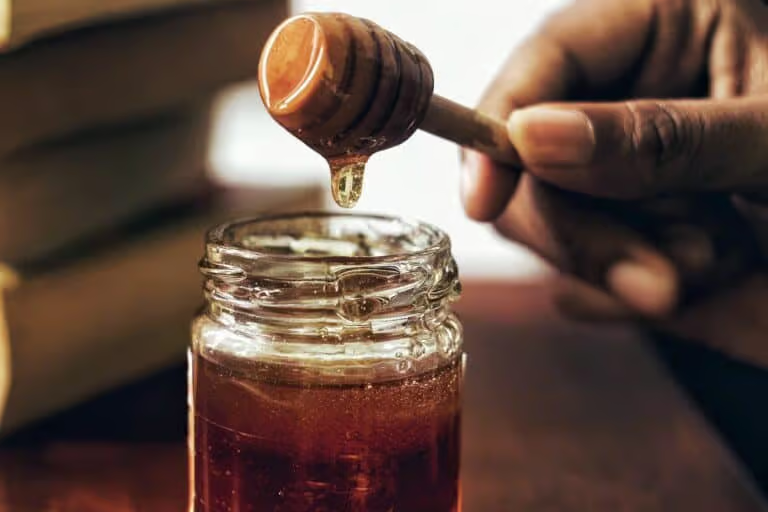
You might notice that your honey starts to crystallise over time and this is completely natural! This change in the state doesn’t affect the quality or flavour of the honey. Raw, unfiltered, and unheated honey will crystallise over time, unlike processed honey.
Crystallisation is a natural process, and it doesn’t mean that your honey has gone bad.
A causa delle sue proprietà fisiche, il miele è soggetto a cristallizzazione, essendo una soluzione zuccherina supersatura. Il miele è composto principalmente da due tipi di zuccheri naturali: fruttosio e glucosio. Quali sono le ragioni?
Ci sono 3 ragioni principali che causano la cristallizzazione.
Il rapporto tra fruttosio e glucosio
I principali fattori che contribuiscono al processo di cristallizzazione sono il rapporto fruttosio/glucosio e il rapporto glucosio/acqua. Un alto rapporto fruttosio/glucosio e un basso rapporto glucosio/acqua determinano generalmente un processo di cristallizzazione lento. Tuttavia, se il livello di glucosio aumenta, diventa insolubile nell'acqua e si verifica la cristallizzazione.
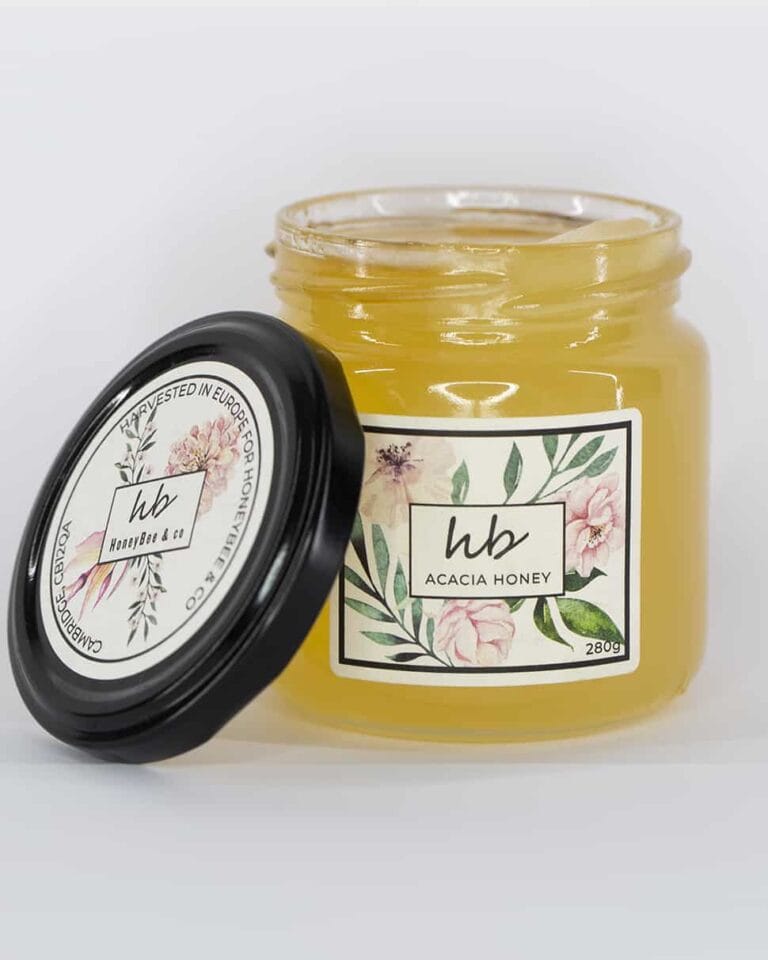
Temperatura
Anche la temperatura di conservazione gioca un ruolo nella formazione dei cristalli. Pertanto, è importante conservare gli ingredienti alla temperatura appropriata per evitare la cristallizzazione.
Conservare il miele a una temperatura fresca (inferiore a 4°C) contribuisce a ridurre la mobilità delle molecole di zucchero, mentre conservarlo a una temperatura elevata (superiore a 25°C) garantisce la liquefazione dei cristalli e la diminuzione del grado di sovrasaturazione del glucosio.
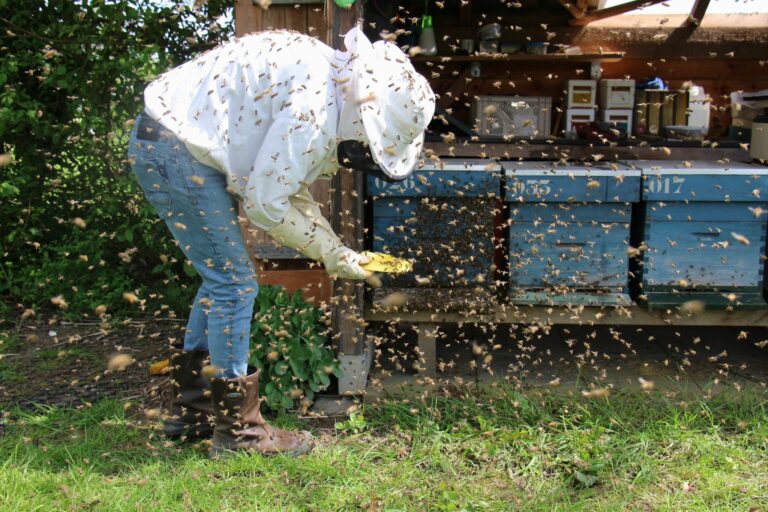
Polline
Pollen in honey is a good thing, it’s like verification of where the honey came from. By looking at the pollen in honey, we can tell what sorts of plants the bees had been feeding on. And since bees are covered in fuzz, it’s no surprise that they might end up leaving a few pollen grains dietro al miele as they’re collecting nectar from flowers.
Il miele con polline è un ottimo miele, ma la cristallizzazione avviene più velocemente quando sono disponibili piccole particelle su cui costruire. Il miele fresco e grezzo ne contiene molte sotto forma di grani di polline.
If you’re looking to avoid crystallisation, you can try heating it gently or keeping it in a warm place in your house.

Come decristallizzare il miele?
If your honey has crystallised, don’t despair! You can return it to its liquid state with a little bit of effort. First, place the honey jar in a pot of hot water. The warmth will help to loosen the crystals and make the honey more liquid. You can also set the honey jar in the sun for a few hours, or put it in a bowl of warm water overnight.

Avete mai visto il miele cristallizzato? Preferite il miele in forma liquida o cristallizzata?
Cosa fare quando si hanno dei vasetti quasi vuoti con ancora del miele cristallizzato?
Guardate questo video dal nostro canale YouTube:
Da il negozio

Scritto da
Dragos Nistor
Founder of HoneyBee & Co. His family keeps bees in Transylvania, and he writes about bees, honey and the landscapes they come from.