
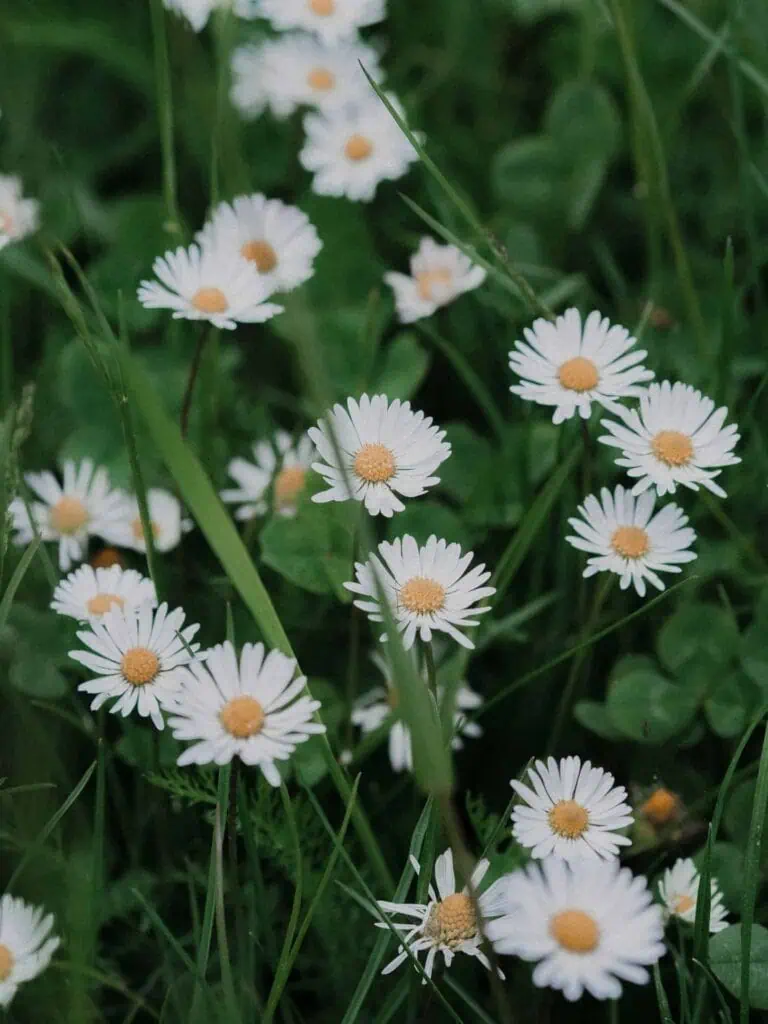
Fiori di margherita
In this post, you will learn about the interaction between daisy flowers and bees. Don’t worry, it’s far more interesting than it sounds. It all starts with the daisy flower. These flowers are fairly large and are mainly yellow, with a few pink and white petals. The flower’s centre contains a large amount of pollen. Bees famously love this flower and they visit it to get the sweet nectar and get covered in pollen, which they then travel to other flowers to leave on their petals.
Bees can see colours at the yellow and blue ends of the spectrum most easily, so they’re most attracted to white, yellow, purple, and blue flowers. They can’t see red, but they may still feed on red flowers that have a strong scent.
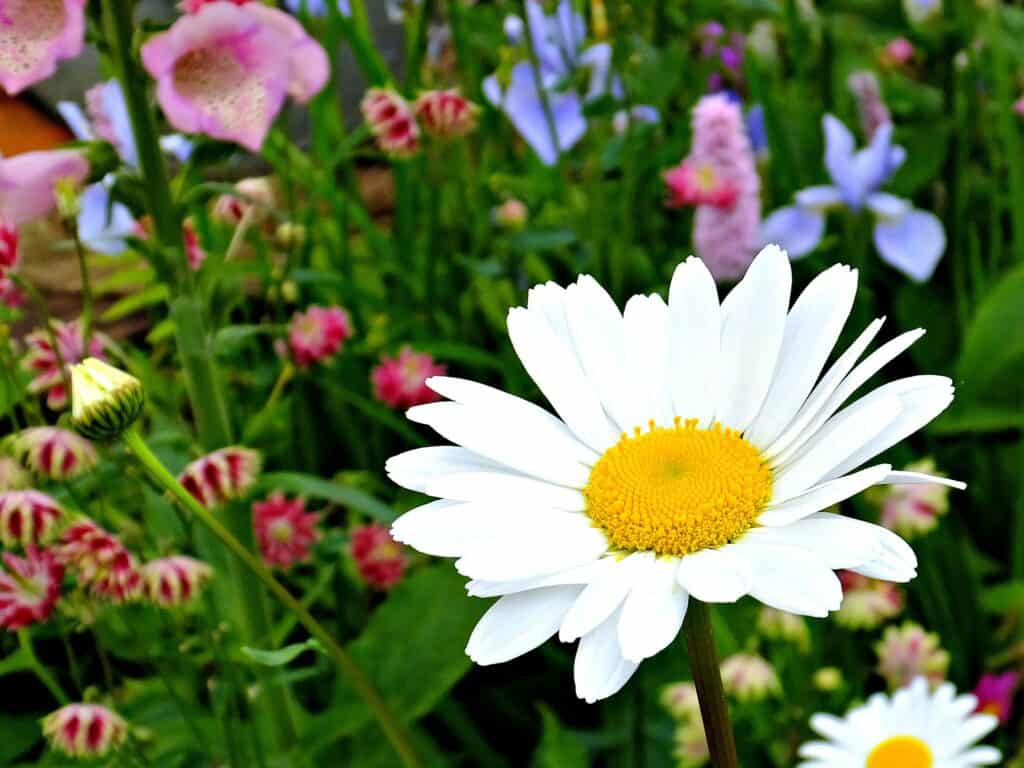
Honey bees prefer flowers with wide blooms and open petals so they can easily reach the nectar inside. However, some native bees have adapted to forage from flowers with deep, bell-shaped blooms. Some have specially extended tongues that can reach into the flower, while others are small enough to fit inside.
Daisies are popular among bees because of their flat, open shape which makes it easy for them to collect nectar and pollen. There are many different species of daisies, including the native Cut Leaf Daisy and Federation Daisy, as well as the introduced African Daisy. Daisies typically have long flowering periods, with some species like the Federation Daisy flowering from autumn to spring.
Plant your flowers in bunches or clumps to make them easier for bees to spot them from a distance. Look for types of flowers that bloom at different times of the year – bees need food sources from early spring to late autumn. By planting a variety of flowers that bloom during different seasons, you can provide bees with a much-needed food source throughout the year!
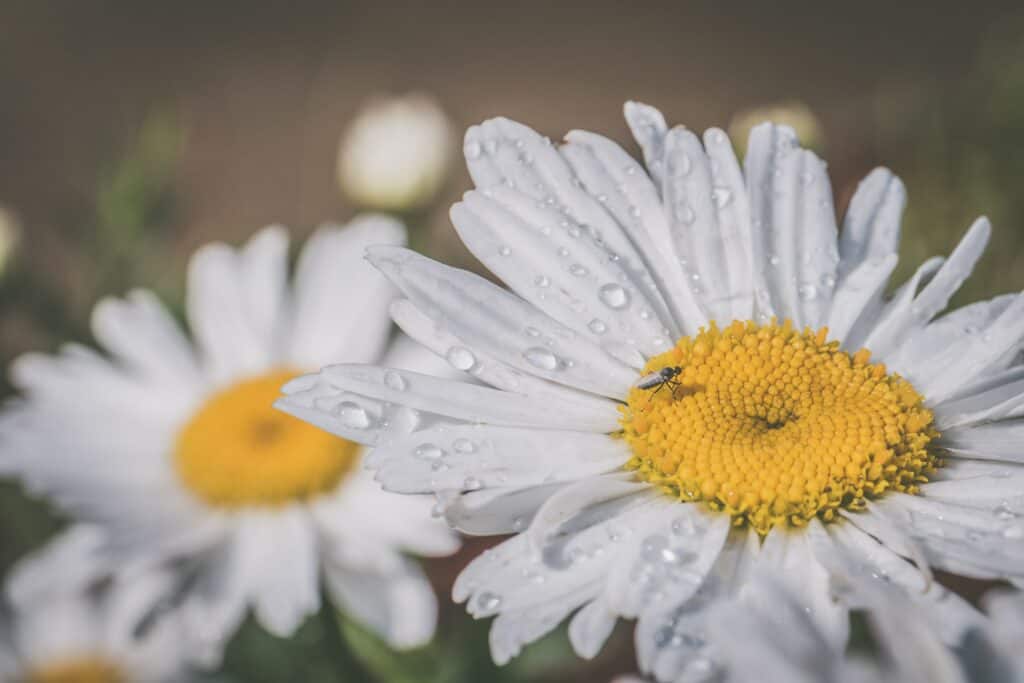
Daisy flowers can be found in many colours and sizes. They’re usually small, but you can find larger daisies. They come in many different colours such as white and yellow, but more popular colours include blue and red. They can also look very pretty in arrangements. They can be planted in any season. To plant them, you can either put them in the ground or place them in a vase or water-filled container. They can also be used to decorate cakes and other sweet treats.
There are flowers that are considered rare and exotic, such as the daisy. We are here to tell you how to plant and grow a daisy flower. This is not too hard, but you want to be sure that you use the right seeds. There are some seeds that are questionable and will not grow. Don’t waste your time. You want the best seeds so that you have a successful flower.
Someone once said, “A weed is just a flower growing in the wrong place”. We can say the same thing about flowers. Many people consider daisies to be weeds. Daisies sprout from the ground and spread through the wind. It can be hard to keep them from growing in unwanted areas. Just remember, daisies are also flowers, and many people have a love for them.
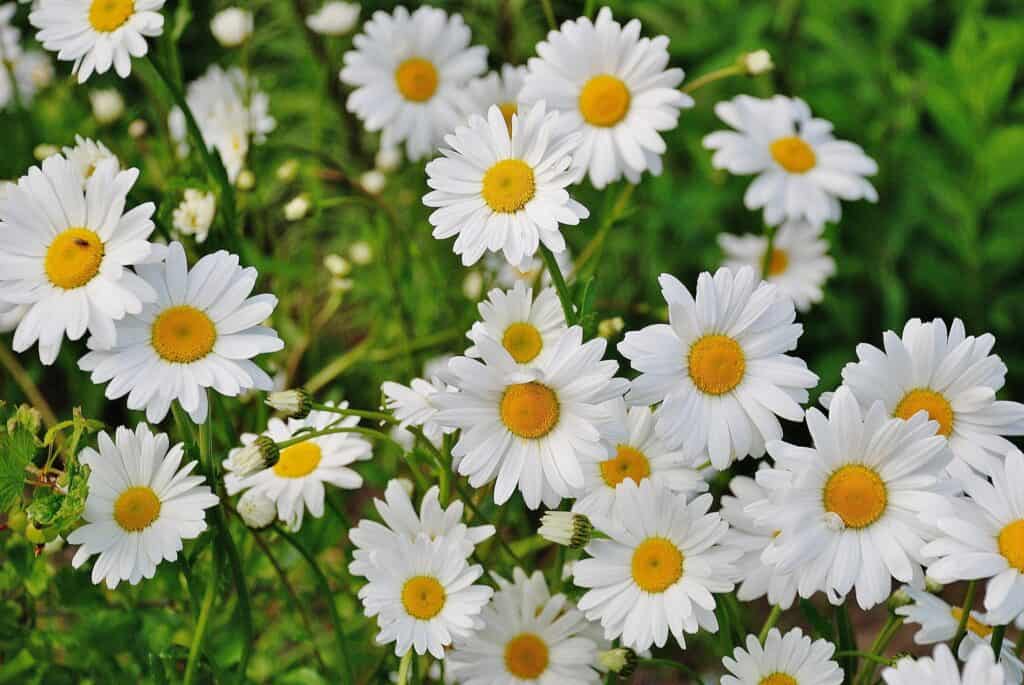
Daisy flowers are truly spectacular. They’re also well-known for being the friendliest of flowers. If you’re looking to add a bit of life to your living space, daisy flowers are the way to go. Simply put the seeds in the soil and make sure they get the sunlight and water they need. Soon you’ll have beautiful daisy flowers. It’s important to take care of these flowers because they are vital for air quality and for your well-being. You can even try planting a whole garden of daisy flowers!