

(with insights from modern research, curated by HoneyBee & Co.)
Il miele is a natural sweetener produced by bees from the nectar of flowers. It is classified by its floral nectar source, such as heather, acacia, linden, wildflower, and sunflower. The composition, flavor, and quality of honey depend on the nectar source, flower types, and environmental factors, making each variety unique in taste and nutrient profile. Honey can be sourced from both wild bee colonies and domesticated hives, with ethical practices ensuring minimal harm to bees.
Royal jelly is a different bee product, distinct from honey, bee pollen, and bee venom. It is a unique substance produced by worker bees and used to feed queen larvae, valued for its specific nutritional and health uses.
Throughout history, honey has held significant cultural, medicinal, and religious value. In ancient Egypt, honey was highly prized by ancient Egyptians for its use in mummification, burial practices, and as offerings to deities, as well as for its medicinal properties in wound healing and embalming. Its importance is evident in Egyptian hieroglyphs and traditional remedies.
Supporting local beekeepers helps maintain healthy bee populations and promotes local ecosystems. Eco-friendly packaging is also an important aspect of sustainable honey production.
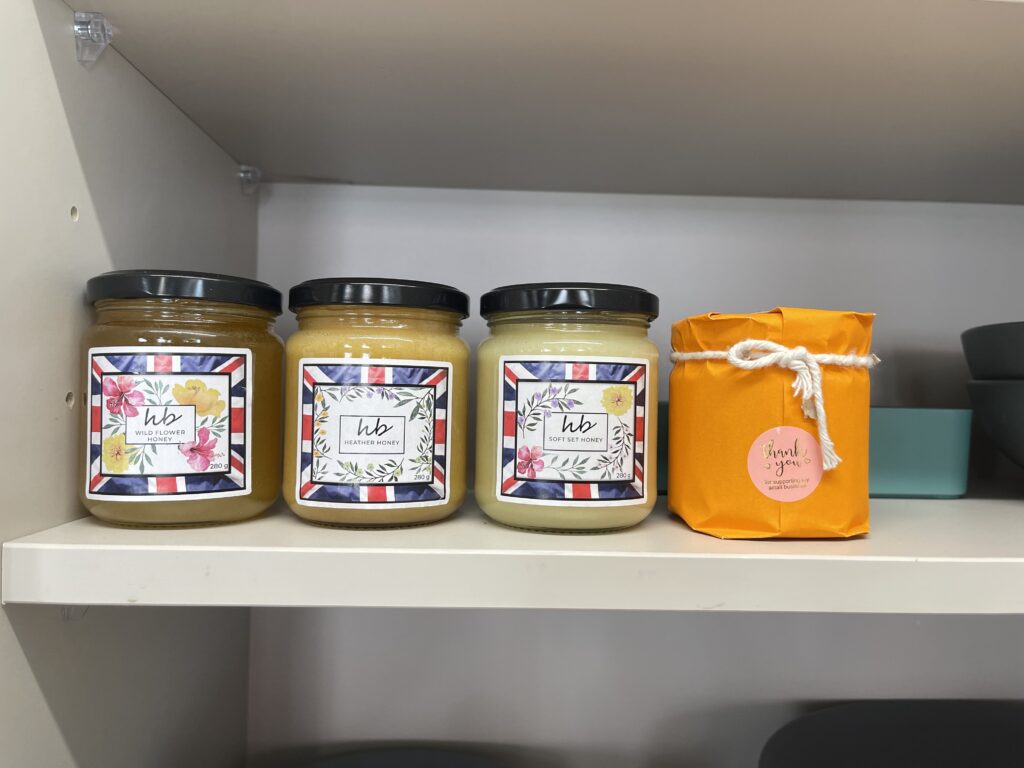
Honey consists mainly of simple sugars (fructose and glucose), water, and small amounts of proteins, enzymes, organic acids, minerals, vitamins, and plant‑derived compounds. Research shows that when fructose, as found in honey, replaces other carbohydrates of equal energy value, there is no effect on body weight; additionally, honey’s mild laxative effect may help alleviate constipation and bloating, which can indirectly influence body weight. Honey types are primarily classified by the floral nectar source, resulting in a wide spectrum of colors, flavors, and consistencies.
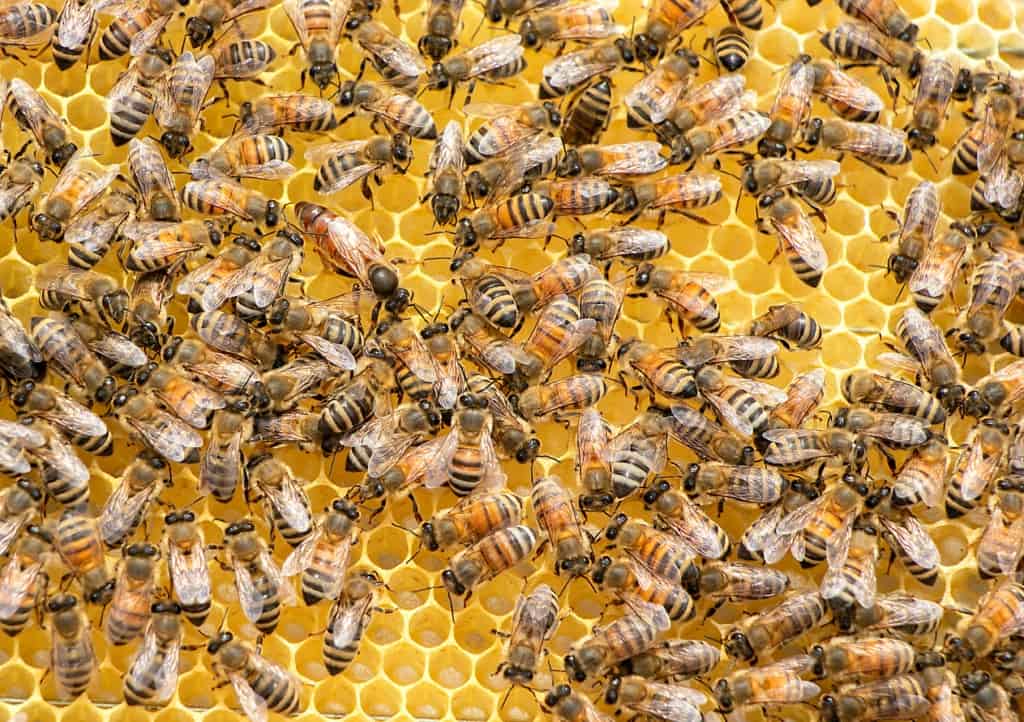
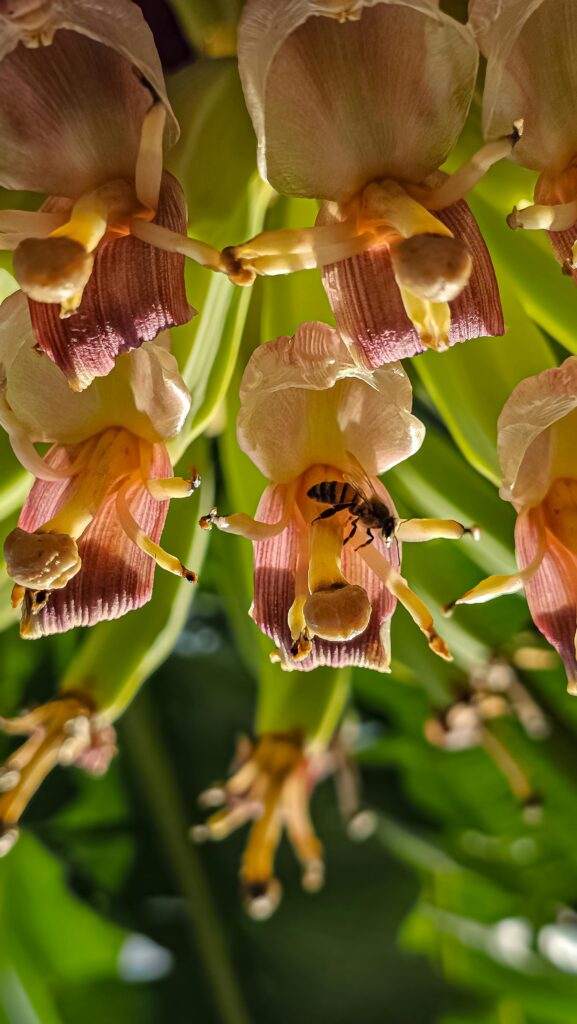
In honey production, the role of one bee is vital each bee forages for nectar, collects it, and helps process it within the hive, contributing to the complex transformation of nectar into honey.
HoneyBee & Co. focuses on single‑origin and wildflower honeys, allowing you to taste how different landscapes and floral sources shape flavour and aroma. Clover honey is the most common variety, featuring a classic, sweet, and slightly floral, buttery taste.
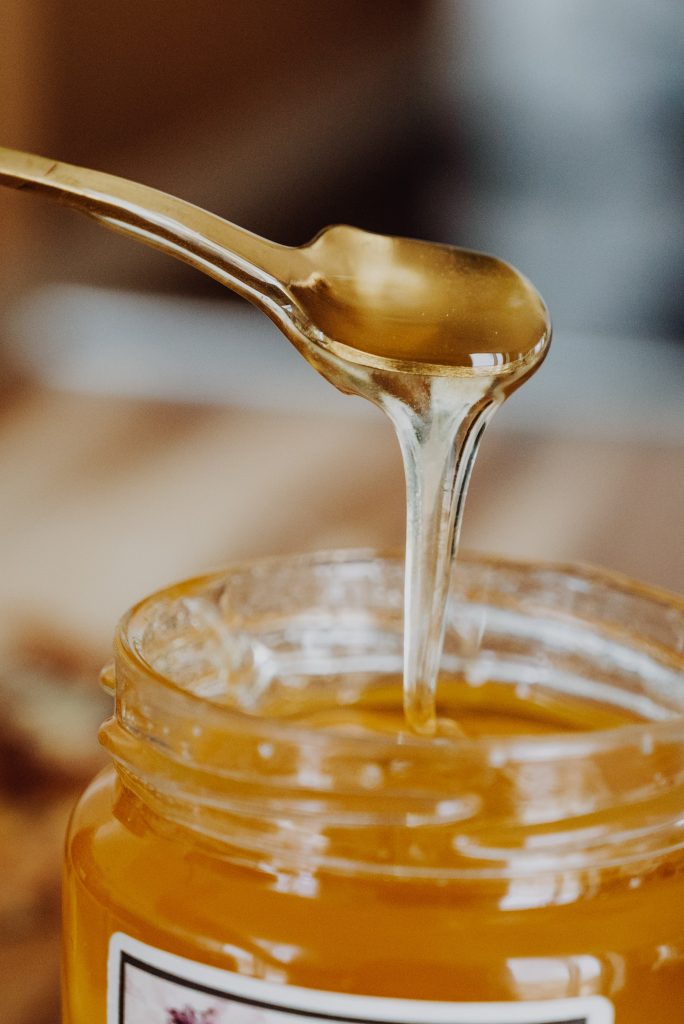
How honey bees make honey
Worker bees collect dilute nectar from flowers, store it in a specialised “honey stomach,” and add enzymes that begin breaking down complex sugars. In religious and cultural traditions, the wonder and complexity of bee behavior is often acknowledged with phrases such as “thy lord taught,” highlighting the divine guidance attributed to bees in sacred texts.
Back in the hive, bees pass the nectar between one another, spread it into comb cells, and fan their wings to evaporate water until the moisture content typically falls below about 20%, creating a stable, high‑sugar food. Once the honey is thick enough, bees seal the cells with wax caps for long‑term storage as an energy reserve for the colony. Historically, two honey foragers would collect honey and honeycomb from wild beehives using primitive tools, a practice known as honey hunting that dates back thousands of years.
HoneyBee & Co. works with beekeepers who time their harvests carefully so that bees keep enough of this stored honey for their own needs.Honey has also long been used as a topical antibiotic by practitioners of traditional and herbal medicine.
Types of honey: raw honey and more
Honey types can be grouped by floral source, processing, and physical form.
Common categories:
- Monofloral honey: Produced mainly from one plant (e.g. acacia, heather, manuka), often with distinctive flavour, colour, and bioactive profile. Miele di acacia has a delicate floral scent and a mild, sweet taste with hints of vanilla. Heather honey has a pungent, slightly bitter, and smoky toffee taste. Buckwheat honey is dark brown to black with a strong, earthy, and malty flavor often compared to molasses. Eucalyptus honey has a distinct herbal, slightly menthol, or medicinal taste.
- Multifloral (wildflower) honey: Nectar from many plant species, with character varying by region and season. Wildflower honey’s flavor changes based on the region and season, often being complex. Polyfloral honey, also known as wildflower honey, is derived from the nectar of many types of flowers and its taste may vary from year to year.
- Honeydew honey: Made from bees collecting secretions from trees or honeydew from aphids, resulting in a stronger and less sweet flavor than nectar-based honey.
- Raw honey: Minimally processed, usually only strained; it retains most naturally occurring enzymes, fine crystals, and pollen.
- Pasteurised/filtered honey: Heated and finely filtered for clarity and slow crystallisation, which can reduce some heat‑sensitive components.
- Creamed or whipped honey: Controlled crystallisation creates a smooth, spreadable texture without changing basic composition.
- Comb honey: Honey sold in its original honeycomb; both wax and honey can be eaten.
Australia’s unique flora yields distinctive honeys such as yellow box, blue gum, and mānuka honey, each with its own earthy flavor profile.
Darker honeys tend to have stronger flavours and often higher measured antioxidant activity in laboratory tests, though this varies by floral source.When honey compared across these types, their properties and flavors can differ significantly, offering a wide range of taste experiences and potential health benefits.
HoneyBee & Co. offers mostly raw and gently filtered honeys so you can experience the natural variation between regions and seasons.
Honey can be bottled in its familiar liquid form known as liquid honey which is freshly extracted, viscous, and clear. The characteristics of liquid honey, such as viscosity, transparency, and moisture content, depend on the botanical origin and storage conditions. In addition to liquid honey, bee honey is also sold in other forms and may be subjected to various processing methods.
Remember, moderation is key because honey is still a high-calorie, high-sugar food.
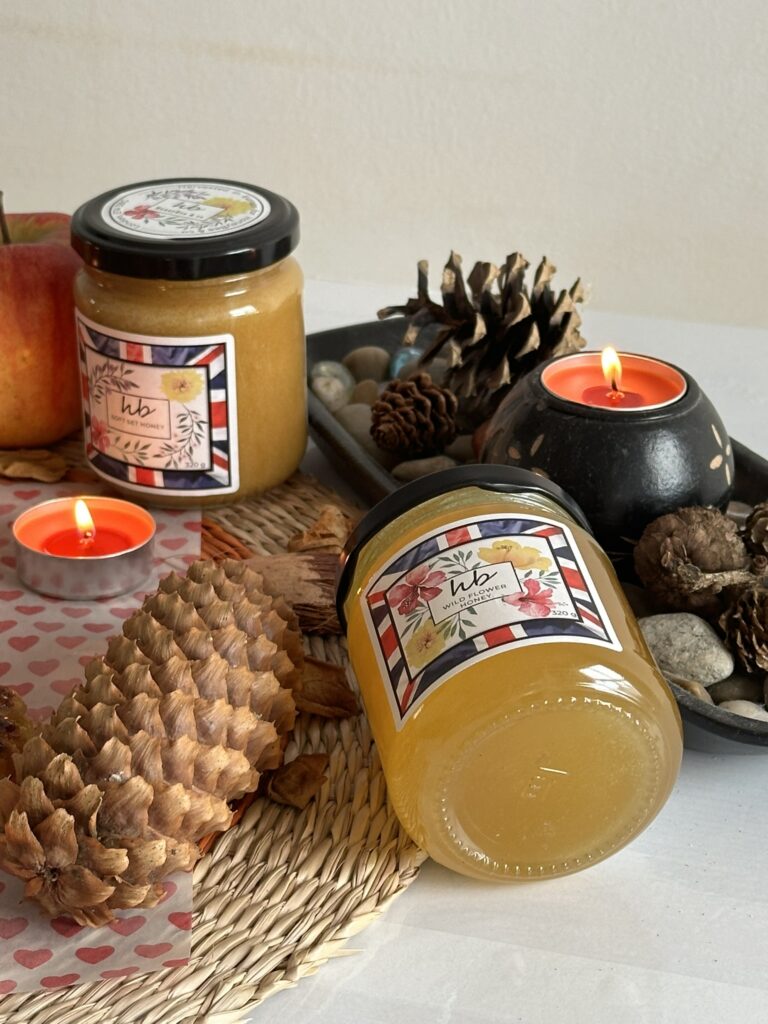
Honey is a remarkable natural product crafted by honey bees from the nectar of flowers. For centuries, pure honey has been treasured not only as a delicious sweetener but also as a source of nourishment and traditional remedy. Its unique blend of sugars mainly fructose and glucose alongside organic acids, amino acids, and phenolic compounds, gives honey its signature taste, aroma, and texture. This complex composition is what sets honey apart from other sweeteners and underpins its popularity in kitchens and wellness routines around the world.
Regular honey consumption has been linked to a variety of health benefits, thanks to its antioxidant, anti inflammatory, and antibacterial properties. Honey contains a number of antioxidants that help neutralize reactive oxygen species (ROS) in the body, which can contribute to conditions like premature aging, type 2 diabetes, and heart disease. The presence of phenolic compounds and organic acids in honey contributes to its potential to support overall wellbeing, making it a staple in both culinary and holistic traditions. Additionally, honey has a mild laxative effect which can help alleviate constipation and bloating.
Recent studies also suggest that honey may have a potential therapeutic role in the treatment of gingivitis and periodontal disease. Its antibacterial and anti-inflammatory effects can help manage oral health conditions by targeting pathogenic bacteria and reducing inflammation in the gums.
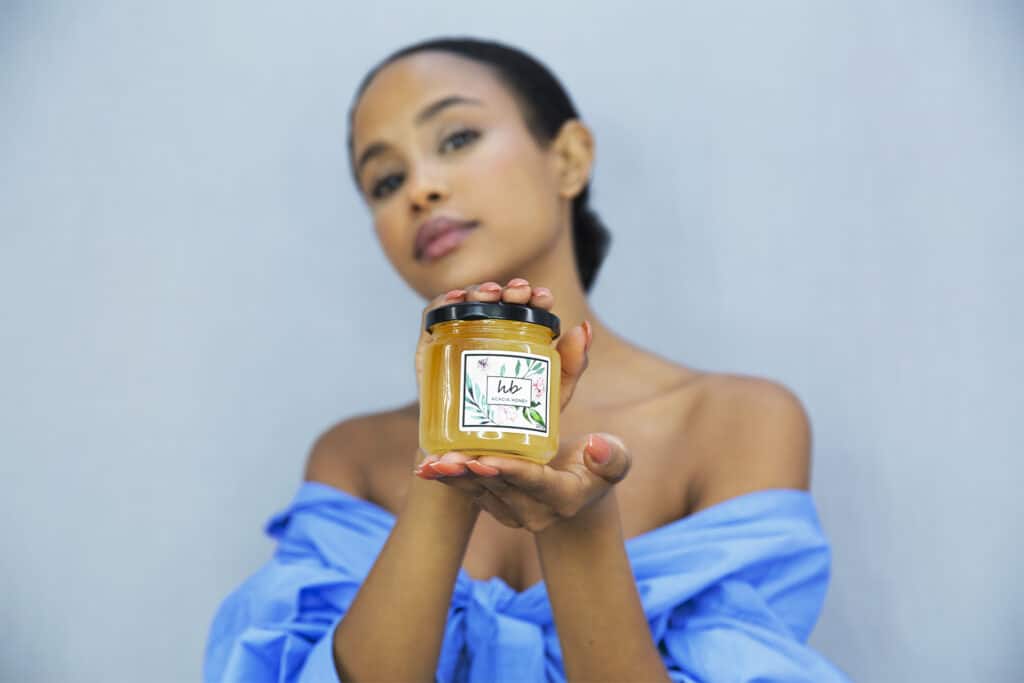
The world of honey is wonderfully diverse, with each type offering its own story, flavour, and benefits. Honey is produced by bees who collect nectar or honeydew, which is then processed through regurgitation and enzymatic activity, preserving the natural enzymes, pollen, and nutrients found in the nectar. Raw honey is prized for its purity, as it is collected straight from the hive and minimally processed. Manuka honey, produced by bees foraging on the manuka bush in New Zealand, stands out for its dark hue, robust taste, and notable antibacterial properties, making it a favourite for both culinary and wellness uses.
Buckwheat honey, with its deep colour and bold, molasses-like flavour, is produced from the nectar of buckwheat flowers and is often chosen for its rich antioxidant content. Wild bees nest honey, gathered from wild bee colonies, can vary greatly in taste and composition depending on the local flora, offering a unique snapshot of the environment where it was produced. In tropical regions, stingless bees produce honey that is often used both as a sweetener and in traditional medicine, valued for its distinctive tang and potential health benefits.
Honey has long been used in traditional medicine for its antimicrobial and anti-inflammatory properties, especially in wound healing. It is particularly effective in treating infected wounds, promoting tissue regeneration, and preventing wound infections due to its antibacterial activity. Studies have shown that honey can aid in healing extensive burns and infected deep wounds after surgery. Additionally, honey has been used successfully for treating ulcerations following radical surgery for carcinoma of the breast and varicose veins.
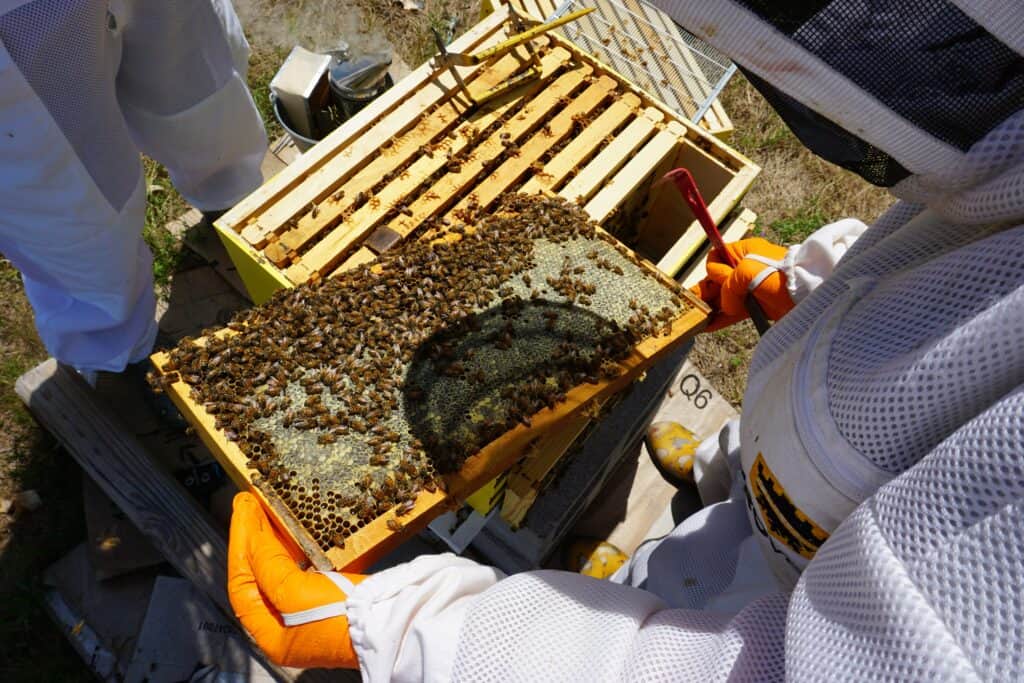
After describing these bee species, it’s worth noting that other wasps, such as Brachygastra and Polistes, also produce and consume honey, highlighting the broader context of honey production among social insects. Each variety reflects the landscape, the flowers, and the bees that produce honey, making every jar a unique experience. Honey can also be a healthier alternative to refined sugar.
Classification of Honey
The world of honey is as complex and varied as the landscapes where honey bees forage. Understanding how honey is classified can help you appreciate the subtle differences in taste, aroma, and health benefits and make more informed choices about the honey you eat.
By Floral Source: One of the most common ways to classify bee honey is by the flowers from which the nectar is collected. Monofloral honeys, such as manuka honey, buckwheat honey, or acacia honey, are produced when honey bees primarily visit a single type of flower. These honeys have distinctive flavors, aromas, and even health properties, thanks to unique combinations of organic acids, phenolic compounds, and amino acids. Polyfloral, or wildflower honey, is made from the nectar of many different plants, resulting in a more complex and varied flavor profile that changes with the seasons and the local flora. Honeydew honey, on the other hand, is not made from flower nectar at all, but from the sweet secretions of sap-sucking insects like aphids. This type of honey, often darker and less sweet, is rich in minerals and has a robust, earthy taste.
By Production Method: How honey is produced and processed also plays a key role in its classification. Raw honey is honey that has not been heat-treated or heavily filtered, so it retains natural pollen, enzymes, and nutrients qualities that many believe enhance its health benefits, including anti inflammatory effects and antibacterial properties. Pure honey is filtered to remove impurities but still preserves its natural flavor and aroma. Processed honey, which is often pasteurized and finely filtered, may have a smoother texture and longer shelf life, but some of the beneficial compounds can be lost in the process. Unfortunately, honey adulteration mixing pure honey with cheaper sweeteners like table sugar or corn syrup—remains a concern, making it important to choose honey from trusted sources.
By Geographical Origin: The region where honey is produced has a profound impact on its character. For example, manuka honey from New Zealand is renowned for its potent antibacterial properties, while buckwheat honey from Eastern Europe and North America is prized for its dark amber color and bold flavor. In tropical regions, stingless bees and wild bees nest honey offer unique tastes and are often used in traditional honey therapy. The diversity of bee colonies, local plants, and even climate all influence the final product, making each jar of natural honey a reflection of its origin.
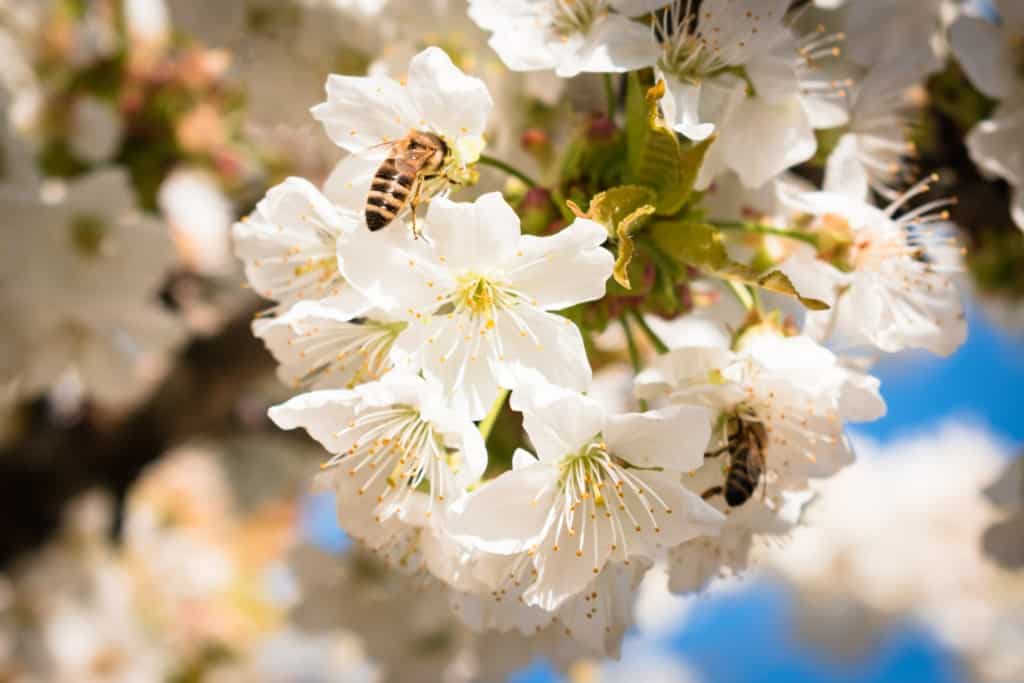
By Color: Honey appears in a spectrum of colors, from pale gold to deep, dark amber. Lighter honeys tend to have milder flavors, while darker varieties like buckwheat honey are more robust and often higher in antioxidants and phenolic acids. The color depends on the floral source, age, and storage conditions of the honey, and can even hint at its potential health benefits.
Why Classification Matters: Knowing how honey is classified helps you select the right honey for your needs whether you’re seeking a mild, liquid honey for sweetening tea, a dark, antioxidant-rich honey for its health benefits, or a raw honey for topical honey application on wounds. The use of honey as a wound dressing has been shown to speed up the healing process, sterilize wounds, and reduce pain. Honey’s effectiveness in wound healing is supported by its ability to inhibit around 60 species of bacteria, some species of fungi (including Candida albicans), and viruses. Its antibacterial effects were first demonstrated by Bernardus Adrianus van Ketel in 1892.
Compared to conventional treatment, honey offers a natural alternative or complementary option, particularly due to its antimicrobial, anti-inflammatory, and tissue-nourishing properties. This makes honey a valuable choice for those seeking natural remedies that may reduce reliance on standard pharmaceuticals. It also empowers you to avoid toxic honey or adulterated products, and to support ethical honey production that protects bee colonies and the environment.
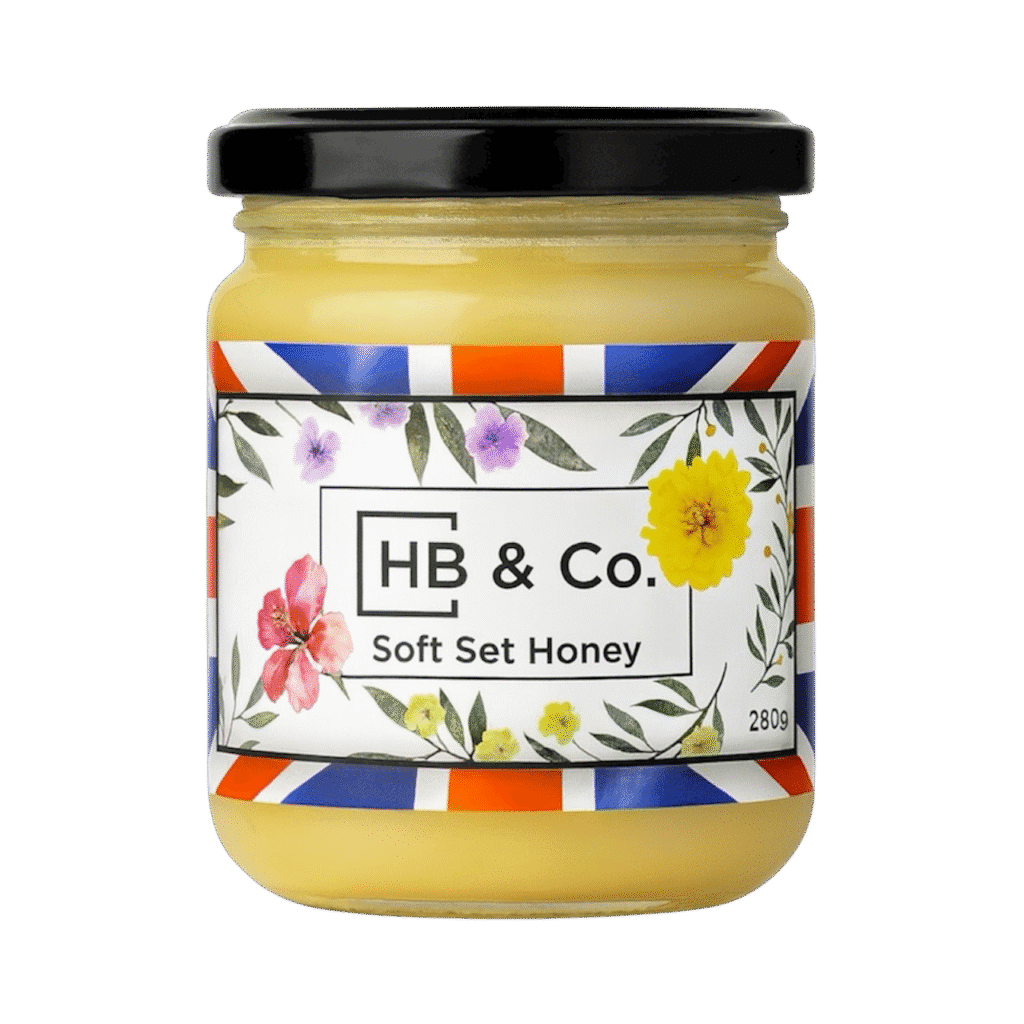
At HoneyBee & Co., we’re passionate about offering only pure, raw honey from ethical beekeepers, so you can enjoy all the produce of the hive with confidence whether you’re drizzling it over breakfast, using it in a honey dressing, or exploring its role in honey therapy and wound healing.
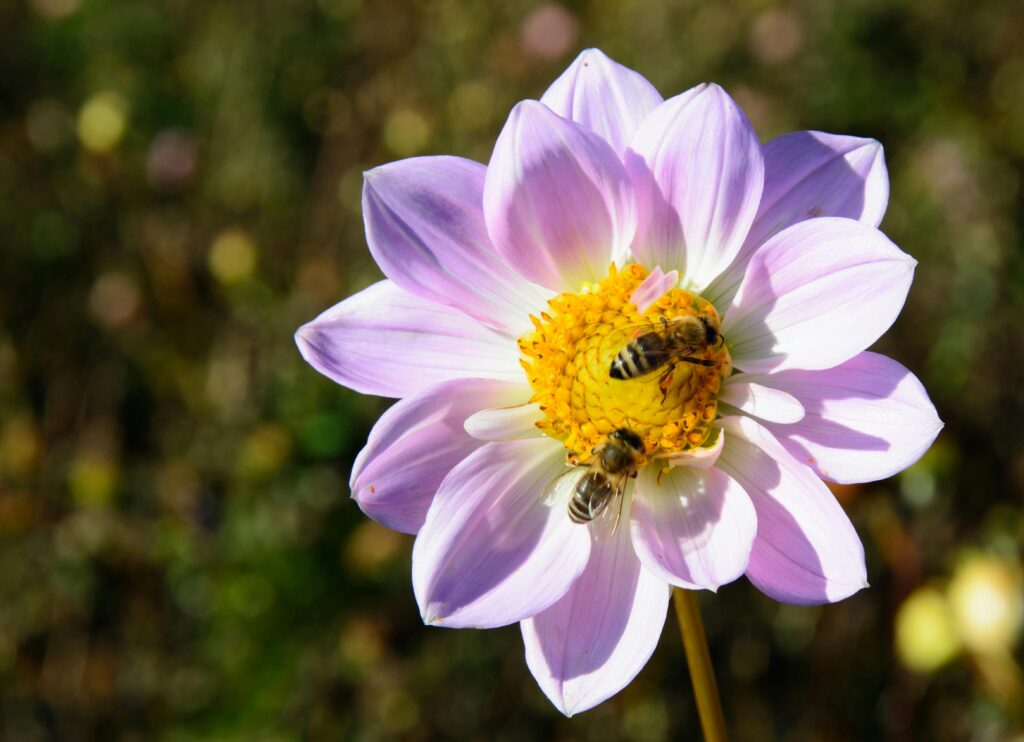
Nutritional Value of Honey
Honey is much more than just a natural sweetener it’s a nutrient-rich food crafted by honey bees from the nectar of flowers, with its nutritional profile shaped by the diversity of plants visited and the health of bee colonies. Each spoonful of pure honey delivers a quick source of energy, primarily in the form of carbohydrates. In fact, one tablespoon (about 21 grams) of liquid honey contains roughly 64 calories and 17 grams of sugar, mostly as fructose and glucose. This makes honey a popular choice for those seeking a natural alternative to table sugar, though moderation is still key for maintaining healthy blood sugar levels.
What sets raw honey apart from processed varieties is its retention of beneficial compounds. Raw honey, as offered by HoneyBee & Co., is unfiltered and unpasteurised, preserving natural pollen, enzymes, and trace amounts of vitamins and minerals such as vitamin C, B vitamins, calcium, iron, and potassium. While these nutrients are present in small quantities, they contribute to the overall health benefits of honey. Organic acids, like gluconic acid, give honey its mild acidity and play a role in its unique flavour and antibacterial properties.
The nutritional value of honey also depends on its floral origin. For example, buckwheat honey and manuka honey are celebrated for their high levels of phenolic compounds and antioxidants, which help neutralise reactive oxygen species (ROS) in the body. These antioxidants are linked to a range of beneficial effects, from supporting heart health to reducing inflammatory cytokine production. Stingless bees and wild bees nest honeys, often found in tropical regions, can have distinctive nutritional profiles and are valued in traditional honey therapy.
Beyond its role as a sweetener, honey has a long history of medicinal use. Topical honey application, such as honey dressing for wounds or diabetic foot ulcers, takes advantage of honey’s antibacterial properties and its ability to create a moist, healing environment. Medical honey application has shown promise in reducing wound infection and supporting tissue repair, even in cases involving antibiotic-resistant bacteria. Honey is also used as a natural remedy for cough symptoms and upper respiratory tract infections, with studies suggesting it can be as effective as some over-the-counter cough medicines.
However, not all honey is created equal. Honey adulteration, where pure honey is mixed with cheaper sweeteners, can significantly reduce its nutritional and therapeutic value. Toxic honey, produced from the nectar of certain plants like rhododendrons or even from boiled potato peel, can cause honey intoxication and serious health issues such as chest pain or heart problems. This is why sourcing natural honey from ethical producers who prioritise the health of their bee colonies is so important.
When honey compared to table sugar, it often has a lower glycaemic index, meaning it may have a gentler effect on blood glucose and insulin levels. This makes it a preferred option for those looking to manage blood sugar, though diabetic patients should still eat honey in moderation and consult with healthcare professionals. Some research even suggests that regular honey consumption may help lower blood pressure and improve blood lipids, potentially reducing cardiovascular risk factors and supporting overall heart health.
In summary, the nutritional value of honey is shaped by the flowers bees produce honey from, the health of bee colonies, and the care taken during honey production. Choosing raw, pure honey, like that from HoneyBee & Co. ensures you enjoy all the produce of the hive, from its natural sweetness to its array of health benefits. Whether you’re adding a drizzle to your breakfast, using honey dressing for wound healing, or exploring honey therapy for upper respiratory infections, honey remains a versatile and nourishing addition to a balanced lifestyle. As always, enjoy honey as part of a varied diet, and trust in the wisdom of the ancient Egyptians and modern science alike: nature’s golden gift is best when it’s pure, raw, and responsibly sourced.

Health Benefits of Honey and Effects on Blood Sugar
Honey is more than just a natural sweetener it’s a source of several potential health benefits. Research suggests that honey consumption may help support healthy blood sugar and blood pressure levels, thanks to its unique blend of organic acids, phenolic acids, and other bioactive compounds. The anti inflammatory effects of honey are well-documented, with studies indicating that honey contains antioxidants and compounds that can help reduce inflammation and oxidative stress in the body. Notably, honey may help reduce C-reactive protein (CRP) levels, a key biomarker of inflammation associated with cardiovascular disease risk and progression.
Moderate honey intake has also been linked to a lower risk of high blood pressure and improved cholesterol and triglyceride levels. Studies show that honey can lower total and LDL cholesterol while significantly increasing HDL cholesterol, supporting better heart health. Additionally, honey may help lower blood pressure, improve blood fat levels, and regulate heartbeat, all of which contribute to improved heart function. For people with type 2 diabetes, honey may offer some protective effects related to blood sugar management, potentially improving fasting blood sugar levels.
Its renowned antibacterial properties make honey a popular choice for wound healing, as it can help protect against infection and promote recovery when used appropriately. The health benefits of honey are largely attributed to its rich content of phenolic acids, flavonoids, and organic acids, which work together to support the body’s natural defences and overall wellbeing. Whether enjoyed in food or used in topical applications, honey offers a natural way to harness the power of nature’s pharmacy.
Uses of Honey
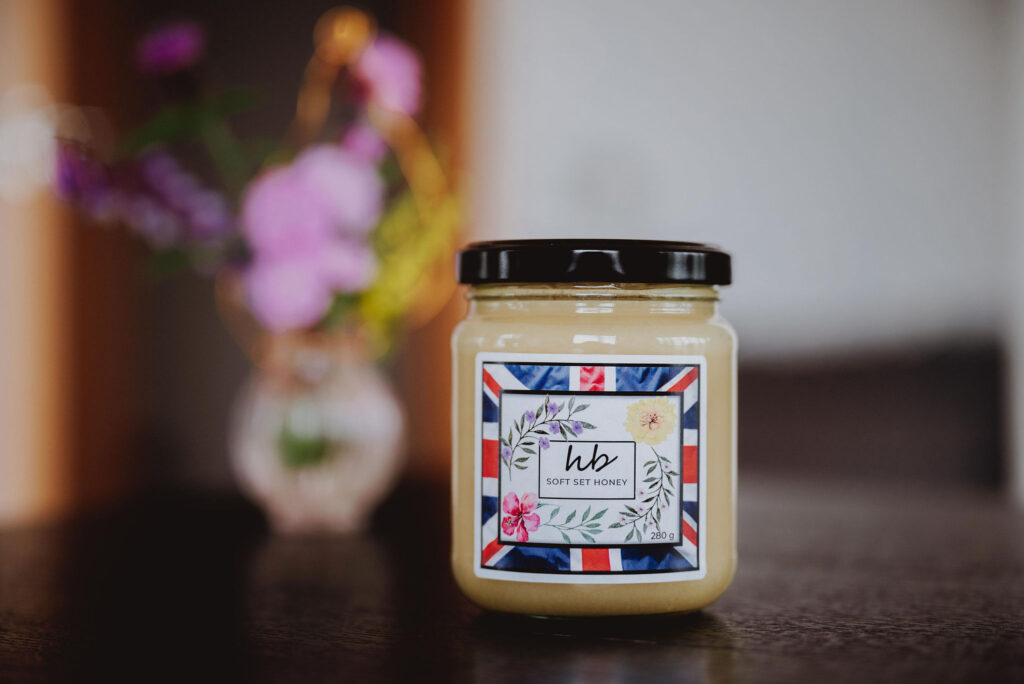
Honey’s versatility makes it a staple in kitchens, medicine cabinets, and beauty routines alike. As a natural sweetener, honey can be drizzled over breakfast foods, stirred into drinks, or used in baking to add depth and moisture. You can use honey as a spread on bread or toast, to sweeten plain yogurt, coffee, or tea, and as a versatile ingredient for sweetening beverages and glazing meats.
Honey is also delicious served on a cheeseboard to complement strong cheeses like blue cheese, and it caramelizes beautifully under heat, adding depth of flavor to glazes and marinades. In baking, honey adds moisture, keeping baked goods fresh and tender for longer. When substituting honey for refined sugar in recipes, use about ¾ cup of honey for every 1 cup of sugar, and reduce liquids by about ¼ cup per cup of honey used.
Its antibacterial properties have made honey a traditional remedy for minor wounds and skin irritations, where it can help protect against bacterial growth and support healing. In the world of personal care, honey is a favourite ingredient in homemade face masks, scrubs, and hair treatments, thanks to its moisturizing and soothing qualities.
When it comes to soothing cough symptoms, honey is a time-honoured choice its smooth texture and natural sweetness can help calm a sore throat and reduce irritation, making it a comforting addition to warm drinks or homemade syrups. Honey is an effective natural remedy for soothing sore throats and reducing coughing in children over one year of age, and it is often used in home remedies for this purpose. Cough symptoms in children can affect sleep and overall quality of life, but honey has been shown to improve sleep quality in children suffering from coughs, making it a valuable natural option for families.
Whether you’re looking to enhance your meals or support your wellbeing, honey offers a natural, multi-purpose solution.
Risks and Precautions
While pure honey is generally safe and enjoyed by many, it’s important to be aware of certain risks and precautions. Infants under 12 months should never eat honey, as their digestive systems are not yet able to handle potential bacteria like Clostridium botulinum, which can cause serious illness. For adults and older children, honey is usually safe, but those with allergies to bee products should exercise caution, as reactions can range from mild to severe. People managing their blood sugar, such as those with diabetes, should remember that honey can affect blood glucose levels and should be consumed in moderation. Additionally, not all honey is created equal some types, known as toxic honey, can be harmful due to the presence of certain plant toxins. To minimize risks, always choose high-quality, pure honey from reputable sources. If you have any health concerns or are taking medications that may interact with honey, consult your healthcare provider before adding it to your routine.