
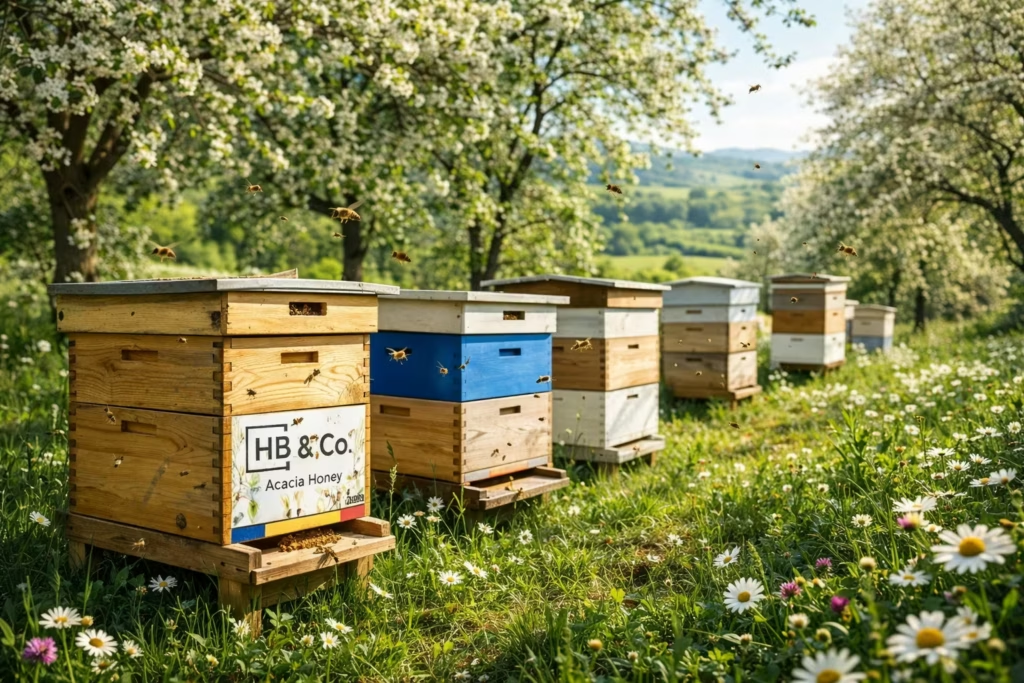
La guida di HoneyBee & Co. a Kosher, Kashrut e perché il nostro miele è qualificato
A HoneyBee & Co., Spesso ci viene chiesto se il nostro miele è kosher e cosa significhi in realtà. Kosher è più di un'etichetta. È un quadro dietetico dettagliato che affonda le sue radici nella legge ebraica, nella tradizione e in un'attenta manipolazione degli alimenti. Questa guida spiega in modo chiaro i principi kosher e si concentra in modo particolare su miele kosher, e mostra come l'HoneyBee & Co. si allinea a questi standard nella pratica.
Punti di forza
- Kosher significa cibo adatto e corretto secondo la legge alimentare ebraica.
- Il miele è kosher nonostante le api non siano kosher perché è di origine vegetale.
- Il miele puro senza additivi è naturalmente pareve e kosher.
- La manipolazione e l'ispezione corretta sono essenziali per la conformità kosher.
- Il miele HoneyBee & Co. si allinea naturalmente ai principi kosher grazie alla purezza e alla trasparenza.
Cosa significa Kosher?
Risposta diretta:
Kosher significa “adatto” o “corretto”.” in ebraico e si riferisce agli alimenti che rispettano le leggi dietetiche ebraiche note come kashrut.
Queste leggi determinano:
- Quali alimenti sono consentiti o vietati
- Come devono essere prodotti e manipolati gli alimenti
- Come vengono reperiti e combinati gli ingredienti
Kosher si applica agli ingredienti, alla lavorazione, alla conservazione e alla presentazione finale.
I fondamenti della legge kosher
Le leggi kosher hanno origine nella Torah, principalmente in Levitico 11 e Deuteronomio 14, e sono stati interpretati e ampliati attraverso i testi rabbinici per oltre 3.000 anni. Lo scopo della kashrut non è solo la nutrizione. Collega il mangiare quotidiano con la disciplina, l'identità e l'intenzione.
Le tre categorie di alimenti kosher
Tutti gli alimenti kosher rientrano in una delle tre classificazioni.
Carne (Fleishig)
- Solo da animali ammessi
- Richiede la macellazione rituale (shechita)
- Deve essere completamente separato dai latticini
Latte (Milchig)
- Solo da animali kosher
- Separazione rigorosa dalla carne
- Possono essere applicati ulteriori livelli di supervisione
Alimenti neutri (Pareve)
Il miele si colloca saldamente in questa categoria neutra. Anche il polline d'api è considerato kosher per lo stesso motivo del miele e viene consumato per le sue proprietà benefici per la salute. Il miele contiene un mix di aminoacidi, vitamine, minerali e antiossidanti che contribuiscono al suo valore nutrizionale. La pappa reale, invece, è generalmente considerata non kosher perché è una secrezione che proviene dall'ape stessa, ma è ricca di proteine e aminoacidi e si distingue anche per il suo contenuto di vitamine.
Il miele è kosher?
Sì, il miele puro è kosher.
Questa è una delle sentenze più interessanti della legge alimentare ebraica.
Sebbene le api stesse non siano insetti kosher, il miele è consentito perché:
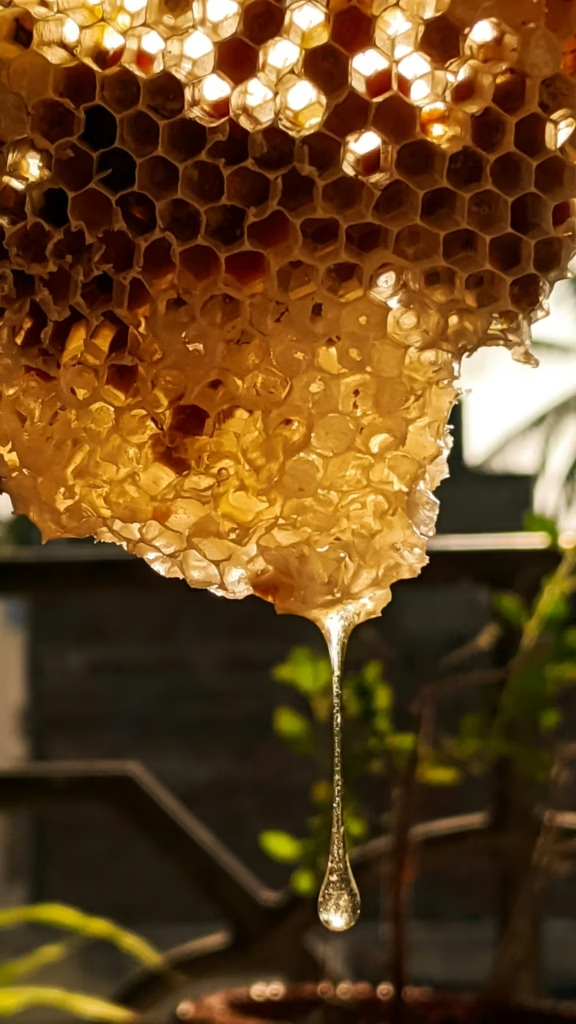
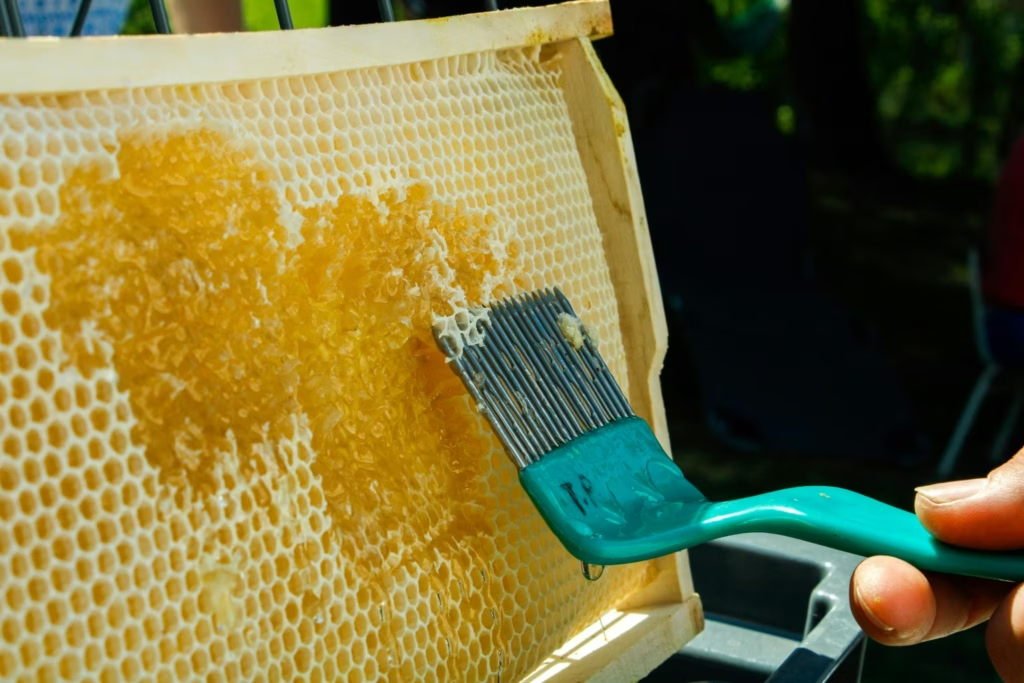
Il miele proviene da nettare di fiori, non dal corpo dell'ape. Le api raccolgono il nettare dai fiori e usano gli enzimi della loro saliva per trasformarlo in miele. Il nettare viene temporaneamente immagazzinato nello stomaco dell'ape fino al suo ritorno all'alveare. Una volta rientrate nell'alveare, le api immagazzinano il nettare nelle celle del favo, dove viene trasformato in miele. Il miele viene poi estratto dal favo per il consumo umano. Le api agiscono come trasformatori, non come produttori. Il miele è considerato di origine vegetale.
È importante notare che il miele è uno degli alimenti più adulterati al mondo, per cui è essenziale assicurarne la purezza e la certificazione kosher prima del consumo.
La Gemara spiega che il miele è kosher in quanto è nettare di fiori trasformati e il miele è un prodotto di qualità. ape agisce solo come vettore. Il miele rappresenta un'eccezione nella legge kosher, in quanto il suo consumo è consentito agli ebrei secondo le linee guida halachiche, nonostante sia prodotto da un insetto non kosher.
Questa sentenza è stata accettata nella legge ebraica per secoli.
Cosa rende il miele veramente kosher?
Mentre il miele stesso è kosher per natura, come viene prodotta e gestita è importante.
A HoneyBee & Co., garantiamo:
- Non vengono aggiunti additivi, sciroppi o aromi.
- Il miele viene raccolto, filtrato e conservato con cura.
- Nessuna contaminazione con parti di api, come ali o zampe.
- Nessun contatto incrociato con sostanze non kosher
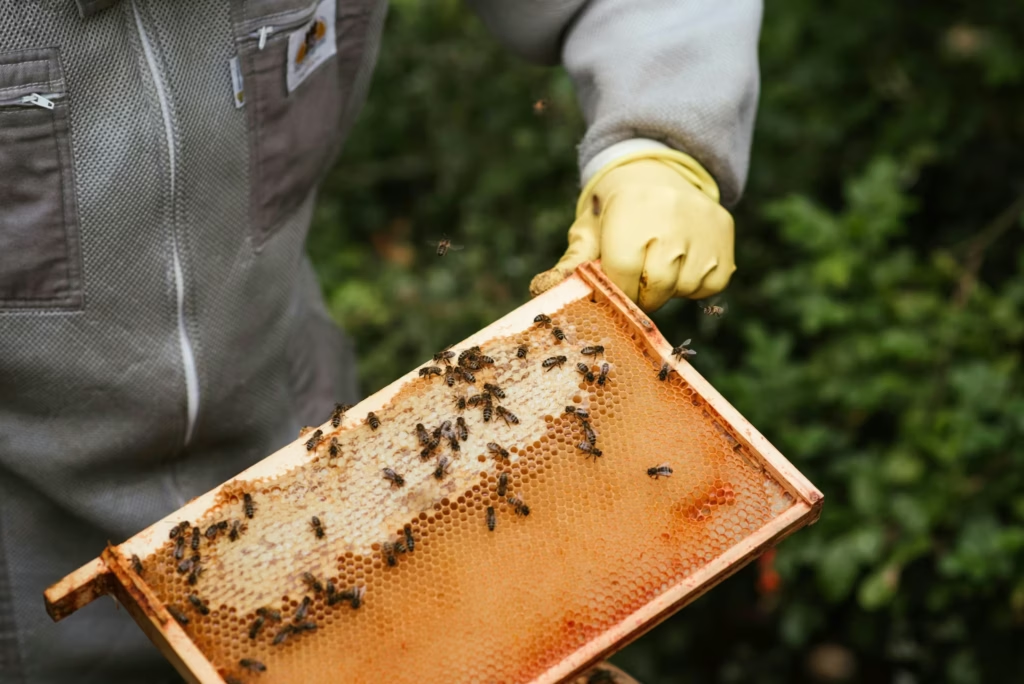
Gli apicoltori devono mantenere gli alveari in buona salute per garantire la produzione di miele kosher, poiché la manutenzione continua aiuta a prevenire il collasso delle colonie e sostiene la produzione di miele puro.
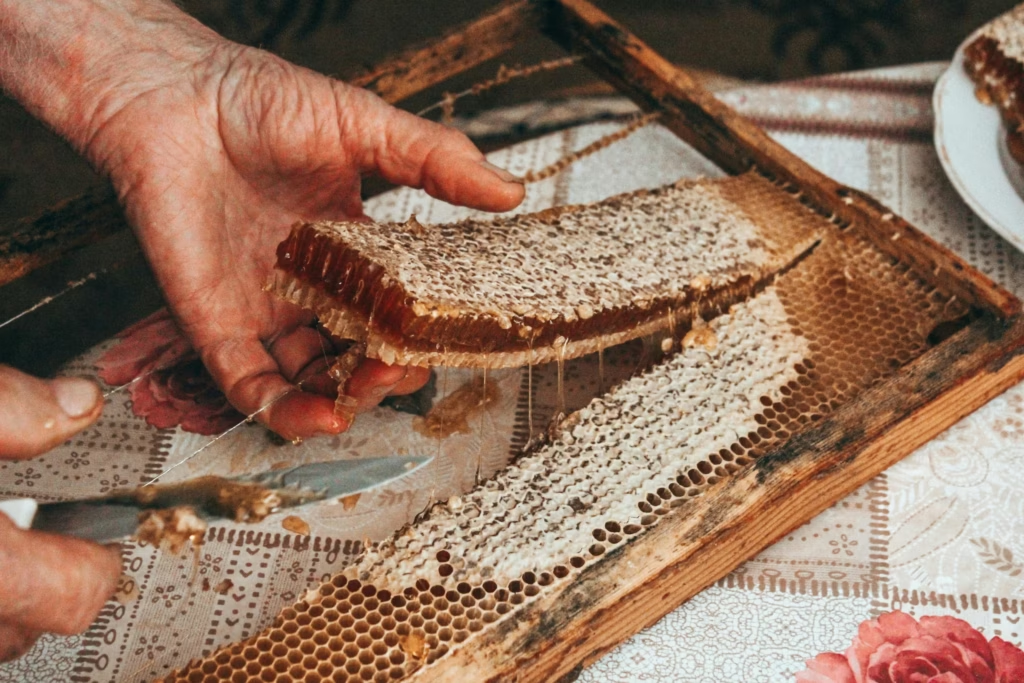
Miele non filtrato, compreso il miele di favo, può contenere parti di api, come ali o zampe, che sono considerate ‘atzamos’ non commestibili e non sono non kosher, ma devono essere filtrate per garantire la qualità. Se si acquistasse del miele non filtrato con parti di api, sarebbe necessario filtrare le parti di api in quanto non kosher. Riscaldare il miele prima di filtrare le parti delle api non costituisce un problema kosher, poiché le parti delle api conferiscono solo un cattivo sapore e non rendono il miele non kosher. Il miele non filtrato può contenere anche polline, che viene spremuto nei cestini che si trovano sulle zampe delle api e a volte finisce nel miele. Il miele viene conservato da api nel favo e viene raccolto in gocce durante l'estrazione. Il miele di favo deve essere controllato per verificarne la purezza, poiché può contenere particelle naturali.
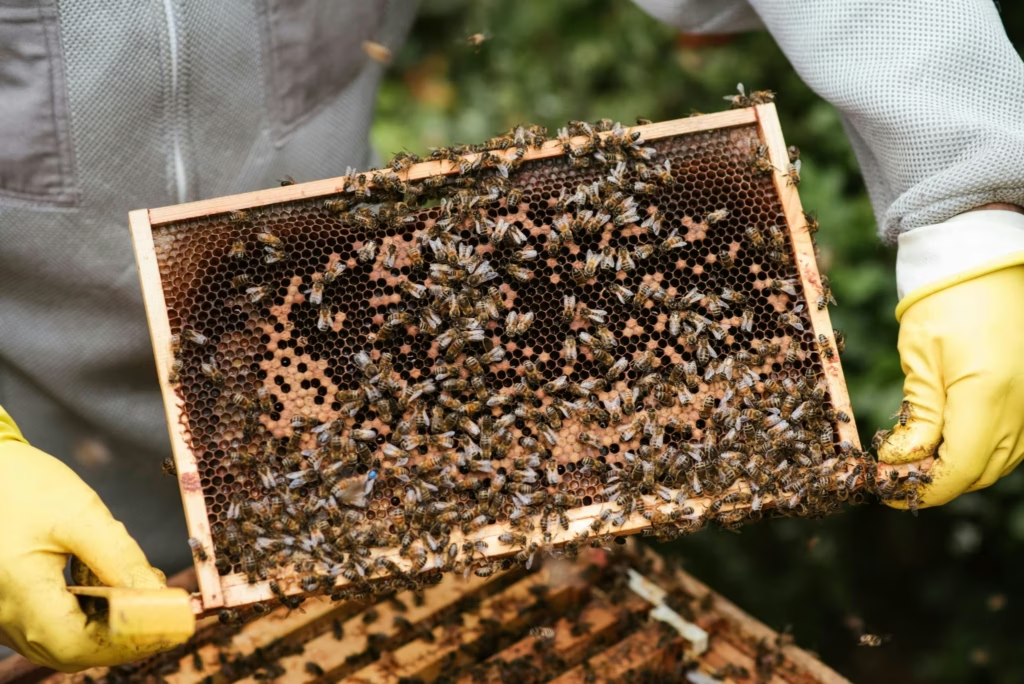
Le api producono una varietà di sostanze, tra cui il miele, la cera d'api e la propoli, ognuna con le proprie considerazioni kosher. La cera d'api è secreta dalle ghiandole di cera situate sulla parte inferiore dell'addome dell'ape e viene utilizzata per costruire i favi. La cera d'api pura è considerata kosher a condizione che nella sua lavorazione non vengano utilizzati solventi o additivi non kosher. Le api producono anche propoli raccogliendo la resina dalla linfa degli alberi; la propoli è considerata kosher nella sua forma pura ed è apprezzata per i suoi benefici antibatterici. Tuttavia, se nella lavorazione della propoli si usa l'alcol, il suo status di kosher può essere compromesso.
Il sapore del miele varia in base alle fonti floreali, al clima e alla composizione del terreno, e queste variazioni naturali sono molto apprezzate nell'industria degli aromi. Il miele con aggiunta di aromi richiede sempre una certificazione affidabile. Gli aromi o gli ingredienti aggiunti richiedono una certificazione che ne garantisca la purezza e l'autenticità. Il miele contiene zuccheri naturali e talvolta viene adulterato con altri dolcificanti come lo sciroppo di mais o addirittura la farina, vietata durante la Pasqua ebraica.
Rispetto a zucchero, miele è spesso preferito come dolcificante, ma per la conformità kosher è fondamentale utilizzare ingredienti puri senza additivi. È stato scoperto che alcuni produttori di miele mescolano lo sciroppo di mais economico al miele e lo etichettano illegalmente come miele puro. In particolare, il miele di melata si ottiene da una soluzione zuccherina estratta da insetti succhiatori di piante, mentre il miele di trifoglio e il miele di fiori d'arancio sono prodotti dal nettare di piante specifiche come il trifoglio e gli aranci.
È stato dimostrato che il miele grezzo e non trasformato è efficace per la promozione della salute, tra cui il suo benefici antinfiammatori e antibatterici. Il miele viene conservato nell'alveare ed estratto per il consumo umano, ma il favo attaccato al suolo è soggetto a specifiche regole halachiche e non può essere rimosso durante lo Shabbos per motivi di mefarek.
A causa della complessità della produzione e della potenziale presenza di additivi o agenti di lavorazione, è essenziale ottenere un certificato kosher per i prodotti a base di miele, soprattutto se si tratta di lavorazioni o aromi aggiuntivi.
Prodotti delle api e stato kosher
I prodotti delle api affascinano da tempo coloro che seguono le leggi alimentari kosher, così come i consumatori che cercano miele puro e dolcificanti naturali. Lo status kosher di questi prodotti dipende dalla loro origine, dal modo in cui vengono lavorati e dall'eventuale aggiunta di altri ingredienti.
Miele puro è ampiamente accettato come kosher, ma quando si tratta di prodotti a base di miele aromatizzato o miele con aggiunta di aromi, la situazione diventa più complessa. Questi prodotti possono contenere altri ingredienti o additivi, come ad esempio sciroppo di mais, che non sempre sono consentiti, soprattutto durante la Pasqua ebraica o per chi cerca alimenti halal. Per questo motivo, sia i prodotti kosher che certificazione halal sono importanti per garantire che i prodotti a base di miele aromatizzato o lavorato soddisfino i più elevati standard di purezza e conformità.
Certificazione Kosher e HoneyBee & Co.
Non tutti gli alimenti kosher richiedono la certificazione, ma molti consumatori la preferiscono per essere rassicurati. Ottenere la certificazione kosher è un processo meticoloso che prevede la presentazione della domanda, l'esame degli ingredienti, l'ispezione della struttura e la supervisione continua. La certificazione kosher prevede un rigoroso processo di ispezione da parte di terzi che garantisce la conformità alla kashrut dalle materie prime alle attrezzature di produzione. Una volta completata con successo, viene rilasciato un certificato ufficiale da un'autorità riconosciuta. Molti alimenti confezionati riportano il simbolo della certificazione kosher (hechsher) per verificare che siano stati lavorati sotto la supervisione rabbinica.
La certificazione Kosher conferma:
- Integrità degli ingredienti
- Pulire attrezzature e processi
- Stoccaggio e manipolazione corretti
- Conformità continua
Per i produttori di miele, la certificazione si concentra su purezza, tracciabilità e controlli di lavorazione piuttosto che la macellazione o la separazione dei prodotti lattiero-caseari.
In HoneyBee & Co., il nostro obiettivo è semplice:
miele puro, lavorazione minima, trasparenza totale.
Questo è naturalmente in linea con le aspettative kosher.
Certificazione Halal ed espansione del mercato
La certificazione halal svolge un ruolo fondamentale nell'industria alimentare globale, garantendo che prodotti come il miele puro e quello aromatizzato soddisfino i rigorosi standard richiesti dai consumatori musulmani. Il processo di certificazione prevede un esame completo dell'intera catena di produzione, dall'approvvigionamento degli ingredienti ai metodi di lavorazione e all'igiene degli impianti, per confermare che l'alimento è ammissibile per il consumo secondo la legge islamica.
Poiché la domanda di alimenti halal continua a crescere in tutto il mondo, sempre più aziende cercano di ottenere la certificazione halal per ampliare la propria portata e rivolgersi a un mercato più vasto. Per esempio, marchi come Manuka Doctor hanno ottenuto la certificazione halal per i loro prodotti a base di miele puro e miele aromatizzato, consentendo loro di servire i consumatori in regioni in cui gli alimenti halal sono essenziali. Questa iniziativa non solo crea fiducia nei consumatori, ma apre anche le porte a nuovi mercati in cui i prodotti certificati halal sono molto richiesti.
Il mercato halal sta vivendo una crescita significativa, guidata dalla crescente consapevolezza dei consumatori e dal desiderio di prodotti in linea con i valori religiosi ed etici. Le aziende stanno rispondendo investendo nella certificazione halal per una serie di prodotti apistici, tra cui la cera d'api e la propoli, utilizzati nell'industria degli aromi e nella produzione alimentare. Questi prodotti certificati garantiscono ai consumatori che ogni fase del processo, dall'ape all'alimento finale o all'estratto aromatico, rispetta i più elevati standard di purezza e di ammissibilità.
Ottenendo la certificazione halal, i produttori di miele e di prodotti apistici correlati possono commercializzare con fiducia le loro offerte a un pubblico globale, garantendo che i loro alimenti non sono solo deliziosi ma anche adatti al consumo halal.
Regolamentazione e commercio del miele kosher a livello mondiale
Il mercato globale del miele kosher è caratterizzato da una complessa rete di regolamenti, certificazioni e aspettative dei consumatori. Con l'aumento della domanda di miele puro in tutto il mondo, soprattutto tra coloro che cercano alimenti kosher e halal, i produttori devono rispettare standard rigorosi per garantire che il loro miele sia di alta qualità e consentito per il consumo.
Gli standard di certificazione kosher e halal possono variare da Paese a Paese e spesso ogni Paese ha le proprie agenzie di certificazione e i propri requisiti. I produttori che intendono accedere ai diversi mercati nazionali devono conformarsi a questi standard specifici per ogni Paese per garantire che i loro prodotti siano accettati per l'importazione e la vendita.
Il miele kosher è richiesto in tutto il mondo e gli standard di certificazione globale contribuiscono a garantirne l'accettazione nel commercio internazionale. Questi standard sono importanti non solo per i punti vendita al dettaglio e i supermercati, ma anche per i ristoranti, che devono rispettare i requisiti kosher e halal per servire diversi gruppi di consumatori in varie regioni.
Considerazioni sui consumatori per gli alimenti Halal
Per i consumatori alla ricerca di alimenti halal, fare scelte informate è essenziale, soprattutto quando si tratta di prodotti come il miele. Non tutto il miele sul mercato è uguale e alcuni possono contenere aromi aggiunti, altri ingredienti o agenti di lavorazione che non sono halal. Per assicurarsi che il miele e altri alimenti siano conformi agli standard halal, i consumatori dovrebbero sempre cercare la certificazione halal da parte di organizzazioni affidabili, come la Federazione delle Associazioni Islamiche della Nuova Zelanda (FIANZ) o OK Kosher, che certifica anche i prodotti per il consumo halal.
È importante prestare attenzione agli ingredienti che potrebbero non essere consentiti, come lo sciroppo di mais, l'alcol o gli additivi derivati da fonti non halal come il maiale. Alcuni prodotti a base di miele aromatizzato o alimenti trasformati possono includere questi ingredienti, rendendoli inadatti alle diete halal. Inoltre, il miele non filtrato può talvolta contenere parti di api, che non solo influiscono sul gusto, ma possono anche sollevare dubbi sulla purezza e sulla conformità halal. Optare per un miele puro e certificato aiuta a evitare questi problemi e garantisce un sapore migliore e più autentico.
I consumatori devono anche essere consapevoli dei diversi tipi di miele disponibili. Per esempio, il miele di melata non è considerato halal da alcuni studiosi islamici, quindi è importante controllare la fonte e la certificazione prima del consumo. Scegliendo il miele e altri alimenti certificati halal, i musulmani possono gustare con fiducia una varietà di prodotti, tra cui verdure, carne e dolcificanti, mantenendo le loro preferenze alimentari e i loro requisiti religiosi.
Informarsi, leggere le etichette e cercare prodotti certificati sono i modi migliori per i consumatori per assicurarsi che gli alimenti che consumano siano veramente halal, puri e privi di additivi o ingredienti non consentiti.
Perché il miele kosher piace oltre i consumatori ebrei
Il miele certificato kosher e conforme alle norme kosher gode di grande fiducia perché segnala:
- Standard di produzione puliti
- Rigoroso controllo degli ingredienti
- Nessun additivo nascosto
- Approvvigionamento di alta qualità
Per questo motivo, il miele kosher viene scelto anche da:
- Consumatori attenti alla salute
- Persone con sensibilità alimentari
- Famiglie alla ricerca di prodotti a marchio pulito
Allo stesso modo, gli organismi di certificazione halal garantiscono che i prodotti e i servizi soddisfino gli standard richiesti per il consumo da parte dei musulmani. Il concetto di halal comprende anche considerazioni etiche più ampie, tra cui l'equità, la giustizia sociale e il trattamento degli animali.
Domande comuni sul miele kosher
Il miele grezzo è kosher?
Sì, purché sia puro, non contaminato e privo di additivi non kosher.
Il miele ha bisogno di una certificazione kosher?
La certificazione del miele non è strettamente necessaria, ma aggiunge rassicurazioni, soprattutto per i mercati della vendita al dettaglio e dell'esportazione.
Il miele può essere consumato con carne o latticini?
Sì. Il miele è pareve e può essere consumato con entrambi.
L'impegno di HoneyBee & Co.
Il miele fa parte della cultura e dei testi religiosi ebraici da migliaia di anni. Dai riferimenti biblici al suo significato simbolico di abbondanza e purezza, il miele occupa un posto speciale. Durante Rosh Hashanah, è tradizione mangiare mele e challah intinte nel miele per simboleggiare un nuovo anno dolce. Questa usanza riflette il desiderio di mangiare cibi dolci, come il miele, per inaugurare un anno dolce e prospero.
A HoneyBee & Co., onoriamo questa eredità producendo un miele che è..:
- Naturalmente kosher
- Raccolto in modo etico
- Manipolati con cura
- Rispettoso della tradizione