Miele di fiori selvatici britannici
£10.99 - o abbonati e risparmia 20%
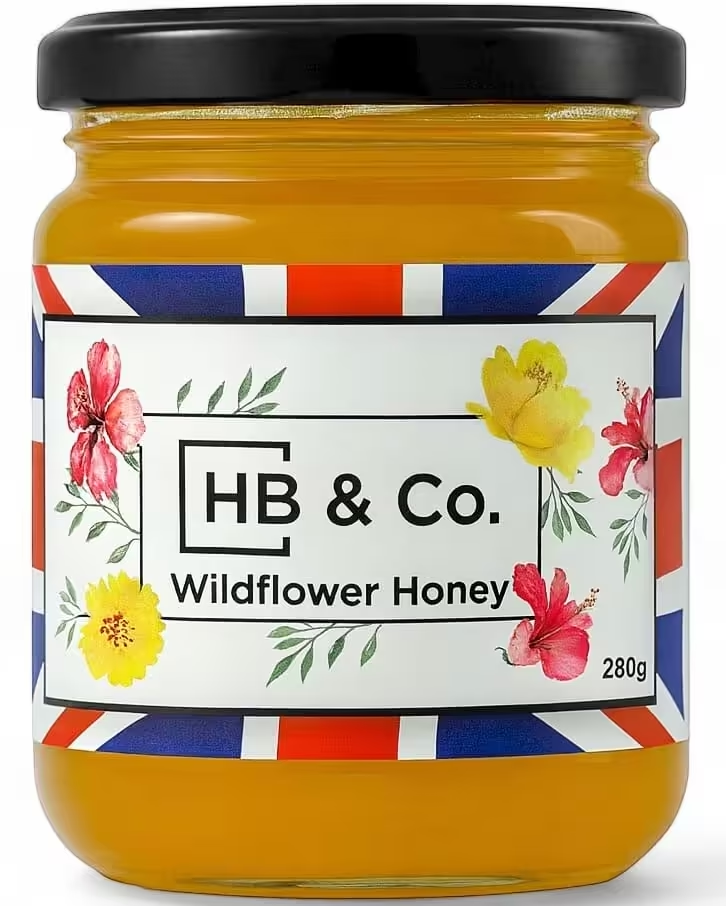
Raw, unpasteurised British Wildflower Honey from the Midlands.
Polyfloral and seasonal, the flavour shifts with every harvest,
reflecting the wildflowers in bloom at the time of collection.
Never blended. Never the same twice.
Tasting Notes
No Two Harvests Taste the Same. That Is the Point.
British Wildflower Honey is polyfloral — made from the nectar of dozens of wildflower species growing across the British Midlands. The flavour changes with every season. What you taste in spring reflects different blooms to what you taste in summer. This is not inconsistency. It is authenticity.
Il sapore
Delicate and balanced with floral, grassy undertones and a light citrus finish. Warm and gently sweet.
Aroma
Fresh meadow flowers, light blossom, and a faint grassy warmth that varies with each harvest
Struttura
Smooth and gently viscous. Will crystallise naturally over time — a sign of purity, not a fault
Colore
Light to mid amber. Varies slightly by season depending on the dominant wildflowers at harvest
What is polyfloral honey?
Every Jar Reflects a Specific Time and Place
Polyfloral honey is produced when bees forage across multiple flower species rather than a single crop. The resulting honey contains a complex blend of nectars, pollens, and plant compounds that vary with the season, the weather, and the landscape. Our wildflower honey is harvested from the British Midlands, where the diversity of native wildflowers produces a honey with genuine depth and complexity. Mass-produced wildflower honey is often blended across regions and seasons to produce a consistent product. Ours is not blended. You taste exactly what the bees collected, when they collected it.
Origin & Provenance
The British Midlands. Rich Meadowland. Diverse Wildflowers.
Our Wildflower Honey comes from a single region: the British Midlands. This is traceable, named-origin honey. Not "a blend of EU and non-EU honeys" as you will find on most supermarket labels. You know exactly where it is from. If you are curious how wildflower and heather honey compare on flavour, our wildflower vs heather taste guide breaks down the differences in detail.
The Midlands landscape supports an exceptionally diverse range of native wildflower species. Clover, borage, bramble, hawthorn, dandelion, poppy, cornflower, and ox-eye daisy among many others all contribute to the nectar the bees collect across the season. This diversity is what gives British wildflower honey its characteristic complexity and why no two harvests taste identical.
We work with a SALSA certified British beekeeper who shares our commitment to sustainable, welfare-first beekeeping. The honey is cold-extracted, never heated, never filtered beyond the removal of wax and debris, and never blended with honey from other sources or seasons.
100%
British. Single region. Named Midlands origin.
SALSA
Certified British supplier. Food safety independently audited.
Crudo
Never heated above hive temperature. Enzymes intact.
280g
Glass jar. Eco-conscious packaging. No plastic.
British Midlands. The source of every jar of our Wildflower Honey.
Why British Wildflower
Why British Wildflower Honey Is Different to Everything Else on the Shelf
Most honey sold in the UK is blended from multiple countries and pasteurised to a shelf-stable consistency. British wildflower honey from a single named region is a fundamentally different product.
Genuinely Seasonal
British wildflower honey reflects a specific season in a specific landscape. Spring harvests carry different floral notes to summer harvests. This seasonal variation is not a flaw to be corrected through blending. It is the defining character of genuine single-origin wildflower honey. Every jar is a snapshot of the British countryside.
Single British Origin
Our wildflower honey comes from one region: the British Midlands. Not "a blend of EU and non-EU honeys" as you will find on most supermarket jars. You know exactly where it comes from. This traceability is rare in the wildflower honey market where blending across dozens of sources is standard practice.
Richer Nutritional Profile
Because our bees forage across a wide diversity of wildflower species, the resulting honey contains a broader range of polyphenols, flavonoids, and plant compounds than monofloral varieties. Research suggests polyfloral honeys may have higher antioxidant diversity than single-source honeys of comparable colour. We explore this in more depth in our guide to raw honey types and their properties.
Natural Properties
The Natural Properties of Raw British Wildflower Honey
Raw wildflower honey retains its full natural composition because it is never heated above hive temperature. The properties below are present only in raw, unprocessed honey. Pasteurisation destroys them.
Polyphenols and Antioxidants
Wildflower honey draws nectar from multiple flower species, each contributing different flavonoids and polyphenolic compounds. Research has shown that polyfloral honeys can demonstrate broad-spectrum antioxidant activity. Raw wildflower honey retains significantly more of these compounds than pasteurised alternatives.
Source: National Library of Medicine ↗Natural Antibacterial Activity
Raw honey contains glucose oxidase, an enzyme that produces hydrogen peroxide upon contact with moisture. This gives raw honey its natural antibacterial properties. These enzymes are present only in raw honey and are destroyed by pasteurisation. Our wildflower honey is never heated, so these compounds remain fully intact.
Source: National Library of Medicine ↗Natural Energy
Wildflower honey provides natural energy through fructose and glucose alongside trace minerals, B vitamins, and naturally occurring enzymes. The NHS recognises honey as a natural food with a different nutritional profile to refined sugar. Unlike refined sugar, raw wildflower honey contains compounds that support rather than simply spike blood glucose.
Source: NHS ↗Soothing and Prebiotic
Raw honey contains oligosaccharides that may support beneficial gut bacteria. Wildflower honey, with its diverse plant compound profile, has been noted in research for prebiotic-like activity. It is also widely used as a natural soothing agent for sore throats and mild coughs due to its coating texture and antibacterial properties.
Source: National Library of Medicine ↗The information above is for educational purposes only and does not constitute medical advice. Raw honey is not recommended for children under 12 months. If you have a medical condition or are pregnant, consult your GP before making dietary changes.
How to Use It
Six Ways to Enjoy British Wildflower Honey
The balanced, gently complex character of wildflower honey makes it one of the most versatile honeys in our range. It is mild enough for everyday use and interesting enough to stand on its own.
Tea and Hot Drinks
A natural sweetener for tea, herbal infusions, and warm lemon water. Add it when the drink has cooled to around 40°C to preserve the natural enzymes. Its floral notes complement chamomile, mint, and green tea particularly well.
Classic everyday usePorridge and Breakfast
Drizzle generously over porridge, yoghurt, granola, or fresh fruit. The warmth of porridge opens up the floral notes beautifully. Works well with banana, berries, and toasted nuts as toppings.
Most popular useCheese Pairings
Wildflower honey is a classic cheese board companion. It works across a wide range of cheeses from mild brie to aged cheddar and crumbly Lancashire. Its gentle sweetness balances saltiness and fat without overpowering the cheese itself.
Cheese board essentialBaking
A natural substitute for sugar or golden syrup in cakes, flapjacks, and biscuits. Its floral complexity adds a subtle depth of flavour that refined sugar cannot replicate. Use in flapjacks, honey cake, scones, and glazes for baked goods.
Great for bakingGlazing and Cooking
Use as a glaze for roast chicken, pork, or root vegetables. Mix with wholegrain mustard for a simple honey-mustard dressing. Its balanced sweetness caramelises well without burning and adds a golden finish to roasted dishes.
Versatile in cookingStraight from the Jar
Take a spoonful and let it rest on your tongue. Notice the initial sweetness open into floral complexity, a light citrus edge, and a clean finish. This is what genuine British meadowland tastes like, captured at the moment of harvest.
The purist’s choiceProvenance and Trust
British Honey. Traceable. Certified. Unblended.
HoneyBee & Co. sources its British honey from a single SALSA certified British beekeeper in the Midlands. We do not blend across regions or seasons. We do not add cheaper honey from other countries to meet demand. When this harvest sells out, it is gone until the next one.
Our SALSA certified supplier undergoes regular independent food safety audits — the same standard used across the British artisan food supply chain. This certification is not a marketing claim. It is a third-party verified commitment to quality and food safety at source.
We work with the same British beekeeper season after season. Continuity of supply means continuity of quality and a relationship built on shared values around bee welfare and sustainable land management.
Our Story
Domande frequenti
Everything You Need to Know About British Wildflower Honey
What is wildflower honey and how is it different to other honeys?+
Why does the taste or colour of my wildflower honey look slightly different to last time?+
Is your wildflower honey genuinely British?+
My wildflower honey has crystallised. Is it still good?+
What are the health benefits of British wildflower honey?+
How should I store British wildflower honey?+
Do you offer British wildflower honey on subscription?+
Explore the Range