
Key Takeaways:
- British wildflower honey contains trace amounts of local pollen that may help some people build tolerance to allergens, potentially easing hayfever symptoms.
- Wildflower honey is raw, unpasteurised, and minimally processed to retain beneficial enzymes and antioxidants.
- Hayfever symptoms include itchy eyes, runny nose, sneezing, and sore throat; standard treatments like antihistamines and nasal sprays remain essential.
- Wildflower honey can soothe sore throats and provide natural antioxidant support during pollen season but is not a cure for hayfever.
- HoneyBee & Co. offers ethically sourced Miele di fiori selvatici britannici with subscription options for convenient, regular delivery.
What is wildflower honey?
There’s something wonderfully unpredictable about wildflower honey. Unlike single-varietal honeys that taste the same year after year, wildflower honey captures whatever was blooming when the bees were out foraging, making each jar a snapshot of a particular landscape at a particular moment in time. At HoneyBee & Co., we believe this variability isn’t a limitation; it’s what makes wildflower honey so special.
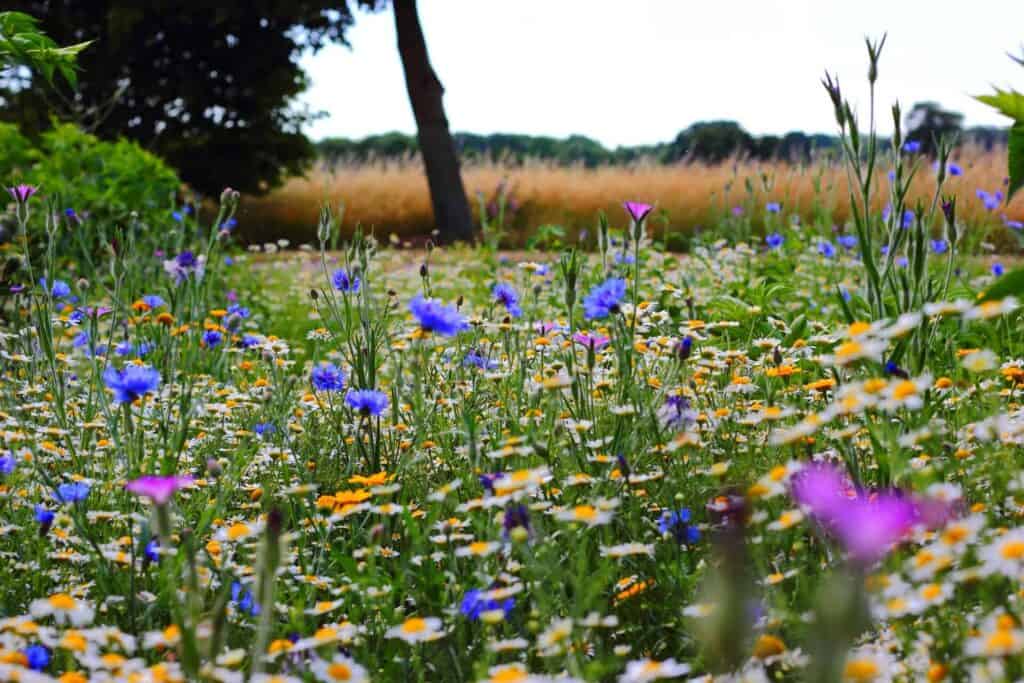
Wildflower honey, also called multifloral honey, is made when honey bees collect nectar from a diverse mix of wildflowers and hedgerow plants rather than focusing on a single bloom. This means the flavour, colour and aroma can shift from year to year, and even season to season, depending on which flowers were in bloom when the bees were foraging.
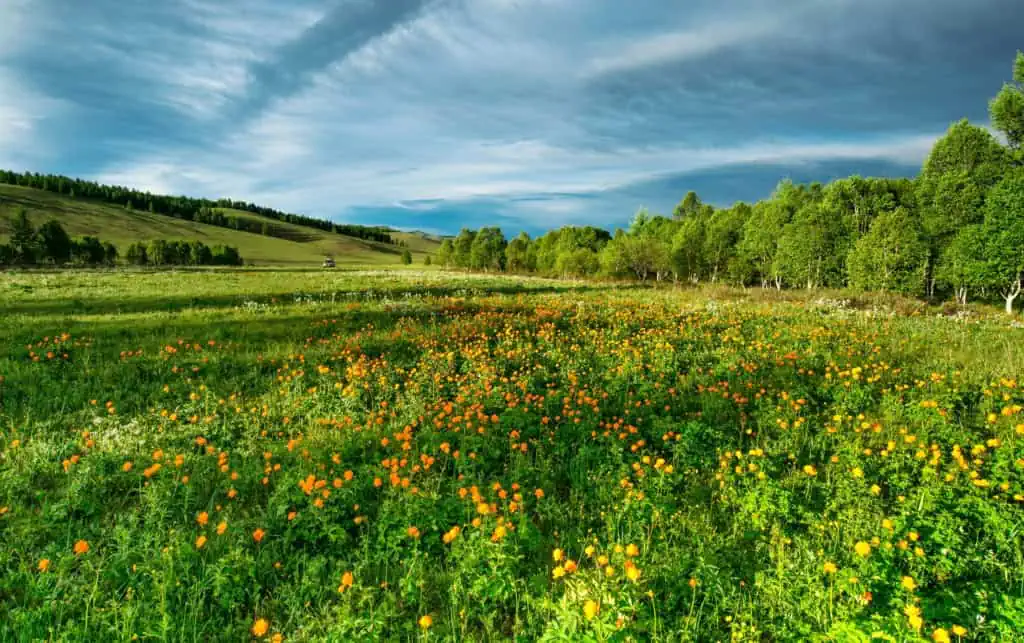
At HoneyBee & Co., our wildflower honey comes from small, independent beekeepers in the UK, with fully traceable apiaries. In the UK, typical forage includes clover, bramble, dandelion and hawthorn, along with whatever else is flowering along woodland edges and country lanes. The result is usually a runny honey ranging from golden to rich amber, though it may naturally crystallise over time, a perfectly normal sign of raw, unprocessed honey.
Key facts about wildflower honey:
- Made from the nectar of many different wildflowers, not a single bloom
- Flavour and colour vary by region, season and year
- Typically runny and golden to amber in colour
- May crystallise naturally over time
- At HoneyBee & Co., sourced from traceable UK and Romanian apiaries
How is wildflower honey produced?
At HoneyBee & Co., we work with beekeepers who use traditional, ethical methods and minimal processing. The goal is always to let the honey speak for itself, without heating or filtering away the good stuff.
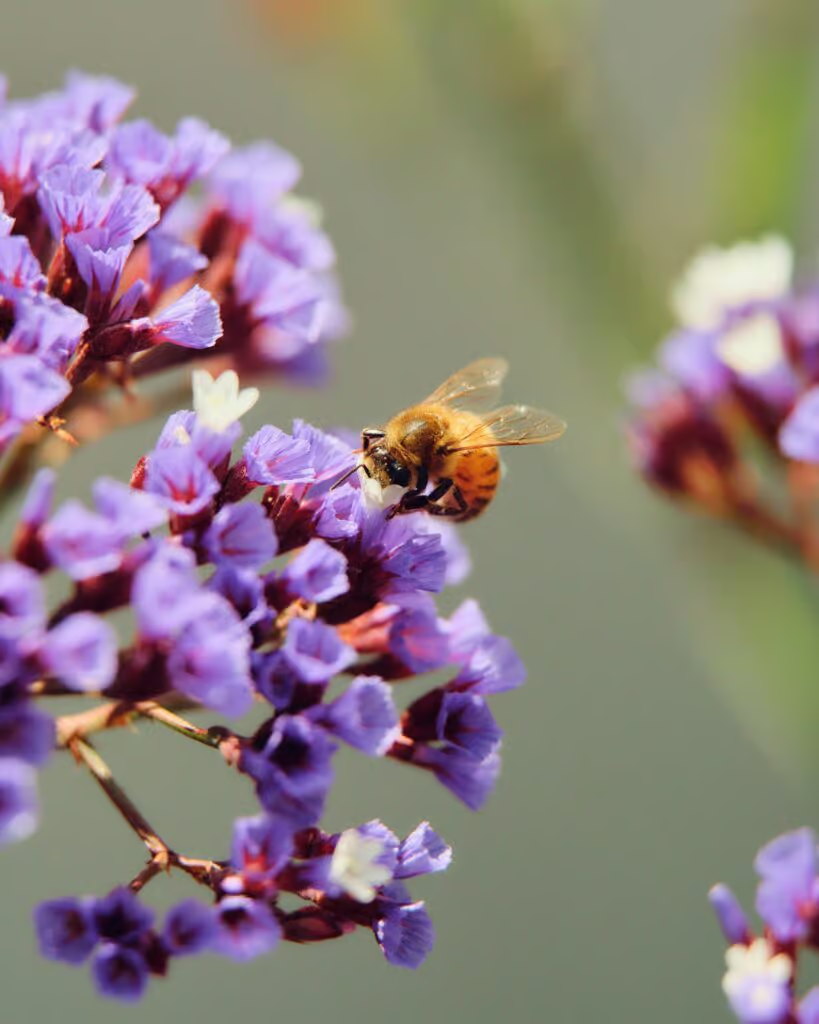
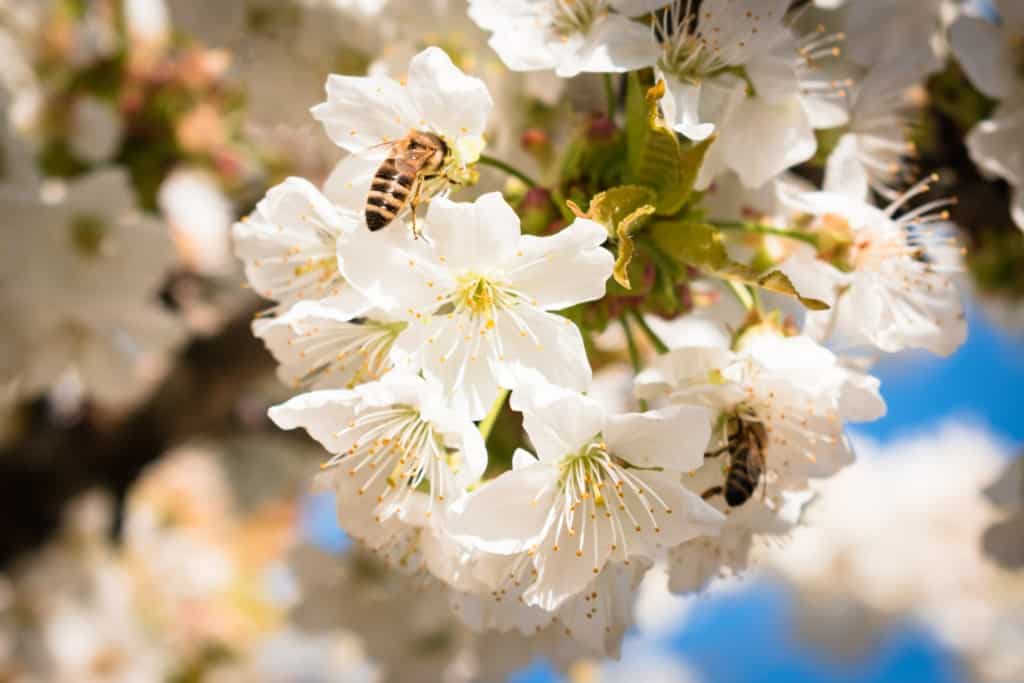
The journey begins with the seasonal foraging cycle. From April through to late summer, bees travel up to five miles from their hives, collecting nectar from whatever wildflowers are in bloom. In spring, that might mean hawthorn blossom and apple trees. By July and August, the bees are visiting clover, thistle, bramble and countless other hedgerow flowers. Our partner beekeepers place hives near pesticide-free meadows, woodland edges and hedgerows to maximise this wildflower diversity.
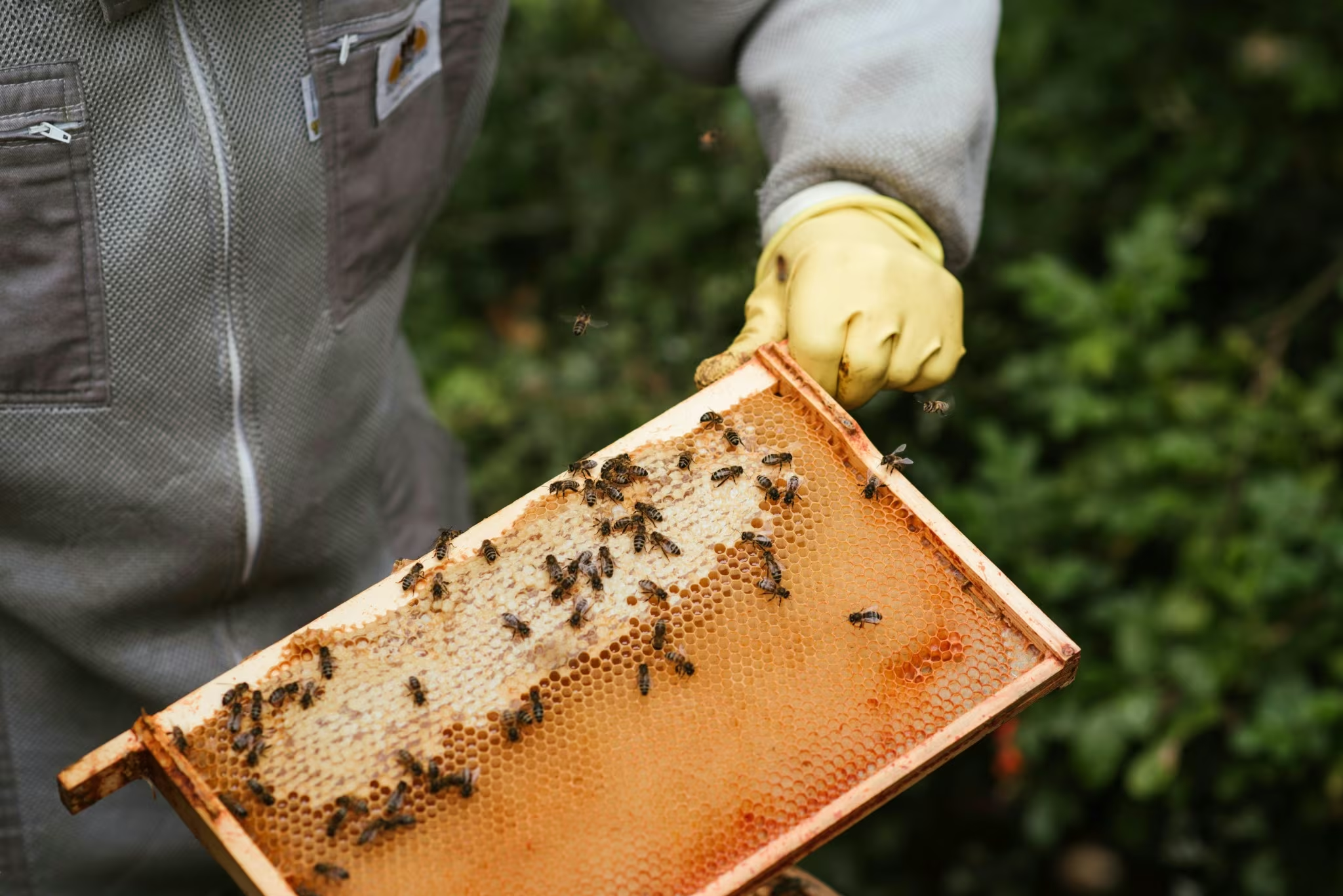
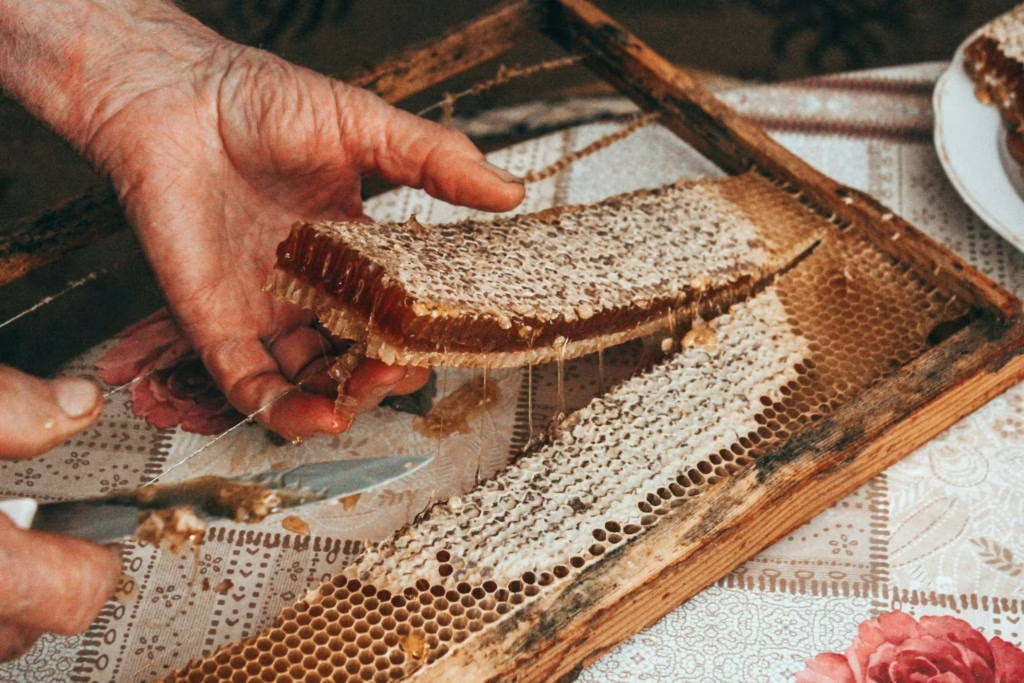
Quando harvest time arrives, beekeepers remove the supers (the boxes where bees store surplus honey), uncap the wax-sealed frames, and spin them in a centrifugal extractor. The honey is then strained only to remove wax particles, not pollen or propolis. This keeps all the beneficial elements intact.
HoneyBee & Co. wildflower honey is raw, unpasteurised honey that’s never heated above hive temperature. We bottle in small batches, each jar labelled with the country of origin, for example, UK or Transylvania, Romania. This traceability means you always know exactly where your honey comes from.
Wildflower honey vs local honey and other honeys
The key difference between wildflower honey and other varieties lies in how many flower types contribute to the final jar. Wildflower honey is “multifloral”, made from the nectar of many different plants, while single-varietal honeys draw predominantly from one flower source.
Here’s how wildflower compares to some of our other popular honeys:
| Honey Type | Flavour & Texture | Typical Use |
|---|---|---|
| Fiori selvatici | Complex, variable; floral with hints of fruit or herbs; usually runny | Everyday all-rounder, drizzling, tea, cooking |
| Heather | Strong, malty, slightly bitter; jelly-like texture | Cheese boards, oatcakes, bold pairings |
| Acacia | Very light, delicate, mild; slow to crystallise | Sweetening drinks, light dressings, children’s favourite |
| Tiglio (Lime) | Herbal, slightly minty, aromatic | Herbal teas, baking, medicinal use |
Wildflower honey offers a more complex, changing flavour profile year to year, whereas monofloral honeys tend to be more consistent and predictable. Customers who enjoy variety and surprise, who want each jar to be a little different, often gravitate toward wildflower.
All HoneyBee & Co. honeys are raw and natural, regardless of variety. And it’s worth noting that “wildflower” or “multifloral” doesn’t mean lower quality. Quality depends entirely on origin, handling and the honesty of the producer.
Taste, aroma, and colour of British wildflower honey
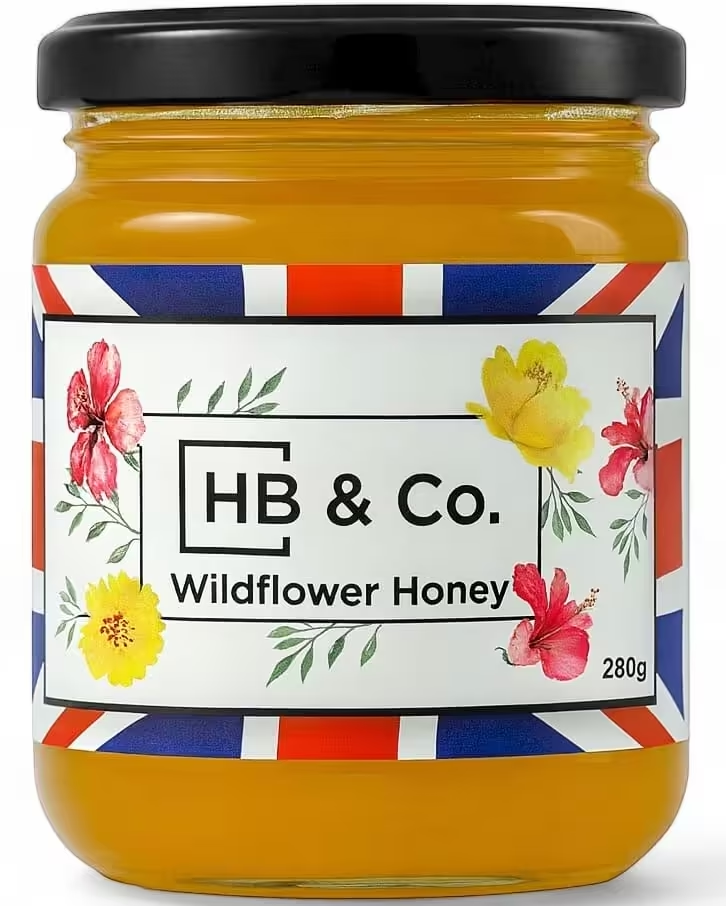
Opening a jar of wildflower honey is like catching a scent of the countryside on a summer afternoon. The fragrance rises immediately, floral, sweet, with hints of the landscape where the bees foraged.
Il nostro UK wildflower honey typically offers light floral notes with hints of orchard fruit and a mild herbal finish. It’s approachable and versatile, working beautifully in everything from morning porridge to evening cheese boards. Romanian wildflower honey tends to be richer and more complex, with notes of forest flowers, summer meadows and occasionally a subtle woody undertone from the Transylvanian landscape.
Colour varies too. Spring-dominant nectar tends to produce a lighter gold honey, while late-summer harvests, heavy with clover, thistle and wild herbs, yield a deeper amber. A May harvest jar might look noticeably different from an August jar, even from the same region.
| Region | Flavour Notes | Colour Range | Typical Uses |
|---|---|---|---|
| UK Spring | Light floral, orchard fruit, mild | Light golden | Drizzling, tea, breakfast |
| UK Summer | Richer, herbal, hints of clover | Amber to deep amber | Cooking, baking, cheese pairing |
| Romanian Summer | Forest flowers, meadows, woody | Deep amber | Bold flavour pairings, desserts |
Natural crystallisation may make your honey appear lighter and more opaque over time. This isn’t spoilage, it’s a completely normal characteristic of raw honey and actually indicates authenticity. We always encourage tasting straight from a teaspoon first to appreciate the subtle differences between jars or harvests.
Potential health benefits of wildflower honey
Important: Wildflower honey is a food, not a medicine. We cannot make medical claims, and honey should never replace professional treatment. Always consult a healthcare professional if you have specific health concerns.
That said, like other mieli crudi, wildflower honey naturally contains:
- Simple sugars – primarily fructose and glucose, providing quick energy
- Trace vitamins and minerals – small amounts of B vitamins, potassium and others
- Antioxidant compounds – including flavonoids, which may vary depending on floral source
Research suggests raw honey can help soothe coughs and a sore throat, especially when stirred into warm drinks. The texture coats the throat, and the natural sugars may provide temporary relief from that scratchy feeling that comes with a cold.
What about hayfever?
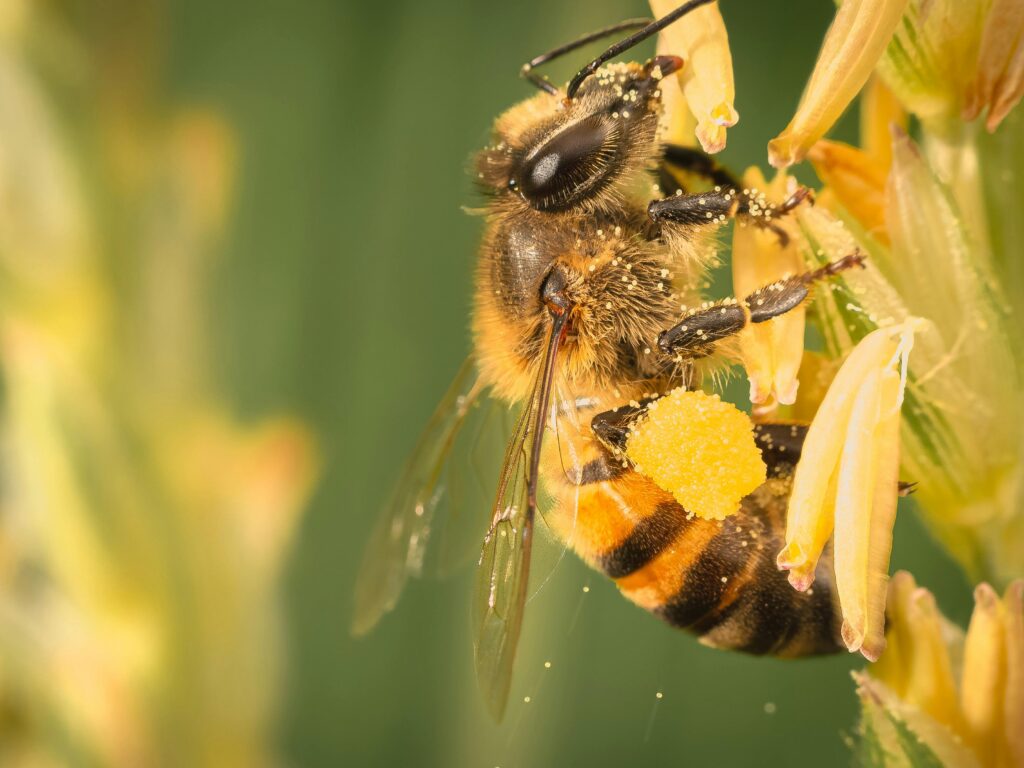
Many hayfever (hay fever) sufferers have heard that eating local honey might help with seasonal allergies. The theory goes that consuming small amounts of local pollen through honey could help desensitise the immune system, reducing hayfever and hay fever symptoms over time.
Honey has always been a traditional remedy for some of the key symptoms associated with hay fever, including an itchy or sore throat and coughing. It’s an appealing idea, and some people do feel that local honey helps them cope with hayfever season. Honey is often sought after as a natural remedy for hay fever symptoms during the spring and summer months when pollen counts rise.
However, the evidence remains inconclusive. Robust UK studies have not confirmed that honey provides a cure for seasonal allergic rhinitis. The pollen in honey primarily comes from flowers, while most hayfever is triggered by grass pollen, tree pollen or weed pollen, sources that don’t typically end up in honey. The pollen content of honey gathered by bees in the months of April to June coincides with when hay fever symptoms are at their worst.
If you experience symptoms of hayfever, itchy eyes, a runny nose, sneezing, itchy nose or cold like symptoms during pollen season, regular treatment options remain your best bet. These might include antihistamine tablets, non drowsy antihistamines, steroid nasal sprays, eye drops or nasal sprays recommended by a healthcare professional. Some people also benefit from checking the pollen count before spending time outdoors, especially when pollen season starts in late March and continues through the summer months.
For persistent or severe allergy symptoms or allergic reaction symptoms, consider allergy testing through skin prick tests or blood tests to identify specific triggers. Your allergies might involve outdoor allergens like grass pollen, or indoor allergens such as house dust mites, dust mites, pet dander or even cockroach droppings in some cases.
Conditions like allergic rhinitis, oral allergy syndrome and rhinitis can cause significant discomfort, including watery discharge, inflammation of the nose and throat, conjunctivitis and coughing. Some people also experience asthma symptoms that worsen during hayfever season. Using a pollen filter in your car or home ventilation system can help, as can staying aware of which allergens, from plants, pets or other sources, trigger your reaction.
A scientific study found that Tualang honey significantly reduced hayfever symptoms, suggesting a measurable decrease in the severity of allergy symptoms for some individuals. While the dream of a sweet, natural cure is appealing, we believe in being honest: wildflower honey is delicious and may offer some general wellness benefits, but it won’t replace antihistamines or other proven treatments for allergies or the symptoms of hay fever.
Understanding hayfever symptoms
Hayfever symptoms can range from a mild nuisance to a severe disruption in daily life, depending on your sensitivity and the level of pollen in the air. The most common symptoms include sneezing, a runny or blocked nose, and itchy eyes that may also become red or watery. Many people also experience a sore throat, persistent coughing, or an itchy sensation in the nose, throat, or even on the skin. These symptoms often resemble those of a cold, but unlike a cold, hayfever tends to flare up during certain times of the year when pollen counts are high.
For some, hayfever symptoms can be particularly severe, leading to significant discomfort and affecting sleep or concentration. Recognising the difference between hayfever and a cold is important: hayfever symptoms usually persist as long as you’re exposed to pollen, while a cold typically resolves within a week or two. Effective treatment, such as antihistamines, nasal sprays, or other remedies recommended by a healthcare professional, can help manage these symptoms and improve your quality of life during pollen season.
Causes and triggers of hayfever
Hayfever is triggered by an allergic reaction when your immune system overreacts to harmless airborne substances, most commonly pollen. When you breathe in pollen from trees, grasses, or weeds, your immune system may mistakenly identify it as a threat, releasing chemicals like histamine that cause inflammation and the classic hayfever symptoms.
Tree pollen is often the first culprit, with symptoms starting in late March and early April. Grass pollen typically peaks in May and June, while weed pollen can trigger symptoms later in the summer. But pollen isn’t the only trigger, indoor allergens such as house dust mites, pet dander, and even mold spores can cause year-round hayfever symptoms for some people. Dust mites and pet dander are especially common in homes, while outdoor allergens like pollen are more seasonal.
Understanding your specific triggers, whether it’s tree pollen, grass pollen, weed pollen, or indoor allergens, can help you take targeted steps to reduce exposure and manage your symptoms more effectively.
Diagnosing allergic rhinitis
Diagnosing allergic rhinitis, commonly known as hayfever, usually starts with a detailed discussion of your symptoms and medical history with a healthcare professional. They’ll ask about when your symptoms occur, what seems to trigger them, and how severe they are. A physical examination may follow, focusing on your nose, throat, and eyes for signs of inflammation.
To pinpoint the exact allergens causing your symptoms, allergy testing is often recommended. Skin prick tests are a common method, where small amounts of potential allergens are introduced to your skin to observe any reaction. Blood tests can also be used to measure your immune system’s response to specific allergens. In some cases, a nasal endoscopy may be performed to check for inflammation inside the nasal passages and sinuses.
Sometimes, your healthcare professional may suggest a trial of allergy medication to see if your symptoms improve, which can help confirm the diagnosis. Identifying your specific allergens through skin prick tests, blood tests, or other methods is key to developing an effective treatment plan for allergic rhinitis.
Using wildflower honey alongside hayfever treatments
It’s important to remember that wildflower honey is a natural food, not a medicine. For those experiencing hayfever symptoms such as watery discharge, inflammation, conjunctivitis, and cold-like symptoms, standard treatments remain essential. These include:
- Antihistamine tablets or non drowsy antihistamines
- Steroid nasal sprays and nasal sprays recommended by healthcare professionals
- Eye drops for itchy or watery eyes
- Avoiding exposure to high pollen counts by monitoring pollen forecasts and using pollen filters in cars and homes
Wildflower honey can be a complementary addition to your routine, especially for soothing sore throats and providing a natural source of antioxidants and trace nutrients.
Alternative therapies for hayfever relief
For many hayfever sufferers, finding relief from persistent symptoms like sneezing, a runny nose, and itchy eyes can feel like an ongoing quest, especially when pollen season is at its peak. While antihistamine tablets, nasal sprays, and steroid nasal sprays remain the most effective and widely recommended treatments for hayfever symptoms, some people explore alternative therapies in hopes of easing their discomfort.
Acupuncture, herbal supplements, and homeopathy are among the most popular alternative approaches. Some individuals report that these therapies help reduce symptoms such as an itchy nose, runny nose, or watery eyes, particularly when conventional treatments alone don’t provide complete relief. However, it’s important to remember that everyone’s immune system and response to allergens are different, and what works for one person may not work for another.
If you’re considering trying alternative therapies, always consult a healthcare professional first, especially if you’re already taking medication for hayfever or have other health conditions. Combining treatments without guidance can sometimes lead to unwanted interactions or side effects.
Eating local honey is another traditional remedy that continues to attract interest. The idea is that consuming small amounts of honey containing local pollen might help your body build up a tolerance to tree pollen and other allergens, potentially reducing hayfever symptoms over time. While this theory is appealing, scientific studies have yet to confirm that local honey can significantly reduce hayfever symptoms or act as a reliable treatment. Honey can certainly be a soothing addition to your daily routine, but it shouldn’t replace proven remedies like antihistamine tablets or nasal sprays—especially during the height of pollen season when symptoms can be at their worst.
Ultimately, managing hayfever is about finding the right balance of treatments that work for your unique symptoms and lifestyle. Whether you’re exploring alternative therapies or sticking with traditional options, always prioritise your health and seek advice from a healthcare professional to ensure you’re using the safest and most effective approach for your hayfever relief.
Traditional remedies for hayfever
Many people seek natural or traditional remedies to help manage hayfever symptoms, especially when looking for gentle, complementary options. Eating local honey is a popular choice, as it contains small amounts of pollen from nearby plants and may, in theory, help your immune system build tolerance to local allergens. However, scientific evidence supporting the effectiveness of local honey for hayfever is limited, and it should not replace proven treatments if your symptoms are severe.
Other traditional remedies include nasal saline irrigation, which can help clear pollen from nasal passages, and steam inhalation to soothe irritated airways. Some individuals also turn to herbal supplements like quercetin or butterbur, though it’s important to consult a healthcare professional before starting any new supplement, especially if you have allergies or are taking other medications.
While these remedies may provide relief for some, always seek advice from a healthcare professional if your hayfever symptoms are persistent or severe, to ensure you receive the most effective and safe treatment.
Pollen calendar and planning for hayfever season
A pollen calendar is a valuable tool for anyone affected by hayfever, helping you anticipate when pollen levels from different plants are likely to be at their highest. In the UK, the pollen season typically starts in late March and runs through September, with tree pollen peaking in early spring, grass pollen in May and June, and weed pollen later in the summer.
By keeping an eye on the pollen calendar and monitoring daily pollen forecasts, you can plan ahead, starting regular treatment such as antihistamine tablets or nasal sprays before the pollen season starts. This proactive approach can help reduce the severity of your symptoms and make the hayfever season more manageable. Consulting a healthcare professional for personalised advice ensures you’re using the right treatments for your needs.
Taking simple steps, like using pollen filters in your home or car, keeping windows closed on high pollen days, and showering after spending time outdoors, can also help minimise exposure. With a little planning and the right regular treatment, you can enjoy the outdoors and keep hayfever symptoms under control throughout the pollen season.
Safe use guidelines
- Not suitable for infants under 12 months due to the risk of infant botulism
- Diabetics and those monitoring sugar intake should consult a health professional
- Raw honey can fit into a minimally processed diet when used in moderation instead of refined sugar
Ethical beekeeping and sustainability at HoneyBee & Co.
Our wildflower honey is part of a wider commitment to bee welfare and environmental care. We believe that how honey is produced matters just as much as how it tastes.
We partner only with small-scale, independent beekeepers in the UK and Romania who share our values:
- Avoiding routine antibiotic use – treating bees only when genuinely necessary
- Leaving sufficient honey for the bees over winter rather than over-harvesting and substituting sugar syrup
- Siting hives away from heavily sprayed monoculture crops where possible, prioritising wild meadows and forest edges
Supporting wildflower forage helps pollinators beyond just our honey bees. Varied meadows and hedgerows provide nectar sources from early spring right through to late autumn, supporting bees year round and benefiting the wider ecosystem of butterflies, moths and other pollinating insects.
We’re also committed to reducing our environmental footprint in packaging and shipping:
- Recyclable glass jars – reusable, refillable and fully recyclable
- Minimal, plastic-free outer packaging – no unnecessary wrapping
- Paper-based fillers in shipping boxes – since 2022, we’ve moved all subscription packaging to fully recyclable cardboard and paper tape
Every batch of wildflower honey can be traced back to a region and beekeeper collective. This traceability reassures customers about authenticity in an industry where adulteration with corn syrup affects a significant portion of commercial honey.
Our key ethical commitments:
- Raw, unpasteurised, unfiltered honey only
- Partnerships with independent, small-scale beekeepers
- No routine antibiotics in hives
- Sustainable, plastic-free packaging
- Full batch traceability to region and harvest year
HoneyBee & Co. Subscription Options
HoneyBee & Co. offers subscription services that make it easy to enjoy premium British wildflower honey regularly, with flexibility and savings:
| Subscription Feature | Details |
|---|---|
| Delivery Frequency | Every 4, 6, or 8 weeks |
| Flexibility | Pause, skip, or cancel anytime |
| Savings | Around 20% off compared to one-off jars |
| Packaging | Giftable, fully recyclable |
| Varietà | Wildflower honey plus other varietals |
Subscriptions ensure you never run out during hayfever season and allow you to explore different batches and regional flavours throughout the year.
How to enjoy wildflower honey during hayfever season
Incorporate British wildflower honey into your daily routine as a natural, soothing addition:
- Stir into herbal teas or warm water with lemon to ease sore throats
- Drizzle over breakfast cereals or Greek yoghurt for a nutritious start
- Use as a natural sweetener in cooking and baking, reducing reliance on refined sugars
By choosing locally sourced wildflower honey, you not only enjoy a delicious, complex flavour but also support ethical beekeeping and sustainable practices that benefit pollinators and the environment.
How to store and care for wildflower honey
Properly stored, honey can last for years without spoiling. Archaeologists have found edible honey in ancient Egyptian tombs. Here’s how to keep your wildflower honey in perfect condition:
- Keep the jar tightly sealed in a cool, dry, dark place, a kitchen cupboard works well
- Avoid the fridge, which accelerates crystallisation
- Use clean, dry spoons only to prevent contamination
- Don’t microwave in the original glass jar; instead, warm gently if needed
Understanding crystallisation:
Raw honey naturally crystallises over time as glucose forms crystals. This doesn’t mean your honey has gone off, it’s actually a sign of authenticity. Some honeys crystallise within weeks; others stay runny for months.
To re-liquefy crystallised honey:
- Place the jar in a bowl of warm water (35–40°C)
- Leave for 15–30 minutes, stirring occasionally
- Repeat if needed, avoid overheating, which can damage enzymes and aroma
Signs of spoilage (rare):
- Fermentation smell (sour, alcoholic)
- Foam or bubbling
- Off odours
These issues are uncommon in properly sealed, dry honey.
Best enjoyed within: For optimal aroma and flavour, we recommend enjoying your wildflower honey within 12–24 months of opening. It remains safe to eat beyond this, but the delicate floral notes may fade over time.
Whether you’re drizzling it over breakfast, stirring it into tea or exploring different regional batches through a subscription, wildflower honey offers something genuinely special. Each jar reflects the unique landscape where our partner beekeepers tend their hives, a taste of British hedgerows captured in raw, unpasteurised honey.
Discover our range of wildflower honey and experience the difference that ethical sourcing, minimal processing and full traceability make. Subscribe today and save 20% on every jar.
Frequently Asked Questions (FAQs)
1. Can eating British wildflower honey cure hayfever?
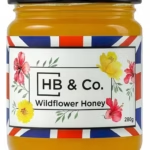
No, wildflower honey is not a cure for hayfever. It may help some people build tolerance to local pollen over time.
2. How much wildflower honey should I eat to help with hayfever?
There is no established dosage. Some people consume a teaspoon daily, especially in the months leading up to and during pollen season, but always consult a healthcare professional.
3. Is wildflower honey safe for children?
Wildflower honey should not be given to infants under 12 months due to the risk of infant botulism. For older children, check with a healthcare professional.
4. Does wildflower honey contain all types of pollen that cause hayfever?
No. Honey bees collect pollen mainly from flowers, while many hayfever triggers come from grass, tree, and weed pollen, which may not be present in honey.
5. How should I store wildflower honey?
Store in a cool, dry, dark place with the lid tightly sealed. Avoid refrigeration to prevent crystallisation. If crystallised, gently warm the jar in warm water to re-liquefy.