
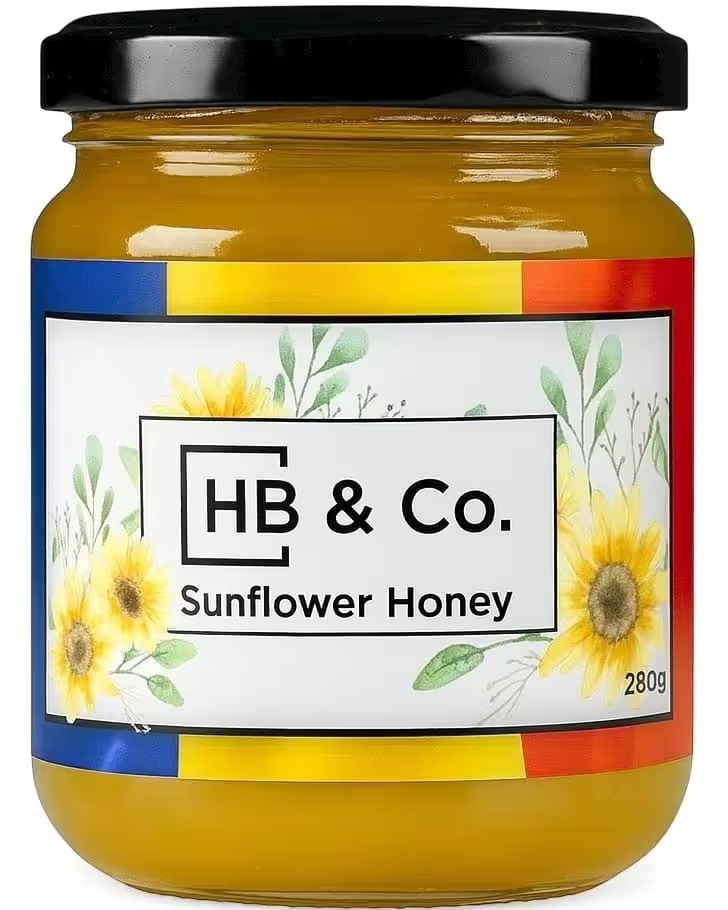
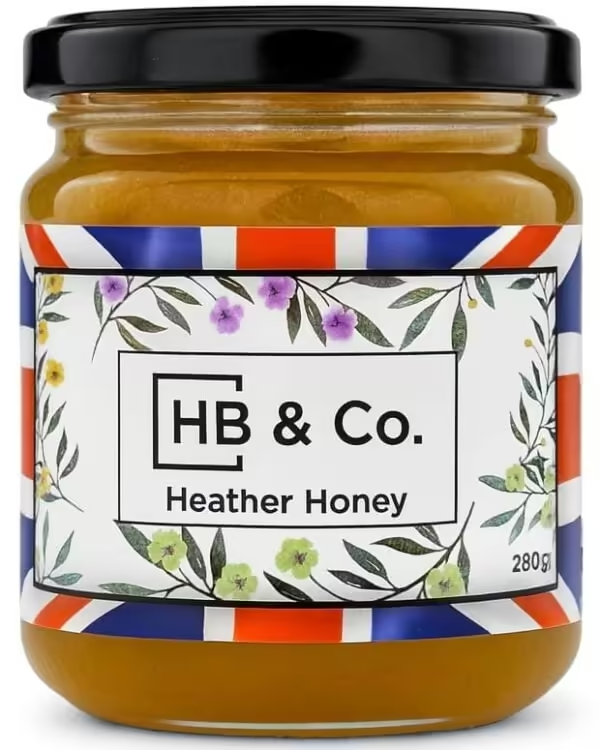

Deliziosamente dolce, spesso di un colore dorato intenso e ricco di proprietà naturali, il miele è un'alternativa popolare e salutare allo zucchero. Il miele ha una storia lunga e affascinante ed è usato abitualmente in cucina e in pasticceria, per addolcire le bevande calde e persino nel settore medico e della bellezza.
Potreste rimanere scioccati nello scoprire che il miele è stato usato come arma in guerra o nello scoprire da quanto tempo esistono le api. Continuate a leggere per scoprire alcuni fatti davvero sorprendenti e affascinanti sul miele e sulle incredibili piccole creature che lo rendono possibile!
Il miele può essere classificato in due tipi principali:
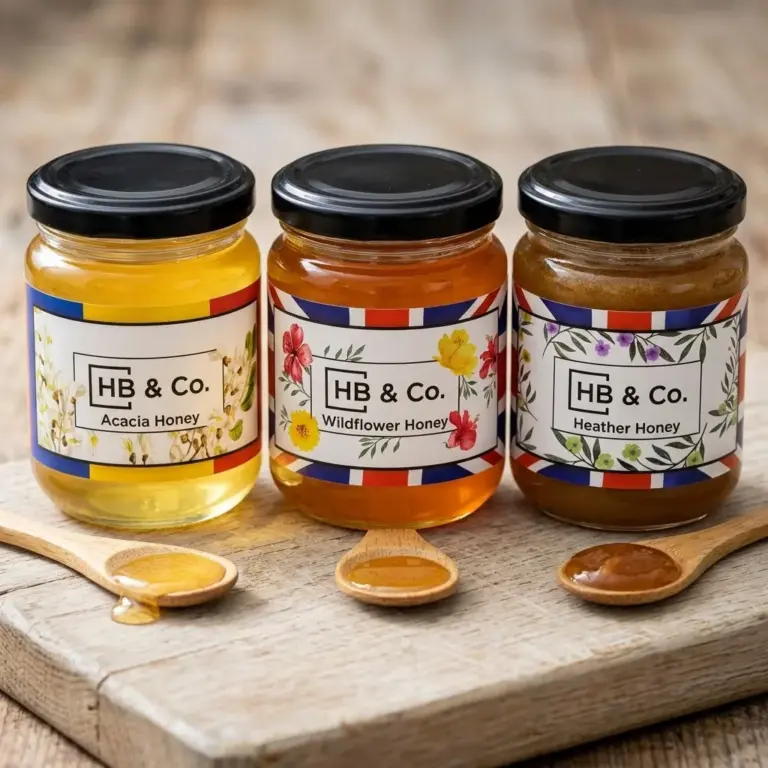
Miele floreale/miele di fiori, made by bees visiting flowering plants to gather nectar.
Miele di melata è prodotto dalle api che raccolgono la melata, un liquido zuccherino proveniente dalla linfa. Il miele di melata (talvolta chiamato miele di bosco) è scuro e meno dolce del miele di fiori.
Il miele ha anche un posto speciale nella storia ed è stato utilizzato in una prima versione della ‘guerra chimica’:
Il miele viene utilizzato anche in campo medico:
Anche l'industria della bellezza ha sfruttato il potere del miele:
Dopo aver considerato tutte queste curiosità sul miele, siamo certi che converrete che si tratta di un prodotto affascinante e diversificato, con una ricca storia e una serie di usi diversi nel mondo moderno.
Honey is quite possibly the best sweet tasting thing on the planet. It’s sweet, but not too sweet. Just sweet enough. So if you love the taste of honey, here are a couple of reasons why you should use honey on a regular basis. First of all, honey is good for your health. It has antioxidants that can help you fight off flu and cold viruses. It can also help treat allergies and pollen sensitivity and people have used honey to make scars less noticeable. It’s cheap, so you can use it all the time!
Honey is a natural sweetener that can be used in a number of recipes to replace sugar. It’s been used for centuries and is one of the few things that is considered both a medicine and a food. The health benefits of honey are so great that some people have even claimed that they do not feel the need to consume sugar anymore! If you’d like to learn more, here are the reasons why we should use honey daily!
Did you know that honey was used as an embalming fluid in ancient Egypt? What’s more, honey was also used to create amazing artwork! In ancient times, honey was often sculpted into realistic, lifelike figures and animals in honour of the Egyptian gods. It is a versatile substance, used to heal the sick, preserve the dead, and even fuel the engines of the modern world. A new study has found that bees will actually refuse to pollinate certain types of flowers if they sense that they have already been pollinated.
Did you know that honey is a natural antiseptic? It works amazingly well to heal cuts and wounds on the skin. It is antibacterial, which means that it does not allow bacteria to breed, so it is great for your skin. It can also produce a healing response when applied to the skin. It can also effectively remove poison ivy rashes. And it doesn’t just have to be used on humans! You can apply it to wounds on your pets as well.
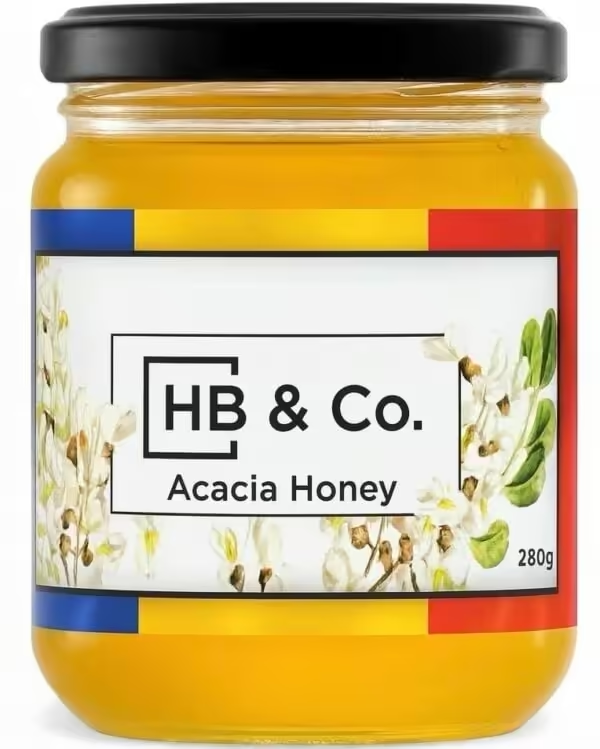
Did you know that the honeybees used to pollinate flowers to make honey are native to Africa? There are many types of honey, but the most common types of honey are clover, acacia, and sage. Did you know that honey isn’t actually acid? It’s just that bacteria that are present in honey can produce an acid.
Ora che lo sapete, provatelo!
- Il miele è l'unico dolcificante concentrato presente in natura.
- Il miele è una soluzione complessa, che contiene oltre 180 sostanze diverse.
- Il miele floreale è influenzato dall'ambiente in cui si trova, per cui il miele proveniente da zone diverse avrà una composizione leggermente diversa e anche proprietà diverse.
- Il colore del miele varia da un giallo molto chiaro a un caldo dorato, a un ambrato scuro o rossastro e, a volte, può sembrare quasi nero.
- Il ph del miele è compreso tra 3,2 e 4,5, grazie alla presenza di acidi organici. Il ph basso fa sì che i batteri abbiano difficoltà a crescere nel miele, il che gli conferisce una lunga durata di conservazione!
- Sorprendentemente, il miele è l'unico alimento prodotto da un insetto e poi mangiato sia dagli insetti che dagli esseri umani. Anche le formiche del miele sono produttrici di miele, ma non si tratta di un prodotto consumato regolarmente dall'uomo.
- Per produrre un chilo di miele, un'ape bottinatrice deve percorrere circa 55.000 miglia e visitare circa 2 milioni di fiori.
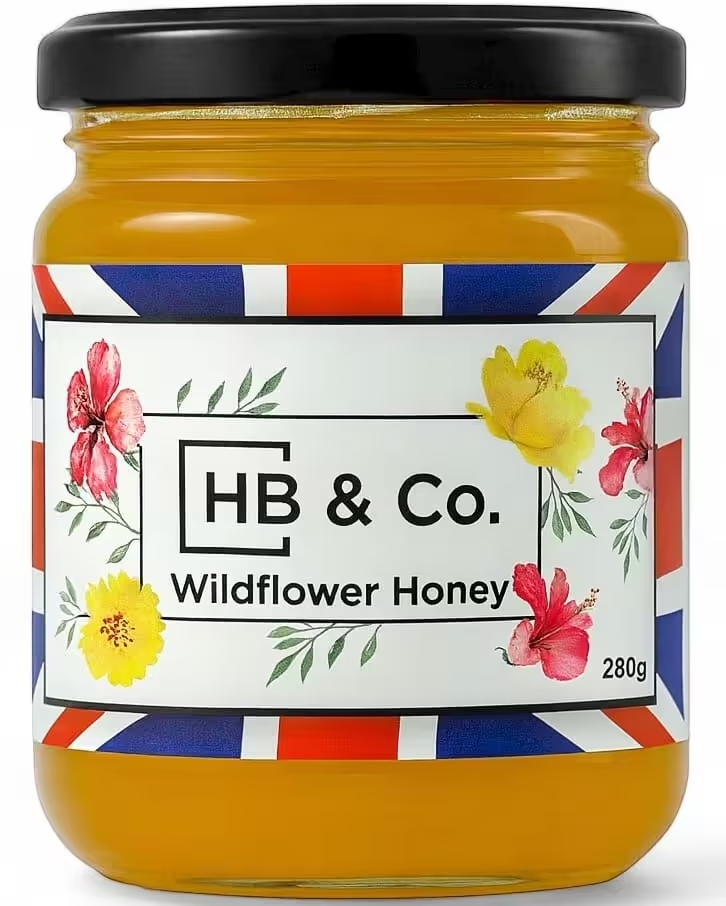
- Il miele monoflorale è prodotto dalle api che visitano una sola pianta; il più famoso è probabilmente il miele di Manuka, prodotto in Nuova Zelanda dalle api che visitano l'albero di manuka (Leptospermum Scoparium). Multi-floreale Il miele è prodotto dalle api che si nutrono di fiori selvatici..
- Le truppe persiane lasciavano il miele locale, ricco di tossine naturali, per farlo trovare all'esercito romano invasore. Si dice che consumarne troppo causasse disorientamento, vertigini e nausea. Dopo aver mangiato il miele tossico, i Romani non furono in grado di difendersi dai Persiani. Questo miele tossico proviene dalla regione del Mar Nero, in Turchia, e fu usato anche contro gli invasori greci.
- Honey bees were also around long before they were used to help warn off the invading Roman armies, fossil evidence suggests that bees were on earth 150 million years ago! That means that these incredible honey producers were around long before early-man.
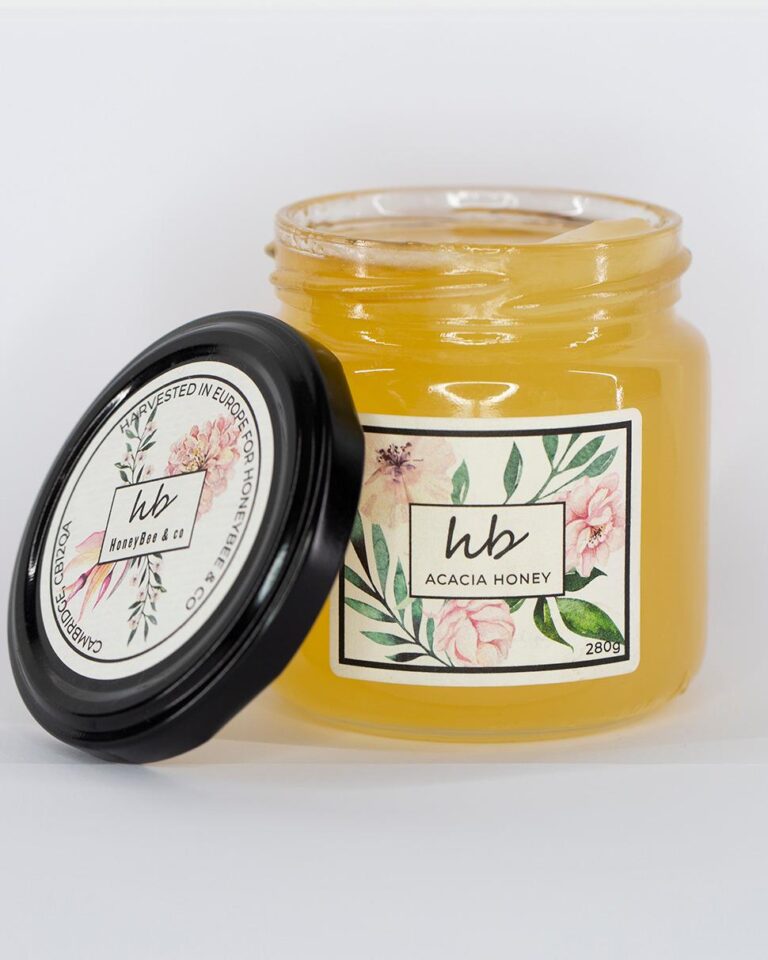
- Alcune evidenze cliniche suggeriscono che il miele è estremamente utile nel trattamento di ustioni e ferite e dell'eczema.
- Per molti secoli il miele è stato utilizzato dalle persone in diverse parti del mondo per curare le infezioni. Il miele è tuttora considerato un potente agente antibatterico, scoperto per la prima volta nel 1892 (anche se è stato usato abitualmente per molti anni prima, senza una piena comprensione delle sue proprietà).
- Il miele è un potente antibiotico e antisettico e gli studiosi e gli scienziati continuano oggi a studiare il miele e le sue proprietà medicinali per comprenderle meglio.
- Si ritiene che l'uso del miele grezzo sul viso aiuti a guarire le cicatrici e ad alleviare i sintomi di malattie della pelle come l'acne o la psoriasi.
- Le potenti proprietà antibatteriche del miele possono aiutare a trattare piccole infezioni batteriche e fungine della pelle.
- Miscelato con altri ingredienti naturali, il miele è un'aggiunta profondamente nutriente alle maschere o alle creme per il viso.
Da il negozio

Scritto da
Dragos Nistor
Founder of HoneyBee & Co. His family keeps bees in Transylvania, and he writes about bees, honey and the landscapes they come from.