
Introduction
Orchids are often seen as ornamental, indoor plants, but the orchid family is one of the most diverse groups of flowering plants on Earth, with complex pollination strategies shaped by evolution. In practical garden terms, orchids can support biodiversity by sustaining specialised pollinator relationships, but they are not reliably high-value bee forage in the way that many open, nectar-rich flowers are.
At HoneyBee & Co., we care about pollinators first and aesthetics second. Orchids are a fascinating case study in how plants and insects co-evolve, and why “pollinator friendly” is not always as simple as planting something pretty.
Key Takeaways
- Many orchids attract pollinators through highly specialised mechanisms rather than abundant nectar.
- Some orchids provide nectar rewards, others use deception to trigger pollination.
- Orchid pollination can involve bees, including specialised “orchid bees” in certain regions.
- As garden plants, orchids are often best treated as biodiversity education rather than core bee forage.
- For bee nutrition, gardens still need a wider mix of pollen and nectar-rich plants.
Orchids: Core Characteristics That Shape Their Ecology
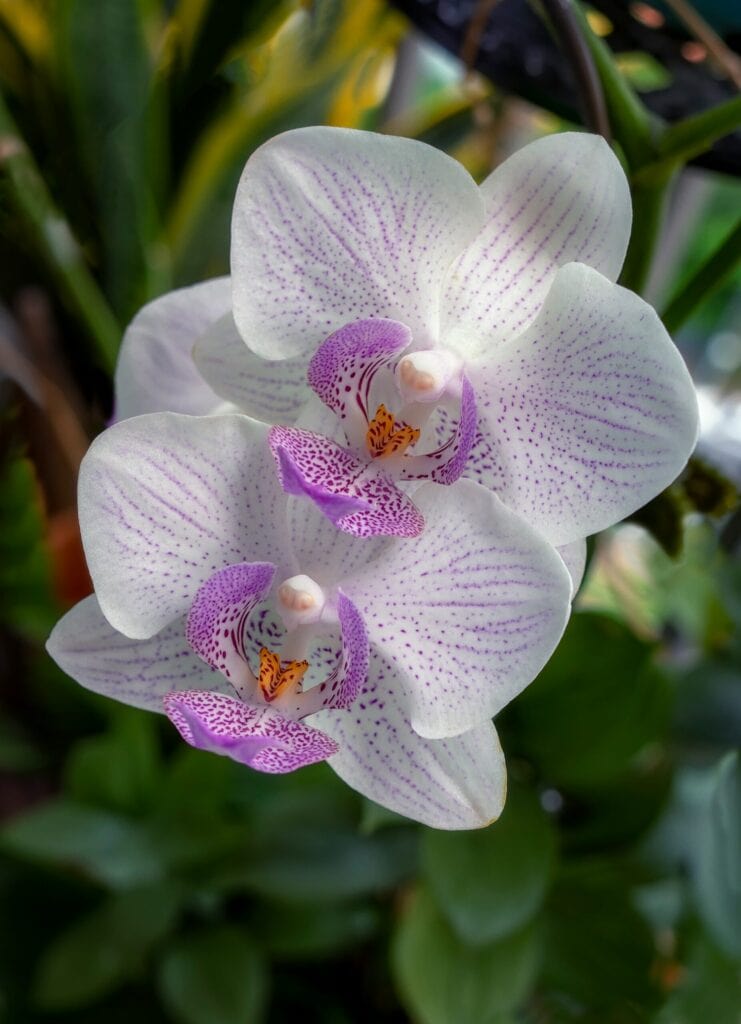
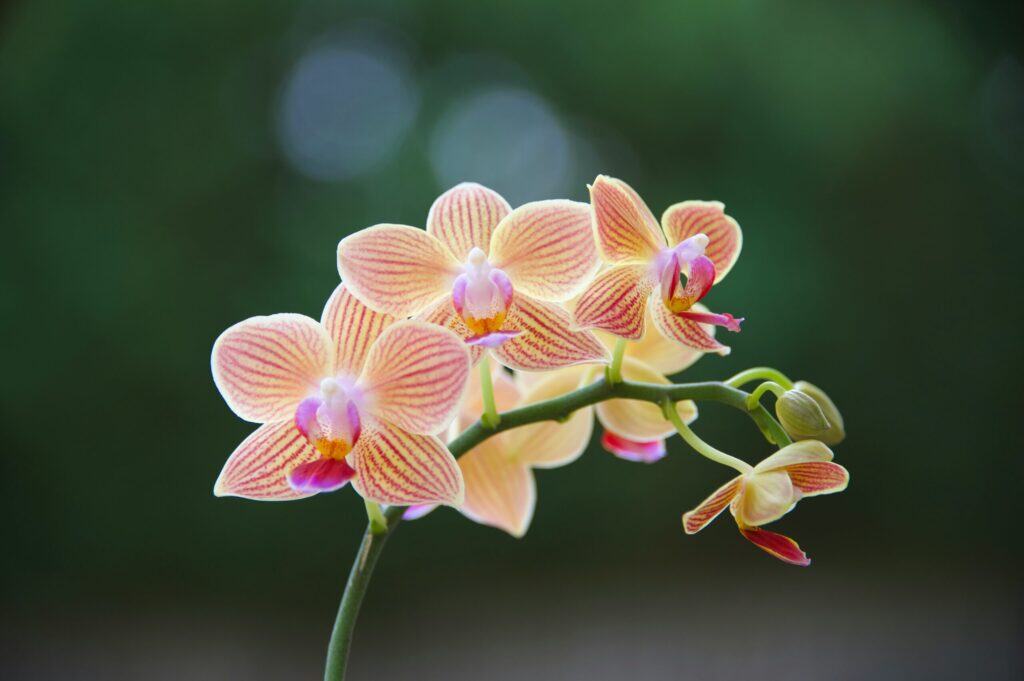
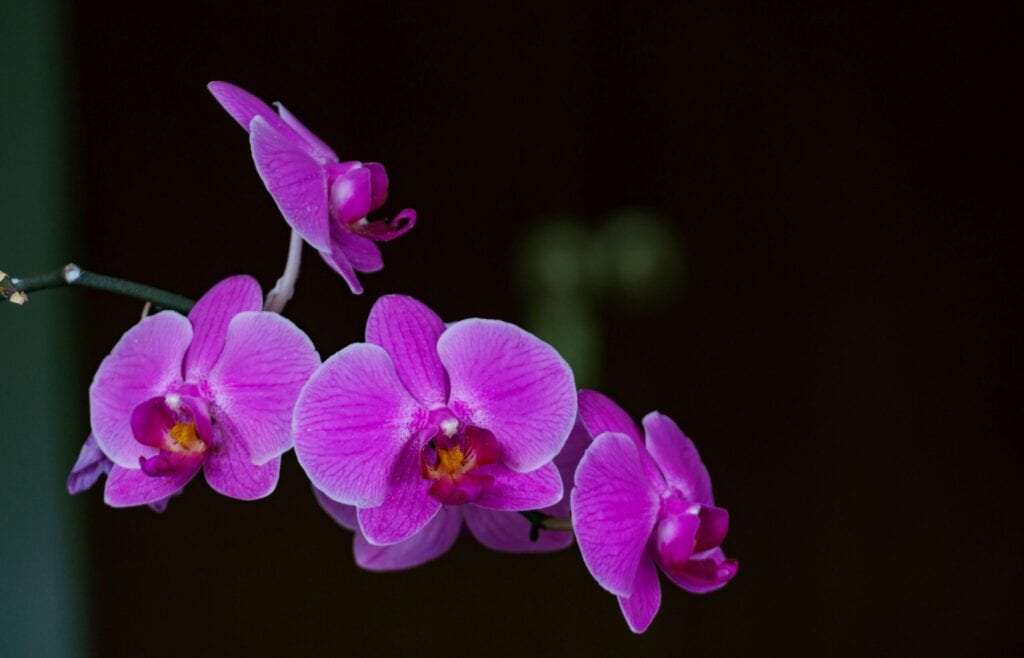
Orchids (family Orchidaceae) are defined by highly adapted floral structures that control how pollen is transferred. Unlike many garden flowers that release loose pollen, orchids commonly package pollen into sticky units called pollinia, which attach to the pollinator’s body during a visit. This is one reason orchid pollination can be extremely species-specific.
Kew explains how orchids lure pollinators through a range of strategies, including nectar rewards and intricate flower shapes that ensure pollen transfer.
Kew also highlights relationships involving orchid bees, where bees collect fragrant compounds and in doing so transport pollinia between flowers.
Pollination Strategies: Rewards vs Deception
Nectar reward orchids
Some orchids do offer nectar, using it as a direct incentive to attract insects. When an insect extends its mouthparts to feed, pollen is placed onto its body and carried onward to the next flower.
Kew outlines this reward mechanism as one of the core orchid pollination pathways. (kew.org)
Deceptive orchids
Many orchids use deception instead of food rewards, for example mimicry of other flowers or even insect signals. These orchids can still achieve pollination, but they do not contribute much nectar or pollen to pollinators. From a bee-support perspective, that matters.
This is why orchids can be ecologically valuable without being nutritionally generous.
Value to Bees and the Ecosystem
Do orchids help bees?
Sometimes, yes, but not always in the way gardeners assume.
- In ecosystems where orchid bees exist, orchids can be part of an essential behavioural and reproductive cycle, because the bees collect perfume compounds from orchids. (kew.org)
- In many other contexts, orchids may be visited occasionally, but they are less dependable as mass forage compared with open flowers that produce accessible nectar and pollen.
Ecosystem value beyond bees
Orchids contribute to biodiversity by supporting specialised insect interactions and by acting as indicators of habitat health in many landscapes. Their presence often reflects complex ecological conditions, including fungi in the soil for orchid seed germination, although most gardeners encounter cultivated plants rather than wild orchid restoration scenarios.
Garden Applications in the UK: Where Orchids Fit Best
In UK gardens, orchids generally fall into two practical categories:
- Indoor orchids (common houseplant types)
These primarily serve aesthetic and educational value rather than pollinator provisioning. - Hardy garden orchids (specialist outdoor plants)
These can be planted in suitable microhabitats, but they are niche choices and not typically used as primary pollinator plants.
If your goal is pollinator support, orchids should be the “conversation piece”, not the foundation. Build the garden around reliable nectar and pollen sources first, then add orchids as a specialist layer.
This aligns with the evidence-driven approach used in major horticultural pollinator guidance, where plants are assessed based on measurable floral resources, not just presence of flowers.
Practical Guidance: How to Use Orchids in a Bee-Conscious Garden
- Treat orchids as biodiversity enrichment and education.
- Pair orchids with a strong baseline of pollen and nectar plants across seasons.
- Avoid assuming “flowering equals feeding”. Orchids can flower without offering substantial forage.
- Choose plantings that deliver consistent nutrition, which is part of supporting resilient colonies and wild pollinator populations.
If you want your pollinator story to connect back to food, it helps to explain why bees matter not just for gardens, but for the honey they produce and the ecosystems they stabilise. That is where HoneyBee & Co.’s raw honey becomes a natural reference point, as a product rooted in floral landscapes and responsible stewardship.
Conclusion
Orchids are ecological marvels, but their pollinator value is often specialised rather than abundant. They belong in the garden as a biodiversity lesson and a celebration of co-evolution, not as a substitute for forage-rich flowers.
At HoneyBee & Co., we encourage gardens that prioritise year-round pollen and nectar availability, supported by evidence and ethical land care, with orchids added as a thoughtful, specialist choice.
FAQ
Do orchids provide nectar for bees?
Some orchids do provide nectar rewards, but many rely on deception rather than feeding pollinators. This makes them unreliable as core bee forage.
What are orchid bees, and are they in the UK?
Orchid bees are associated with tropical and subtropical ecosystems, where they collect fragrant compounds from orchids and transfer pollinia. This is not a typical UK garden pollination dynamic.
Are orchids good for a pollinator garden?
They can add ecological interest, but they should not be the main strategy. A pollinator garden should prioritise plants with accessible pollen and nectar over long seasons, as supported by evidence-based horticultural guidance.
References
Kew. Sneaky orchids and their pollination tricks.
https://www.kew.org/read-and-watch/orchid-pollination-tricks (kew.org)
Kew. Exploring the orchid family tree (orchid bees and pollinia).
https://www.kew.org/read-and-watch/orchid-family-tree (kew.org)
RHS. Plants for Pollinators research overview.
https://www.rhs.org.uk/science/research/plants-for-pollinators (RHS)