
 English (UK)
  Italiano
  Français
  简体中文
简体中文  한국어
한국어 
Raw Romanian Honey
From the Carpathians to Your Kitchen
Acacia, Linden, and Sunflower honey from our family apiaries in Transylvania. Six generations of beekeeping heritage. Raw, unpasteurised, and never blended.
Shop the Range →Our Romanian Honey Range
Three Honeys, Three Transylvanian Seasons
From the crystalline clarity of spring Acacia to the aromatic lift of summer Linden and the golden warmth of late-summer Sunflower. All raw, all single-origin, all traceable to our family apiaries.
Transylvanian Spring
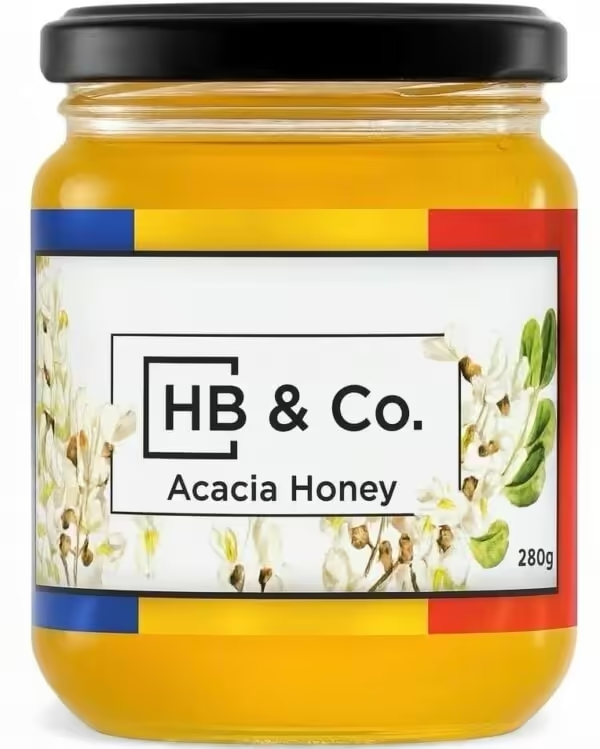
Romanian Acacia Honey
Crystal-clear and delicately sweet. Vanilla-toned, slow to crystallise, the gentlest honey we make.
£10.99
Shop Acacia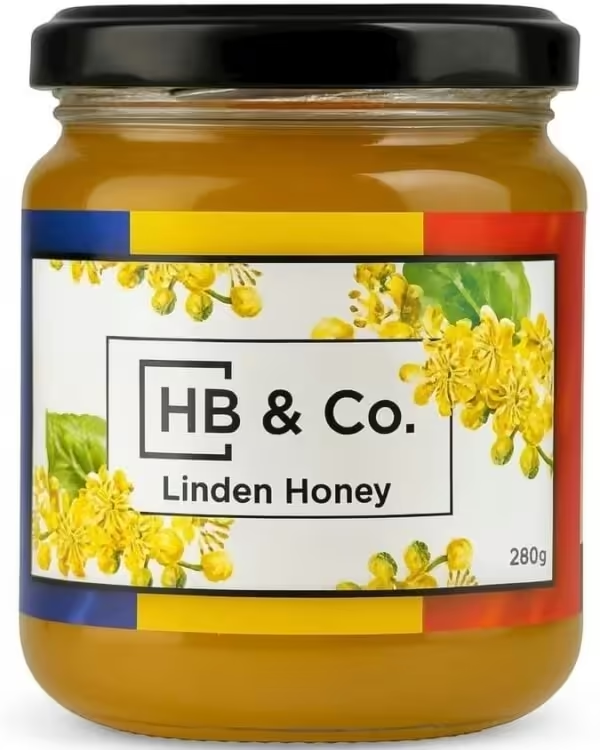
Transylvanian Summer
Romanian Linden Honey
Aromatic, herbal, softly cooling. A blossom-forward honey with notes of mint and citrus peel. The tea honey.
£10.99
Shop Linden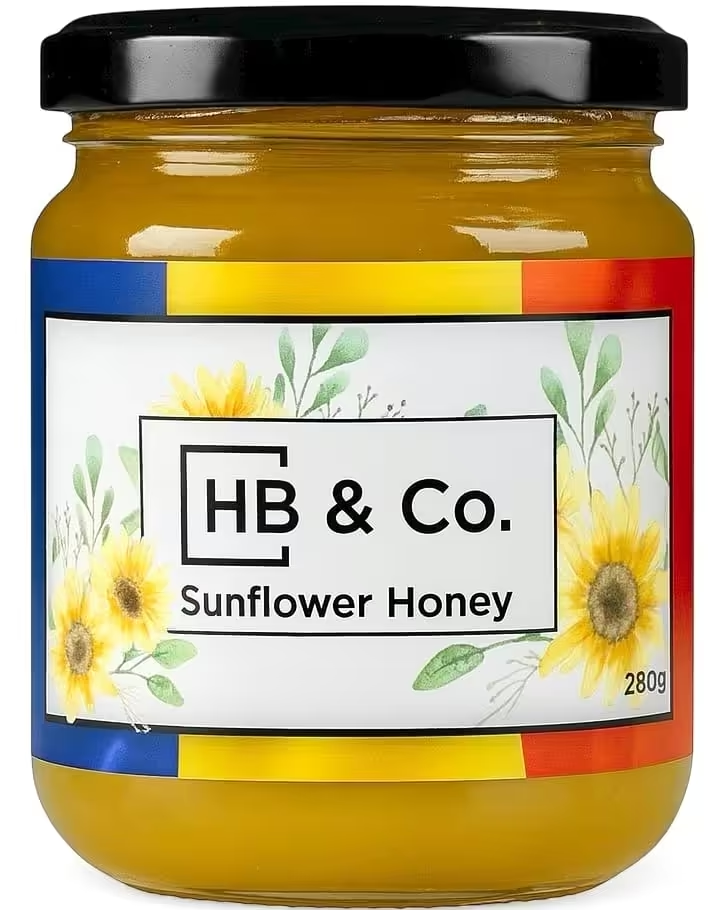
Transylvanian Late Summer
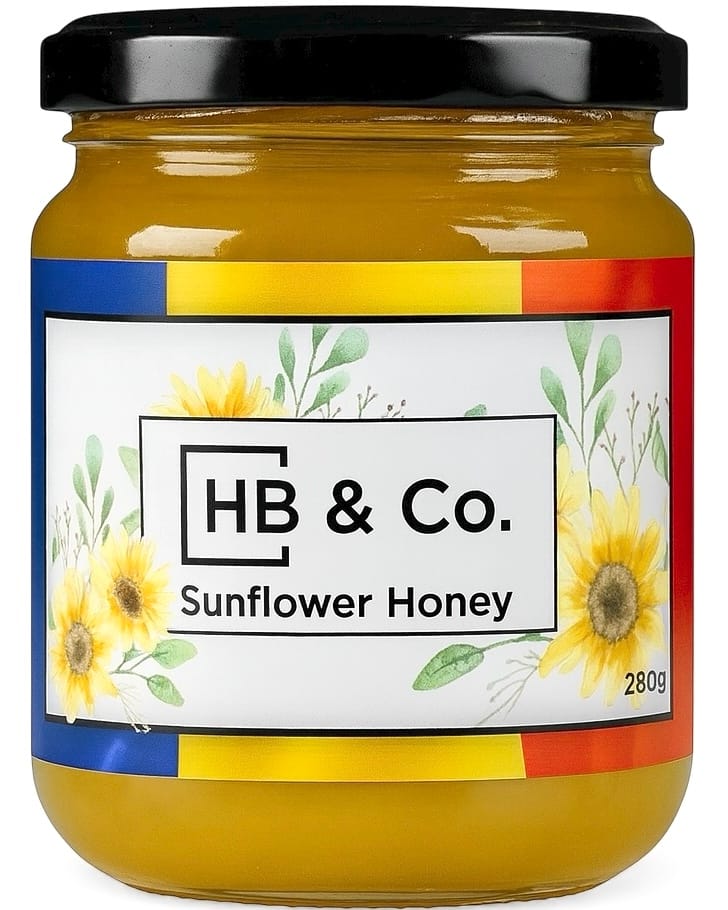
Romanian Sunflower Honey
Bright, creamy, and warmly sweet. The breakfast honey, with a nutty-herbal lift and a naturally creamy set.
£10.99
Shop SunflowerTry all three together: Discovery Trio →
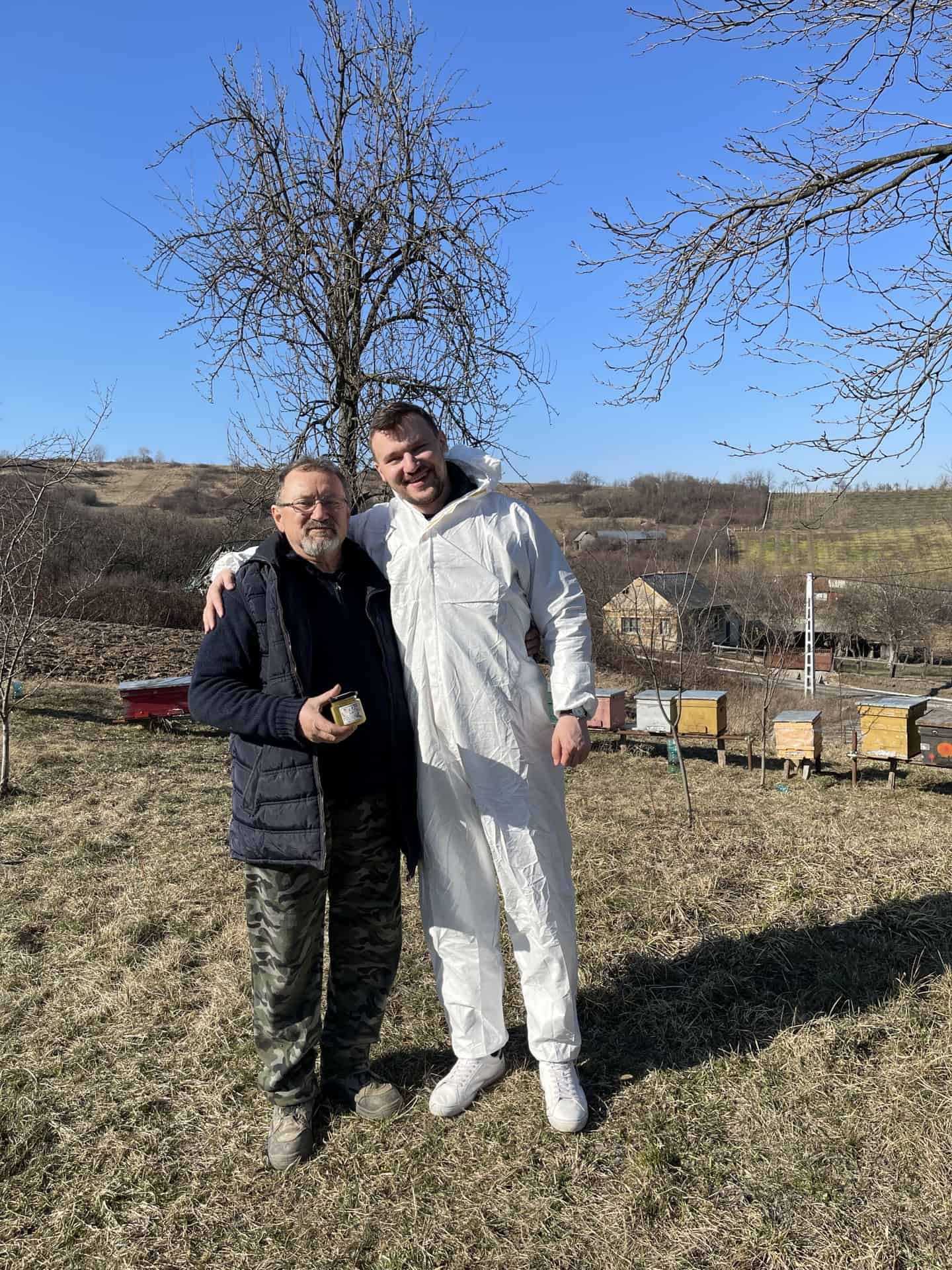
Six Generations of Beekeeping
Our Family Has Kept Bees in Transylvania for Over 150 Years
HoneyBee & Co. was founded by Dragos Nistor, whose family has kept bees for over six generations in Transylvania. Our Romanian honey comes directly from our family apiaries, not from anonymised trading networks. The beekeepers who produced this year's harvest are the same ones who produced last year's, and the year before that.
Every jar is raw, cold-extracted, and never pasteurised. We filter only to remove wax and hive debris. Every batch is independently analysed for moisture, HMF, diastase, and pollen profile to verify the floral source.
This direct family supply is why our Romanian honey has been featured in Vogue's Summer Hot List across three consecutive editions in summer 2024. Read the full Vogue story →
Romanian Honey Heritage
Discover the Rich Flavours of Romanian Honey
Romanian honey is not only a food. It is an inheritance. Across valleys and mountain passes, families still wake before sunrise to check hives, load them onto trailers, and follow the blossom. Spring acacia, early summer linden, late summer sunflower. The rhythm is patient and exacting, and it produces some of the most distinctive jars you can put on your table.
This is the story behind the jars we curate at HoneyBee & Co. Romanian honey shaped by landscapes, seasons, and people who keep bees the way their grandparents did.
Romania's Natural Canvas Is Made for Bees
Few countries pack so much diversity into a single map. The Carpathians weave through the centre with high meadows and forest honeydew sources. The Danube fans into a vast delta of reeds and willows. Plains to the south and east offer broad belts of acacia and sunflower, while rolling hills hold old orchards and hay meadows rich in clover, sainfoin, and wild flowers that many parts of Europe have lost.
Carpathians
High meadows and forest honeydew sources. Cool summers, extended bloom windows, and clean mountain air produce aromatic, complex honeys.
Danube Delta
Reeds, willows, and a UNESCO Biosphere Reserve. One of the least polluted large wetlands in Europe, with exceptional floral diversity.
Southern Plains
Broad belts of acacia and sunflower on fertile plains. Hot, dry summers intensify aromas and deepen the colour of the honey.
The result is range. Romanian honey can be delicate and water-pale or deep amber with a resinous edge. It can be almost syrupy or quick to crystallise into a creamy spread. All from a single country.
A Living Tradition
A Living Family Heritage
Romanian beekeeping is often a family calling. In villages that sit beside linden forests or on the road to the plains, the apiary sits behind the house, and the knowledge sits at the kitchen table. Grandparents remember wintering hives in the woods, then moving them in spring to the acacia stands, then to sunflower later on.
This seasonal movement has a purpose. Bees meet each major bloom at its peak, staying healthy and productive while keeping flavours clean. Families tend to keep the native Carpathian bee, known for its calm temperament and thrift in cool springs.
When you taste Romanian honey, you are tasting a way of working that prizes steadiness, care, and respect for place. Meet the team on our About page or read more about what a beekeeper actually does.
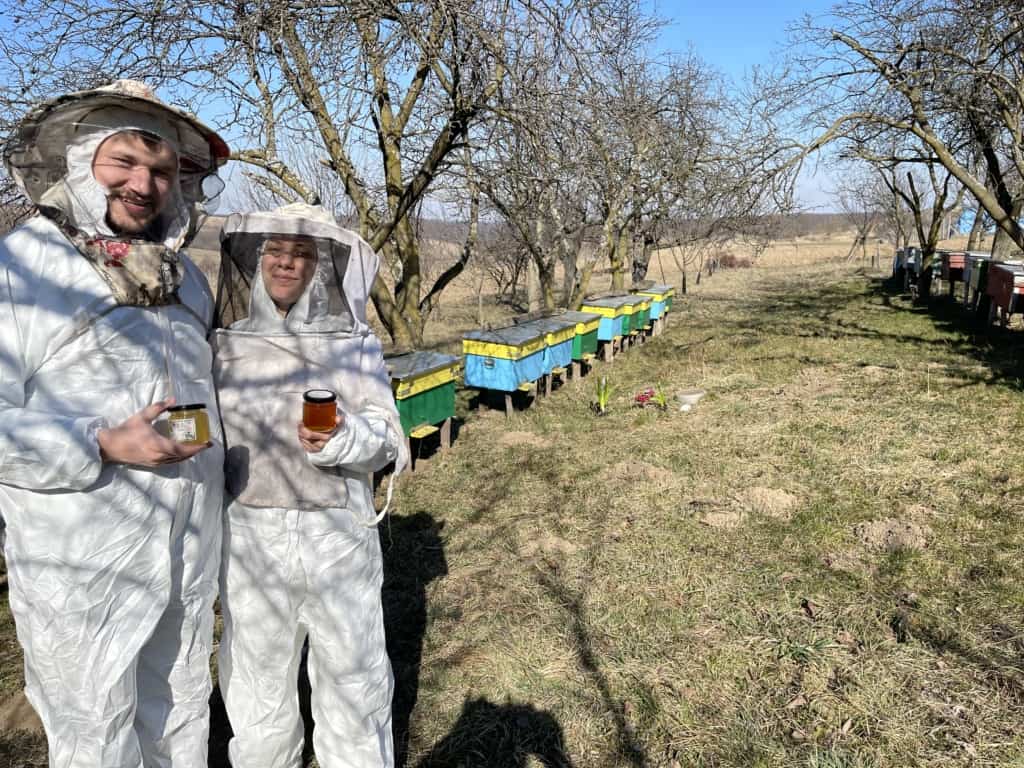
Traditional Romanian beekeepers at work. Where pure raw honey begins.
A Closer Look
Meet Three Classic Romanian Honeys
Each has its own personality, and all reward slow tasting.
Romanian Acacia Honey: Crystal Clarity and Gentle Sweetness
Transylvanian Spring · £10.99Acacia honey from Romania is famous for a reason. It looks almost water-white, often with a faint straw hue. Very high fructose relative to glucose, very low acidity, naturally slow to crystallise. The flavour is delicate, floral, and sweet with hints of vanilla and soft fruit.
- Colour: almost clear to very pale gold
- Aroma: floral and perfume-like, occasionally vanilla-toned
- Taste: mellow and clean, with an elegant sweetness
- Texture: fluid for months at room temperature
- Crystallisation: very slow
Pair it with fine teas, Greek yogurt, fresh strawberries, ricotta on toast, or a washed-rind cheese. In pastry work, it keeps batters moist without dominating. In cocktails, it sweetens without clouding your profile.
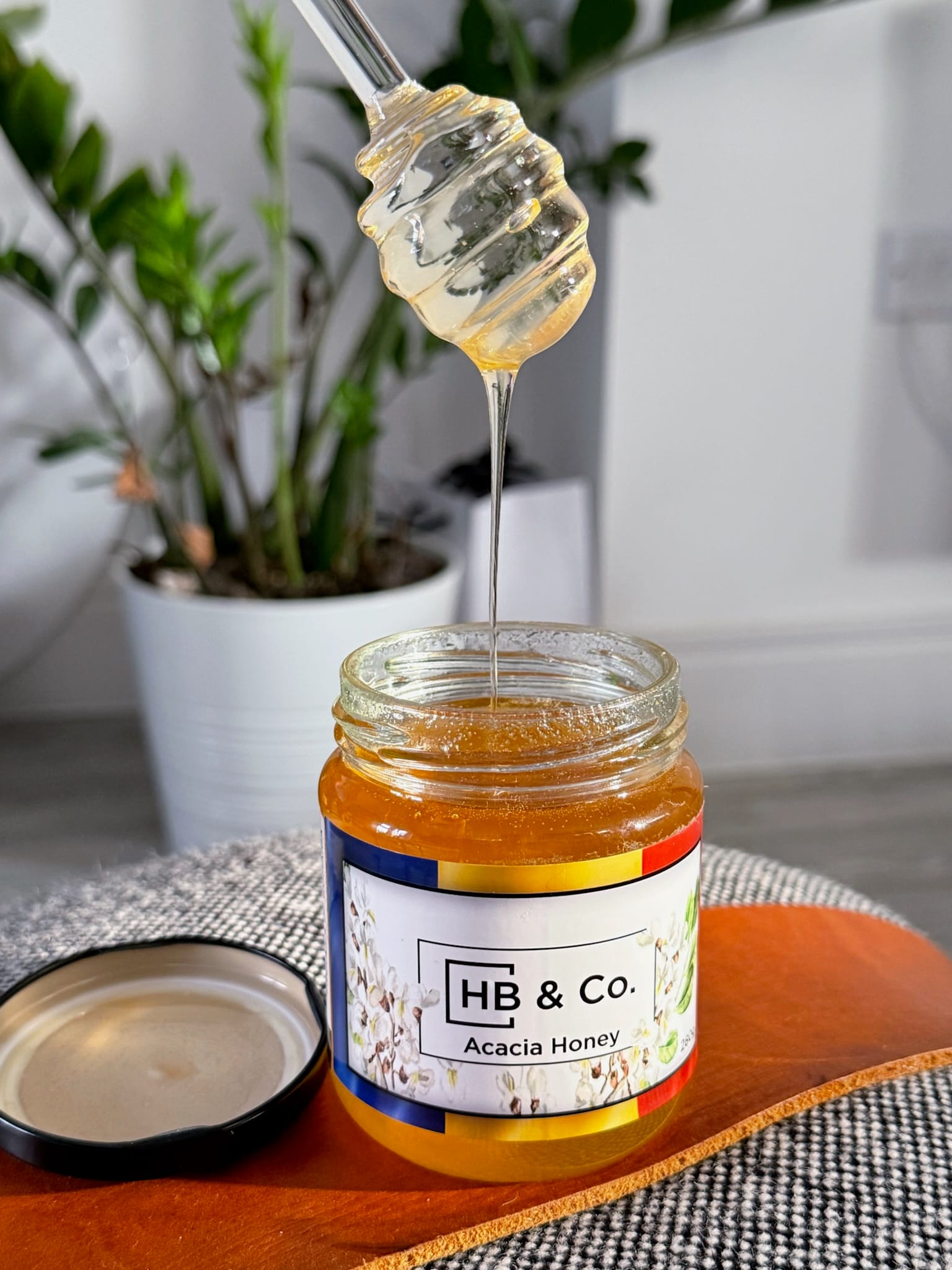
Romanian Linden Honey: Aromatic Brightness with Herbal Lift
Transylvanian Summer · £10.99Linden, or lime tree honey, sits at the other end of the flavour map. Open a jar and you get blossom fragrance with a whisper of menthol or citrus peel. On the palate it is sweet yet lively, sometimes with an herbal or slightly bitter finish that keeps it refreshing.
- Colour: light amber to pale yellow
- Aroma: blossom-forward with minty or citrus-herbal notes
- Taste: bright, floral, and lightly spicy
- Texture: medium viscosity; can set into larger crystals
- Crystallisation: moderate to fast
Linden honey sings with hot buttered toast, blue cheeses, grilled peaches, or a lemony vinaigrette. Stir it into chamomile tea for a layered floral cup.
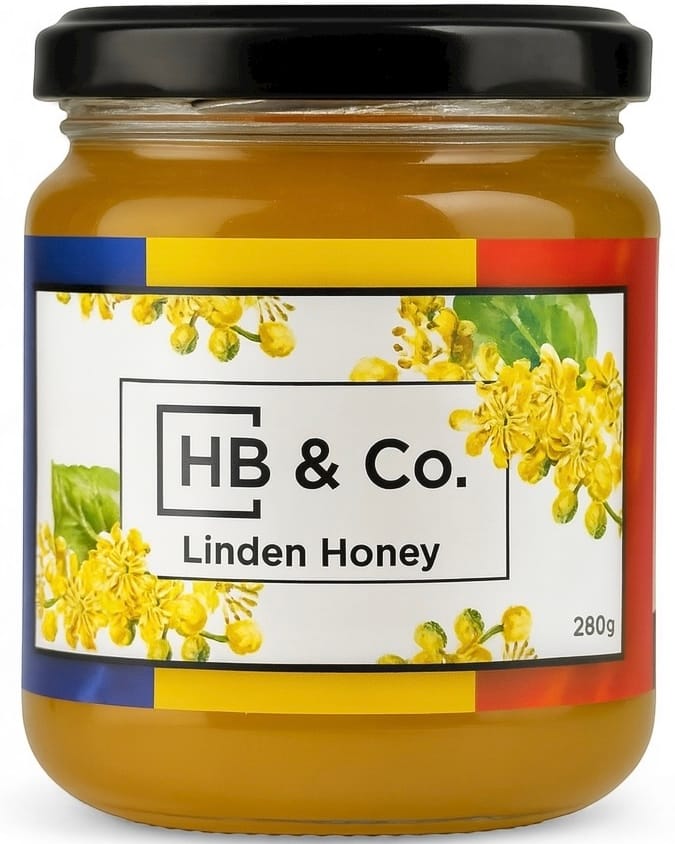
Romanian Sunflower Honey: Golden, Creamy and Cheerful
Transylvanian Late Summer · £10.99Sunflower honey catches the eye first. Bright and golden, with a sunny aroma that recalls fields in late August. The flavour is mild, honeyed, and creamy, sometimes with subtle nutty or herbal hints.
- Colour: bright golden yellow
- Aroma: floral and warm, a classic honey scent
- Taste: pleasant sweetness with faint nutty tones
- Texture: smooth when fresh, then a fine-grained cream
- Crystallisation: fast
This is the breakfast honey. Spread it on crumpets, swirl it into porridge, glaze roast carrots, or whisk it into a mustard dressing. When it crystallises, it takes on a spoonable creaminess that children love.
Quick Guide
Three Romanian Honeys Compared
| Variety | Colour | Aroma and Flavour | Texture | Kitchen Notes |
|---|---|---|---|---|
| Acacia | Water-white to pale straw | Floral, soft vanilla, clean | Very fluid, crystallises very slowly | Tea, yogurt, patisserie, cocktails |
| Linden | Pale yellow to light amber | Blossom-forward, minty-citrus | Medium body, sets moderately fast | Blue cheese, biscuits, vinaigrettes |
| Sunflower | Bright golden yellow | Mild, creamy, subtle nutty tones | Fine-grained cream, fast set | Breakfast spreads, glazes, bakes |
Terroir
Why Romanian Honey Varies So Beautifully
Two jars labelled the same can still show nuance. The reasons are simple and fascinating.
Season
A wet spring can dilute acacia nectar and nudge the sugar balance. A hot July can push linden toward deeper colour and a firmer herbal finish. Drought concentrates sugars and can intensify aroma.
Altitude
Higher, cooler apiaries produce lighter, more aromatic honeys. Lowland plains often give richer colour and a deeper, rounder taste.
Soils and Flora
Sunflower belts give consistent, cheerful honeys. Mixed forests can add a touch of honeydew to linden. Old hay meadows gift polyfloral jars with clover, sainfoin, and mint notes.
This is terroir in the clearest sense. Bees translate landscape into flavour.
Our Standards
How We Source at HoneyBee & Co.
Our Sunflower, Acacia, and Linden honeys are produced by our family in Romania. We also work with a small number of family apiaries we have personally visited. Read more about our partnerships →
- Single-origin batches with full traceability by region and harvest date
- Raw and unheated, filtered only to remove wax and hive fragments
- Independent lab analysis for moisture, HMF, diastase, and pollen profile
- Respect for bee health: no antibiotics, careful winter feeding, clean combs
- Fair relationships that recognise the craft behind each harvest
In the Kitchen
Serving and Pairing Ideas
Make the most of Romanian honey with a few simple ideas. Browse our full recipe collection for more.
Romanian Acacia
- Drizzle over fresh figs with mascarpone and almond flakes
- Dress a melon and mint salad with acacia and lime juice
- Shake with gin, lemon, and a touch of salt for an elegant sour
Romanian Linden
- Glaze baked pears and serve with blue cheese and walnuts
- Stir into chamomile tea
- Whisk into mustard, cider vinegar, and olive oil for a salad
Romanian Sunflower
- Spread on warm sourdough with salted butter
- Toss with carrots or parsnips before roasting, finish with thyme
- Use in overnight oats with apricots and toasted seeds
For wine and cheese pairings, see our honey, wine, and cheese guide.
Looking After Your Jar
Storage Tips for Romanian Honey
- Keep jars at room temperature, away from bright light.
- If sunflower or linden set hard, stand the jar in a bowl of warm water (no hotter than 40°C) for a few minutes and stir gently.
- Do not microwave. Uneven heat can damage aroma and destroy enzymes.
- Crystallisation is natural and a sign of purity, not a fault.
- Acacia prefers a cool cupboard to stay limpid for longer.
Buyer's Guide
Choosing the Right Romanian Honey for Your Shelf
If you like your honey light and neutral, Romanian Acacia Honey is the classic. It sweetens without getting in the way, and it stays runny for months.
If you want scent and a touch of herbal lift, go for Romanian Linden Honey. You will taste blossom with a minty thread and a crisp finish that holds up in cheese pairings and baking.
If you prefer a friendly, everyday spread with a pleasing creaminess, Romanian Sunflower Honey will suit you nicely.
- Look for monofloral labelling where the pollen analysis and taste match the name.
- Expect natural crystallisation in linden and sunflower. It is a sign of quality.
- Seek clear batch and region details. The best producers are proud of place.
- Consider a tasting trio to appreciate how acacia, linden, and sunflower differ.
Discovery Trio
All Three Romanian Honeys, Save 5%
Acacia, Linden, and Sunflower together. The complete Transylvanian range, packaged as a gift set with free UK delivery on 3+ jars.
Shop the Discovery Trio →Romania's Beekeeping Ethos
The Way of Working Shines Through the Jar
Stand in a linden grove on a still July evening and you feel it. That soft perfume that hangs in the air. Watch hives lined up at the edge of a sunflower field after dawn, bees lifting like smoke above the heads of beekeepers who have done this work since they were children.
If you have only ever bought generic blends, try the clarity of Romanian Acacia Honey, the aromatic lift of Romanian Linden Honey, and the golden cream of Romanian Sunflower Honey. Taste them side by side. Let them tell you where they come from.
And if you would like help choosing, our team at HoneyBee & Co. is ready with current batch notes and pairing suggestions.
Explore the Full Range
Six Honeys. Two Countries. One Family Standard.
HoneyBee & Co. also offers three distinctive British honeys sourced from our SALSA-certified British honey supplier in Yorkshire and the Midlands. Different landscapes, same standards. Visit the homepage to see the full story.