
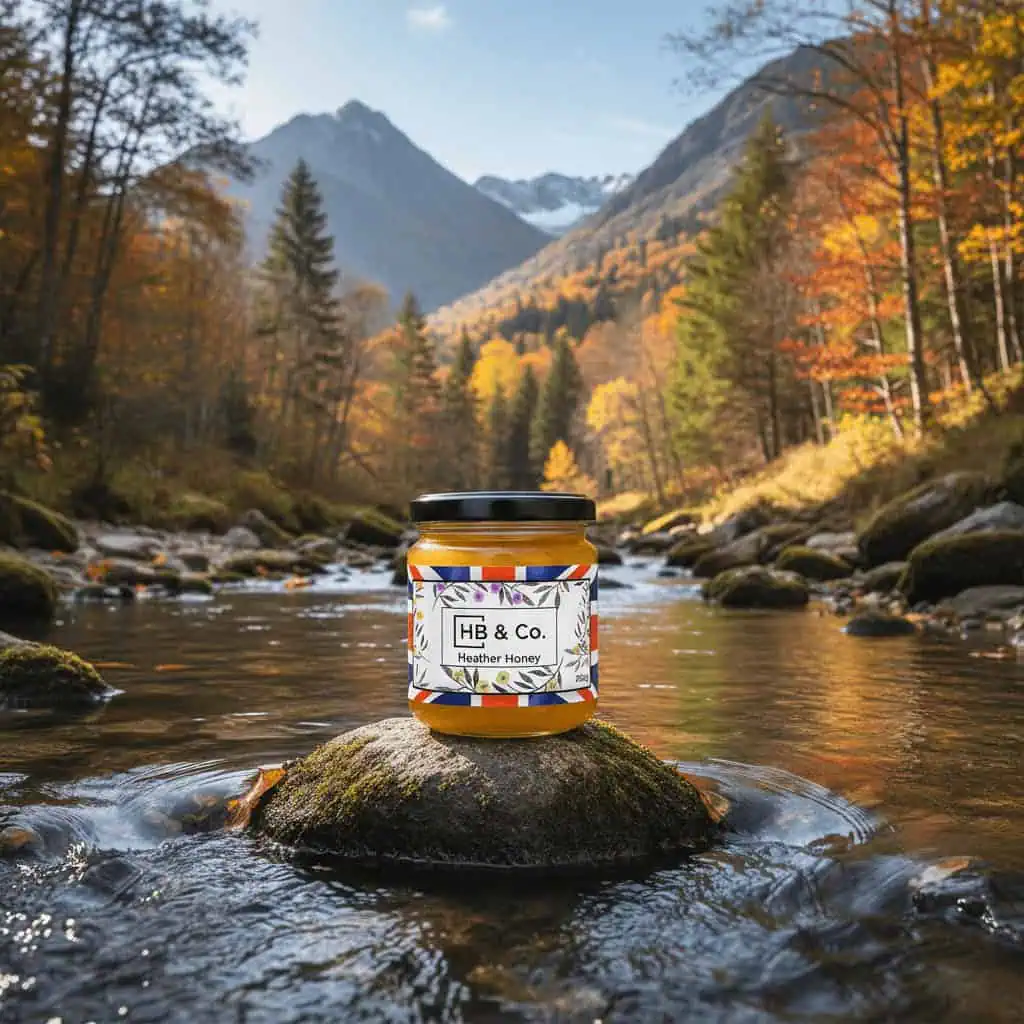
Wondering how wildflower honey vs heather taste? Wildflower honey is sweet and floral, while heather honey offers a rich, earthy flavor. This article will explore their distinct tastes and help you choose the right one for your palate.
Key Takeaways
- Wildflower honey features a complex flavour profile derived from various floral sources, offering a light, sweet taste that varies seasonally.
- Heather honey, known for its dark amber color and thick texture, provides a robust flavor with distinct notes of smoke and toffee, setting it apart from the lighter wildflower variety.
- Both honeys offer health benefits and can enhance culinary creations, but the choice between them depends on personal taste preferences, with wildflower being versatile and sweet, while heather is rich and bold.
Understanding Wildflower Honey
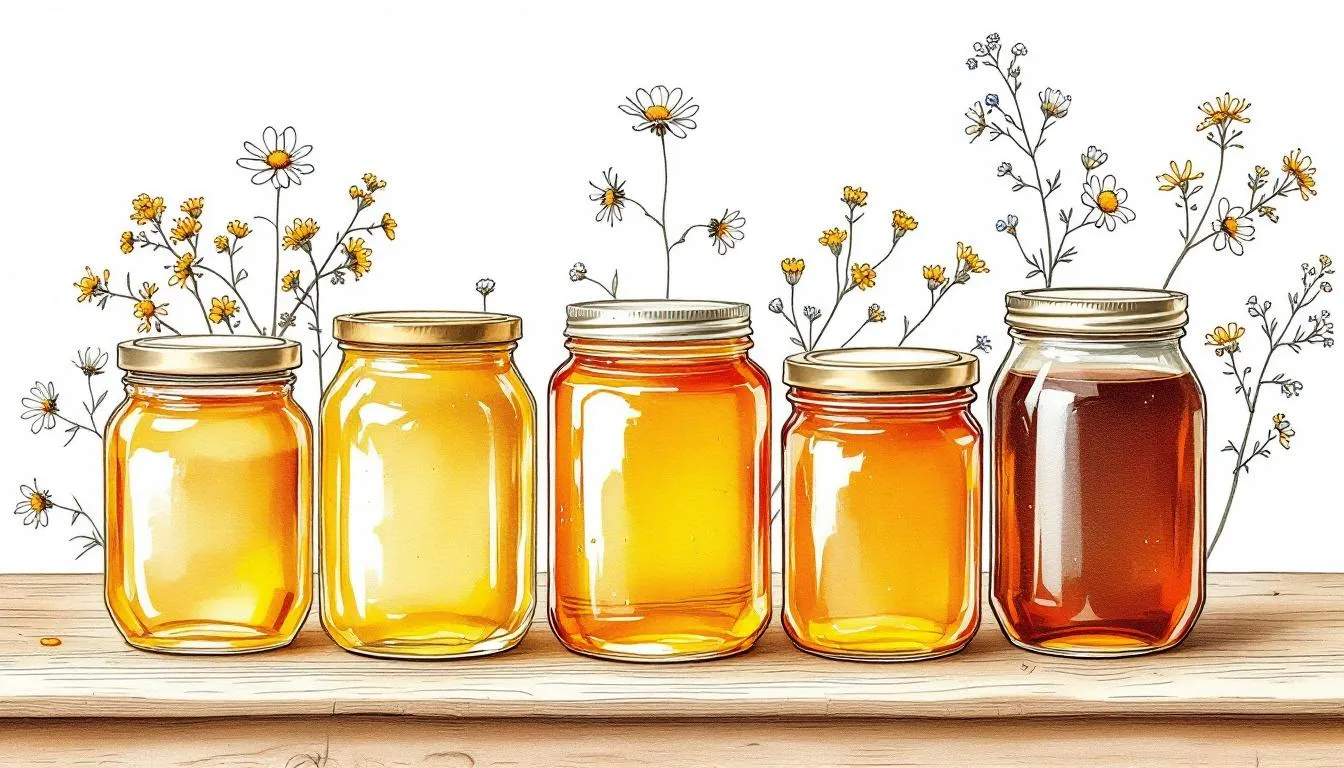
Wildflower honey, often celebrated for its light and smooth texture, is a delightful amalgamation of nectar from various flowers. Blossom honey refers to honey made from the nectar of any flowering plant, typically featuring mild and fruity notes, and is commonly found on store shelves; it differs from wildflower honey, which specifically combines nectar from a wide range of wild blossoms, resulting in greater diversity of flavor and aroma. Unlike monofloral honeys, which are derived from a single type of flower, wildflower honey embodies the essence of multiple blossoms, resulting in a honey that is as diverse as the flora it comes from. This variety makes it an exceptionally versatile and popular choice among honey lovers.
Produced throughout the UK, wildflower honey reflects the rich tapestry of the local environment. The nectar collected by honey bees from a multitude of flowers directly influences the flavor, color, and aroma of the resulting honey. British wildflower honey is often lighter in color than other types of honey, adding to its unique appeal. The combination of different floral sources gives wildflower honey its unique flavour, making each batch distinct and memorable. Each jar of wildflower honey is a unique snapshot of the local flora, with variations that can change from season to season. Additionally, British wildflower honey is a healthy product that contains vitamins, minerals, and antioxidants, making it a nutritious choice.
Floral Sources in Wildflower Honey
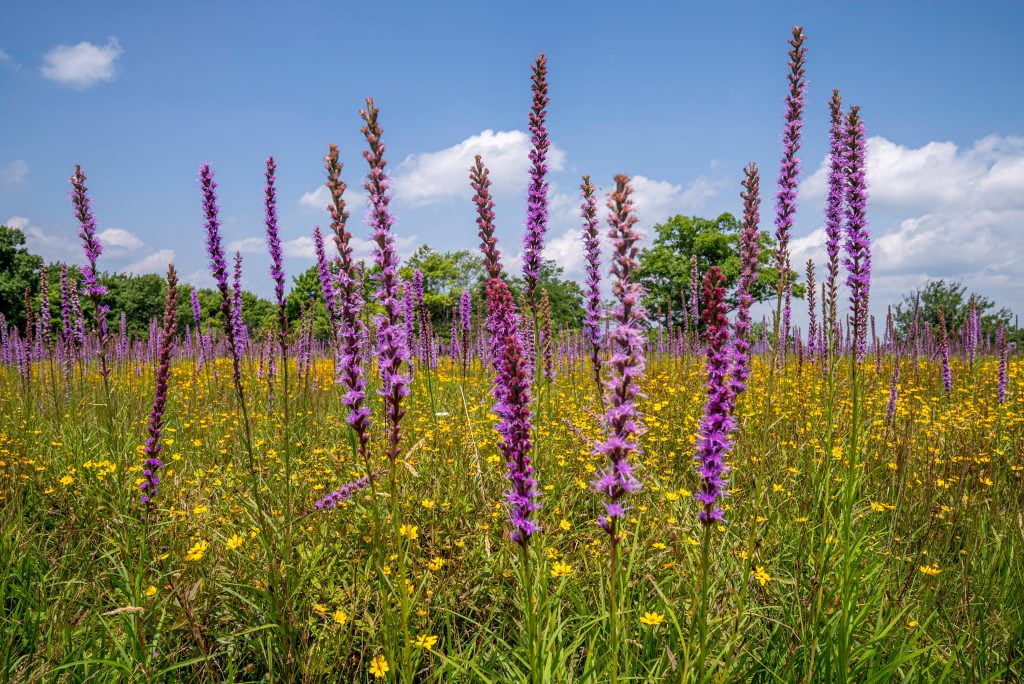
The charm of wildflower honey lies in its diverse floral sources, including different flowers. Bees forage from an array of flowers, including:
- Clover (including white clover)
- Dandelion
- Blackberry
- Oilseed rape
- Lavender
Each flower contributes distinct notes to the honey. These flowers, found abundantly in wildflower meadows, provide a rich and varied nectar source that results in a honey with a complex flavor profile. Some common flowers that contribute to British wildflower honey include dandelions, clover (especially white clover), blackberry, oilseed rape, and lavender, which are widely available in the UK. Lavender is notable both as a nectar source for bees producing monofloral honey and as an ingredient for infusing honey, adding aromatic qualities.
Seasonal changes play a significant role in the flavor and color of wildflower honey. Oilseed rape blooms in spring, white clover in early summer, and heather, willowherb, thistle, and blackberry in late summer, each affecting the honey’s properties and flavor profile. As the types of flowering flowers bloom and fade, the nectar available to the bees changes, impacting the taste and quality of the honey. This dynamic nature makes wildflower honey a fascinating product, where no two batches are exactly the same. Moreover, British wildflower honey contains traces of pollen that can help with allergies, adding another layer of benefit to its consumption.
Flavor Profile of Wildflower Honey
Wildflower honey is renowned for its sweet and floral flavors, which can range from a light, delicate sweetness to a more robust tanginess. This variation in flavor makes it a favorite for those who enjoy a bit of unpredictability in their honey. The versatility of wildflower honey is further enhanced by its light, golden, and runny texture, making it perfect for drizzling over a variety of dishes.
The clear, runny nature of wildflower honey, combined with its sweet and floral notes, makes it a versatile ingredient in both sweet and savory dishes. Whether you’re adding it to tea, spreading it on toast, or using it in baking, wildflower honey’s unique flavor profile can elevate any culinary creation.
Exploring Heather Honey
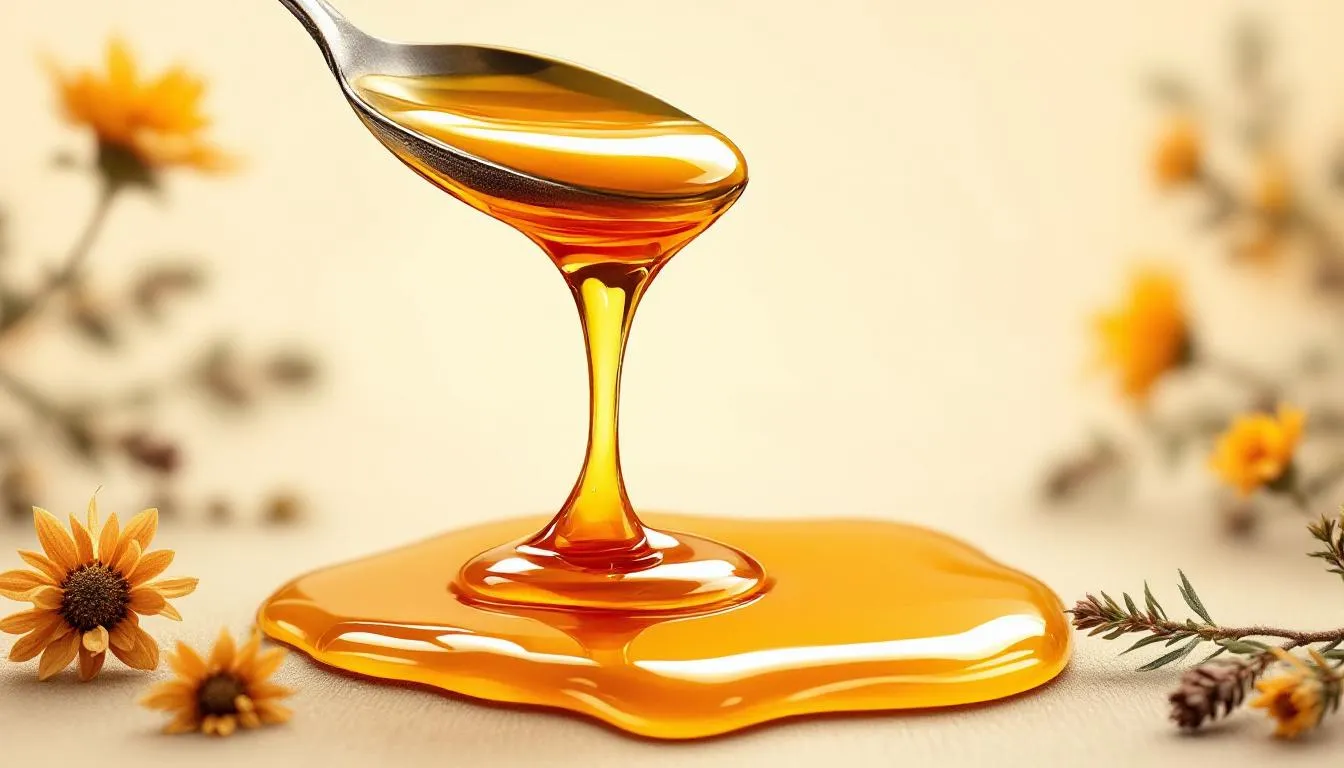
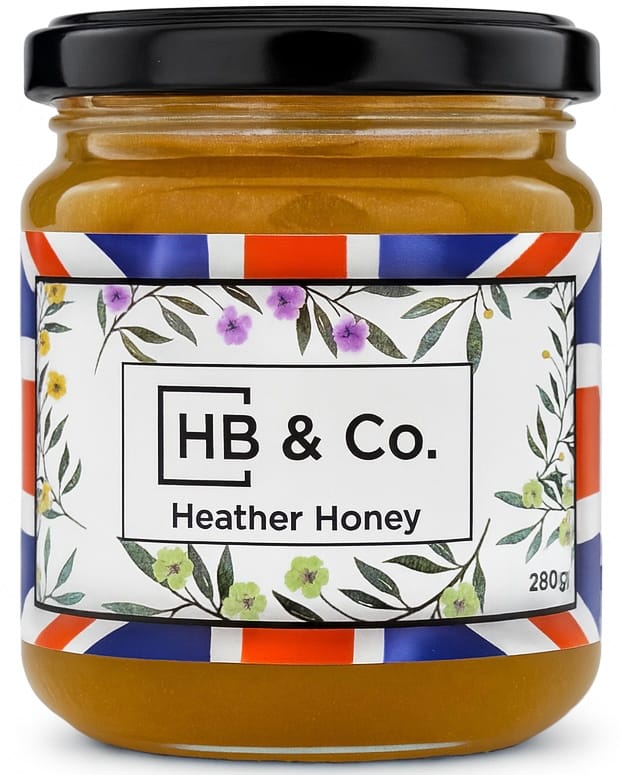
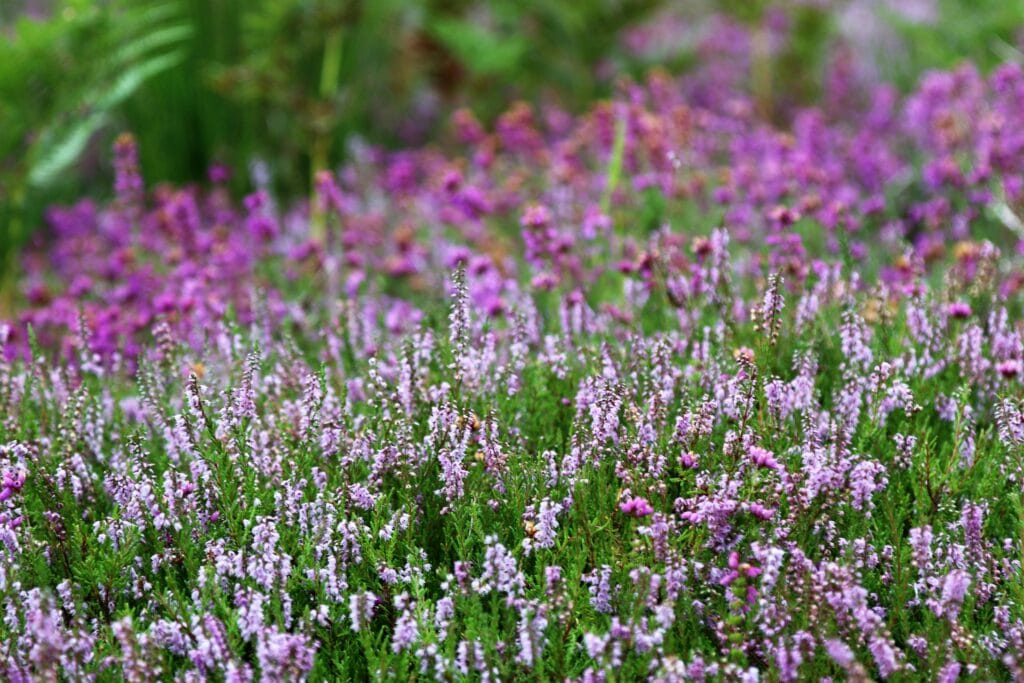
Heather honey, primarily derived from the nectar of purple heather flowers, offers a stark contrast to the lighter and more floral wildflower honey. Known for its dark amber colours and semi-set texture, heather honey is a rich and robust variety that is highly prized in regions such as Scotland, Northumberland, Yorkshire, and Wales. Welsh heather honey, in particular, is considered one of the finest and most sought-after honeys in the world, celebrated for its exceptional quality and unique characteristics.
This type of honey is deeply connected to the heather moors in northern England where it is produced. The unique environmental conditions and floral sources in these regions impart a distinctive character to heather honey, making it a sought-after delicacy among honey connoisseurs.
Types of Heather Honey
Scottish heather honey, a standout among heather honeys, is produced primarily from the nectar of purple heather flowers found in the lush meadows and moors of Scotland. The bees that forage on these heather plants create a honey that reflects the rich and varied landscape of the region. Similarly, Yorkshire heather honey is produced from the nectar of ling heather that grows on the North York Moors, adding to the diversity of heather honey varieties in the UK.
Different types of heather honey can be distinguished by the specific heather plants and regions they come from. The unique characteristics of each type are influenced by the local flora and the bees’ foraging habits, resulting in honeys with distinct flavors and textures.
Flavor Profile of Heather Honey
Heather honey is celebrated for its robust and rich taste, often featuring distinct notes of smoke, toffee, and stone fruits. This complex flavor profile sets it apart from the sweeter, lighter taste of wildflower honey. The texture of heather honey is thick and jelly-like, contributing to its rich mouthfeel and making it a unique addition to any pantry. Its rich, dark amber color and slightly bitter taste with a hint of smokiness further enhance its appeal.
The deep, dark amber color and thick consistency of heather honey, combined with its intense and earthy flavors, make it a standout among other types of honey. These characteristics not only enhance its culinary uses but also make it a prized honey for those who appreciate bold and complex flavors.
Comparing Wildflower Honey and Heather Honey
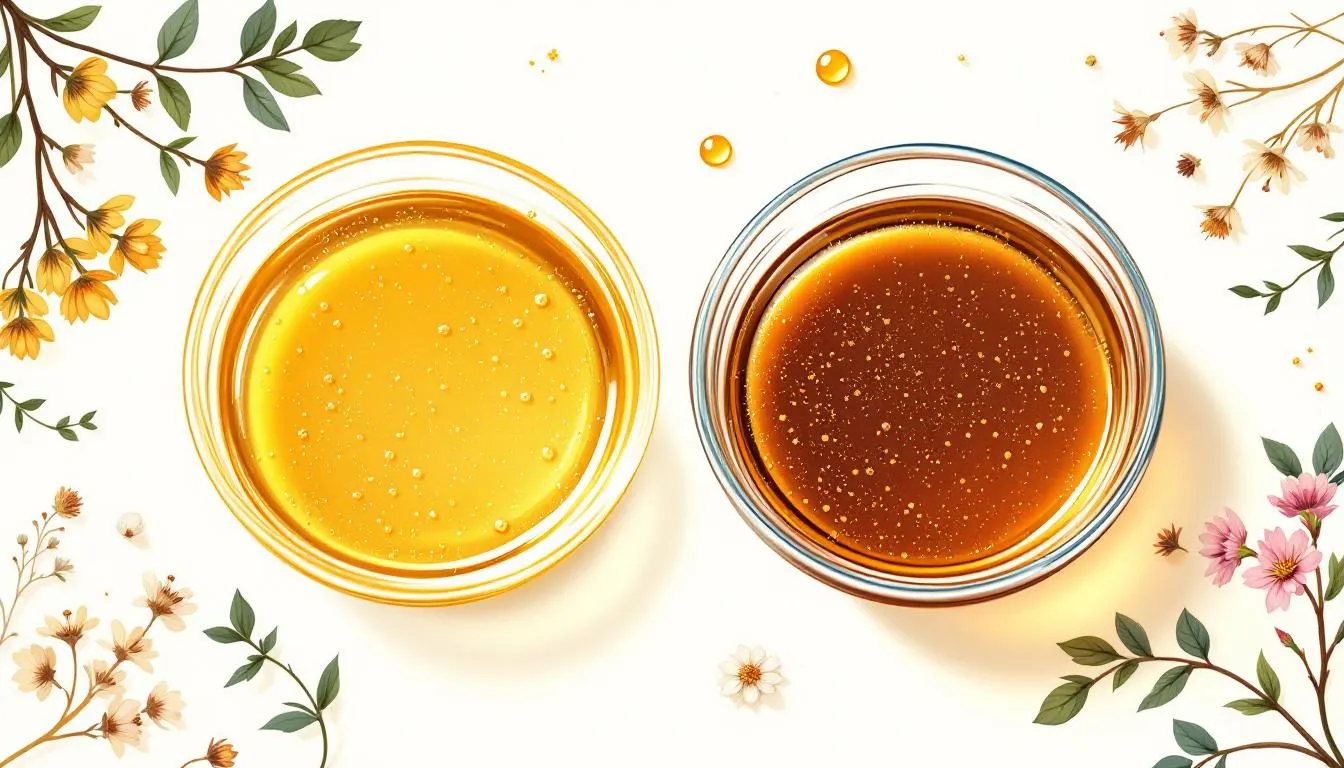
When comparing wildflower honey and heather honey, the differences are as striking as they are fascinating. Both honeys offer unique flavors, textures, and culinary applications, making them valuable additions to any kitchen.
Understanding these differences can help you choose the right honey for your needs and preferences.
Taste Differences
Wildflower honey is known for its sweet flavor, floral, and slightly tangy flavours, which can vary significantly depending on the floral sources. This honey’s mild caramelized sweetness, combined with hints of citrus and liquorice, makes it a versatile and delightful choice for many dishes, offering an aromatic flavour that enhances its appeal.
In contrast, heather honey offers a robust, slightly bitter taste with a distinctive taste of subtle smokiness, toffee, and stone fruits. Its deep, earthy flavour and thick, chewy texture provide a rich and complex tasted experience with an intense flavour that stands out from the lighter, sweeter profile of wildflower honey and ling heather honey.
Texture and Appearance
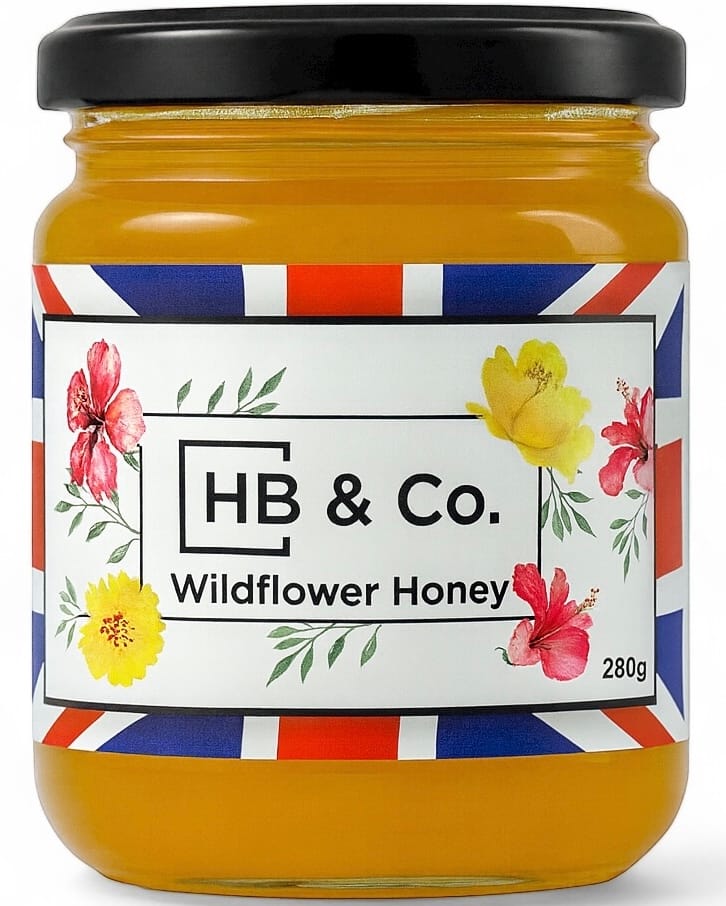
The texture and appearance of these honeys further highlight their differences. Wildflower honey is typically light golden and runny honey, making it easy to drizzle and pour. Its clear honey, smooth texture enhances its versatility in various culinary applications.
Heather honey has the following characteristics:
- Dark colour
- Thicker, jelly-like consistency
- Dark amber color with a rich texture
- Bold flavor that complements its texture
Its very high ratio of fructose to glucose gives it a distinct texture that doesn’t easily crystallise, making it a standout choice for honey enthusiasts.
- Dark colour
- Thicker, jelly-like consistency
- Dark amber color with a rich texture
- Bold flavor that complements its texture
This makes it ideal for spreading and adding depth to dishes.
Best Uses in Cooking
Wildflower honey’s bold and floral character makes it a versatile ingredient in the kitchen. It can be used in several ways:
- Drizzled over Greek yogurt
- Spread on sourdough toast
- Mixed into dishes like muesli Its runny texture also makes it perfect for sweetening tea or baking.
Heather honey, with its strong flavors, pairs beautifully with aged cheddar cheese and can enhance savory dishes that need a touch of sweetness. Its thick texture is great for spreading on toast or pancakes, and it can add a unique depth to marinades and dressings.
Honey Pairing and Food Combinations
Pairing honey with food is a delightful way to unlock the full potential of this natural product, especially given the remarkable array of types of honey available. Each type of honey, from the sweet and floral wildflower honey to the robust and slightly bitter taste of heather honey, brings its own distinctive flavour and texture to the table, making it a versatile companion for both sweet and savoury dishes.
Wildflower honey, with its light golden hue and sweet flavor, is a classic choice for drizzling over fresh fruit, Greek yogurt, or warm porridge. Its smooth texture and aromatic flavour also make it perfect for sweetening herbal teas or spreading on crusty sourdough toast. For a simple yet delicious honey pairing, try wildflower honey with soft cheeses like ricotta or creamy brie—the floral notes beautifully complement the mildness of the cheese.
Heather honey, known for its dark colour, jelly like consistency, and intense flavour, shines when paired with bold foods. Its earthy flavour and subtle smokiness make it an excellent match for aged cheddar, blue cheese, or even charcuterie boards, where its rich, slightly bitter taste balances the saltiness of cured meats. For a unique twist, use heather honey as a glaze for roasted root vegetables or drizzle it over pancakes for a breakfast with depth and character.
Beyond these two, other types of honey offer their own pairing possibilities. Manuka honey, prized for its medicinal properties and distinctive taste, is wonderful in dressings or as a soothing addition to hot lemon drinks for a sore throat. Borage honey, with its light, clear honey and delicate sweetness, pairs well with herbal teas or as a finishing touch on summer salads. Linden honey, with its subtle herbal notes, is ideal for pairing with herbal infusions or light desserts, while rapeseed honey, with its creamy texture and mild flavor, is perfect for spreading on toast or stirring into porridge.
Experimenting with different types of honey allows you to discover new flavour combinations and elevate everyday meals. Whether you’re seeking a sweet complement to cheese, a glaze for roasted meats, or a natural sweetener for your morning tea, there’s a delicious honey pairing waiting to be explored.
Health Benefits of Wildflower and Heather Honey
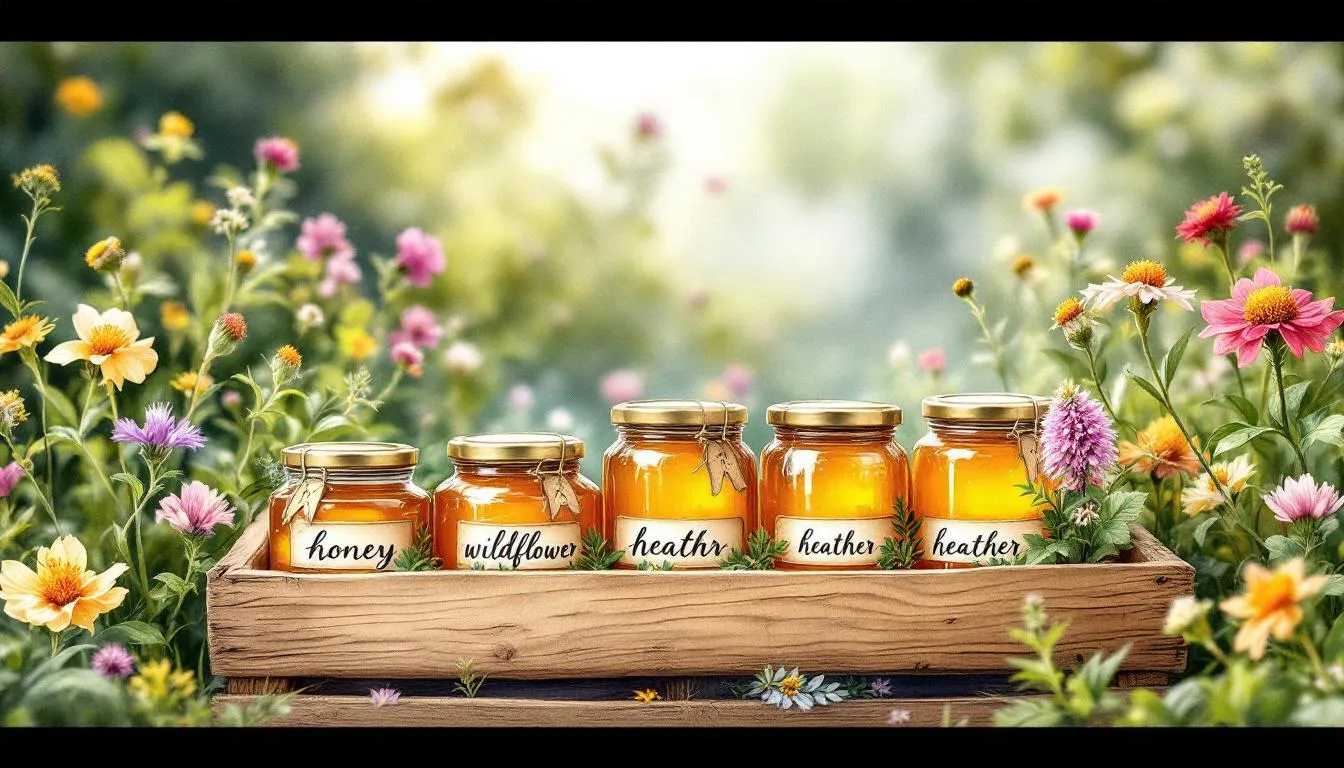
Both wildflower and heather honey offer a range of health benefits, thanks to their high antioxidant content and other beneficial compounds. These honeys can contribute to overall health and well-being, making them valuable additions to a balanced diet.
Nutritional Content
Raw honey can contain vitamins and minerals, though their concentrations are usually low compared to daily intake recommendations. The presence of phenolic compounds in honey contributes to its anti-inflammatory effects, which can help improve immune response by enhancing the generation of various immune cells.
These nutritional aspects make honey a beneficial addition to the diet, providing not only sweetness but also potential health benefits. Whether it’s wildflower or heather honey, incorporating these natural products into your meals can offer more than just flavor.
Medicinal Properties
Heather honey is particularly known for its high antioxidant content, including manganese and polyphenols, which contribute to its overall health benefits. The antibacterial qualities of honey are well-documented, with studies showing its effectiveness against harmful bacteria and fungi. Regions noted for heather honey production in the UK include the Scottish Highlands and the moors of Northern England, where the unique environmental conditions enhance its quality and flavor.
Clinical research indicates several benefits of honey:
- It can enhance wound healing and lower infection rates in minor injuries.
- It is more effective than some over-the-counter medications in alleviating nighttime coughs in children.
- Its prebiotic properties aid in promoting beneficial gut bacteria and digestive health.
Supporting Local Honey Producers
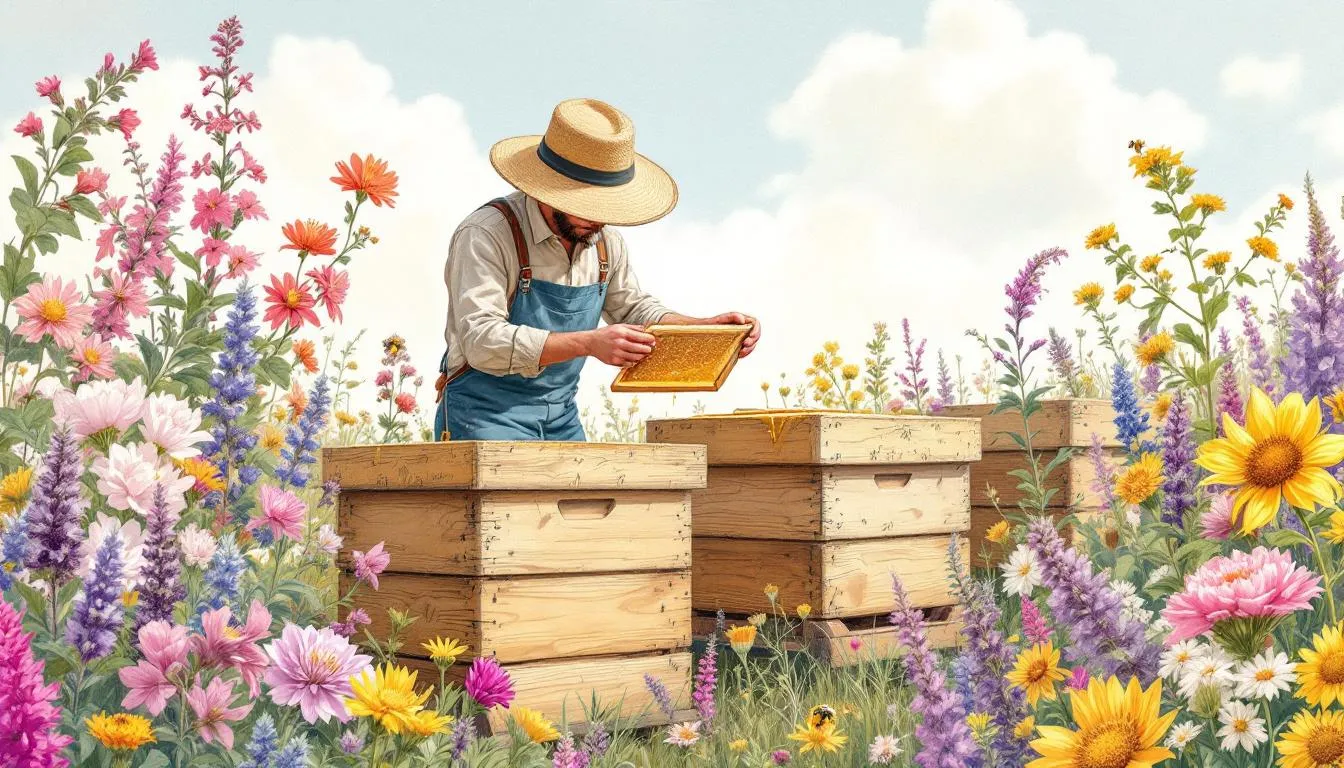
Supporting local honey producers offers numerous benefits, including:
- Enhancing community resilience
- Contributing to the local economy by keeping money within the community
- Reducing the environmental impact associated with transporting imported honey
Advantages of buying locally produced honey include:
- Strengthening community bonds
- Fostering local pride
- Supporting sustainable practices
- Preserving local flora and fauna with a focus on natural product benefits.
Importance of Local Flora
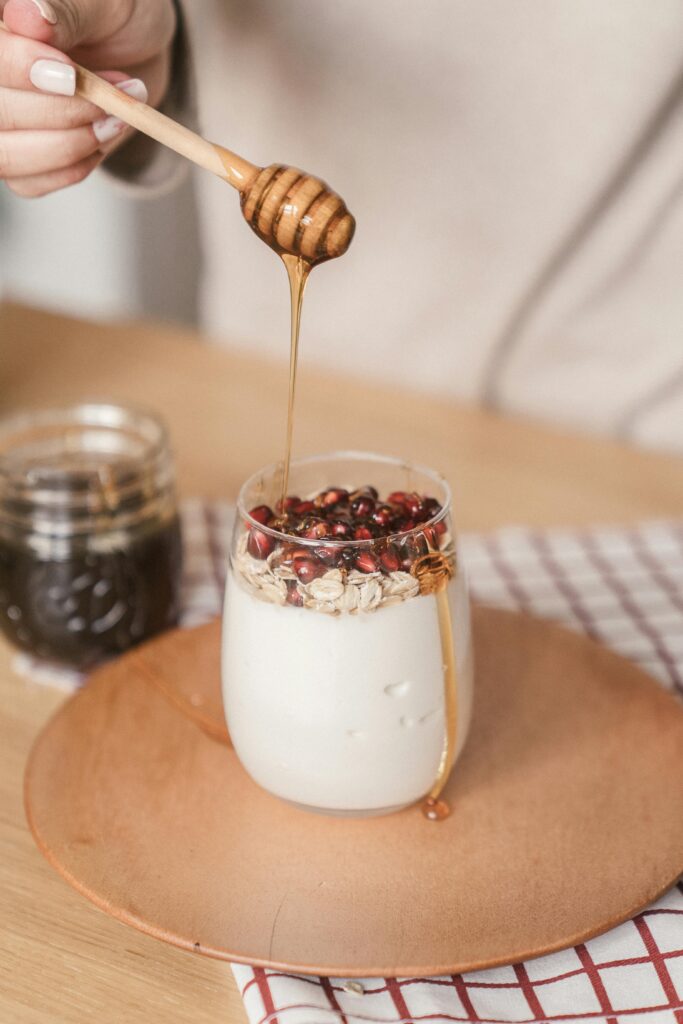
Local flora plays a crucial role in the quality and flavor of honey produced. The diverse range of nectar sources available to bees directly impacts the honey’s characteristics, making each batch unique to its region.
Local beekeepers manage hives and ensure bees have access to certain plants, resulting in set honey that reflects the local environment and the ability to produce high-quality plant products.
Sustainable Beekeeping Practices
Sustainable beekeeping practices prioritise the health of honey bees and the biodiversity of their habitats. These methods contrast sharply with industrial practices that can harm bee populations and the environment. Ethical beekeepers avoid using harmful pesticides, fostering a healthier environment for bees and resulting in better honey quality.
Supporting ethical beekeepers ensures honey production doesn’t harm bee populations or their habitats. This support also promotes the use of sustainable practices that protect the environment and contribute to the long-term viability of honey production.
How to Choose Between Wildflower and Heather Honey
Choosing between wildflower honey and heather honey largely depends on your personal taste preferences and specific culinary needs. Each type of honey offers unique flavors and textures that can complement different dishes and enhance your culinary creations.
Flavor Preferences
Wildflower honey tends to have a more varied flavor profile due to the multiple floral sources utilized by bees. Its sweet, floral notes and mild caramelized sweetness make it a versatile choice for many dishes. If you enjoy lighter, sweeter flavors, wildflower honey is the way to go.
Heather honey, on the other hand, is known for its strong, robust flavor that can be polarizing. Its unique smoky flavor and thicker consistency set it apart from other types of honey, making it ideal for those who appreciate bold tastes.
Culinary Applications
Wildflower honey is particularly well-suited for:
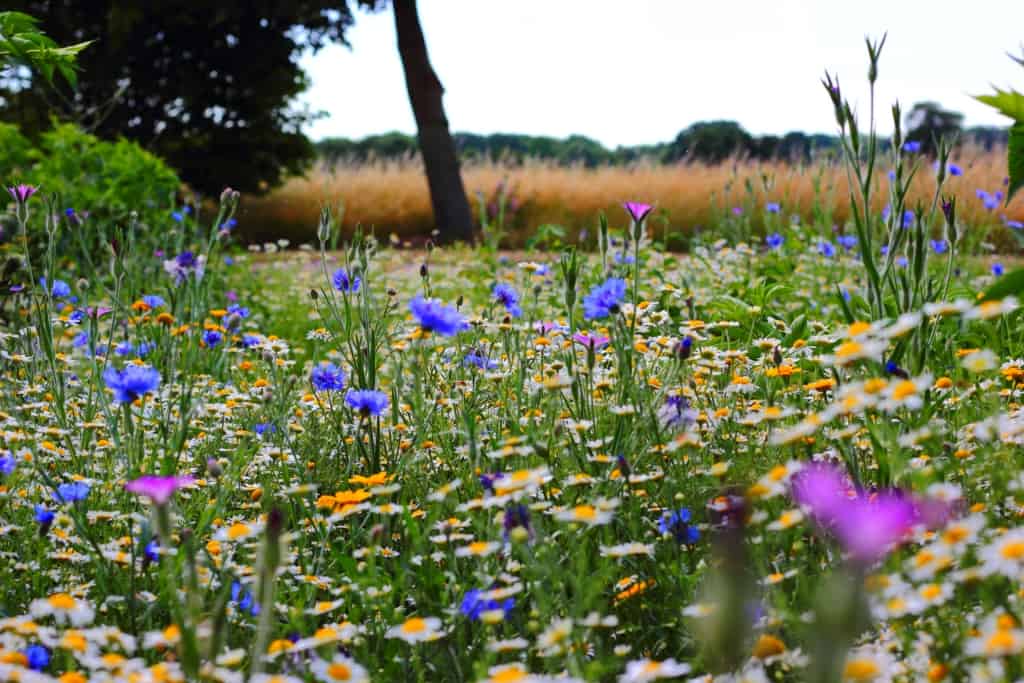
- Drizzling over yogurt, adding a sweetness that complements the tartness
- Sweetening porridge
- Baking, as its mild flavor does not overpower other ingredients
This versatility makes wildflower honey a staple in many kitchens.
Heather honey pairs nicely with strong cheeses, providing a contrasting flavour that balances the richness. Its thick texture makes it great for spreading on toast or pancakes, enriching the experience with its bold taste. Heather honey can also enhance the complexity of marinades and dressings, pairing well with savoury dishes.
Summary
In conclusion, both wildflower honey and heather honey offer unique flavors, textures, and health benefits that can elevate your culinary creations and contribute to your overall well-being. Wildflower honey, with its light, floral sweetness, is incredibly versatile and pairs well with a variety of dishes. Heather honey, on the other hand, provides a robust, smoky flavor that can add depth and complexity to both sweet and savoury recipes.
Ultimately, the choice between these two types of honey comes down to personal preference and specific culinary applications. By understanding their distinct characteristics, you can make informed decisions that enhance your dining experiences. So, whether you’re drizzling honey over yogurt or pairing it with aged cheese, there’s a perfect honey for every occasion.
Frequently Asked Questions
What makes wildflower honey different from heather honey?
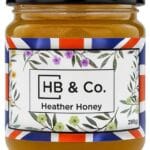
Wildflower honey is characterised by its light, floral sweetness derived from a variety of flowers, whereas heather honey offers a robust, smoky flavour and a thick, jelly-like texture unique to heather plants.
Where is heather honey primarily produced?
Heather honey is primarily produced in Scotland, Northumberland, Yorkshire, and Wales, where the purple heather flowers thrive.
What are the health benefits of consuming honey?
Consuming honey can significantly enhance your health by providing antioxidants and antibacterial properties, which boost immune response and promote wound healing and digestive health. Integrating honey into your diet is a natural way to support overall well-being.
How does the texture of wildflower honey compare to heather honey?
Wildflower honey is typically light golden and runny, whereas heather honey is darker with a thicker, jelly-like consistency. This distinction in texture can influence their uses in culinary applications.