
 English (UK)
  Italiano
  Français
  简体中文
简体中文  한국어
한국어 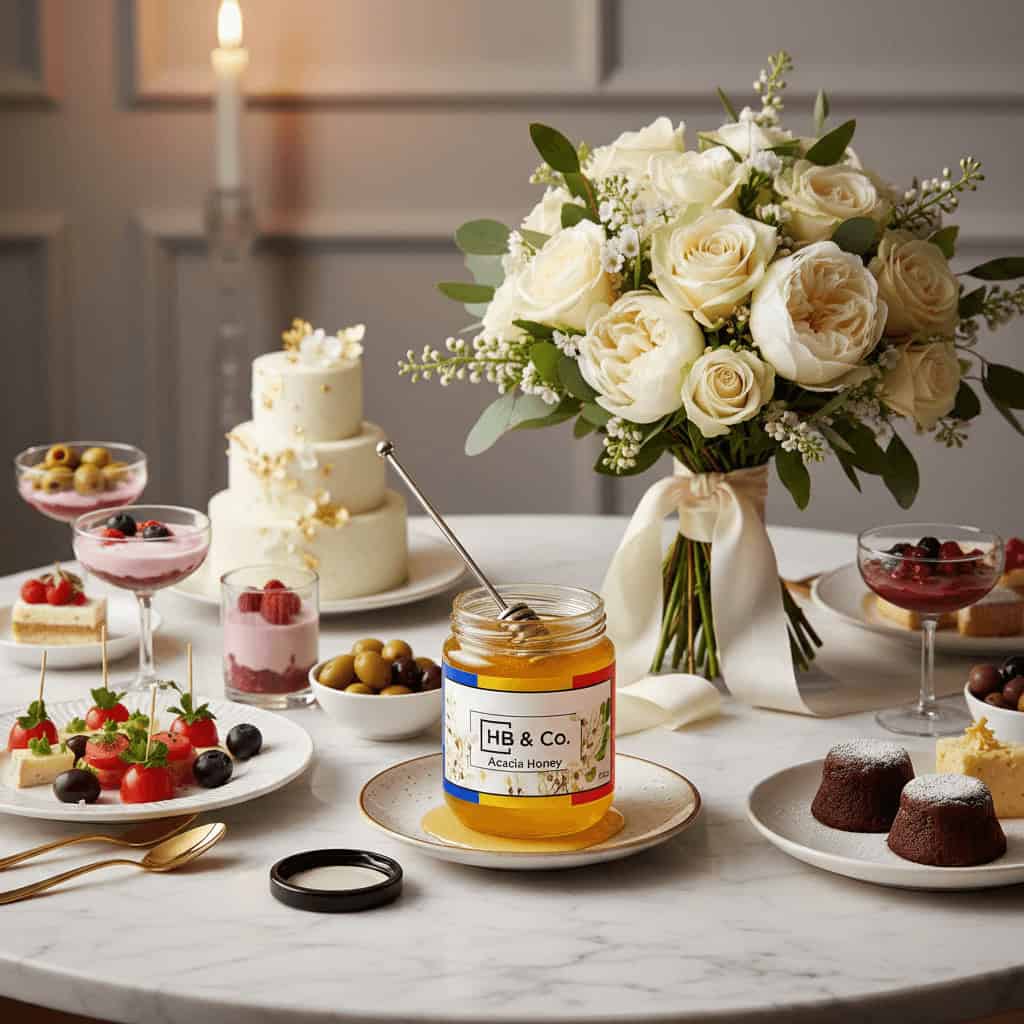
Acacia Honey: Uses, Pairings and Why It Works
The palest and mildest honey we make, and the most useful jar in the kitchen. Here is what to do with it.
Tasting note
Most honey announces itself. Heather is smoky and resinous, chestnut is almost bitter, buckwheat tastes of malt and molasses. Acacia does the opposite: it sweetens and then gets out of the way.
That restraint is the whole point of it, and it is why acacia is the jar that gets used up fastest in a kitchen. A strong honey has three or four good uses. A mild one has thirty. This page is about those uses: what acacia does well, what it pairs with, and how to get the best out of a jar.
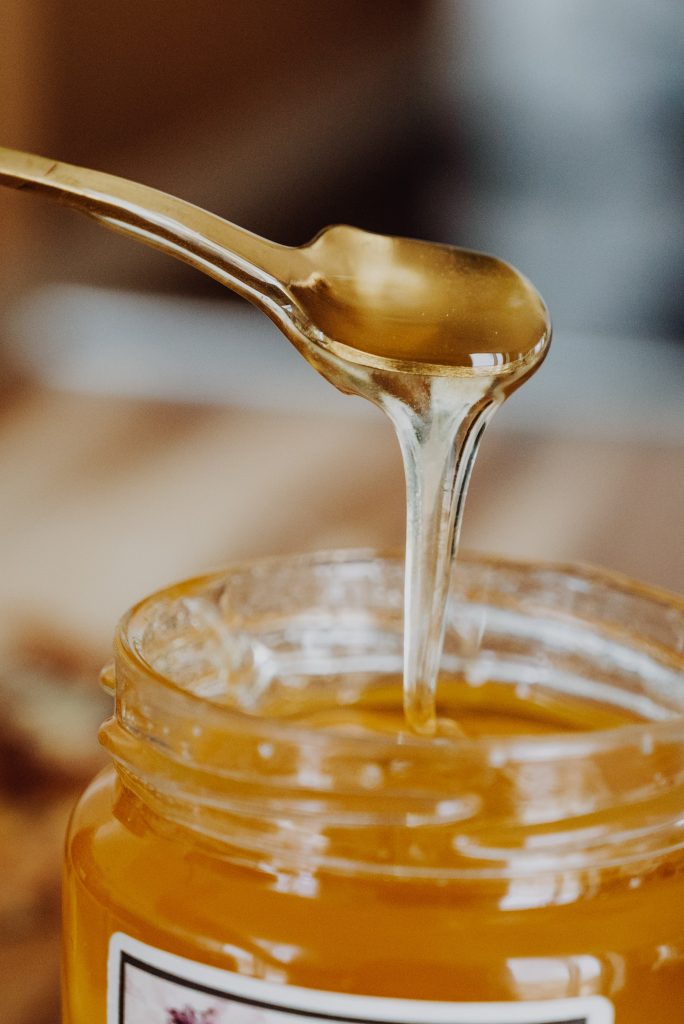
Six ways to use it
In tea and coffee
Dissolves instantly and sweetens without muddying the cup. Delicate teas, green, jasmine, chamomile, are where the difference against a strong honey is most obvious. Let the drink stand a minute first.
Over yoghurt and porridge
A clean ribbon of sweetness that lets the fruit and the grain still taste of themselves. Thick Greek yoghurt with acacia and toasted nuts needs nothing else.
With soft cheese
Low in acidity and gentle in flavour, so it sits beside a cheese rather than fighting it. Ricotta, fresh goat's cheese, burrata and brie all take it well.
In dressings
Whisk with mustard, lemon or a sharp vinegar. Acacia balances the acid without leaving a floral aftertaste in a salad, which is exactly what a heavier honey does.
As a glaze
Brush over carrots, parsnips or squash before they finish roasting, or over duck and ham. The sugars caramelise and the flavour stays in the background.
In baking
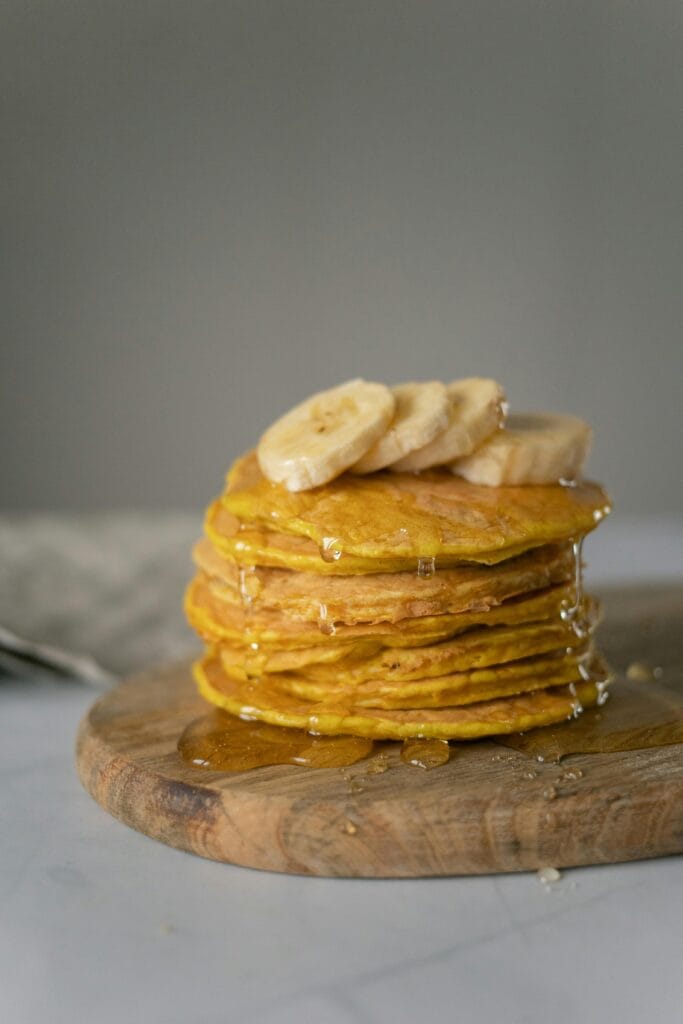
Its mildness is the advantage: the cake tastes of the cake. Honey also holds moisture, so bakes stay tender for longer.
What to pair it with
Acacia rewards a light hand and light partners. The rule of thumb is that it belongs wherever a strong honey would take over.
| Pair with | Why it works |
|---|---|
| Fresh and soft cheeses | Ricotta, burrata, young goat's cheese. The honey lifts the milk sweetness instead of covering it. |
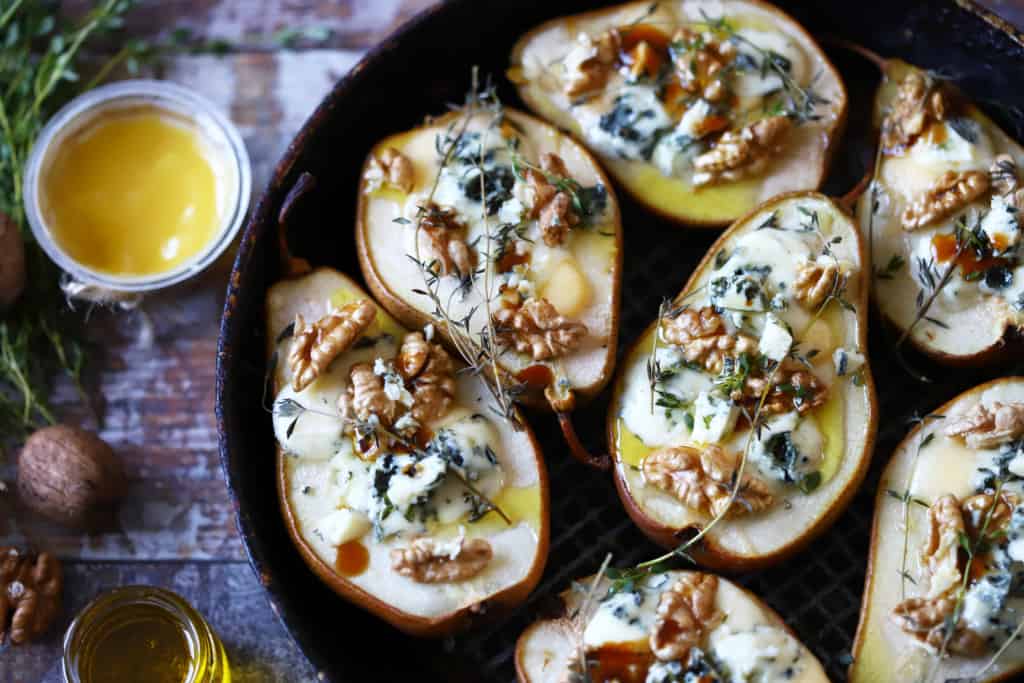
| Apples, pears and figs | Crisp and floral fruit rather than jammy ones. Roast pears with walnuts and a drizzle at the end. |
| Almonds and pistachios | Mild nuts. Walnuts work too, though they need the honey to be generous. |
| Delicate teas | Green, white, jasmine, chamomile. A strong honey would obliterate them. |
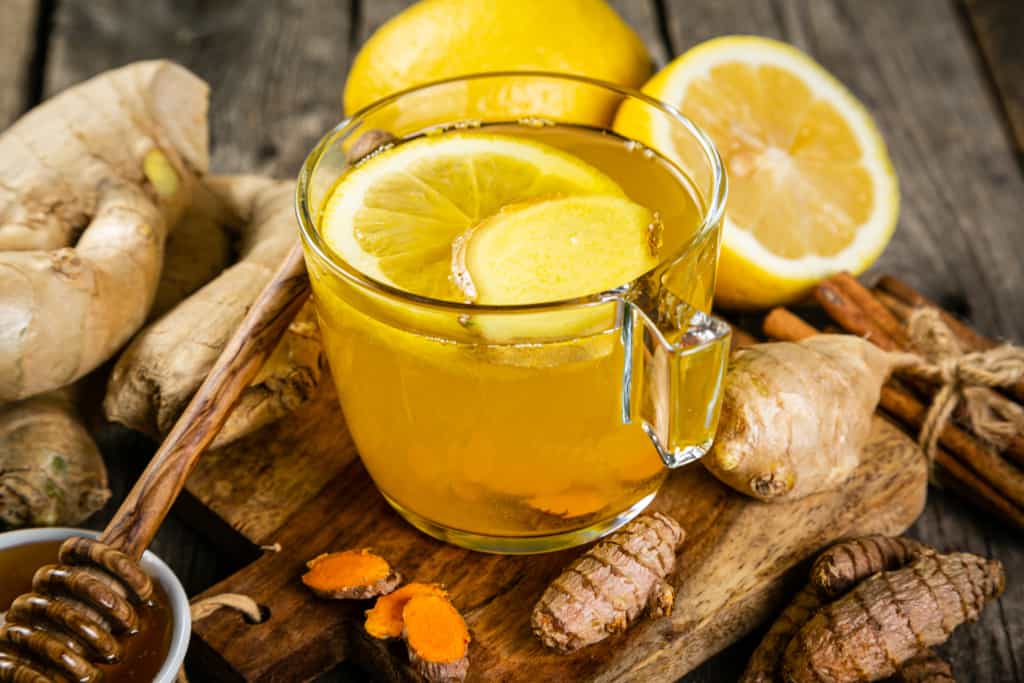
| Lemon and ginger | Both are assertive, and acacia sweetens without adding a third competing flavour. |
| Plain bakes and pastry | Sponge, shortbread, brioche, anything where the crumb is the point. |
Cooking with it, practically
Two things are worth knowing before you start swapping it into recipes.
Substituting for sugar. Use roughly three quarters of a cup of honey per cup of sugar, and take about a quarter cup out of the other liquids. Honey browns faster than sugar, so drop the oven temperature by around ten degrees and start checking early. In return the bake keeps better, because honey draws in moisture and holds it.
Heat. Raw honey should not go above 40C, and it should never be microwaved. Above that you lose the volatile aromatics and the enzymes that make a raw honey taste of somewhere in particular. In practice this means adding it to a hot drink after a minute's cooling, and brushing glazes on near the end of roasting rather than at the start. In a cake it is unavoidable and that is fine: you are baking for texture and flavour, not for rawness.
Why it stays fluid
Acacia is unusually high in fructose and low in glucose. Crystals form when glucose comes out of solution, so a low-glucose honey stays fluid while a high-glucose one, rapeseed being the extreme case, can set firm within weeks.
This is a practical advantage rather than a mark of quality. It pours straight from the jar, stirs into a drink without a fight, and does not need reviving. If yours does eventually granulate, nothing has gone wrong: stand the jar in warm water below 40C and it will come back. There is more on why honey sets, and why it is a good sign rather than a bad one, in our guide to crystallised honey.
Keeping a jar at its best
A cool dry cupboard, lid on, out of direct sun and away from anything strong smelling, because honey takes up odours readily. Do not refrigerate it, which only speeds up crystallisation.
Use a clean dry spoon every time. Water introduced into a jar is the one thing that will genuinely spoil honey. Kept properly, raw honey keeps very well and remains safe to eat well beyond its best before date.
Where ours comes from
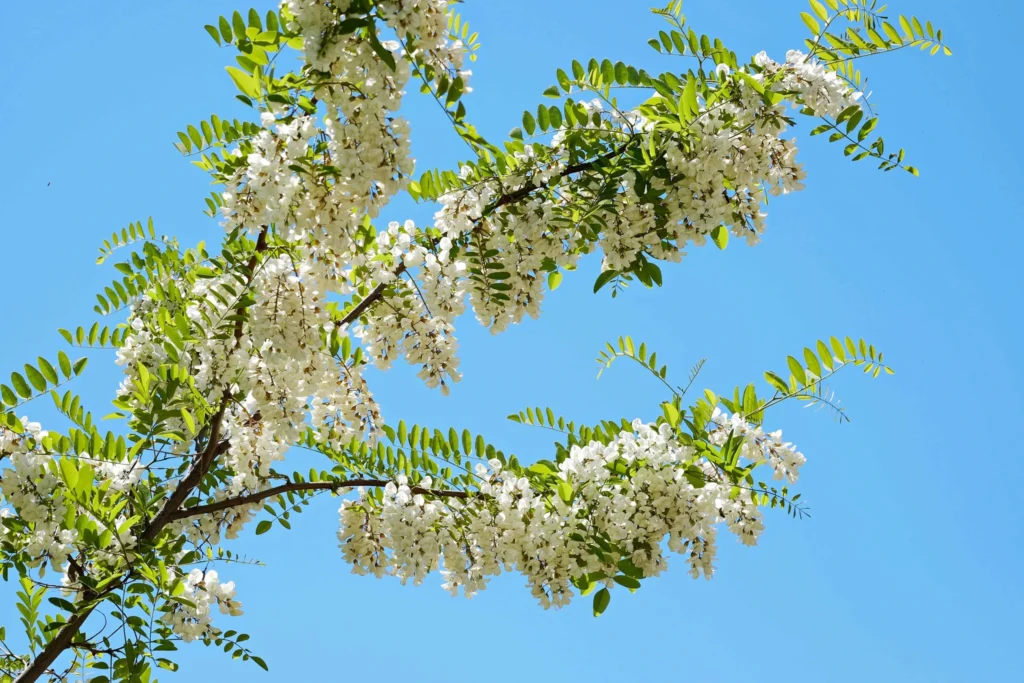
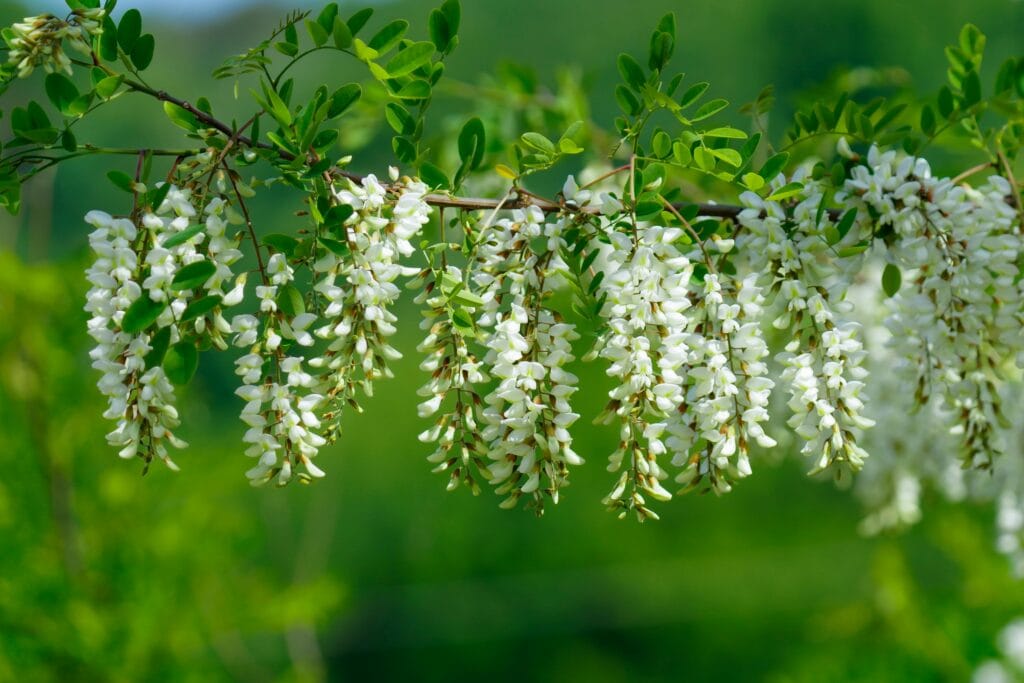
Acacia honey comes from the blossom of Robinia pseudoacacia, the black locust or false acacia, which despite the name is not a true acacia at all. It flowers for a fortnight or so in late spring, and the whole harvest is organised around that window.
Ours comes from our own family hives in Transylvania, worked by Dragos's father Fanel, six generations into the same trade. It is single origin, not blended with honey from other sources, raw and unpasteurised, and traceable to the hives it came off.

Our British honey supplier holds SALSA Certification, which covers our British range: Wildflower, Heather and Soft Set.
Acacia comes from our own family apiaries rather than that supplier, so what stands behind it is direct traceability: a named beekeeper, a named place and a single harvest.
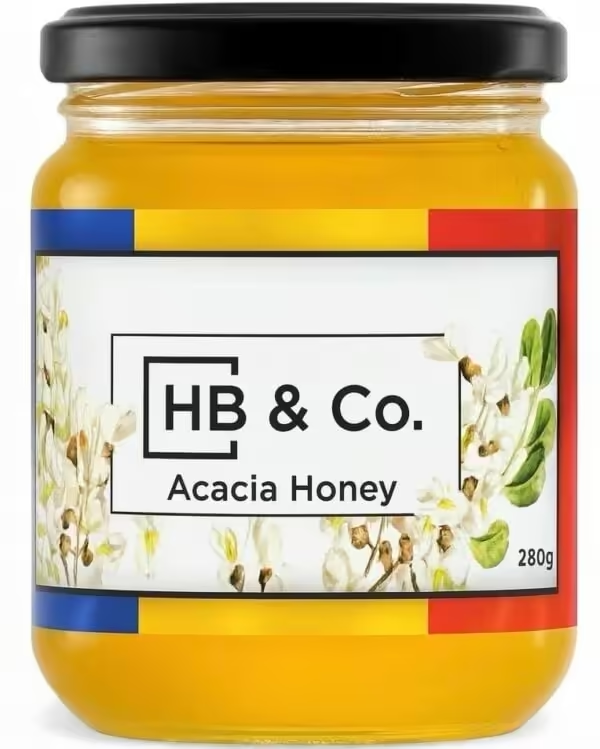
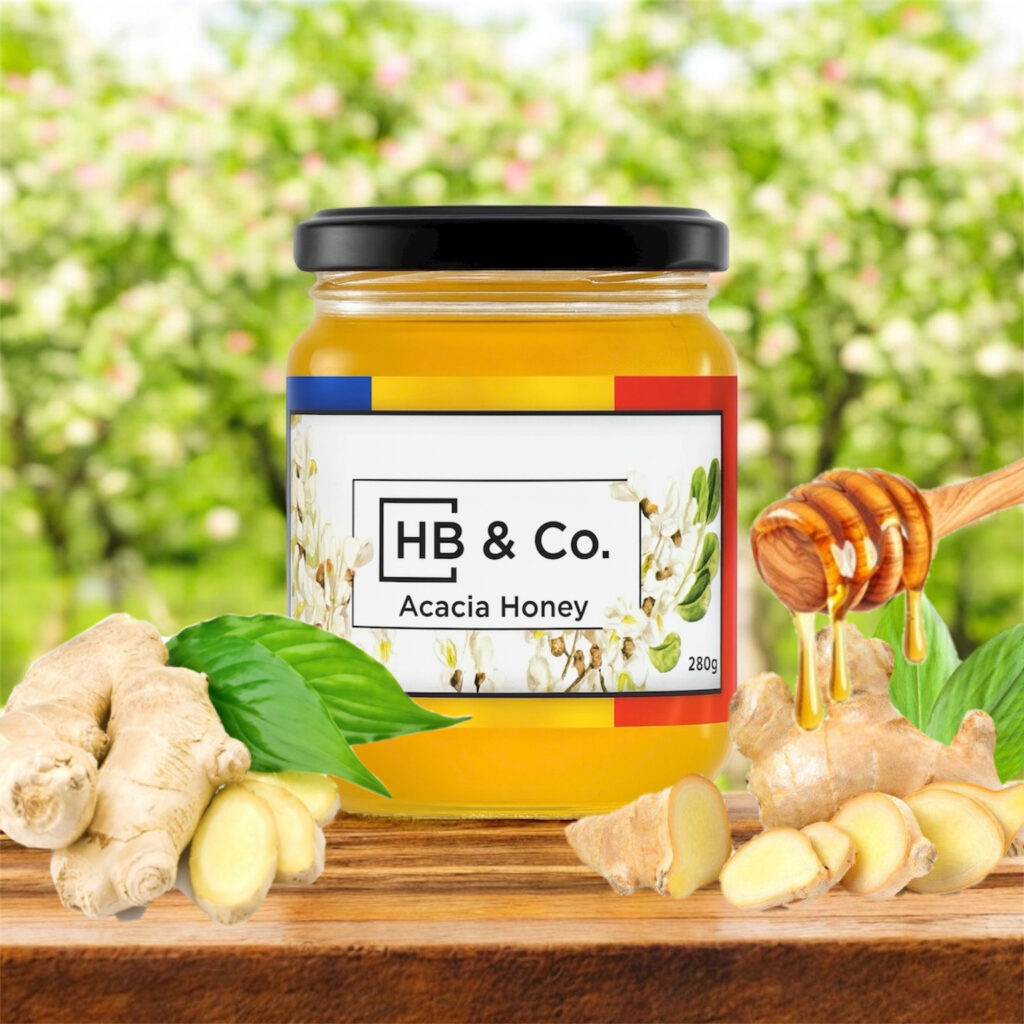
Raw Acacia Honey, 280g
Pale, mild and slow to crystallise. Raw, unpasteurised and never blended, from a single Transylvanian harvest. The jar that gets used up first.
4.9 from 55 Google reviews. Free UK delivery on orders of three jars or more.
The full acacia guide
This page is about using it. If you want the whole story of the honey itself, our complete guide to acacia honey covers:
- The black locust, and how the name stuck
- The Carpathian forests and the two week harvest
- What makes acacia distinctive among honeys
- How to spot a genuine single origin jar
- How it compares with our other five honeys
- Five common myths about acacia
Questions
What are the health benefits of acacia honey?
We are not able to tell you, and neither is anyone else selling honey in Great Britain. Health claims here work from a permitted list, and no health claim for honey has been authorised, so any brand telling you what their honey does for your body is going beyond what the rules allow.
What acacia offers is flavour, versatility and a traceable origin. We think that is reason enough to keep a jar.
What does acacia honey taste like?
Mild, clean and gently floral, with a faint vanilla note and no bitterness at the finish. It is the palest honey we sell, close to the colour of white wine, and the least assertive.
If you have found other honeys too strong, this is usually the one that changes your mind.
Is acacia honey good for baking?
It is the honey we would choose for it. Because the flavour stays in the background, the cake tastes of the cake rather than of honey.
Use about three quarters of a cup per cup of sugar, reduce the other liquids by a quarter cup, and lower the oven by around ten degrees since honey browns faster.
Why has my acacia honey not set?
Because it is high in fructose and low in glucose, and it is glucose coming out of solution that forms crystals. Acacia is naturally among the slowest honeys to granulate.
A jar that is still fluid months after opening is behaving exactly as it should. If it does set, warm it gently in water below 40C, never in a microwave.
Can babies have acacia honey?
Not under twelve months, in any form, including cooked into food. Honey can carry Clostridium botulinum spores, which an infant gut cannot handle. This applies to every honey, raw or pasteurised. After the first birthday it is fine for healthy children.
Is acacia honey a better choice than sugar?
It is a sugar, and NHS guidance on free sugars applies to it just as it does to table sugar. What it offers instead is flavour and provenance, and many people find they use less of it because it is sweeter by weight.
We have compared the two properly in honey versus sugar.
Acacia on the table
From the kitchen, the apiary and the table.