
 English (UK)
  Italiano
  Français
  简体中文
简体中文  한국어
한국어 
Honey: Types, Uses and Risks
What honey is, how it is classified, how to use it, and what is genuinely known about it. Written by people who sell it, and checked against the rules that govern what we are allowed to tell you.
On this page
- What honey isComposition and how bees make it
- How honey is classifiedFloral source, processing, origin, colour
- Types by floral sourceMonofloral, polyfloral, honeydew
- Types by processingRaw, pasteurised, creamed, comb
- Nutritional valueThe actual numbers
- About the benefitsWhat may and may not be claimed
- Uses in the kitchenBaking ratios, pairings, heat
- Risks and precautionsInfants, diabetes, toxic honey
- QuestionsThe ones people actually ask
This page has been rewritten from the ground up. The previous version told you that honey lowers cholesterol, reduces blood pressure, treats gum disease, heals surgical wounds, and may reduce your reliance on pharmaceuticals. None of that was ours to say, some of it was not true, and one part of it could have caused real harm.
What follows keeps everything the old page got right, which was most of the material on types, classification and kitchen use, and replaces the rest with an honest account of what is actually known and what the law permits anyone to claim.
What honey is
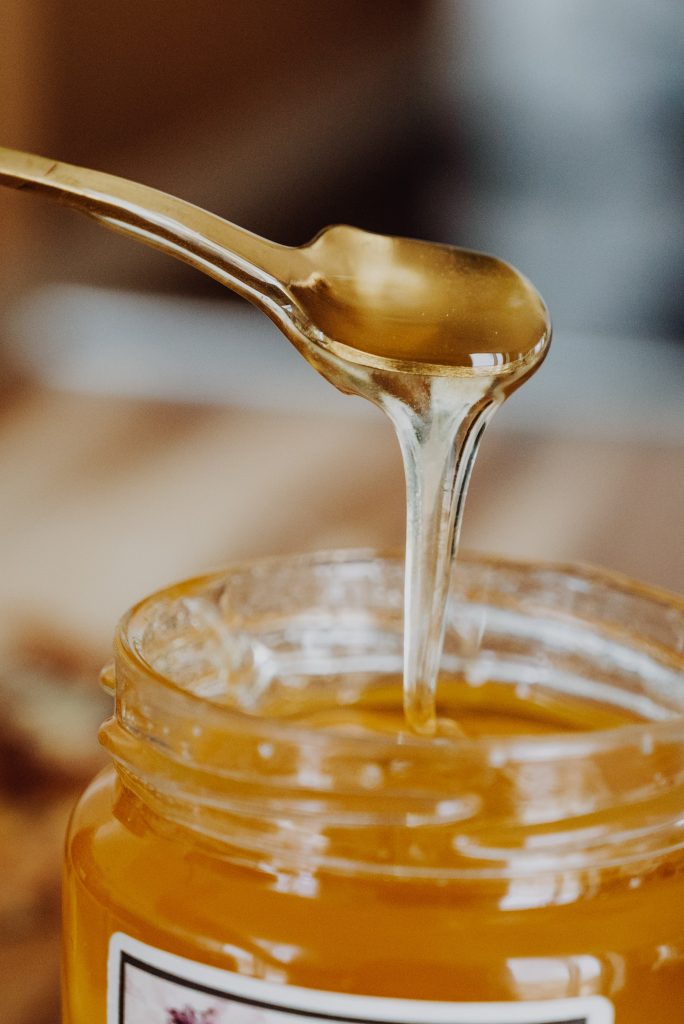
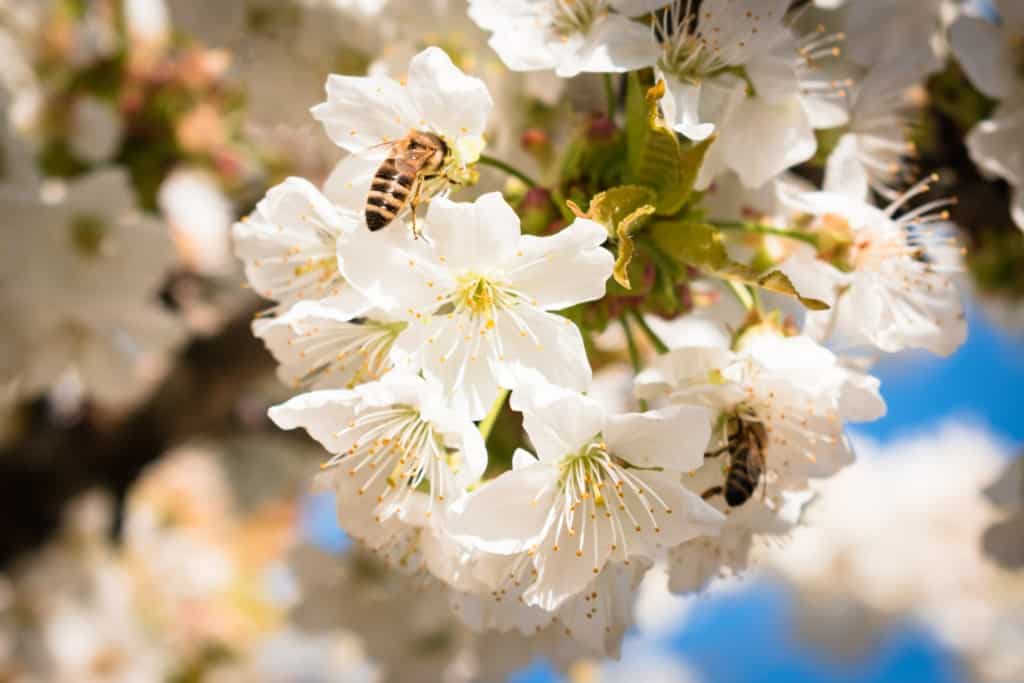
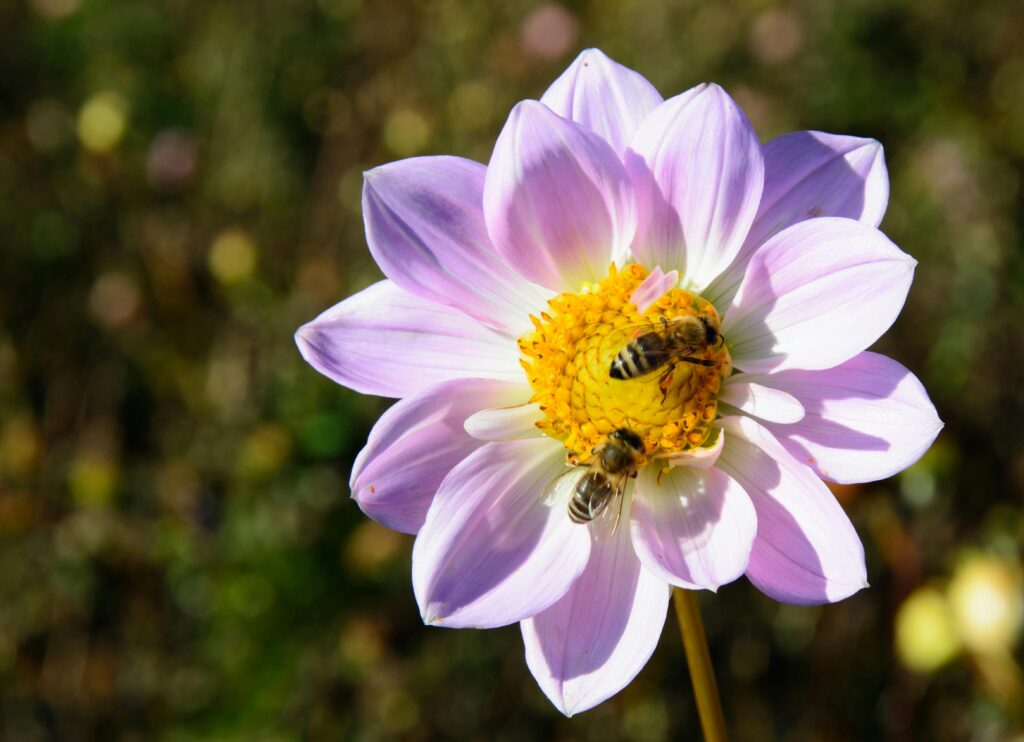
Honey is a sweet food made by bees from floral nectar, or in some cases from honeydew, the sugary secretion left on leaves by sap-feeding insects. It is roughly 82% sugars, mostly fructose and glucose, about 17% water, and under 1% everything else: enzymes, organic acids, trace minerals, pollen grains and the aromatic compounds that give a honey its character.
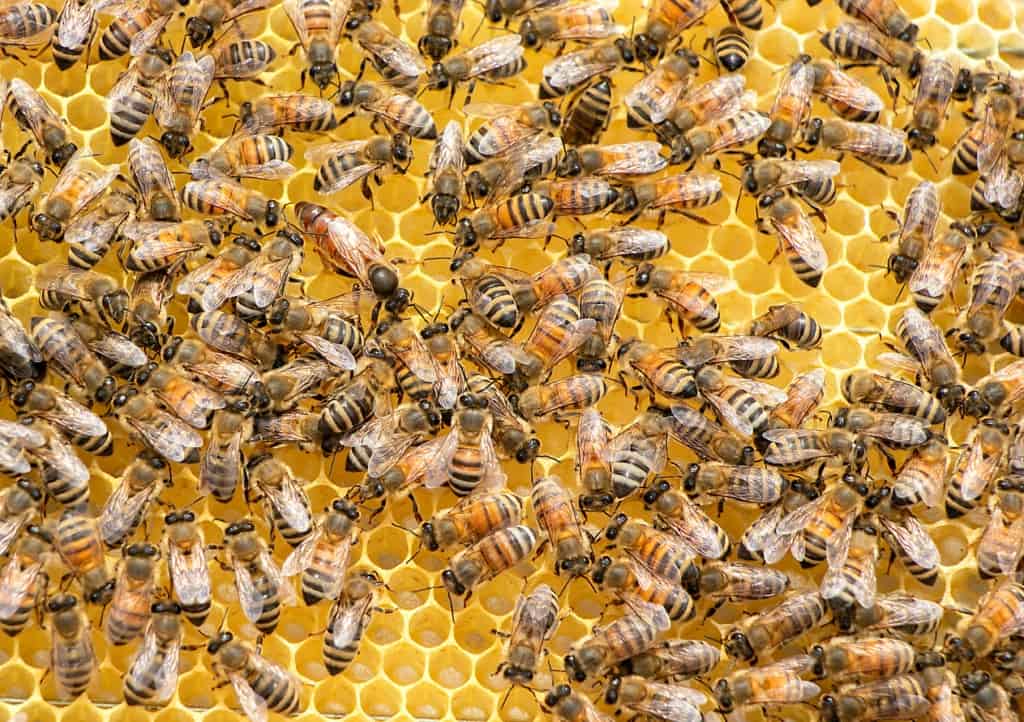
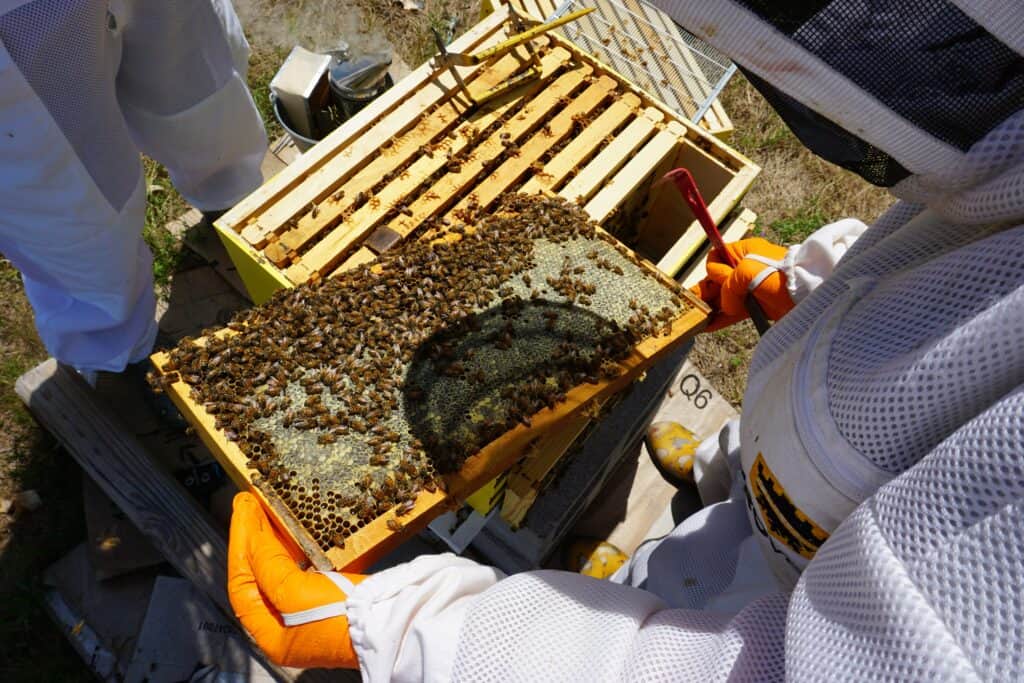
Worker bees collect dilute nectar and hold it in a specialised crop, often called a honey stomach, where enzymes begin breaking the complex sugars down. Back at the hive the nectar is passed between bees, spread into comb cells, and dried by fanning until moisture falls below roughly 20%. At that point it is stable, and the bees cap the cells with wax for storage.
That moisture threshold is the whole trick. Below about 20% water, the sugar concentration is high enough that most microorganisms cannot grow in it, which is why honey keeps for years without refrigeration.
How honey is classified
There are four axes, and most honey descriptions you will read combine two or three of them without saying so. Set out separately they are easier to use.
Four independent axes. A honey has a position on each of them.
Types by floral source
| Type | What it means | Character |
|---|---|---|
| Monofloral | Nectar predominantly from one plant. Acacia, heather, linden, manuka, buckwheat. | Distinctive and repeatable. Acacia is delicate with a faint vanilla note; heather is pungent and smoky; buckwheat is dark and malty. |
| Polyfloral | Nectar from many species. Usually sold as wildflower. | Complex and variable. Changes with region and season, so no two harvests match exactly. |
| Honeydew | Not from flowers at all. Bees collect the sugary secretions left by sap-feeding insects on trees. | Darker, less sweet, more resinous. Forest and fir honeys are the usual examples. |
Under UK labelling rules, a named floral or regional origin must be genuinely true of the honey rather than a marketing flourish. We cover what a label is required to tell you in our guide to local honey in the UK.
Types by processing
| Type | What happens to it | Consequence |
|---|---|---|
| Raw | Strained only. Not heated above hive temperature, not ultra-filtered. | Keeps enzymes, aromatics and pollen. Will crystallise in time, which is normal. |
| Pasteurised and filtered | Heated and finely filtered for clarity and shelf life. | Smoother and slower to set. Heat drives off volatile aromatics; fine filtration removes pollen, which also removes the evidence trail for origin. |
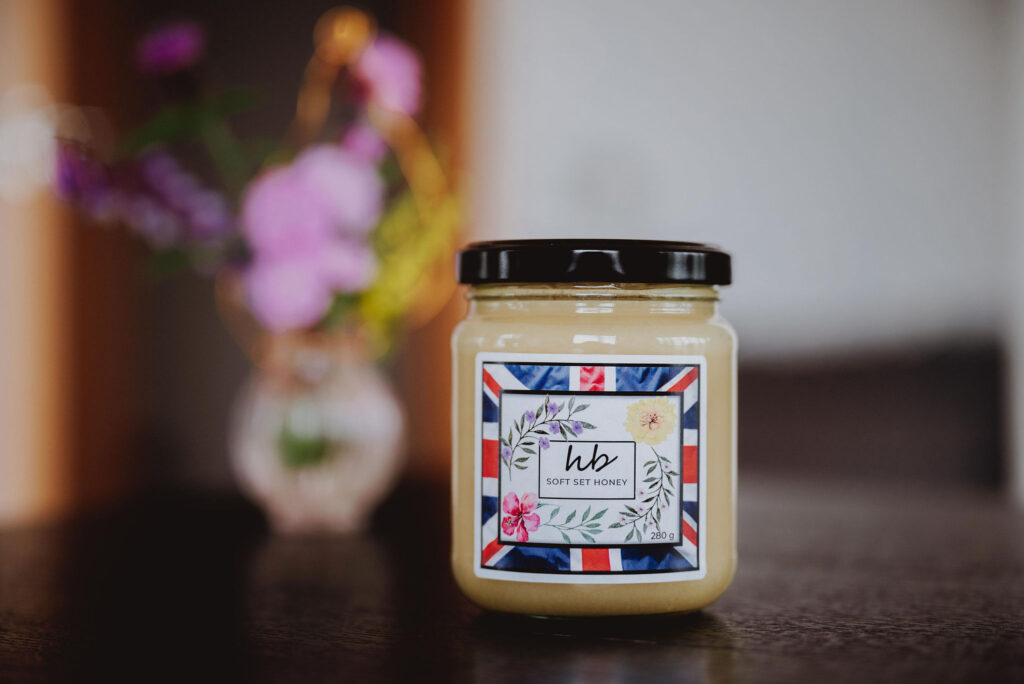
| Creamed or soft set | Crystallisation controlled deliberately to produce fine, even crystals. | Thick and spreadable rather than runny. The composition is unchanged; only the crystal structure differs. |
| Comb | Sold in the wax comb the bees built. Wax and honey are both edible. | Effectively impossible to adulterate without destroying the comb, which makes it the most self-evidencing form there is. See our guide to comb honey. |
Crystallisation is worth understanding because it is so often misread as a fault. It is driven by the ratio of glucose to fructose in that particular floral source. High-fructose honeys such as Acacia stay liquid far longer; high-glucose honeys such as rapeseed set quickly. We go into it in our piece on crystallised honey.
Nutritional value
One tablespoon of honey, about 21 grams, gives roughly 64 calories and about 17 grams of sugar. Per 100 grams it is around 300 calories and 82 grams of carbohydrate.
Raw honey also carries trace vitamins and minerals, including vitamin C, some B vitamins, calcium, iron and potassium. Trace is the operative word, and it is worth being precise about what it means, because a great deal of honey marketing depends on people not asking.
Why honey is not a source of any vitamin or mineral
In Great Britain, describing a food as a source of a vitamin or mineral requires it to contain at least 15% of the nutrient reference value per 100g. The register adds that for vitamins and minerals, the same condition applies to the word contains.
Honey's strongest case is riboflavin, at roughly 3% of the reference value per 100g. Reaching the threshold would mean eating around half a kilogram in one sitting. So honey cannot be described as a source of anything, and we do not describe it that way. The full working is in is honey good for you.
Honey is also a free sugar. NHS guidance on free sugars applies to it exactly as it applies to table sugar, a point we set out in full in honey versus sugar.

About the benefits
The previous version of this page had a long section here. It has been removed, and the reason is worth explaining rather than hiding.
Health claims in Great Britain work on a permitted list. Only claims authorised on the GB nutrition and health claims register may be used in marketing, a requirement reflected in Section 15 of the CAP Code, and the rules apply to implied claims as much as explicit ones. The register contains eight submitted entries for honey. Every one is marked non-authorised.
What was on this page, and why it is gone
The old version stated that honey lowers total and LDL cholesterol while raising HDL, lowers blood pressure, regulates heartbeat, offers protective effects for people with type 2 diabetes, has a therapeutic role in treating gingivitis and periodontal disease, treats infected wounds and diabetic foot ulcers, and may reduce reliance on standard pharmaceuticals.
Those are not marketing claims that went slightly too far. They describe a food as though it treats disease, and the last one edges toward discouraging medical treatment. We have removed all of it.
Where honey does have a genuine evidence base, in self-care for acute cough, the position is more interesting than the marketing version. We set it out honestly in honey and cough.
Medical grade honey is a different product
Honey used clinically in wound care is a regulated medical device: gamma sterilised, made to a controlled specification, supplied through clinical channels. Food honey is none of those things, and it naturally carries bacterial spores.
Do not put food honey on a wound, and do not treat a diabetic foot ulcer at home. Our honey is a food. It is not sold, licensed or intended for wound care, and we make no medicinal claims of any kind.
Uses in the kitchen
This is where honey genuinely earns its place, and none of it requires a health claim.
Substituting for sugar in baking. Use about three quarters of a cup of honey for every cup of sugar, and reduce the other liquids by roughly a quarter cup per cup of honey used. Honey is hygroscopic, so baked goods stay moist and tender for longer. It also browns faster, so drop the oven temperature slightly.
Glazes and marinades. The sugars caramelise readily, which is why honey works on roasted vegetables, grilled meat and anything you want to lacquer.
On a cheeseboard. The classic pairing is a strong blue against a dark honey. Heather against Stilton is the one to try first.
In hot drinks. Let the drink stand for a minute or two first. Raw honey should never be heated above 40C and should never be microwaved, because you lose the volatile aromatics and enzymes that you paid the premium for.
Our varietal notes are in types of raw honey, and there is more on what separates raw from supermarket honey in raw honey versus regular honey.
Risks and precautions
| Who or what | Position |
|---|---|
| Babies under 12 months | Never, in any form, including cooked into food or on a dummy. Honey can carry Clostridium botulinum spores, which an infant gut cannot handle. This is absolute. |
| People managing diabetes | Honey is a free sugar and raises blood glucose. Treat it as sugar and take clinical advice. |
| Bee product or pollen allergy | Reactions are uncommon but can be serious. If you have a known allergy to bee products, avoid it and take medical advice. |
| Teeth | It is a sticky sugar. Ordinary dental caution applies. |
| Toxic honey | A real if rare phenomenon. Honey made predominantly from the nectar of certain plants, notably some rhododendron species, can contain grayanotoxins and cause illness. It is associated with particular regions and unregulated supply, which is another argument for buying from a traceable source. |
| Adulterated honey | Not a safety risk so much as an economic one, but it is widespread. How it actually works, and why the home tests do not detect it, is in how to spot fake honey. |
If you take regular medication and are unsure about anything you eat alongside it, ask a pharmacist. A previous version of this page speculated about interactions between honey and medicines without a source, and that has been removed.
Hives, flowers and jars
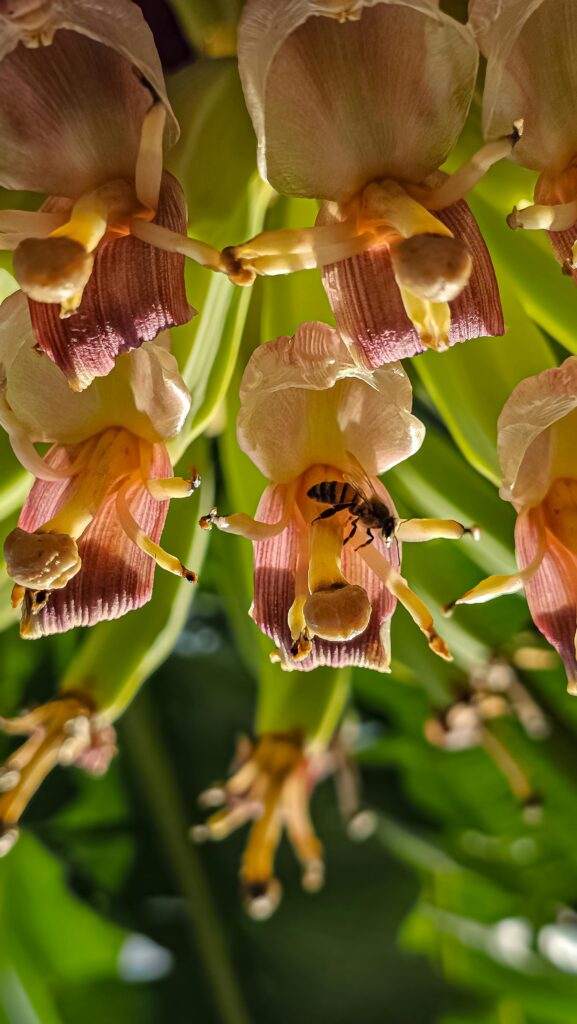
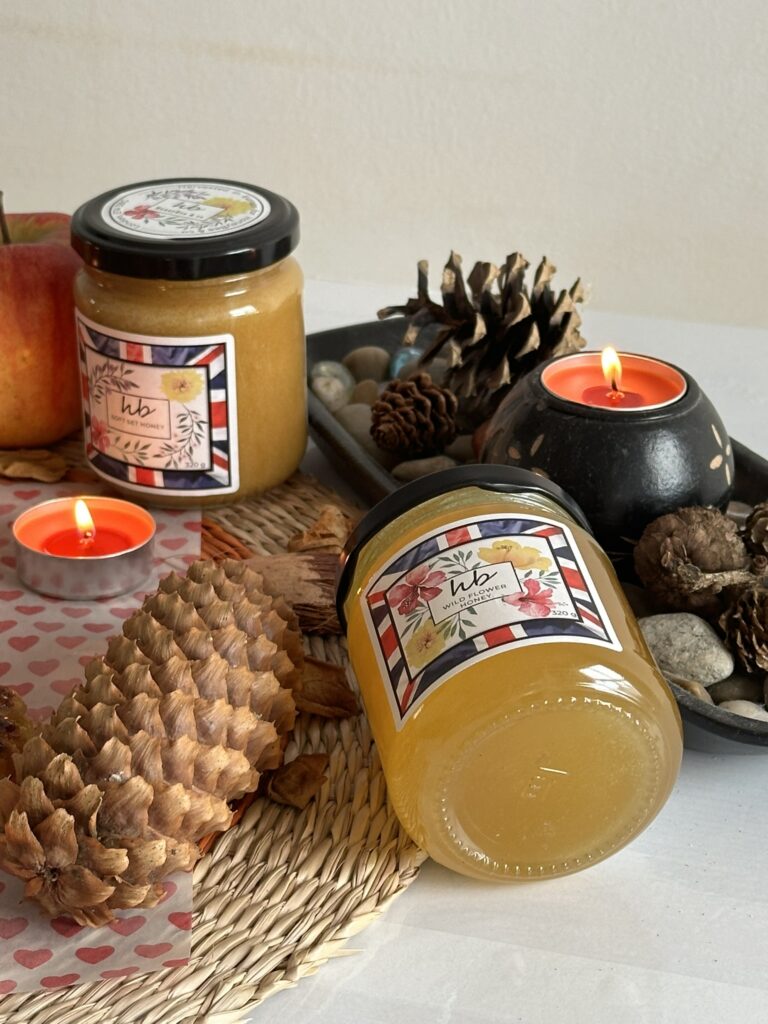
Photographs from the apiaries and the kitchen.
The six honeys
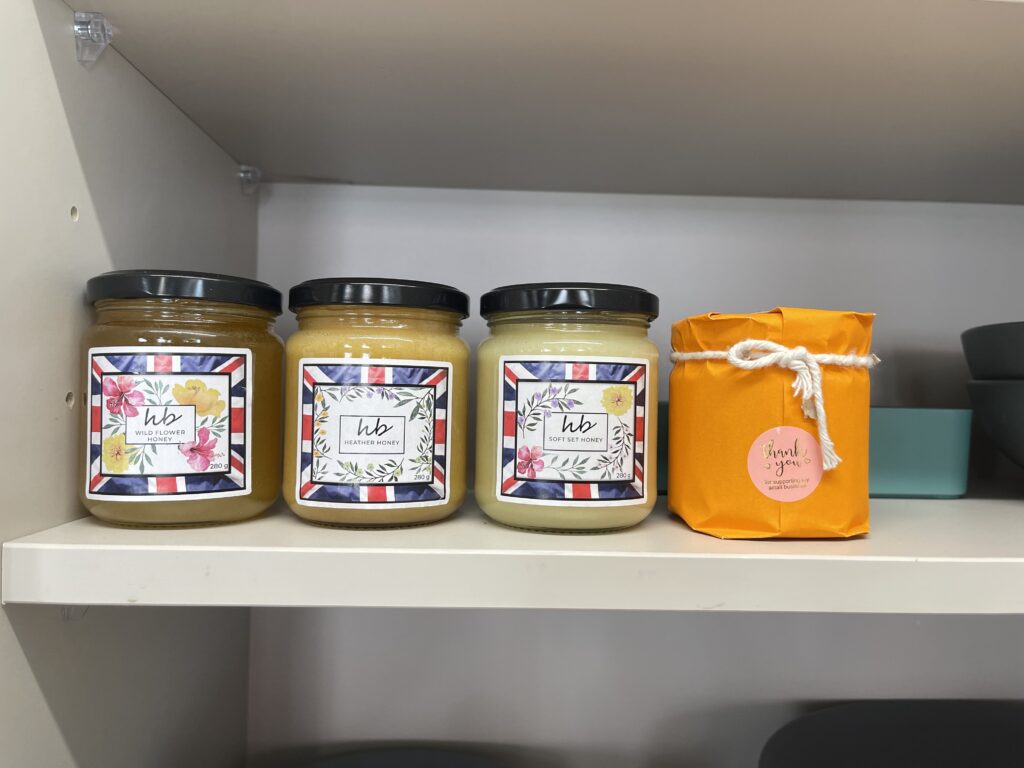
Single origin, raw and unpasteurised, traceable to named hives. Sold on flavour and provenance.
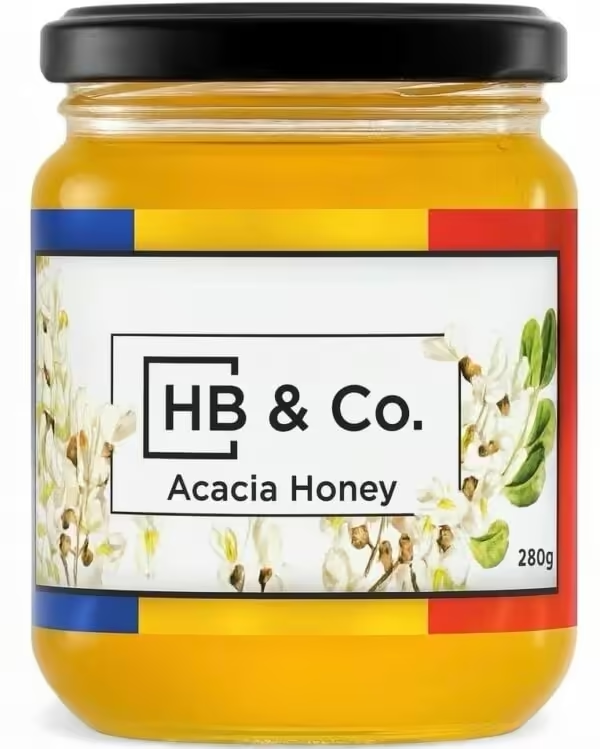
Acacia Honey
Monofloral, water white, high in fructose and slow to crystallise. The mildest of the six.
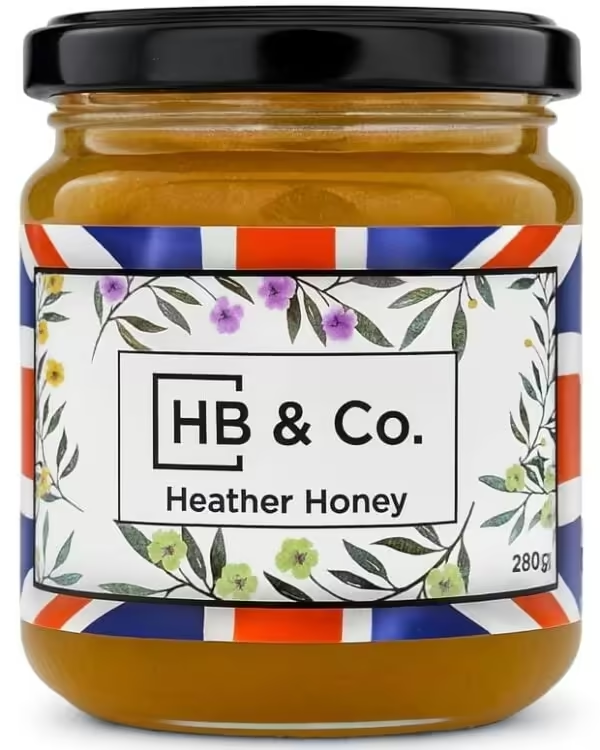
British Heather Honey
Monofloral, dark amber, pungent and smoky. A single annual harvest from the moors.
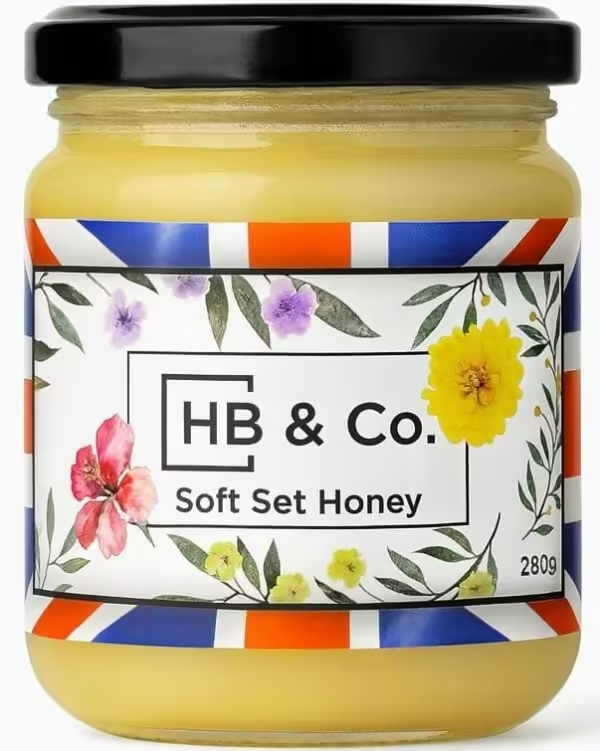
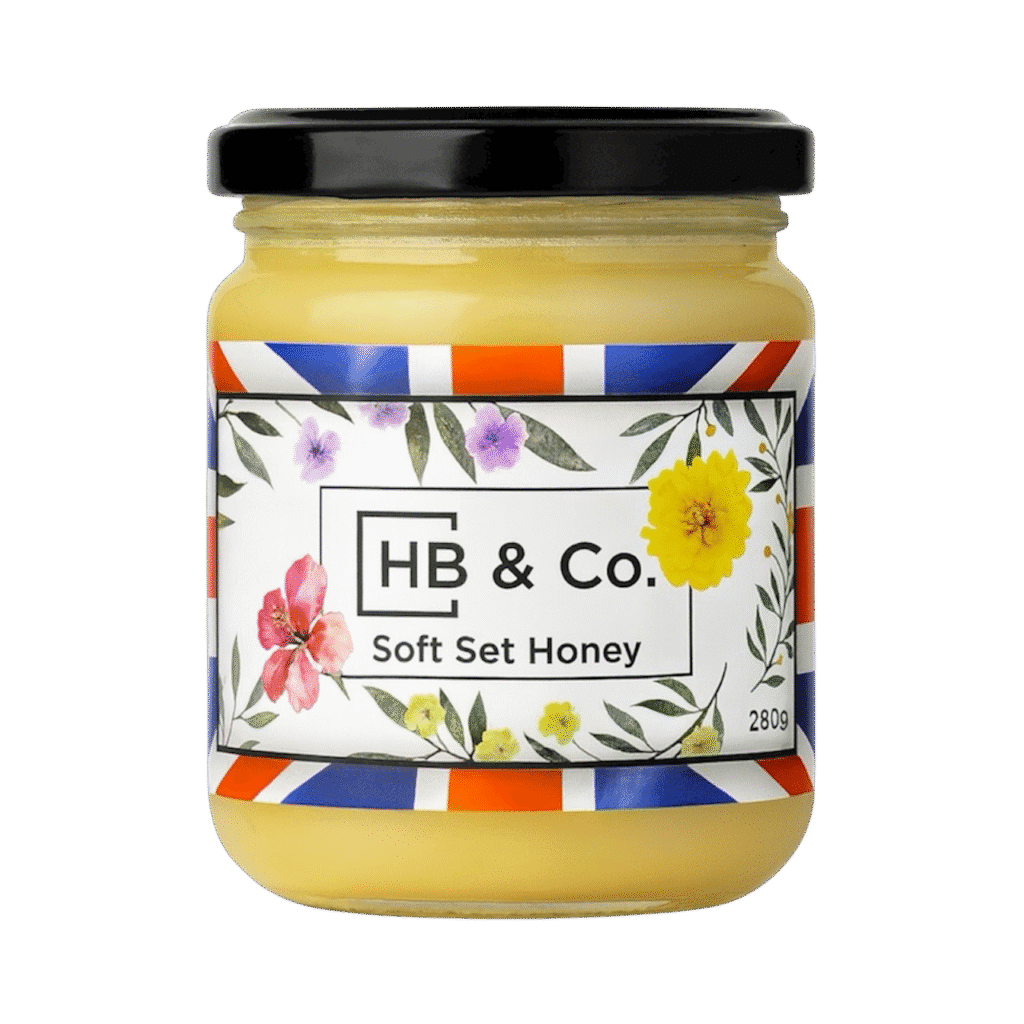
British Soft Set Honey
Controlled crystallisation, thick and spreadable. Unpasteurised, minimally strained, no heat applied.
Also available: British Wildflower, Linden and Sunflower. Browse the full shop or subscribe and save 20%. Free UK delivery on orders of three jars or more.
Questions people actually ask
What are the main types of honey?
By floral source: monofloral from predominantly one plant, polyfloral or wildflower from many, and honeydew from insect secretions on trees rather than from flowers at all. By processing: raw, pasteurised and filtered, creamed or soft set, and comb.
Those two axes are independent. A honey can be monofloral and raw, or polyfloral and pasteurised, in any combination.
Is raw honey better than pasteurised?
Better tasting and more traceable, yes. Raw honey keeps the volatile aromatics that heat drives off, and the pollen that fine filtration removes. That pollen is what makes floral and geographical origin checkable in the first place.
Nutritionally the sugar content is essentially the same, and we are not permitted to claim a health difference. Buy raw for flavour and provenance.
Does honey have health benefits?
There is no authorised health claim for honey in Great Britain. Eight have been submitted and all eight were refused, including one for "soothing for the throat". So no honey business is permitted to tell you what honey will do for your health, ourselves included.
Where there is a genuine evidence base, in self-care for acute cough, we set it out with the qualifications attached in our piece on honey and cough.
Why does honey crystallise?
Because of the ratio of glucose to fructose in that floral source. Glucose is less soluble and comes out of solution first, so high-glucose honeys such as rapeseed set quickly while high-fructose honeys such as Acacia stay liquid far longer.
It is a sign of an unprocessed honey behaving normally, not a fault. Stand the jar in warm water if you want it runny again, but keep it below 40C and never microwave it.
What is toxic honey?
Honey produced predominantly from the nectar of certain plants can carry plant toxins. The best known case involves some rhododendron species, whose nectar contains grayanotoxins, producing what has historically been called mad honey.
It is rare, geographically specific, and associated with unregulated supply. Buying from a producer who can tell you where the honey came from is the practical protection.
How much honey should I use instead of sugar in baking?
Roughly three quarters of a cup of honey per cup of sugar, with the other liquids reduced by about a quarter cup per cup of honey. Lower the oven temperature slightly, because honey browns faster.
The trade is that baked goods stay moist longer, since honey holds water.
Why was this page rewritten?
Because the previous version made claims we were not entitled to make, and in places they were not merely non-compliant but potentially harmful. It described honey as treating infected wounds and diabetic foot ulcers, and suggested it might reduce reliance on standard pharmaceuticals.
We would rather publish the correction openly than quietly swap the text. The material on types, classification and kitchen use was sound and has been kept.
Sources
- Department of Health and Social Care, Great Britain nutrition and health claims register, last updated 19 May 2026, health claims and nutrition claims sheets.
- Retained Regulation (EC) No 1924/2006 on nutrition and health claims made on foods.
- Committee of Advertising Practice, AdviceOnline guidance on food health claims, and Section 15 of the CAP Code.
- The Honey (England) Regulations 2015 and equivalent legislation in Scotland, Wales and Northern Ireland.
- NHS guidance on free sugars, and on foods to avoid giving babies and young children.
- Typical composition values for honey as a food, standard reference data.