
 English (UK)
  Italiano
  Français
  简体中文
简体中文  한국어
한국어 
Is Honey Good for You?
Yes, in the way that good food is good for you. Not in the way the internet says. Here is what honey actually contains, what the law permits anyone to claim about it, and where the popular story falls apart.
It is not a medicine, not a supplement, and not a source of any vitamin or mineral in the legal sense of that phrase. Everything else on this page follows from those three facts.
This article used to say something different. It said honey reduced the risk of heart disease and cancer, healed wounds, boosted the immune system, and built immunity to local pollen. We have rewritten it, because none of that was something we were entitled to tell you.
What follows is the version we can stand behind: the actual composition, the actual legal position, the genuine risks, and the parts of the popular story that do not survive checking. Some of it is unflattering to honey. We sell the stuff, and we would still rather you had the real numbers.
What honey is actually made of
Honey is roughly four fifths sugar and one fifth water. Everything that gets called a superfood compound, the enzymes, the polyphenols, the trace minerals and vitamins, lives in the sliver left over. Drawn to scale, the picture is stark.
The sliver on the right is the entire basis of the superfood argument.
The trace element problem
The previous version of this page said honey is "rich in vitamins, especially B vitamins" and "contains all nine essential amino acids". Both statements are technically detectable and practically meaningless, and the second is the sort of thing that sounds impressive until you ask how much.
Great Britain has a legal threshold for this. To describe a food as a source of a vitamin or mineral it must contain at least a significant amount, defined as 15% of the nutrient reference value per 100g. And the register is explicit that for vitamins and minerals, the same condition applies to the word "contains".
So here is how far honey is from that line.
| Nutrient | Typical amount per 100g of honey | Share of the reference value |
|---|---|---|
| Riboflavin (B2) | about 0.04mg | under 3% |
| Niacin (B3) | about 0.12mg | under 1% |
| Vitamin C | about 0.5mg | under 1% |
| Calcium | about 6mg | under 1% |
| Iron | about 0.4mg | about 3% |
| Potassium | about 52mg | under 3% |
| Magnesium | about 2mg | under 1% |
And that is per 100 grams, which is roughly five tablespoons. A teaspoon is 7 grams, so divide every figure above by about fourteen.
Put another way
To reach the legal threshold for calling honey a source of riboflavin, the one it comes closest on, you would need to eat somewhere in the region of half a kilogram of it. That is nearly two of our jars, in one go, and you would be taking on well over 400 grams of sugar to get there.
Nobody should do that. Which is precisely why honey cannot be described as a source of anything, and why we do not describe it that way.
What anyone is legally allowed to claim
Health claims in Great Britain work on a permitted list. Only claims authorised on the GB nutrition and health claims register may be used, a requirement reflected in Section 15 of the CAP Code, and the rules cover implied claims as much as explicit ones.
The register contains eight submitted entries for honey. Every one of them carries the status non-authorised, including a submission for "soothing for the throat" and another for "helps maintain your natural defences". Not pending. Refused.
The short version
There is no authorised health claim for honey in Great Britain. Not one.
Advertising guidance is clear that where a product contains no ingredient about which an authorised claim can be made, advertising for that product should not carry health claims at all. So when you see a honey brand telling you what their honey does for your immune system, you are looking at a rule being broken, not at information you can rely on.
We set out the full list, and the strange case of NICE recommending honey while the register refuses it, in our piece on honey and cough.
Three popular claims that do not survive checking
Honey builds immunity to local pollen
This is the hay fever theory, and it is intuitive and wrong for a simple botanical reason. Bees collect flower pollen. Hay fever is mostly triggered by wind-blown grass and tree pollen, which is a different set of plants. The most cited trial found no meaningful difference between local unfiltered honey, commercially processed honey and a placebo. We go into it properly in our guide to local honey in the UK.
Darker honey is better for you
Darker honeys do generally test higher for antioxidant activity than pale ones, and that part is true. What does not follow is that eating them produces a health benefit in a person. Measuring antioxidant capacity in a laboratory dish and demonstrating an effect in a human body are different exercises, and the second has not been done to a standard that would authorise a claim. Choose buckwheat or heather because you like the flavour.
Honey is a healthier sugar
Honey is sugar, with a different flavour and a marginally different composition. It is not a health food in the sense of being good for you to eat more of. Where it does differ meaningfully is in taste, in the fact that it comes from somewhere identifiable, and in sweetening power, since many people use less of it. We have compared the two properly in honey versus sugar.
Medical grade honey is a different product entirely
This distinction matters more than almost anything else on the page, and the previous version blurred it badly.
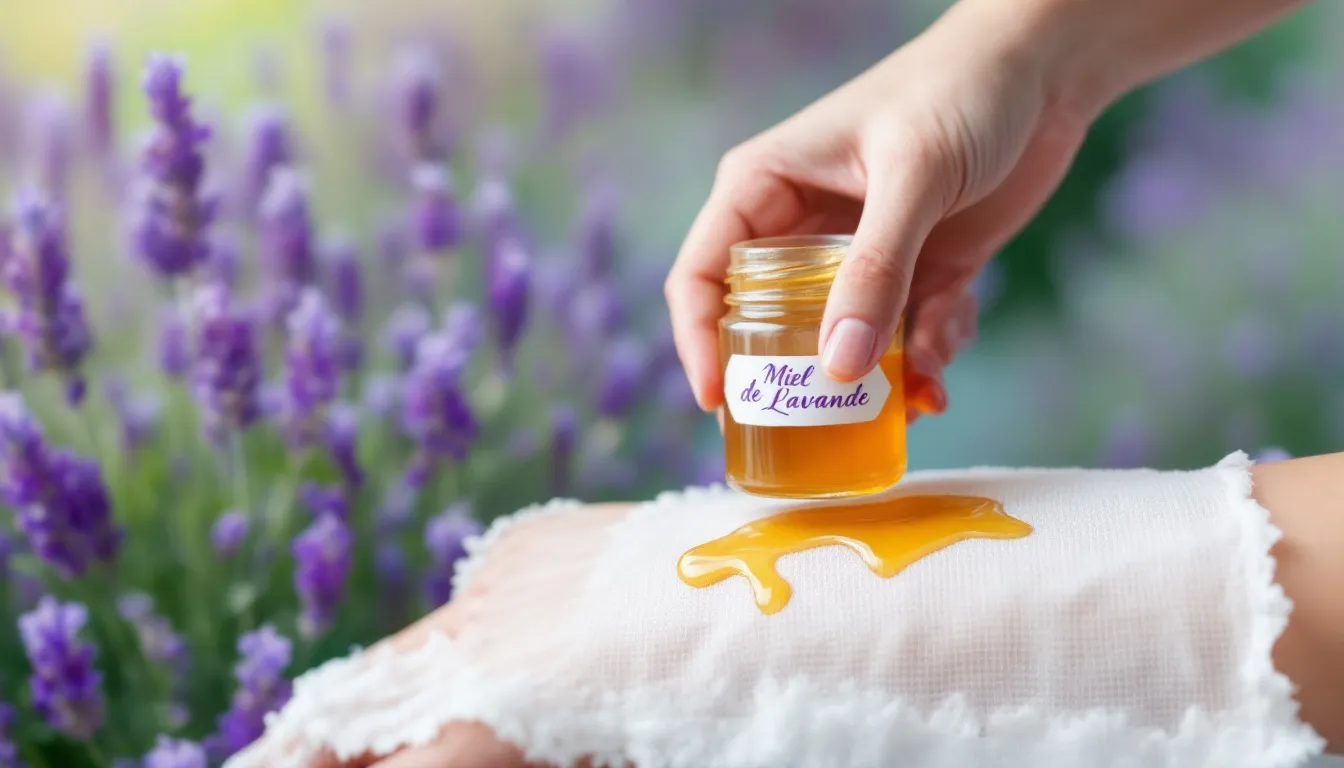
Medical grade honey used in wound care is a regulated medical device. It is gamma sterilised, produced to a controlled specification, and supplied through clinical channels. Food honey is none of those things. A jar from a kitchen cupboard has not been sterilised, and honey naturally carries bacterial spores, which is the same reason it must never be given to infants.
Do not put food honey on a wound
The research on honey and wound healing was conducted with sterilised medical grade product under clinical supervision. It does not transfer to the jar you bought for your toast, and applying unsterilised honey to broken skin risks introducing bacteria into it.
Our honey is a food. It is not sold, licensed or intended for wound care, and we make no medicinal claims of any kind.
The risks, stated properly
| Who | Position |
|---|---|
| Babies under 12 months | Never, in any form, including cooked into food. Honey can carry Clostridium botulinum spores, which an infant gut cannot handle. This is absolute. |
| People managing diabetes | Honey raises blood glucose much as other sugars do. Treat it as sugar and take clinical advice. |
| Teeth | It is a sugar and it is sticky. Ordinary dental caution applies, particularly with repeated use through the day or at night. |
| Bee product or pollen allergy | Reactions are uncommon but real. If you have a known allergy to bee products, avoid it and take medical advice. |
| Anyone eating a lot of it | Honey is calorie dense at roughly 300 kcal per 100g. Government advice on free sugars applies to honey exactly as it does to table sugar. |
One correction to the previous version. It suggested that people with pollen allergies should avoid honey outright, and that honey "may not be safe in medicinal doses" during pregnancy. The first overstates a genuine but uncommon risk. The second describes honey as though it has medicinal doses, which it does not. Both have been removed.
So why buy good honey at all?
Because it tastes better, and because you can find out where it came from. That is the entire argument, and it is a perfectly strong one.
Raw, unpasteurised honey keeps the volatile aromatics and enzymes that heat treatment drives off, which is why a raw single-origin honey tastes of a specific landscape and a supermarket blend tastes of generic sweetness. It also keeps the pollen, which is the evidence trail that makes origin checkable in the first place. We cover what separates the two in raw honey versus regular honey, and how adulteration actually works in how to spot fake honey.
Flavour and provenance are things we can demonstrate, stand behind and be held to. Health outcomes are not, so we do not trade on them.
How to actually use it
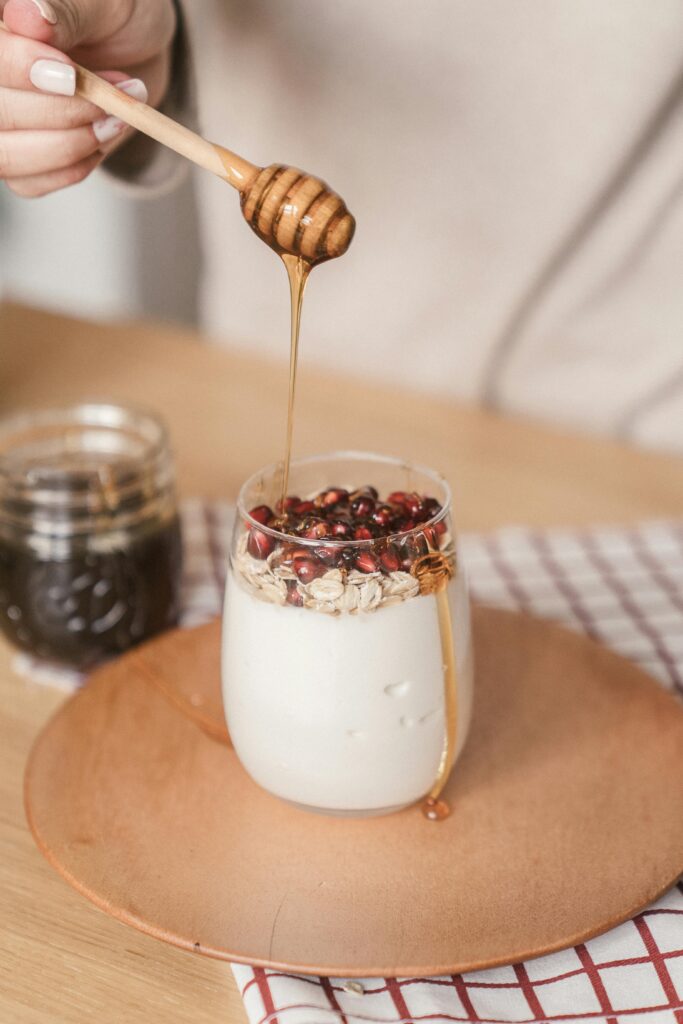
Stirred into porridge or yoghurt. On seeded toast. In a dressing, where it balances vinegar. In a marinade, where the sugars caramelise. In tea, once it has cooled for a minute, because raw honey should never go above 40C and should never be microwaved.
Use it where you would use sugar, and use it because it tastes better. If you want the varietal detail, our guide to types of raw honey covers how the six differ.
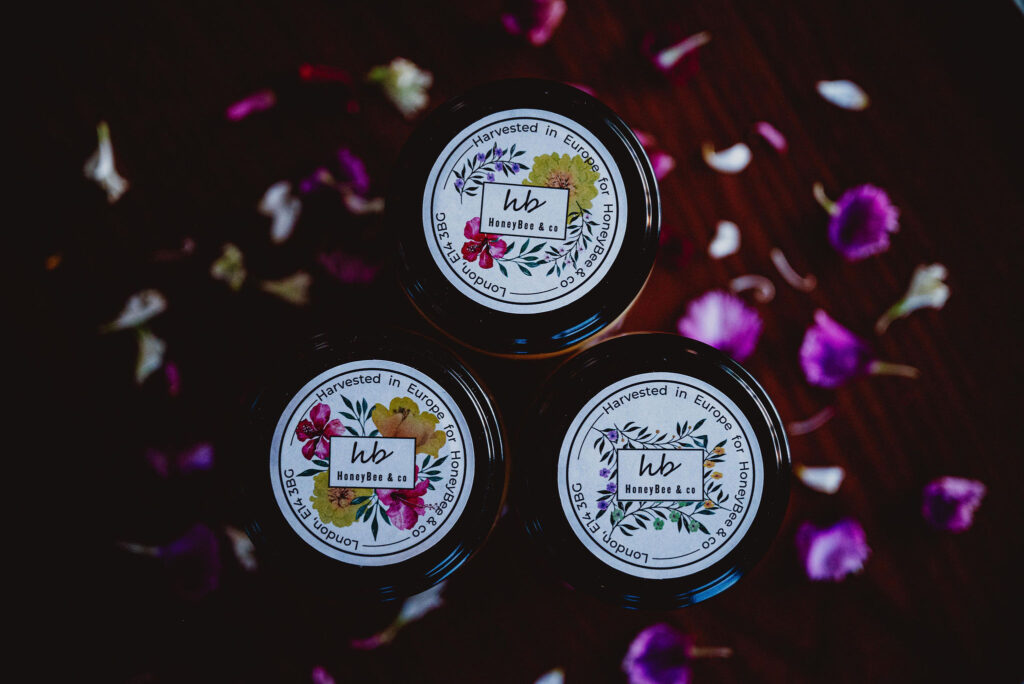
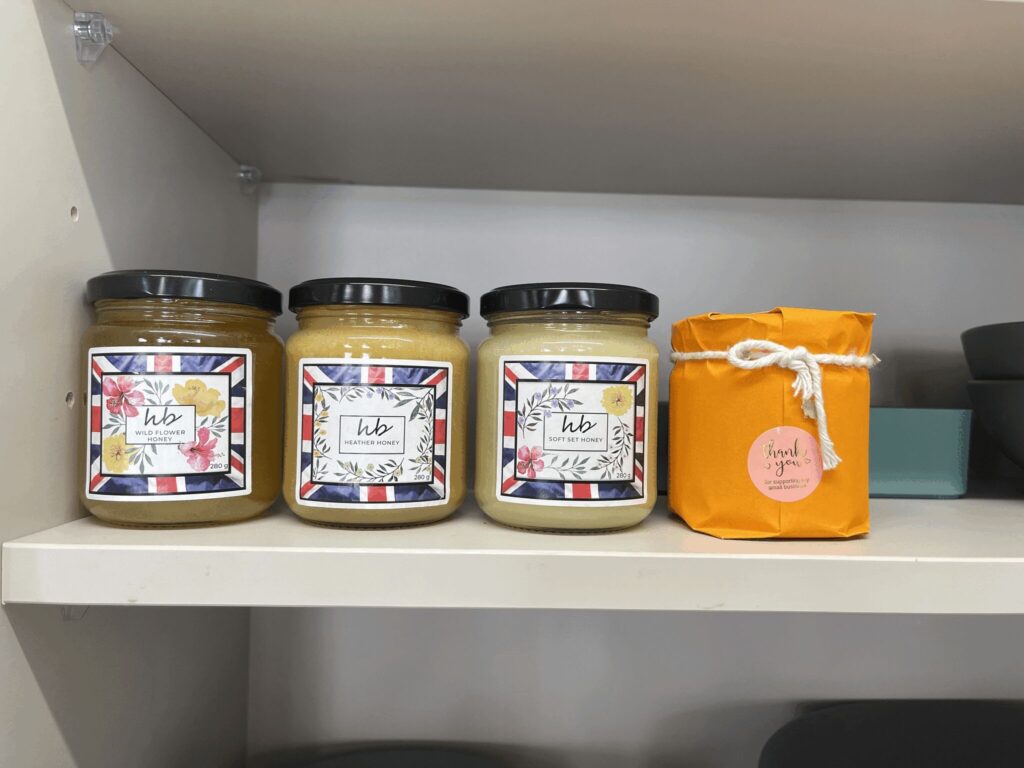
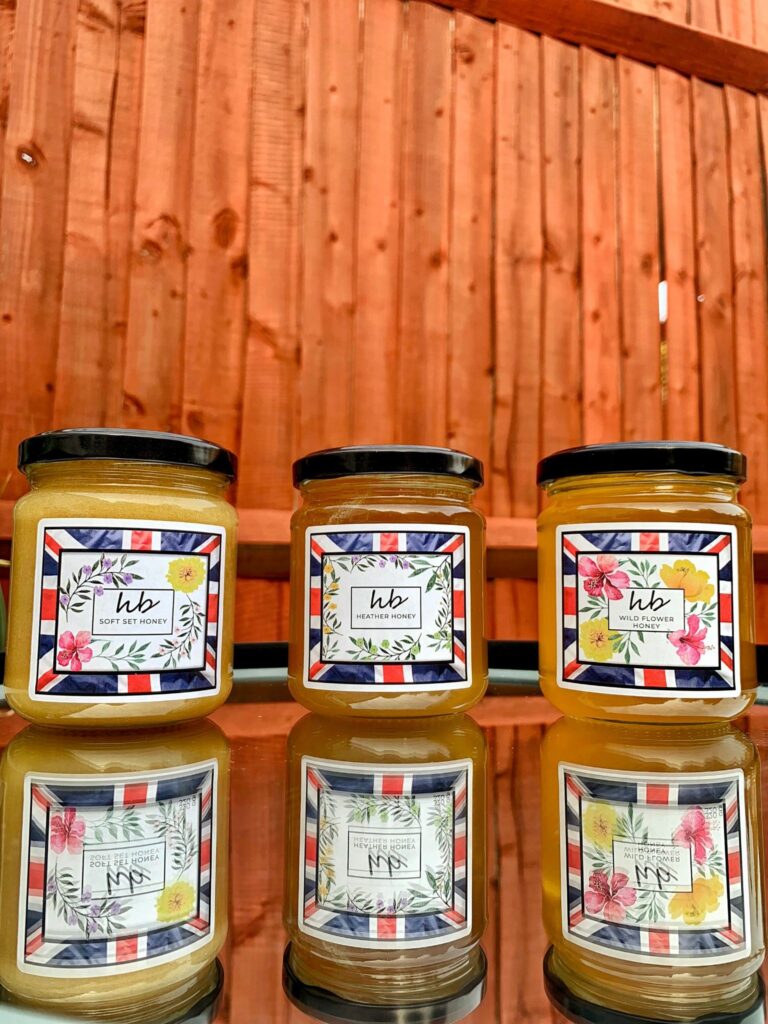
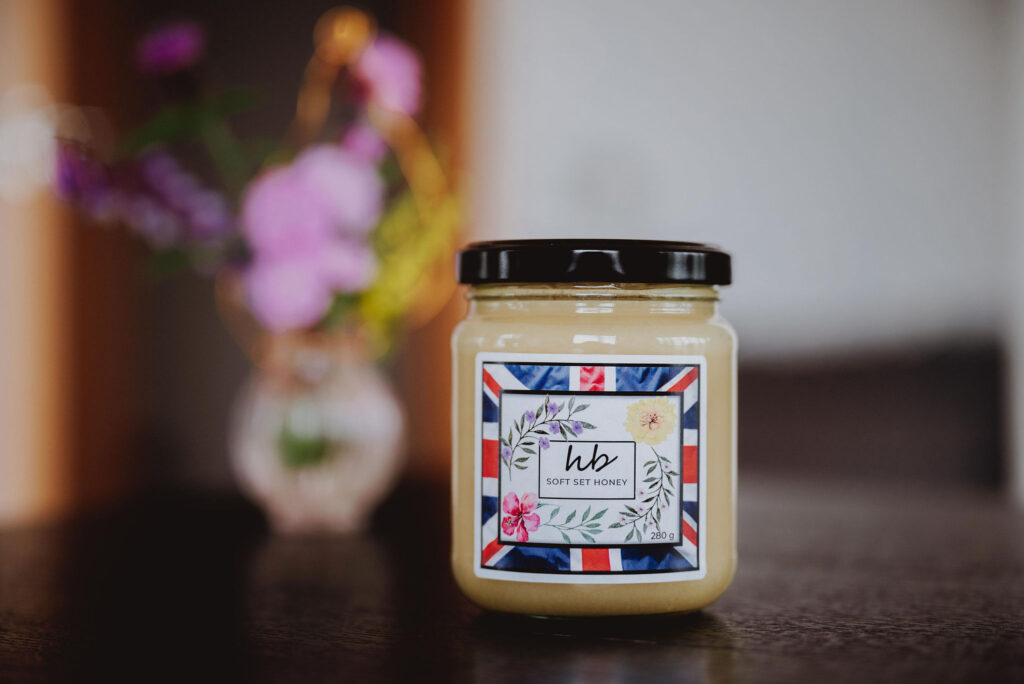
The honeys, across several harvests
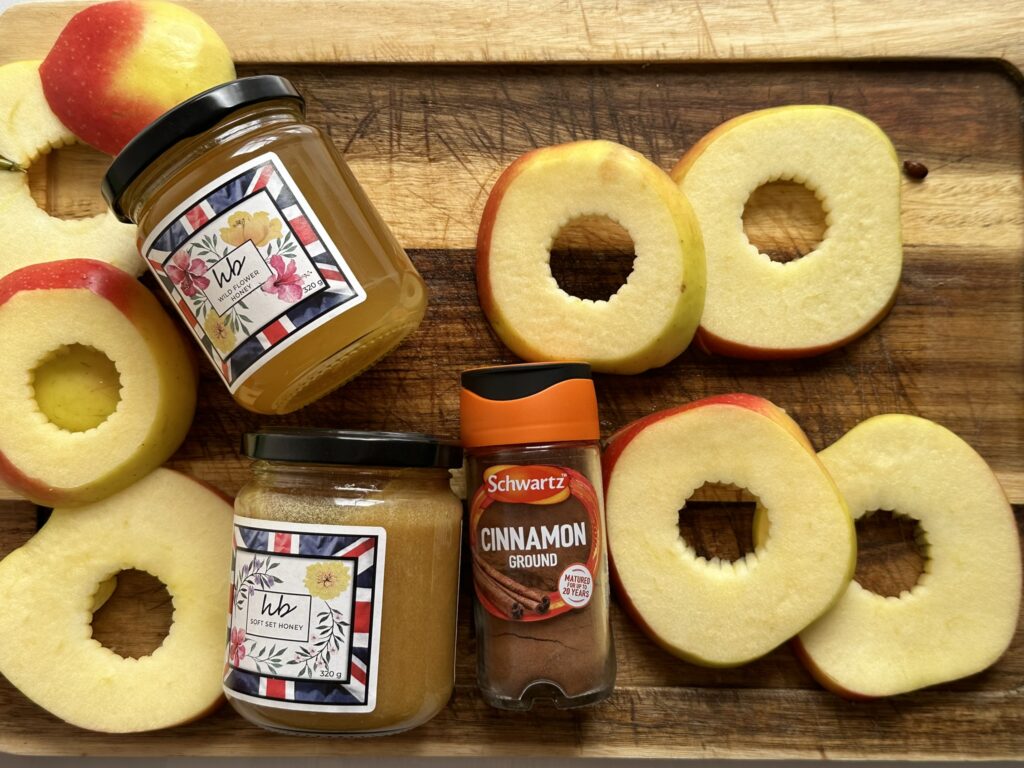
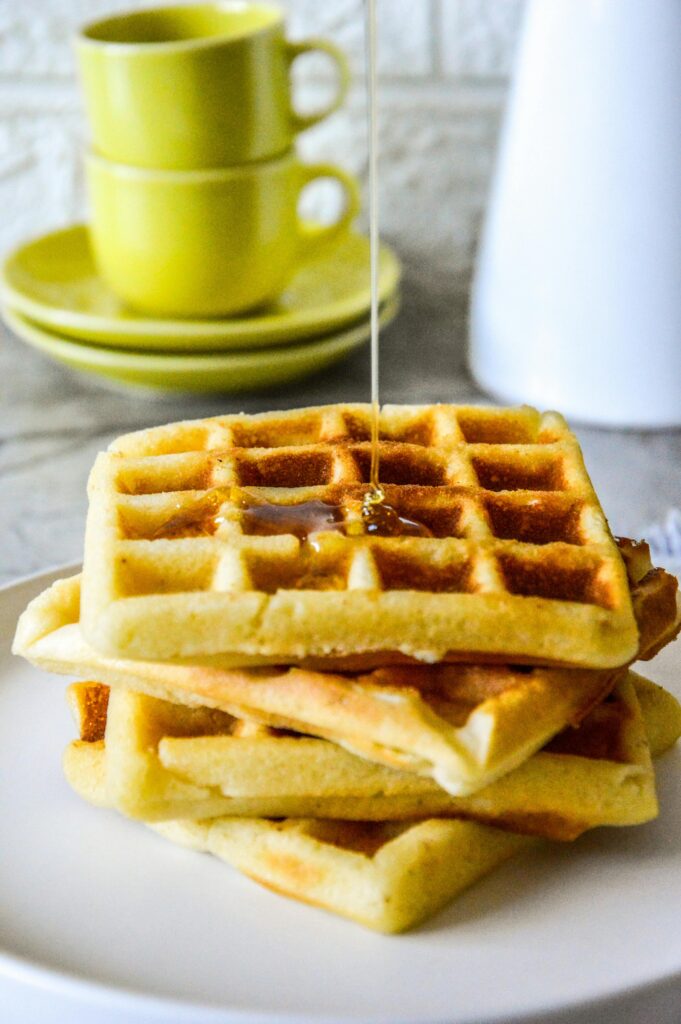
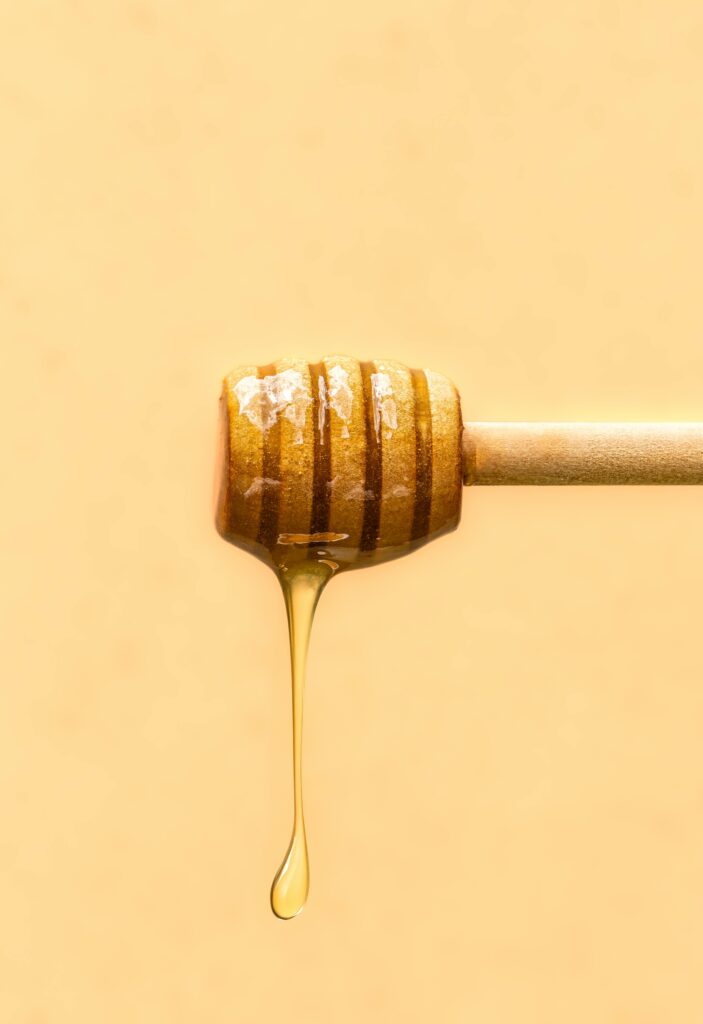
Photographs taken at the apiary and in the kitchen over the past few years.
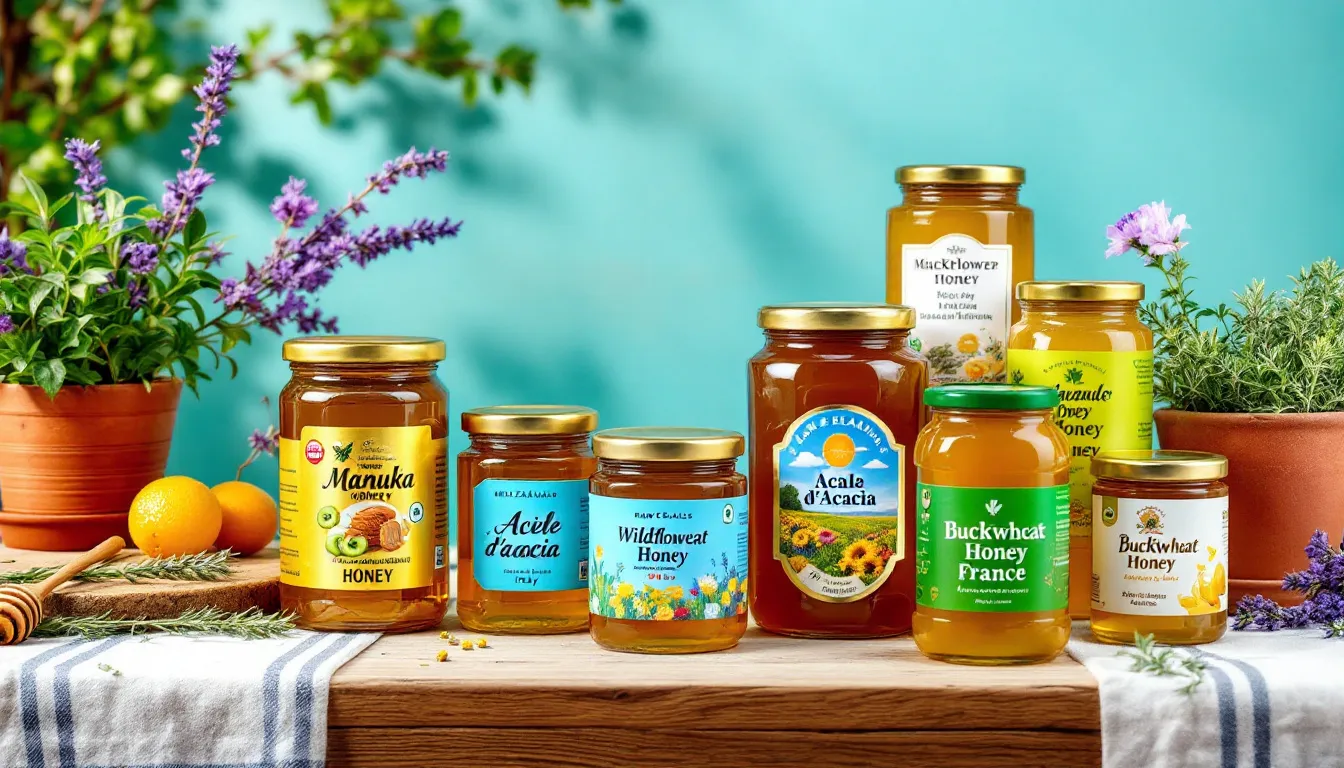
The six honeys
Sold on flavour, provenance and how they behave in a kitchen. Nothing on this page is a claim about what they will do for your health.
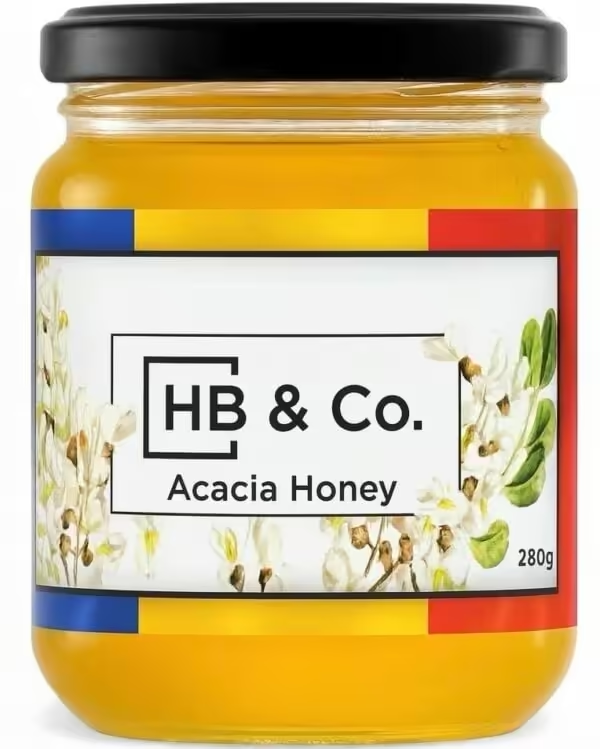
Acacia Honey
The mildest and palest, slow to crystallise. The one that does not overpower porridge or yoghurt.
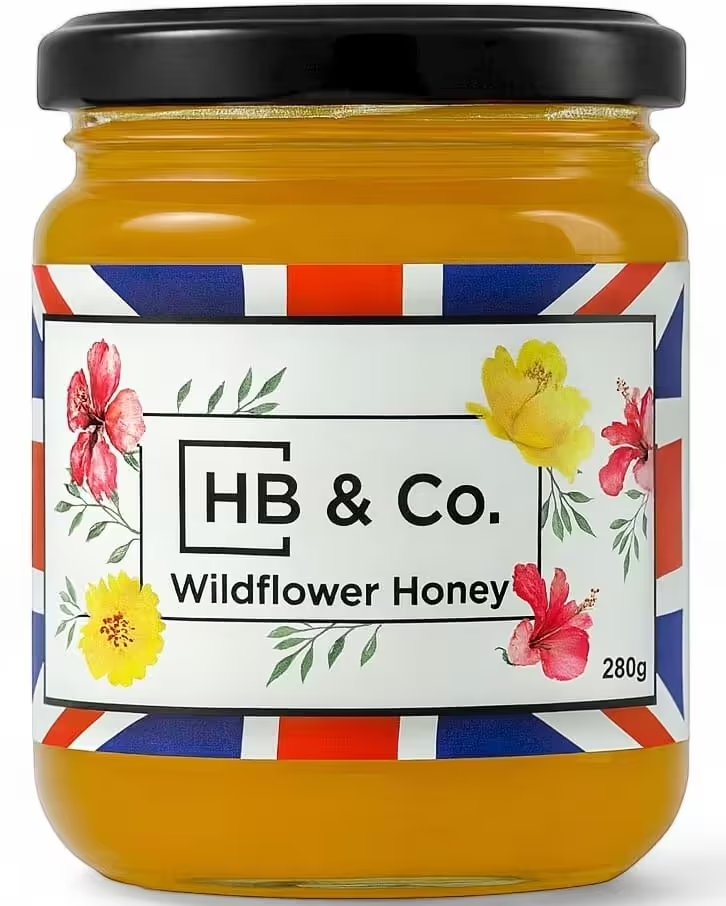
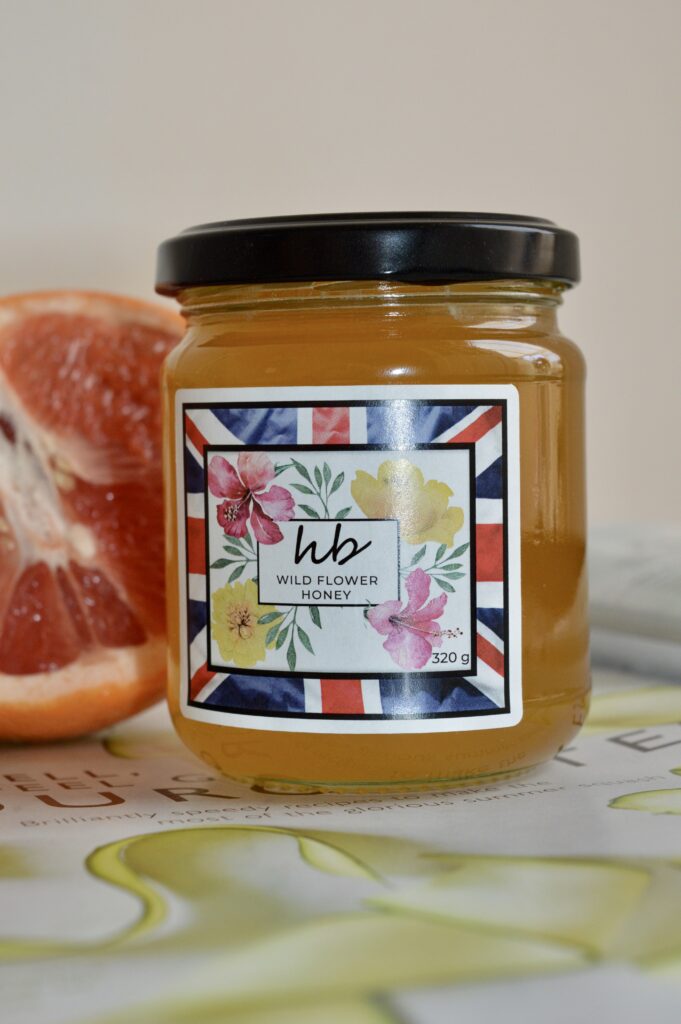
British Wildflower Honey
Fuller and more aromatic, changing with the season and the forage. The one to cook with.
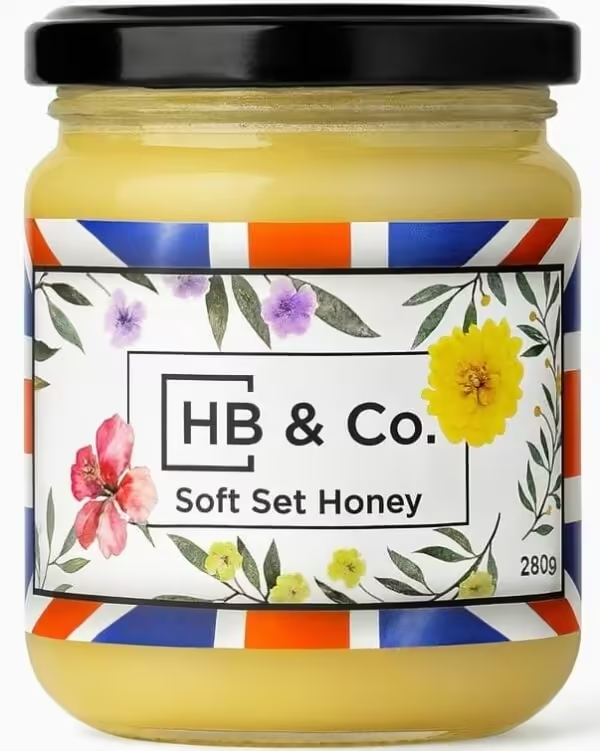
British Soft Set Honey
Thick and spreadable rather than runny. Unpasteurised, minimally strained, no heat applied.
Also available: British Heather, Linden and Sunflower. Browse the full shop or subscribe and save 20%. Free UK delivery on orders of three jars or more.
Frequently asked questions
Is honey good for you?
It is a good food. It tastes better than refined sugar, it comes from a traceable place if you buy well, and it is pleasant to eat. What it is not is a source of vitamins or minerals in any meaningful quantity, and there is no authorised health claim for honey in Great Britain.
If you enjoy it, eat it, in the amounts you would use any sweetener. If you are eating it for your health, the evidence does not support that and we are not going to encourage it.
Is honey safe for infants?
No. Honey must never be given to a baby under twelve months, in any form, including baked into food or on a dummy. It can contain Clostridium botulinum spores, which an infant's gut cannot handle and which can cause infant botulism. From twelve months onwards it is fine.
What is the difference between raw and pasteurised honey?
Raw honey is not heated or ultra-filtered, so it keeps the volatile aromatics, enzymes and pollen that give it the character of a particular place. Pasteurised honey is heated for a smoother texture and longer shelf life, which drives off aromatics and removes pollen.
The difference is in flavour and traceability rather than in health outcome. The pollen point matters practically, because pollen is the evidence trail that makes origin checkable.
Can honey help heal wounds?
Medical grade honey used in wound care is a sterilised, regulated medical device supplied through clinical channels. That is a different product from food honey, and the research does not transfer between them.
Do not put food honey on a wound. It has not been sterilised, and honey naturally carries bacterial spores. Our honey is a food and is not intended, sold or licensed for wound care.
Does local honey help with hay fever?
The evidence does not support it. Bees collect flower pollen, while hay fever is mostly triggered by wind-blown grass and tree pollen, which are different plants. The most cited trial found no meaningful difference between local unfiltered honey, processed honey and a placebo.
Is honey better for you than sugar?
Not in any way that would let us make a claim about it. Honey is a sugar. Government advice on free sugars applies to it exactly as it applies to table sugar.
What it genuinely offers is flavour, provenance and, for many people, the fact that a smaller amount does the job. Those are good reasons. Health is not one of them.
Why did this article used to say honey has health benefits?
Because it was wrong, and we have corrected it. The earlier version stated that honey reduced the risk of chronic diseases including heart disease and cancer, promoted wound healing, boosted the immune system and built immunity to local pollen.
None of those are claims a food business in Great Britain is permitted to make about honey, and several are not supported by evidence at all. We would rather publish the correction than quietly leave it up.
Sources
- Department of Health and Social Care, Great Britain nutrition and health claims register, last updated 19 May 2026, including the nutrition claims conditions for "source of" and "contains".
- Retained Regulation (EC) No 1924/2006 on nutrition and health claims made on foods, and the significant amount threshold in the Annex to retained Directive 90/496/EEC.
- Committee of Advertising Practice, AdviceOnline guidance on food health claims, and Section 15 of the CAP Code.
- NHS guidance on foods to avoid giving babies and young children.
- Typical composition values for honey as a food, standard reference data.