 English (UK)
  Italiano
  Français
  简体中文
简体中文  한국어
한국어 In 2023, EU investigators tested 320 consignments of honey arriving at Europe's borders. Nearly half were flagged as suspicious. That single finding explains why "local honey" went from a farmers' market nicety to one of the most searched honey terms in the UK, and why the word on the front of a jar deserves more scrutiny than it usually gets.
"Local" on a jar can mean almost anything, from honey collected two villages over to honey merely bottled in the same country it was shipped into. This guide covers what the word should mean, what UK law actually requires, why the fraud risk is real, and exactly how to tell honey that is genuinely local from honey that is only marketed that way.
The short version
- "Local honey" has no legal definition in the UK. What is regulated is country of origin and any named regional or floral claim, which must be wholly or mainly true.
- The hay fever benefit most people buy local honey for is not well supported by evidence. The honest reasons to buy it are flavour, freshness and traceability.
- Honey fraud is common enough that a checkable origin and certification matter more than the word "local" itself. The five-question vetting checklist further down is the practical test.
Start With the Uncomfortable Part: Honey Has a Fraud Problem
Before defining "local," it is worth understanding why anyone started caring about the word in the first place. Local origin is not just a flavour and freshness question, it is increasingly a trust question, because the honey supply chain has a well documented fraud problem that is bigger than most shoppers realise.
In March 2023, the European Commission published the results of "From the Hives," an EU-wide coordinated testing programme in which the Joint Research Centre analysed 320 honey consignments imported into the EU between November 2021 and February 2022, sampled from major entry ports and the Polish-Ukrainian border. Forty-six percent of those samples showed signs of adulteration, mostly cheap sugar syrups made from rice, wheat or sugar beet, used to bulk out real honey undetected. That is more than three times the non-compliance rate found in an equivalent EU-wide study run in 2015 to 2017, which found 14% non-compliance, pointing to a growing problem rather than a shrinking one.
Honey Fraud, By the Numbers
*The UK-entry figure reflects a sample of just 10 consignments and is believed to largely represent re-exported honey rather than UK-harvested honey. Source: EU Joint Research Centre, "From the Hives" (2023); see sources.
The country breakdown is worth knowing. Honey originating from Turkey had the highest suspicion rate at 93%. China supplied the largest absolute number of suspicious consignments, with 74% of its sampled shipments flagged. And, in a detail that gets less attention than it should, all ten honey consignments sampled as entering the EU via the UK were flagged as suspicious, with investigators suggesting this reflects honey produced elsewhere being reprocessed and re-exported through the UK rather than genuine UK-harvested honey. That is a very small sample of ten, so it should not be read as "UK honey is fraudulent," but it does illustrate how honey can pick up a country label that reflects where it was last handled rather than where the bees actually worked.
It is fair to note that this finding has not gone unchallenged. Later commentary, including from within the honey trade, has argued that some of the JRC's testing markers, such as naturally occurring sugars in certain honey types, can flag genuine honey as suspicious, and that the 2023 methodology was not directly comparable to the 2015-17 study. That critique is worth holding in mind: the 46% figure is best read as "a significant share of tested imports were flagged as suspicious and warranting further investigation," not as a precise, uncontested measurement of proven fraud. Even allowing for that caveat, the direction of the finding, that fraud in imported honey is common and frequently goes undetected, is supported across multiple independent investigations, and it is exactly why the EU is moving toward mandatory percentage-based origin labelling for blended honeys from mid-2026 under a revised Honey Directive, requiring the countries in a blend to be listed in descending order of proportion rather than hidden behind "blend of honeys from more than one country."
None of this makes adulterated honey unsafe to eat; investigators have consistently said the risk is economic rather than a food safety hazard. The concern is that consumers pay honey prices for diluted syrup, and honest small producers get undercut by fraudulent bulk imports they cannot compete with on price. It is also exactly the problem that local, traceable honey exists to solve, since fraud is far harder to hide in a short, accountable supply chain than in an anonymous international blend.
What "Local Honey" Actually Means
There is no legal definition of "local honey" anywhere in UK food law. It is a marketing term, used to mean anything from honey harvested within a few miles of the seller, to honey produced somewhere in the same country, to honey that was simply packed or bottled domestically after arriving from elsewhere. What UK law does regulate, tightly, is two adjacent claims: the country of origin, and any named regional, floral or topographical origin. Those two regulated claims are what turn "local" from a vague feeling into something you can actually verify, which is the whole point of this guide.
That gap between the marketing word and the legal requirement matters, because two jars can both say "local" while one comes from a beekeeper's own hives twenty miles away and the other comes from a distribution warehouse that blends honey from several countries and packages it domestically. Reading past the word "local" to the country-of-origin statement and any named regional claim is the only reliable way to tell the two apart.
UK Honey Labelling Law, in Plain English
Honey sold in the UK is governed by the Honey (England) Regulations 2015 (with equivalent rules in Scotland, Wales and Northern Ireland), which sets out both what can legally be called "honey" and what must appear on the label. Three parts of that law matter most for anyone trying to work out how local a jar really is.
Country of origin is mandatory. Under regulation 17, honey cannot legally be sold in England unless the country or countries where it was harvested are stated on the label, for example "Origin: UK" or "Product of the UK." Where a honey is blended from more than one country, the seller can use the alternative wording "blend of honeys from more than one country" instead of listing each one, which is legal but noticeably less informative, and, since the UK left the EU, blends involving UK honey sold into EU markets must now be described as "blend of non-EU honeys" or "blend of EU and non-EU honeys" rather than as EU honey.
Regional and floral claims must be true, not just evocative. If a label references a particular region, county or place, that honey must come wholly from that place, not just partly. The regulation's own example is that "Sussex Honey" must come from within the county of Sussex. The same principle applies to any named flower or blossom: if a jar says "acacia" or "heather," the honey must come wholly or mainly from that plant and show the physical and chemical characteristics of it, not simply borrow the name for marketing effect.
Traceability details are required, even if you never see them. Every jar must carry a best-before date, and honey sold through a third party must carry a lot number so a batch can be traced back if something goes wrong. Anyone selling honey directly must include a name and address that a buyer could actually use to make contact, not just a brand name with no way to follow up.
Reading a Honey Label: What's Legally Required
| What to look for | What it must say | Legal status |
|---|---|---|
| Country of origin | "Origin: UK," "Product of the UK," or a named blend statement | Mandatory (regulation 17) |
| Named region or flower | Must come wholly, or mainly, from the place or plant named | Mandatory if claimed |
| Best-before date | A durability date on every prepacked jar | Mandatory |
| Name, address, lot code | Enough detail to trace the batch back to the seller | Mandatory |
| "Unsuitable for under 12 months" | An infant-safety advisory | Voluntary industry practice, not law |
Source: the Honey (England) Regulations 2015 and Business Companion labelling guidance (see sources).
The Local Honey and Hay Fever Myth
One of the biggest reasons people search out local honey is a popular belief that eating it, ideally from hives near home, can gradually desensitise the body to local pollen and ease hay fever symptoms, in the same way that a course of allergy injections works. It is an appealing idea, and it is one HoneyBee & Co. gets asked about often, but the evidence behind it is thin.
The most frequently cited trial, run at the University of Connecticut in 2002, compared locally produced unfiltered honey, commercially processed honey and a corn syrup placebo in hay fever sufferers over a full pollen season, with participants keeping a symptom diary. The trial found no statistically meaningful difference between the three groups. Reviews published since then have reached broadly similar conclusions: a small number of specific, narrowly designed studies have found modest benefits from particular honey-and-pollen combinations tailored to an individual's specific allergy, but nothing that has held up as a general rule for "local honey" as a category, and no large, well controlled trial has confirmed the effect.
Part of the mismatch is botanical rather than medical. Bees mostly collect heavy, sticky pollen from insect-pollinated flowers, because that is the pollen that clings to their bodies as they forage. Classic hay fever, by contrast, is largely triggered by the light, wind-borne pollen of grasses and trees, which is designed by nature to travel on air currents rather than stick to an insect, and which barely ends up in honey at all. That is why some researchers describe the underlying logic as "shaky": the pollen making people sneeze mostly is not the pollen typically found in a jar of local honey.
HoneyBee & Co. makes no medicinal claims for any of its honey; it is a food, not a medicine. This section exists because the question comes up constantly, not because we are making the claim ourselves, and we think a straight answer is more useful than a vague one.
Terroir and Flavour: The Honest Upside of "Local"
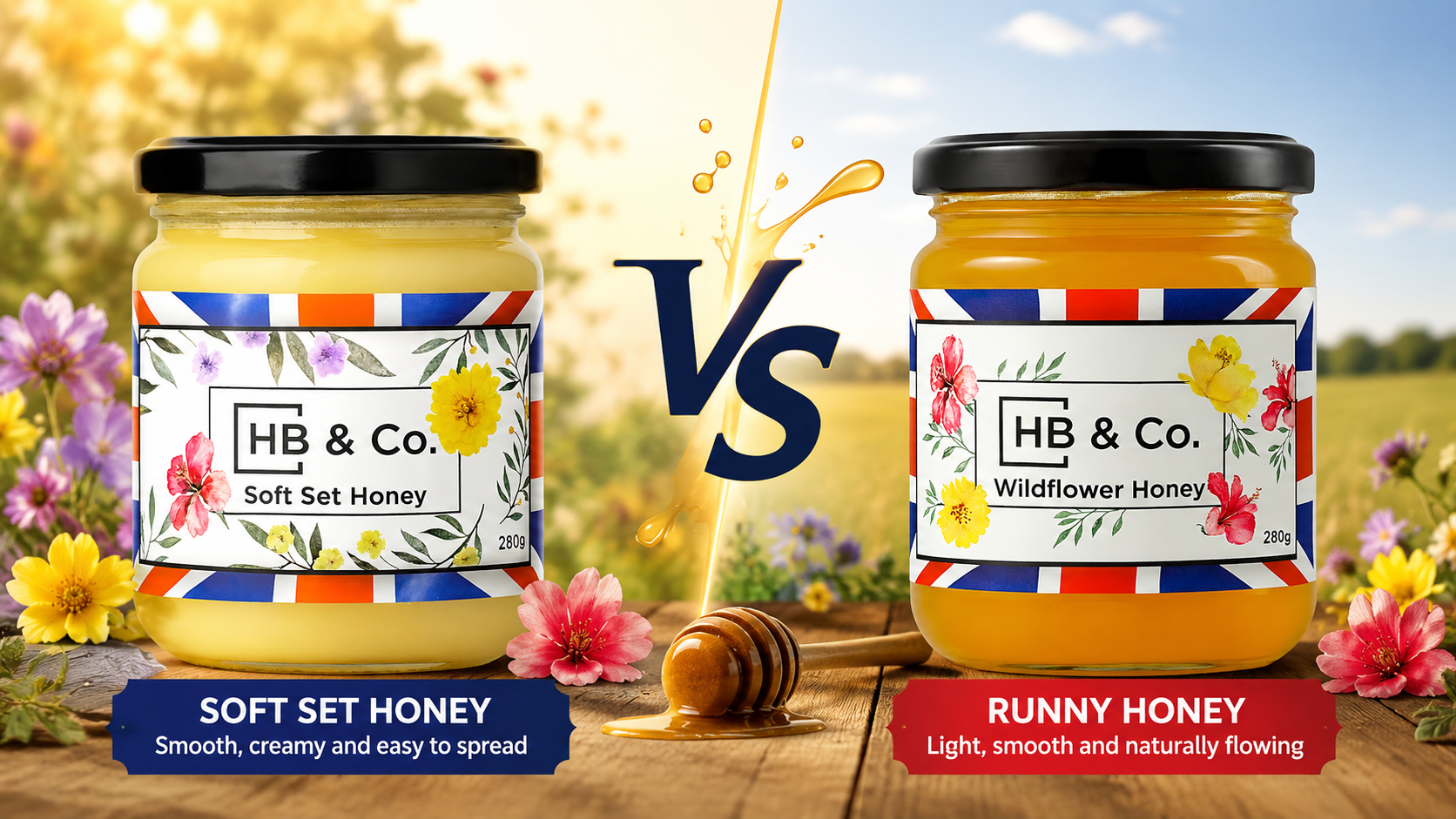
Even setting the hay fever myth aside, there is a genuine, well evidenced reason to care about where honey comes from: flavour. Honey is one of the few foods with a real, measurable terroir effect, similar in principle to wine or coffee. The floral sources available to bees in a given region and season directly shape a honey's colour, aroma, crystallisation behaviour and taste, which is exactly why single-origin honeys such as Heather, Wildflower and Soft Set taste distinctly different from one another despite starting from the same basic ingredient.
This is the part of "local" that is not a myth at all. A honey that genuinely comes from a named region, harvested in a specific season, will taste like that place and that season, in a way a large anonymous blend, designed for consistency above all else, deliberately will not. That variation is a feature, not a flaw, and it is one of the clearest, most honest reasons to choose traceable, single-origin honey over an unlabelled blend.
From Landscape to Jar
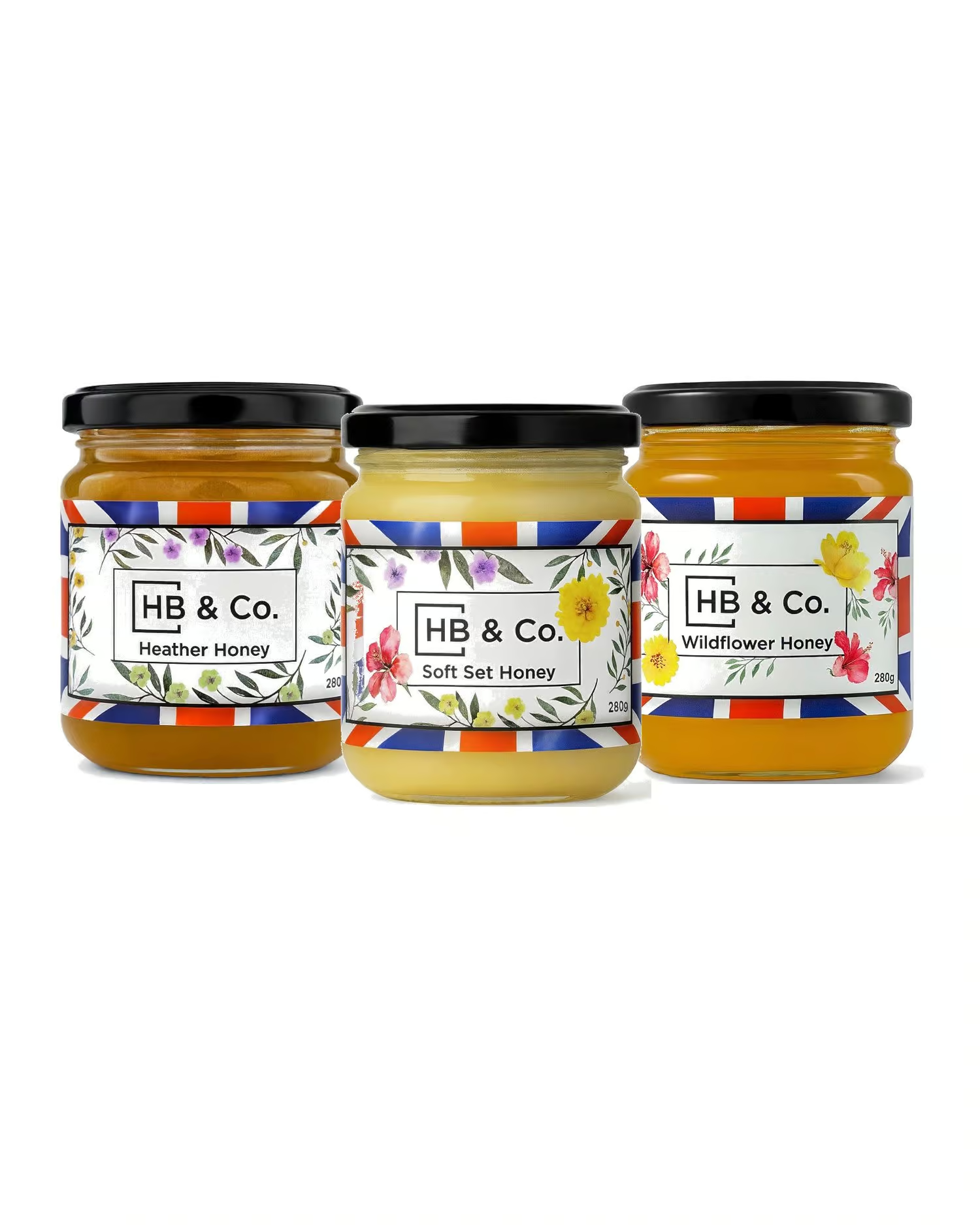
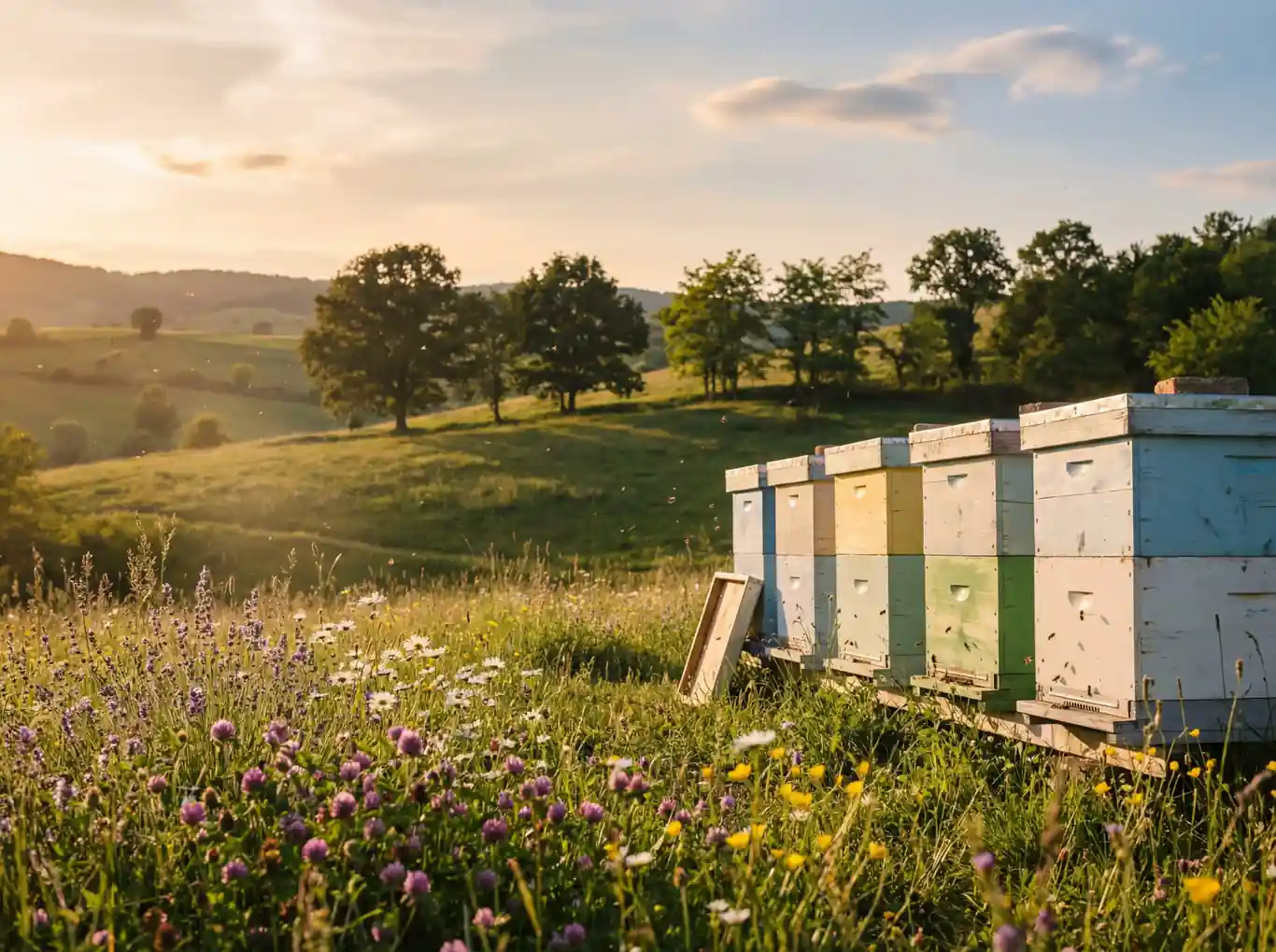
Terroir is easiest to understand through specific landscapes. Each of these three British forage types produces a recognisably different honey, and each maps directly to a jar in our British range.
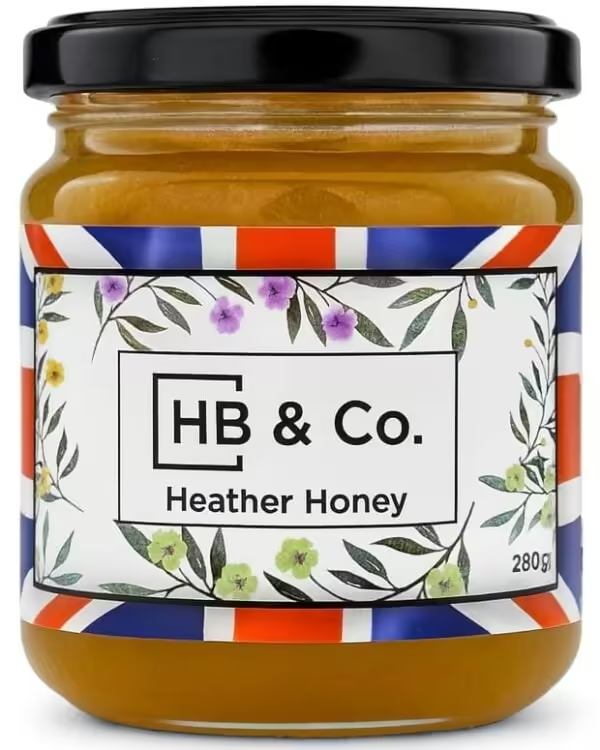
Heather Honey
Late-summer forage on the Yorkshire heather moors gives a jelly-like set, deep amber colour and a bold flavour unlike any other British honey. One harvest a year, in late summer.
Shop Heather £12.99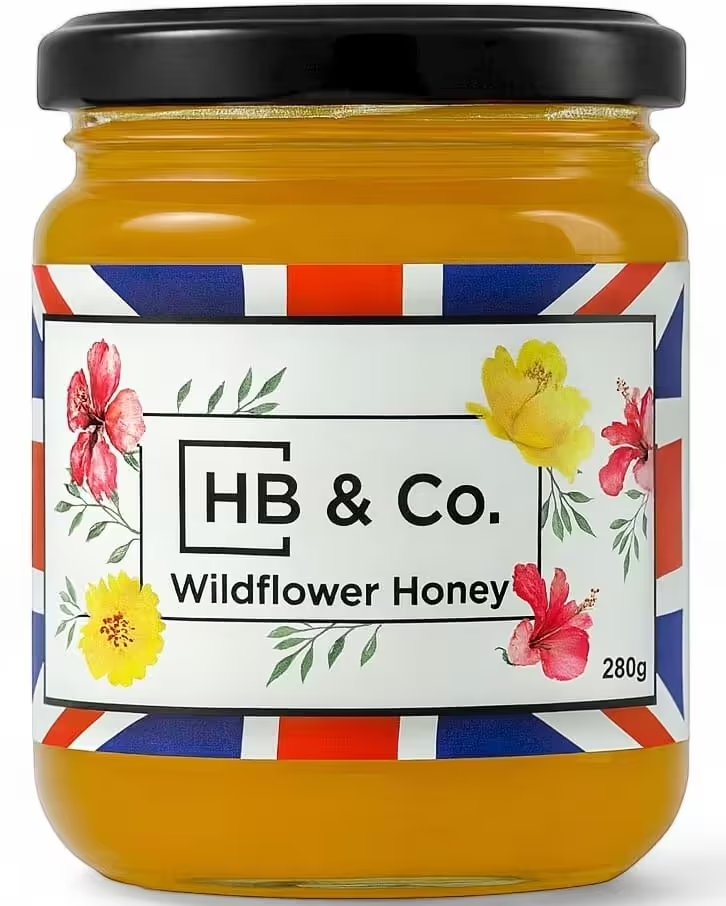
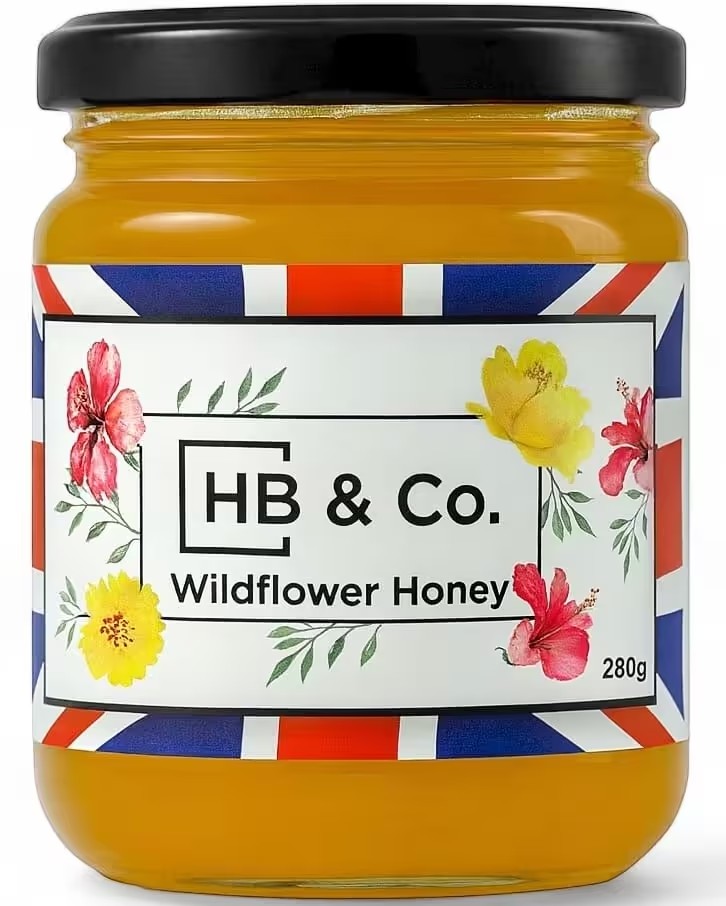
Wildflower Honey
Mixed meadow forage across Yorkshire and the Midlands means the colour and flavour genuinely shift with the season's blossom, terroir you can taste jar to jar.
Shop Wildflower £10.99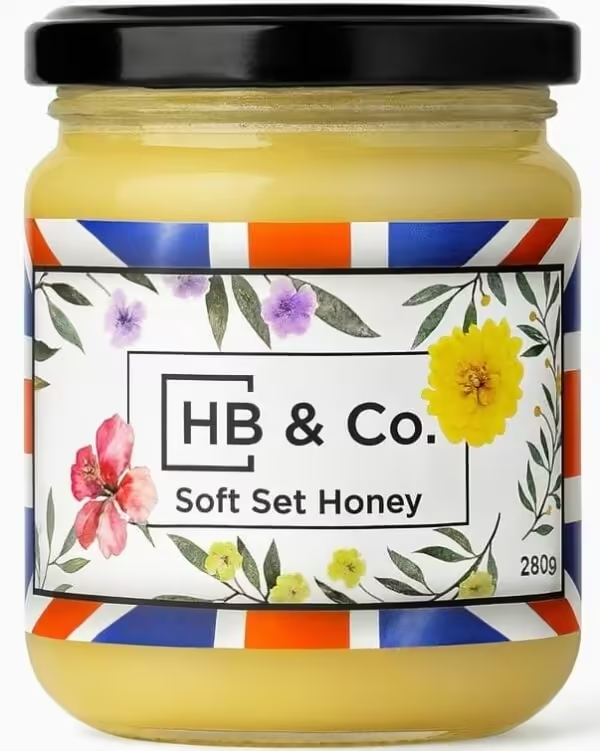
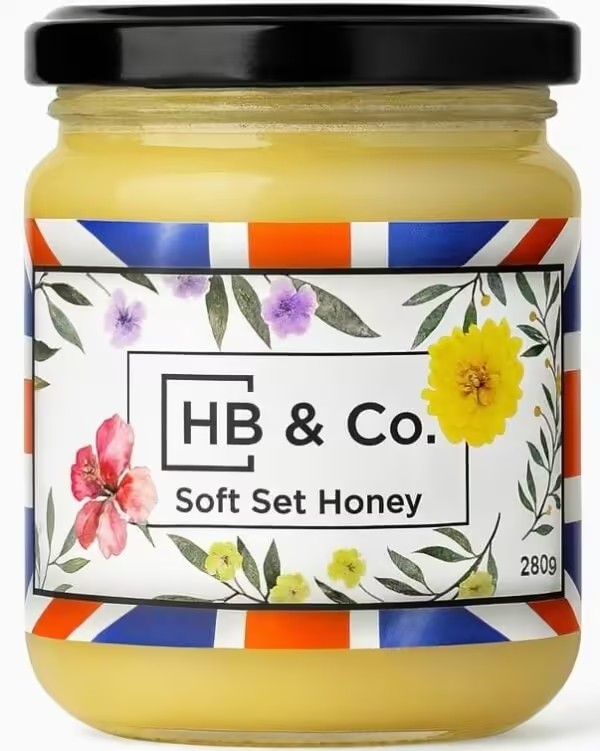
Soft Set Honey
Fast-crystallising spring forage from Midlands pastures, worked into a naturally smooth, spreadable set. Unpasteurised and minimally strained, the classic British breakfast honey.
Shop Soft Set £10.99The UK Honey Season, Month by Month
One of the most useful things to understand about genuinely local honey is that it follows a calendar. UK bees work a nectar flow that runs roughly from March to October, and what is flowering when directly determines which honeys exist and when they are harvested. A seller who knows their honey can usually tell you where their jar sits in this calendar; a relabelled blend has no calendar to tell you about.
| Season | What UK bees are foraging | The honeys it produces |
|---|---|---|
| Early spring (Mar to Apr) | Willow, blackthorn, dandelion and early fruit blossom get colonies building up after winter | Rarely harvested; the bees keep most of it |
| Late spring (Apr to May) | Oilseed rape, orchard blossom and hawthorn produce a fast, heavy flow | Fast-crystallising spring honey, the classic base for soft set |
| Early summer (Jun) | Clover, bramble, field beans and lime (linden) trees | Light, delicate honeys, including linden |
| High summer (Jul) | Wildflower meadows, rosebay willowherb, borage and sunflower | Wildflower and other mixed floral summer honeys |
| Late summer (Aug to early Sep) | Heather comes into flower on upland moors | Heather honey, the last major UK harvest of the year |
| Autumn (Sep to Oct) | Ivy provides the final flow; colonies store it for winter | Rarely jarred; mostly left for the bees |
This calendar is also a practical authenticity tool. If someone offers you "fresh local heather honey" in April, or claims a spring harvest of a honey that only flows in August, the calendar itself is telling you something the label is not.
Local vs British vs Single-Origin vs Raw vs Organic
These five words get used almost interchangeably in honey marketing, but each one actually promises something different, and none of them automatically implies the others. Here is what each claim genuinely guarantees, and what it does not.
| Term | What it actually promises | What it does NOT guarantee |
|---|---|---|
| Local | Not legally defined. Usually implies a small, nearby radius. | No enforced distance, no traceability, no quality standard. |
| British / Product of the UK | A regulated country-of-origin claim under UK honey law. | Does not mean "local" to you specifically, or single-apiary. |
| Single-origin | Comes from one named source or region rather than a blend. | Does not by itself confirm the country or a certification. |
| Raw / unfiltered | Minimally processed, retains more pollen and natural texture. | Not a food-safety or origin claim, and not legally standardised. |
| Organic | A specific, audited certification with strict production rules. | Does not mean local, and organic-certified honey can still be imported from far away. |
Our British honey supplier holds SALSA Certification, which is not an organic certification, and that is a deliberate and honest distinction: SALSA audits food safety and supplier standards, it is not an organic scheme, and we would rather state that plainly than let "certified" do vaguer work than it should.
How to Vet a "Local Honey" Seller
Whether you are at a farmers' market, a farm shop, or reading a product page online, these five questions separate honey worth trusting from honey riding on the word "local" alone.
A real answer names a county, region or apiary. "It's local" with no follow-up detail is itself the answer to how local it actually is.
By law it has to say something. "Blend of honeys from more than one country" is legal, but it is a different claim to a single named country.
SALSA, organic certification, or a beekeeping association membership are all independently checkable. "Quality assured" with no certifying body named is not.
A supplier who can tell you it was a wet spring, or that the oilseed rape came off early, is describing a real harvest, not reciting marketing copy.
Raw, genuinely seasonal honey changes colour, texture and crystallisation speed across the year. Perfect uniformity, jar after jar, season after season, is more consistent with industrial blending than with a single small source.
None of these five questions requires a lab test. They are the same questions a trading standards officer or a knowledgeable beekeeper would ask, and any seller confident in their own sourcing should be able to answer all five without hesitation. A seller who bristles at being asked, or who redirects to vaguer reassurances instead of specifics, is itself useful information, whatever the label happens to say.
Skip the guesswork entirely
Our British range states exactly what it is: single-origin British honey from a supplier who holds SALSA Certification, with no vague blends and no unverifiable origins. Free UK delivery on any 3+ jar order.
Why Genuinely Local Honey Costs More, and Why That Is Not a Red Flag
Once you understand the fraud numbers, the price question answers itself. The EU's own investigators put the average import value of honey at roughly €2.32 per kilo in 2021, while the sugar syrups used to fraudulently bulk it out cost as little as €0.40 to €0.60 per kilo. That gap of four or five times is precisely why adulteration is so profitable, and precisely why a honey priced suspiciously close to the syrup end of that range, especially a large, unbranded, multi-country blend, deserves a second look rather than an assumption of a bargain.
Genuinely local and single-origin honey costs more for reasons that have nothing to do with fraud and everything to do with how it is actually produced. A small beekeeper or regional supplier cannot benefit from the scale efficiencies of a multi-country blending operation, has to absorb the cost of a full season's weather risk on a much smaller volume, and typically extracts, jars and labels honey in far smaller batches. None of that shows up as a defect; it shows up as a higher, more honest price per jar.
That does not mean every expensive jar is genuine or every cheap jar is suspect. Price is a supporting signal, not a standalone test, which is why this guide leans on the five vetting questions above rather than on pounds and pence. But when a "local" honey is priced at or below what a large industrial blend costs to produce, that price alone is a reasonable prompt to go back to the label and ask the five questions again before buying.
Where to Actually Buy It
Farmers' markets and farm-gate sales offer the shortest possible supply chain, often a direct conversation with the person who kept the bees, which is genuinely hard to beat for traceability. Their trade-off is availability: seasonal, weather-dependent, and not something you can rely on for a fixed household supply.
Supermarket own-label honey sits at the other end of the spectrum: reliably available and cheap, but it is exactly the segment where blended, multi-country honey and the "blend of honeys from more than one country" wording are most common, which is not a claim of fraud, simply a claim of much lower traceability.
Buying online from a small or regional producer who publishes their sourcing and certification details sits in between: it offers the convenience and delivery reliability of a supermarket with much closer to the traceability of a farmers' market, provided the seller is actually transparent about where the honey comes from rather than leaning on the word "local" as decoration.
Large online marketplaces add a further wrinkle worth naming. A marketplace listing can look identical whether it is fulfilled by a small named beekeeper or by a reseller who has simply repackaged bulk imported honey under a homely-sounding brand, and marketplace reviews tend to reflect taste and delivery speed rather than actual provenance. That is not a reason to avoid marketplaces altogether, but it is a reason to apply the same five vetting questions to a marketplace listing that you would to a market stall, since the platform itself offers no additional traceability guarantee. Buying directly from a producer's own website, where the sourcing and certification claims sit under their own name and are harder to quietly swap out, generally makes those claims easier to hold someone accountable for.
"Local honey near me": what that search actually gets you
If you have searched "local honey near me," you have probably found a mix of three things: beekeeper directories, farm shop listings, and online sellers using "local" as a keyword. All three can be legitimate, and the same five vetting questions apply to each. A directory listing tells you a beekeeper exists near you; it does not by itself verify their sourcing, so treat the listing as an introduction rather than a guarantee.
It is also worth being honest about the trade-off the "near me" search hides: proximity and provenance are not the same thing. A jar from a British supplier holding SALSA Certification, delivered to your door, is more traceable than an unverified jar bought twenty minutes away, even though the second one is technically more "local." Distance is one signal; documentation is the stronger one.
Where HoneyBee & Co. Fits In
HoneyBee & Co. was founded on six generations of hands-on beekeeping in the Nistor family, and that heritage shapes how the whole range is sourced and talked about, but it is worth being precise about what "local" means for each jar rather than applying the word loosely across the board, in the same spirit as the rest of this guide.
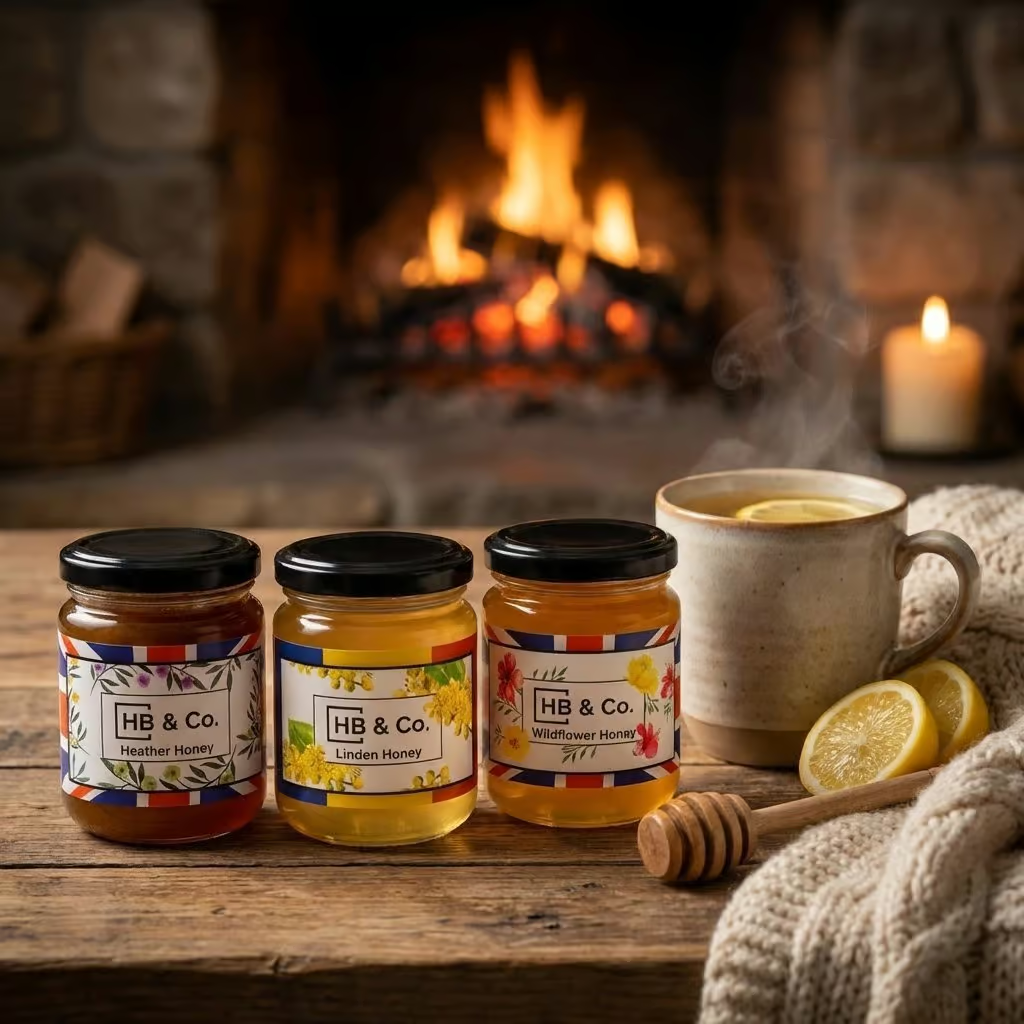
Our British range is exactly the kind of claim this guide tells you to look for: Heather from the Yorkshire Moors, Wildflower from Yorkshire and Midlands meadows, Soft Set from Midlands pastures, all from a British honey supplier who holds SALSA Certification. Named regions, a checkable certification, and a single country of origin. You can see the full British range on the British Honey page, or pick up all three together in the British Honey Bundle. If you take nothing else from this guide, take the habit it is built around: ask where a jar actually comes from, check that the answer matches what the label is legally required to say, and treat a vague "local" with the same polite scepticism you would give any other unverified claim on a food label.
British Honey Bundle
Heather, Wildflower and Soft Set together, all from our SALSA-certified British honey supplier. £33.22 instead of £34.97 bought separately, a 5% saving, and three jars means free UK delivery is included.
Shop the British Honey Bundle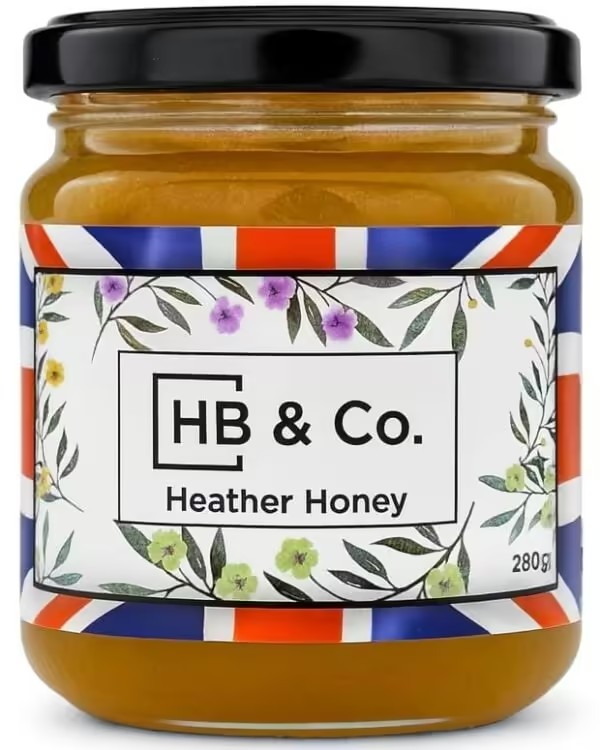
Prefer it delivered automatically at 20% off the retail price? Each of the three has its own subscription: Heather, Wildflower and Soft Set. Free UK delivery applies to any order of 3 or more jars. Read more about how the whole range is managed in our story.
Shop the Full Range
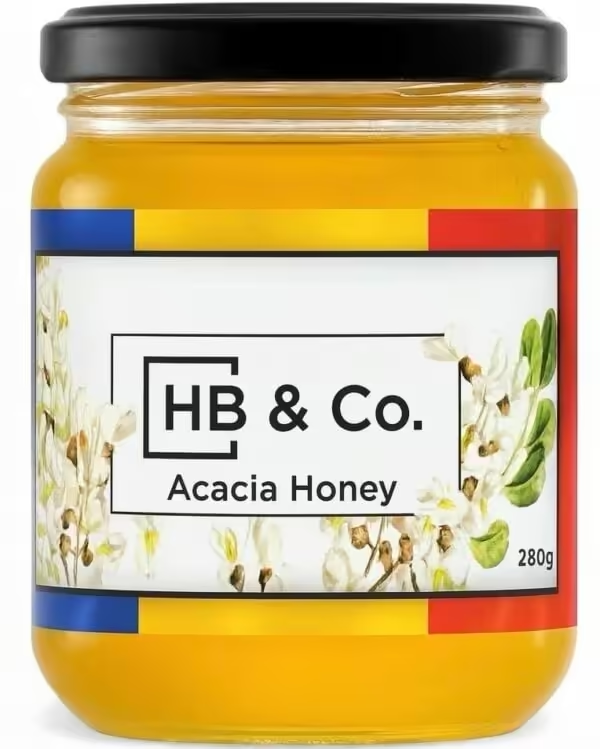 Acacia£10.99or £8.79/mo
Heather£12.99or £10.39/mo
Wildflower£10.99or £8.79/mo
Soft Set£10.99or £8.79/mo
Acacia£10.99or £8.79/mo
Heather£12.99or £10.39/mo
Wildflower£10.99or £8.79/mo
Soft Set£10.99or £8.79/mo
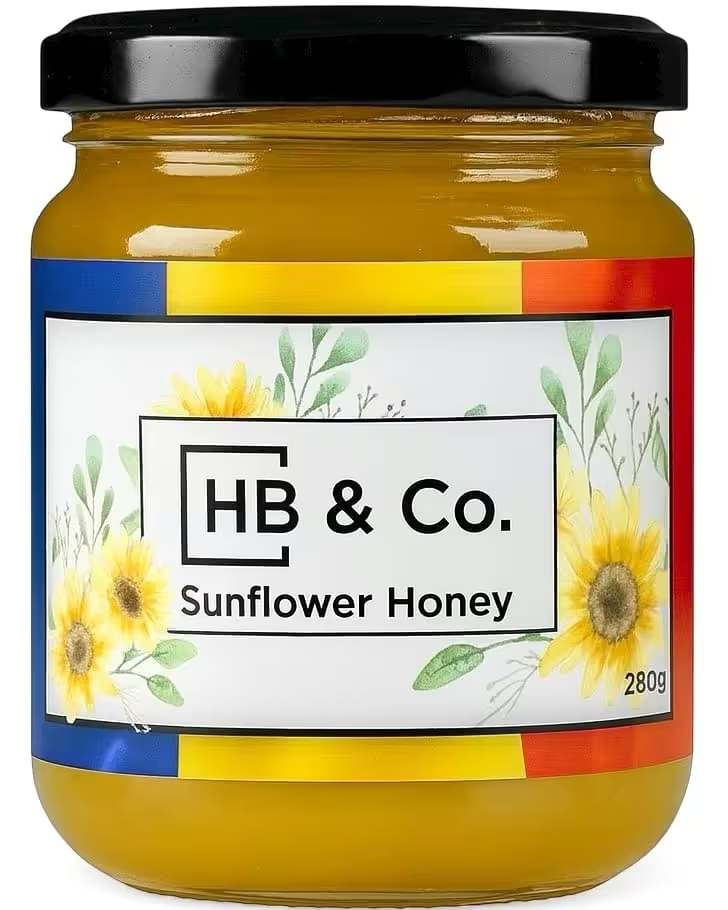 Sunflower£10.99
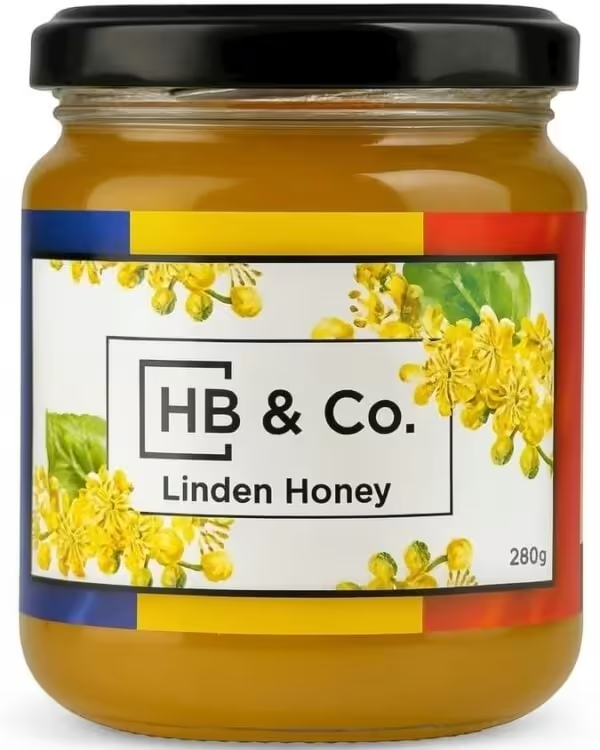 Linden£10.99
FAQ
What does "local honey" actually mean?
Is HoneyBee & Co.'s honey local to the UK?
Does local honey help with hay fever?
What does UK law actually require on a honey label?
How can I tell if honey is genuinely local rather than relabelled?
Is imported honey less safe than local honey?
What is the difference between "local," "British" and "single-origin" on a honey label?
Does "raw" mean the same thing as "local"?
Is British honey always local?
Will the new EU origin-labelling rules affect honey sold in the UK?
Is honey safe for babies?
How long does local or raw honey actually last?
Where can I buy genuine British honey online?
- European Commission Joint Research Centre, "Food fraud: How genuine is your honey?" (March 2023): joint-research-centre.ec.europa.eu
- European Commission, EU coordinated action "From the Hives" (Honey 2021-2022), including the mid-2026 origin-labelling reform: food.ec.europa.eu
- OLAF Report 2023, "No money for fake honey": ec.europa.eu
- The Honey (England) Regulations 2015 (SI 2015/1348), regulation 17 and related provisions: legislation.gov.uk
- Business Companion, "Labelling of honey" quick guide: businesscompanion.info
- BBC Science Focus Magazine, "Is local honey a cure for hayfever?": sciencefocus.com

Founder of HoneyBee & Co., continuing six generations of family beekeeping heritage.