
 English (UK)
  Italiano
  Français
  简体中文
简体中文  한국어
한국어 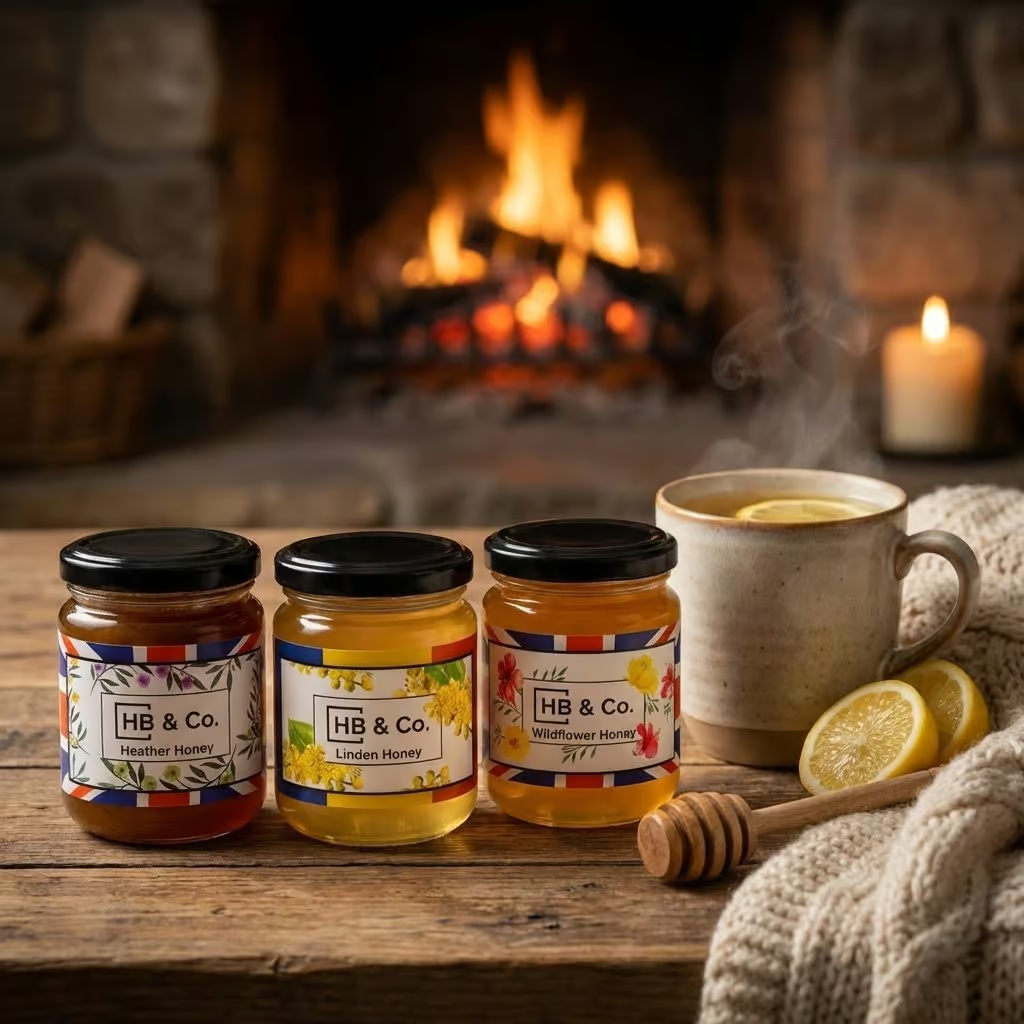
Best Honey for a Sore Throat:
a UK buyer’s guide
What NICE and the NHS actually say, and which raw honey carries best through a hot lemon drink.
The lemon-and-honey mug is one of the oldest British home rituals for a scratchy throat. UK clinical guidance has caught up with the tradition: NICE includes honey as a self-care option for uncomplicated acute cough in adults and children over one year of age,[1] and the NHS recommends warm honey-and-lemon drinks for sore throat self-care.[2] If you are reaching for a jar this season, here is how the six varieties compare on flavour and behaviour in hot water, and the two we would choose for the ritual. The pick is British Heather or Transylvanian Linden, with Acacia as the mild alternative.
At a Glance
What UK clinical guidance actually says about honey
For most coughs and sore throats caused by an upper respiratory tract infection, the official position in the UK is that antibiotics are not the answer. NICE guideline NG120, developed with Public Health England as part of the agenda on antimicrobial resistance, sets out an antimicrobial prescribing strategy for acute cough and provides self-care recommendations alongside it.[1]
Within that self-care section, honey is listed first. The committee reviewed a Cochrane systematic review and meta-analysis of three randomised controlled trials in 568 children and young people aged one to seventeen years, and agreed there was some evidence that honey reduced cough symptoms compared with placebo, no treatment, or the antihistamine diphenhydramine.[1][4]
NHS patient guidance for sore throat self-care suggests warm drinks of lemon and honey alongside rest, fluids, and over-the-counter pain relief.[2] The combination is older than the recommendation: lemon-and-honey water has been a domestic mainstay across Britain for generations, and the NHS guidance simply codifies a ritual most households already know.
A note on Manuka and antibacterial claims
You will see honey marketed in the UK with bold claims about antibacterial activity, MGO ratings, and being a treatment for coughs. The Advertising Standards Authority has taken a clear line on this: claims that a food product treats, cures, or prevents human disease are not permitted under the CAP Code, even when they echo NHS or NICE guidance.[5] A Manuka product was found in breach in 2021 for advertising along precisely those lines. We do not make therapeutic claims about our honey, and you should treat any honey brand that does with caution.
The honey-and-lemon ritual, done well
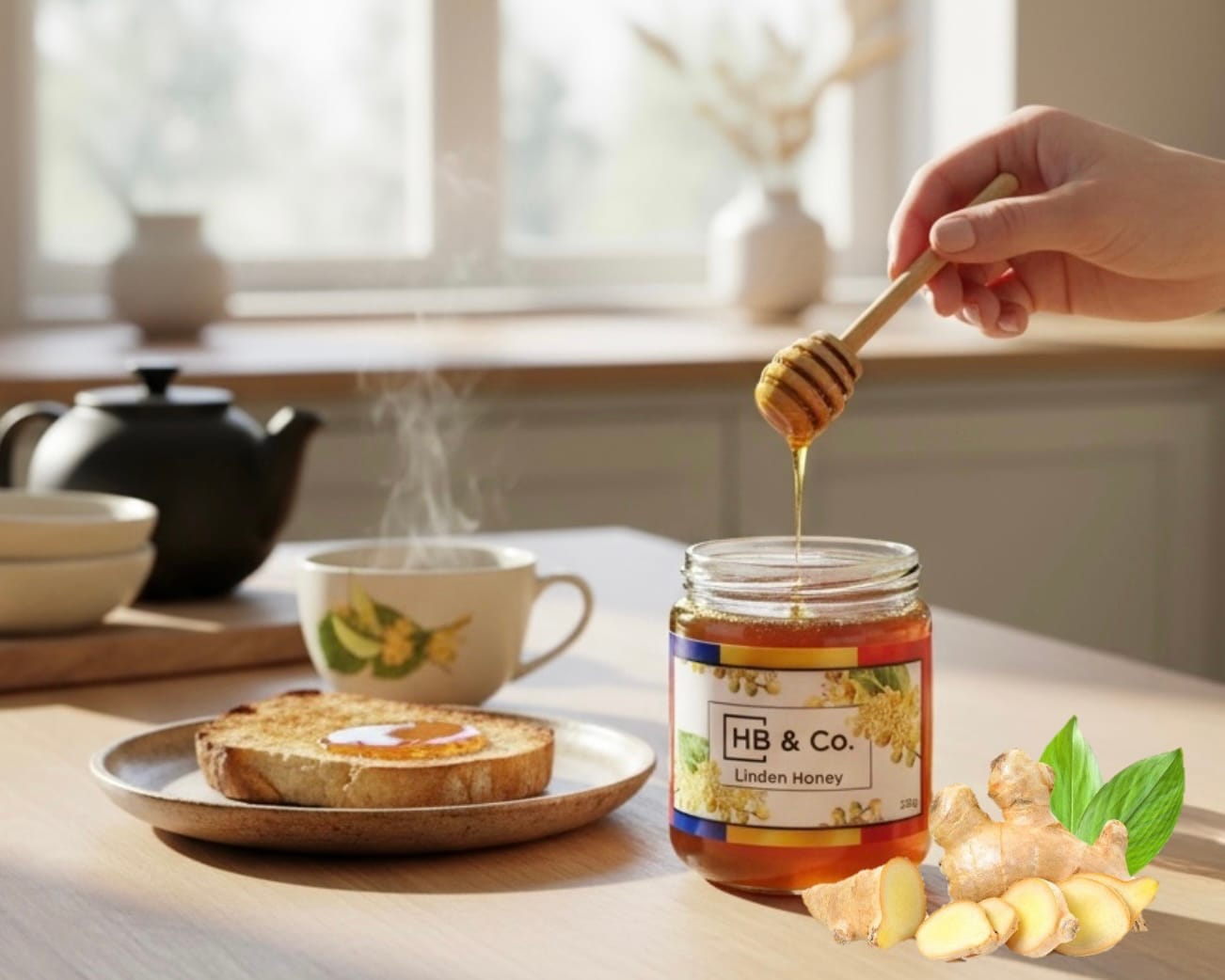
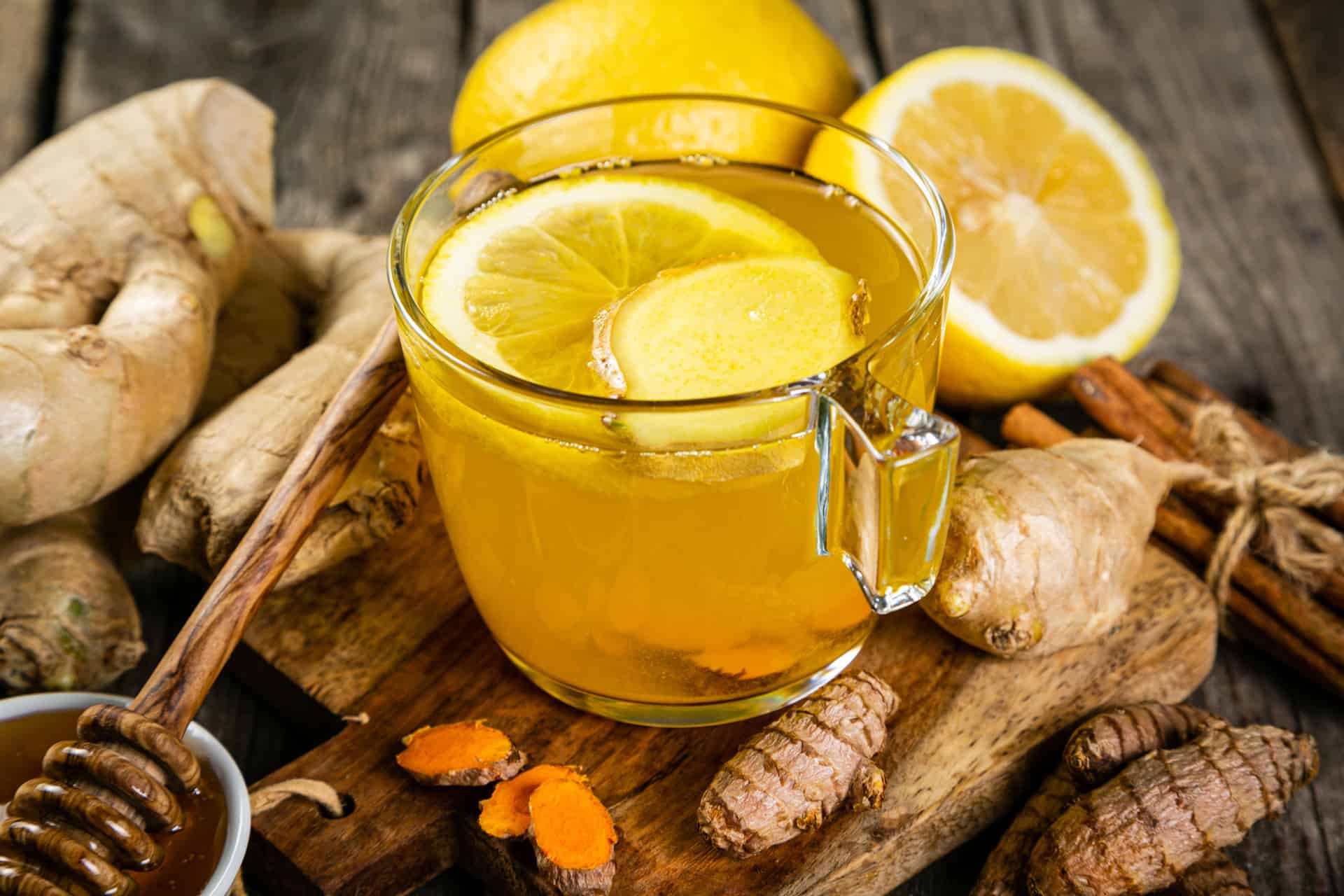
The classic preparation is simple: hot but not boiling water, juice of half a lemon, a generous teaspoon of raw honey, optionally fresh ginger or a pinch of black pepper. The reason to wait until the water is below boiling is sensory and practical rather than therapeutic. Raw honey contains heat-sensitive enzymes and aromatic compounds. Pour the kettle straight onto the honey and you flatten the flavour; let the water cool for two minutes first and the character of the honey carries through the mug.
Why raw honey is worth choosing here
Most supermarket honey has been pasteurised at temperatures between 60 and 80 degrees Celsius and ultra-filtered. The process produces a clear, runny, indefinitely liquid product that suits mass retail but loses much of what the bees originally packed in: pollen, enzymes, aromatic compounds, the subtle differences between one apiary and the next. For a hot drink where the flavour of the honey is the point, raw honey behaves differently. It tastes of where it came from.
Our six raw honeys are cold-extracted, never heated above hive temperature (around 40°C), and traceable to a single named region. Three come from our family apiaries in Transylvania, three from a SALSA-certified British supplier. Read more on what raw honey actually means in the UK if the terminology is new to you.
Comparing the six varieties for the hot lemon mug
The choice is sensory, not therapeutic. Below is how each of our six varieties behaves when stirred into a mug of hot water. The two we would reach for are highlighted. If you would rather try several at once, our Tea Lovers Honey Selection brings Acacia, Linden, and Heather together in one box.
| Variety | Character | In hot water | Best for the ritual |
|---|---|---|---|
| Heather | Dark amber, floral, smoky, the most assertive in the range | Carries through citrus and ginger without disappearing | Yes, top pick |
| Linden | Pale gold, herbal, cooling, traditional Eastern European bedtime variety | Adds a gentle minty-herbal lift to chamomile or plain hot water | Yes, bedtime pick |
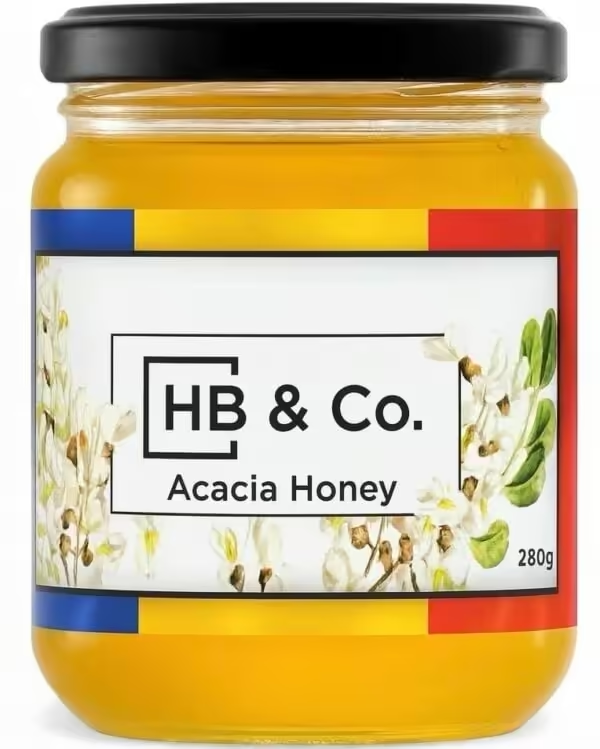
| Acacia | Almost water-clear, mild, slow to crystallise, near-neutral sweetness | Dissolves cleanly, sweetens without adding character | For anyone who prefers it mild |
| Wildflower | Polyfloral, seasonal, well-rounded everyday character | Works well, but flavour is more suited to toast and breakfast | Workable, not the first choice |
| Sunflower | Golden, caramel-buttery, naturally granulated | Crystals can go gritty if the water is not warm enough | Better in baking than in tea |
| Soft Set | Creamy, spreadable, controlled-crystallisation wildflower | Designed for toast, not for stirring through hot water | Wrong tool for this job |
Why our heather and linden
This is where editorial gets specific. Both varieties are raw, single-origin, and harvested in small windows that limit what is available in any year. Neither is what you will find blended on a supermarket shelf.
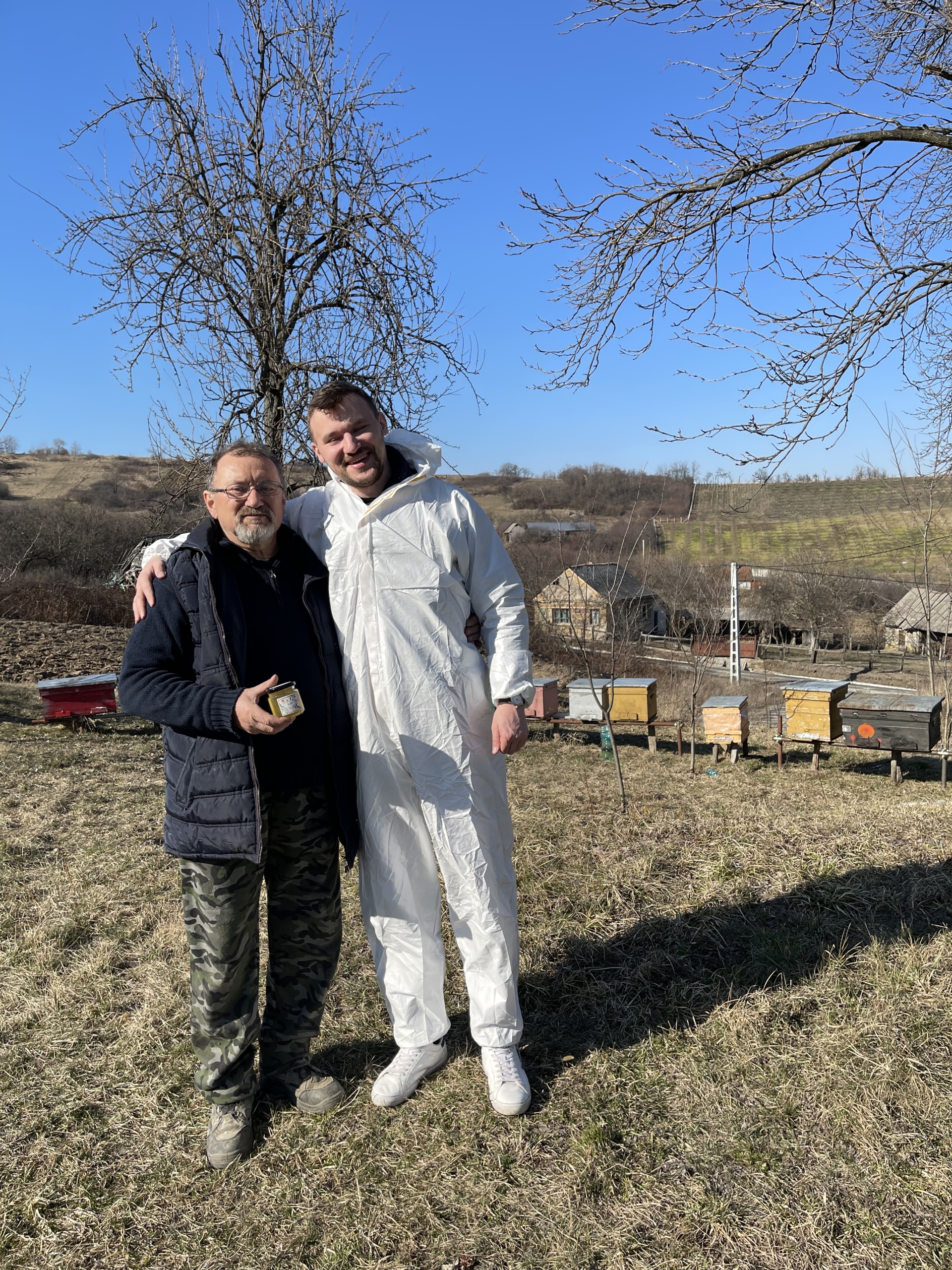
Our Transylvanian honeys come from apiaries the Nistor family has worked for six generations. Linden in particular is harvested across a two to three week window each summer when the tilia trees bloom; once the window closes, that is the year’s entire harvest. The British range, including Heather, is hand-harvested by our SALSA-certified British supplier on the Yorkshire Moors. Read more on the family story if provenance matters to you.
British Heather Honey: the assertive choice
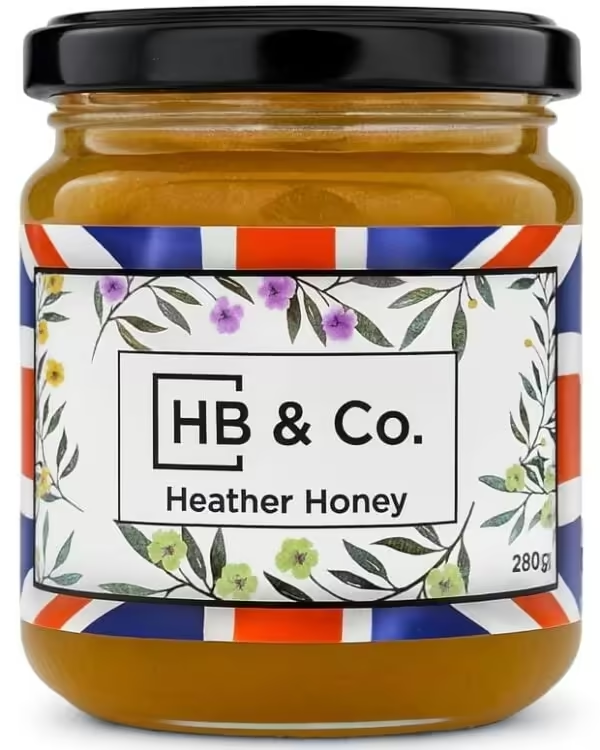
Heather is the most assertive honey in our range. In a hot lemon drink it does not vanish behind the citrus; the floral and faintly smoky character holds its own. It is also our rarest variety and our premium price tier, with a single annual harvest each August.
Linden Honey: the bedtime choice
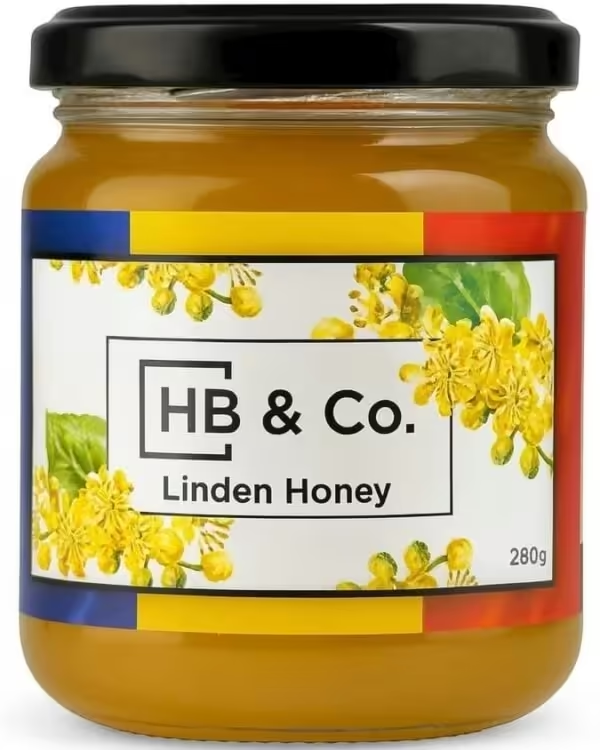
Linden has been the traditional bedtime variety across Eastern European households for generations. A teaspoon in warm milk or chamomile tea is the long-standing domestic ritual. The cooling, faintly minty character makes it a natural fit for an evening mug, and it pairs especially well with chamomile (we have a longer piece on chamomile in tea if you want the detail).
Acacia: the mild alternative
Keep a jar on hand for the season
Most households reach for honey more often between October and March. Our subscription delivers a fresh 280g jar every month, two months, or three months, with 20% off every delivery and free UK delivery on every order regardless of quantity. NHS staff can also use our 15% NHS Discount on one-time orders.
Browse the subscription range →What honey cannot do, and when to see a GP
It is worth being direct about this. Honey is food. The NICE evidence base is described in the guideline itself as low to moderate quality, drawn from a small number of trials, and the committee noted the clinical significance of the benefit is unclear.[1] Some of the effect may simply come from the soothing texture of a warm, sweet drink rather than from anything specific to honey as a substance.
- Sore throat that does not improve after a week
- Cough that lasts more than three or four weeks, worsens rapidly, or becomes severe
- High temperature, or feeling very unwell
- Difficulty breathing or swallowing, or a stiff neck
- You have a weakened immune system or a long-term health condition such as lung disease
- You are pregnant, or have a baby under three months old with any cough or fever
Frequently asked questions
Which honey is best for a sore throat?
Does honey work for a sore throat?
How much honey should I put in hot lemon water?
Is raw honey better than supermarket honey for a hot lemon drink?
Can I give honey to my child for a cough?
Is Manuka honey better for a sore throat than other raw honeys?
When should I stop using honey at home and see a doctor?
References
- National Institute for Health and Care Excellence. Cough (acute): antimicrobial prescribing (NG120). Published 7 February 2019. nice.org.uk/guidance/ng120
- NHS. Sore throat and Cough self-care guidance. nhs.uk/conditions/sore-throat
- NHS. Foods to avoid giving babies and young children. Infant botulism guidance for honey under 12 months. nhs.uk
- Oduwole O, Udoh EE, Oyo-Ita A, Meremikwu MM. Honey for acute cough in children. Cochrane Database of Systematic Reviews 2018, Issue 4. Art. No.: CD007094. cochranelibrary.com
- Advertising Standards Authority & CAP Code. Food: Disease prevention and treatment claims. CAP Code rule 15.6.2. asa.org.uk
- Subramanian R, Hebbar HU, Rastogi NK. Processing of honey: a review. International Journal of Food Properties, 2007.
The information in this article is for general guidance and does not constitute medical advice. Raw honey is not suitable for children under twelve months. If you have a medical condition, are pregnant, or your symptoms persist or worsen, consult a GP or registered healthcare professional. HoneyBee & Co. does not make therapeutic claims about its honey.