
 English (UK)
  Italiano
  Français
  简体中文
简体中文  한국어
한국어 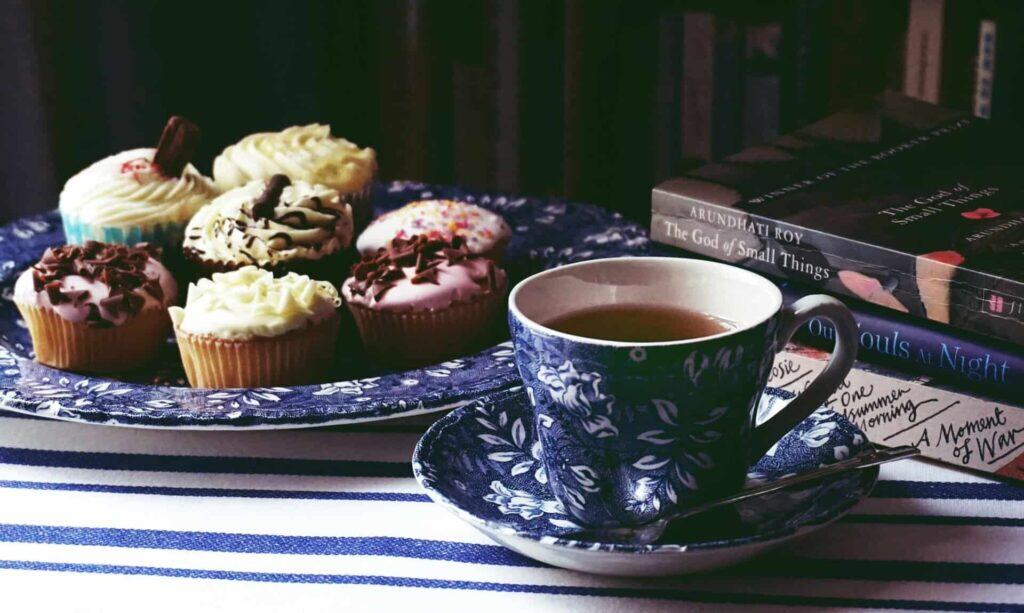
Afternoon Tea with Heather and Wildflower Honey
In This Guide
Key Takeaways
- Afternoon tea began in the 1840s with Anna Russell, the seventh Duchess of Bedford, as a way to bridge the long gap between lunch and dinner.
- The classic stand has three tiers: finger sandwiches, scones, and cakes, and honey has a place on every one.
- Wildflower honey is bright and floral, ideal for scones and lighter teas; heather honey is bold and aromatic, made for shortbread and rich black teas.
- Match the honey to the tea: delicate honeys with delicate teas, bold with bold.
- Build your own at home with our Tea Lovers' Selection, or keep the cupboard stocked with a honey subscription.
The Sweetest British Ritual
There are few things more quietly civilised than afternoon tea: a good pot of tea, a tiered stand of sandwiches and scones, and the unhurried pleasure of sitting down in the middle of the day. Honey belongs at the centre of it, and the two we keep coming back to are wildflower and heather: one bright and floral, the other dark and aromatic, between them covering almost everything you could want to drizzle, spread or stir. This guide walks through the history, the components, the teas, and exactly which honey to reach for at each turn.
A Short History of Afternoon Tea
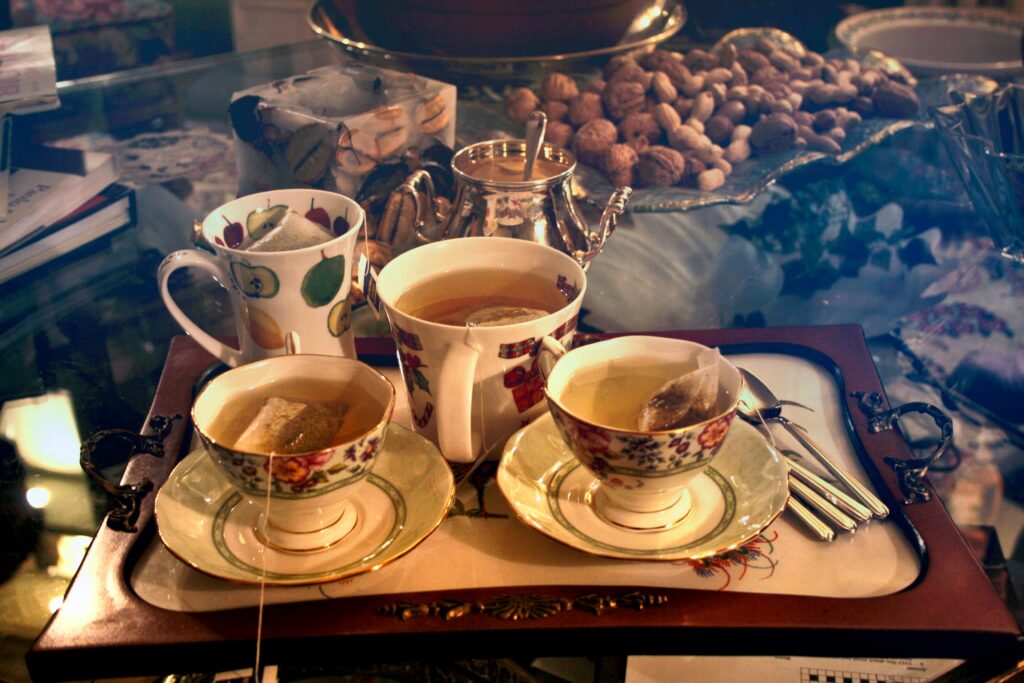
Afternoon tea is a Victorian invention. In the 1840s, Anna Russell, the seventh Duchess of Bedford, found the long stretch between an early lunch and a fashionably late dinner left her with what she called a "sinking feeling" in the afternoon. Her solution was a private pot of tea with bread and butter and a little cake, taken around four o'clock. She began inviting friends to join her, and a habit became a fashion.
From those aristocratic drawing rooms it spread into a national institution, and then a global one. Today afternoon tea ranges from grand hotel occasions to a quiet pot and a scone at the kitchen table, but the spirit is the same: a deliberate pause, made a little more special by what is on the plate. For the part honey plays in the cup, see our look at honey in tea.
What's on the Stand
The classic afternoon tea is built on three tiers, traditionally eaten from the bottom up, savoury to sweet:
- Finger sandwiches on the bottom: cucumber, smoked salmon, egg mayonnaise, coronation chicken. Crusts off, cut into neat fingers.
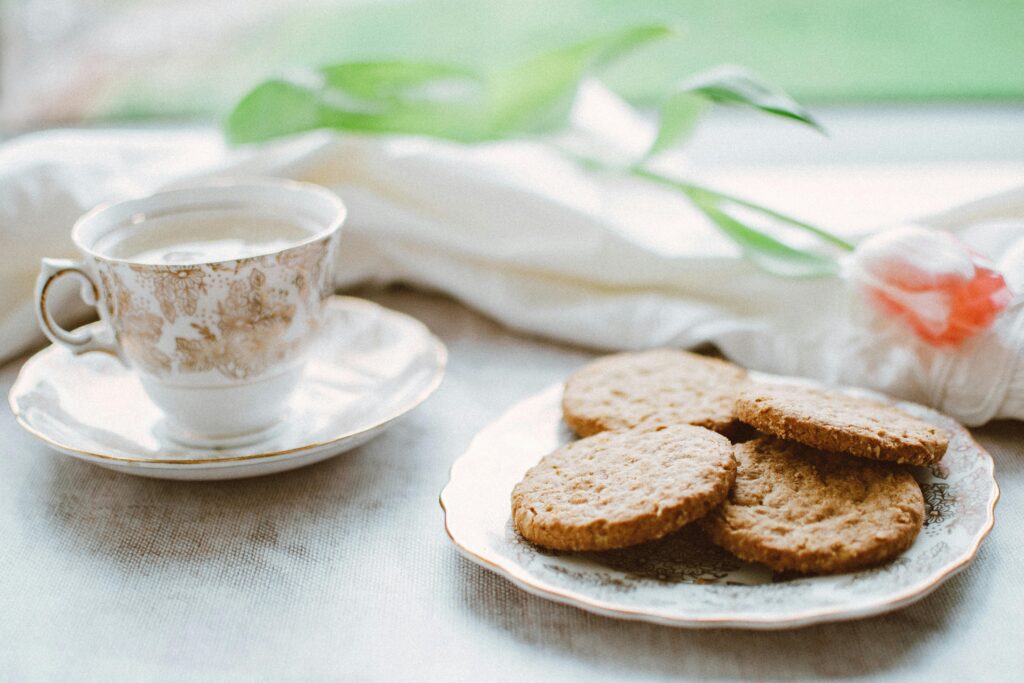
- Scones in the middle: warm, with clotted cream and jam, and a little honey is never unwelcome. A soft, floral wildflower honey is perfect here.
- Cakes and pastries on top: macarons, tarts, lemon drizzle, shortbread. This is where a bold heather honey earns its place.
Honey is the thread that runs through all three tiers, and choosing the right one for each treat is what lifts a nice afternoon tea into a memorable one.
The Stars of the Table
Two honeys do most of the work at a honey-led afternoon tea, and they could hardly be more different. Together they cover the whole table, the delicate end and the bold.
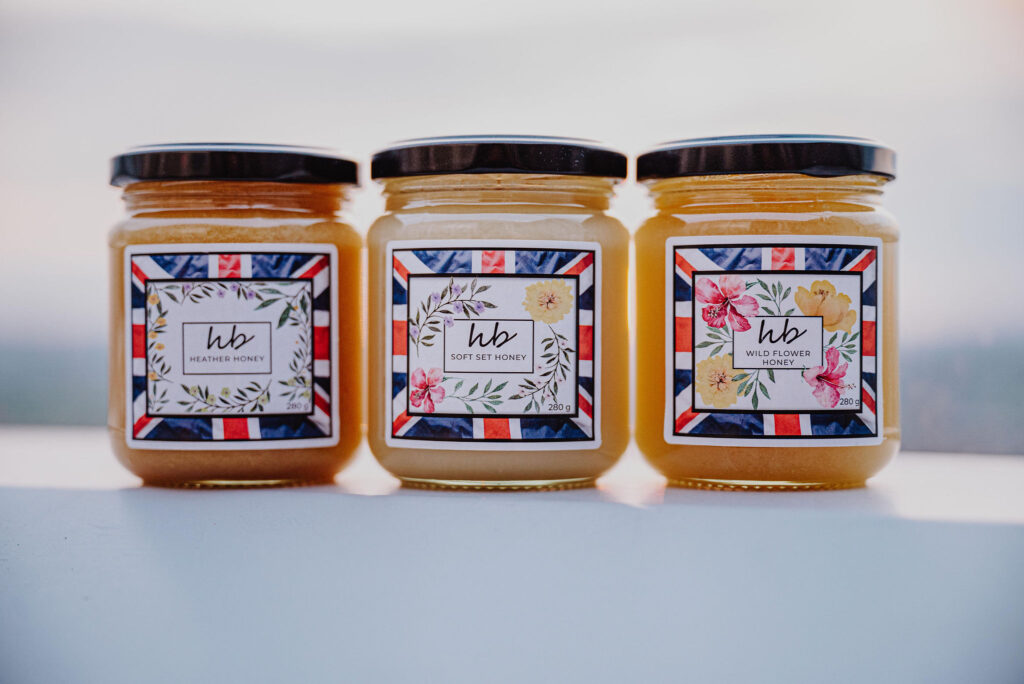
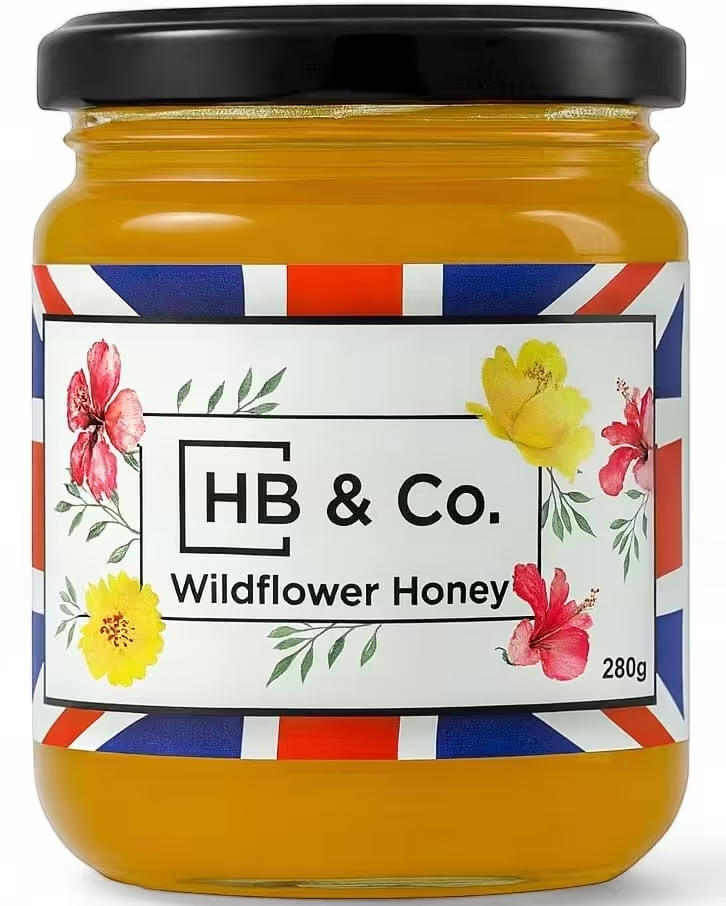
Raw Wildflower Honey, 280g
Bright, floral and rounded, the pollen of British meadows in every spoonful. The natural partner for warm scones and lighter teas.
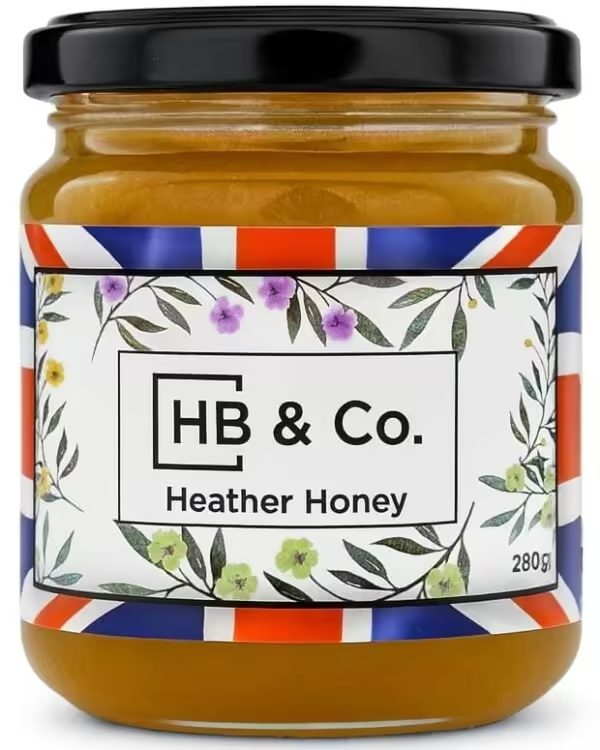
Raw Heather Honey, 280g
Dark amber, bold and aromatic, with a thick, almost jelly-like set. Made for shortbread, rich cakes and full-bodied black teas.
Choosing the Tea
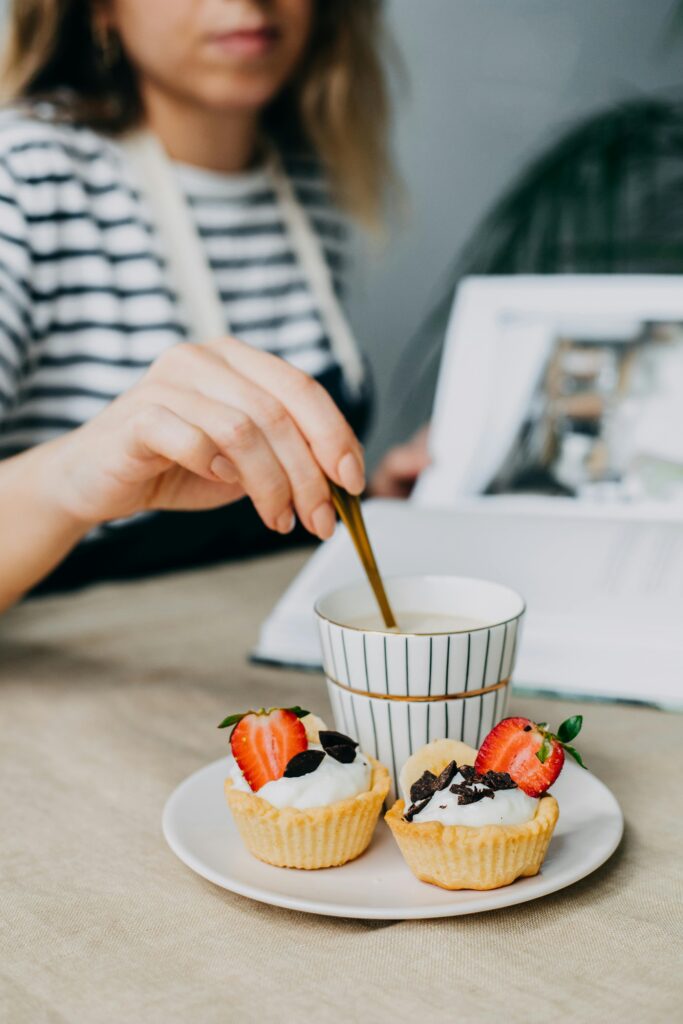
The tea sets the tone, and the honey should follow its lead. A few classics and what they ask for:
- Earl Grey. Bergamot and citrus, bright and aromatic. Lovely with a floral wildflower honey, or a restrained drizzle of acacia.
- Darjeeling. Light, muscatel, almost wine-like. Keep the honey gentle so it does not bury the tea.
- Assam and English Breakfast. Strong, malty black teas that stand up to bold honey. This is heather's moment.
- Green tea. Fresh and grassy. A soft, mellow honey like soft set complements without overwhelming.
- Chamomile and herbal infusions. Delicate and floral. A light honey such as acacia keeps things calm and clean.
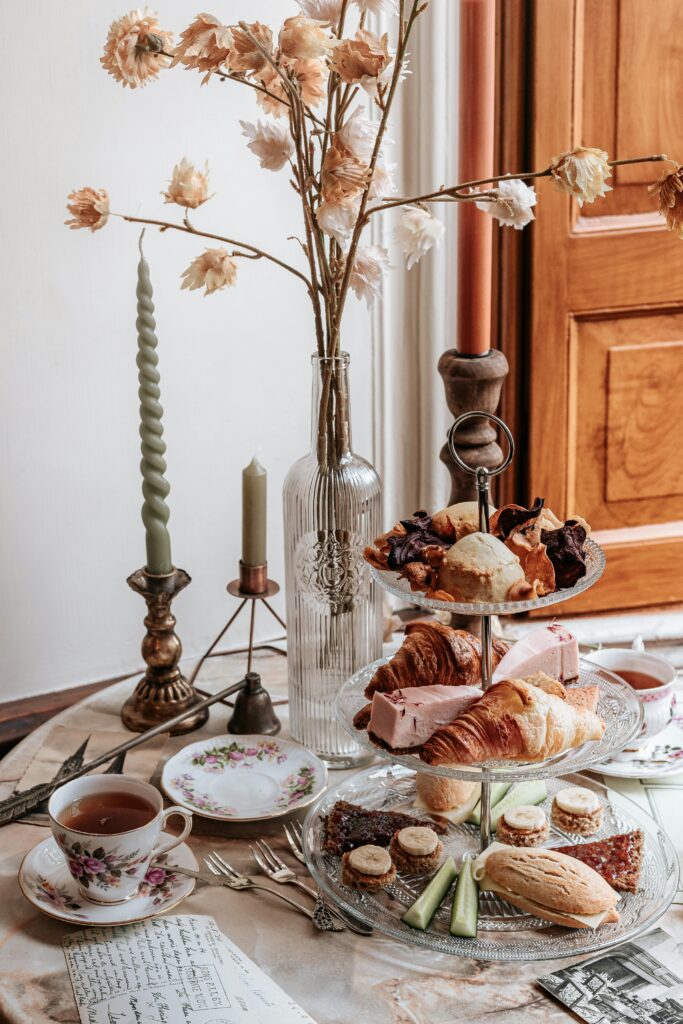
The golden rule is simple: match weight with weight. Delicate honeys with delicate teas, bold honeys with bold teas. Get that right and everything else falls into place. For a deeper dive on the lighter end, our piece on sunflower honey's taste is a good companion read.
Honey and Tea Pairing Guide
A quick reference for the table. Each of our honeys has a natural home at afternoon tea:
| Honey | Character | Pair with tea | Pair with treat |
|---|---|---|---|
| Acacia | Pale, mild, floral | Chamomile, Darjeeling, green | Plain scone, fresh fruit |
| Wildflower | Bright, floral | Earl Grey, white tea | Scones, lemon drizzle |
| Heather | Bold, aromatic | Assam, English Breakfast | Shortbread, rich fruit cake |
| Soft Set | Smooth, mellow | Green tea, Earl Grey | Crumpets, warm toast |
| Sunflower | Warm, gentle | Breakfast blends | Buttered teacakes |
| Linden | Fresh, lime-blossom | Herbal and floral teas | Madeleines, sponge |
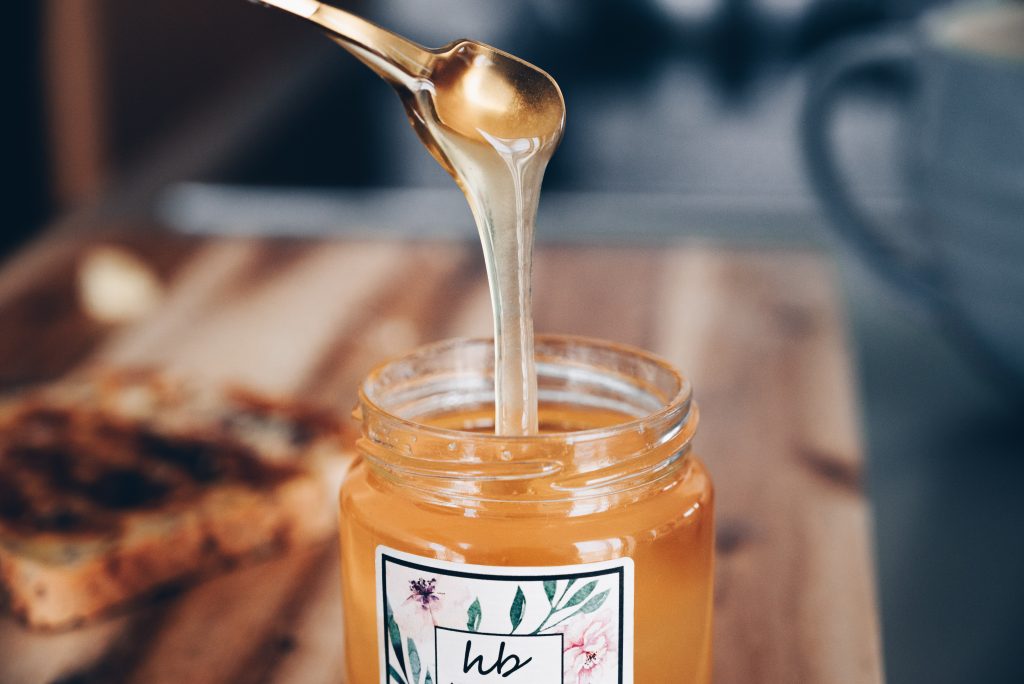
Want the whole spectrum on the table at once? The Tea Lovers' Selection is built exactly for this, and the difference between supermarket and artisanal honey is never clearer than alongside a good pot of tea.
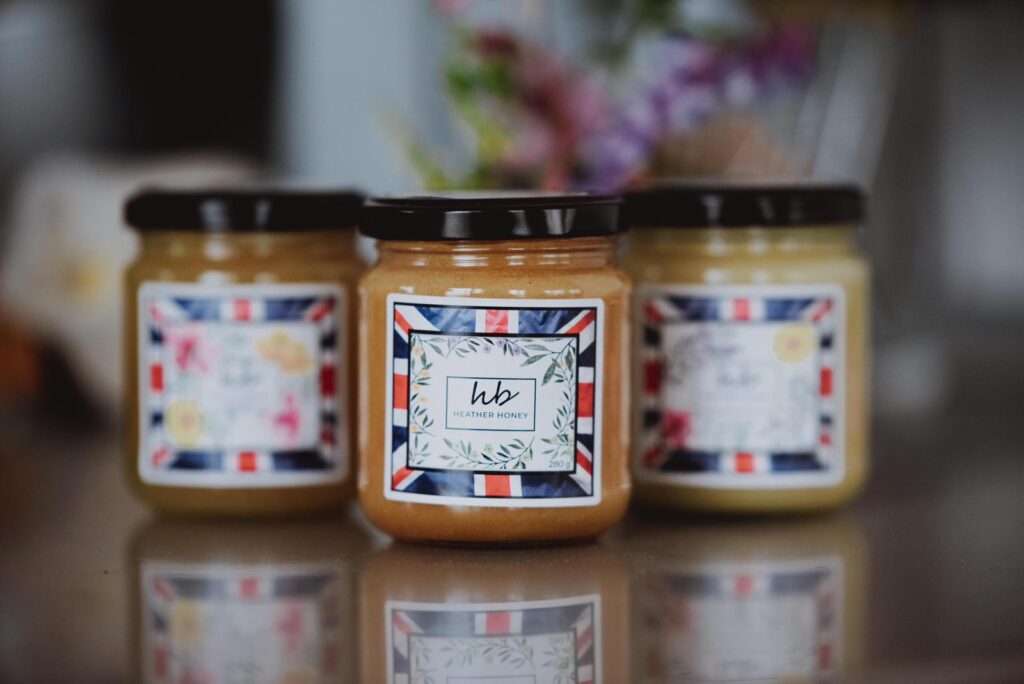
Heather vs Wildflower
Since these two are the headline act, it is worth knowing exactly how they differ:
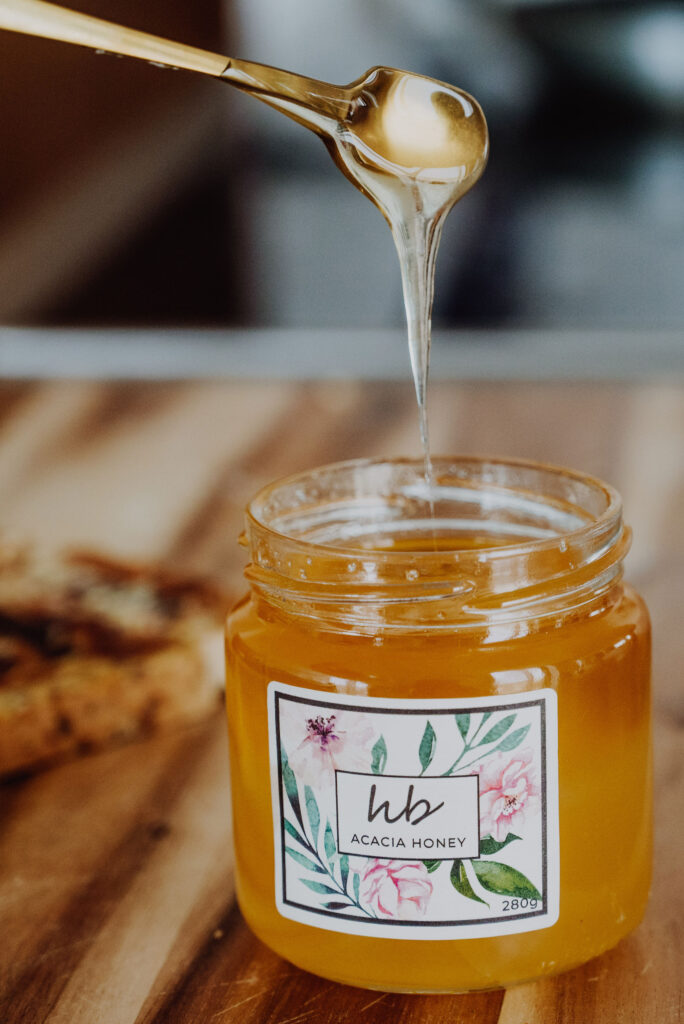
Wildflower honey is multifloral, made from whatever is in bloom across British meadows and hedgerows. That gives it a bright, rounded, gently floral character that shifts a little from season to season. It is the easy-going all-rounder, equally at home on a scone or stirred into a morning cup.
Heather honey is something else entirely. Made from the late-summer bloom of moorland heather, it is dark, thick and intensely aromatic, with a distinctive tang and a famously jelly-like set. It does not whisper; it announces itself, which is exactly why it is so good with strong teas and buttery shortbread. For a full side-by-side, read our wildflower vs heather taste comparison.
Brewing and Serving
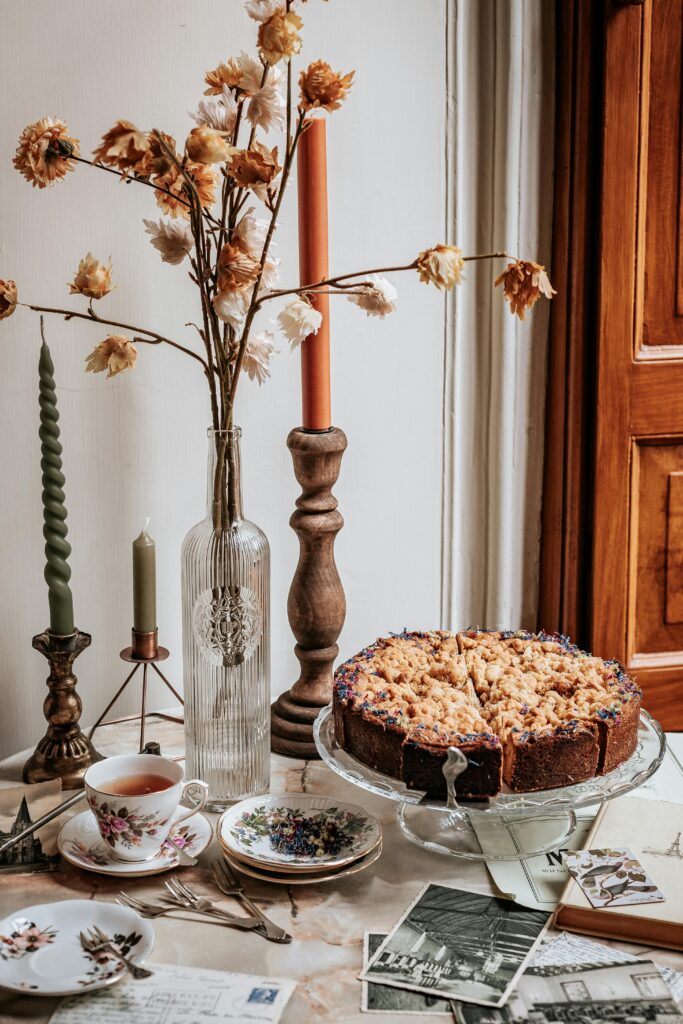
A good cup is mostly common sense done carefully:
- Use fresh, just-boiled water for black teas; let it cool a little (around 80C) for green and white teas, which scorch if the water is too hot.
- Warm the pot first, then use roughly one teaspoon of loose leaf per cup.
- Time it. Black teas want three to five minutes; green teas two to three. Over-brewing turns tea bitter.
- Add honey last, once the tea has cooled slightly off the boil, so the flavour comes through. Stir and taste before adding more.
The great debates, settled politely
Afternoon tea comes with a few cheerful arguments, and it is worth knowing where you stand:
- Jam or cream first? In Cornwall it is jam first, then cream on top. In Devon it is cream first, then jam. Both are correct in their own county, and neither side will ever concede.
- Milk in first, or tea? Tradition is divided. Milk-in-first was once practical, protecting delicate china from the hot tea. With sturdy modern cups, tea first lets you judge the strength as you pour. Take your pick.
- Break, don't cut. Scones are broken by hand, not sliced with a knife.
Build Your Own Afternoon Tea
You do not need a hotel booking. A lovely afternoon tea at home comes down to a few good choices:
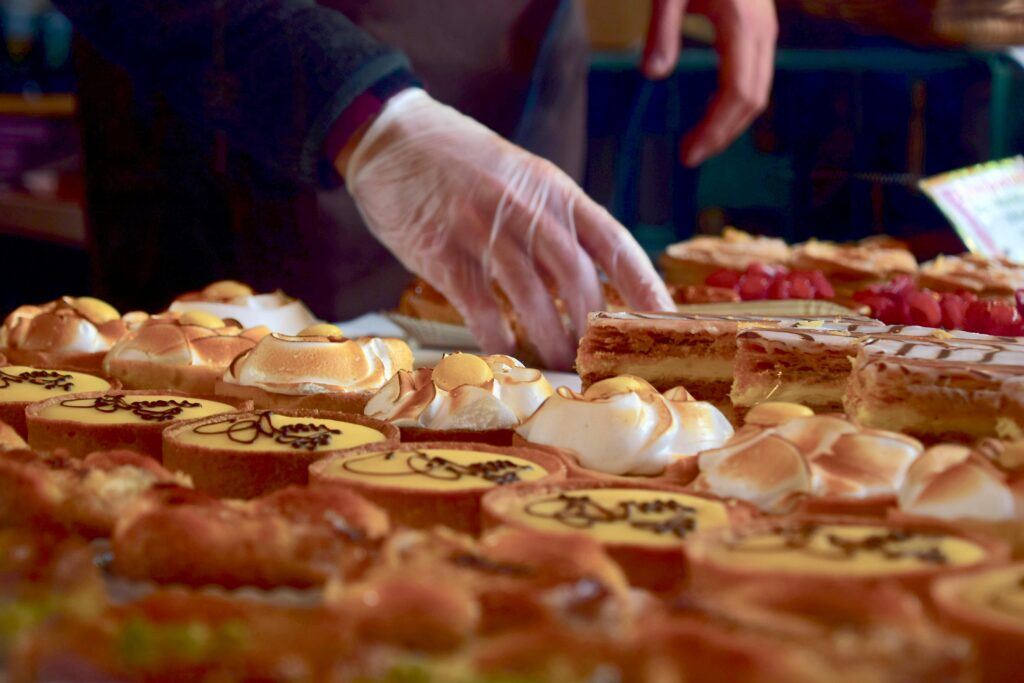
- Savoury: two or three finger sandwiches. Cucumber, smoked salmon and cream cheese, egg mayonnaise.
- Scones: warm, with clotted cream, a good jam, and a jar of wildflower honey alongside.
- Sweet: a lemon drizzle, a few macarons, and shortbread to go with the heather honey.
- Tea: one classic black (Earl Grey or breakfast) and one lighter option (green or chamomile), so guests can choose.
- Honey: set out two or three to taste. A pale, a floral and a bold covers everyone.
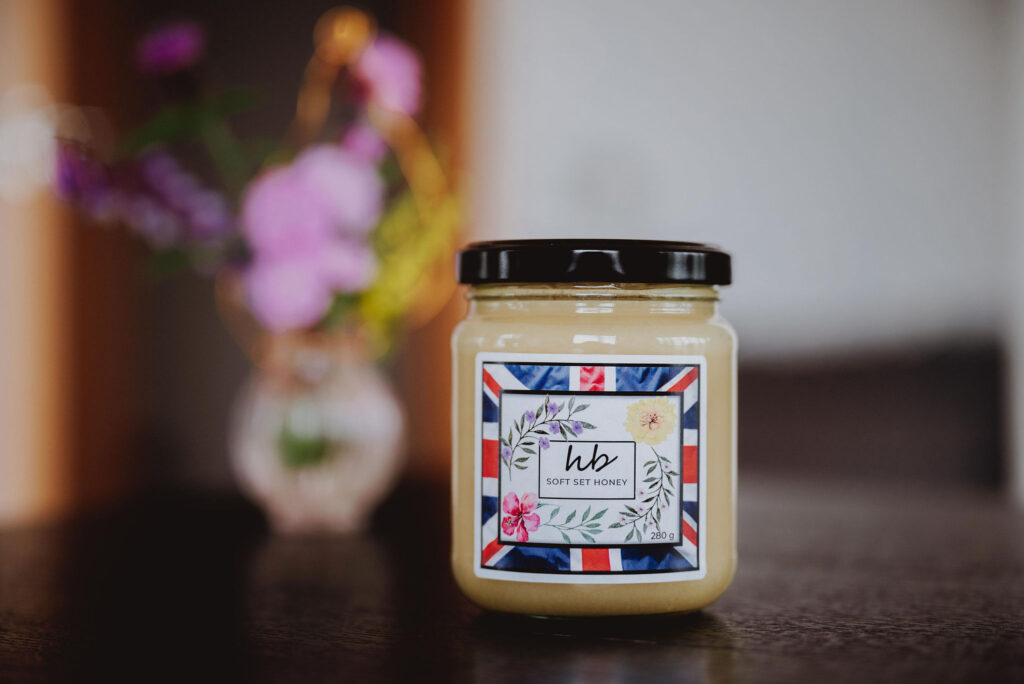
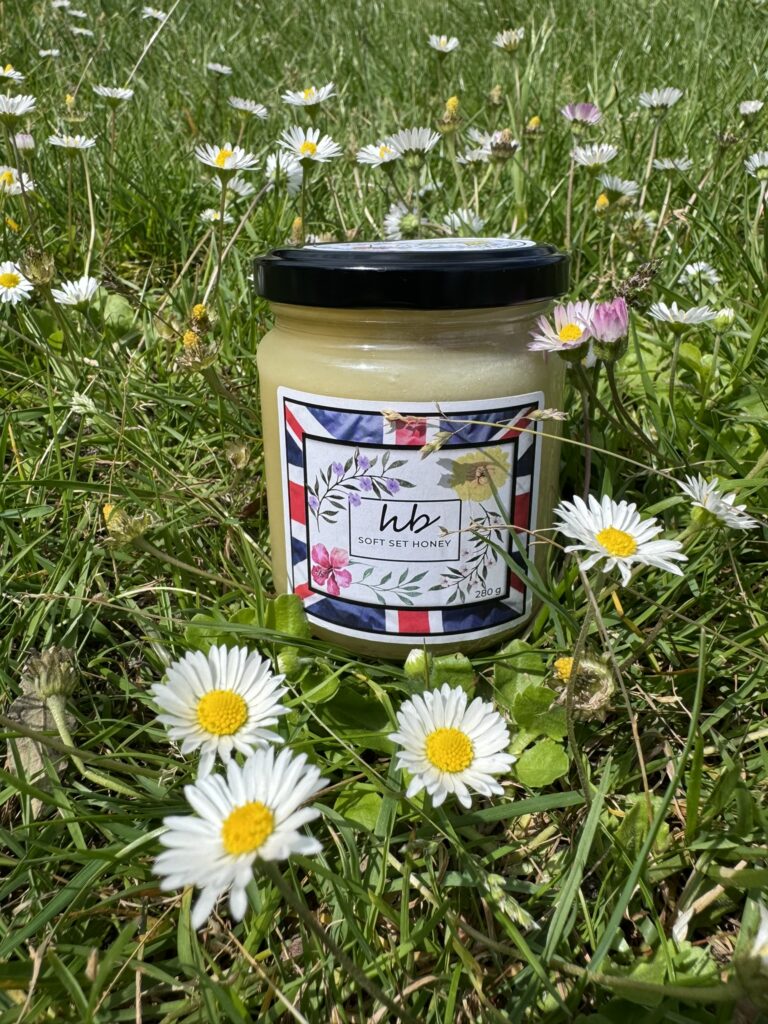
Soft set honey deserves a special mention here: its smooth, spreadable texture is made for a warm scone or crumpet, and it never drips off the knife. It is the most practical honey on the table.
Gifts, selections and subscription
Everything you need for a honey-led afternoon tea, whether for yourself or as a gift. Free UK delivery on three or more jars and on every subscription order.
Tea Lovers' Selection
A curated set of our most tea-friendly honeys, chosen to pair across the whole afternoon.
Shop the selection › BestsellerDiscovery Trio
Acacia, Wildflower and Heather, the three honeys this guide leans on most. Save 5%, £33.22.
Explore the trio › Subscribe & saveHoney Subscription
Keep your favourites stocked, 20% off and free delivery, pause any time. From £8.79 a month.
Start a subscription › For someone specialHoney Gift Sets
Ready-to-give boxes of single-origin honey, perfect for a tea lover.
See the gift sets › The lotThe Full Collection
All six honeys, so every tea and every treat has its perfect match.
Shop the collection › For businessCorporate Gifting
Premium honey gifts for clients and teams, ideal for a corporate tea.
Explore corporate gifting ›
Five Afternoon Tea Myths
Myth 1: "High tea is the posh one."
The opposite. "High tea" was historically a working-class evening meal, eaten at a high dining table after work, with hot, hearty food. The elegant cakes-and-scones affair is "afternoon tea", taken at a low sitting-room table. If you are at a hotel eating dainty sandwiches, it is afternoon tea.
Myth 2: "You should add honey to boiling tea."
Let the tea cool slightly first. Stirring honey into water just off the boil keeps its delicate aromatics, which a rolling boil can flatten.
Myth 3: "There is one correct way to do a scone."
There is one correct way in Cornwall (jam first) and a different correct way in Devon (cream first). Both counties are entirely sure they are right.
Myth 4: "Light honey is just weaker honey."
Colour reflects the flower, not the strength or quality. Pale wildflower and dark heather are both raw, single-origin honeys, simply from different blossom.
Myth 5: "Honey is only for the scones."
Honey belongs across the whole table: stirred into the tea, drizzled on cake, spread on shortbread, even alongside the cheese. Matching honey to each course is half the fun.
Frequently Asked Questions
What time is afternoon tea served?
What is the difference between afternoon tea and high tea?
Which honey is best for afternoon tea?
What is the difference between heather and wildflower honey?
Do you put jam or cream on a scone first?
Should you add milk before or after the tea?
Can I host afternoon tea at home?
How do I keep honey on hand for regular tea times?

Dragos Nistor
Dragos Nistor is the founder of HoneyBee & Co., a family honey brand built on six generations of beekeeping heritage. He writes about honey, provenance and the small rituals, like a proper afternoon tea, that good honey makes better.
Sources and Further Reading
- Historic UK. The History of Afternoon Tea. historic-uk.com
- Encyclopaedia Britannica. Anna Russell, Duchess of Bedford and the origins of afternoon tea. britannica.com
- BBC. How did tea become the nation's favourite drink? bbc.co.uk
- UK Tea & Infusions Association. Tea brewing guidance. tea.co.uk
- Bogdanov, S. et al. The Book of Honey, Bee Product Science, on honey sensory characteristics. bee-hexagon.net