
Honey is very sweet and succulent; it is delicious! However, it does contain sugar. Therefore, it is important that you take care of your teeth so that you can enjoy eating honey.
Key Takeaways
- Honey contains natural sugars that bacteria ferment into acid, which can temporarily soften enamel and increase the risk of demineralisation.
- Eating honey in one sitting and avoiding other sugary foods for at least 30 minutes helps saliva restore a healthy mouth pH.
- Brushing immediately after eating honey can damage softened enamel, so waiting 30–40 minutes is safer for tooth health.
- Using fluoridated toothpaste supports enamel remineralisation and reduces the risk of decay when consuming sugary foods like honey.
- Honey can be enjoyed as part of a balanced diet if good oral hygiene habits are consistently followed.
When we consume anything that contains sugar, bacteria in our mouths ferment these sugars and create an acidic product. This acidic product can cause demineralization of our tooth surfaces. This means that the enamel that coats your teeth can get broken down, exposing the yellow dentine. This can lead to tooth sensitivity. But do not worry! I shall give you some top tips to prevent this from happening so that you can enjoy your treat!
It is essential to understand that the acid produced can lower the pH in your mouth. And only when the pH is lowered to below 5.5, is when the demineralization of your teeth starts to occur. My first top tip to prevent this from happening is to eat the honey in one sitting. By enjoying the pure honey in one go, and not eating anything else that is sugary for the next 30 minutes, you are allowing enough time for the pH to recover and increase again back to the healthy level of pH 6.7.
It is only when you keep consuming the honey, every 5-10 minutes, that the pH does not have a chance to recover and will reach pH 5.5. So, enjoy your honey in one sitting, and refrain from eating anything else that is sugary for the next 30 minutes! Eating raw honey during a meal and other foods can also protect your teeth more than eating it alone!
My second tip for you all is to avoid brushing your teeth straight after eating honey. A common misconception is that people think it is good to brush their teeth straight after consuming sugary foods, however, this is incorrect! After eating sugar, the enamel on your teeth is slightly softer and weaker due to the acidic fermentation products produced by the bacteria. Therefore, it is best to wait at least 30-40 minutes before brushing your teeth, as any hard friction caused by a toothbrush whilst the enamel is softer may actually erode the enamel away, increasing the risk of tooth decay and sensitivity! So make sure you relax for 30-40 minutes after eating the honey, and put your feet up!
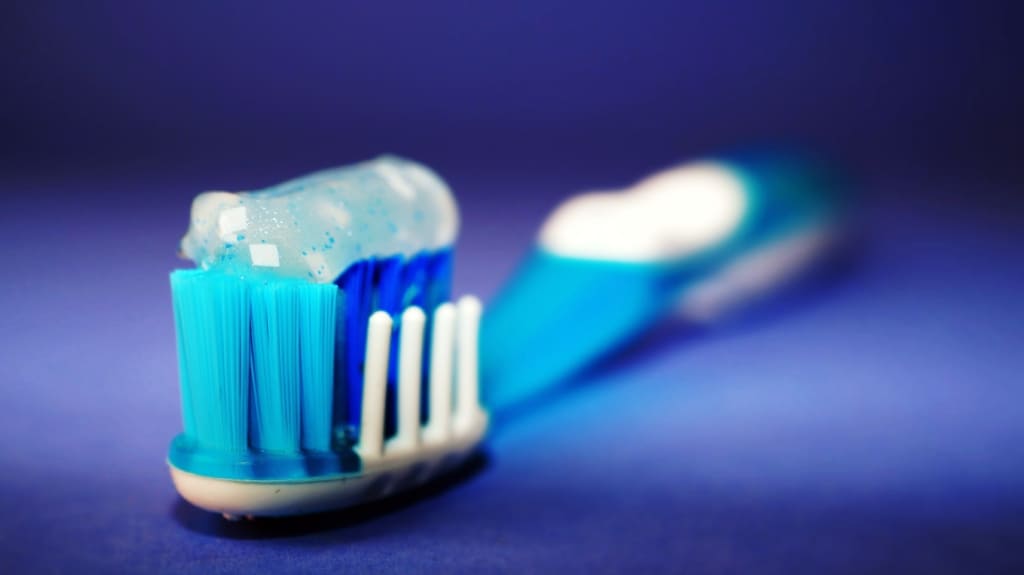
My third top tip for you is to use fluoridated toothpaste when brushing your teeth. Many researchers, including research by the World Health Organisation, have proven that fluoride ions help to keep the enamel on your teeth strong, as it remineralizes them. This prevents tooth decay and improves the health of your teeth. Aim to brush twice a day; once in the morning and once in the evening. Make sure you do not rinse your mouth with water after brushing, as this allows the fluoride from the toothpaste to remain on your teeth so that it can work its magic!
By understanding the biological structure of our teeth and the chemical processes that occur when we eat sugar, we can adapt our daily habits to ensure that we can enjoy our honey without worrying about destroying our teeth. So make sure you keep cleaning and enjoy eating!
Maroua Benterkia – Dentist
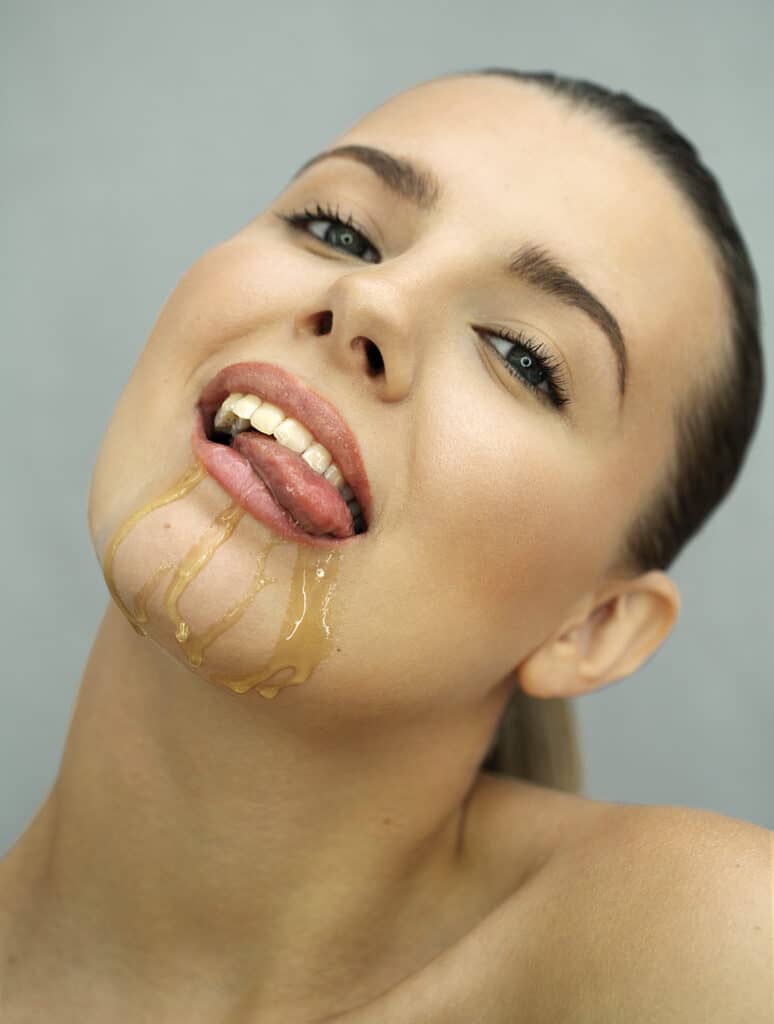
Can honey be good for your teeth?
While honey is often thought of as a natural sweetener and has some potential health benefits, it is not necessarily good for your teeth.
Honey is high in sugar and can promote the growth of bacteria that cause tooth decay. The bacteria in your mouth consume the sugar from the honey and produce acid as a byproduct, which can erode tooth enamel and lead to cavities.
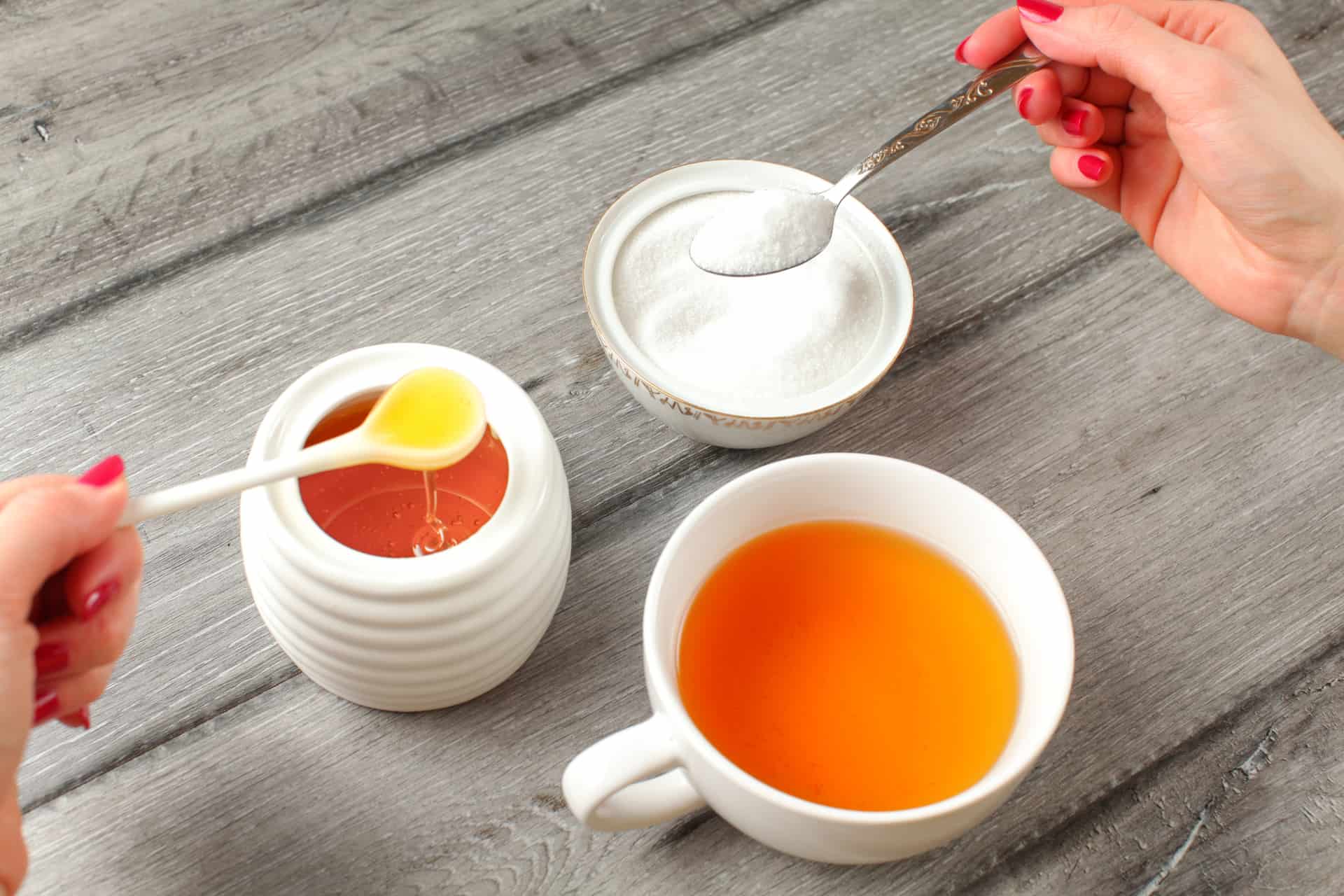
In addition, honey is sticky and can cling to your teeth, making it difficult for saliva to wash it away. This prolonged exposure to sugar can further increase the risk of tooth decay.
While there are some natural antibacterial properties in honey, these are not enough to counteract its negative effects on dental health.
Therefore, while honey can have some potential health benefits when consumed in moderation, it is not recommended as a tooth-friendly food. It’s best to practice good oral hygiene habits, such as brushing twice a day, flossing daily, and visiting the dentist regularly, to keep your teeth healthy.
Is honey bad for your teeth?

Honey is not tooth-friendly because it is high in sugar, which feeds bacteria that produce enamel-eroding acids, but its impact can be reduced with proper oral care and timing.
Should you brush your teeth after eating honey?

You should wait at least 30–40 minutes before brushing after eating honey to avoid damaging enamel that has been temporarily softened by acid.
Is honey worse for teeth than other sugars?
Honey is similar to other sugars in its effect on teeth, but its sticky texture can cause it to cling longer to enamel, increasing the importance of good oral hygiene.