
 English (UK)
  Italiano
  Français
  简体中文
简体中文  한국어
한국어 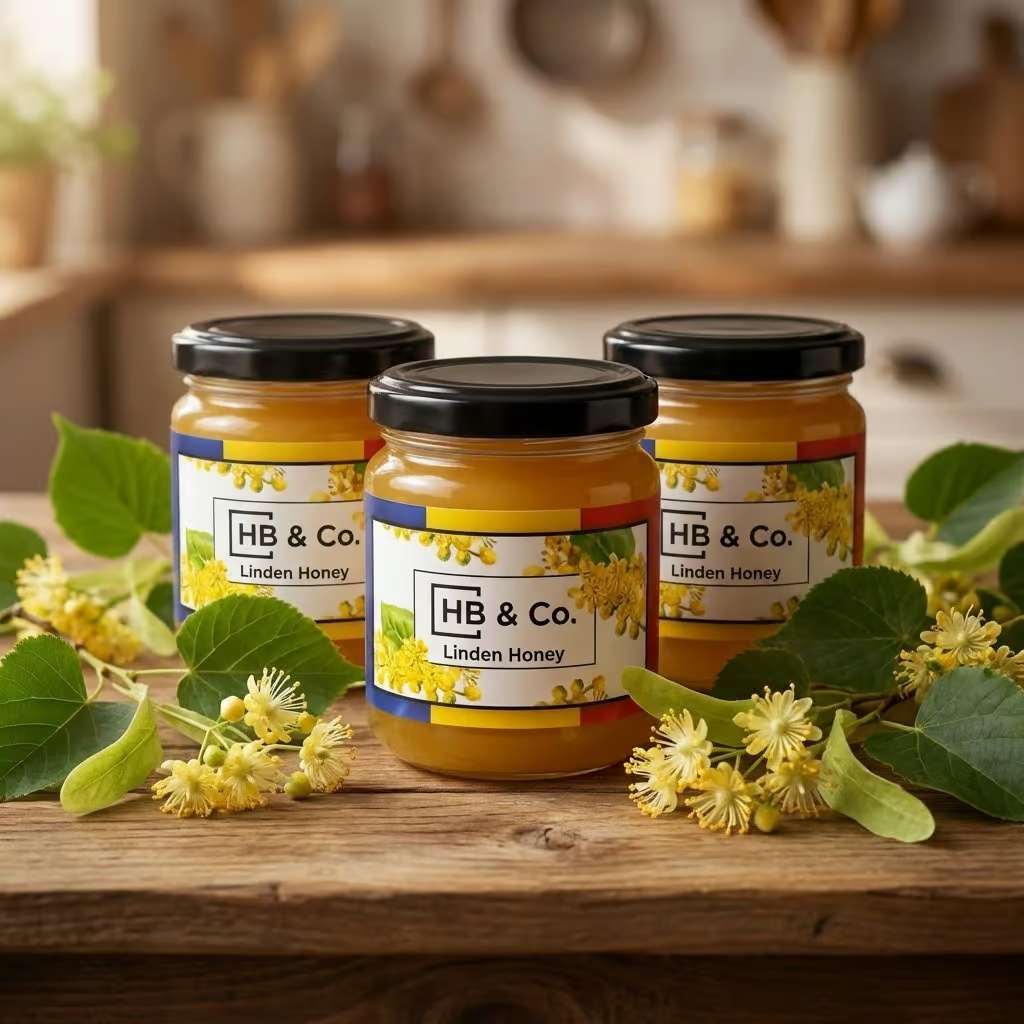
Three Jars of Our Tea-Drinkers' Favourite
Stock Up and Save
Light golden, woody, and minty. Our Linden (lime blossom) honey is a Transylvanian staple with centuries of tradition behind it. Stock up with three 280g jars from our family hives in the ancient Linden groves of Transylvania. Never heated, never blended.
- Raw, unfiltered, never heated
- Family hives in Transylvania
- Soft set, easy to spoon
- Free UK delivery, 2 to 5 working days
About this honey
What Makes Our Linden Special
Single-origin from ancient Transylvanian Linden groves, bottled raw.
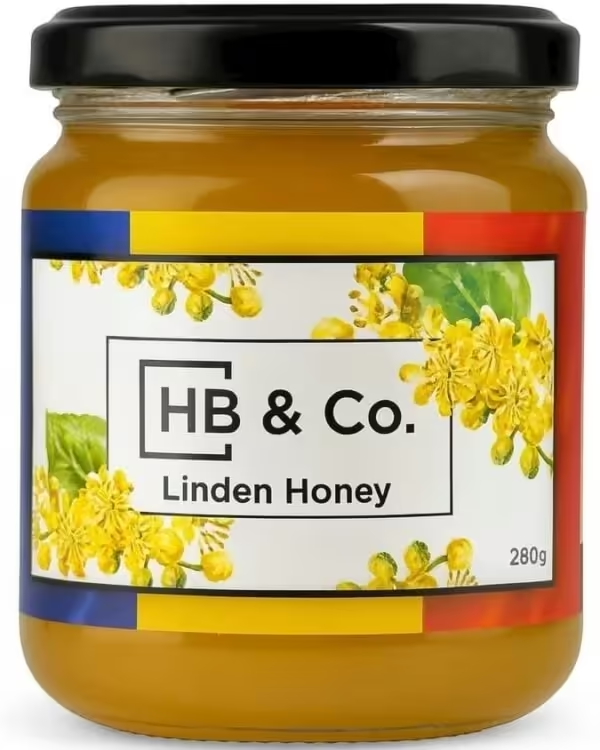
Product images are indicative. Natural raw honey varies in colour and texture by batch and season. That variation is the signature of authentic single-origin honey.
How to enjoy
Six Ways to Use Linden Honey
Distinctive woody-minty character. Here is where it earns its place.
In chamomile and herbal tea
Linden's woody-minty notes complement chamomile, peppermint, and rooibos blends perfectly. The traditional Eastern European bedtime ritual.
In a bedtime warm milk
Warm milk, a teaspoon of Linden honey, optional pinch of cinnamon. The classic European wind-down drink before sleep.
With aged cheese
Linden's herbaceous complexity pairs beautifully with manchego, gorgonzola, and well-aged cheddar. An unexpected but exceptional cheese course.
On lemon tart and panna cotta
The aromatic mint-and-wood character adds a sophisticated dimension to bright desserts. A drizzle elevates a simple lemon tart into something special.
In gin cocktails
Linden's complexity adds unexpected depth to gin cocktails. Mix 1:1 with hot water for a syrup, then add to a Bee's Knees or herbal-forward gin spritz.
Eaten by the spoonful
Linden's distinctive flavour rewards being tasted on its own. Some Eastern European households serve a small bowl of Linden honey alongside fresh bread and butter.
Why stock up
Why Three Jars of Linden?
A traditional honey loved by tea drinkers and herbal-tea enthusiasts.
1
The Tea-Drinkers' Honey
Linden's gentle herbaceous character is the natural partner for chamomile, peppermint, and other herbal blends. A spoon before bed is a Transylvanian tradition.
2
Family-Harvested in Transylvania
All three jars from our family apiaries in Transylvania. The Nistor family has harvested Linden honey from these same ancient groves for six generations.
3
Sets Softly
Linden sets to a soft, medium-textured crystal that is easy to spoon. The flavour is unchanged by setting. Warm gently in water if you prefer it liquid.
4
Free Delivery, 5% Off
Three jars qualifies for free UK delivery, and you save 5% on the trio. Buying three is meaningfully cheaper than three separate jars.
What Sets It Apart
Raw Honey vs Supermarket Honey
Not all honey is the same. Here is what sets ours apart.
HoneyBee & Co. Raw Honey
- Never heated. Cold-extracted to preserve natural enzymes, pollen, and antioxidants.
- Never blended. Single-origin from one geographical location with full traceability.
- Minimal filtering. Natural pollen and beneficial compounds stay in the jar.
- Fully traceable. Every batch tracked directly from our family apiaries in Transylvania to your jar. Six generations of the Nistor family.
Typical supermarket honey
- Pasteurised. Heated to 70 degrees or more, destroying natural enzymes.
- Blended. "Blend of EU and non-EU honeys" with zero traceability.
- Ultra-filtered. Pollen removed entirely, making origin impossible to verify.
- Often adulterated. Some imported honeys contain added sugar syrups.

Six Generations. Two Countries.
From our family to yours.
Our story begins in the forests and meadows of Transylvania, where the Nistor family has tended bees for six generations. Same hives, same flora, same craft, passed from grandfather to grandson, mother to daughter.
Founder Dragos Nistor brought that tradition to Britain and built it out from there, partnering with British beekeepers in Yorkshire and the English Midlands whose work meets the same exacting standards: raw, unblended, traceable, and ethical.
Whether the jar in your hand came from our family hives or from one of our British partners, the standard is the same: raw, unblended, traceable, and ethical.
As featured in Vogue's Summer Hot List across three consecutive editions in summer 2024. Read our full story.
Who it's for
The Stock-Up Pack Is For
Anyone who drinks herbal tea regularly or appreciates traditional European honeys.
Herbal tea drinkers. Linden in chamomile is the Transylvanian bedtime ritual.
Romanian and Eastern European diaspora. A taste of home from our family hives in Transylvania.
Bedtime ritual lovers. A teaspoon in warm milk before sleep, the classic European wind-down.
Sleep-tea drinkers. Pairs naturally with chamomile, lemon balm, and other calming blends.
Adventurous palates. Linden's distinctive woody-minty profile is unlike any other British supermarket honey.
Cheese course experimenters. Try it with manchego or aged cheddar, a quietly exceptional pairing.
4.9 Stars
53 Google Reviews
3x Vogue
Summer Hot List 2024
SALSA
Certified British Supplier
SME Award
Most Eco-Friendly 2024
15% NHS
Discount Available
Verified Reviews
Trusted by Our Customers
Be the first to review this product.
Leave a Review
Your experience helps other customers and means a lot to us.
“Excellent service. Excellent quality of honey. I will buy again. Thank you very much indeed.”
Tat Tvam Asi, Google review
Read all reviews →Common Questions
Frequently Asked
What does Linden honey taste like?
Is Linden honey the same as lime blossom honey?
Why three jars at once?
Where exactly does this honey come from?
How does the saving compare to buying jars individually?
Will the honey crystallise?
What is the delivery time?
Can I subscribe?
Never Run Out
Subscribe and save 20%
Subscribe to your favourite jar from this set, monthly or every three months. Save 20%. Cancel or pause any time.
Subscribe and Save 20%