
Sweet Water: How Bees Use It, How Humans Enjoy It, and Why It Matters
Sweet water carries two distinct meanings that connect the world of bees to the cups we hold in our hands each morning. For honey bees, sweet water refers to the diluted nectar and honey solutions they collect, process, and redistribute throughout the hive a vital resource for energy, brood rearing, and temperature regulation. For humans, sweet water describes the simple yet satisfying practice of dissolving raw honey into water, creating a drink that has been consumed across cultures for millennia.
Understanding sweet water matters because it reveals the intricate relationship between living organisms and their environment, while also offering practical guidance for anyone who wants to enjoy honey at its best. At HoneyBee & Co., a family-owned brand specialising in 100% raw & natural honey, we see sweet water as a bridge between responsible beekeeping and everyday wellness. This article blends practical advice optimal temperatures, simple recipes, and preparation tips with a deeper look at bee biology and ecology, drawing on scientific research to support each point.

What Is Sweet Water important for Bees?
Among beekeepers and entomologists, sweet water describes the diluted nectar and honey solution that bees handle at various stages inside the hive. When forager bees visit flowers, they collect nectar a watery secretion typically containing between 20% and 80% sugar depending on the plant species, time of day, and environmental factors. This nectar arrives back at the colony as a relatively thin, watery syrup that must be concentrated and chemically transformed before it becomes the stable, energy-dense honey we recognise.
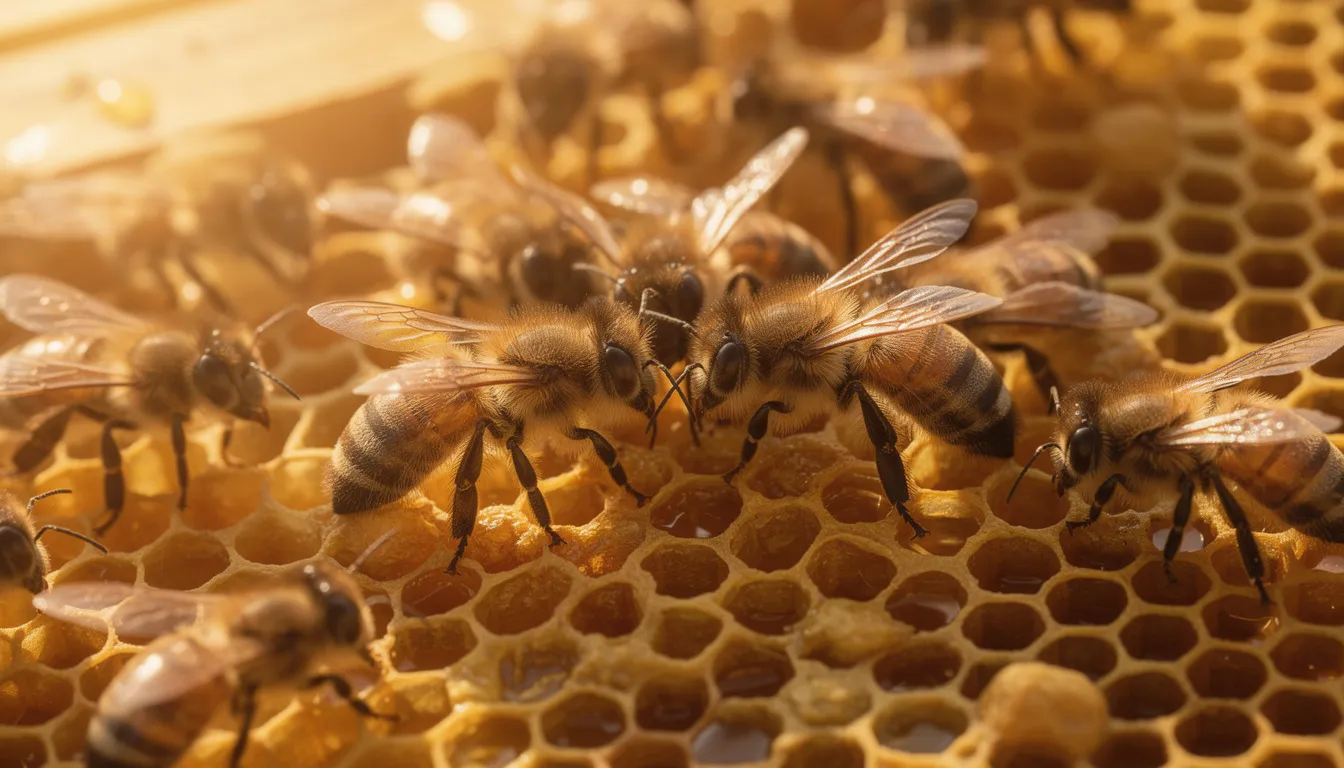
The transformation from sweet water to honey involves both physical and biochemical processes. House bees receive the incoming nectar through trophallaxis, a mouth-to-mouth exchange and begin adding enzymes such as invertase, which breaks sucrose into simpler sugars, and glucose oxidase, which produces small amounts of hydrogen peroxide and contributes to honey’s antibacterial properties. Simultaneously, bees fan their wings to create air currents that drive off water vapor, reducing moisture content from roughly 70% down to approximately 18% in finished honey (Winston, 1987).
Sweet water plays several essential roles in colony life beyond honey production. Bees use it as immediate energy for demanding tasks like wax secretion and brood care. On hot summer days, water collectors bring plain water to the hive, where other organisms spread droplets across the comb while fanning a form of evaporative cooling that can reduce internal temperature by several degrees. HoneyBee & Co. partners with beekeepers who protect clean water sources around their apiaries, understanding that water quality affects bee health and, indirectly, the purity of the raw honey that reaches your table.
How Honey Bees Find and Prefer “Sweet” and “Dirty” Water
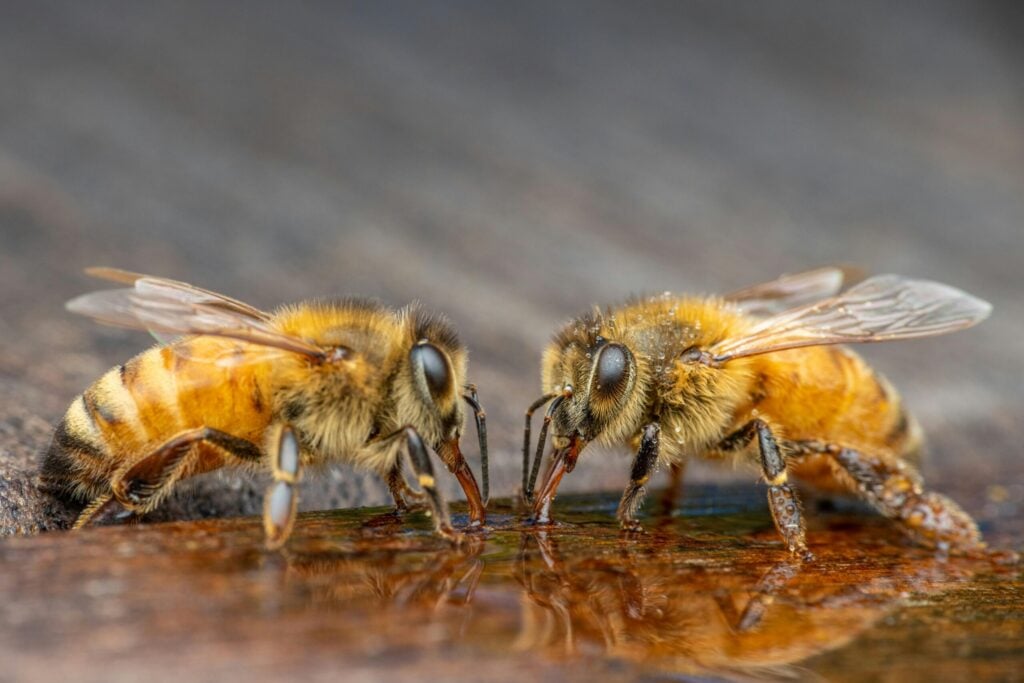
Research into bee foraging behaviour reveals a counterintuitive finding: honey bees do not simply seek the purest water available. Instead, they are often attracted to mineral-rich, odorous sources such as muddy puddles, damp soil, livestock troughs, and even swimming pools treated with chlorine. This preference exists because bees require not just water but also dissolved minerals and salts including sodium, potassium, and magnesium that support physiological functions throughout the colony (Bonoan et al., 2017).
Bees locate water sources primarily through olfactory cues rather than visual ones. Algae growing in stagnant ponds, organic matter decomposing in compost heaps, and the distinctive smell of chlorinated pool water all serve as reliable signals. Once a scout discovers a productive water source, she returns to the hive and communicates its location through the waggle dance, the same method used to share information about nectar-rich flowers (von Frisch, 1967). This communication ensures that successful water sites attract more foragers, creating stable supply chains for the colony.
Understanding the difference between nectar, hive sweet water, and external water sources helps clarify bee behaviour. Nectar is a plant-produced secretion containing sugars along with amino acids and other compounds bees do not need to seek it out for hydration, but for energy and food production. Hive sweet water refers to partially processed nectar or diluted honey used internally. External water, by contrast, serves hydration, cooling, and mineral supplementation. Bees visiting your bird baths, garden ponds, or pool are typically seeking minerals rather than sugar.
A practical example comes from beekeepers who observe bees clustering around compost bins or dripping air conditioning units. These sites offer both moisture and the minerals or nutrients that bees cannot obtain from nectar alone. Studies by Lindauer (1955) and later work by Kühnholz and Seeley (1997) demonstrated that colonies actively regulate water collection based on internal needs, dispatching more foragers during hot weather or when brood rearing demands increase.
Can You Mix Raw Honey With Hot or Warm Water? (Sweet Water for Humans)
Yes, you can mix raw honey with hot water or warm water without causing harm but temperature does affect what remains active in your drink. Scientific evidence suggests that temperatures above approximately 70°C (158°F) begin to denature some of the delicate enzymes and volatile compounds that distinguish raw honey from processed alternatives (da Silva et al., 2016). If preserving maximum enzymatic activity and subtle floral aromas matters to you, cooling your water before adding honey is worthwhile.
To understand the practical differences, consider three temperature ranges: boiling water at around 100°C, hot water between roughly 50°C and 70°C, and warm water between about 30°C and 40°C. Each offers distinct advantages depending on your priorities whether that is rapid dissolution, maximum preservation of bioactive compounds, or simply a comfortable drinking temperature. At HoneyBee & Co., we recommend letting freshly boiled water cool for at least five to ten minutes before stirring in raw honey, a simple step that protects both flavour and the natural enzymes your bees worked so hard to deposit.
The compounds most sensitive to high temperatures include diastase and invertase (enzymes that break down starches and sugars), certain polyphenolic antioxidants, and the volatile aromatic compounds that create each honey’s distinctive character. Heating also accelerates the formation of hydroxymethylfurfural (HMF), a compound used as a marker for honey quality degradation. While none of this makes heated honey drinks unsafe, it does mean that those seeking the full complexity of raw honey benefit from a gentler approach.
Boiling Water: Around 100°C (212°F)
At sea level, water reaches its boiling point at approximately 100°C. At this temperature, honey dissolves almost instantly, creating a uniformly sweet solution within seconds. However, many of the enzymes that contribute to raw honey’s distinctive character are rapidly denatured proteins lose their functional structure and become inactive when exposed to such intense heat.
If you are preparing hot water primarily for tea or to soothe a sore throat with steam, boiling first and then allowing the water to cool offers the best of both worlds. Boil your kettle, pour the water into your cup, and wait approximately five to ten minutes before adding a spoonful of honey. This approach ensures safety (particularly important when using water from uncertain sources) while preserving more of the honey’s original character than adding it directly to boiling water.
Research measuring diastase number a standard indicator of honey freshness and enzyme activity confirms that prolonged exposure to high temperatures causes measurable decline. Studies have shown that heating honey to 100°C for just a few minutes can reduce diastase activity by more than half (da Silva et al., 2016). For those who prioritise therapeutic or enzymatic benefits, patience pays off.
Hot Water: About 50–70°C (122–158°F)
This temperature range sits comfortably below boiling but still feels hot to the touch typically achieved by letting a freshly boiled kettle rest for three to five minutes. At these temperatures, honey dissolves smoothly, releasing its aromatic compounds into the rising steam while retaining a greater proportion of its original structure compared to boiling water.
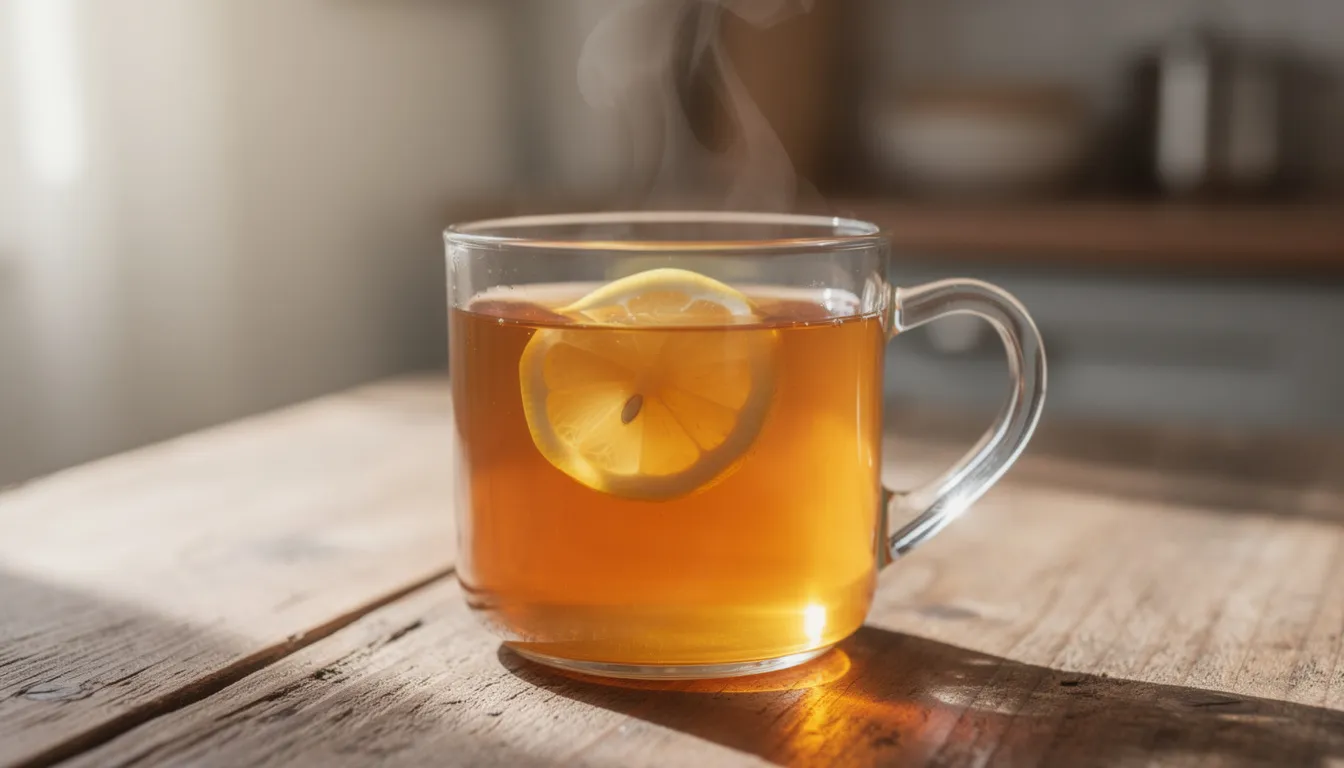
For health-conscious consumers interested in enzyme activity, aiming for the lower end of this range, around 40°C to 60°C provides an excellent balance. The water feels hot enough to be warming and soothing, honey integrates readily without excessive stirring, and sensitive compounds remain largely intact. Many HoneyBee & Co. customers favour this range for morning honey-and-lemon drinks or bedtime infusions designed to support relaxation.
The sensory experience at these temperatures is notably richer than with boiling water. Floral notes emerge more distinctly, and the honey’s natural viscosity integrates gradually, creating subtle layers of sweetness as you sip. If you have invested in a high-quality single-varietal honey such as the delicate Acacia or complex Heather varieties this temperature range allows the distinctive characteristics of each floral origin to express themselves fully.
Warm Water: About 30–40°C (86–104°F)
Warm water, close to body temperature, offers the most gentle approach to preparing sweet water drinks. At this range, honey may take slightly longer to dissolve fully gentle stirring helps but virtually all of its natural enzymes and volatile compounds remain active and unchanged. This is the preferred method for anyone purchasing artisan raw honey specifically for its natural character and potential health benefits.
Popular applications include morning wellness drinks, pre-exercise hydration, and child-friendly preparations. One important safety note: regardless of temperature, honey should never be given to infants under twelve months of age due to the risk of infant botulism, as advised by both the World Health Organization and public health agencies.
This temperature range represents the ideal intersection of solubility, flavour preservation, and immediate drinkability. For subscribers to HoneyBee & Co.’s raw honey boxes, experimenting with warm water preparations allows the subtle differences between varieties the herbaceous notes of Wildflower, the buttery smoothness of Linden, the clean sweetness of Acacia to come through clearly. You taste what the bees made, not what heat has transformed.
Health Considerations and Nutritional Science of Honey Sweet Water
Honey is composed primarily of simple sugars roughly 38% fructose and 31% glucose along with water, trace enzymes, minerals, polyphenols, and organic acids. When you dissolve honey in water, you do not change its total energy content or fundamental nutritional profile; you simply alter the concentration and the speed at which your body absorbs those sugars. A drink made with one tablespoon of honey in 250ml of water delivers approximately 64 calories, the same amount of energy as if you consumed the honey directly.
The most robust evidence for honey’s health benefits comes from research on respiratory symptoms. A systematic review by Paul and colleagues (2007) found that honey performed as well as or better than common over-the-counter cough suppressants for reducing nighttime cough frequency in children. The combination of honey’s viscosity, which coats and soothes irritated tissue, and its potential anti inflammatory and antibacterial properties makes it a sensible choice for sore throats particularly when dissolved in warm water with lemon.
Honey also contains antioxidants, including flavonoids and phenolic compounds, that may contribute to overall dietary antioxidant intake. However, the concentrations present in a typical serving are modest compared to foods like berries or dark leafy greens. The immune system supporting claims sometimes attached to honey are largely based on laboratory studies rather than robust clinical trials in humans.
Several limitations and risks deserve attention. Honey remains a concentrated source of sugar, carrying a moderate glycaemic load that affects blood glucose levels. People managing diabetes should consume honey in moderation and consult healthcare providers about integrating it into their diet. As mentioned earlier, honey poses a serious botulism risk for infants under one year old and must never be given to this age group. For adults and older children, sweet water drinks made with quality raw honey offer a palatable alternative to refined sugar beverages but moderation remains essential.
How Bees Use Water and Sweet Water Inside the Hive
Inside a functioning colony, water serves purposes as vital as nectar and pollen. Bees use it to dilute crystallised honey that has become too thick to consume, to prepare the brood food that nurse bees feed to developing larvae, and to regulate temperature through evaporative cooling on hot days. Without a reliable water source, even a colony with abundant food stores will struggle to raise healthy brood or maintain stable internal conditions.
Specialist water foragers develop within the colony based on demand. When temperatures rise or brood rearing intensifies, more workers shift to water collection. These foragers use the same waggle dance communication system documented by Karl von Frisch (1967) to share information about productive water sources. A single colony may collect several litres of water on a hot summer day, an impressive feat considering each forager carries only about 40-50 milligrams per trip.
The distribution of sweet water partially processed nectar and diluted honey occurs through trophallaxis, the direct mouth-to-mouth transfer between workers that forms the colony’s internal circulation system. Incoming nectar passes through multiple bees, each adding enzymes and removing moisture, before being deposited in cells for final ripening. This process transforms watery nectar into stable, shelf-ready honey over a period of days, depending on temperature, humidity, and nectar composition.
Thinking of the hive as a living factory helps illustrate these processes. Raw materials (nectar and water) enter through dedicated foragers. Processing stations (house bees) add catalysts (enzymes) and apply energy (fanning) to drive chemical reactions and physical changes. Quality control (capping with wax) occurs only when the product meets specifications. The raw honey that ethical brands like HoneyBee & Co. bottle undergoes minimal additional processing, preserving the natural properties that bees developed through this remarkable system.
Ethical Beekeeping, Water Quality, and Sustainable Sweet Water
Responsible beekeeping extends beyond hive management to encompass the broader environment in which colonies live. Ensuring access to clean, accessible water sources ranks among the fundamental responsibilities of ethical beekeepers. This means positioning apiaries near natural features like ponds, streams, or wetlands, or providing artificial water sources such as shallow trays filled with pebbles that allow bees to drink without drowning.
Landscape management directly affects both water quality and the health of bee populations. Hedgerows and wildflower margins support diverse forage while reducing pesticide drift and soil erosion. Agricultural runoff carrying nitrates, phosphates, and pesticide residues can contaminate the water sources bees rely upon, with potential consequences for colony health and, indirectly, honey quality. European agricultural intensification has placed pressure on many traditional beekeeping regions, making thoughtful site selection increasingly important.
HoneyBee & Co. works with independent beekeepers in the UK and Romania who follow sustainable practices, including careful attention to water access and hive placement. Our partner beekeepers position colonies near diverse forage sources heather moorlands, linden forests, acacia groves, and wildflower meadows with clean water available within foraging range. This approach supports healthy animal populations while producing honey that reflects the character of each specific ecosystem.
Climate change introduces additional challenges, including more frequent droughts that dry up traditional water sources and erratic weather patterns that affect nectar production. Forward-thinking beekeepers monitor conditions closely and may need to supplement water during dry spells or relocate colonies to areas with more reliable resources. Supporting brands committed to ethical sourcing helps maintain the economic viability of these careful, labour-intensive practices.
How to Prepare Sweet Water Drinks With Raw Honey at Home
Creating your own sweet water drinks at home requires nothing more than quality raw honey, clean water, and a few minutes of attention. Begin by measuring your water approximately 250ml per serving works well for most purposes. If starting with freshly boiled water, allow it to cool uncovered for five to ten minutes until it reaches a comfortable warm temperature. Add one to two teaspoons of raw honey depending on your sweetness preference, stir gently until fully dissolved, and taste to adjust.
For a classic morning wellness drink, combine warm water with the juice of half a lemon and a teaspoon of honey from HoneyBee & Co. Linden honey, which offers gentle floral notes and a soothing character well-suited to quiet mornings. The acidity of the lemon balances the sweetness while adding vitamins and a bright, awakening flavour. This simple preparation has been consumed across cultures for generations, valued for its pleasant taste and gentle effects.
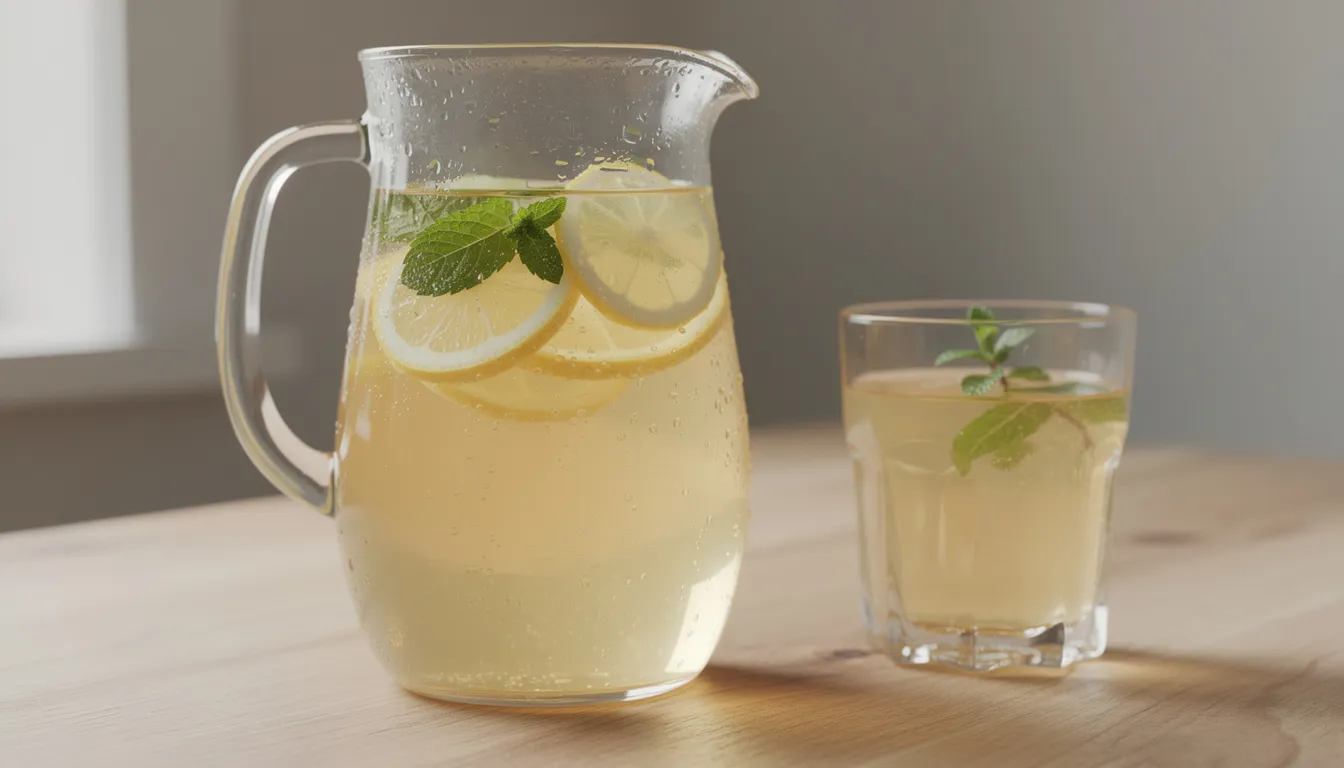
Ginger sweet water makes an excellent option during cold water months when warming from the inside feels especially welcome. Steep a few slices of fresh ginger in hot water for five minutes, allow to cool slightly, then stir in a generous spoonful of Wildflower honey. The natural spice of ginger complements honey’s sweetness while offering its own traditional associations with digestive comfort. For summer refreshment, prepare your sweet water drink with cold water and refrigerate a chilled honey water with mint leaves makes a sophisticated alternative to sugary commercial beverages.
Store any prepared sweet water drinks in glass or stainless steel containers and consume within a few hours if kept at room temperature, or within one to two days if refrigerated. Avoid plastic containers for long periods, as they may affect flavour subtly over time. For those curious about how different floral origins perform in sweet water preparations, HoneyBee & Co.’s subscription boxes offer an excellent opportunity to experiment with varieties ranging from delicate Acacia to robust Heather.
Conclusion: From Hive Sweet Water to Your Cup
Sweet water connects two worlds that rarely occupy the same conversation the remarkable biology of honey bees and the simple pleasure of a well-made honey drink. For bees, sweet water represents an essential stage in the transformation of nectar into honey, a process involving sophisticated chemistry, coordinated labour, and environmental awareness that has evolved over millions of years. For humans, it offers a way to enjoy raw honey that preserves its natural complexity while supporting hydration and comfort.
The practical takeaways from this exploration are straightforward. When preparing honey water, letting boiling water cool to warm temperatures (ideally 40-60°C) protects the enzymes and aromatic compounds that distinguish raw honey from processed alternatives. Moderation matters, as honey remains a concentrated energy source despite its natural origin. Choosing ethically sourced, raw honey from trusted producers like HoneyBee & Co. ensures that your purchase supports both bee welfare and the beekeepers who steward these remarkable insects.
Beyond individual enjoyment, sweet water invites reflection on broader connections between personal wellbeing and ecosystem health, between consumer choices and pollinator populations, between a spoonful of honey and the thousands of flowers visited to produce it. We encourage you to explore more about bees, raw honey, and sustainable beekeeping through our blog and product pages at HoneyBee & Co. Every responsible choice contributes to a world where honey bees can thrive, and where the sweet water they create continues to delight generations to come.
Indicative Academic and Scientific References
Bonoan, R.E., Tai, T.M., Rodriguez, M.T., Feller, L., Daddario, S.R., and Starks, P.T. (2017). Seasonality of salt foraging in honey bees (Apis mellifera). Ecological Entomology, 42(2), 195-201. This study demonstrates that honey bee colonies actively seek mineral-rich water sources, with sodium foraging peaking during brood rearing periods.
da Silva, P.M., Gauche, C., Gonzaga, L.V., Costa, A.C.O., and Fett, R. (2016). Honey: Chemical composition, stability and authenticity. Food Chemistry, 196, 309-323. A comprehensive review covering thermal degradation of honey quality markers including diastase activity and hydroxymethylfurfural formation at elevated temperatures.
Paul, I.M., Beiler, J., McMonagle, A., Shaffer, M.L., Duda, L., and Berlin, C.M. (2007). Effect of honey, dextromethorphan, and no treatment on nocturnal cough and sleep quality for coughing children and their parents. Archives of Pediatrics and Adolescent Medicine, 161(12), 1140-1146. The clinical trial establishing honey’s effectiveness for reducing cough frequency in children compared to common suppressants.
von Frisch, K. (1967). The Dance Language and Orientation of Bees. Harvard University Press. The classic work describing bee communication through waggle dances, applicable to both nectar and water source recruitment.
Winston, M.L. (1987). The Biology of the Honey Bee. Harvard University Press. An accessible yet comprehensive overview of honey bee life history, including nectar-to-honey transformation and the role of enzymes in this process.
Kühnholz, S. and Seeley, T.D. (1997). The control of water collection in honey bee colonies. Behavioral Ecology and Sociobiology, 41(6), 407-422. Research demonstrating how colonies regulate water foraging based on internal demand signals, particularly during temperature stress.
These references support the scientific claims made throughout this article and provide starting points for readers interested in exploring bee biology, honey chemistry, and related topics in greater depth.
What is “sweet water” in the context of honey bees?
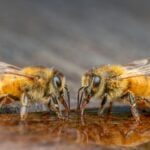
For bees, sweet water refers to nectar and partially processed honey inside the hive. Worker bees reduce its moisture and add enzymes to transform it into the stable honey we consume.
Why do bees collect water at all?
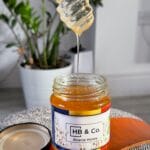
Honey bees gather water not just for hydration, but also to regulate hive temperature (through evaporative cooling), dilute thick honey, and help prepare food for larvae.
Can I mix raw honey with hot water?

Yes, but water temperature matters. Boiling water can denature delicate enzymes and aromatic compounds in raw honey. HoneyBee & Co. recommends letting boiled water cool for about 5–7 minutes before adding honey to preserve its natural properties.
Does sweet water with honey offer health benefits?
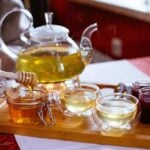
Honey dissolved in warm or cool water provides an enjoyable, flavourful drink that can soothe the throat and contribute modest antioxidants to your diet, but honey should be consumed in moderation due to its sugar content.
How does water quality affect honey production?
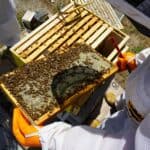
Water quality around apiaries impacts bee health and behaviour. Clean, mineral-rich water sources help bees thrive, support hive processes like brood care and temperature regulation, and indirectly influence the purity and quality of raw honey.
 English (UK)
 Italiano