
 English (UK)
  Italiano
  Français
  简体中文
简体中文  한국어
한국어 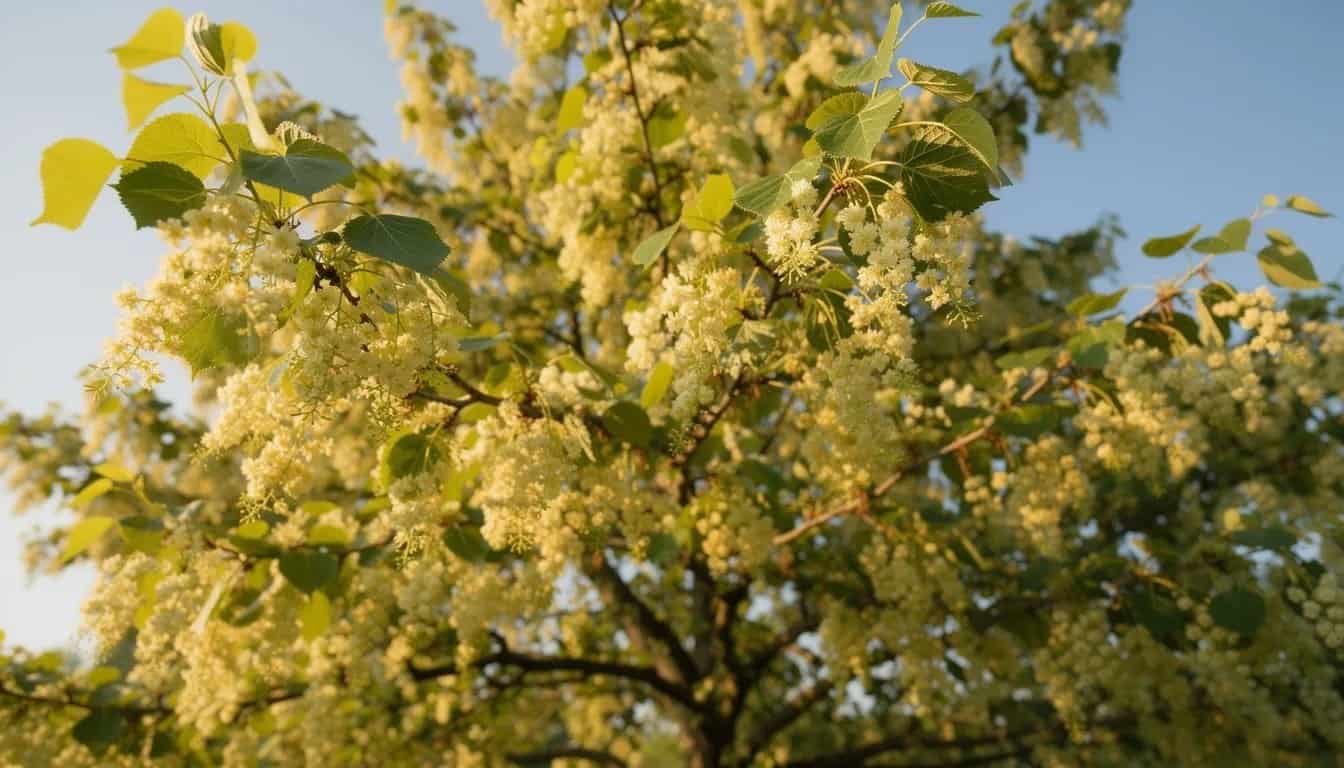
Know Your Honey
Lime Honey and Linden Honey: The Same Honey, Two Names
If you have been comparing lime honey and linden honey, you can stop. They are the same thing. Here is why the names differ, and the one lime you should not confuse it with.
The short answer, before anything else: lime honey and linden honey are the same honey. Both are made by bees from the blossom of the Tilia tree; different Tilia species and regions give slightly different jars, but it is one family of honey. Britain calls that tree the lime; most of the world calls it the linden; North America calls it the basswood. One tree, one honey, three names.
This is one of the most common sources of confusion in the honey world, and it is entirely down to language. The Tilia tree is native right across the Northern Hemisphere, and different regions simply named it differently. The honey never changed. Only the label did.
We sell this honey, and because we are a British brand you will find it on our shelves as Linden, the name most widely recognised, even though a British botanist would happily call the tree a lime. So if you arrived here searching for lime honey, you have found it.
Rated by 55 customers on Google
One tree, three names
The tree behind this honey belongs to the genus Tilia. The species that matters most for honey in our part of Europe is the small-leaved lime, Tilia cordata, a tree whose native range runs from Britain across the continent to Romania and the Caucasus and which can live for several centuries, according to the European forest genetics programme EUFORGEN. Its close relative, the large-leaved lime, is told apart by the tufts of hair in its leaf veins. Wherever these trees grow, people gave them a local name, and the honey inherited whichever name was local.
One more distinction worth knowing, because it trips up buyers on the continent: some honeys sold as linden, particularly in Germany, are honeydew honeys, gathered by bees from the sugary secretions of insects feeding on the lime tree's leaves rather than from the blossom. They are darker, higher in minerals and taste quite different, and researchers characterise them separately from blossom linden, as a 2025 study of linden honeydew honey sets out. Everything on this page, and the jar we sell, is the blossom kind: pale, herbal and made from Tilia nectar.
British English calls the Tilia tree the lime, most likely from the older word "lind". So the honey is lime honey here.
Most of continental Europe calls the tree the linden, from the same old root. This is the name used on most honey worldwide.
Americans call the native Tilia the basswood, and the honey basswood honey. Same genus, same style of honey.
So when you see lime honey, linden honey, basswood honey or the botanical Tilia honey, you are looking at four labels for one product. The species of Tilia can vary between regions, but the character of the honey stays recognisably the same.
It is not made from the citrus lime
This is the one genuine trap. The lime in lime honey is the lime tree, Tilia, not the small green citrus fruit. There is no orchard of lime fruit involved and the honey tastes nothing like citrus. If a product is genuinely made from citrus lime blossom it would be a very different and much rarer honey. When people say lime honey in Britain, they mean the Tilia tree, every time.
What lime, or linden, honey tastes like
It is pale, often with a faint green tint when fresh, and its flavour is far bigger than that delicate colour suggests. Expect something fresh and herbal, with cool woody and minty notes and a lingering aftertaste that sets it apart from sweeter, rounder honeys. That is not just our palate talking: a 2025 trained-panel study of linden honeys from six regions described the reference sample as medium sweet, minty, with a long, gently astringent aftertaste, setting into a compact mass of fine, light-yellow crystals, sometimes with a green tint, published in the journal Foods. The same study notes the local rule that a honey may only be sold as monofloral linden if at least 30 percent of its pollen comes from Tilia.
The tasting profile
That cool, herbal character is why linden honey is so often reached for as a honey to stir into a hot drink: it has enough personality to be tasted through tea rather than vanishing into it, which is why it anchors our Tea Lover's selection. It is also why it stands slightly apart from the rounder, sweeter honeys like acacia. If you would like to see where it sits among the others, our guide to the different types of raw honey lays them out side by side.
A honey that sets, and why that is right
Genuine raw linden honey is runny when fresh and then crystallises over a few months into a smooth, pale, fine-grained set. This is normal and expected. In fact, with this honey it is a useful authenticity signal: a pale honey sold as linden that never sets at all has very likely been processed to keep it that way, which is the core difference our guide to raw versus regular honey gets into. Our guide to why raw honey crystallises explains the pattern, the science behind the solid state covers the chemistry, and to soften a set jar you simply stand it closed in warm water no hotter than 40 degrees.
Three signs you are holding genuine linden. The colour: pale, near-white to light amber, often with that faint green tint. The aroma: fragrant with a fresh, almost balsamic lift that no other pale honey quite has. The set: fine-grained and smooth within a few months, never coarse and never absent. A study of two Romanian linden honeys found them slightly higher in water and moderately acidic compared with darker honeys, as reported in a 2025 physico-chemical analysis, which is part of why the crystals form so finely.
Where ours comes from
Our Linden honey is harvested from Tilia blossom in Transylvania, where small-leaved lime grows through the hill forests and the bees work it during a brief early-summer bloom. The trees flower from June into July and each tree holds its blossom for only two to three weeks, which is part of why this honey is treated as something a little special: the window to collect it is short, a cool, wet June can cut the nectar flow to almost nothing, and no two years are guaranteed to be the same.
It is raw, cold-extracted and never blended, like everything we make. You can read more about our family and our hives on the about page.
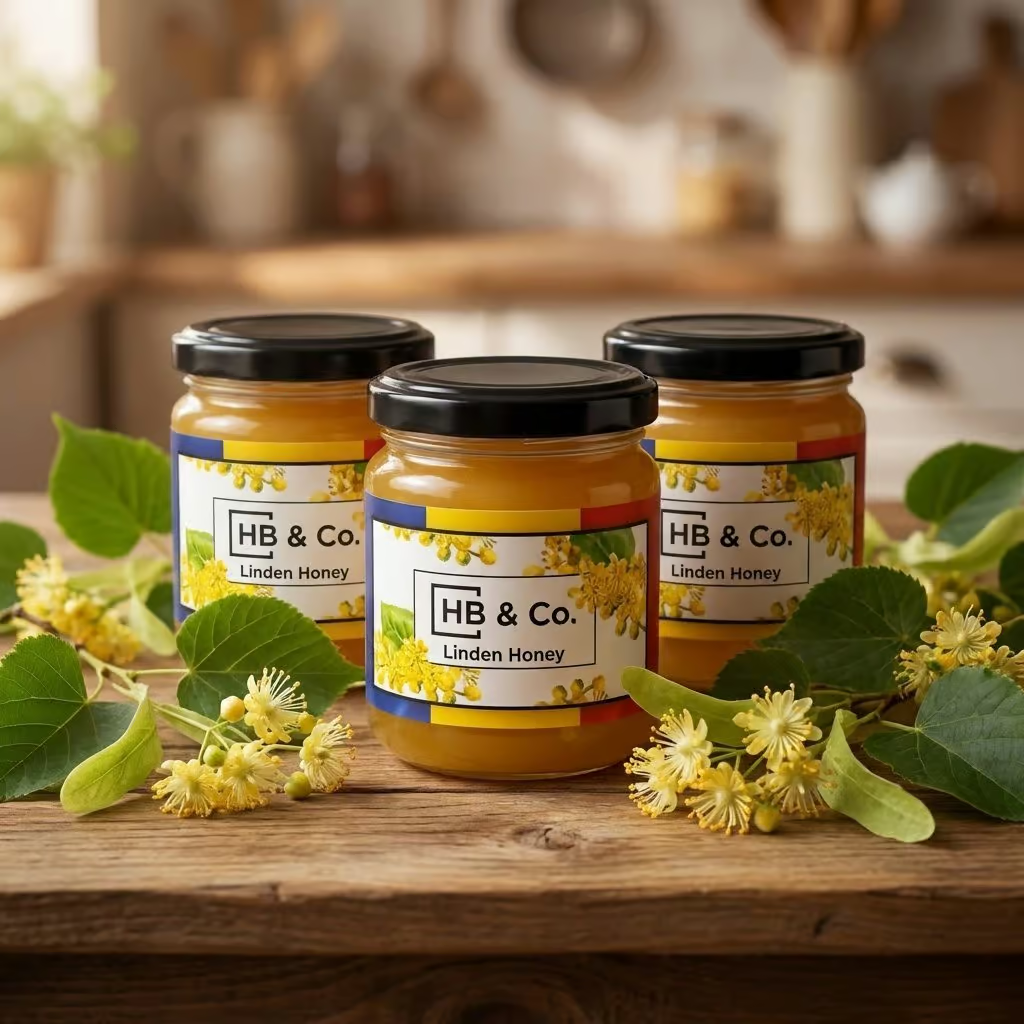
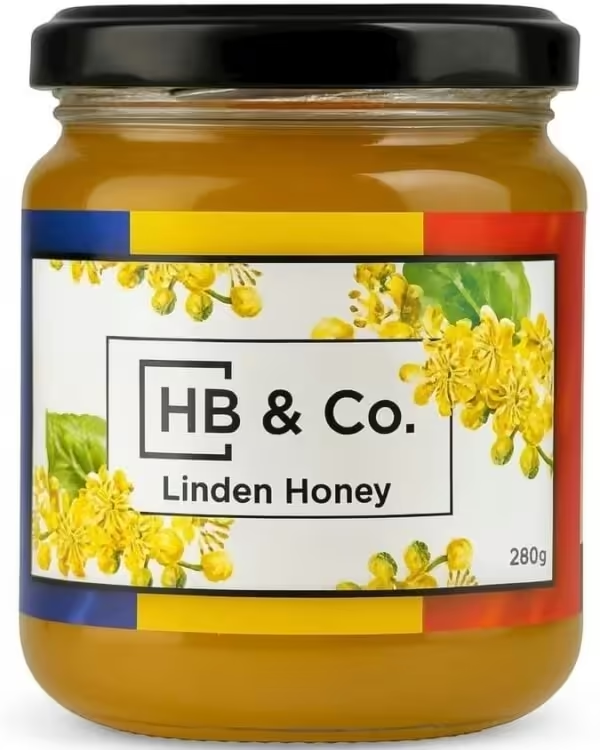
Raw Linden Honey
The honey this whole page is about. Raw, single-origin Tilia honey from Transylvania: pale, herbal and cool, with that distinctive lingering finish. Runny when fresh, setting smooth over time. The lime honey you were looking for, under the name most of the world knows it by.
Shop Linden HoneyThe short version
- Lime honey and linden honey are the same honey, made from the blossom of the Tilia tree. In our part of Europe that is chiefly the small-leaved lime, Tilia cordata.
- Britain calls the tree lime, Europe and Asia call it linden, North America calls it basswood. One honey, several names.
- It is not made from the citrus lime fruit. The "lime" is the lime tree.
- The flavour is pale in colour but bold in taste: fresh, herbal, woody and cool, with a lingering finish.
- Genuine raw linden honey crystallises over a few months. A pale "linden" that never sets has likely been processed.
- We sell it as Linden, alongside five other raw single-origin honeys in the shop. Never give honey of any kind to babies under twelve months.
The lime honey you were looking for
Raw, single-origin Tilia honey from Transylvania, pale and herbal with a cool, lingering finish. Free UK delivery on orders of three jars or more.
Shop Linden HoneyCommon questions
Is lime honey the same as linden honey?
Is lime honey made from limes?
What does linden honey taste like?
Why is it called lime honey in the UK?
Does linden honey crystallise?
Do you sell lime honey?