


Our British Honey Range
Three Honeys, Three British Landscapes
From the bold heather of the Yorkshire Moors to the seasonal complexity of Midlands wildflower honey. All raw, all SALSA certified, all traceable to a single named region.
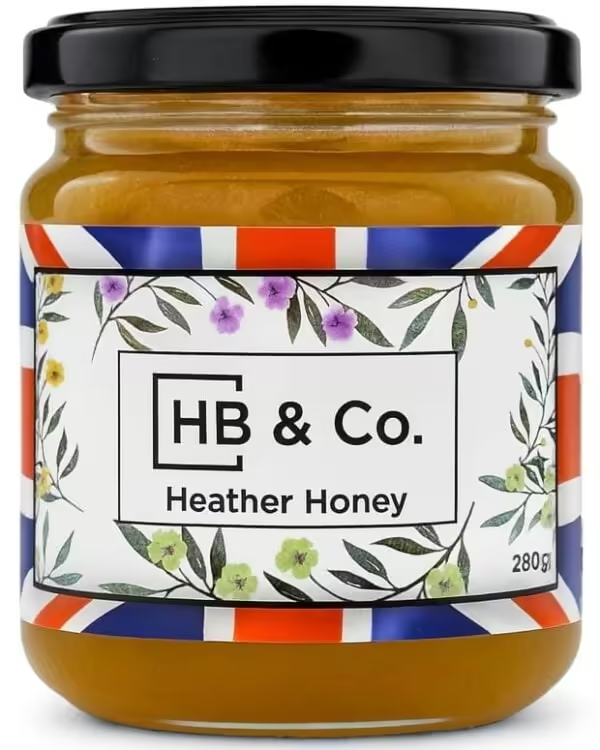
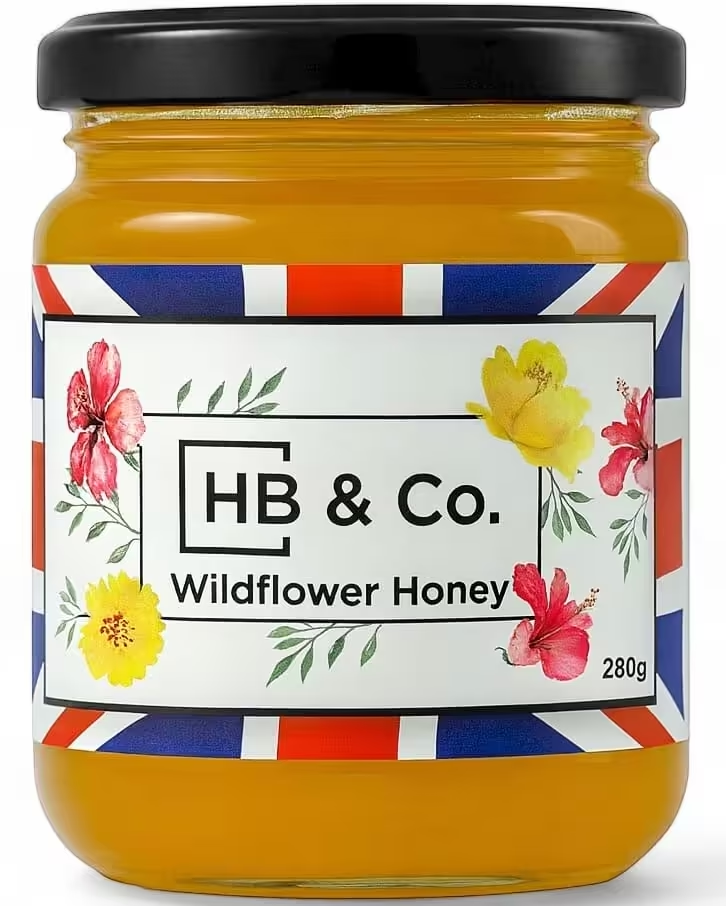
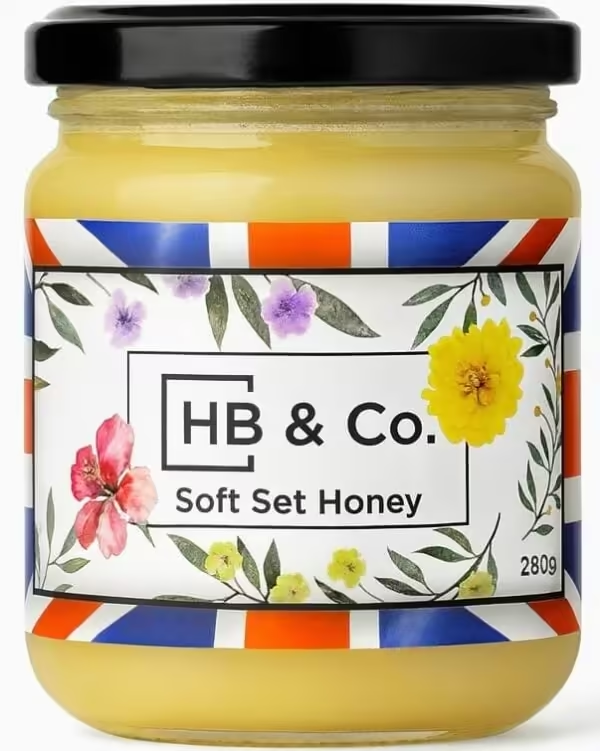
Try all three together: British Honey Bundle →

Food Safety Certification
SALSA Certification for Our British Honey Supplier
Our British honey supplier holds SALSA Certification (Safe and Local Supplier Approval), a robust food safety scheme designed specifically for smaller UK food producers. SALSA is overseen by the Institute of Food Science and Technology (IFST) and is recognised across the British food industry as the benchmark for small-batch supplier quality.
To achieve SALSA approval, suppliers must demonstrate to independent auditors that they consistently produce and supply safe, legal food, and that they uphold the stringent SALSA standard year after year. The scheme exceeds the minimum requirements set by regulatory authorities.
Founded as a non-profit venture by three major trade associations in the UK Food Chain, SALSA exists to provide affordable, practical food safety assurance to small and micro businesses across the United Kingdom — the kind of independent producers who give British food its character. Read more about our supplier partnerships →
British Honey Heritage
Discover the Rich Flavours of British Honey
Honey in Britain is as much about place as it is about taste. From wind-brushed heather moors to hedgerow-laced Midlands pastures, bees gather nectar that carries the story of the landscape straight into the jar. Each spoonful reflects soil, weather, plant life and the careful work of beekeepers who read the seasons like old friends.
What Makes British Honey So Distinctive
Britain's patchwork of habitats gives honey remarkable variety. Acidic peat on the upland moors fosters ling heather with a resinous perfume; rich lowlands and mixed farmland encourage clover, bramble and lime blossom; towns hum with herb-filled gardens and sweet chestnut avenues. All of it matters.
Climate
Climate shapes flavour. Cool nights help retain volatile aroma compounds, while short nectar flows can intensify character.
Soil
Soil affects plant chemistry. Peat and gritstone uplands tend to produce richer, darker honey; chalk and loam often lead to lighter colour and a gentler palate.
Season
Seasonal succession builds complexity. Apple and hawthorn in spring, clover and bramble in summer, ivy as a late-season lifeline.
British honey also carries a human touch. Beekeepers move hives to follow blossoms, keep careful records of flows, and work with the weather rather than against it. That harmony of place and practice gives British honey its sense of identity.
A Closer Look
Meet Three Classic British Honeys
HoneyBee & Co. focuses on varieties that express their regions beautifully. Each has its own personality, and all reward slow tasting.
Heather Honey from the Yorkshire Moorlands
Yorkshire Moors · £12.99
Ling heather thrives on upland moors where soils are acidic and summers are short. The result in the jar is a dark amber honey with a glint of red and a texture that is famously thixotropic, almost like a soft jelly. Stirring releases the aroma of warm heather, wood and a touch of resin.
On the palate it is bold and layered. A caramelised depth, hints of cocoa and a faint bitter finish give it a refined savoury edge. It is less sugary than many runny honeys and thrives alongside strong flavours.
Try it:
- Drizzled over blue cheese or mature Cheddar
- Brushed on game or lamb during the final minutes of roasting
- Whisked into a glaze for roast root vegetables
- Spoon-warmed over oatcakes with a scatter of toasted hazelnuts
Soft Set Honey
British Midlands · £10.99
Soft set, sometimes called creamed, is about texture rather than nectar source. Controlled crystallisation yields a smooth, spreadable consistency with a fine grain that sits neatly on toast instead of running off the edges. The flavour is the flavour of its base honey, simply presented on a buttery-soft canvas.
It is a breakfast favourite, but it also shines in baking and patisserie where a plush mouthfeel makes all the difference.
Try it:
- On warm crumpets or sourdough
- Swirled through yogurt or porridge
- As a filling for layer cakes or honey buns
- Beaten with butter and a pinch of sea salt for a quick honey butter
Midlands Wildflower Honey
British Midlands · £10.99
Midlands wildflower honey captures the meadow. Expect a pale to mid-amber colour that varies with season, a bright, floral nose, and a light taste with soft fruit and herb notes. It is pourable, friendly and versatile.
It brings a lift to everyday cooking without taking over. See how it compares with heather in our wildflower vs heather taste guide.
Try it:
- Stirred into tea or drizzled on granola
- In vinaigrettes for leafy salads
- In sponge cakes or light batters
- Alongside fresh cheese, berries and toasted nuts
A Quick Side-by-Side
Three British Honeys Compared
A Tasting Guide
How to Taste British Honey Like a Pro
A little attention reveals a lot.
- Warm the jar slightly in your palms to coax out aromatics.
- Smell first. Look for floral, woody, herbal or fruity notes.
- Taste a small amount and let it melt across your tongue. Notice sweetness level, acidity, bitterness and any savoury tones.
- Pay attention to finish. Heather can linger with cocoa or resin; wildflower often fades to a clean floral echo.
- Rinse with cool water and repeat.
Consider a mini flight: start with Midlands wildflower, move to soft set, finish with heather.
The Craft
From Skep to Super: The Craft Behind British Honey
Britain's beekeeping story stretches from straw skeps to meticulous frame hives. Skeps once sat in garden bee boles and were harvested by cutting comb. Modern practice keeps the colony intact with movable frames, careful hygiene and seasonal management.
Spring
Colonies build up on willow, fruit blossom and early hedgerow flowers. Beekeepers add space to prevent swarming and may split strong hives.
Early Summer
Nectar flows from clover, bramble and lime. Supers fill, frames are uncapped and spun to extract the honey.
Late Summer
In the north, hives may go to the heather. Heather honey resists spinning and often needs pressing or agitation before bottling.
Autumn & Winter
Ivy sustains bees late in the year. Inspectors and keepers focus on health, stores and protection from the weather.
Care never stops. Monitoring for Varroa mites, renewing queens with good temperament and resilience, and working with local forage plans are part of the modern toolkit.
The People Behind the Honey
British Beekeepers: Challenges and Guardianship
The community that produces British honey is both skilled and deeply connected to place. Their challenges are real, which is why every local jar carries significance.
Health threats
Varroa mites require regular, informed control. Foulbrood diseases are rare but serious, with inspection and swift action when needed.
Habitat pressure
Fewer wildflower meadows and tidier verges can mean lean forage. Many beekeepers plant, campaign and partner with farmers to restore nectar-rich margins.
Climate swings
Late frosts, sudden heat, long wet spells. Flexibility in hive management and a keen eye on stores keep colonies thriving.
Invasive predators
Sightings of Asian hornet are taken seriously. Rapid reporting and nest removal protect honeybees and other pollinators.
Buying British honey supports this network of craft and care. It funds training, habitat projects and the quiet, everyday stewardship that keeps bees healthy. Read more about our beekeeper partnerships.
Heritage
Heritage in Every Spoonful
Honey has deep roots in British life. Mead echoes through Celtic lore, monasteries once relied on beeswax for light, and villages held honey shows to celebrate the harvest. Old traditions survive in gentle ways, including the custom of "telling the bees" about family milestones.
That heritage still hums today. County shows give space to honey classes and observation hives for children. City councils plant for pollinators. The emblem of the worker bee appears in civic art and school badges as a nod to cooperation and industry. Read about our own six-generation beekeeping heritage and how it shapes the way we work with British producers today.
In the Kitchen
Working With Each Honey in Your Kitchen
British honey is a cook's ally. The key is to match intensity with intensity. Browse our full recipe collection.
Heather Honey
- Strong cheese boards or charcuterie
- Dark chocolate desserts where a hint of bitterness brings balance
- Game, lamb or mushrooms in glazes and pan sauces
Soft Set
- Breakfasts that benefit from a spreadable sweetness
- Buttercream, Swiss rolls and macarons
- Quick sweetening for warm milk or chai
Wildflower
- Light sponge cakes and biscuits
- Citrus dressings and marinades for chicken or fish
- Fresh fruit, ricotta or natural yogurt
Two Quick Recipes
Heather and Stilton oatcakes
Spread a thin layer of heather honey on warm oatcakes, crumble over Stilton, add cracked black pepper and thyme.
Midlands wildflower vinaigrette
1 tsp wildflower honey, 1 tsp grain mustard, 2 tbsp cider vinegar, 6 tbsp cold-pressed rapeseed oil, salt and pepper. Shake until glossy.
Buyer's Guide
Buying British Honey with Confidence
A few simple checks help you pick well and look after your jar.
- Look for clear floral origin and region on the label. The more specific the better.
- Crystallisation is natural. If you prefer it runny, stand the jar in a bowl of warm water and stir gently.
- Avoid high heat if you want to preserve aroma. A gentle warm is enough.
- Store in a cool, dark cupboard with the lid tight. Do not refrigerate.
- Choose glass for long-term storage and to protect flavour.
Soft set honey deserves a special note. Its texture depends on fine crystals seeded into the honey, not on added dairy or thickeners. It stays style-consistent at room temperature and remains spreadable even through winter.
A Complete Collection
Why Heather, Soft Set and Wildflower Belong Together
Think of these three as a complete British honey collection.
Heather
Brings intensity and drama. One spoon changes a dish.
Soft Set
Offers comfort and convenience. Breakfast becomes a small luxury.
Wildflower
Brings everyday brightness. It sweetens without shouting.
Serve all three at a tasting: pour wildflower into a little jug, place soft set in a shallow bowl with a small spoon, and set a warm spoon next to the heather jar. Offer plain yogurt, sliced apples, crumbly cheese and oatcakes — perhaps with an afternoon tea pairing. Guests will taste the countryside in a single sitting.
British Honey Bundle
All Three British Honeys, Save 5%
Heather + Wildflower + Soft Set. The complete British range, packaged together with free UK delivery.
Shop the British Honey Bundle →Sustainability in Practice
Good Honey Depends on Healthy Bees
Many British beekeepers take part in projects that make a difference on the ground.
- Planting nectar corridors with farmers and local councils
- Leaving verges to flower before mowing
- Supporting late-season plants like ivy and sedum so colonies carry strong stores into winter
- Sharing data on pests and disease to improve regional resilience
- Teaching new beekeepers careful, humane methods
You can help too. Plant lavender, thyme, marjoram, heather, phacelia and native wildflowers. Let a corner of the lawn bloom. Choose hedgerow species when replanting. Small gestures add up across a village or a city block.
Authenticity
A Note on Authenticity and Purity
British honey must be 100 percent honey with no additives. Monofloral claims, like heather, rely on flavour, colour and pollen profile, backed by careful harvesting at the right time. Wildflower and soft set are celebrated for being true to the season and the base nectar. That honesty is part of why local jars taste so alive.
If you are comparing honeys, pay attention to:
- Aroma complexity rather than raw sweetness
- Mouthfeel that suits the variety
- The way flavour evolves from first taste to finish
- How it behaves in hot tea or on warm toast
In Closing
Bringing British Honey Home
Stock three jars and you are set for breakfast, baking and entertaining. Use heather to elevate cheese and roast dinners. Keep soft set by the toaster for quick comfort. Pour wildflower into everyday cooking and dressings. Each is a postcard from its landscape, captured by bees and bottled with care.
And when you twist the lid, pause for a brief moment. Somewhere on a moor, in a garden or along a Midlands hedgerow, the hum that made this jar is still at work.