

HoneyBee & Co. · Recipe
Green Tea and White Chocolate Ganache Macarons
Recipe adapted from Baroque Bistro Patisserie by Honey and Soy
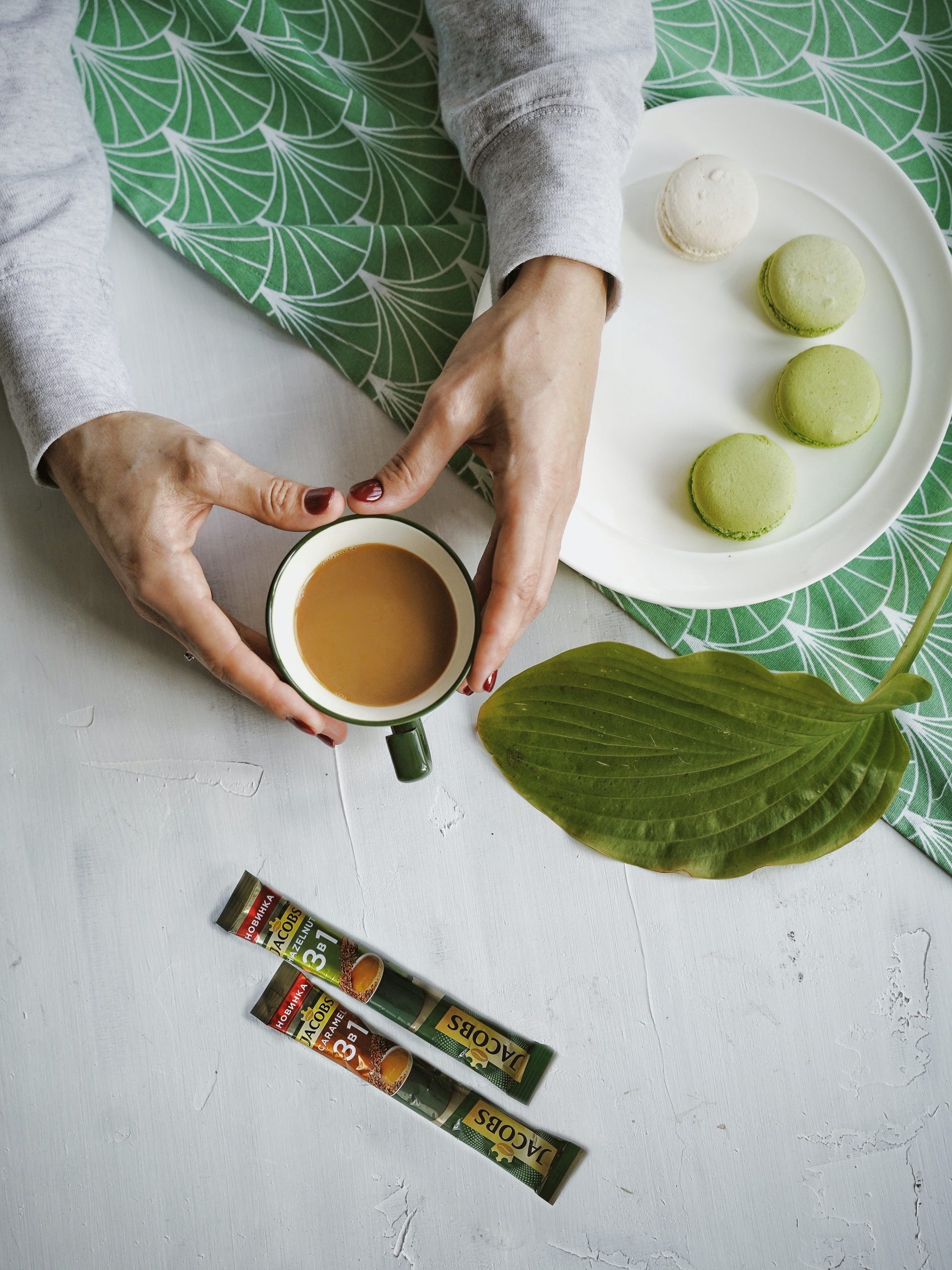
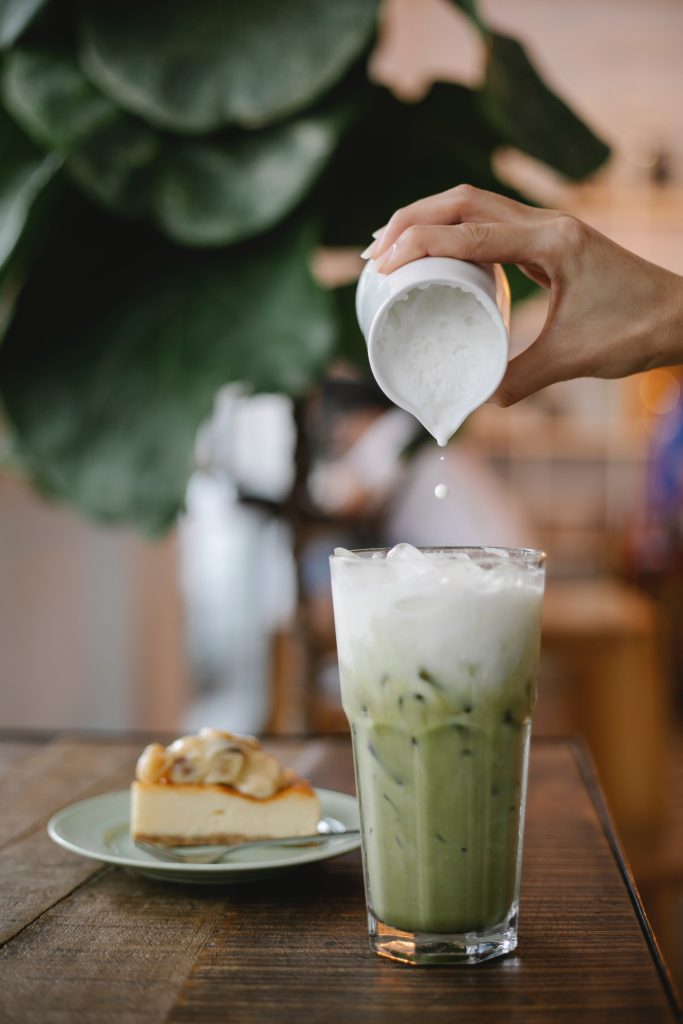
Matcha is bitter, white chocolate is sweet, and the macaron shell sits between the two like a referee. This is a precision bake. There is no honey in the macaron itself, but a small spoon of raw Acacia honey stirred into a matcha latte alongside is the cleanest way to enjoy what comes out of the oven.
The Origin of Matcha
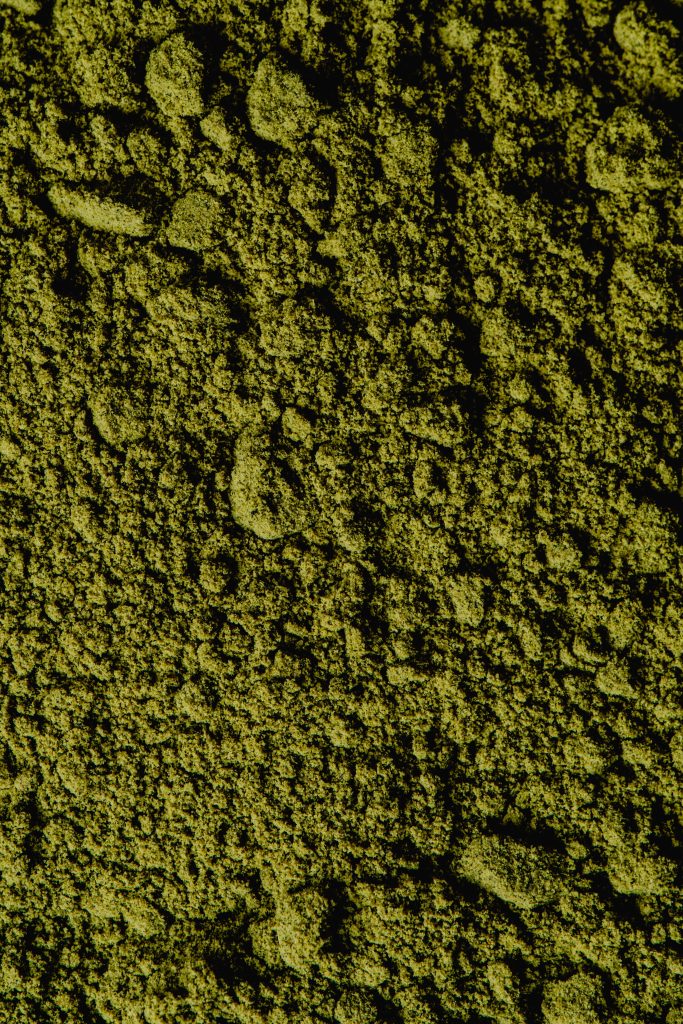
Matcha originated in China during the Tang Dynasty (618 to 907 AD), where tea leaves were steamed and formed into bricks for storage and trade. The tea was prepared by roasting and pulverising the leaves, then decocting the resulting powder in hot water with salt. In the Song Dynasty (960 to 1279), the method of making powdered tea from steam-prepared dried leaves, and preparing the beverage by whipping the tea powder and hot water together in a bowl, became popular.
Matcha and Japan
In the 12th century, the method of making matcha was brought to Japan by the Buddhist monk Eisai. He introduced tea to the samurai class, and it quickly became a staple of Japanese culture. The tea ceremony, known as Chanoyu, values harmony, respect, purity, and tranquillity, and matcha sits at its centre. The deliberate, almost meditative preparation that defines a tea ceremony is the same instinct that good macaron-making requires: a slow process that does not reward shortcuts.
Properties of Matcha Green Tea
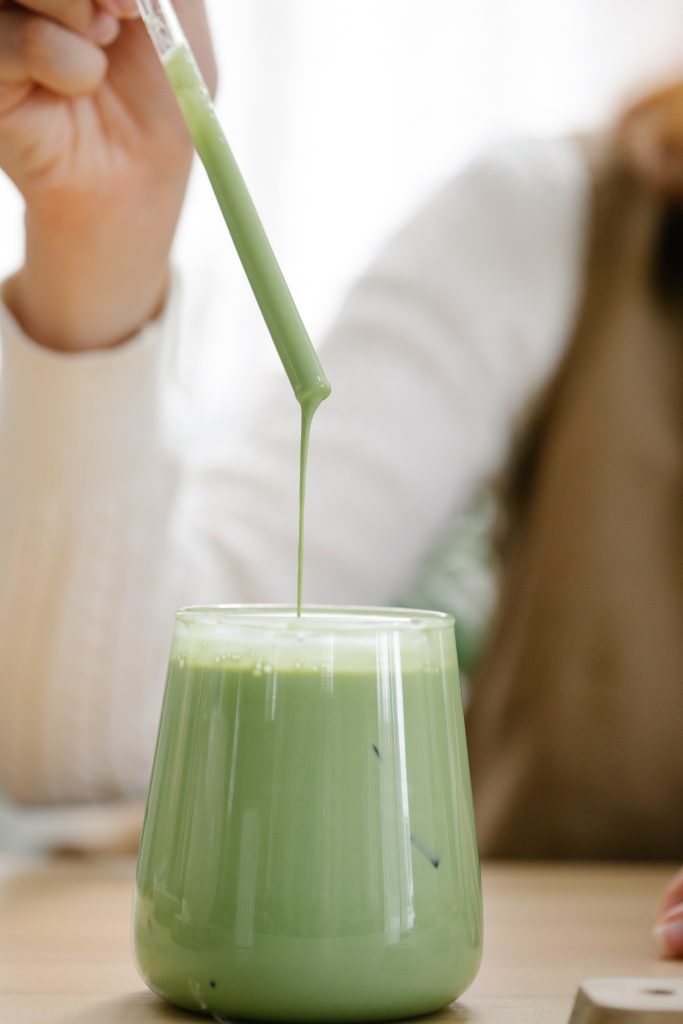
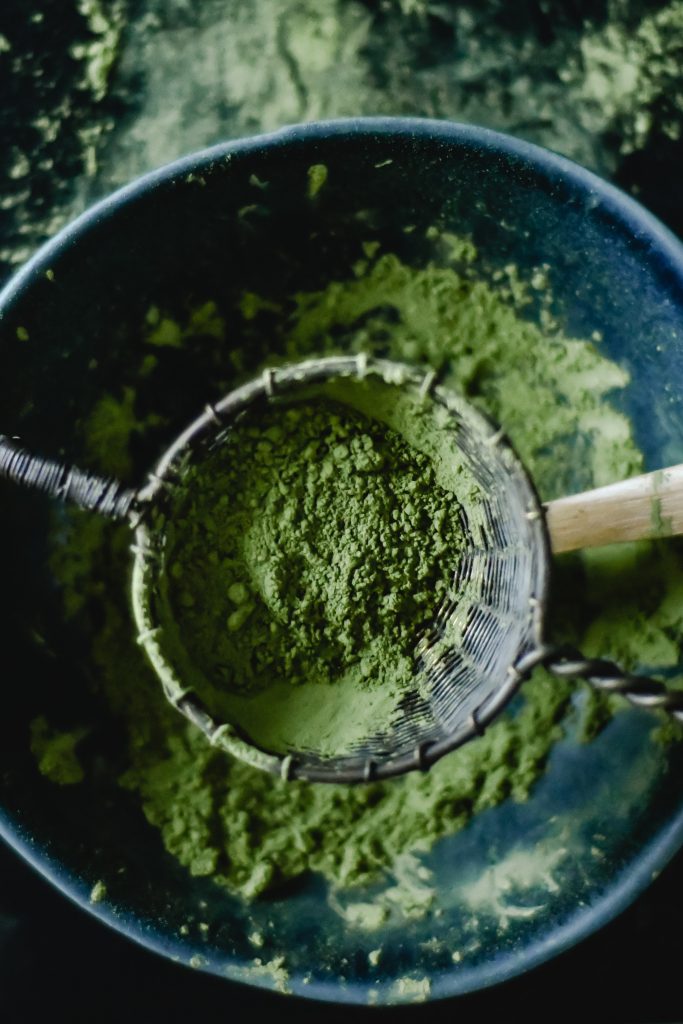
Matcha is one of the most concentrated sources of antioxidants of any tea. The leaves are shade-grown for the final three weeks before harvest, which boosts chlorophyll and L-theanine content. When the entire leaf is consumed in powder form rather than steeped and discarded, the catechins, caffeine, and amino acids that are normally left behind in the spent leaves end up in the cup. The result is a tea that delivers caffeine without the spike: the L-theanine moderates the absorption rate, producing what tea drinkers describe as alert calm rather than nervous energy. The flavour profile is bitter, vegetal, slightly umami, and entirely unlike any other tea. That bitterness is what makes matcha such a gift to a pastry chef.
Matcha and Honey: A Modern Pairing
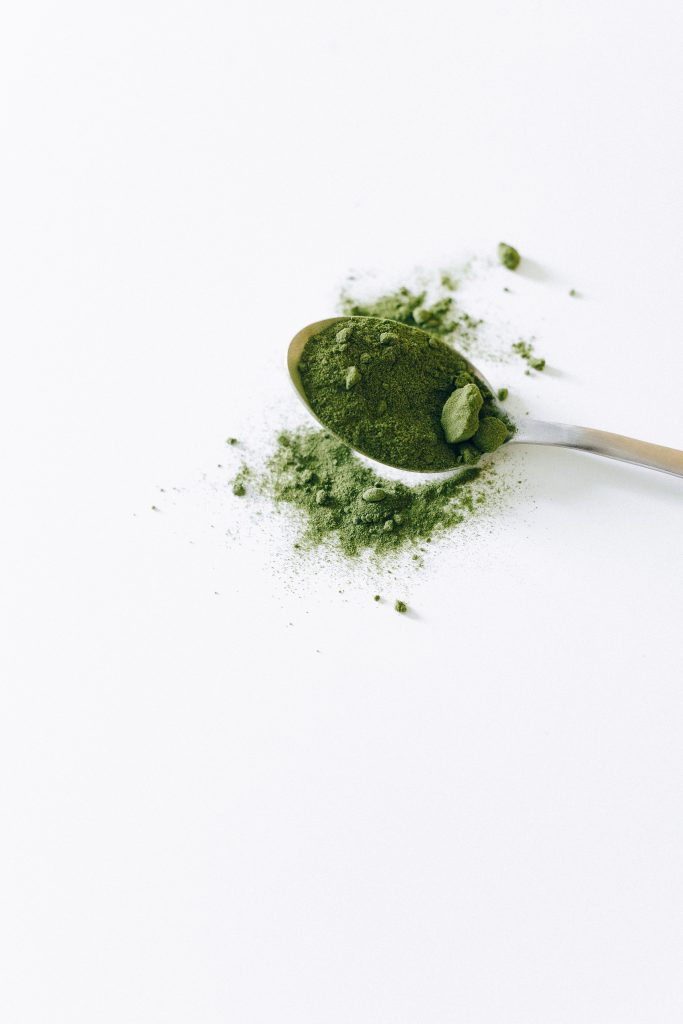
Matcha and honey is one of the simplest and most successful flavour pairings in modern wellness cooking. Raw honey moderates matcha's bitterness without flattening its character, the way refined sugar does. The floral complexity of raw honey is something the vegetal notes of matcha actually amplify. The matcha honey latte (hot water whisked with matcha, warm milk added, and a teaspoon of raw Acacia honey stirred in once the drink has cooled to around 60C) has become a fixture in cafes from Tokyo to London. Acacia is the right choice because its mild floral profile does not compete with matcha's intensity. Heather honey, by contrast, would dominate the cup. The lesson translates to baking: keep the honey light when matcha is doing the heavy lifting on flavour.
The Macaron: An Italian Beginning
Contrary to popular belief, the first macarons were not born in France, but in Italy. The name itself, derived from the Italian maccherone, meaning fine paste, hints at its origin. Introduced to France in the 16th century by Catherine de Medici's Italian pastry chefs when she married King Henry II, the original macaron was a simple combination of ground almonds, sugar, and egg whites. The modern French macaron, with its delicate two-cookie sandwich structure and luscious filling, evolved much later in the 20th century. Pierre Desfontaines of Ladurée is credited with this innovation. Today, Ladurée and Pierre Hermé are two French houses renowned for their exquisite macarons, making them an essential stop for anyone visiting Paris.
The Art of Making Macarons
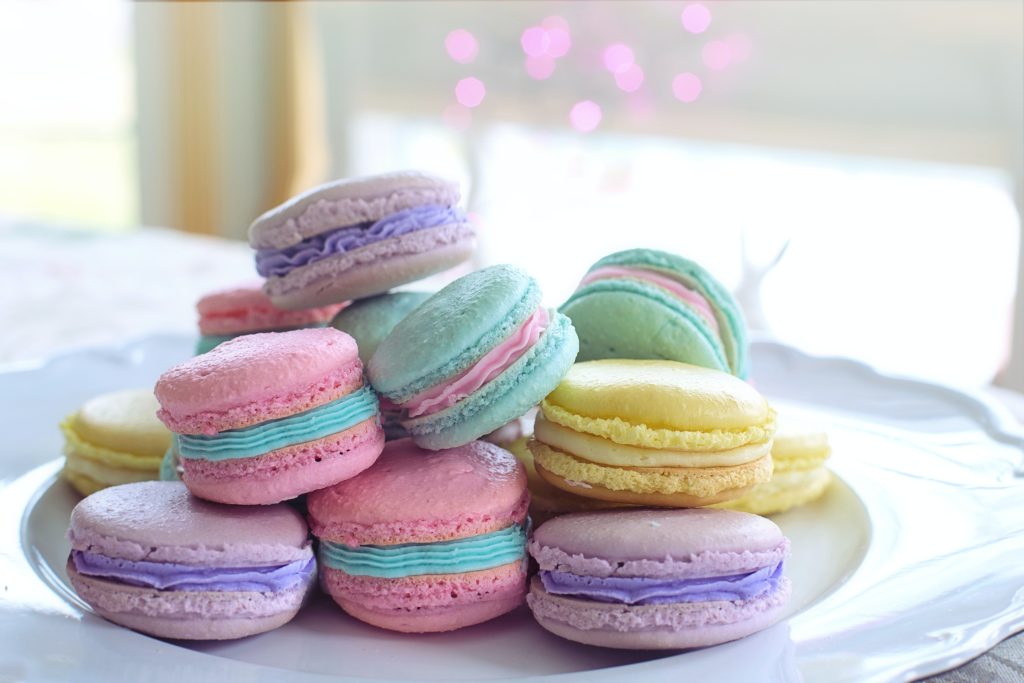
Creating macarons is a delicate process that requires patience, precision, and a dash of artistry. The cookies are made from a mixture of powdered sugar, almond flour, and egg whites. After beating the egg whites to a meringue, the dry ingredients are folded in carefully, in a movement called the macaronage. The mixture is then piped onto a baking sheet into small circular dollops, which are left to rest before being baked. This resting period is what allows the macarons to develop their signature feet: the frilly edges on the bottom of each cookie that mark a successful bake. The filling, often a ganache, buttercream or jam, is sandwiched between two cookies. A delicate balance must be struck between the subtly sweet, crisp shell and the rich, creamy filling. Flavours range from the traditional (vanilla, chocolate, raspberry) to the adventurous (foie gras, matcha green tea, even sweetcorn).
Matcha Macarons in the Kitchen
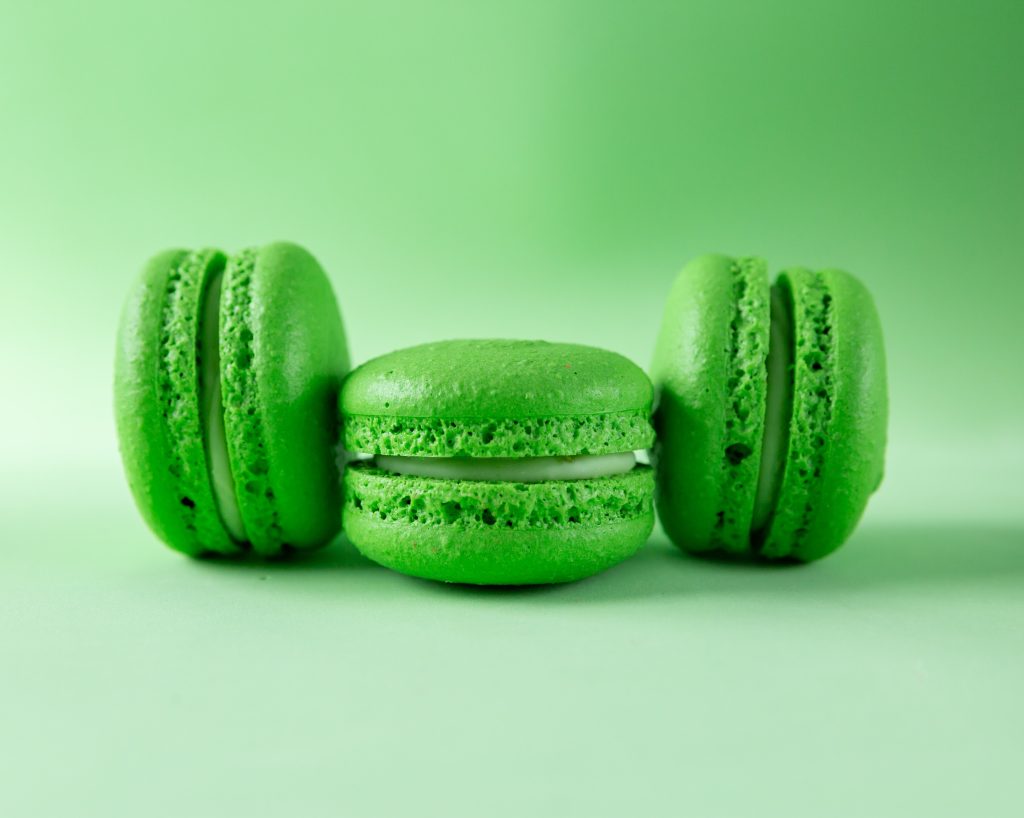
Matcha macarons have become a fixture of the modern pastry world. The vibrant green colour and distinctive flavour give them a visual identity that few other macaron variations can match. They offer a twist on the traditional French macaron, introducing a flavour profile that is both exotic and comforting. Matcha is a testament to the versatility of the powdered tea: a centuries-old Japanese ingredient finding new life in 21st-century French patisserie. The bitterness of matcha balances the sweetness of the white chocolate ganache so cleanly that it is difficult to imagine the pairing as anything but inevitable. It is one of those rare combinations where the whole genuinely exceeds the sum of its parts.
The Global Popularity of Macarons
Macarons have journeyed far beyond the borders of France and been embraced by dessert lovers worldwide. They are popular not only for their taste but also for their aesthetic appeal. Their vibrant colours and delicate structure make them photogenic, which has contributed to their widespread popularity on social media. In America, macaron boutiques have sprung up in major cities, and Macaron Day on the 20th of March sees bakeries give out free macarons and donate the day's sales to local charities. Asian countries have embraced this French dessert with their own unique twists. Japan has matcha green tea ganache. South Korea has sweet-and-sour tangerine. London has, since around 2018, started doing them properly.
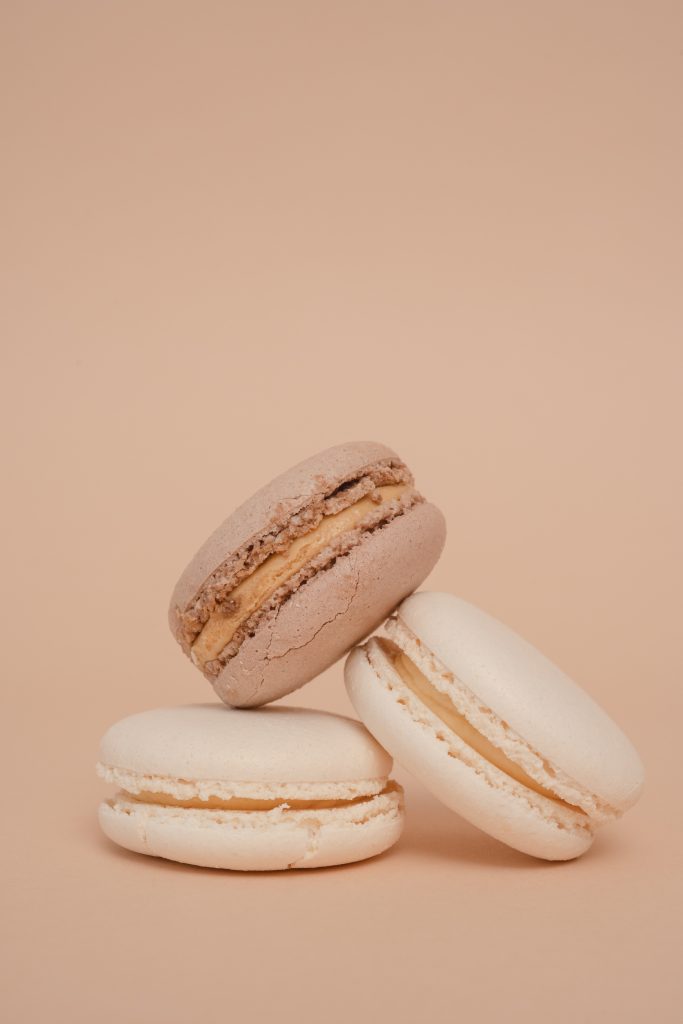
Green Tea and White Chocolate Ganache Macarons
Ingredients
- Ganache filling: 400g fresh cream
- Ganache filling: 400g white couverture chocolate
- Ganache filling: 150g butter
- Ganache filling: 20g matcha powder
- Macaron shell: 600g sifted TPT (300g almond meal with 300g icing sugar)
- Macaron shell: 10g matcha powder
- Macaron shell: 120g egg whites (first portion)
- Macaron shell: 300g caster sugar
- Macaron shell: 75g water
- Macaron shell: 120g aged egg whites (second portion)
Method
- Preparing the ganache. Finely chop the chocolate and cut the butter into small cubes. Bring the cream to a boil. Pour three-quarters of the boiled cream over the chopped chocolate and let it sit for a few minutes to start melting the chocolate.
- Stir gently with a spatula in a circular motion, being careful not to incorporate any air. Once the mixture is shiny and uniform, pour in the remaining cream and repeat the stirring process. Ensure the temperature of the chocolate does not exceed 55C.
- Add the butter and stir until fully incorporated. Cover the ganache with cling film pressed against the surface and refrigerate until set.
- Preparing the meringue. Sift the matcha powder with the TPT. Combine the TPT with the first portion of egg whites, stirring vigorously until a smooth paste forms.
- In a separate bowl, combine the caster sugar, water, and any colouring, and start heating. Place the aged egg whites in a mixer with a whisk attachment.
- Start whipping the egg whites to a soft peak when the sugar mixture reaches 115C. Once the sugar mixture reaches 118C, remove from the heat and slowly pour over the still-mixing egg whites.
- Increase the mixer speed to maximum for about 1 minute, then reduce to medium for another 2 minutes. Allow the meringue to cool to around 50C while mixing slowly.
- Gradually fold the meringue into the TPT and egg white batter using a spatula. Mix from the sides to the centre until the batter is uniform and glossy.
- Piping and baking. Using a plastic piping bag fitted with a no. 11 tip, pipe the batter onto a baking sheet following a size template. Stop piping before the batter reaches the edge of the template.
- Gently tap the tray on the side of the counter until the macaron batter reaches the size of the template. Remove the template from under the baking sheet.
- Allow the macarons to rest at room temperature for 15 minutes, until they form a skin and are dry to the touch.
- Bake the macarons according to the cooking guide for your specific oven type, typically 14 to 16 minutes at 150C.
- Once baked, slide the paper off the tray and let the shells cool, preferably on a wire rack.
- Assembling. Gently remove the shells from the paper and turn them upside down. Pair the shells by size and arrange them on your work surface.
- Transfer the green tea ganache into a piping bag. Pipe the ganache onto one half of each macaron pair, filling generously but leaving about 3mm space from the edge.
- Hold the ganache-filled shell in one hand and the empty shell in the other. Close the macaron by gently twisting the two shells together from left to right, allowing the filling to spread evenly.
- Storing. Place the finished macarons on a tray and refrigerate for at least 24 hours. Before serving, allow them to return to room temperature.
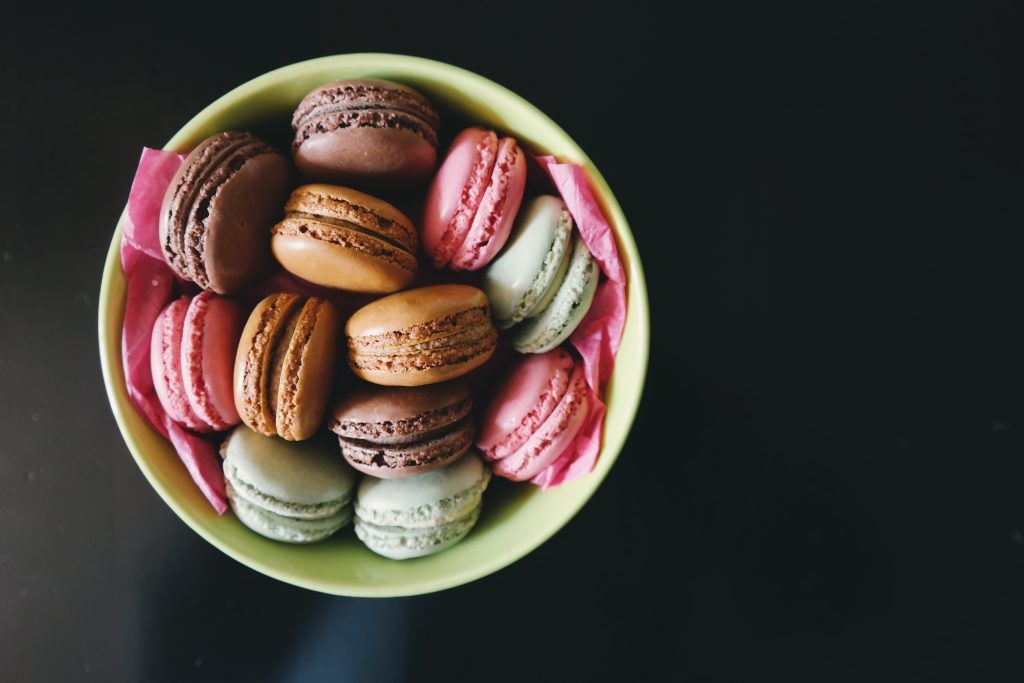
A Simpler White Chocolate Ganache
If the Italian-meringue method above is the destination, this is the safer route. A simpler two-ingredient ganache that requires no caster-sugar work and produces a reliable matcha filling even in difficult kitchens. Adapted from the white chocolate macaron ganache method published by Chelsweets at chelsweets.com.
Ingredients
- 200g good quality white chocolate (Ghirardelli, Guittard, or proper couverture)
- 100g heavy cream (or full-fat coconut cream, for dairy-free)
- 1 to 2 teaspoons matcha powder, sifted (start with 1 teaspoon and adjust)
- Pinch of fine sea salt
Method
- Break the white chocolate into small, even pieces and place in a heatproof bowl.
- Heat the cream in a small saucepan over medium heat until it begins to steam (around 80C). Do not let it boil.
- Pour the hot cream over the chocolate, ensuring all the chocolate is submerged. Leave undisturbed for 2 to 3 minutes to let the chocolate melt.
- Stir gently with a spatula or whisk until completely smooth. If you see unmelted bits, gently warm the bowl over a saucepan of simmering water for 30 seconds and stir again.
- Sift in the matcha powder and the salt. Whisk until the matcha is fully incorporated and the colour is uniform.
- Press cling film directly onto the surface of the ganache (this prevents a skin forming) and refrigerate for at least 2 hours, ideally overnight.
- When ready to use, transfer to a piping bag and pipe onto the macaron shells as in the main recipe above. The texture should be thick enough to hold its shape but soft enough to spread when sandwiched.
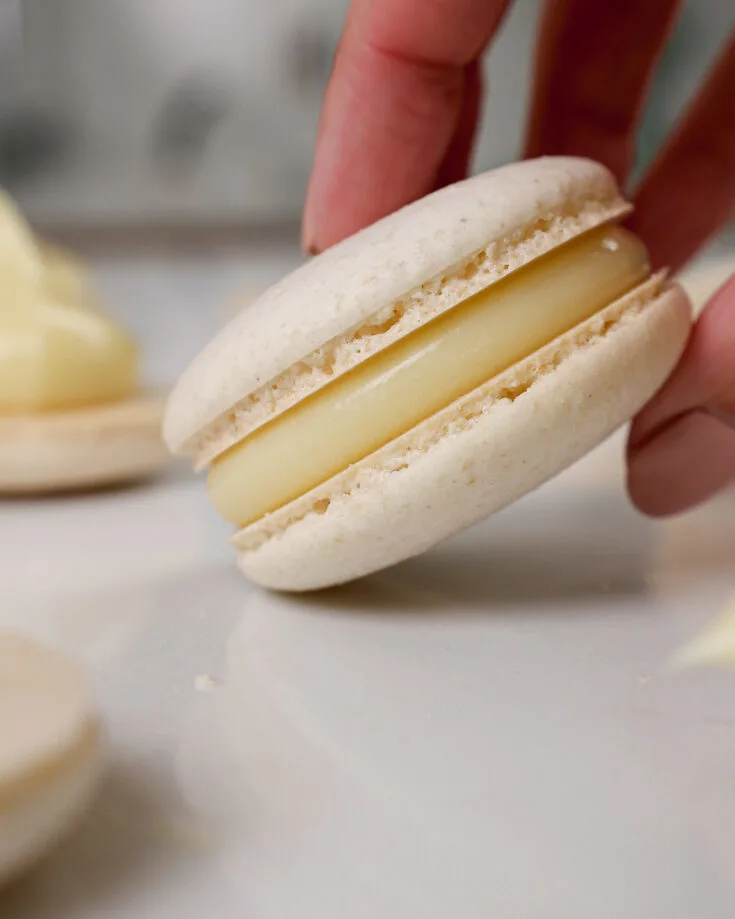
Things worth knowing
Why aged egg whites
Separated egg whites that have been held in the fridge uncovered for 24 to 48 hours lose moisture and whip into a more stable meringue. This is the single biggest difference between professional macarons and amateur ones. If your kitchen is humid, this matters even more.
Watch the sugar temperature
Italian meringue depends on hitting 118C. Use a digital thermometer. Below 115C the meringue is too soft. Above 121C the meringue cooks the egg whites and seizes. The 3C window is real.
Why the rest before baking
Macarons need to form a skin before they enter the oven. This skin forces them to rise upwards rather than spread, which creates the characteristic foot at the base. 15 minutes minimum, more if your kitchen is humid.
On macaronage technique
The folding step (macaronage) is what separates good macarons from great ones. The batter should flow off the spatula in a slow ribbon and the ribbon should disappear back into the batter within 10 seconds. Under-mixed batter rises too fast and leaves a hollow. Over-mixed batter spreads and never forms feet.
Choosing your matcha
Use ceremonial-grade matcha for the cleanest, most vibrant green. Culinary-grade is acceptable if budget is a concern but the colour will be duller. Avoid anything labelled simply green tea powder: it is not the same product.
Why 24 hours of rest
Filled macarons need to mature in the fridge for 24 hours before they reach their proper texture. The ganache slowly hydrates the inside of the shells, softening them while the outside stays crisp. Eat them too fresh and they will be crunchy and dry.
Frequently Asked Questions
What is matcha and how is it different from green tea?
Matcha is finely ground green tea powder made from shade-grown leaves. Whereas green tea is steeped and the leaves discarded, matcha is consumed whole in the cup, which gives it a much higher concentration of antioxidants, caffeine, and the amino acid L-theanine. The flavour is more vegetal, more bitter, and significantly more intense.
Can I substitute regular green tea powder for matcha?
No. Matcha is specifically the powdered form of shade-grown tencha leaves. Regular green tea, when ground, lacks the colour, the flavour intensity, and the silky texture that makes matcha work in baking. Use ceremonial-grade matcha for the cleanest flavour, or culinary-grade if budget is a concern.
Why is my macaron shell hollow?
Almost always under-mixing the macaronage (folding the meringue into the TPT). The batter should flow off the spatula in a slow ribbon and the ribbon should disappear back into the batter within 10 seconds. Under-mixed batter rises too fast and leaves a hollow. Over-mixed batter spreads and never forms feet.
Can macarons be made dairy-free?
Yes. Replace the heavy cream in the ganache with full-fat coconut cream. The flavour shifts slightly toward coconut, which works well with matcha. The shells contain no dairy.
Why do macarons need to rest 24 hours after assembly?
The ganache slowly hydrates the inside of the shells, softening them from the inside out. Fresh-assembled macarons are crunchy and dry. After 24 hours in the fridge, they have the signature texture: crisp shell, chewy interior, soft filling. Eat them too soon and they will not be right.
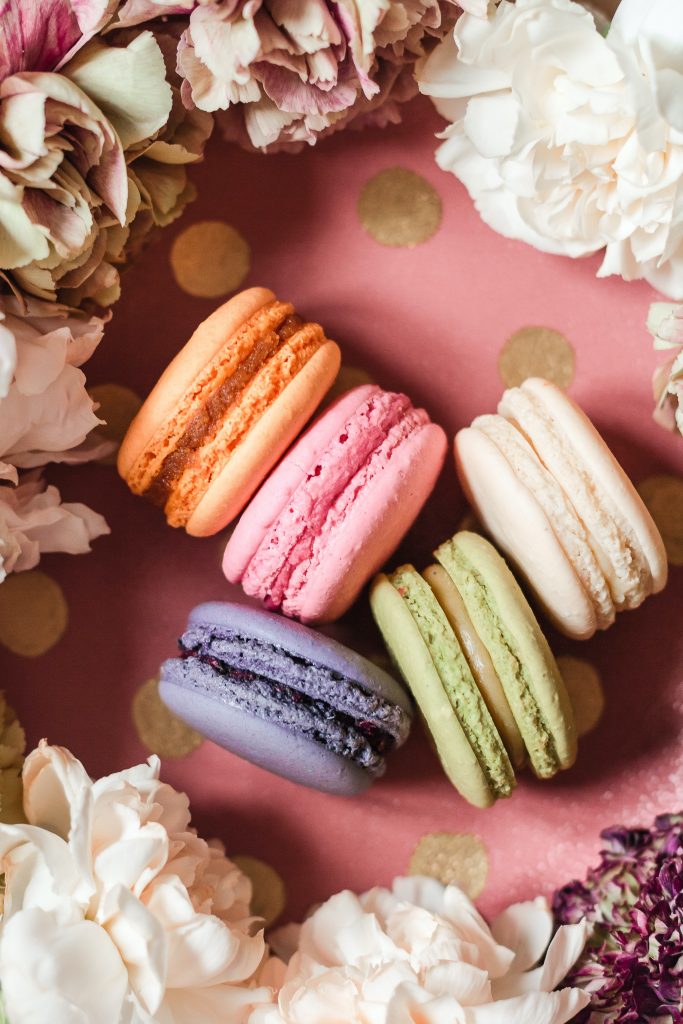
The Finished Macarons
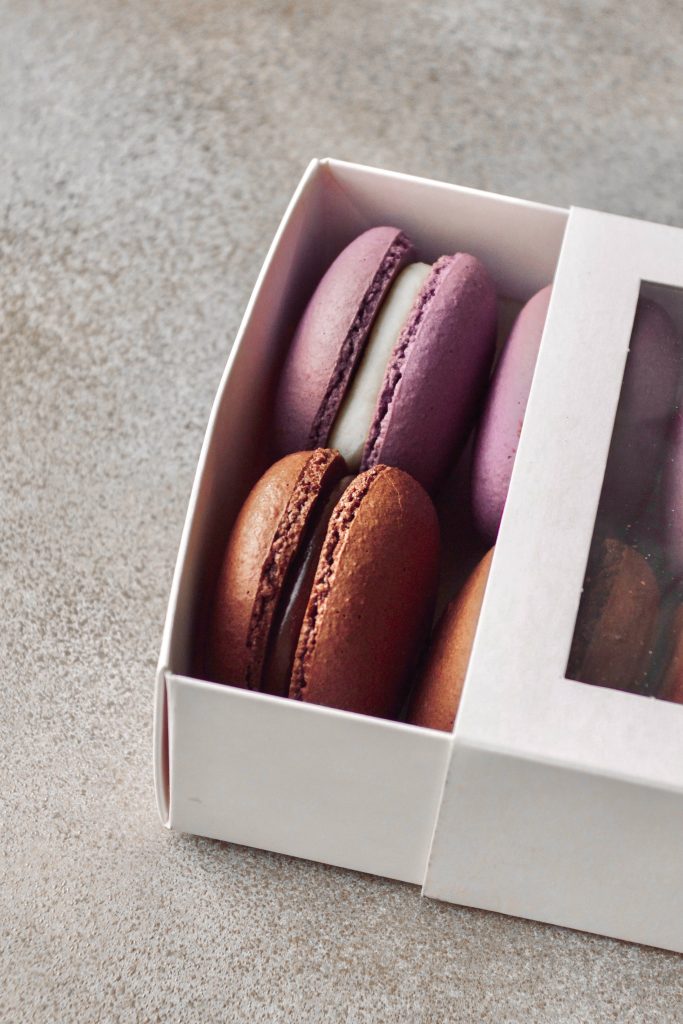
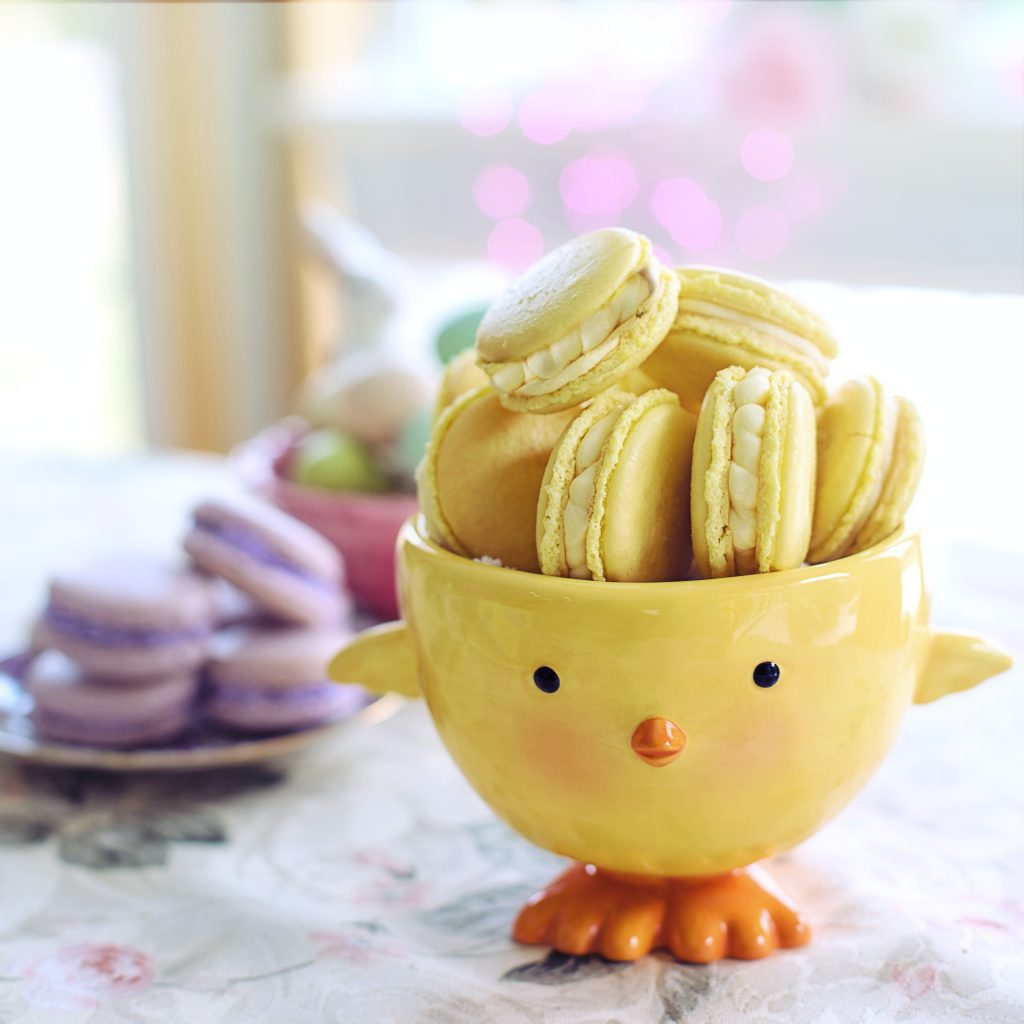
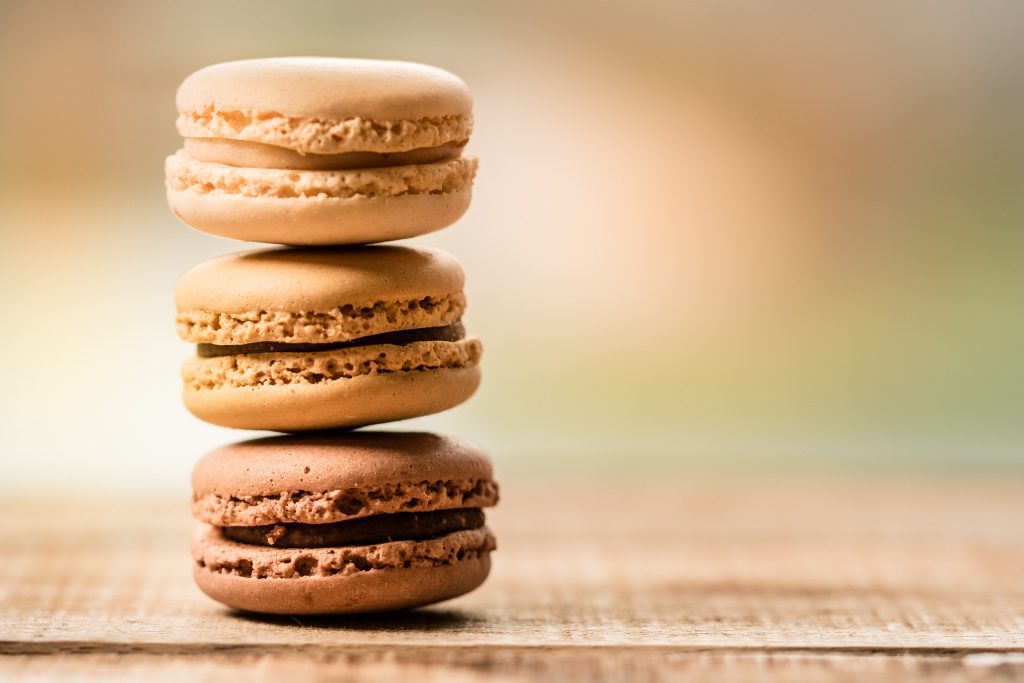
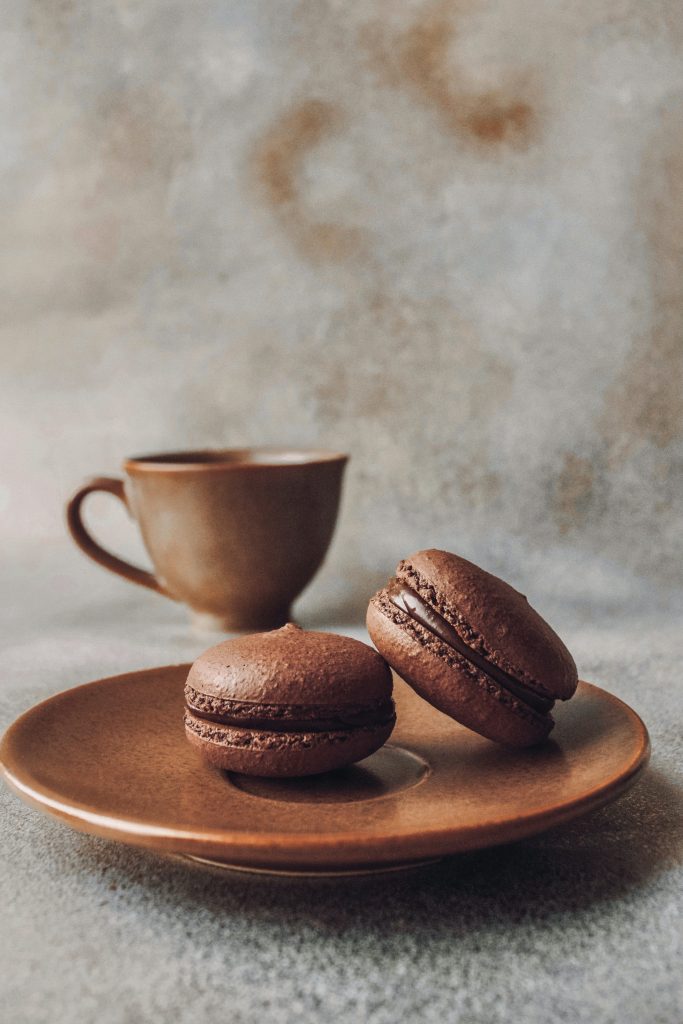
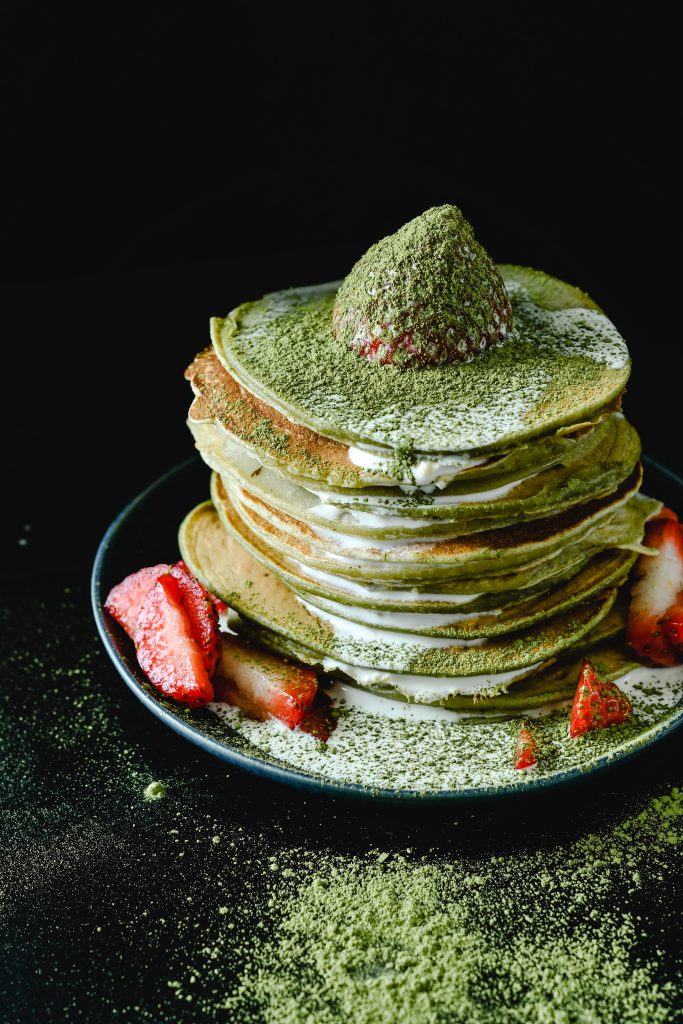
Macarons are a finished product before anyone tastes them. The colour is the headline, the foot is the test, and the gloss tells you whether the meringue was right. A small gallery of how the pairing presents in different settings.
Tried This?
Sign in and tell us how it went.