 English (UK)
  Italiano
  Français
  简体中文
简体中文  한국어
한국어 
What Is the Best Time to Eat Honey? An Honest, Evidence-Based Answer
In This Guide
Key Takeaways
- For most people there is no single "best time" for health. Honey is a sugar; enjoy it for pleasure, in moderation, whenever you like.
- The one use with strong evidence is soothing a cough. The NHS suggests a warm honey-and-lemon drink for adults and children over one.
- If timing matters anywhere, it is the evening: studies tested honey about half an hour before bed to ease a night-time cough.
- Harvard Health is clear that honey's trace antioxidants are present in amounts too small to meaningfully affect health, and that one sugar is not really better than another.
- Never give honey to a baby under 12 months (risk of infant botulism). Honey is, however, safe in pregnancy.
The Honest Short Answer
Search "best time to eat honey" and you will find confident claims that a morning spoonful fires up your metabolism, that honey before bed triggers melatonin, that it builds muscle before a workout. We are beekeepers who care about getting this right, so here is the straight version: most of those claims are not supported by good evidence. Honey is a natural food, and a lovely one, but nutritionally it is a sugar.
That does not make it worthless. It makes it honest. There is one genuinely well-evidenced use for honey where timing really does matter, and a few sensible, enjoyable ways to fit it into your day. This guide separates what the NHS and published research actually say from the wellness-blog mythology, and quotes the sources directly so you can check them yourself.
In one line
There is no magic hour. Enjoy honey when it brings you pleasure, keep the total amount modest, and reach for a warm honey drink in the evening if a cough is keeping you up.
The One Use With Real Evidence: Cough
If there is a "best time" to reach for honey for a health reason, it is the evening, and the reason is a cough. This is the one area where the evidence is genuinely good, and where the UK's own health service recommends it.
For a cough, the NHS advises that adults and children over one can try a warm drink of honey and lemon, describing the homemade remedy as "likely to be just as useful and safer" as over-the-counter cough medicines.
Source: NHS inform, CoughSeveral NHS pages go further on timing. For a child over one with a night-time cough, the guidance is a spoonful of honey, ideally in a warm drink, about half an hour before bed, which may help them cough less and sleep through more of the night. That is a specific, evidence-led "best time", and it is the evening, not the morning.
A double-blind, randomised, placebo-controlled trial found honey given before bedtime reduced night-time cough and improved sleep for children and their parents, more than placebo.
Source: Cohen HA et al., Pediatrics (2012)An earlier randomised trial found buckwheat honey eased nocturnal cough at least as well as dextromethorphan, a common cough-medicine ingredient.
Source: Paul IM et al., Archives of Pediatrics & Adolescent Medicine (2007)A 2021 review of honey for upper-respiratory infections concluded that it improved cough frequency and severity compared with usual care.
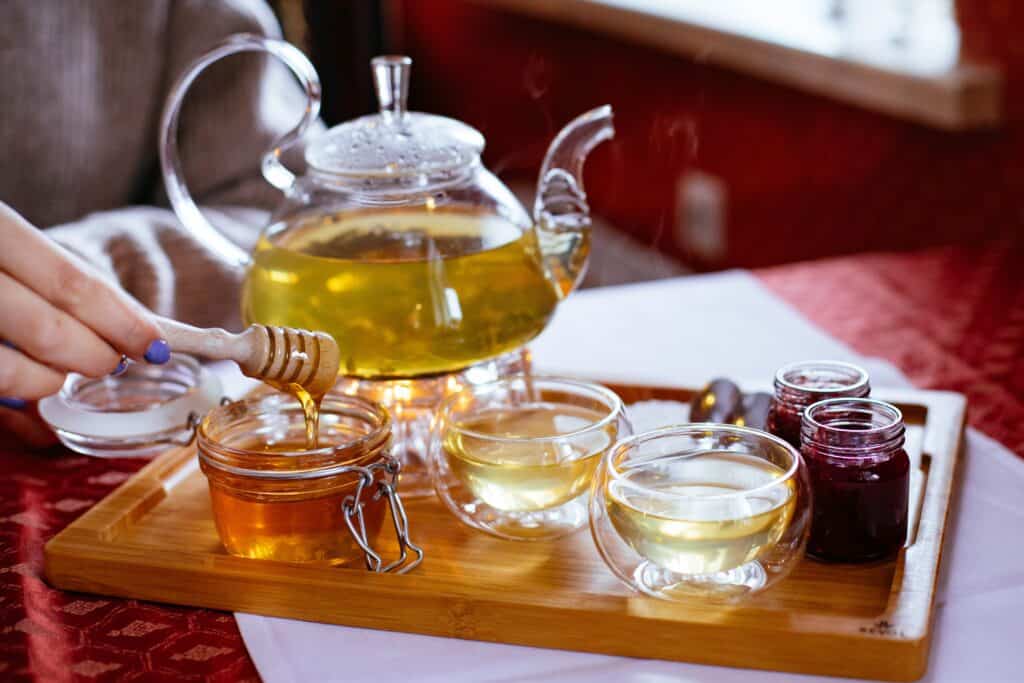
Source: Abuelgasim H et al., BMJ Evidence-Based Medicine (2021)The likely mechanism is humble: honey is thick and soothing, coating an irritated throat, and the act of sipping a warm drink helps too. You do not need an exotic honey for this. A simple hot honey and lemon is the classic:
- Juice of half a lemon and a teaspoon or two of honey in a mug of hot (not boiling) water.
- Sip slowly, ideally about half an hour before bed.
- Not for babies under one year. For young children, check NHS guidance on dose.
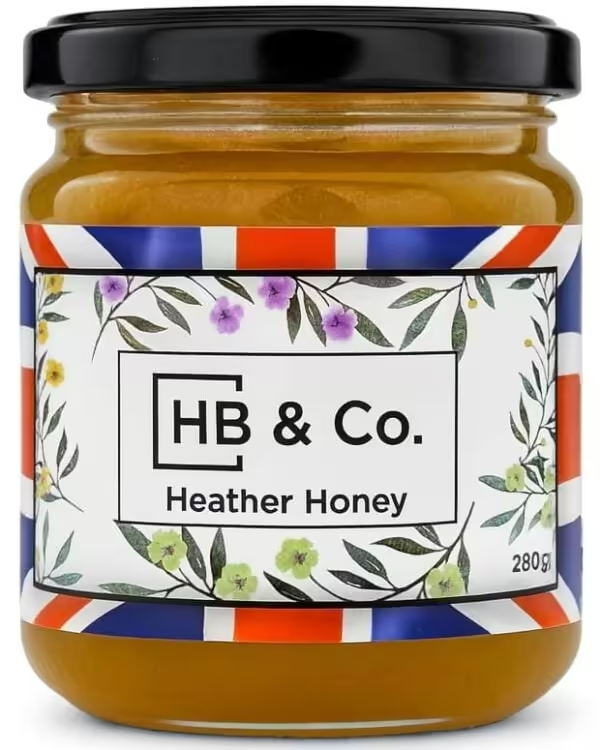
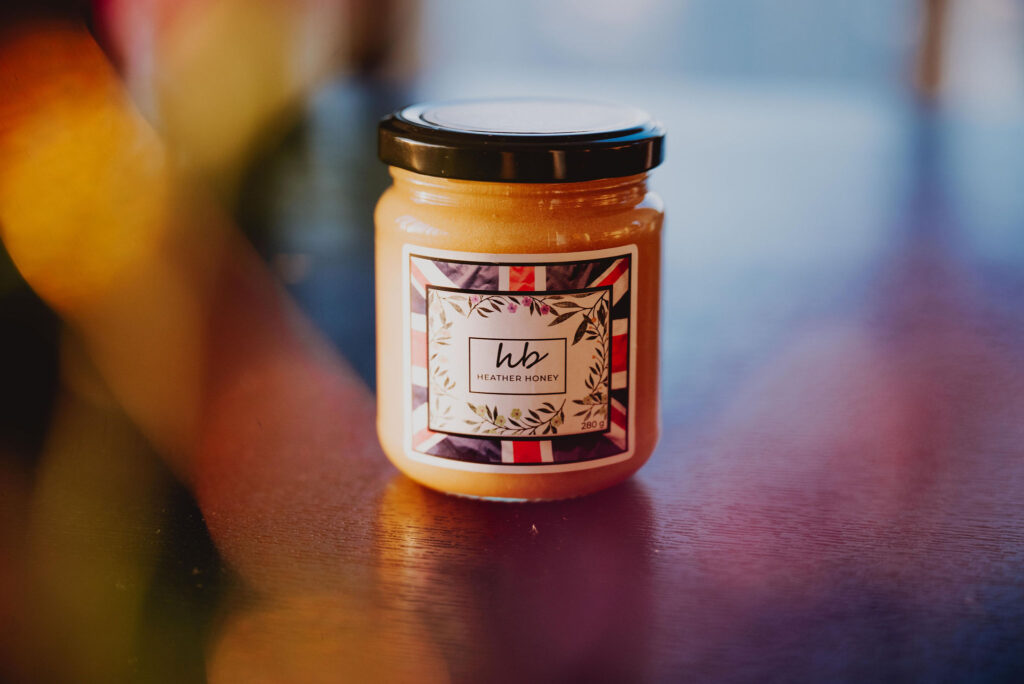
Raw Heather Honey, 280g
Dark, thick and intensely aromatic, heather is the honey to keep by the kettle for a strong evening brew or a soothing hot honey and lemon.
For the wider story of honey in the cup, see our piece on honey in tea. And if you are going to keep a jar for evening drinks, a bold heather honey or a mild acacia both work beautifully.
Is Honey Healthier Than Sugar?
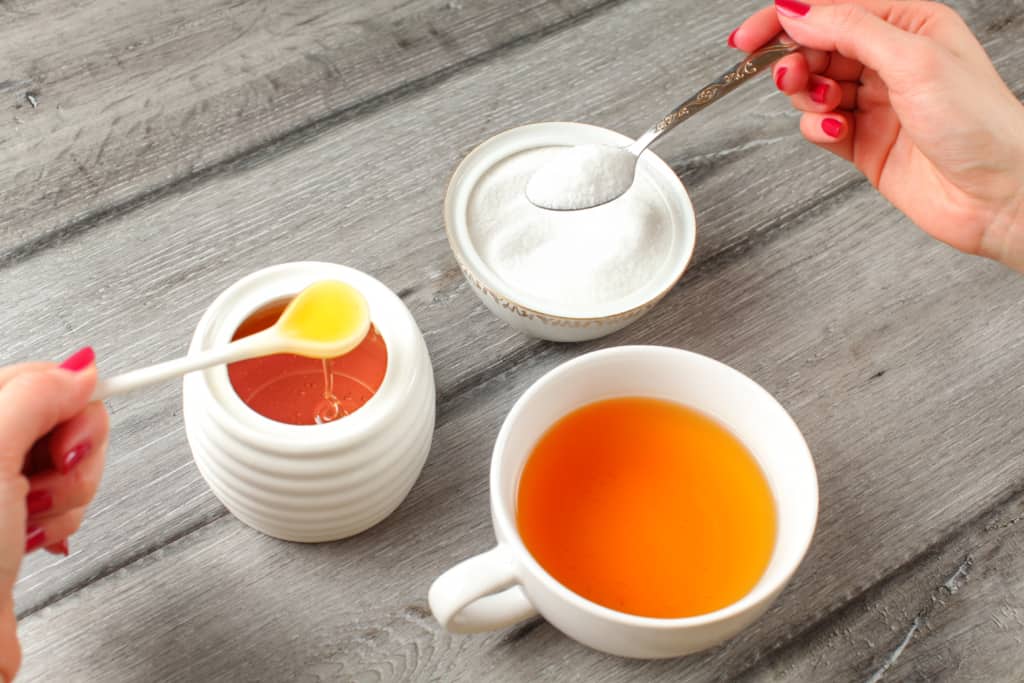
This is where honesty matters most, because it is where the marketing is loudest. The reassuring, slightly deflating truth from Harvard Medical School's health publishing arm is that honey is, nutritionally, a sugar.
Harvard Health notes that honey does contain antioxidant compounds, but in amounts "so small that they may not affect health", and that a tablespoon of honey carries slightly more calories than table sugar (around 64 versus 45).
Source: Harvard Health Publishing, "Honey for health"On whether any sugar is healthier than another, Harvard's verdict is blunt: for most people, "one type of sugar isn't better than another", and the sensible goal is to limit all added sugar.
Source: Harvard Health PublishingUK guidance lands in the same place. The NHS counts honey as one of the "free sugars" we are all advised to cut down on, recommending adults have no more than about 30g of free sugars a day, roughly seven sugar cubes. Honey is not exempt from that simply because it comes from a hive.
So why choose good honey at all? For flavour, provenance and pleasure, not as a health supplement. A spoon of single-origin raw honey tastes of the flowers and the place it came from in a way that white sugar never will. If you want the full nutritional comparison, we lay it out in our honey vs sugar report.
Energy, Metabolism, Sleep and Workouts
Here is an honest scorecard of the popular timing claims, so you can spend your spoonfuls wisely:
| The claim | What the evidence says |
|---|---|
| Morning honey "fires up your metabolism" and burns fat | Not supported. Honey gives you sugar and calories like any sweetener; there is no reliable evidence it boosts metabolism or fat-burning. |
| Honey before bed triggers melatonin for better sleep | Not established. The real sleep link is indirect: a warm honey drink can ease a night-time cough that would otherwise wake you. |
| Honey "boosts immunity" or brain function | Not supported in the way marketed. Harvard notes the active compounds are present only in tiny amounts. |
| Honey before a workout builds muscle | Honey is simply a carbohydrate. It can fuel exercise as any sugar would, but it is not a special muscle-builder. |
| Honey soothes a cough | Well supported. Recommended by the NHS for adults and children over one, backed by randomised trials. |
The pattern is clear: treat honey as a delicious food, not a daily medicine. The one column that holds up under proper testing is the cough one. Everything else is best enjoyed for what it is, taste.
Who Should Be Careful
A short, important section, because some honey "safety" advice online is simply wrong.
The single firm rule: never give honey to a baby under 12 months old. Infant digestive systems cannot handle bacterial spores that honey can contain, which can cause infant botulism.
Source: NHS- Pregnancy: honey is safe to eat in pregnancy. The under-one rule is about a baby's developing gut after birth, not the mother. You may still see this stated incorrectly online.
- Diabetes and blood sugar: honey raises blood sugar much like other sugars, so if you are managing diabetes, count it as you would any added sugar and follow your clinician's advice.
- Allergies: a true honey allergy is rare. If you have a known allergy to bee products or pollen, check with a healthcare professional before trying it.
A note from us, in plain English
This article reports general information and what health bodies and researchers have published. It is not medical advice, and HoneyBee & Co. makes no medicinal claims about its products. Honey is a food, not a medicine.
Always follow current NHS guidance, never give honey to a child under one, and speak to a pharmacist, GP or other qualified professional about your own circumstances.
So When Should You Actually Eat Honey?
Freed from the mythology, here is a genuinely useful way to think about timing, built around enjoyment rather than imagined miracles.
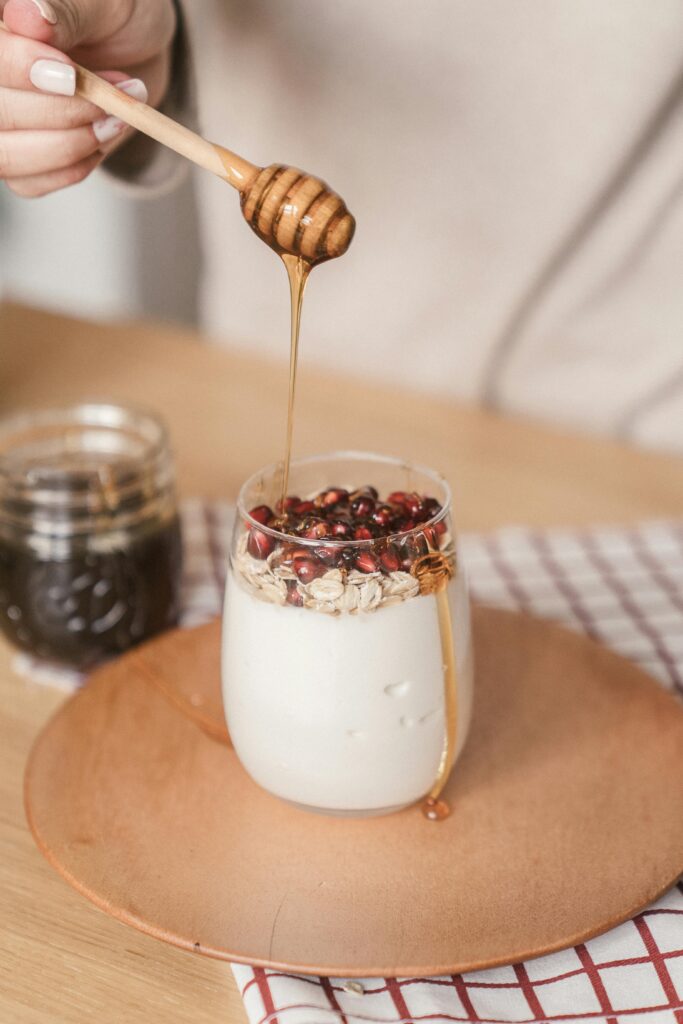
- Morning, for pleasure. A drizzle over porridge, yoghurt or toast is a lovely way to start the day. It is sugar, so keep the spoon sensible, but there is nothing wrong with enjoying it.
- With tea, any time. Honey sweetens and softens a cup beautifully. Match a delicate honey to a delicate tea, a bold one to a strong brew. Our afternoon tea guide goes deep on pairings.
- On the cheese board. One of honey's happiest homes, with brie, goat's cheese or a sharp cheddar. See our cheese board selection.
- Evening, if a cough strikes. The one genuinely evidence-based slot: a warm honey-and-lemon about half an hour before bed.
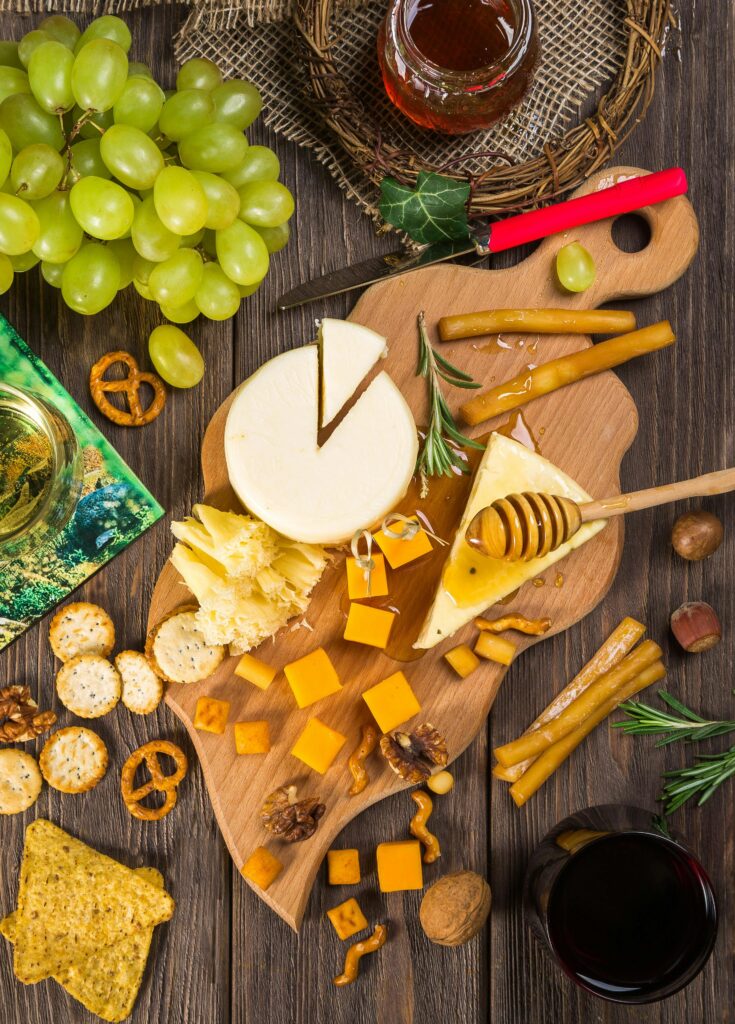
In other words: there is no clock to obey. Eat honey when it makes a moment nicer, and let the evening cough drink be the one time you reach for it with a real reason.
Raw vs Processed Honey
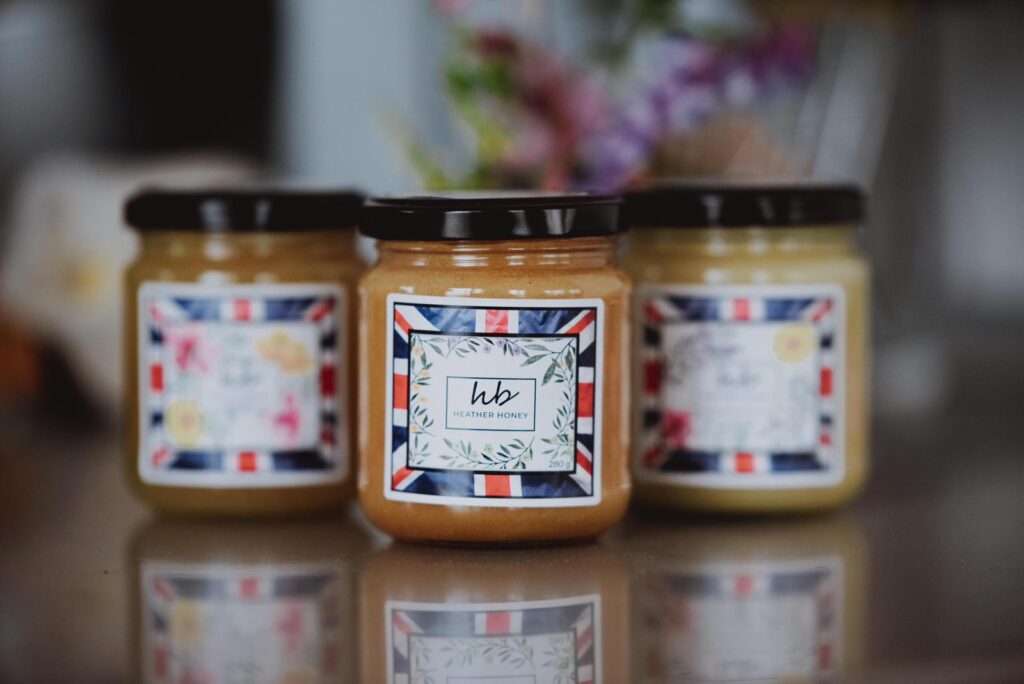
If you are going to keep honey, the meaningful choice is not the hour of day but the quality of the jar. Most supermarket honey is heated and fine-filtered for a clear, uniform, long-life product. That processing also strips out much of the aroma, the pollen and the character.
Raw honey, like ours, is simply extracted and gently strained, never heat-treated. We make no health claims for that, but we will happily claim the difference in flavour: raw, single-origin honey carries the scent and taste of the specific blossom and place it came from. A spoon of raw wildflower in summer tastes of British meadows; our acacia is pale and delicate; heather is dark and bold. That is what you are really choosing between.
One practical note: raw honey naturally crystallises over time. That is a sign of authenticity, not a fault. Our guide to crystallised honey explains how to bring it back with a gentle warm-water bath.
Keep good honey in the house
If honey is going to be part of your day, it is worth it being raw, single-origin and traceable to the hive. Free UK delivery on three or more jars and on every subscription order.
Acacia Honey
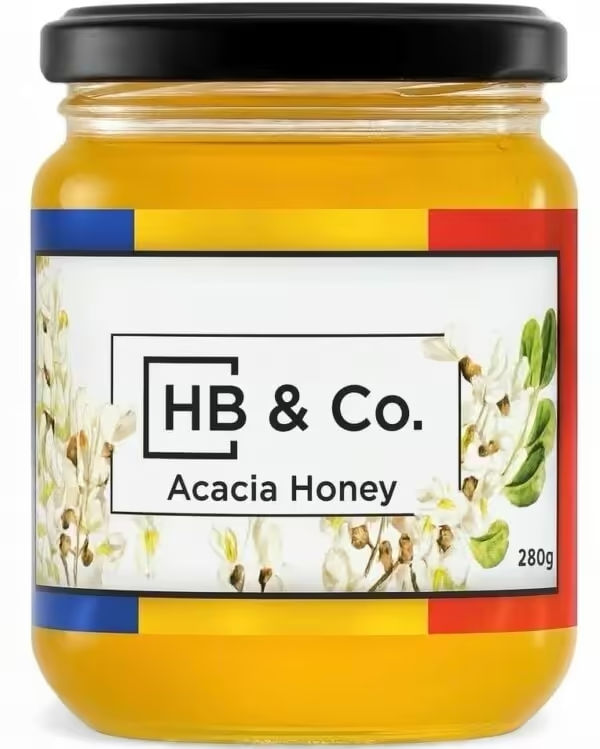
Pale, mild and floral. The gentlest honey to stir into a delicate tea.
Shop now ›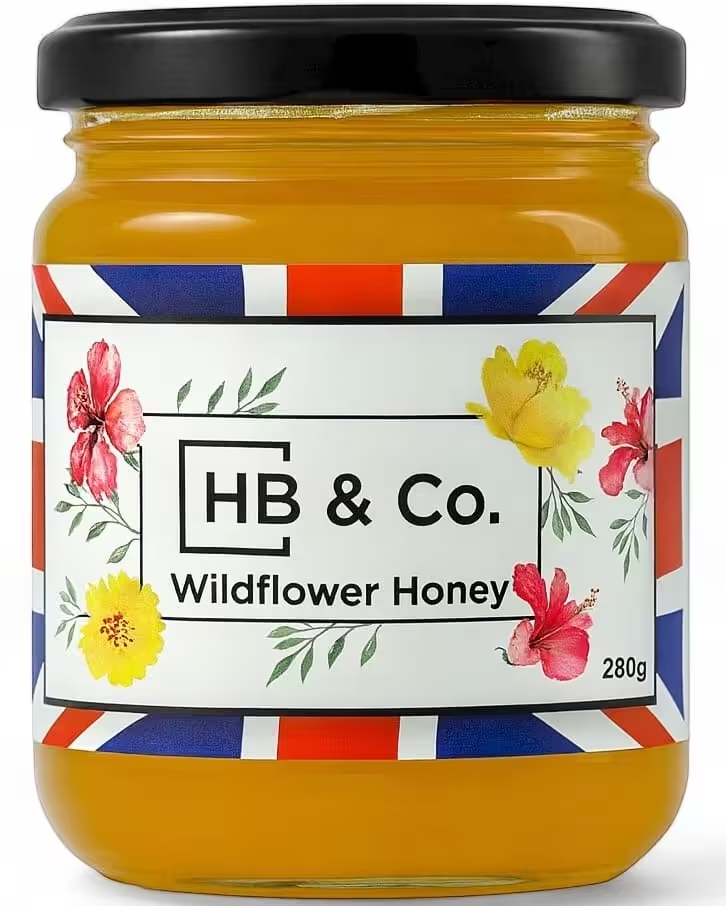
Wildflower Honey
Bright and floral, a British all-rounder for tea, toast and yoghurt.
Shop now ›Heather Honey
Dark and aromatic, made for strong brews and evening drinks.
Shop now ›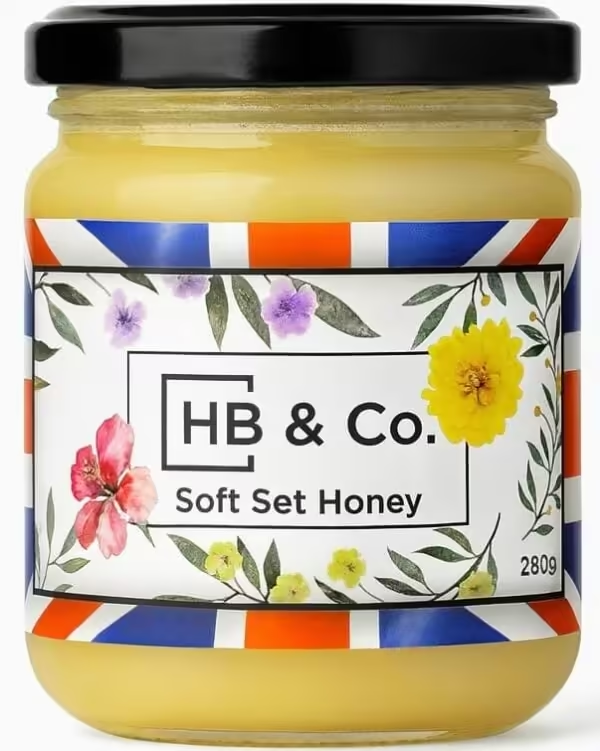
Soft Set Honey
Smooth and spreadable, the easy choice for a warm scone or crumpet.
Shop now ›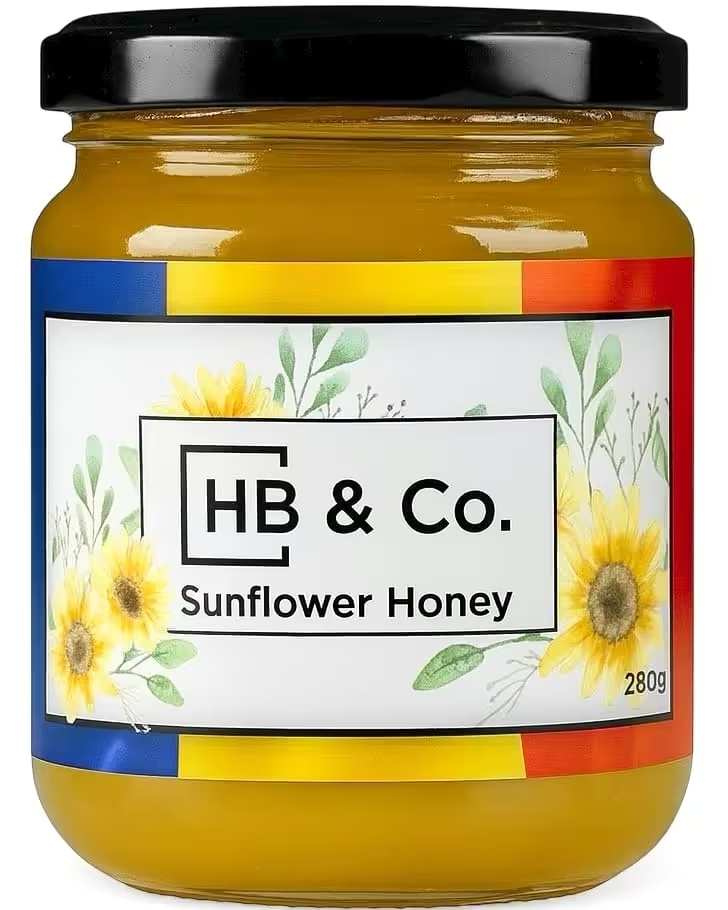
Sunflower Honey
Warm, golden and gentle, lovely over buttered teacakes.
Shop now ›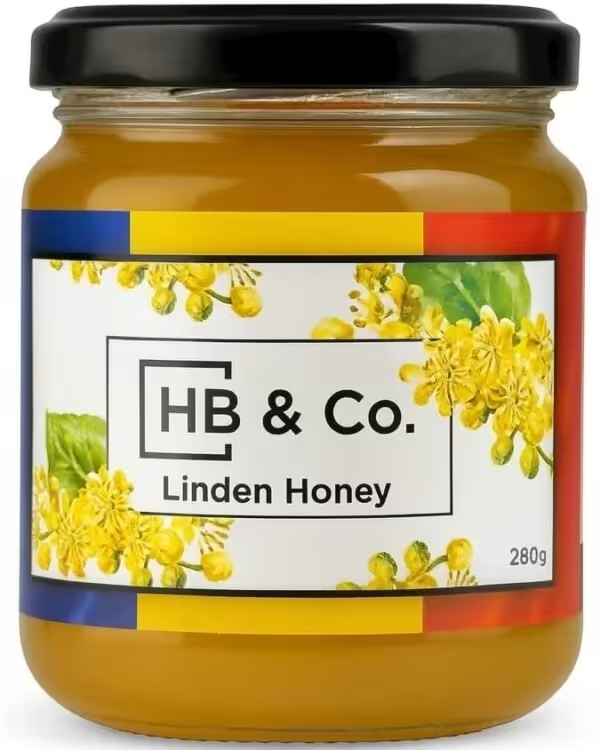
Linden Honey
Fresh, lime-blossom character, a natural with herbal and floral teas.
Shop now ›Selections, gifts and subscription
Raw Acacia Honey
Pale, mild and floral, the easiest honey to stir into a delicate cup. £10.99.
Shop Acacia › Bold for eveningsRaw Heather Honey
Dark and aromatic, made for a strong evening brew or hot honey and lemon. £12.99.
Shop Heather › Made for teaTea Lovers' Selection
A curated set of our most tea-friendly honeys, ready to pair across the day.
Shop the selection › Subscribe & saveHoney Subscription
Never run out for your morning porridge or evening drink. 20% off, free delivery, pause any time.
Start a subscription › BestsellerDiscovery Trio
Acacia, Wildflower and Heather, three honeys to cover every cup and every craving.
Explore the trio › For someone specialHoney Gift Sets
Ready-to-give boxes of single-origin honey for the tea lover in your life.
See the gift sets ›
Five Honey Timing Myths
Myth 1: "Honey first thing kick-starts your metabolism."
There is no good evidence for this. Honey provides sugar and calories; it does not switch on fat-burning. Enjoy a morning spoonful for the taste, not a metabolic boost.
Myth 2: "Honey before bed releases melatonin and improves sleep."
Not established. The genuine night-time benefit is narrower: a warm honey drink can calm a cough that would otherwise disturb sleep.
Myth 3: "Honey is a healthy sugar, so you can have as much as you like."
The NHS counts honey as a free sugar to limit, and Harvard's view is that one sugar is not really better than another. Keep the amount modest.
Myth 4: "Pregnant women should avoid honey."
Honey is safe in pregnancy. The under-one rule protects babies' developing guts after birth; it is not about the mother.
Myth 5: "Stirring honey into hot tea destroys all its benefits."
Very hot water can dull some delicate aromatics, which is why we suggest hot rather than boiling water for flavour. But the soothing effect on a sore throat remains. Drink it and enjoy it.
Frequently Asked Questions
What is the best time of day to eat honey?
Does honey help you sleep?
Is honey good for a cough?
Can babies have honey?
Is honey healthier than sugar?
Should I eat honey before or after a workout?
How much honey is too much?
Does raw honey have more benefits than processed honey?

Dragos Nistor
Dragos Nistor is the founder of HoneyBee & Co., a family honey brand built on six generations of beekeeping heritage. He would rather tell you the honest, well-sourced truth about honey than sell you a myth, which is why this guide quotes the NHS and Harvard directly.
Sources and Further Reading
- NHS inform (NHS Scotland). Cough self-care, including honey and lemon. nhsinform.scot
- NHS. Colds, coughs and ear infections in children, including the under-one honey rule. nhs.uk
- NHS Healthier Together. Cough and cold guidance: honey before bed for children over one. healthiertogether.nhs.uk
- Cohen HA, Rozen J, Kristal H, et al. Effect of honey on nocturnal cough and sleep quality. Pediatrics, 2012;130:465-471.
- Paul IM, Beiler J, McMonagle A, et al. Effect of honey on nocturnal cough and sleep quality. Archives of Pediatrics & Adolescent Medicine, 2007.
- Abuelgasim H, Albury C, Lee J. Effectiveness of honey for symptomatic relief in upper respiratory tract infections. BMJ Evidence-Based Medicine, 2021.
- Harvard Health Publishing. Honey for health. health.harvard.edu
- Harvard Health Publishing. Are certain types of sugars healthier than others? health.harvard.edu
- NHS. How does sugar in our diet affect our health? Free sugars guidance (about 30g a day). nhs.uk
This article is for general information and is not medical advice. HoneyBee & Co. makes no medicinal claims about its products. Quoted material is the wording of the cited organisations; please consult the original sources, and a qualified professional, for guidance on your own health.