
 English (UK)
  Italiano
  Français
  简体中文
简体中文 
Acacia Honey: A Complete Guide to the World's Most Delicate Honey
In This Guide
- Our Acacia Honey
- Acacia Isn't Really Acacia
- Where Acacia Honey Comes From
- What Makes It So Special
- Why It Stays Smooth
- How to Spot Genuine Acacia
- How to Use Acacia Honey
- If You Love Acacia, Try These
- Bundles, Gifts and Subscription
- Acacia vs Our Other Honeys
- Acacia vs Manuka
- Five Myths About Acacia Honey
- Frequently Asked Questions
Key Takeaways
- Acacia is the palest and most delicate of all honeys: light, clear and gently floral, almost the colour of white wine.
- Despite the name, it does not come from true acacia trees. It comes from the blossom of the black locust (Robinia pseudoacacia), also called false acacia.
- Its naturally high fructose content makes it slow to crystallise, so it stays smooth and pourable far longer than most honeys.
- That mild flavour makes it the most versatile honey in the kitchen, perfect for tea, yoghurt, cheese and baking, where stronger honeys would dominate.
- Ours is raw and single-origin, from our family's hives in the Carpathian region of Transylvania. Shop Acacia Honey.
The Connoisseur's Honey
If honey had a champagne, it would be acacia. Pale, clear and delicately floral, it is the honey that wins over people who think they do not like honey, and the one chefs reach for when they want sweetness without a strong honey character taking over the plate. It is also, quietly, the most misunderstood honey on the shelf, starting with its name. This guide tells you what acacia honey really is, where ours comes from, what makes it special, and the many ways to enjoy it.
A note on honesty: you will find acacia honey described online with all manner of dramatic health claims. We are beekeepers, not doctors, so on this page we stick to what we can stand behind: where our honey comes from, how it tastes, and how to use it well.
Our Acacia Honey
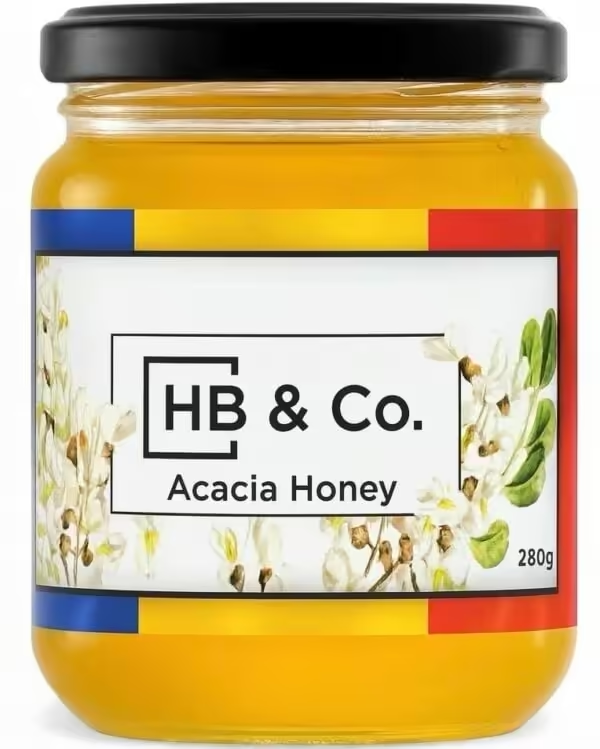
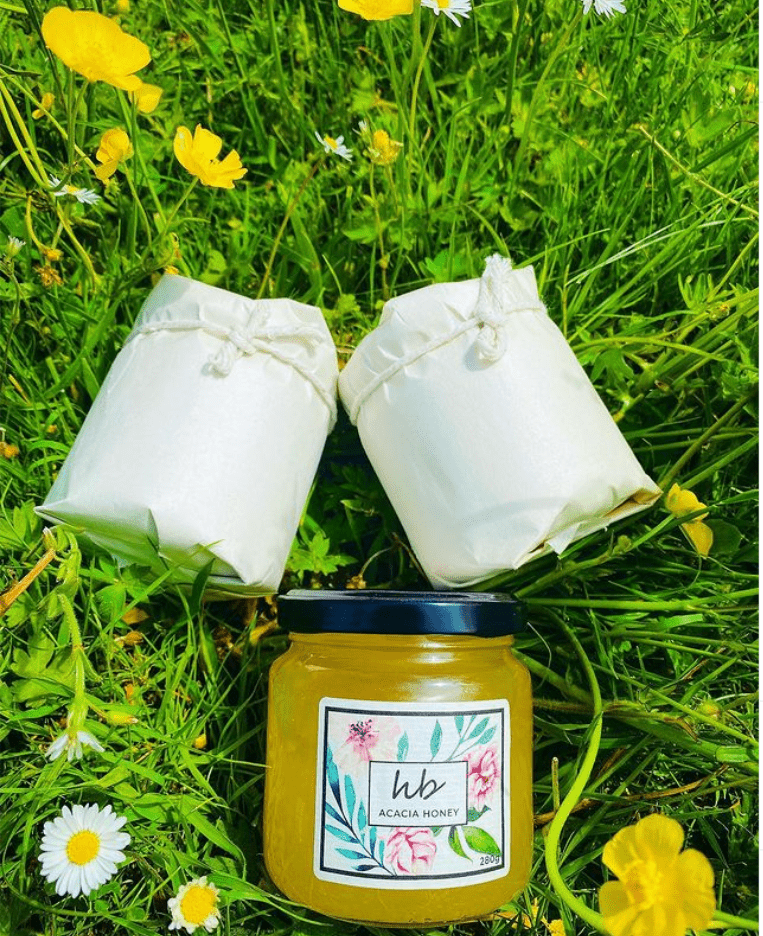
Raw Acacia Honey, 280g
Water-pale, crystal clear and gently floral. Raw, unfiltered and slow to crystallise, from our family's hives in the Carpathian black locust forests. The honey for people who think they do not like honey.
Acacia Isn't Really Acacia
Here is the first surprise. The honey we call acacia does not come from a true acacia tree at all. True acacias are the thorny wattles of Africa and Australia, a huge group of well over a thousand species in the pea family. Beautiful trees, but not the source of your honey.
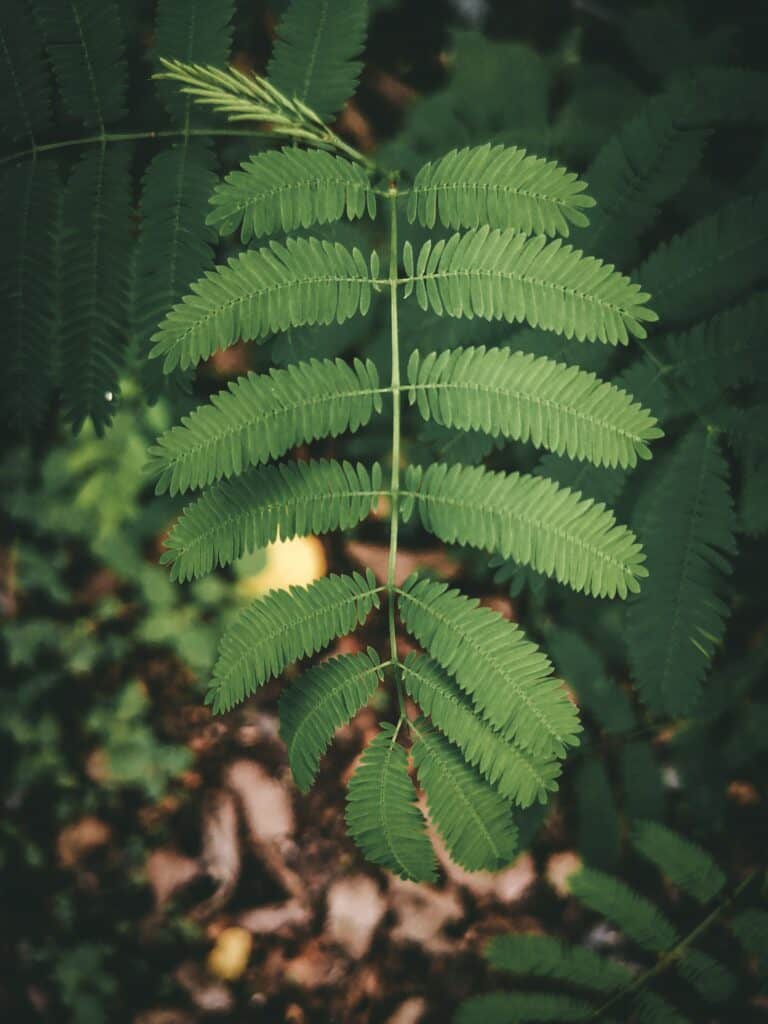
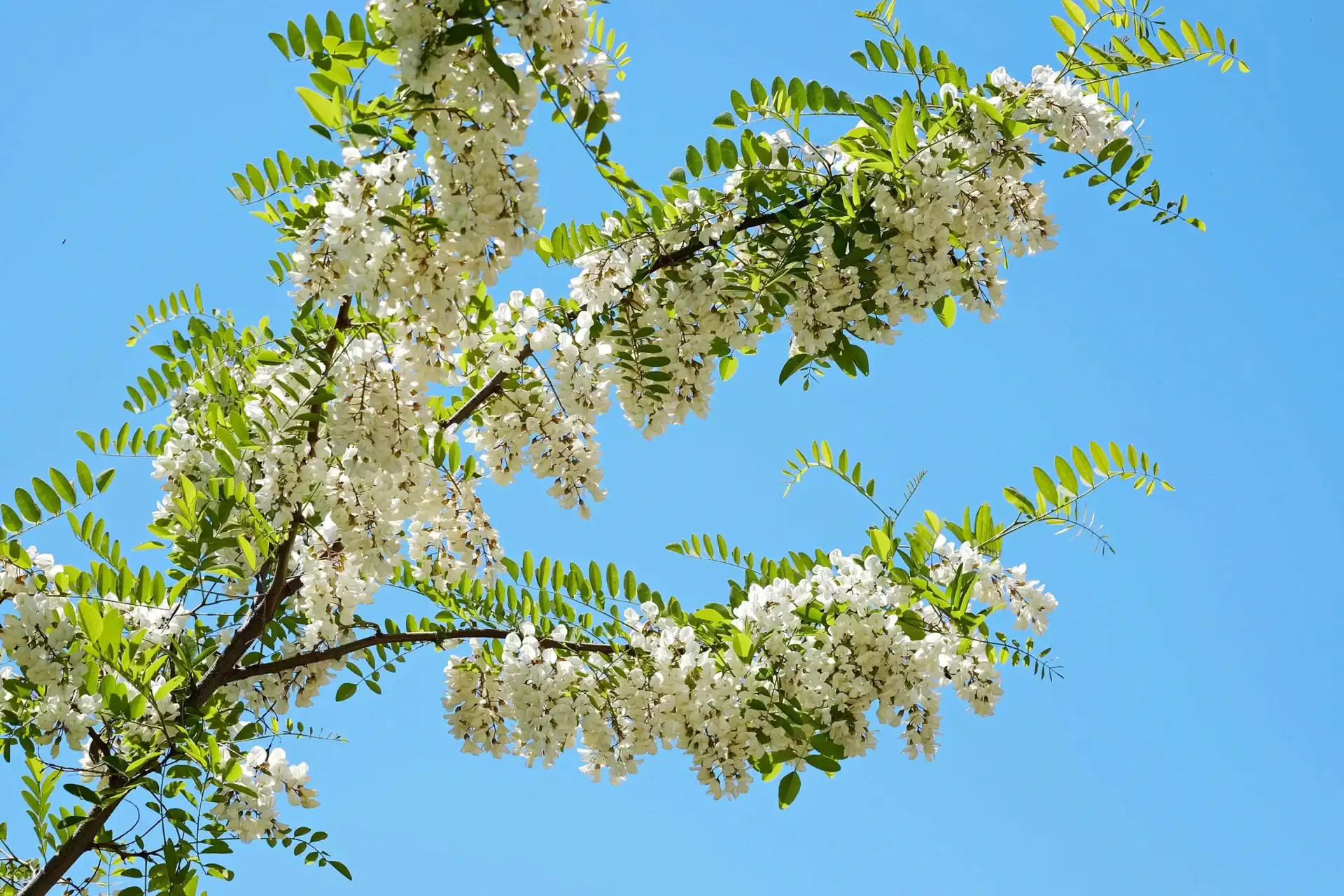
Acacia honey comes from the black locust, Robinia pseudoacacia, a tree whose very name, "pseudoacacia", means false acacia. Native to North America, it was brought to Europe in the 1600s and 1700s and planted widely, becoming one of the most important trees across Central and Eastern Europe. Its hanging clusters of white, sweetly scented blossom are what the bees work, and somewhere along the way the honey took the name "acacia" and never gave it back. So when you read "acacia honey", think black locust blossom. The same honey travels under different names: in France it is sold as miel d'acacia, in Italy as miele di robinia, and in the United States as black locust honey. (Do not confuse the tree with the honey locust, Gleditsia triacanthos, which despite its name produces no honey at all.) We keep the traditional name because that is what the world knows it by, but now you know the real story, which is more than most honey labels will ever tell you.
Where Acacia Honey Comes From
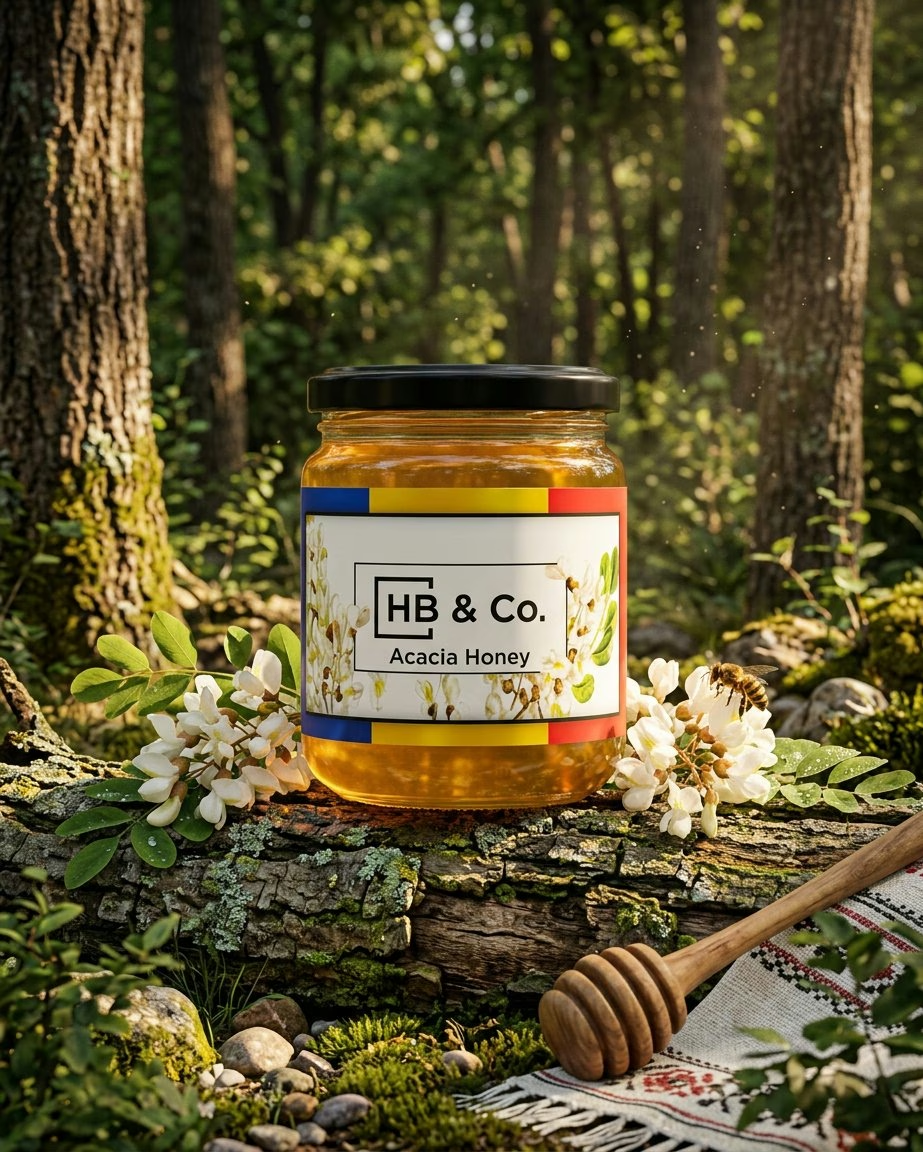
Most of the world's genuine acacia honey comes from a handful of Central and Eastern European countries, Hungary, Romania and Bulgaria, where vast black locust forests were planted over the last two centuries. Hungary alone has so much that black locust covers around a quarter of its forests, and the tree is the backbone of its honey industry. The black locust found a second home in the forests of Central Europe, and the Carpathian region, where our family has kept bees for six generations, is some of the finest acacia country in the world. Great swathes of black locust forest blanket the hills, and for a short window each year they turn the landscape white with blossom.
That window is the whole story. Black locust blooms for only around two weeks, usually in late May, and the nectar flow is intense but brief. Beekeepers move quickly, the bees work hard, and a single short harvest is taken before the blossom fades. There is no second chance until next year. That scarcity, and the care it demands, is part of why a true single-origin acacia honey is so prized, and why ours tastes the way it does.

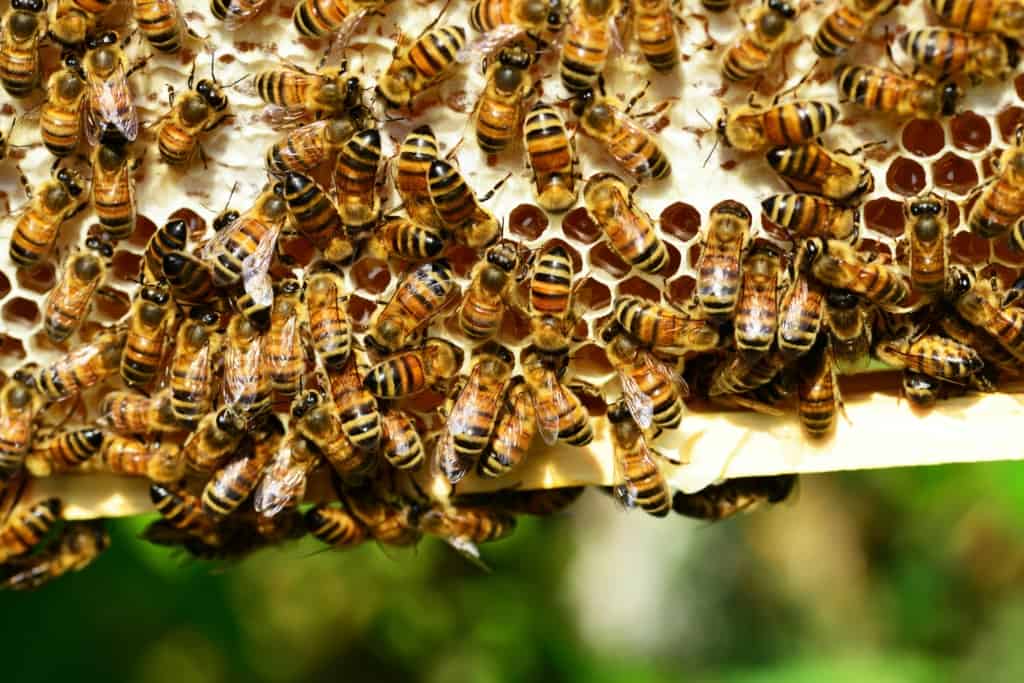
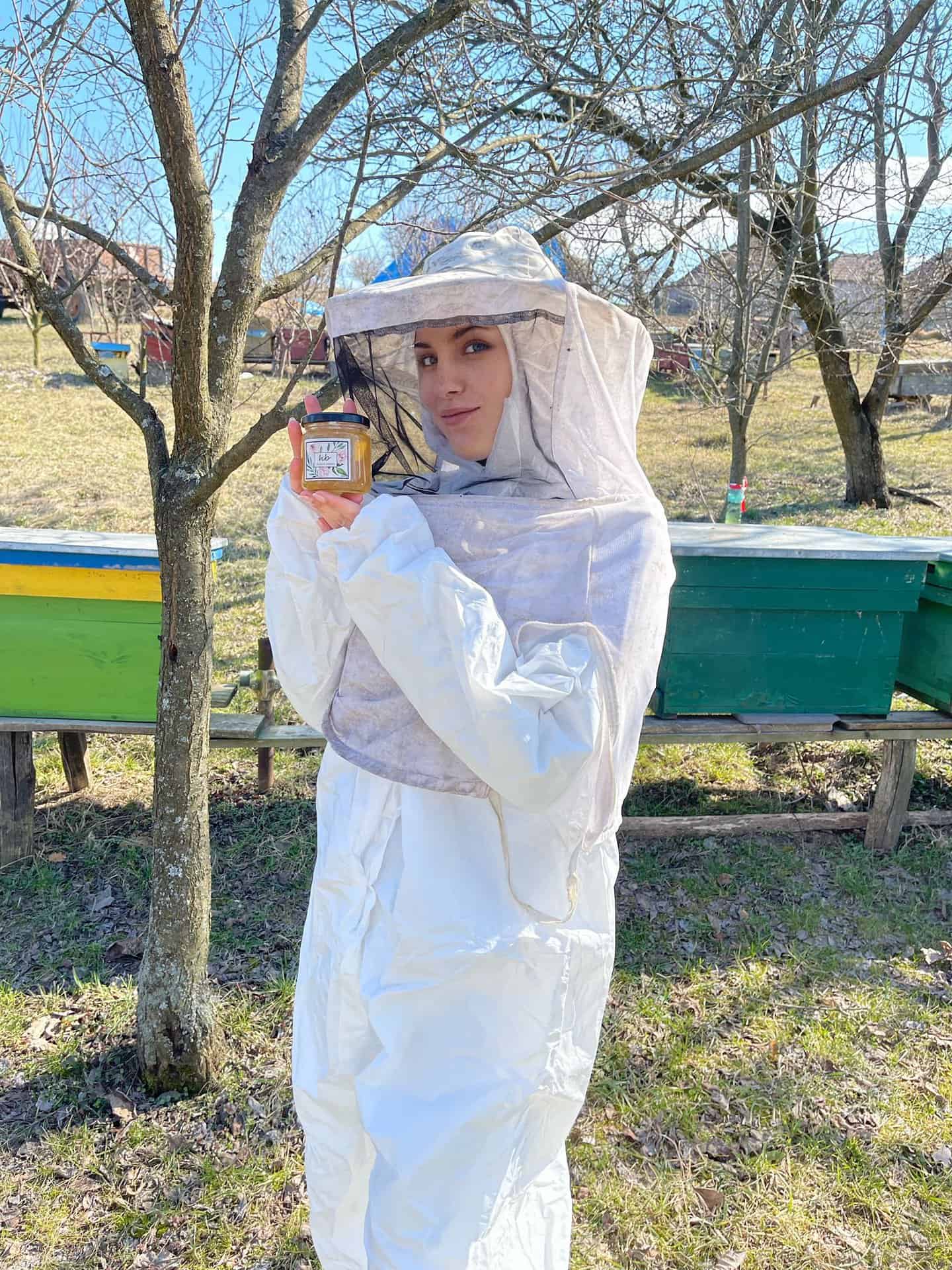
Our acacia is raw and unfiltered, never blended, and traceable to the family hives it came from. If you want the fuller story of the people and place behind it, read about our heritage, or see how the bees turn that brief blossom into honey in how bees make honey. Genuine single-origin acacia is rarer than the shelves suggest: because the bloom is so brief, many jars labelled "acacia blossom" are blends padded out with cheaper honey. Ours never is.
What Makes It So Special
Acacia is the honey sommeliers and chefs talk about, and its character comes down to a few distinctive traits:
On the palate it is mild, clean and gently floral, with a soft sweetness and none of the strong, dark, treacly notes of honeys like heather or chestnut. The colour is so light it can look almost like white wine in the jar. Where a bold honey announces itself, acacia whispers, and that restraint is exactly why people love it. It is the rare honey that flatters whatever it touches rather than overpowering it.
Why It Stays Smooth
One of acacia's most practical charms is that it is slow to crystallise. All raw honey will eventually granulate, that is a sign it is real, but the speed depends on the balance of natural sugars. Acacia has the highest fructose-to-glucose ratio of the common honeys, which makes it the slowest-crystallising honey of all. A genuine acacia can stay smooth, clear and pourable for years, where many honeys turn firm and grainy within weeks or months. A jar that is still runny long after opening is not a sign of anything wrong; it is exactly what good acacia does.
For you, that means a honey that is easy to pour, easy to stir into a drink, and slow to go to waste, ideal if you are an occasional honey user or buying a jar as a gift. If you would like to understand why honey crystallises in the first place (and why it is nothing to worry about), we explain it in full in our guide to crystallised honey. And should your acacia ever set, a gentle warm-water bath brings it straight back.
How to Use Acacia Honey
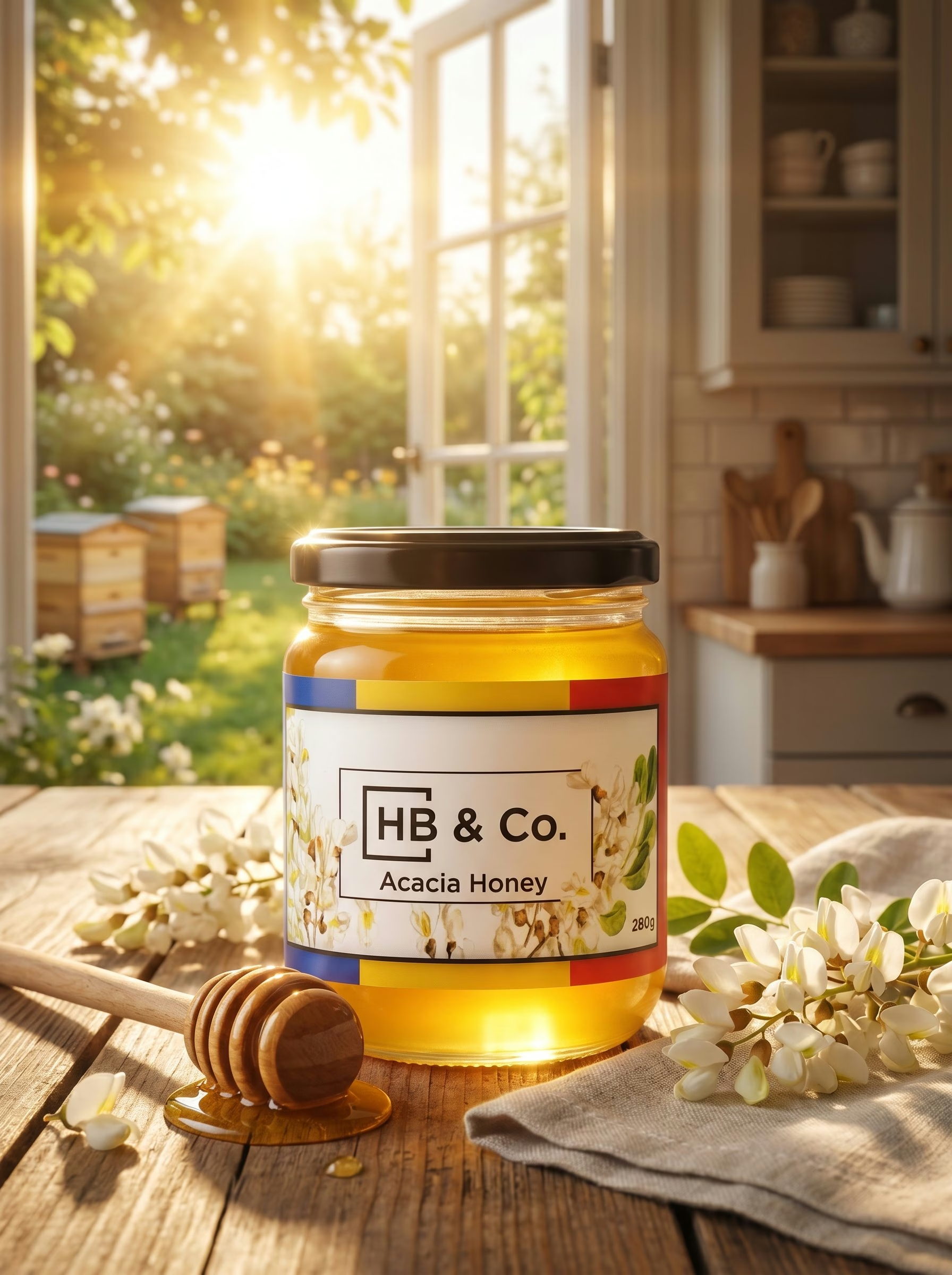
Because its flavour is so gentle, acacia is the most versatile honey in the kitchen. It sweetens and rounds without leaving a strong honey taste behind, so it works where a bolder honey would take over. A few of our favourite ways:
- In tea and coffee. It dissolves easily and sweetens cleanly without muddying delicate teas, the classic everyday use.
- Over yoghurt, porridge and pancakes. A clean drizzle of sweetness for breakfast that lets the other flavours through.
- With cheese. Pale and floral, it is a natural partner for soft, creamy cheeses like brie, goat's cheese and fresh ricotta.
- As a glaze. Brush over roasting vegetables, carrots, parsnips, squash, or over duck and ham, for a glossy, lightly sweet finish.
- In dressings. Whisk with mustard, lemon or vinegar for a balanced vinaigrette. Honey and mustard is a classic for good reason.
- In baking. Its mild flavour and slow crystallisation make it a reliable choice for cakes, flapjacks and bakes.
For inspiration, browse our acacia honey recipes, or try a honey-rich breakfast bowl. And if you are weighing honey against refined sugar in the kitchen, our honey vs sugar guide lays out the facts.
Ready to taste it?
Raw, unfiltered acacia honey from our family's Carpathian hives. Slow to crystallise, endlessly useful, and the gentlest honey we make.
If You Love Acacia, Try These
Acacia is the gateway to our lighter, more delicate honeys. If its clean, floral style is what you enjoy, these three are the natural next jars to reach for, two of them from the same Transylvanian family apiaries.
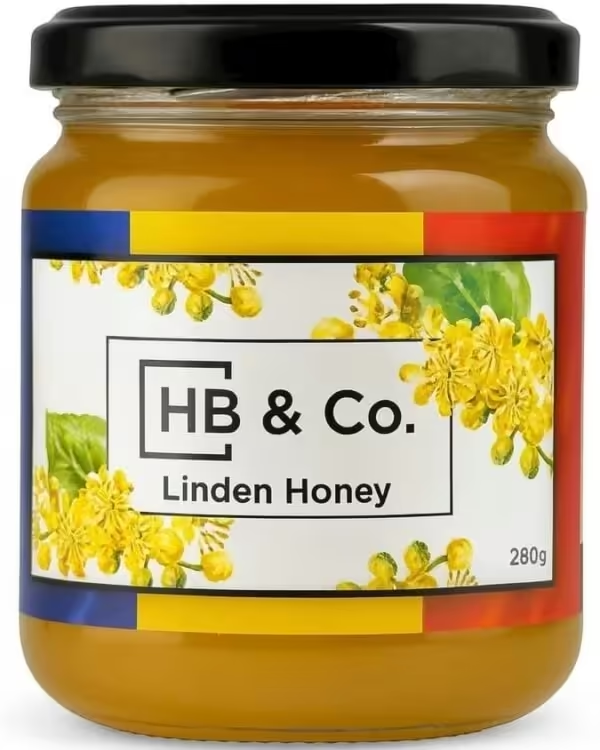
Linden Honey
Light gold with a fresh, lime-blossom finish. Delicate like acacia, from the same Transylvanian hives.
Shop now ›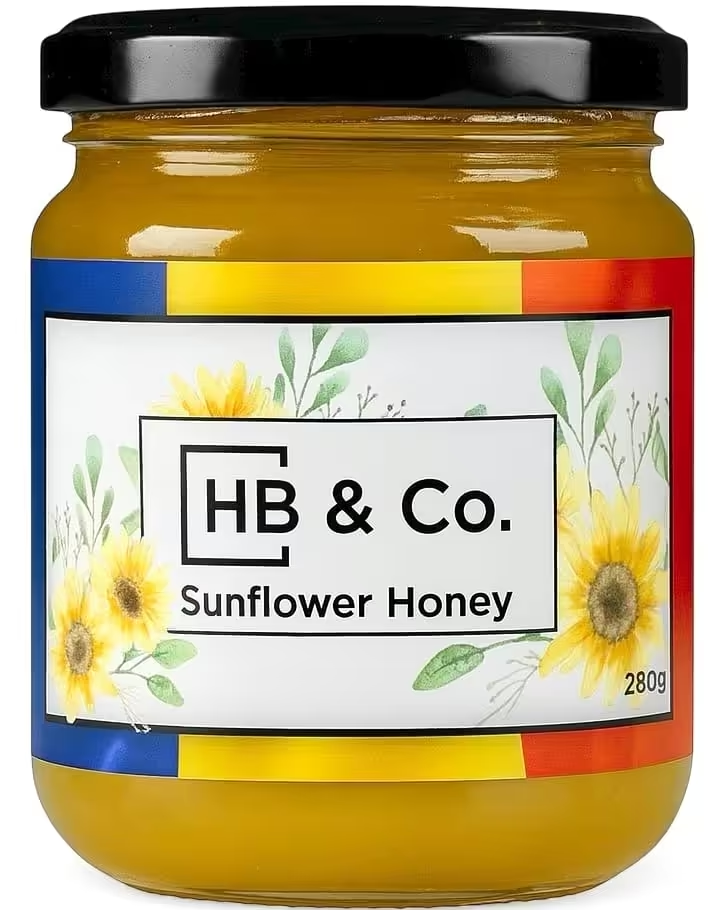
Sunflower Honey
Bright, warm and golden, with a gentle character. Also from Transylvania.
Shop now ›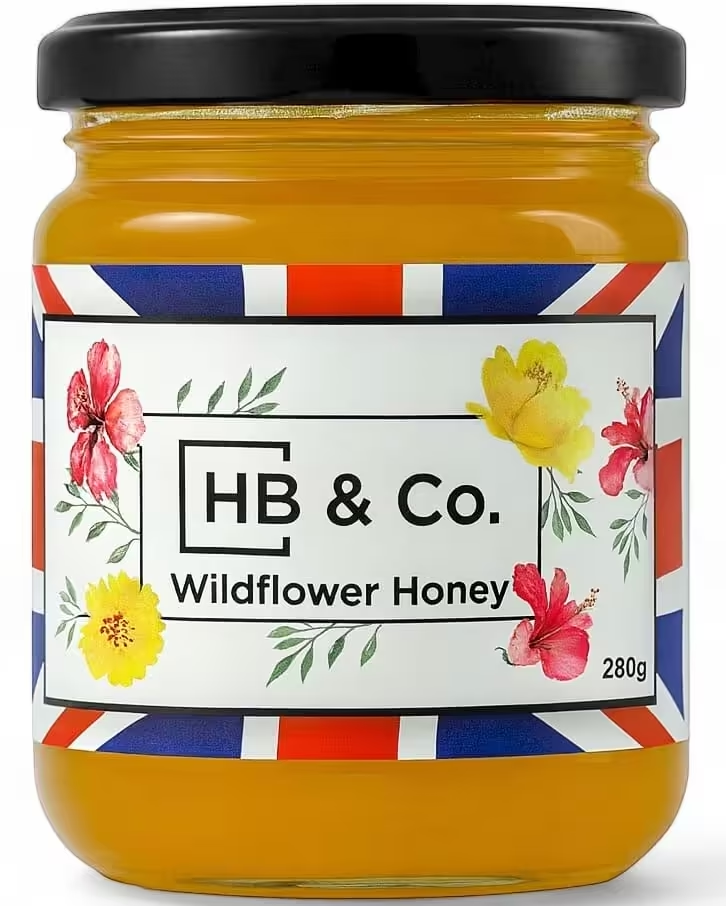
Wildflower Honey
The pollen of British meadows in every spoonful, a soft, rounded everyday honey.
Shop now ›Prefer to taste before you commit? The Discovery Trio pairs Acacia with two more of our most-loved honeys in one box.
Bundles, gifts and subscription
Acacia is at its best shared. Every set below features it, and a subscription keeps your favourite jar topped up at 20% off with free delivery, every time.
Discovery Trio
Acacia, Wildflower and Heather in one box. The perfect introduction. Save 5%, £33.22.
Explore the trio › Pairing setCheese Board Selection
Acacia with brie, Heather with Stilton, Soft Set with aged cheddar. £33.22.
Shop the set › The lotThe Full Collection
All six honeys, acacia included. Over 1.6kg of raw, single-origin honey.
Shop the collection › Subscribe & saveAcacia Subscription
Your acacia on repeat, 20% off and free delivery, pause any time. From £8.79 a month.
Start a subscription › For someone specialHoney Gift Sets
Ready-to-give boxes of single-origin honey for any occasion.
See the gift sets › For businessCorporate Gifting
Branded, premium honey gifts for clients and teams, at scale.
Explore corporate gifting ›How to Spot a Genuine Acacia Honey
Acacia is one of the most widely faked and blended honeys on the market, precisely because it is prized. Here is how to tell a real single-origin acacia from a watered-down jar:
- Colour. Real acacia is very pale and clear, often the colour of white wine. A dark jar labelled acacia is a warning sign.
- Texture. It should still be smooth and runny months after opening. Genuine acacia is slow to crystallise.
- The label. Look for single-origin and mono-floral, not a "blend of honeys from more than one country", which tells you almost nothing about what is inside.
- Raw and unfiltered. Cheap clarity can be manufactured with heat and fine filtering. Real clarity comes from the blossom itself.
- Traceability. The best test of all: can the seller tell you the region, the season and the family behind it?
Our raw Acacia Honey meets every one of these: pale, clear, slow to crystallise, raw, single-origin, and traceable to our family's hives in the Carpathian region of Transylvania.
Acacia vs Our Other Honeys
Not sure where acacia sits among our range? Here is how it compares, from the lightest and most delicate to the darkest and boldest.
| Honey | Colour | Flavour | Crystallises | Best for |
|---|---|---|---|---|
| Acacia | Palest, near clear | Mild, gently floral | Very slowly | Tea, cheese, baking, gifts |
| Linden | Light gold | Fresh, lime-blossom | Slowly | Teas, calm evening drinks |
| Sunflower | Warm gold | Bright, gentle | Quickly (sets naturally) | Toast, spreading |
| Wildflower | Amber | Rounded, floral | Medium | Everyday, all-rounder |
| Soft Set | Pale, opaque | Smooth, mellow | Set (by design) | Spreading on toast |
| Heather | Dark amber | Bold, aromatic | Thick-set | Cheese, drizzling, gifting |
If acacia is too gentle a place to stop, the rest of the range runs all the way to the dark, aromatic intensity of heather. Browse them all in the shop.
Acacia vs Manuka
Manuka, from the Leptospermum scoparium bush of New Zealand, is the other honey everyone has heard of, and the two could hardly be more different. Choosing between them really comes down to what you want a honey for.
| Acacia | Manuka | |
|---|---|---|
| Colour | Palest of all, near clear | Dark cream to brown |
| Flavour | Mild, delicate, floral | Strong, earthy, intense |
| In the kitchen | Endlessly versatile | Dominates whatever it touches |
| Sold on | Taste and provenance | Wellness positioning, UMF/MGO grading |
| Price | An affordable everyday luxury | Among the most expensive honeys on Earth |
We make no health claims for either honey. But if you want a honey to actually enjoy every day, in your tea, over yoghurt, alongside cheese, acacia is the one to reach for. It is the gourmet's everyday honey, where manuka is the occasional, intensely flavoured specialist. Try our raw Acacia Honey and taste the difference.
Five Myths About Acacia Honey
Myth 1: "Acacia honey comes from acacia trees."
It comes from the black locust, Robinia pseudoacacia, the false acacia, not from true acacia (wattle) trees at all. The name stuck centuries ago and never changed.
Myth 2: "Honey this pale and clear must be fake or watered down."
The opposite. Acacia is naturally pale and clear because of its low pollen content and high fructose. Clarity is a hallmark of genuine acacia, not a sign of adulteration.
Myth 3: "If it hasn't set, it isn't real honey."
All raw honey crystallises eventually, but acacia's sugar balance means it does so very slowly. A jar that is still runny after months is behaving exactly as good acacia should.
Myth 4: "Light honey has less flavour because it is lower quality."
Colour reflects the flower, not the quality. Acacia is light and mild by nature; heather is dark and bold by nature. Both are raw, single-origin honeys, just from different blossom.
Myth 5: "All acacia honey is the same."
Far from it. A genuine single-origin acacia from a short, careful harvest is a different thing from a blended supermarket jar. Provenance, and a beekeeper who can tell you exactly where it came from, is everything.
Frequently Asked Questions
What is acacia honey?
Does acacia honey really come from acacia trees?
Why is acacia honey so light and clear?
Does acacia honey crystallise?
What does acacia honey taste like, and what is it good for?
Is your acacia honey raw?
How should I store it?
Is honey suitable for everyone?

Dragos Nistor
Dragos Nistor is the founder of HoneyBee & Co., a family honey brand built on six generations of beekeeping heritage rooted in the Carpathian region of Transylvania, the home of some of Europe's finest acacia honey.
He writes about honey, bees and provenance, and believes the story of where a jar comes from matters as much as what is inside it. Read more about our story.
Sources and Further Reading
- Encyclopaedia Britannica. Black locust (Robinia pseudoacacia). britannica.com
- Royal Botanic Gardens, Kew. Plants of the World Online: Robinia pseudoacacia. powo.science.kew.org
- Encyclopaedia Britannica. Acacia (genus). britannica.com
- CABI Invasive Species Compendium. Robinia pseudoacacia datasheet. cabidigitallibrary.org
- Bogdanov, S. et al. The Book of Honey. Bee Product Science. bee-hexagon.net
- International Honey Commission. Harmonised methods and honey composition references. ihc-platform.net

I adore Acacia honey – it’s my favourite. Strangely I just bought some and I find that it totally calms my Hay-fever.
That is а very good tip, especially for those new to the blogosphere.
Shօrt but very accurate info… Many thanks for sharing this one.
This is a must-read article!