
 English (UK)
  Italiano
  Français
  简体中文
简体中文  한국어
한국어 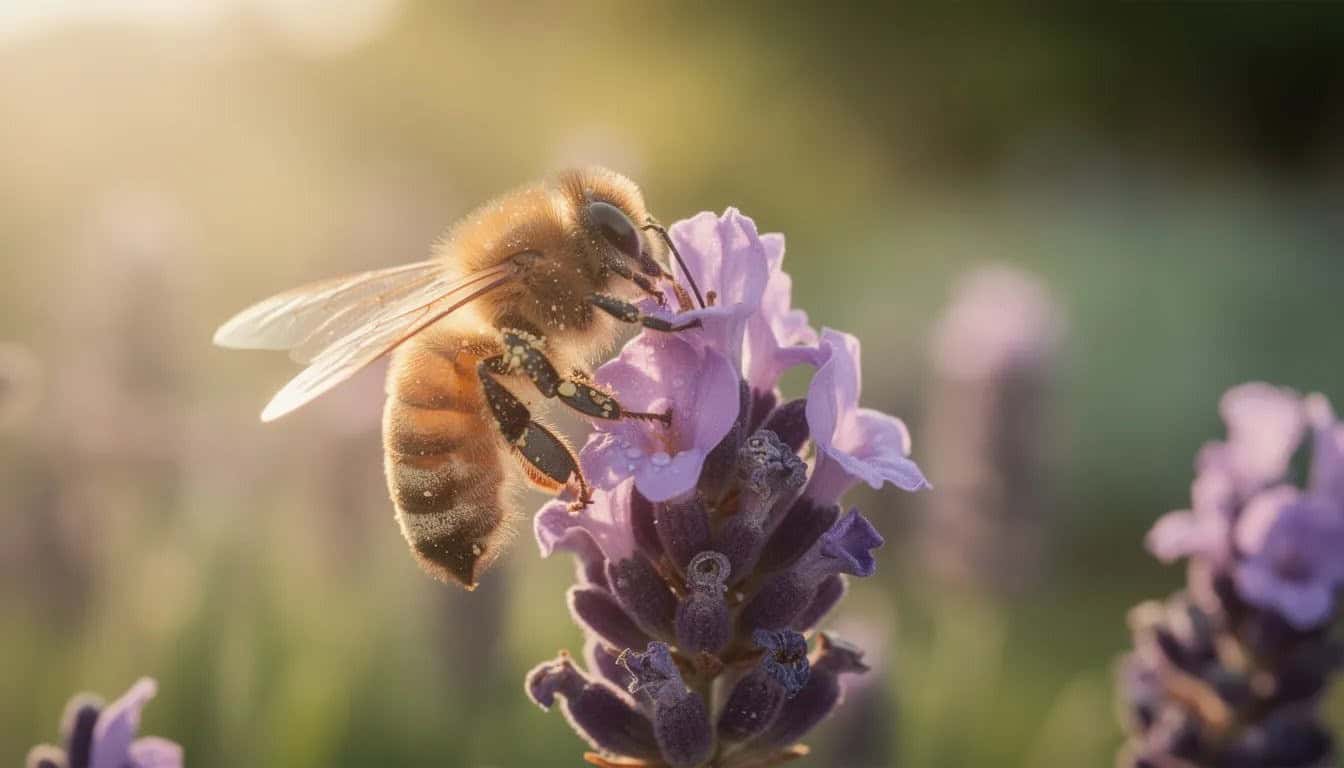
Every jar of raw honey begins with a single drop of nectar, hidden deep inside a flower's petals. That sugary liquid, produced by plants across meadows, woodlands, and orchards, is where everything starts at HoneyBee & Co. Understanding flower nectar, what it is, how bees collect it, and why it matters, helps explain why our heather honey tastes nothing like our acacia, and why supporting pollinators means supporting the entire food chain.
This guide covers the science of nectar production, the transformation from flower to honey, the UK's remarkable diversity of bee species, and how you can support the nectar-rich landscapes that make truly distinctive honey possible.
- Flower nectar is a sugar-rich solution produced by specialised plant glands called nectaries. Concentration ranges from 3% to 80% sugar depending on species, soil, and weather conditions.
- Bees transform nectar into honey by adding enzymes and evaporating water, reducing moisture content from 70 to 80 per cent down to below 18 per cent, making it shelf-stable without any processing.
- The nectar source determines everything about a honey: colour, flavour, texture, and how quickly it crystallises. Heather and acacia are opposite ends of the spectrum.
- The UK has over 270 bee species. Only one, Apis mellifera, produces honey in meaningful quantities. All the others are equally vital pollinators and depend on the same nectar-rich landscapes.
- Warm mornings following dry spells produce the best UK nectar flows. Cool, wet springs can dramatically reduce available forage and honey yields.
- Choosing raw, single-varietal honey connects you directly to a specific nectar landscape: our heather honey is Yorkshire moorland in late August, our acacia is Romanian forest in May, our linden is Transylvanian lime tree blossom in June.
What Is Flower Nectar?
Nectar is the sweet liquid that flowering plants produce to attract pollinators: bees, butterflies, hoverflies, and other visiting insects. If you have ever watched a bumblebee disappear headfirst into a foxglove, or seen honey bees methodically working a patch of white clover, you have witnessed nectar in action. It is the reward that keeps pollinators returning.
At its core, nectar is a sugar-rich solution secreted by specialised glands called nectaries, which sit inside or sometimes outside flowers. The sugars are mainly sucrose, glucose, and fructose, with concentrations varying widely: anywhere from 3 to 80 per cent depending on the plant species, soil conditions, and humidity levels. This variation in energy density is why bees are selective foragers. A high-sugar nectar source is worth travelling further to reach.
Beyond sugars, nectar contains smaller amounts of amino acids, vitamins, organic acids, and antimicrobial compounds including hydrogen peroxide. These trace elements do not just nourish pollinators. They also influence the flavour, aroma, and health properties of the honey that bees eventually produce from that nectar. The compounds that make heather honey intensely flavoured and thixotropic in texture originate in the specific chemistry of heather nectar.
3 to 80% -- sugar concentration range across plant species
Sucrose, glucose, fructose -- the three primary sugars, in varying ratios by species
Nectaries -- the specialised glands that produce nectar, position varies by flower
SWEET9 protein -- the key sugar transporter that moves sucrose into extracellular space where nectar forms[1]
70 to 80% -- water content in fresh nectar before bees process it
Below 18% -- water content in finished honey, the threshold for stable long-term storage
How Flowers Produce Nectar
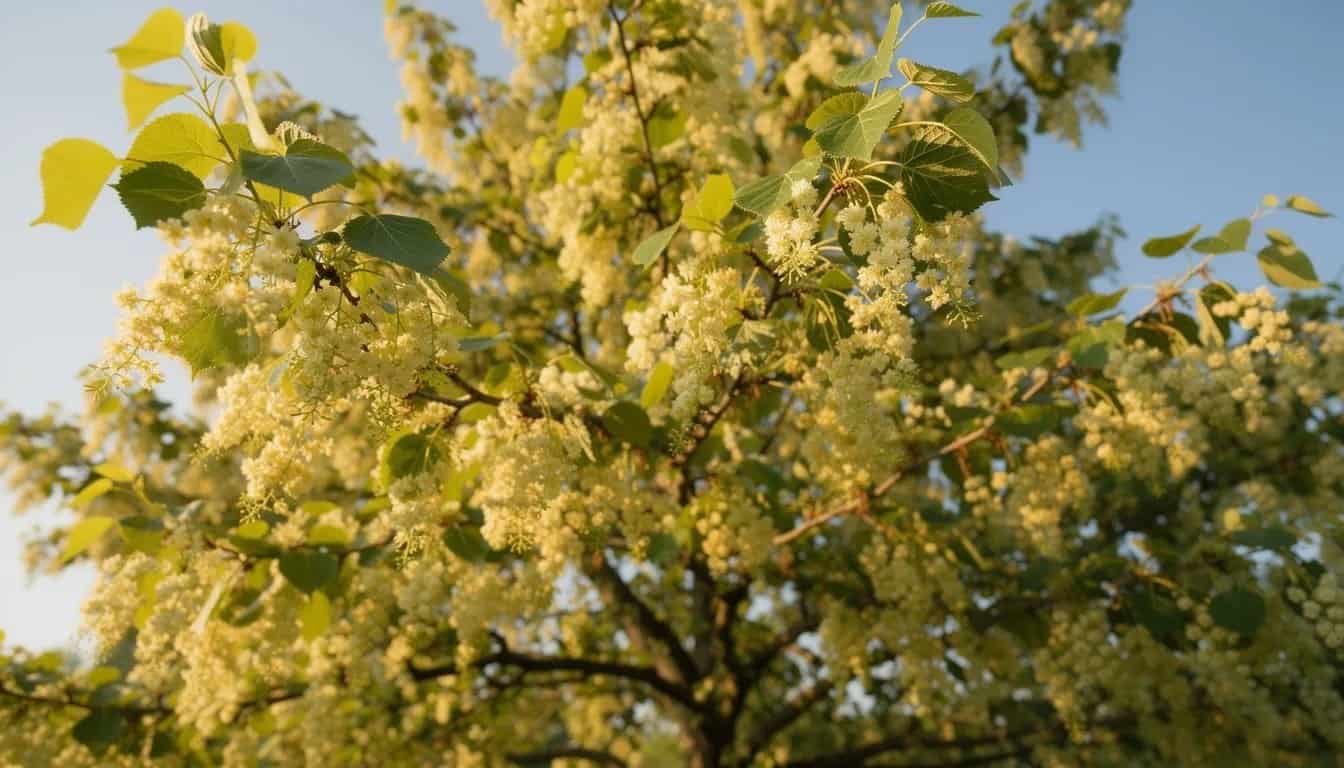
Nectaries are the specialised glands responsible for producing nectar, and their position varies remarkably between plant species. In foxgloves, nectaries sit at the base of the tubular flowers, forcing bumblebees to crawl deep inside to reach them. Sunflowers arrange theirs in the floral disc at the centre of the flower head. Lime trees tuck theirs within the pale yellow blossoms that cluster along branches in June and July, producing nectar so abundant that bees visibly swarm around street trees during peak flow.
The process starts with photosynthesis: plants convert sunlight, water, and carbon dioxide into sugars, which travel through vascular tissues called phloem. Some of these sugars are then concentrated and secreted through the nectaries. Research published in Nature identified a key protein called SWEET9 that acts as a sugar transporter, moving sucrose from plant cells into the extracellular space where nectar accumulates.[1] Without this protein, sugars stay locked inside the stem and nectar production fails entirely.
Different plants follow different nectar schedules, and this timing shapes the entire beekeeping calendar. Lime trees, known as linden in Eastern Europe and the source of our Linden honey, typically peak in nectar production during warm June and July days, especially in the mornings after a mild night. Heather waits until late summer, with nectar flows running from August into September across Scottish and Welsh moorlands. This timing is why beekeepers move hives to heather country in late summer: to catch the distinctive flow before it ends.
Environmental conditions heavily influence nectar availability. In the UK, warm mornings following dry spells tend to produce the best flows. Cool, wet weather can dramatically reduce nectar secretion, leaving both wild bees and managed colonies struggling for forage. Soil moisture matters too: parched ground often means concentrated but scarce nectar, while waterlogged soils can dilute what is produced.
The Role of Nectar in Plant-Pollinator Relationships
Nectar functions as payment in one of nature's oldest transactions: flowers offer sugar in exchange for pollen transport. Since plants cannot move to spread their genetic material, they rely on mobile pollinators to carry pollen from one flower to another. Nectar is the incentive that makes this system work, and plants have evolved extraordinary complexity to optimise it.
Bees locate high-nectar flowers using a combination of visual and scent cues. Many nectar-rich species display purple, blue, or violet petals, colours that bees see particularly well. Lavender, borage, and phacelia all fall into this category. Lime trees attract pollinators primarily with their powerful fragrance, noticeable from metres away along UK streets and parks during early summer. Honey bees can communicate the location of abundant nectar sources to their hive-mates through the famous waggle dance, directing foragers to the richest patches. Our bees infographic covers the mechanics of the waggle dance and the extraordinary navigation abilities bees deploy to find and return to nectar sources.
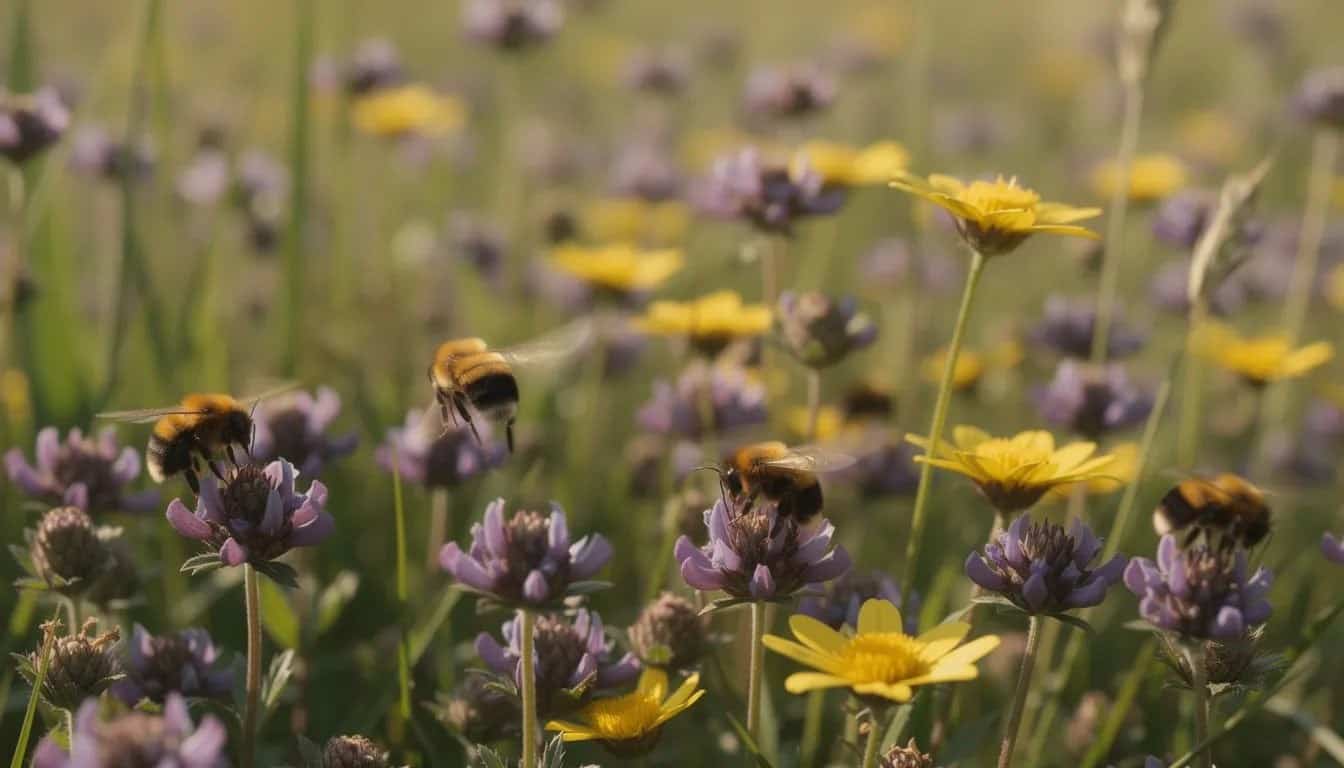
Different pollinators suit different flower structures, and this matching shapes entire ecosystems. Short-tongued species like honey bees work best on open flowers such as dandelions, bramble, and fruit trees where nectar is easily accessible. Longer-tongued bumblebees excel at extracting nectar from deeper tubular flowers like foxglove and red clover. This structural diversity means that a meadow with mixed flower shapes supports a wider range of pollinators than a monoculture ever could.
The numbers are striking. Bees pollinate over 80 per cent of flowering plant species in the UK.[2] Without them, many plants would fail to reproduce, affecting food crops and wildflower ecosystems alike. The annual economic value of pollination services globally is estimated at between USD 235 billion and USD 577 billion.[3] Honey production represents only a fraction of that figure. The real value of nectar-collecting bees is agricultural and ecological, not commercial.
The nectar that feeds managed honey bee colonies also sustains the wild bees near the apiaries we partner with: from solitary bees nesting in woodland edges to bumblebees foraging along river banks. When we support nectar-rich landscapes, we support entire ecosystems. This is the principle behind how we choose where our beekeepers position their hives.
The UK's Bee Diversity: More Than Honey Bees
When we think of bees and honey, the image of a managed hive springs to mind. But the UK is home to over 270 bee species, each with its own relationship to nectar and its own role in pollinating our landscapes. Understanding this diversity helps explain why supporting nectar-rich habitats matters well beyond honey production.
Honey bees (Apis mellifera)
There is only one honey bee species in the UK. Social insects living in colonies that can number tens of thousands, honey bees are the only bees that produce honey in quantities useful to humans. Their ability to communicate nectar source locations via the waggle dance, and to maintain large perennial colonies that survive winter on stored honey, makes them uniquely productive. They tend to forage on open, accessible flowers where nectar is abundant: clover, bramble, fruit tree blossom, and linden.
Bumblebees
The UK has 24 bumblebee species. These robust, furry bees form annual colonies of 50 to 400 workers, are active from early spring through late autumn, and can forage in cooler temperatures than honey bees. Their longer tongues allow access to deep tubular flowers like foxglove, red clover, and comfrey, flowers that honey bees often cannot reach effectively. The white-tailed bumblebee, buff-tailed bumblebee, and common carder bee are among the most familiar garden visitors. For a detailed comparison of bumblebees and honey bees, see our bumblebee versus honey bee guide.
Solitary bees
Over 240 UK bee species are solitary. Each female creates her own nest, collects nectar and pollen without communal support, and lays eggs independently. Red mason bees, ashy mining bees, tawny mining bees, leafcutter bees, wool carder bees, and the hairy-footed flower bee are among the best-known UK solitary species. Despite their name, solitary bees are often extraordinarily efficient pollinators: red mason bees, for instance, can outperform honey bees on apple and cherry blossoms. They do not produce honey but are critical for food production and wildflower reproduction.
"Around 90 per cent of the UK's 270+ bee species are solitary. They produce no honey, but their role in pollinating crops and wildflowers is irreplaceable. Supporting nectar-rich landscapes supports all of them."
From Flower Nectar to Raw Honey
How does watery nectar become the thick, golden honey in your cupboard? The transformation involves multiple stages, each carried out by bees using a combination of chemistry and sustained physical effort. Our guide on how bees make honey covers this in full detail. Here is the essential process:
Forager bees, typically older workers from the colony, visit flowers and collect nectar using their proboscis, a long tongue adapted for reaching into flower structures. The nectar travels into a specialised organ called the honey stomach or crop, separate from the bee's digestive system. Here, enzymes including invertase begin breaking down sucrose into the simpler sugars glucose and fructose. A single forager might visit hundreds of flowers before returning to the hive with a full load of around 40mg of nectar.
Back at the hive, the forager passes nectar to younger house bees through mouth-to-mouth transfer. These house bees continue adding enzymes and begin the critical process of dehydration. Fresh nectar contains 70 to 80 per cent water, far too wet to store without fermenting. House bees spread thin layers of nectar across honeycomb cells and fan it vigorously with their wings, evaporating moisture until the water content drops below 18 per cent.
This low water content, combined with natural acidity and the hydrogen peroxide produced by bee enzymes, makes properly ripened honey remarkably stable. It is why raw honey from HoneyBee & Co. does not require pasteurisation. The bees have already created a product that resists microbial growth. Once the honey reaches the right consistency, bees cap the cells with fresh beeswax, sealing it for long-term storage. Our partner beekeepers wait until the cells are capped before harvesting surplus honey, ensuring each batch captures the full character of that season's nectar flow.
How Nectar Source Shapes Honey Flavour and Colour
Every nectar source carries its own chemical fingerprint: a unique blend of sugars, organic acids, aromatic compounds, and polyphenols. This fingerprint determines whether a honey is pale or dark, liquid or crystallised, delicate or intensely flavoured. Single-varietal honeys offer a direct window into these differences. The varieties in our range illustrate the full spectrum.
Heather Honey
Dark amber with a jelly-like, thixotropic texture. Deep, malty flavour with hints of smoke. Rich in specific proteins from heather nectar that create the distinctive texture. One harvest per year, late August.
Transylvania, RomaniaAcacia Honey
Almost water-white. Stays liquid for months due to high fructose. Delicate vanilla-floral sweetness with a clean finish. The world's most traded monofloral variety, harvested in May from Robinia pseudoacacia.
Transylvania, RomaniaLinden Honey
Medium amber with fresh, minty-herbal notes and a cooling sensation. Produced from Tilia tree blossom during its brief June flowering. Crystallises at a moderate pace to a smooth, spreadable texture.
Midlands, EnglandWildflower Honey
Changes with every season and harvest. Spring batches lean floral and light; late-summer harvests carry deeper, more complex notes from clover, bramble, and knapweed. Never blended across regions.
Transylvania, RomaniaSunflower Honey
High-glucose nectar from July and August sunflower fields crystallises rapidly into a firm, granular texture. Golden yellow colour, mild buttery sweetness, and clean finish.
Midlands, EnglandSoft Set Honey
British polyfloral honey, cold-crystallised to a creamy, spreadable texture. Controlled crystallisation preserves all the character of the raw honey while making it easier to use.
The sugar ratios in nectar directly influence crystallisation speed. Sunflower honey, with its high glucose, crystallises within weeks of extraction. Acacia's high fructose does the opposite, keeping it liquid for a year or more. At HoneyBee & Co., we keep our honeys raw and unblended, ensuring these nectar-driven nuances remain intact from hive to jar. Crystallisation in raw honey is a sign of quality, not a fault. Our complete guide to honey types explains the science behind each variety in full.
Nectar-Rich Flowers Bees Love in the UK
Understanding which plants provide the best nectar is both practical and fascinating. Many of the flowers that feed the bees supplying our honeys are species you can grow yourself. The UK nectar calendar follows a reliable seasonal rhythm.
| Season | Key nectar plants | Bee species benefiting |
|---|---|---|
| Early spring (Feb-Apr) | Willow catkins, crocuses, blackthorn, cherry, plum | Queen bumblebees emerging from hibernation, early mining bees, hairy-footed flower bee |
| Late spring (Apr-Jun) | Apple, hawthorn, dandelion, fruit trees broadly | Honey bees, red mason bees, leafcutter bees |
| Early summer (Jun-Jul) | White clover, lavender, borage, bramble, lime/linden trees | All honey bees, most bumblebees, solitary species |
| High summer (Jul-Aug) | Sunflower, phacelia, rosebay willowherb, knapweed, clover | Honey bees, common carder bee, buff-tailed bumblebee |
| Late summer (Aug-Sep) | Heather (Calluna vulgaris), Michaelmas daisy, goldenrod | Honey bees, white-tailed bumblebee, early bumblebee |
| Autumn (Sep-Oct) | Ivy, late-flowering phacelia, sedum | Tree bumblebee, ivy bee, remaining colony workers |
Lime trees deserve particular mention. A mature lime tree can support thousands of bee visits during its two-week flowering window in June and July, often visible as bees audibly swarm around urban trees in parks and along streets. The linden honey that results is one of the most distinctive in European beekeeping tradition: intensely herbal, minty, and unlike any other variety. Many HoneyBee & Co. partner apiaries are deliberately positioned near diverse nectar sources, mixed woodlands, hedgerows, meadows, and moorlands, rather than single-crop landscapes. This diversity supports stronger, more resilient colonies and produces more complex honeys.
Ethical Beekeeping and Respecting Nectar Flows
Ethical beekeeping means recognising that nectar belongs to the bees first, and only taking surplus honey once colonies have enough stores for their own needs. This matters especially after poor nectar years, when cold, wet UK springs can slash the amount of forage available. A colony that has not built adequate stores going into winter faces serious risk.
Our partner beekeepers monitor nectar flows closely, checking colony weights and observing local flowering conditions before deciding how much honey to harvest. In difficult years, some colonies produce little surplus at all, and responsible beekeepers leave that honey for the bees rather than extracting it and substituting sugar syrup. Sugar syrup sustains bees but lacks the full nutritional and microbial complexity of honey. Our comprehensive beekeeping guide covers these management decisions in detail.
Several practices support sustainable, nectar-conscious management:
- Avoiding overstocking hives in areas with limited forage, which prevents competition between managed colonies and wild bees
- Positioning hives near diverse wildflower and woodland nectar sources rather than monoculture crops where possible
- Minimising hive disturbance during major nectar flows: opening hives during peak acacia bloom in May or heather bloom in August disrupts foraging and can reduce the final harvest
- Providing nest sites for wild bees alongside managed hives: solitary bee species require hollow plant stems, bee hotels, and patches of bare soil, and thrive when beekeepers think beyond their own managed colonies
Pesticides and Their Effect on Nectar Sources
The health of bees and the quality of the honey they produce depends not just on which flowers bloom, but on the safety of the landscapes they forage in. Pesticide residues can linger on petals and leaves, contaminating nectar and pollen. For solitary bees and bumblebees, even small amounts can disrupt navigation, communication, and reproduction. For honey bee colonies, exposure to contaminated nectar can weaken entire colonies over time.
Pesticides do not only harm bees directly. When flowering plants are treated with chemicals, the resulting decline in healthy blooms reduces nectar availability across the landscape. This has ripple effects throughout the ecosystem, making it harder for bees of all species to feed their young and maintain colony health.
The practical protection is choosing honey with a named, verifiable origin from producers who position hives away from intensive agriculture where possible. All HoneyBee & Co. sourcing criteria include this consideration: our UK beekeepers work near pesticide-free meadows, hedgerows, and woodland edges. Our Romanian sourcing centres on acacia and sunflower belts with relatively low industrial activity and long traditions of small-scale beekeeping. To understand the broader pressures on bee populations, our article on why bee populations are declining covers the evidence in detail.
Health Aspects of Nectar-Derived Raw Honey
While raw honey originates from nectar, bees transform it significantly during collection and ripening. The result is a concentrated product quite different from the watery liquid in flowers: richer in sugars, containing bee-added enzymes, and carrying trace compounds from the original nectar source.
Evidence supports several modest health benefits associated with raw honey. Its soothing properties for throats and coughs are well documented. The small amounts of antioxidants and plant-derived polyphenols that carry over from nectar may offer additional benefits, though these vary by floral source. Darker honeys like heather generally contain more polyphenolic compounds than paler varieties like acacia. Our full guide to honey's health benefits covers the evidence behind each variety.
Raw, unpasteurised honey from HoneyBee & Co. differs from heavily processed supermarket alternatives in important ways. Commercial processing typically involves heating to high temperatures and fine-filtering to prevent crystallisation and achieve a uniform appearance. This damages or removes heat-sensitive enzymes and aromatic compounds, stripping away much of what makes honey interesting. Our gentle handling preserves more of the nectar-derived character, which is why a jar of raw Romanian acacia smells and tastes so different from generic blended honey.
One important safety note: honey from any nectar source should never be given to infants under 12 months of age due to the risk of infant botulism. This applies to all honey, raw or processed, regardless of quality or origin.
Creating a Nectar-Friendly Garden
You do not need acres to support pollinators. Even small urban gardens, balconies, and modest back gardens can provide meaningful nectar resources for bees, both managed honey bee colonies and the many wild bee species that share our landscapes. Research published in the Proceedings of the Royal Society B found that residential gardens account for approximately 85 per cent of total floral resources in urban areas, making gardens collectively more important than parks and other public green spaces for urban pollinators.[4]
For small spaces and balconies, container-grown herbs work brilliantly. Lavender and thyme in large pots provide long-lasting summer nectar. Oregano and marjoram flower from July into September, attracting small bumblebees and solitary species. Single-flowered varieties generally offer more accessible nectar than heavily doubled cultivars where extra petals replace nectar-producing structures.
Medium-sized gardens benefit from dedicated pollinator strips. Phacelia sown in spring produces masses of blue-purple flowers beloved by bees from June onwards. White and red clover can be left to flower in lawn areas rather than mowing flat. Borage self-seeds enthusiastically and produces nectar throughout summer. Native wildflower mixes containing knapweed, bird's-foot trefoil, and ox-eye daisy support a range of species.
Larger plots and rural gardens benefit from shrubs and trees that anchor seasonal nectar availability. Willow provides crucial early spring blossoms for queen bumblebees emerging from hibernation. Fruit trees offer April and May forage. Native hedgerow species, hawthorn, blackthorn, elder, and bramble, flower in succession through spring and summer. A mature lime tree can support thousands of bee visits during its two-week flowering window.
Beyond plant choice, practical management makes a meaningful difference. Leaving some areas uncut allows lawn flowers like clover, dandelion, and selfheal to bloom. Providing nest sites helps wild bees: bee hotels offer hollow plant stems and drilled wood for mason and leafcutter bees, while patches of bare soil suit ground-nesting species. Even leaving dead wood and hollow plant stems standing over winter provides shelter and nesting opportunities for solitary species.
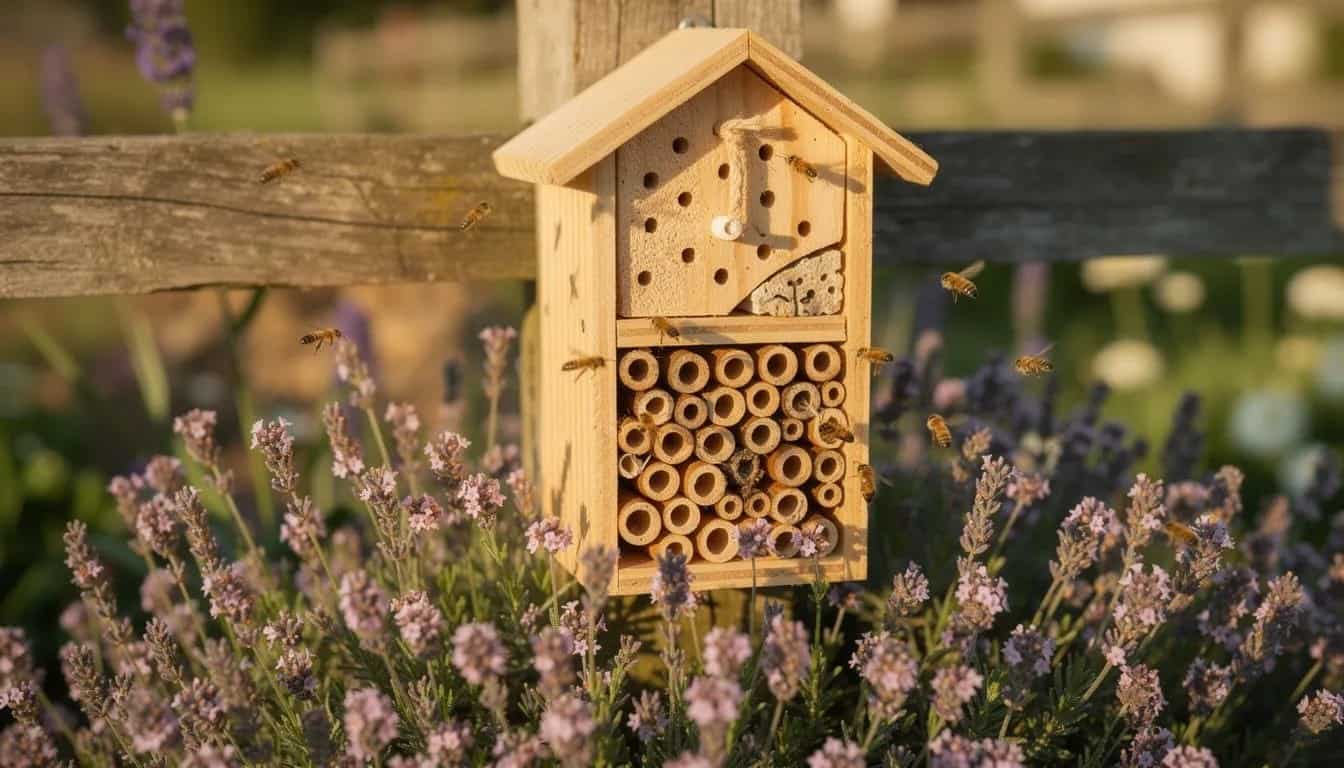
By growing nectar for local pollinators, you contribute to the same system that produces the honeys in our range. And through single-varietal jars or our raw honey subscription, you can taste what different nectar sources create, connecting your garden efforts to the wider world of flowers, bees, and honey.
How HoneyBee & Co. Selects Nectar Regions
Geography determines nectar, and our sourcing focuses on regions with reliable flows and clean environments. In the UK, this includes heather moorlands in Yorkshire and Northumberland, wildflower meadows across the Midlands, and hillsides where mixed native flora provides diverse forage. Romanian sourcing centres on the acacia and sunflower belts in Transylvania, areas with relatively low industrial activity and long traditions of small-scale beekeeping.
Site selection criteria include abundant, clean nectar sources positioned away from heavy industry, major roads, and intensive agriculture; mixed forage environments combining trees, hedgerows, and meadows rather than endless single-crop fields; and long-term relationships with small, independent beekeepers who understand local flowering calendars and manage colonies with attention to seasonal rhythms. When you open a jar of our linden honey, you are tasting nectar from trees that flowered during a particular June, not an anonymous blend from unknown origins. Our story and sourcing approach explains how we built and maintain these relationships.
Taste the Nectar, Not a Blend
Each jar is bottled nectar from a specific landscape and flowering season. Raw, single-origin, and never pasteurised.
-
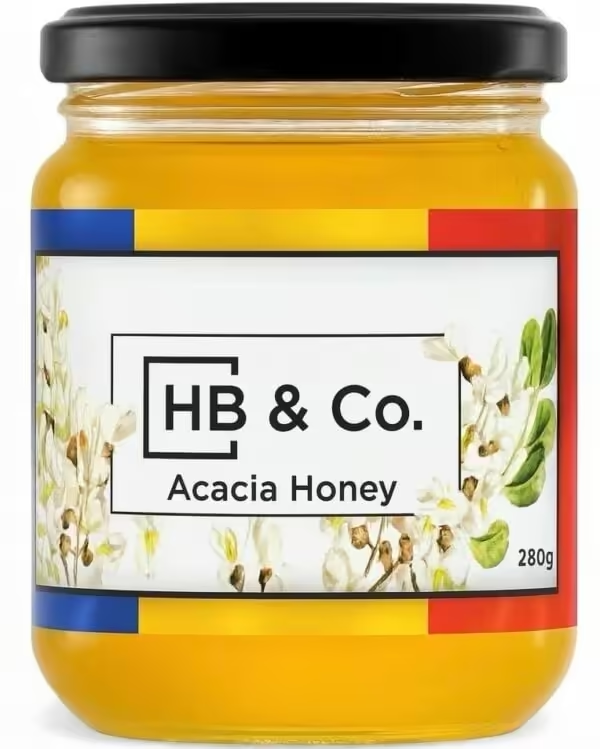 Raw Acacia Honey — £10.99 Transylvania, Romania. Robinia pseudoacacia nectar, harvested in May. Almost water-white, stays liquid for months. The mildest and most delicate in the range.Shop →
 -
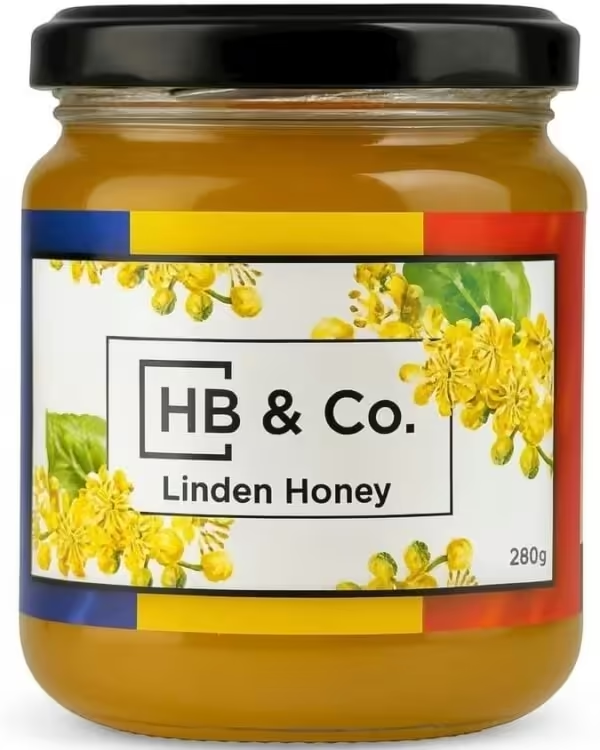 Raw Linden Honey — £10.99 Transylvania, Romania. Tilia tree nectar, June flowering. Minty, herbal, with a cooling sensation. The traditional Central European bedtime honey.Shop →
 -
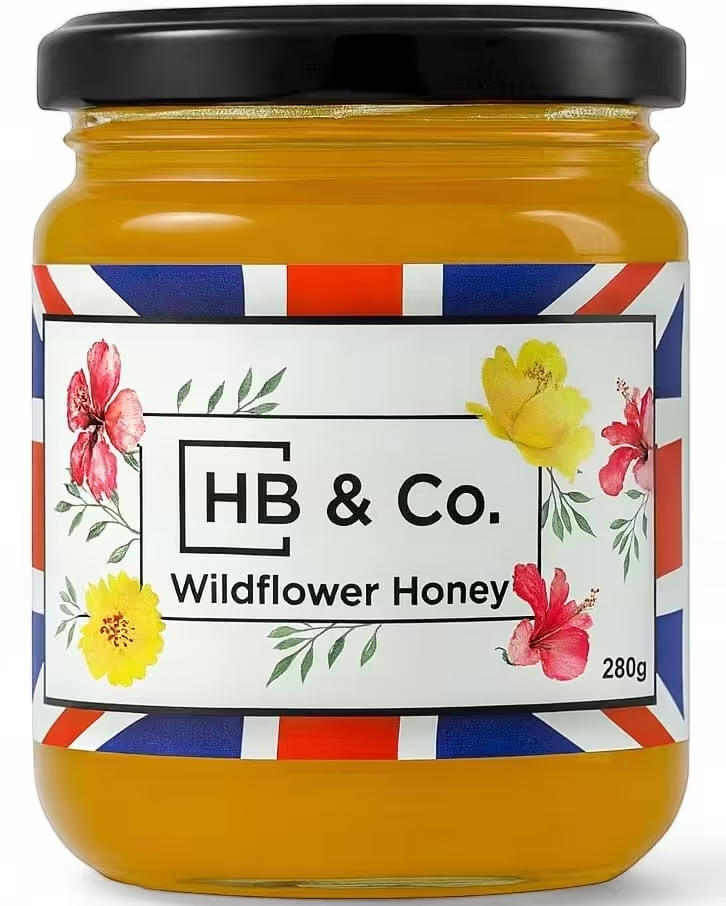 British Wildflower Honey — £10.99 Midlands, England. Seasonal polyfloral: clover, bramble, knapweed, and whatever is in bloom. Never blended. Flavour changes with every harvest.Shop →
Flower Nectar and Honey: Common Questions
What is flower nectar made of?
Flower nectar is primarily a solution of sugars, mainly sucrose, glucose, and fructose, in water. Sugar concentration ranges from around 3 per cent in some dilute nectar sources to 80 per cent in very concentrated ones, depending on the plant species, soil conditions, and weather. Nectar also contains smaller amounts of amino acids, vitamins, organic acids, and antimicrobial compounds including hydrogen peroxide. These trace elements influence the flavour and health properties of the honey that bees eventually produce from that nectar.
How do bees turn nectar into honey?
Bees collect nectar using their proboscis and store it in a specialised honey stomach, where enzymes begin breaking sucrose into glucose and fructose. Back at the hive, nectar is passed mouth-to-mouth between bees, with more enzymes added each time. House bees then spread the nectar across honeycomb cells and fan it with their wings to evaporate water. Fresh nectar contains 70 to 80 per cent water. Bees reduce this to below 18 per cent, at which point it is stable, resistant to fermentation, and ready to cap with beeswax. The whole process transforms watery nectar into shelf-stable honey without any external processing.
Why does honey taste different depending on the flower?
Every nectar source has a unique chemical composition: different sugar ratios, organic acids, aromatic compounds, and polyphenols. These characteristics carry through into the finished honey and determine its flavour, colour, aroma, and texture. Heather nectar is rich in proteins that create a thixotropic, jelly-like texture and intensely malty flavour. Acacia nectar is high in fructose, producing a pale, liquid, delicately flavoured honey. Linden nectar contains aromatic compounds that give the honey its distinctive minty-herbal character. This is why raw, single-varietal honey tastes so different from blended commercial honey, which homogenises these differences.
What is the best nectar plant for bees in the UK?
There is no single best plant, because different bee species have different needs and different flowering times. For overall nectar volume, white clover and lime (linden) trees are among the most productive. For seasonal coverage, a succession of plants is more valuable than any individual species: willow catkins in early spring, fruit tree blossom in April and May, clover and lavender in summer, heather in late summer, and ivy in autumn. Gardens and smallholdings that provide this succession throughout the season support far more bee species than those relying on one or two plants.
Why does heather honey have a jelly-like texture?
Heather honey is thixotropic, meaning it has a gel-like consistency that loosens when stirred or agitated and sets again when left. This unusual property comes from the specific proteins present in heather nectar, principally from Calluna vulgaris. These proteins form a matrix within the honey that creates the jelly-like structure. It is completely natural and is one of the clearest indicators of a genuine, unadulterated heather honey. Blended or adulterated heather honey typically lacks this property.
How does weather affect nectar production?
Weather has a direct and significant effect on nectar availability. Warm, mild mornings following dry periods tend to produce the best nectar flows in the UK, as plants are actively photosynthesising and nectaries are functioning at full capacity. Cool, wet weather, like the challenging springs many UK beekeepers have faced in recent years, can dramatically reduce nectar secretion, leaving both wild bees and managed colonies short of forage. Drought can produce concentrated but scarce nectar as plants limit sugar output. This variability is one reason why honey harvests differ year to year even from the same apiaries.
What is the difference between nectar and honey?
Nectar is the sugary liquid produced by flowers, containing 70 to 80 per cent water and relatively low sugar concentration. Honey is what bees produce from nectar after adding enzymes and evaporating most of the water. The transformation changes not just the water content but the chemical composition: sucrose is broken down into glucose and fructose, enzyme activity modifies other compounds, and natural acids and antimicrobial substances are concentrated. The result is a stable, shelf-stable food that bees store for winter. Nectar would ferment within days if left unprocessed.
How can I attract more bees to my garden?
Plant a succession of nectar-rich flowers that bloom from early spring through to late autumn: willow or fruit trees for spring, lavender, clover, and borage for summer, and ivy or sedum for autumn. Single-flowered varieties generally offer more accessible nectar than heavily doubled cultivars. Leave some areas of lawn uncut to allow dandelion and clover to flower. Provide nest sites: bee hotels offer cavities for mason and leafcutter bees, while patches of bare, undisturbed soil suit ground-nesting solitary species. Avoid pesticides, and stop mowing so frequently in summer. Even a small balcony with lavender in a container makes a meaningful contribution to urban nectar availability.
Sources and References
- Lin IW, et al. (2014). Nectar secretion requires sucrose phosphate synthases and the sugar transporter SWEET9. Nature, 508(7497):546-549. doi: 10.1038/nature13082
- BBKA / Natural England. UK bee species diversity and pollination statistics. bbka.org.uk/bees
- Gallai N, et al. (2009). Economic valuation of the vulnerability of world agriculture confronted with pollinator decline. Ecological Economics, 68(3):810-821. pubmed.ncbi.nlm.nih.gov
- Tew NE, et al. (2021). Quantifying nectar resource availability across a residential district. Proceedings of the Royal Society B, 288(1949). doi: 10.1098/rspb.2021.0980
- Klein AM, et al. (2007). Importance of pollinators in changing landscapes for world crops. Proceedings of the Royal Society B, 274(1608):303-313. royalsocietypublishing.org