
 English (UK)
  Italiano
  Français
  简体中文
简体中文  한국어
한국어 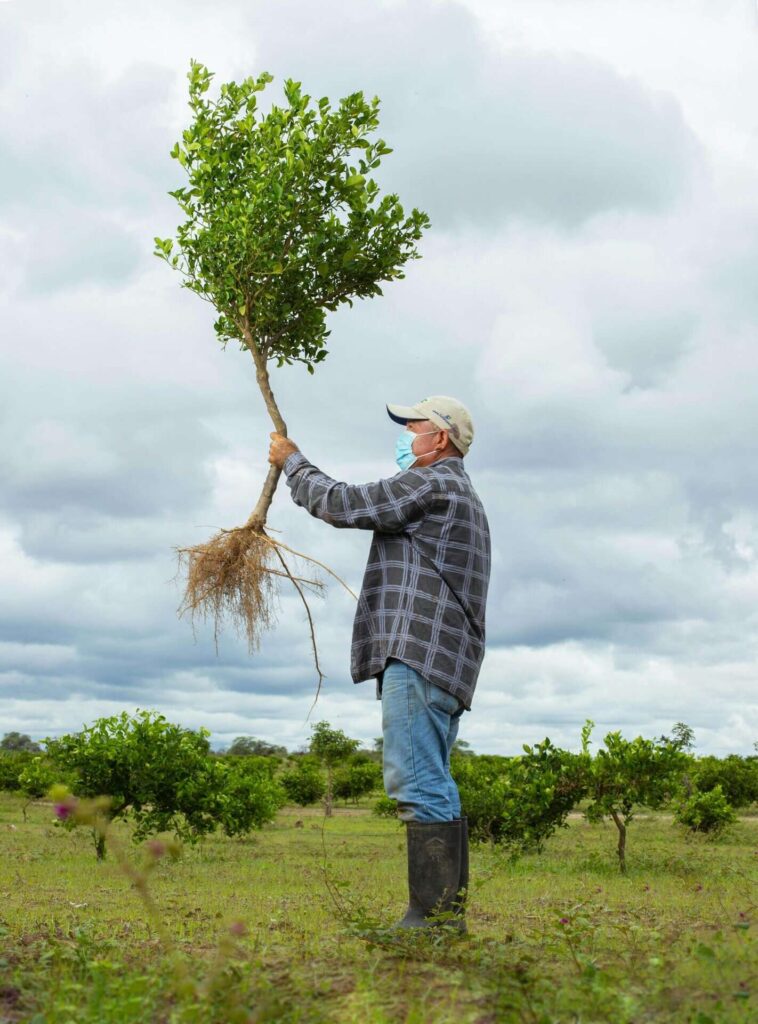
Forests: The Benefits of Forest Conservation
In This Guide
- Why Forests Matter (and Why We Care)
- Forests, Bees and the Honey in Your Jar
- The Three Great Forest Types
- Why Forests Matter to the Ecosystem
- Human Impact on Forests
- Conservation in Action
- Forests and Climate Change
- Sustainable Forestry
- The Future of Global Forests
- What Lives in UK Forests?
- The World's Largest Forests
- How Forests Help Wildlife
- Taste the Forest: Tree Honeys
- Frequently Asked Questions
Key Takeaways
- Forests cover about 32% of Earth's land (4.14 billion hectares, FAO 2025) and are among our most powerful defences against climate change.
- They are also where much of the world's honey begins: lime, acacia, sweet chestnut and conifer forests feed the bees behind prized tree and forest honeys.
- Healthy woodland gives bees three things they cannot do without: diverse flowers, clean water and places to nest, from hollow trees to sunlit woodland edges.
- Deforestation is slowing but still high (around 10.9 million hectares a year), and every hectare lost takes pollinator forage with it.
- Choosing raw honey from forest-friendly beekeepers helps. Start with our tree honeys, Linden and Acacia, or the Discovery Trio.
Why Forests Matter (and Why We Care)
At HoneyBee & Co. we produce raw honey and work with forest-friendly beekeepers across the UK and Europe, so forests are not an abstract cause for us. They are where our bees forage, where some of our honey gets its flavour, and where the wider web of pollination that feeds the world is rooted. This guide explains why forest conservation matters, for the climate, for wildlife, and very directly for bees and honey.
Forests cover roughly a third of the planet's land surface and act as its lungs, breathing in carbon dioxide and breathing out the conditions life depends on. They stabilise the climate, shelter countless species, clean our water and air, and, for anyone who has walked beneath an old canopy, settle something in us too. They are worth protecting on every count.
Forests, Bees and the Honey in Your Jar
It is easy to picture honey coming from a flowery meadow, and much of it does. But some of the world's most distinctive honeys are really forest honeys, made from the blossom of trees or from the forest itself.
Two of our own single-origin honeys are tree honeys. Linden honey comes from the blossom of the lime, or linden, tree (Tilia), a giant of temperate woodlands and parks whose mid-summer flowers hum with bees. Acacia honey is gathered from the blossom of the acacia tree (Robinia pseudoacacia), prized for its delicate flavour and the way it is slow to crystallise. Beyond our range, beekeepers in Europe's conifer forests produce dark, mineral-rich honeydew honey, while stingless bees make honey deep in tropical rainforests. Wherever there are flowering trees, there is the potential for honey.
So when we talk about protecting forests, we are also talking about protecting the bees that forage in them and the honey they make. The two are inseparable, which is exactly why a honey company is writing about trees.
The Three Great Forest Types
Forests are not one habitat but many. Three broad types span the globe, each shaped by its climate, and each with its own relationship to bees and honey.
Tropical rainforests
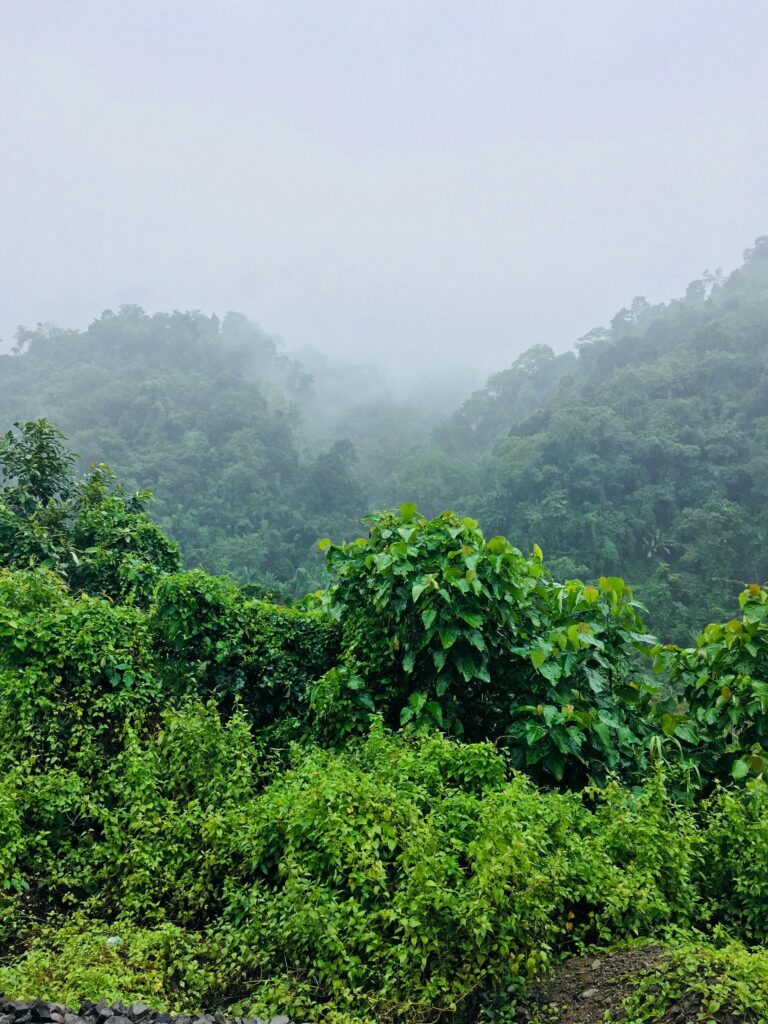
Tropical rainforests cover only about 6% of the planet's surface yet are thought to hold more than half of all its species. They are the richest ecosystems on Earth, and vital carbon sinks. They are also home to stingless bees (the Meliponini), which build nests inside hollow trees and produce a tangy, liquid honey that forest communities have harvested for thousands of years. Lose the forest, and you lose those bees and that honey with it.
Temperate forests
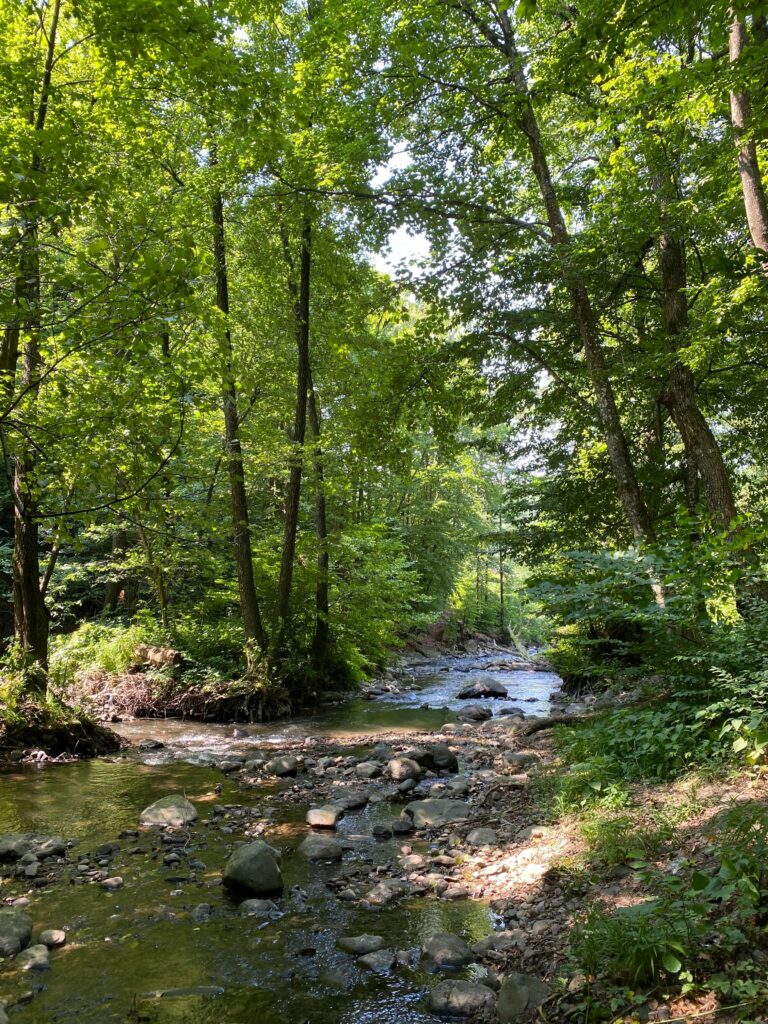
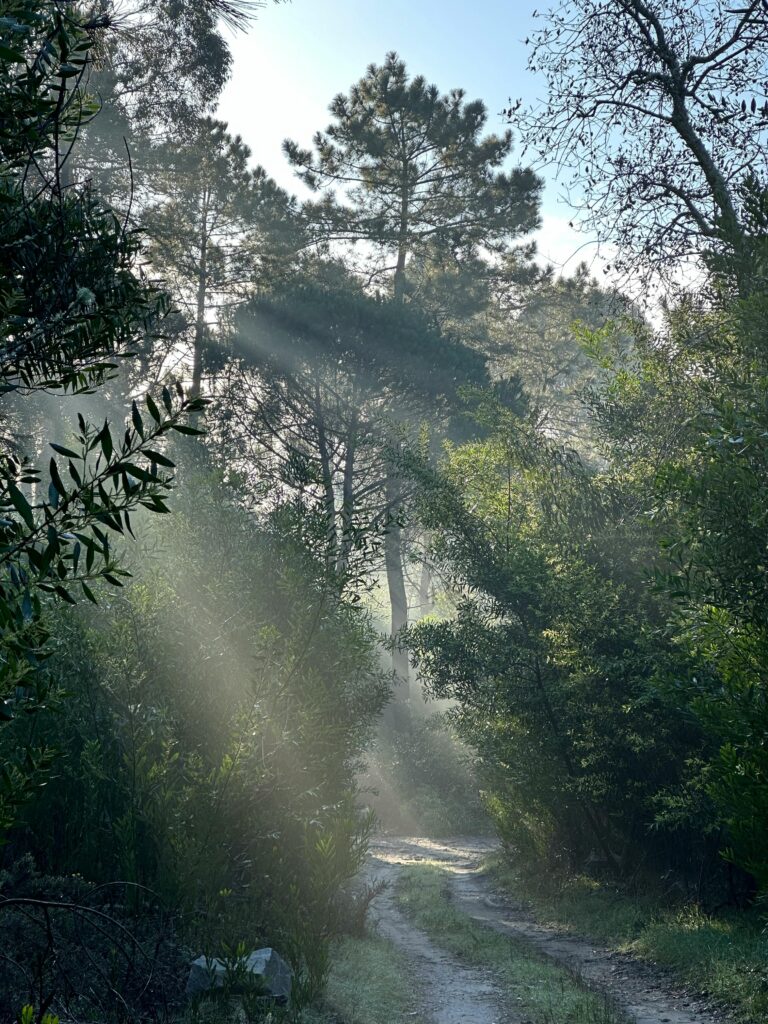
Temperate forests, with their four distinct seasons, are the woodlands most of us in the UK and Europe know best: oak, beech, maple, and crucially for bees, lime, sweet chestnut, sycamore and willow. These are the great nectar trees. A single mature lime in full flower can outproduce a whole meadow, which is why our Linden honey tastes the way it does. The acacia (Robinia) behind our Acacia honey is a temperate-forest tree too. Willow, flowering early, is a lifeline for queen bumblebees emerging in spring.
Boreal forests (taiga)
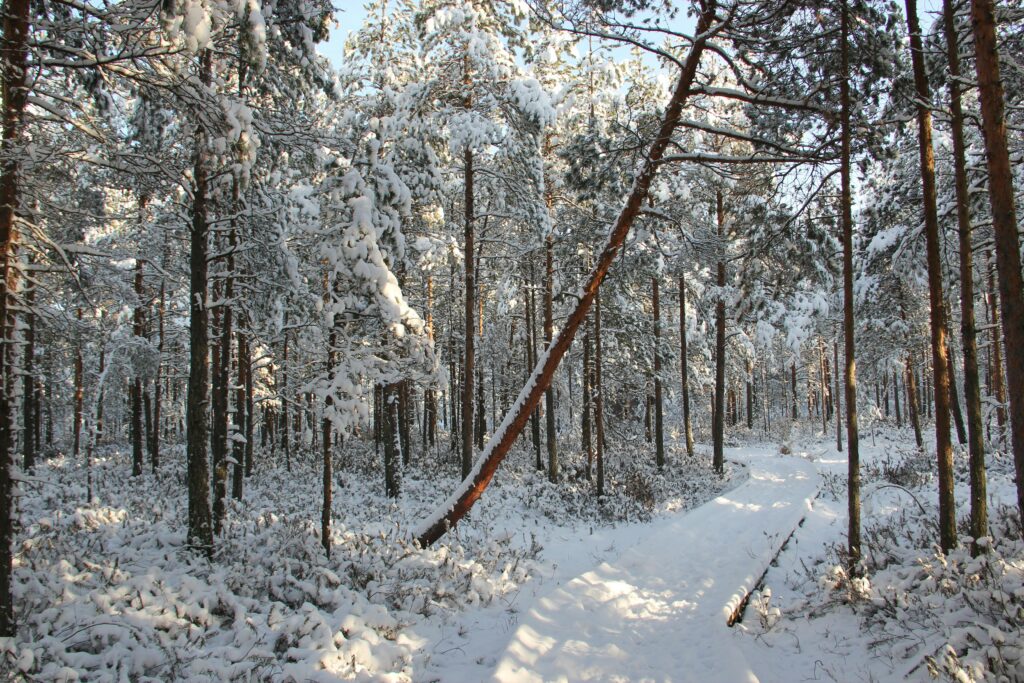
The boreal forest, or taiga, is the largest land biome on Earth, a band of conifers, pine, spruce and fir, ringing the cold north of North America, Europe and Asia. Its wildlife includes lynx, moose and reindeer, and it is a crucial store of carbon and biodiversity, though logging, mining and climate change all threaten it. Bees here gather honeydew rather than flower nectar, the sugary residue left on conifers, to make the dark "forest honey" prized across central and eastern Europe.
Why Forests Matter to the Ecosystem
Forests are the lifeblood of the planet. They provide habitat for an enormous share of land species, regulate the climate, hold soils together and keep water cycles turning. Protecting them is less a duty than an investment in the planet's resilience, and our own.
A haven for biodiversity, bees included
Few habitats support as much life as a healthy forest, and that includes a remarkable diversity of bees. Many of the UK's roughly 270 bee species are woodland or woodland-edge specialists. Dead and decaying wood is prime real estate: cavity-nesting bees move into old beetle holes and hollow stems, while the tree bumblebee takes over tree holes and old bird nests. The red mason bee and many solitary bees thrive along sunny woodland margins. A forest that is allowed to age, with standing deadwood and open glades, is one of the best places a wild bee can live. Explore more of them in our complete guide to bees.
Carbon sequestration
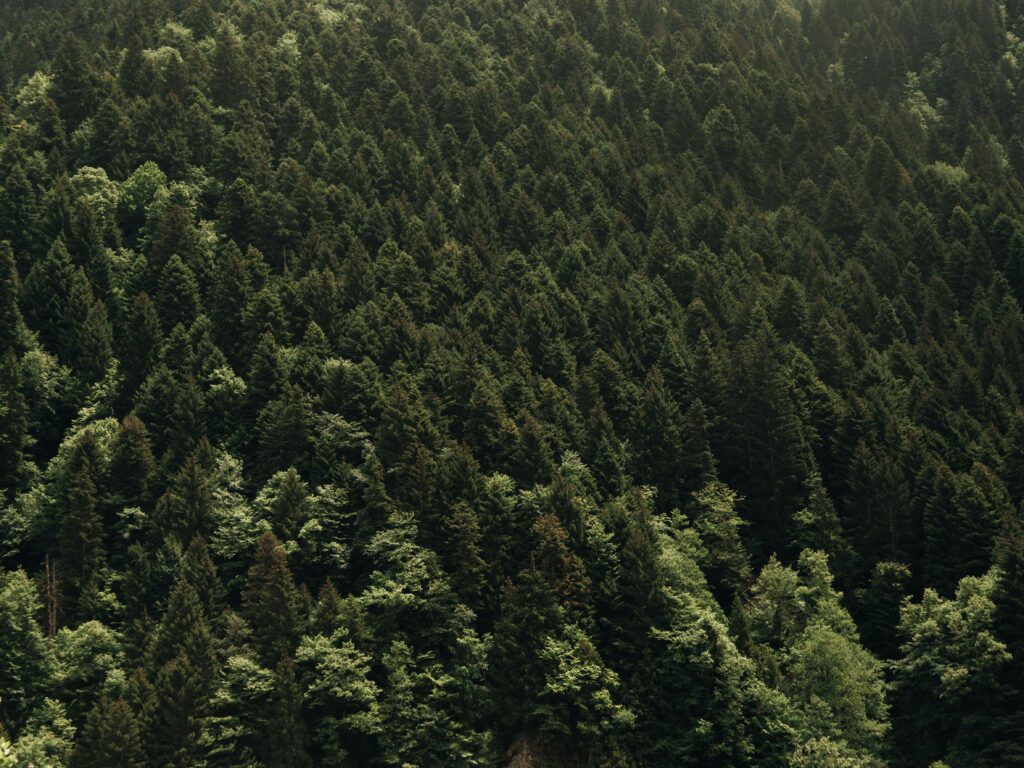
Through photosynthesis, trees pull carbon dioxide from the air and lock the carbon away in wood, roots and soil. The world's forests store an estimated 714 gigatonnes of carbon (FAO, 2025), making their protection one of the most effective climate strategies we have. There is a pollination angle even here: many forest trees and understorey plants, from limes and fruit trees to bramble and willow, are insect-pollinated, so the bees that forage in a forest help it set seed and regenerate, which in turn keeps that carbon locked away.
Human Impact on Forests
Human progress has too often come at the forest's expense. Urban and agricultural expansion, logging and mining have all eaten into the world's woodlands. The encouraging news from the latest FAO assessment is that the rate of loss is slowing, but it remains high, and sustainable practices and better policy are needed to turn the corner for good.
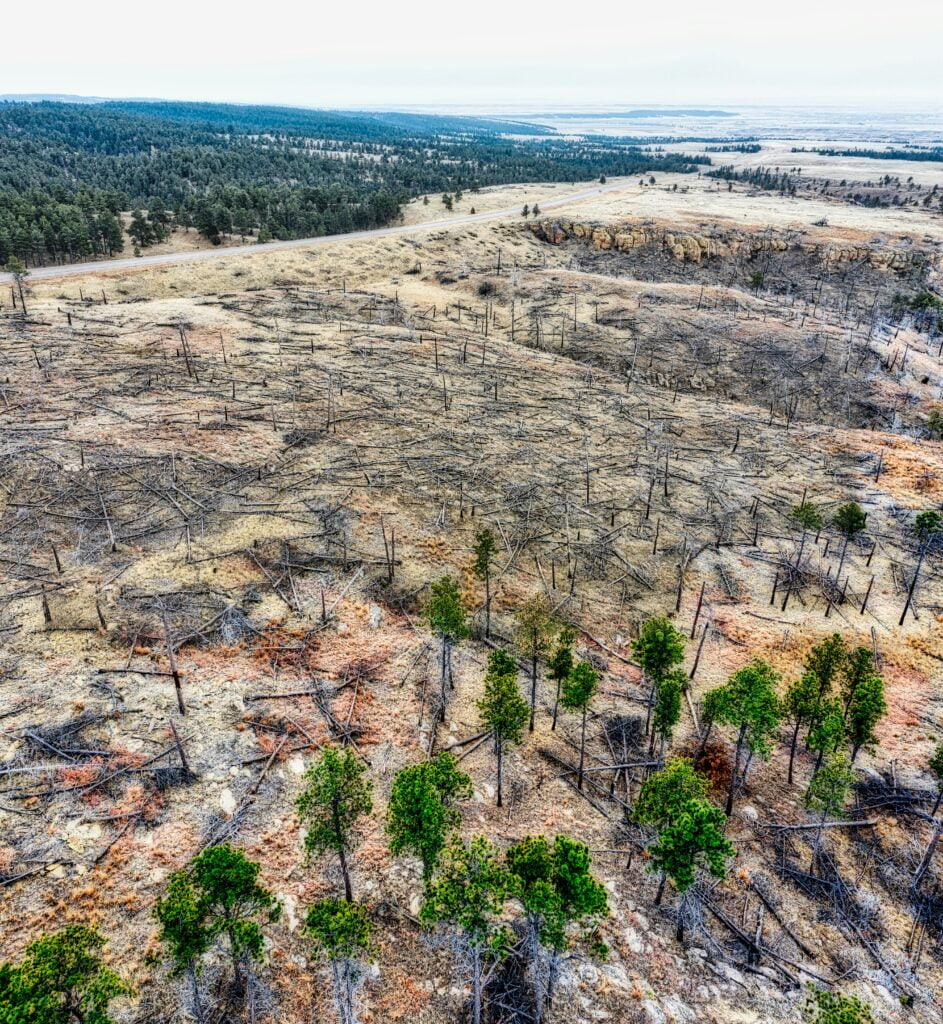
What drives deforestation
Global forest loss has several overlapping causes: agricultural expansion (the single biggest driver, clearing land for crops, biofuels and grazing); logging, both legal and illegal; infrastructure such as roads and settlements that fragment forest; mining for minerals and fossil fuels; and climate change itself, which makes regeneration harder. For a fuller treatment, see our guide to deforestation: causes, effects and solutions.
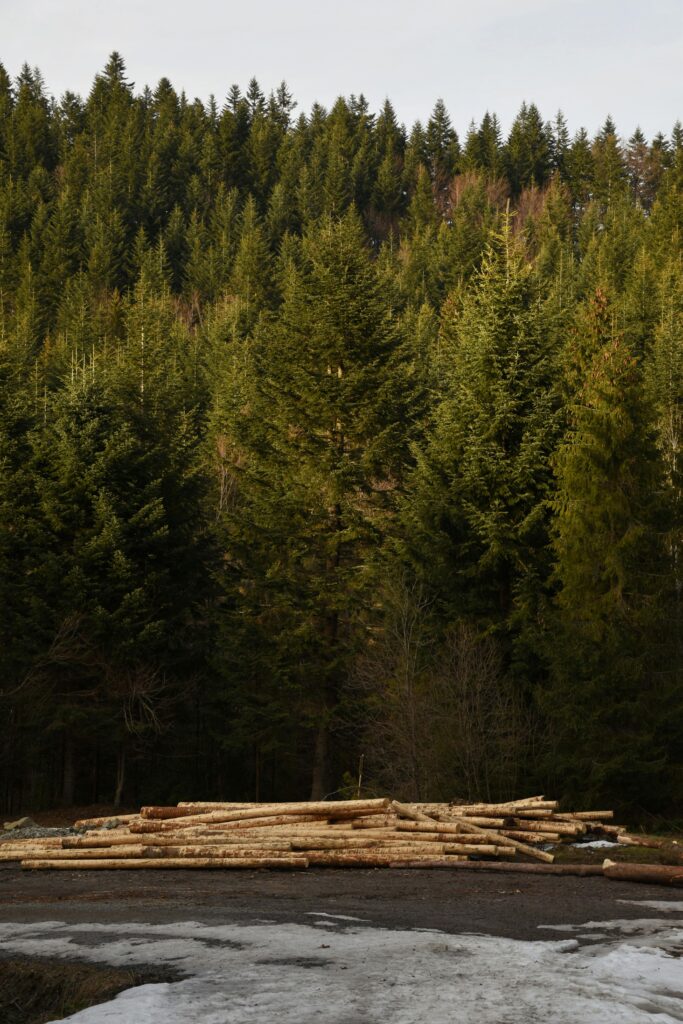
The consequences of degradation
When forests are cleared or thinned, the loss runs deeper than the missing trees. Biodiversity collapses, communities lose food, medicine and fuel, and the forest's ability to store carbon falls, adding to greenhouse gas emissions. For pollinators the blow is specific: fewer flowering trees and shrubs means less forage, and fewer old trees and undisturbed banks means fewer places to nest. A degraded forest is a hungrier, emptier place for a bee.
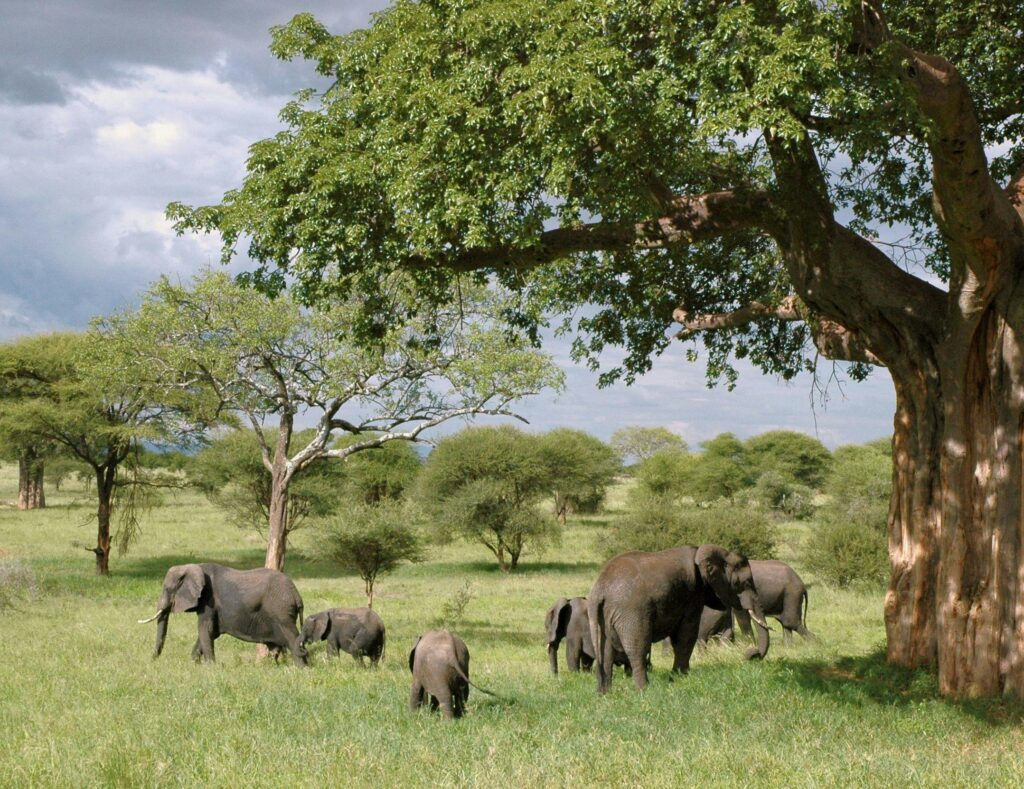
Conservation in Action
Around the world, governments, NGOs and communities are protecting and restoring forests through policy, protected areas and hands-on planting. Individuals matter here too: small, local choices add up to real landscape change.
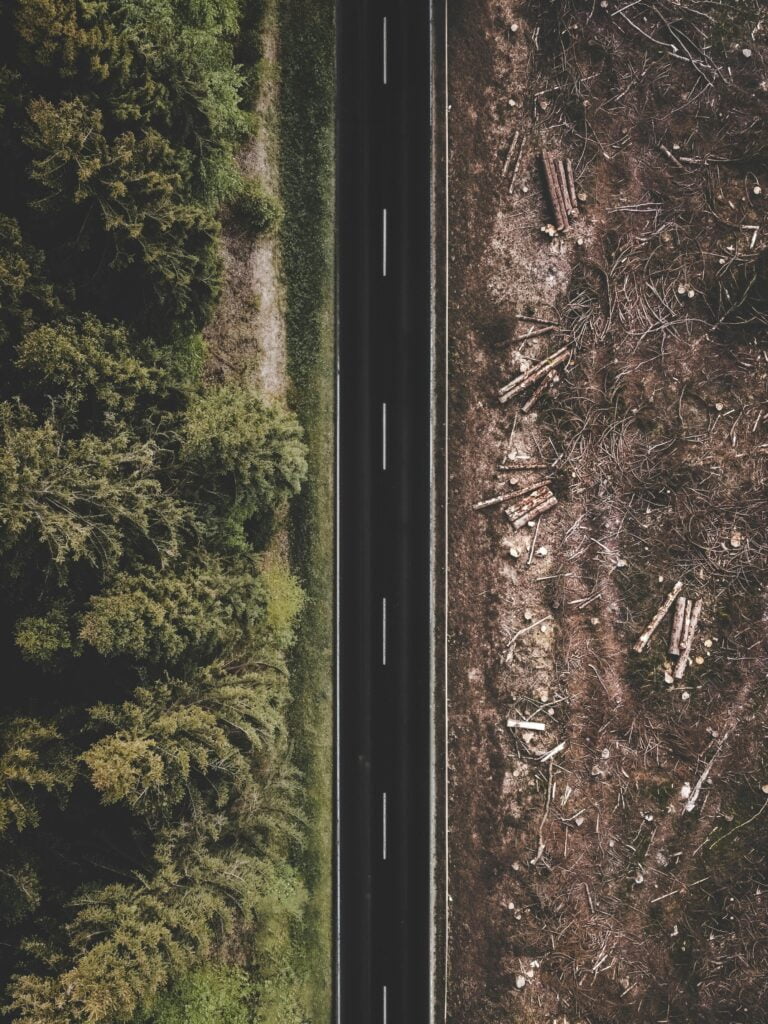
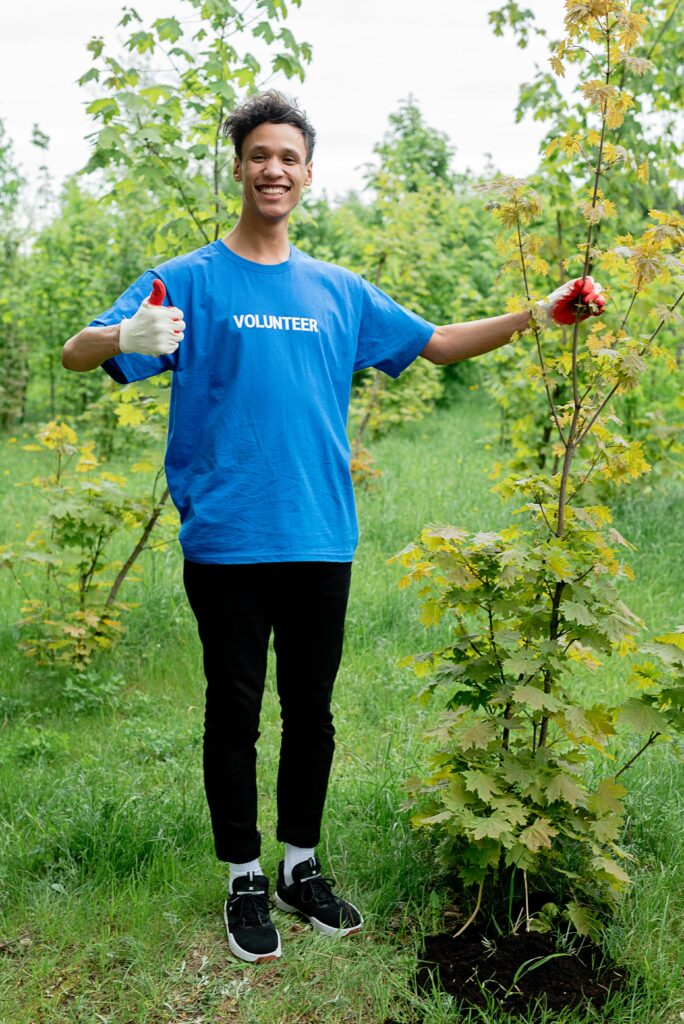
Reforestation, done with bees in mind
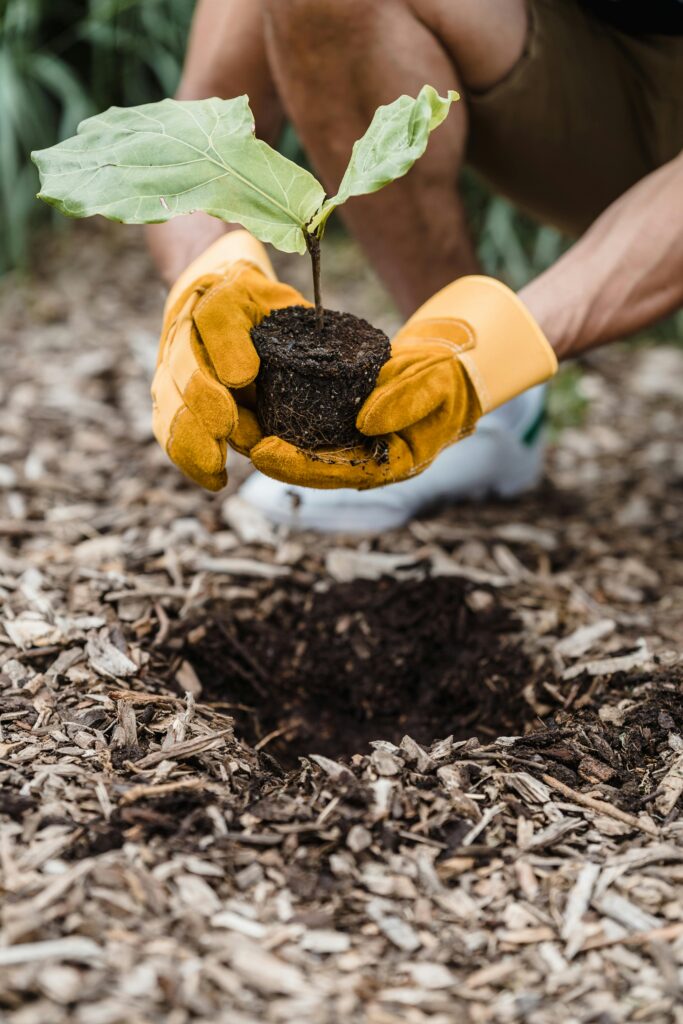
Reforestation projects are healing the scars of deforestation, restoring greenery to land once stripped bare. The best of them think beyond carbon to biodiversity, and that is where bees come in. Planting nectar-rich species, lime, willow, hawthorn, fruit trees and flowering shrubs, turns a young plantation into living forage from its first spring. This is the symbiosis at the heart of forest recovery: bees pollinate the trees and understorey that rebuild the forest, and the forest feeds the bees. You can encourage the same relationship at home with our guide to the flowers and trees bees love.
Protected forest areas
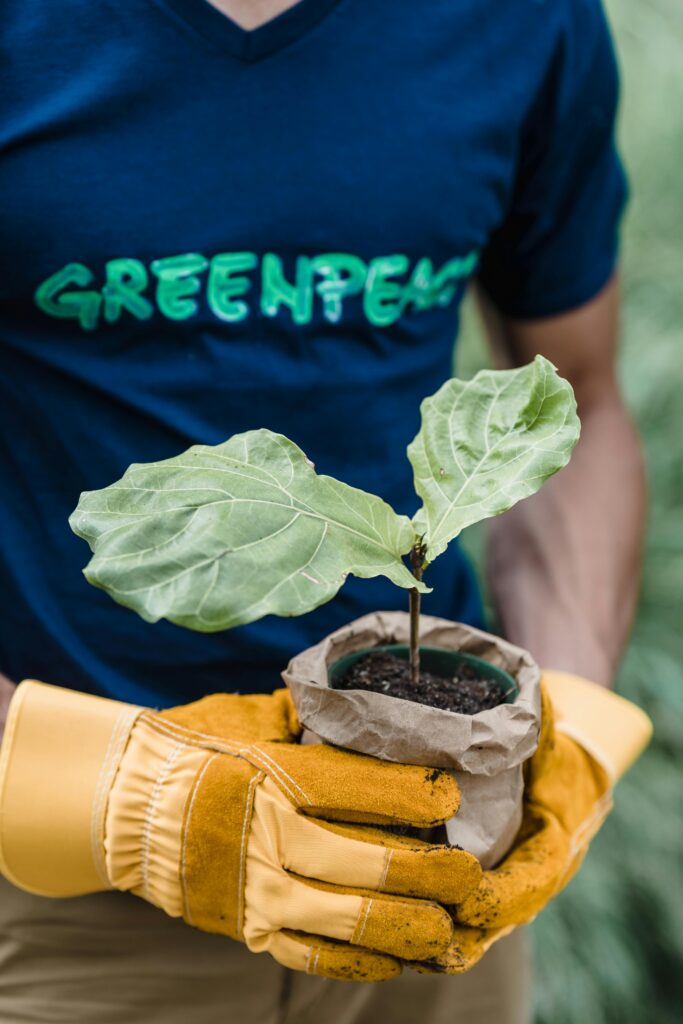
Legally protected forests now cover about a fifth of the world's total, some 813 million hectares (FAO, 2025). These areas conserve biodiversity and genetic diversity, act as carbon sinks, support water cycles, protect cultural heritage and serve as living laboratories for research. For wild pollinators, large undisturbed reserves are irreplaceable strongholds where natural nesting and foraging can continue uninterrupted.
Forests and Climate Change
In a warming world, forests are both shield and casualty. They absorb and store carbon on a vast scale, yet they are increasingly stressed by the very changes they help to slow.
Their role in climate regulation
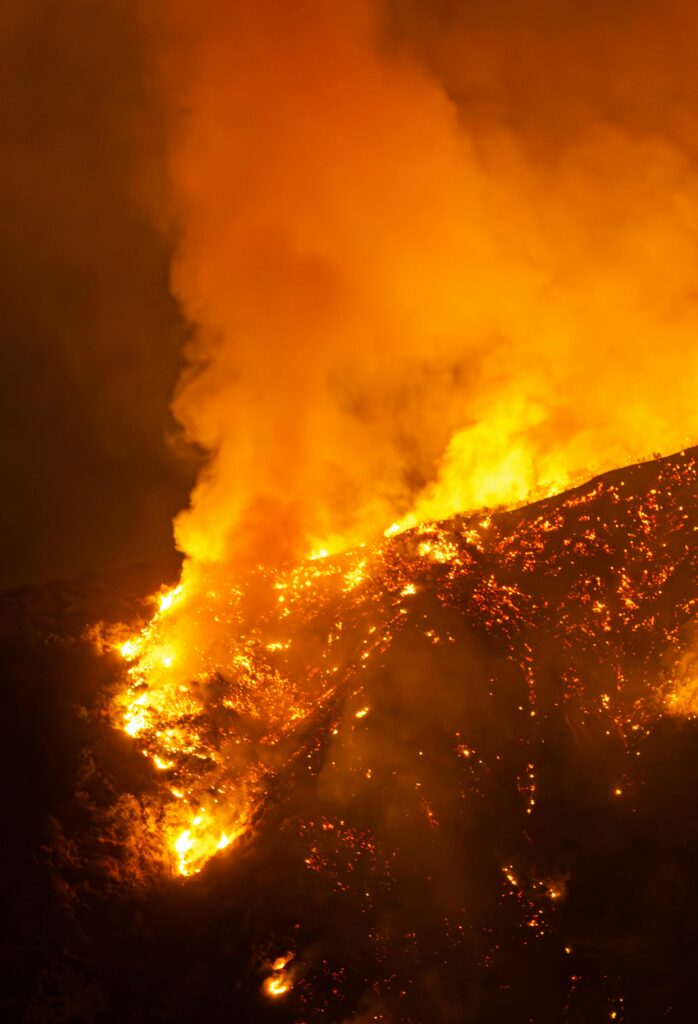
Forests are natural carbon sinks: their canopies cool the land, and by recycling moisture they help maintain rainfall patterns far beyond their own boundaries. Folding forest conservation into national climate plans is one of the surest ways to cut net emissions while protecting biodiversity at the same time. They are, quite literally, the lungs of the Earth.
How global warming hits forests, and bees
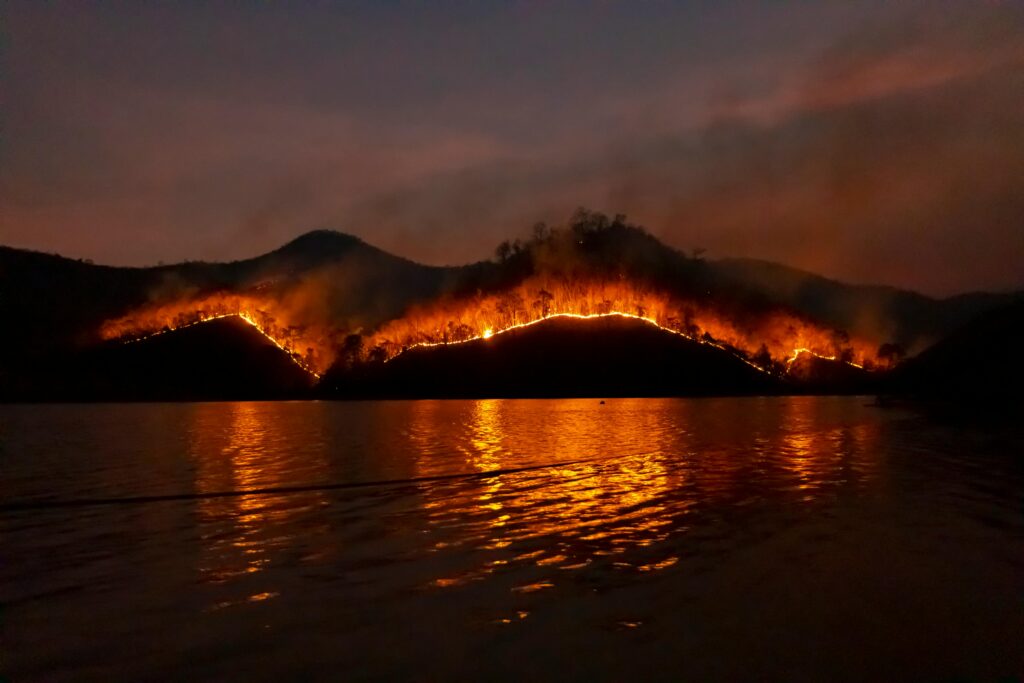
Rising temperatures stress trees, leaving them more vulnerable to pests, disease and fire, and forcing species to shift their ranges or perish. There is a subtler danger too, one that links directly to pollinators: phenological mismatch. When warm spells push trees into flower before bees have emerged, or after they have peaked, the ancient synchrony between blossom and bee slips out of step, and both the tree's pollination and the bee's food supply suffer. It is the same timing problem we explore in why bee populations are declining.
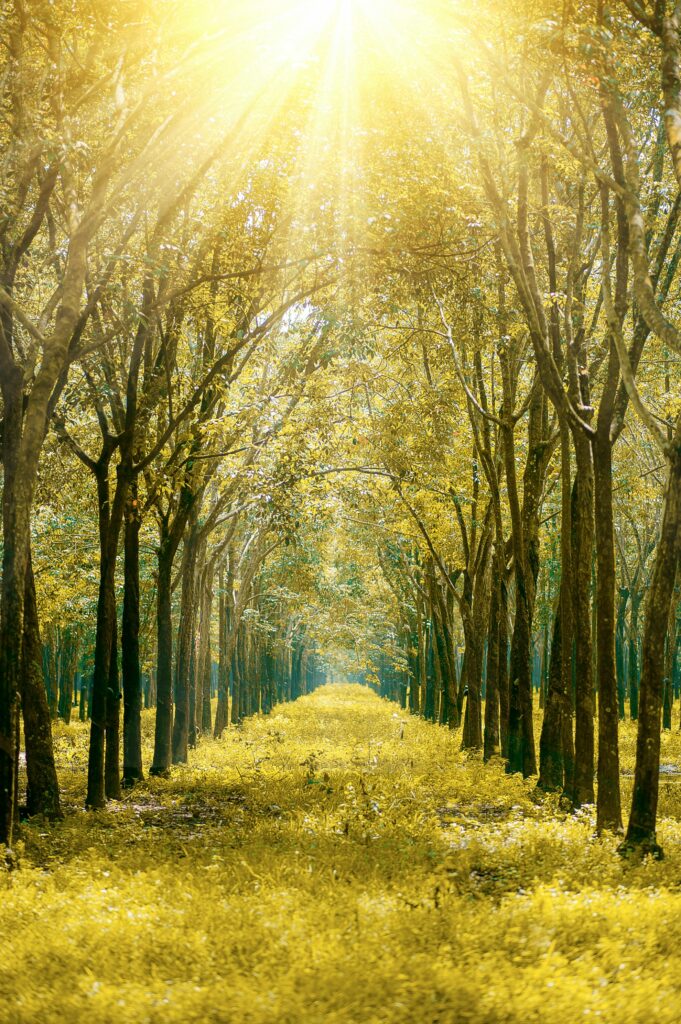
Sustainable Forestry
Sustainable forestry aims to take what we need from forests, timber, fuel and other products, without unravelling the ecosystems that produce them. Done well, it keeps forests standing, working and full of life.
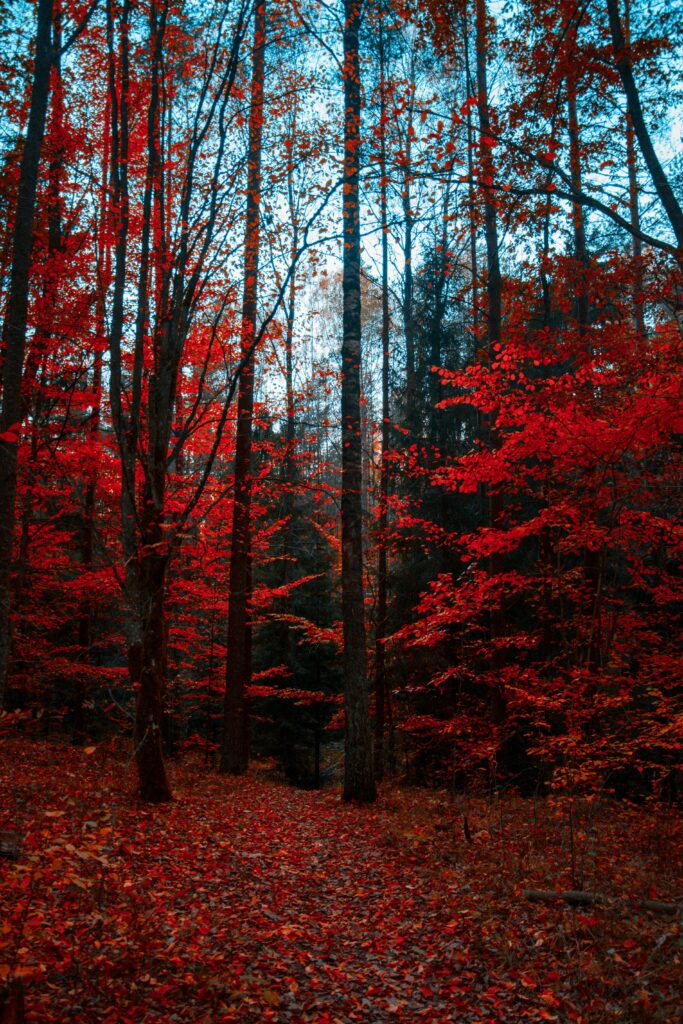
The benefits of sustainable management
Well-managed forests deliver on several fronts at once: they sustain biodiversity, support local economies and jobs, sequester carbon, filter and protect water supplies, and preserve places of cultural and recreational value. More than half the world's forests are now covered by long-term management plans, a quietly encouraging sign.
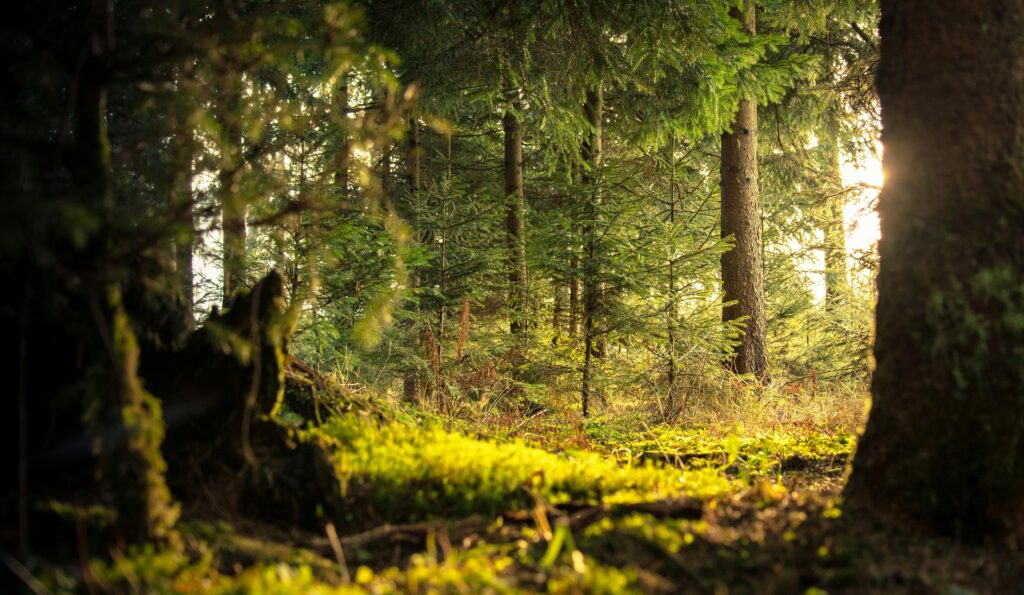
Techniques for sustainable harvesting, and what they mean for pollinators
How a forest is harvested matters as much as how much. Selective logging, shelterwood and strip cutting, paired with modern monitoring, let foresters take timber while keeping the ecosystem stable. Pollinator-friendly forestry goes one step further: leaving standing deadwood for cavity-nesting bees, keeping flowering rides and glades open so light reaches woodland flowers, and retaining nectar trees like lime and willow. These small choices turn a working forest into excellent bee habitat.
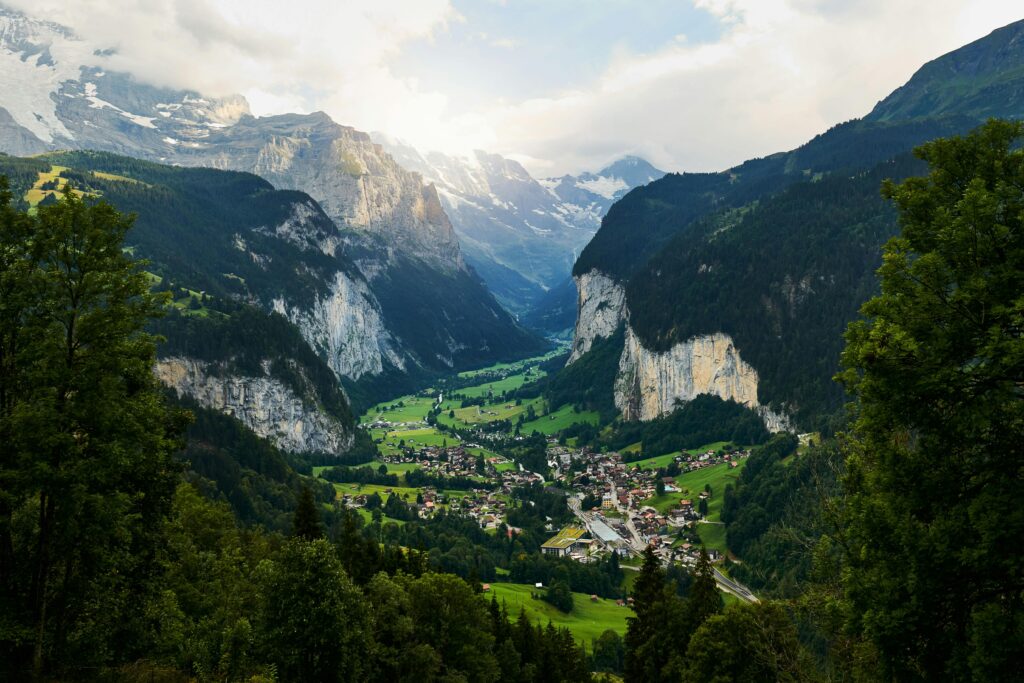
The Future of Global Forests
The outlook is genuinely hopeful. Deforestation is slowing in every world region, protected areas are expanding, and new tools, from satellite monitoring to drone-assisted planting, are making restoration faster and smarter. Indigenous knowledge and modern science are increasingly working together rather than apart.
Bees and forests share a relationship that captures why all this matters. Forests give bees diverse flowers, clean water and places to nest; in return, bees pollinate the trees and plants that let the forest regenerate and spread. Protect and restore forests, and you support bee populations that are vital to both wild ecosystems and the food we grow. The reverse is just as true: look after pollinators, and you help forests recover. It is a single system, and our honey sits inside it.
What Lives in UK Forests?
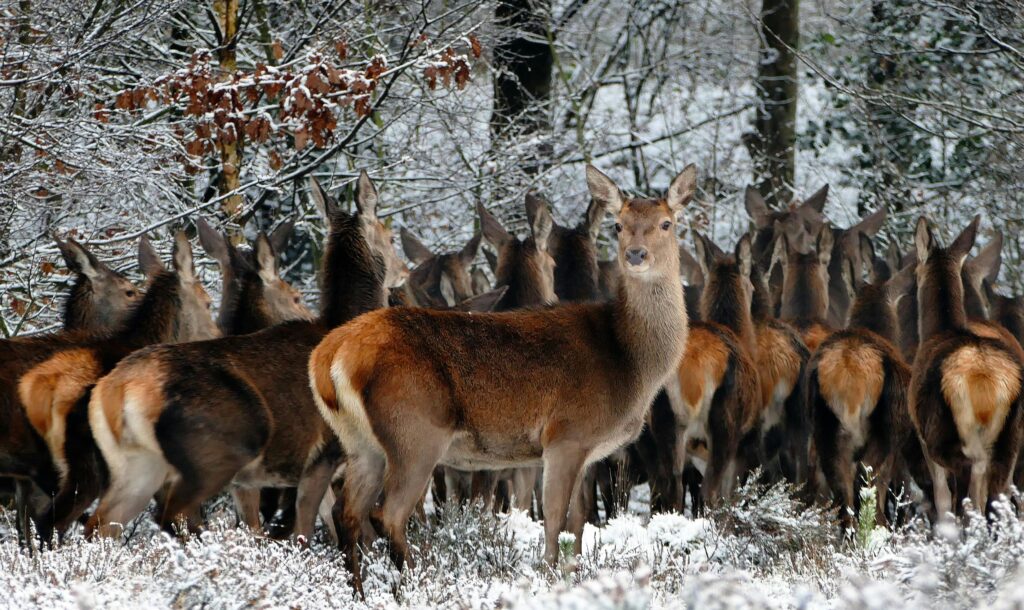
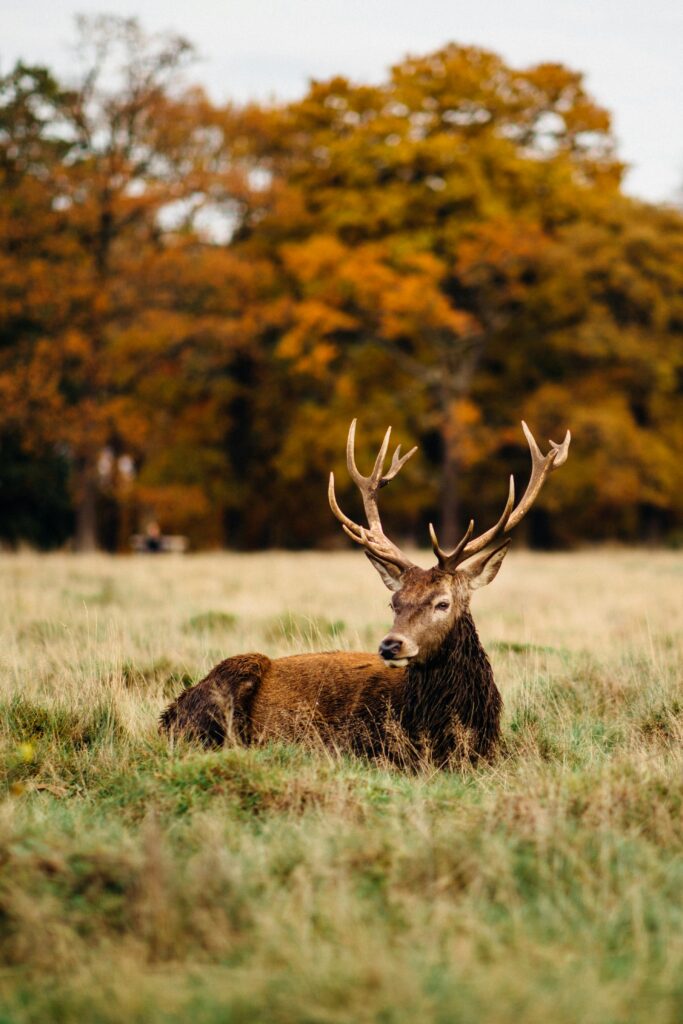
British woodlands are quietly full of life. Red and roe deer move among the trees, woodpeckers drum overhead, red and grey squirrels race along the branches, and foxes and badgers work the undergrowth after dark. Songbirds from the nightingale to the wren fill the canopy with sound.
Look lower and smaller, though, and you find the pollinators. The tree bumblebee nests in hollow trunks and old bird boxes; buff-tailed bumblebees work woodland flowers from early spring; and on warm, sunny woodland edges, dozens of solitary and mining bee species nest in banks and deadwood. Bramble, willow, ivy and woodland blossom keep them fed from spring to autumn. You can see which UK bees live near you on our UK Bee Map.
The World's Largest Forests
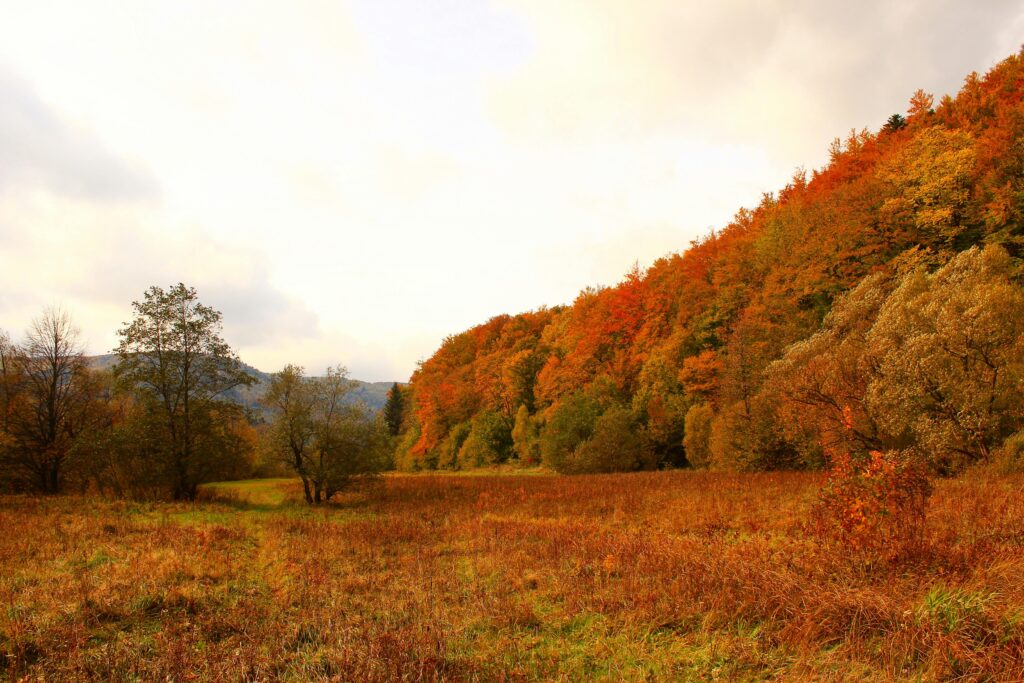
The Amazon is the largest tropical rainforest on Earth, sprawling across Brazil, Peru, Colombia and several neighbours, covering an estimated 5.5 million square kilometres and playing an outsized role in global climate regulation. The Siberian taiga (the Russian boreal forest) is one of the most extensive forest biomes anywhere and a crucial carbon sink. The Congo Basin holds the world's second-largest tropical rainforest, a stronghold of biodiversity across Central Africa. Beyond these, the temperate rainforests of the Pacific Northwest and the Valdivian forests of Chile and Argentina rank among the planet's most remarkable woodlands. Every one of them is a reservoir of pollinators as well as of trees.
How Forests Help Wildlife
Forests are indispensable havens for wildlife, supplying food, shelter and breeding grounds for everything from the smallest insect to the largest mammal. They offer cover from predators and weather, and their tangled interdependencies, pollination, seed dispersal, nutrient cycling, keep whole ecosystems ticking over. They also buffer the land against storms and floods, protecting the habitats within.
For bees specifically, a forest provides the three essentials at once: a long succession of flowers (from spring willow to summer lime to autumn ivy), clean water, and nesting sites in deadwood, hollow stems and undisturbed ground. Few other habitats deliver all three so reliably. If you would like your everyday honey to support that web of life, discover our sustainably sourced raw honey, or learn how the bees turn all that forage into honey in how bees make honey.
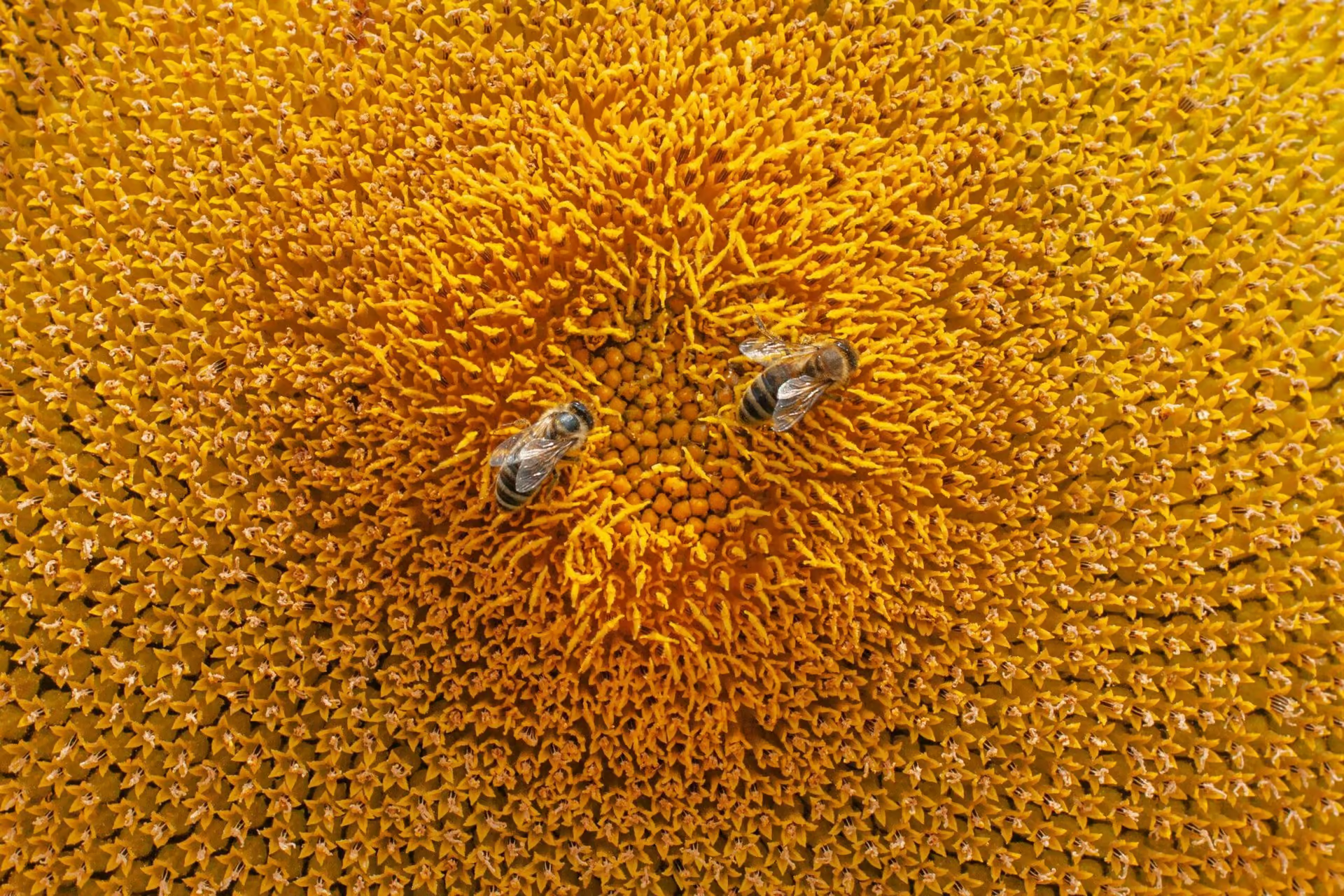
Protect a forest and you protect a bee; protect a bee and you help a forest grow back. The two have never been separate.
HoneyBee & Co.Taste the forest: our tree and woodland honeys
Raw, single-origin honey from forest-friendly apiaries, our family hives in Transylvania and SALSA-certified British suppliers. Lead with the tree honeys, Linden and Acacia. 280g jars, free UK delivery on 3 or more.
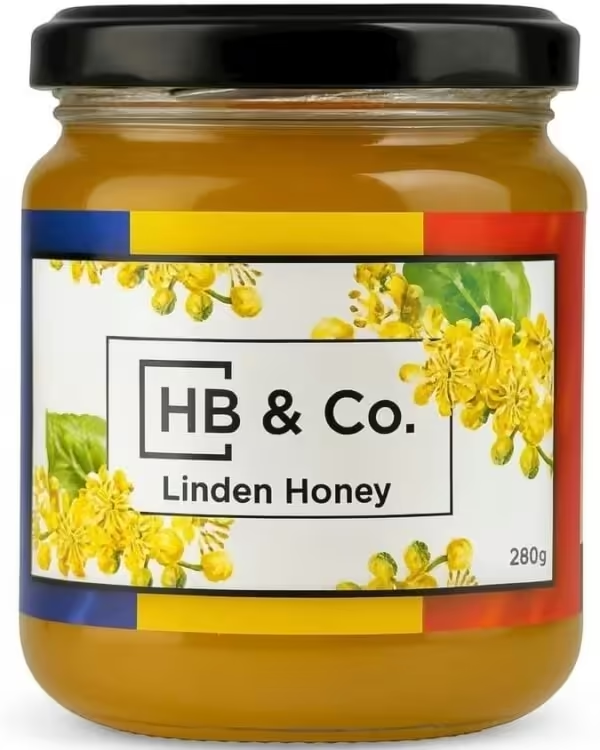
Linden Honey
A true tree honey from lime (linden) blossom. Light gold, fresh and faintly minty.
Shop now ›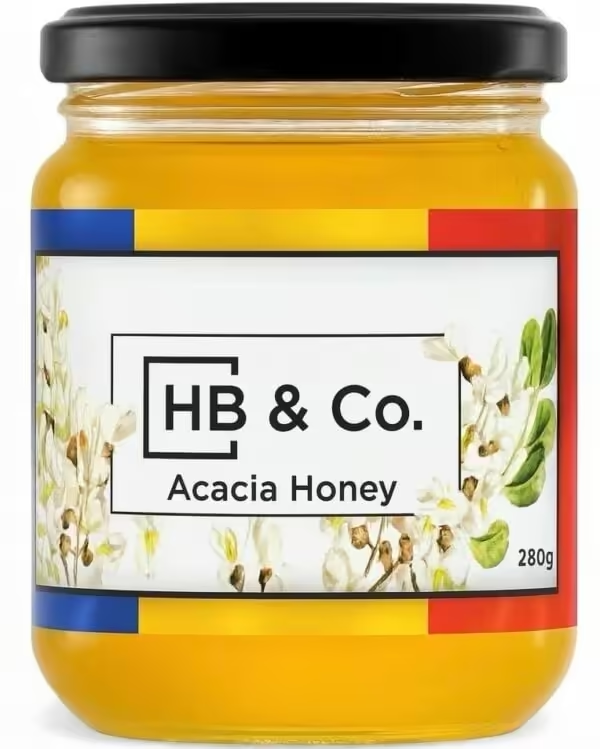
Acacia Honey
Pressed from acacia (Robinia) tree blossom. Delicate, clear and slow to crystallise.
Shop now ›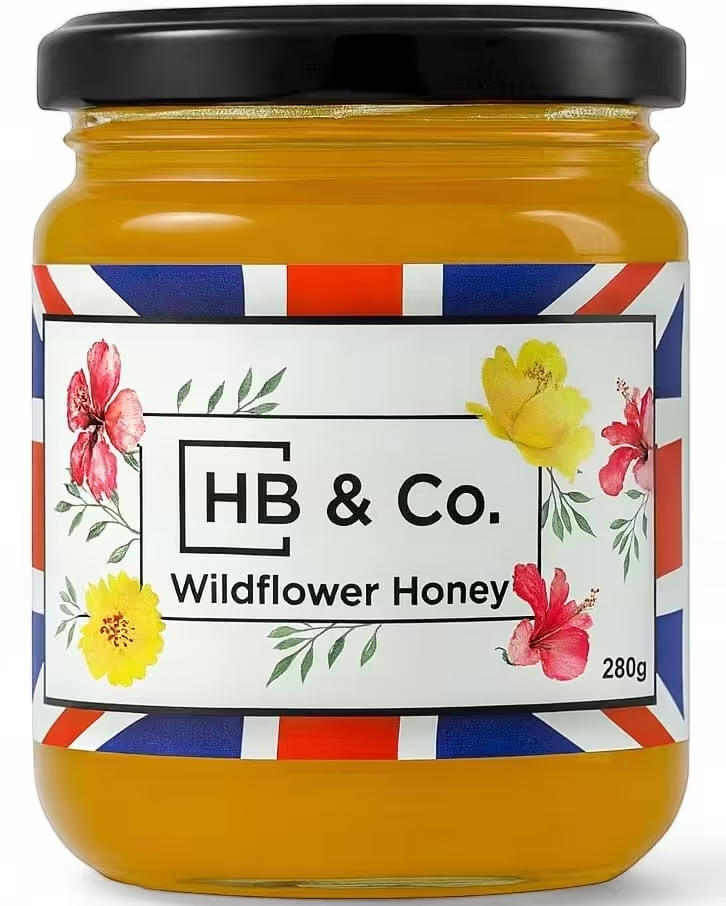
Wildflower Honey
A rounded honey carrying the pollen of meadow, hedgerow and woodland edge.
Shop now ›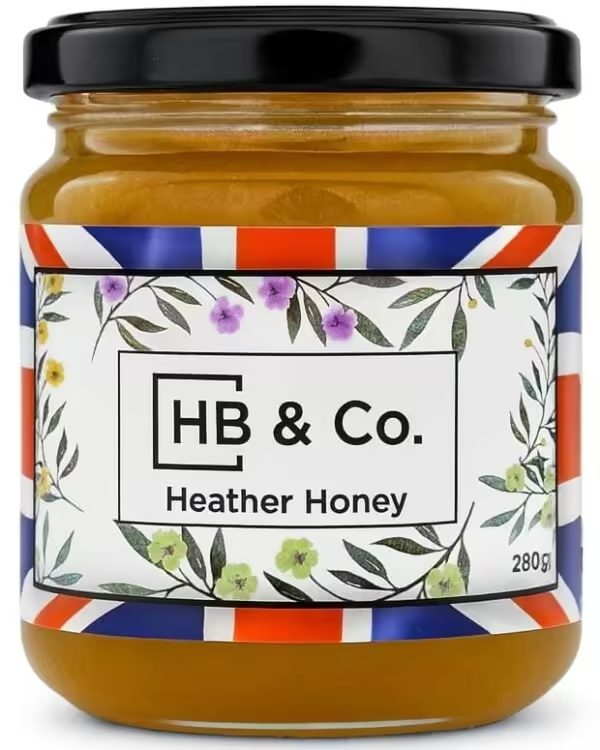
Heather Honey
Dark and aromatic, from upland moors that fringe our northern woods.
Shop now ›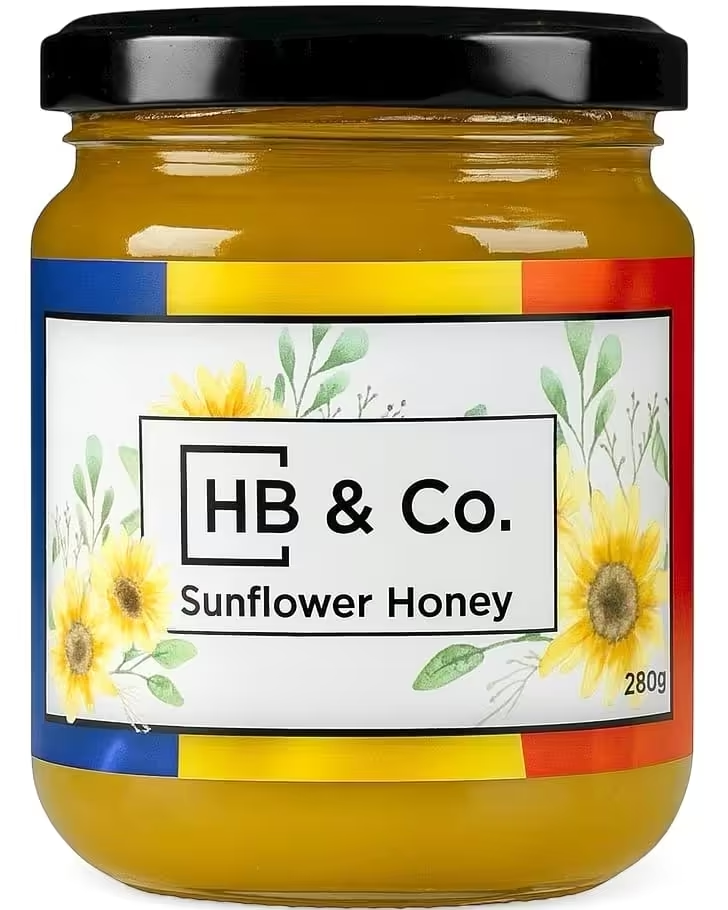
Sunflower Honey
Bright, warm and golden, from open fields beyond the treeline.
Shop now ›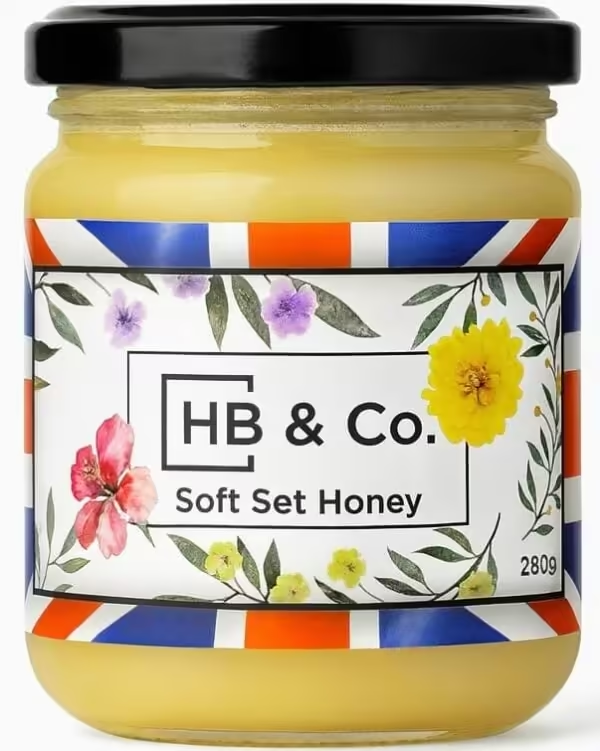
Soft Set Honey
Smooth and spreadable, a gentle British all-rounder.
Shop now ›Discovery Trio
Three of our most-loved honeys in one box. Save 5% versus buying separately, £33.22.
Explore the trio › Subscribe & saveHoney Subscription
Your favourite honey on repeat, 20% off and free delivery on every order, pause any time.
Start a subscription › For someone specialHoney Gift Sets
Ready-to-give boxes of single-origin honey, from the British Honey Bundle to seasonal selections.
See the gift sets ›Frequently Asked Questions
How do forests help bees and honey production?
What is a "forest honey"?
Are Acacia and Linden honeys really tree honeys?
In what ways does forest conservation protect the climate and biodiversity?
How can I support forest conservation through the honey I buy?
How much forest does the world have, and is it shrinking?
What can I plant to help woodland bees at home?

Dragos Nistor
Dragos Nistor is the founder of HoneyBee & Co., a family honey brand built on six generations of beekeeping heritage rooted in Transylvanian apiculture. He combines traditional beekeeping knowledge with modern sustainability, bringing raw, unfiltered honey from hive to jar.
He writes about honey, bees, and the wild landscapes, forests among them, that pollinators and good honey both depend on. Read more about our story.
Sources and Further Reading
- FAO. Global Forest Resources Assessment 2025, Key Findings. openknowledge.fao.org
- FAO. The State of the World's Forests. fao.org
- Encyclopaedia Britannica. Tropical rainforest. britannica.com
- Encyclopaedia Britannica. Temperate forest. britannica.com
- WWF. Forests and deforestation. worldwildlife.org
- Woodland Trust. British woodland wildlife. woodlandtrust.org.uk
- IUCN. Forests and climate change. iucn.org
- Bumblebee Conservation Trust. The tree bumblebee. bumblebeeconservation.org
- Tree-Nation. Reforestation projects. tree-nation.com
- Global Forest Watch / WRI. Tropical primary forest loss data. globalforestwatch.org