
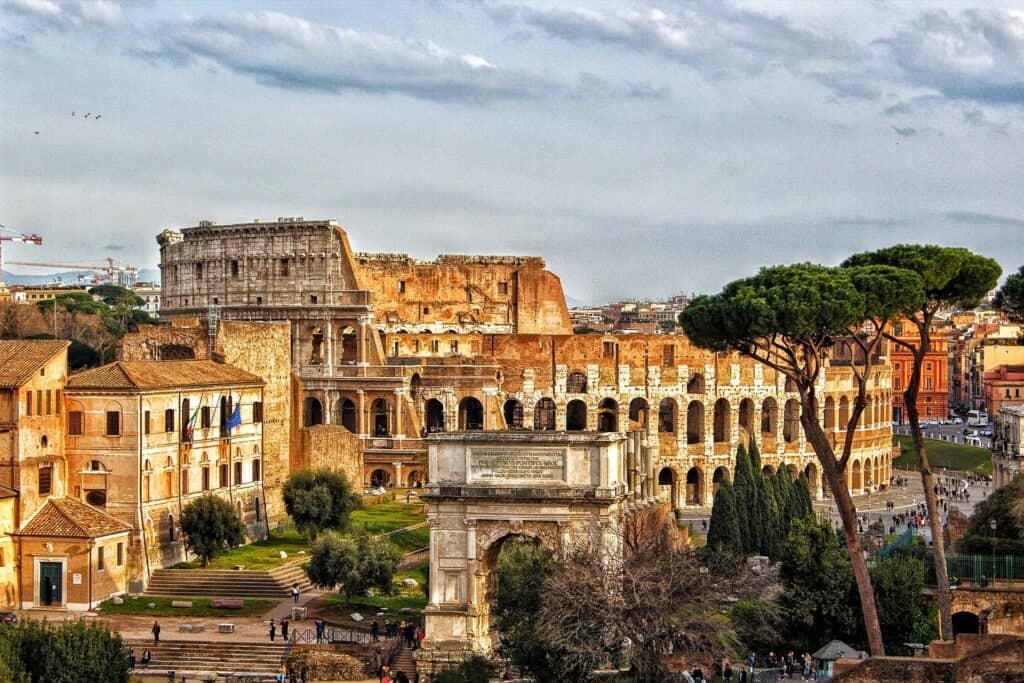
For thousands of years, miel brut has been part of the everyday lives of our species. We have mentions of honey in all cultures. Egyptians used honey as medicine, for rituals, and even as a currency. They valued it so much they would fill up ceramic vases and place them in the Pharaoh’s tombs for the afterlife. When Tutankhamun’s tomb was discovered, researchers found perfectly preserved crystalised honey of over 3500 years old. Greek mythology mentions that at Zeus’s birth, he was fed goat milk and honey.
What about the Romans?
The Romans imported large quantities of honey from all over the empire but particularly from Malta. The island is a large producer of honey and in fact, Malta or Μελίτη – Melitē means Sweet Honey. Very interesting findings from ancient times were the underground beehives build by the Romans in clay at the bottom of tress or dug into rocks on mountainsides. the bees would be protected and let live until once a year Romans would collect the honey.
Beekeeping was widespread in Roman times and honey had many uses, from medicine to cooking to cosmetics. In general, honey was widely used as a sweetener, condiment, and preservative. It was used in the preparation of various dishes based on fish and legumes and from its fermentation was obtained mead, a drink particularly appreciated in the following centuries.
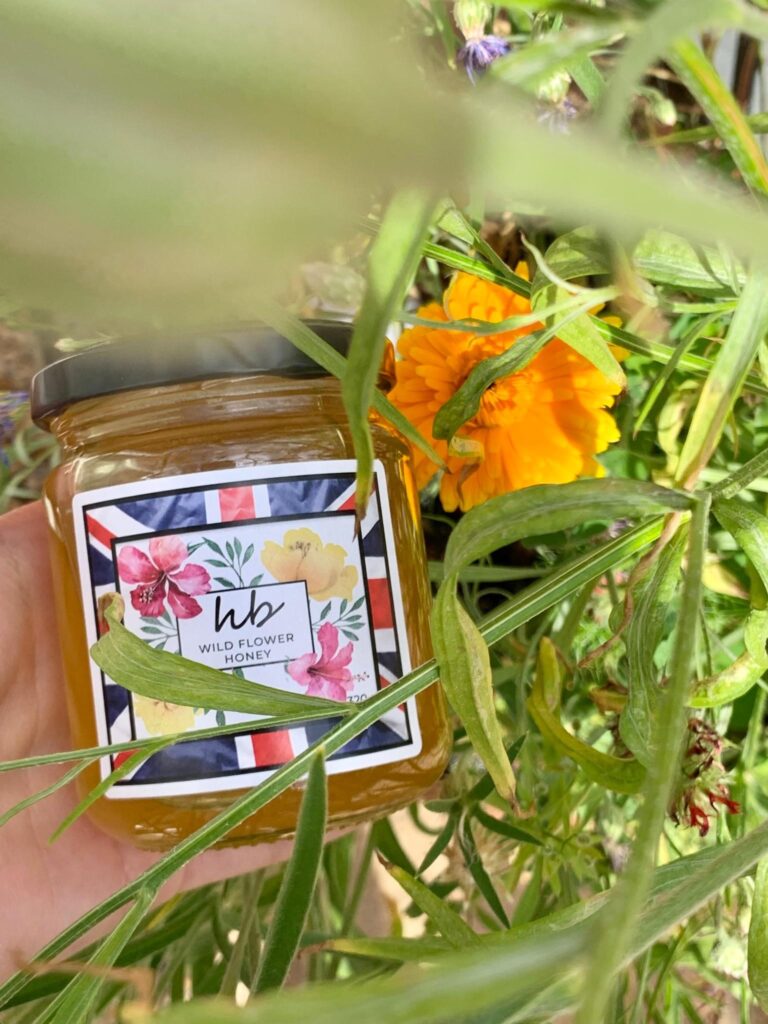
Medical properties and applications of honey in Aulus Cornelius Celsus (De medicina libri VIII): The medical application of honey has a long tradition. In antiquity it was used as a potent substance with dietary and medicinal attributes. Based on Celsus’ texts we know that the ancient Romans used honey primarily in treating skin conditions, including inflammations such as Erysipelas, wounds, all types of ulcers and eye diseases. Celsus mentioned honey in numerous formulas, but he did not distinguish between its types or the ways in which it was obtained. Bartnik, Agnieszka. (2020).

During Roman rule, writers, and poets such as Varro, Virgil, Ovid, Eliad, Plutarch, Columella, Pliny Secondo and Palladio donated clearings in their works descriptions not only of the life of the insect, painting it as an emblem of union, thrift, cleanliness and industriousness, but also information of the most used beekeeping practices and of their time.
Romans quite quickly understood that bees were not harmful to plants but quite the opposite. In order to keep swarms around the villas, they use to capture the queen bee and cut their wings so that she could not fly away.
We can also notice how important raw honey was for Romans by the fact that they had a goddess for bees and honey. “Mellona” was the goddess of bees and beekeeping. According to Cicero if a swarm of bees, entered the temple, he foresaw a threat to the freedom of the republic, due to the monarchical organization of bees.
Romans were great producers of grain and olive oil that were essentials in increasing the power of the empire. Today Italy accounts for 6 species of grain with more than 140 subspecies. Could have bees populations, paired with a great and variegated climate, influenced this astonishing variety?
Emperor Ottaviano Augusto to people who asked him what was his longevity secret always answered:
“Miel inside and oil outside”
Bartnik, Agnieszka. (2020). O medycznych właściwościach i zastosowaniu miodu w De medicina libri VIII Aulusa Korneliusza Celsusa, “Studia Antiquitatis et Medii Aevi Incihantis” 2020, t. 5, s. 88-127.
HAYDAK M. H. Attività delle api mellifiche. In Roy A. Grout , L’ape e l’arnia. – Ediz. Italiana a cura di A. Andreatta. Edagricole, Bologna: 81 – 152, 1981.
MANINO L. Testimonianze dell’apicoltura nell’età antica. In «Per unMuseo dell’Agricoltura in Piemonte: III – Passato e Presente dell’Apicoltura Subalpina», Tipolitografia Turingraf Torino, Pgg 71 – 75, 1982
ROSCHER W.H. Ausführliches Lexikon der griechischen und römischen Mythologie (Leipzig: Teubner, 1890– 94), vol. 2, pt. 1, p. 203, 1890.