

Le miel et les Vikings
Honey has been a staple food and medicine for thousands of years. The ancient Vikings, in particular, were known to have a strong relationship with miel. They used it not only as a food source but also for medicinal and religious purposes. In this article, we will explore the significance of honey in the Viking culture and how it played a role in their daily lives. First, it is important to note that the Vikings were skilled beekeepers.

They kept bees in skeps, which are woven baskets made of straw or wicker. These skeps were placed in the wild, often on cliffs or islands, to protect the bees from predators and to ensure a steady supply of wildflowers for the bees to pollinate. The Vikings would then collect the honey in the fall and use it as a food source throughout the winter. Honey was also used in Norse religion and mythology.
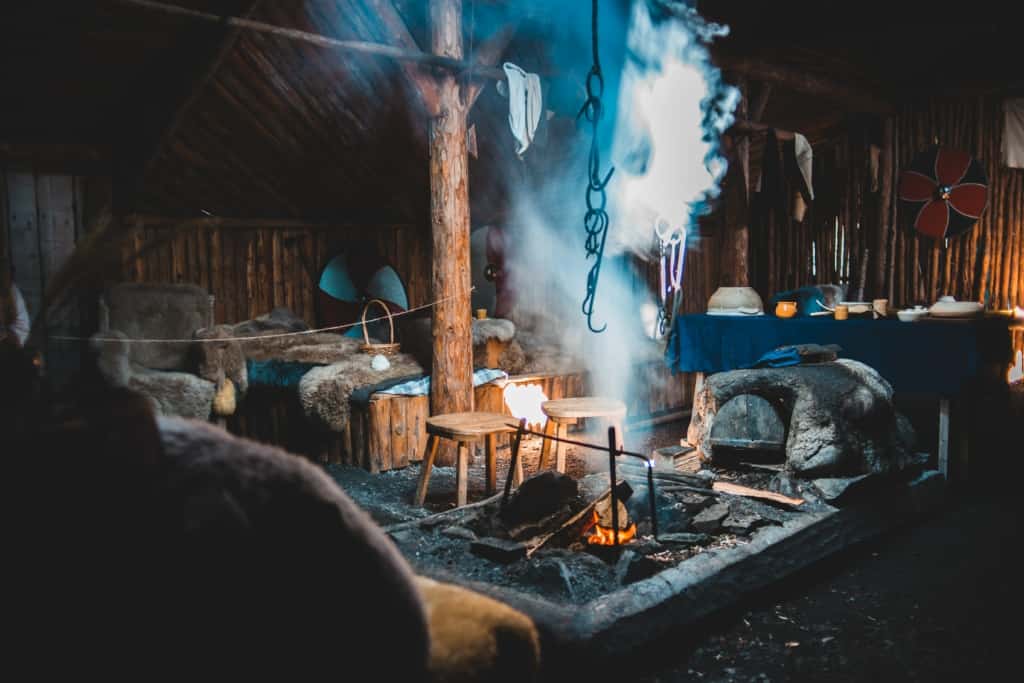
The god Freyr was associated with fertility and prosperity, and it was believed that offerings of honey could appease him and bring good luck. Honey was also used in rituals and ceremonies, such as the blót, a pagan sacrifice where honey and mead (a fermented beverage made from honey) were offered to the gods.

The Vikings also used honey for medicinal purposes. Honey has natural antibacterial properties and was used to treat wounds and prevent infections. It was also used as a cough suppressant and to soothe sore throats. The Vikings also believed that honey had the power to prolong life and enhance physical strength. Furthermore, the Vikings used honey in their cooking and food preservation. They added it to meat dishes, porridge, and bread.

They also used it to sweeten their fermented drinks such as mead. Honey was also used as a natural preservative for fruits and vegetables. In addition, it is worth mentioning that the Vikings were known for their seafaring abilities and their trade networks extended far and wide. They traded honey with other cultures, and the honey trade played an important role in their economy. They also exported honey to other parts of Europe, and it is likely that they were introducing other cultures to the benefits and uses of honey.

The Vikings also had a strong connection to nature and believed in the importance of preserving the natural world. As beekeepers, they understood the importance of bees and the role they played in pollination and the ecosystem. They also believed that the gods lived in the wild, and therefore respected and protected the natural habitats of bees.

Furthermore, the Vikings were known for their seafaring abilities and their trade networks extended far and wide. They traded honey with other cultures, and the honey trade played an important role in their economy. They also exported honey to other parts of Europe, and it is likely that they were introducing other cultures to the benefits and uses of honey.

Honey also played a role in Viking art and literature. It was often depicted in artefacts and frescoes, and references to honey can be found in Norse sagas and poetry. This further emphasizes the significance of honey in Viking culture.
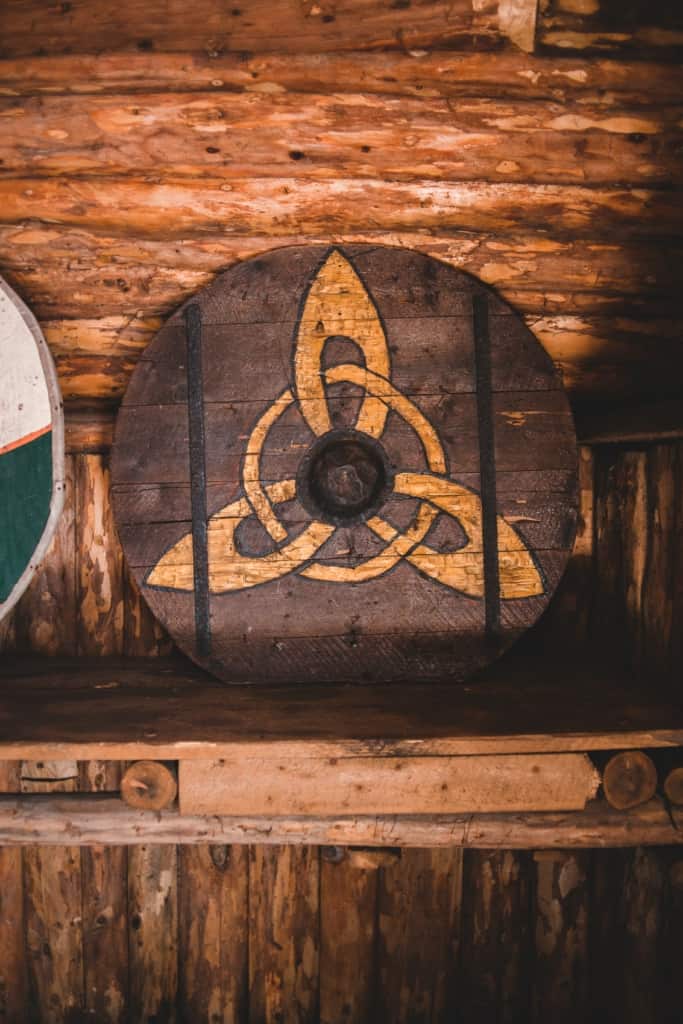
In conclusion, honey was an integral part of Viking life. It served as a food source, medicine, and religious offering. It was also used in their cooking and food preservation and played a role in their economy through trade. The Vikings also had a strong connection to nature and understood the importance of bees and the ecosystem. Honey was not just a practical resource for them, but also held a spiritual and cultural significance.