
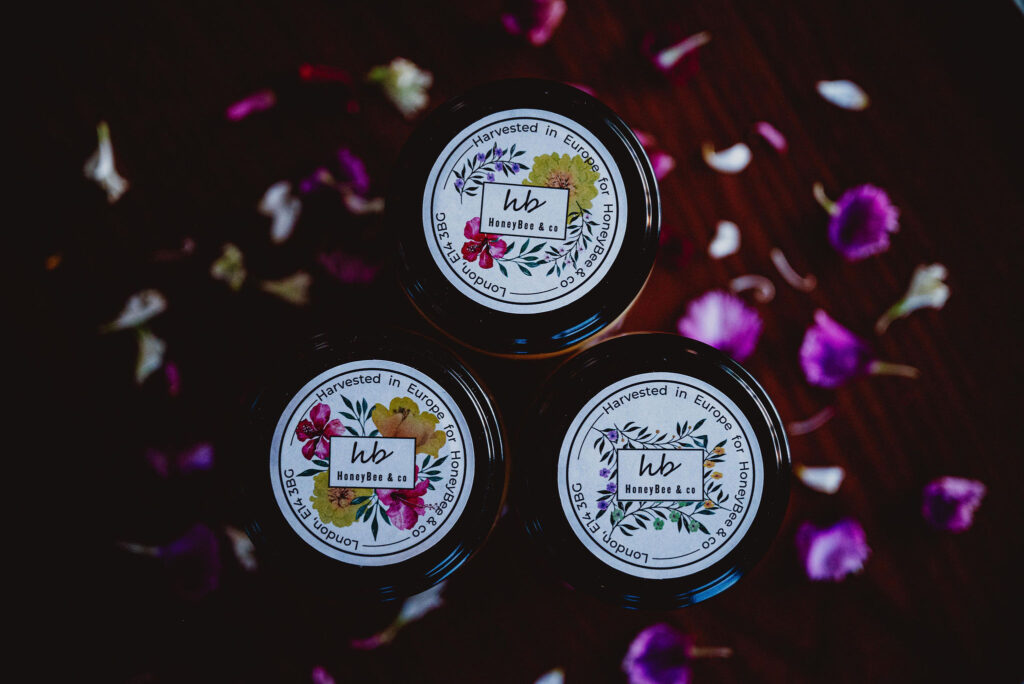
The HoneyBee & Co. Guide to Natural Alternatives for Healthy Living
At HoneyBee & Co., we believe sweetness should nourish, not strip food of its value. Raw honey, natural syrups, and plant-based sweeteners offer a meaningful alternative to refined sugar, delivering flavour, nutrients, and integrity that heavily processed sweeteners simply cannot match. These products are commonly used to sweeten foods and beverages, enhancing taste while offering more than just empty calories.
Both honey and syrups are considered added sugars and should be used in moderation to maintain a balanced diet.
Among all natural sweeteners, raw honey stands apart. When left close to its natural state, honey retains enzymes, antioxidants, and antimicrobial properties that refined sugars and syrups lose during processing. This guide explains how raw honey compares to other natural sweeteners, how to choose quality products, and how to use them intentionally as part of a balanced lifestyle.
Raw honey offers preserved enzymes, antioxidants, and naturally occurring antimicrobial properties, while natural syrups such as maple and date syrup are reduced, viscous liquids derived from plants that provide mineral-rich alternatives to refined sugar. Both honey and syrups are forms of added sugar, so choosing these sweeteners supports both flavour and nutritional value when used thoughtfully.

Principaux enseignements
- Raw honey retains enzymes and antioxidants lost in processing
- Natural syrups offer mineral-rich alternatives to refined sugar
- Processing level directly affects nutritional value
- Crystallisation is a sign of real honey, not spoilage
- Quality, sourcing, and moderation matter most

Understanding Natural Sweeteners
Natural sweeteners are defined by minimal processing and ingredient integrity. As essential ingredients in wholesome foods, they are valued not just for sweetness but for their role in flavor, quality, and ethical sourcing. Unlike refined sugar, which provides only calories, natural sweeteners retain compounds that support metabolic health, digestion, and flavour complexity.
Brut miel, maple syrup, and date syrup all provide carbohydrates alongside trace minerals and antioxidants. This makes them fundamentally different from white sugar or glucose syrups, which are stripped of nutritional value during refinement.
Natural sweeteners also support sustainable producers who respect the land.
Raw Honey as the Premium Sweetener
Raw honey is unfiltered honey that has not been pasteurised, ultrafiltered, or heated beyond natural hive temperatures. It is cold extracted to preserve its natural, unprocessed quality. This protects key enzymes such as glucose oxidase and diastase, which contribute to honey’s antibacterial and antioxidant effects.
Raw honey retains its complex nutritional profile due to minimal processing, supporting the body’s functions such as immune response, bone and tissue formation, and overall health.
Our raw honey is gently extracted and minimally filtered, preserving:
- Natural enzymes
- Antioxidants
- Trace minerals
- Floral flavour profiles
Raw honey contains small amounts of antioxidants, vitamins (B6, C), and minerals (iron, zinc, potassium), which are generally absent in refined sugar. It possesses anti-inflammatory effects and functional nutrients, making it superior to refined sugar for reducing inflammation in the body. Raw honey is high in fructose and is often perceived as sweeter than table sugar. It contains enzymes like glucose oxidase that produce hydrogen peroxide, a natural antibacterial agent.
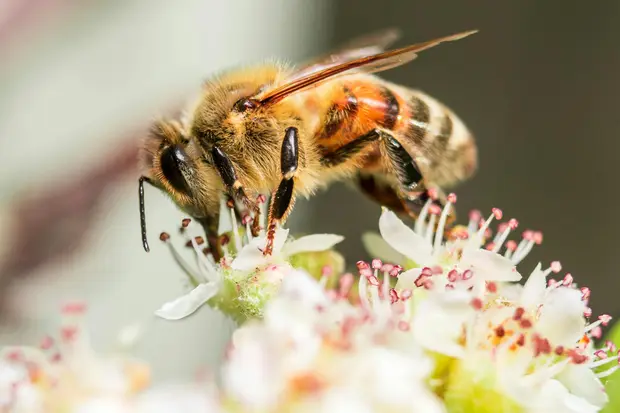
As a natural, unprocessed sweetener, raw honey is favored for its higher nutrient profile, antioxidants, and lower glycemic index (around 50) compared to refined sugar (glycemic index of 80), causing less rapid blood sugar spikes. Raw honey contains antioxidants (polyphenols), enzymes, and antimicrobial properties that support immunity, digestion, and wound healing.
A spoonful of raw honey can be effective as a natural cough suppressant and may be better than over-the-counter cough medicines for children, especially during cold and flu season. Raw honey contains about 60-64 kcal per tablespoon, making it slightly more calorie-dense than maple syrup, which has approximately 52 kcal per tablespoon. Honey is primarily composed of fructose and glucose. Its polyphenol content may support improved digestive health, and its antioxidants help clean cells of damaging free radicals.
Raw honey is considered a ‘free sugar’ by health organizations and should be consumed in moderation, ideally by the spoonful. It should not be given to children under 1 year old due to the risk of botulism. Honey contains small amounts of vitamin C and B vitamins, but significant benefits require large amounts to be consumed. Some varieties of raw honey, such as Manuka honey, have high levels of methylglyoxal (MGO), making them effective for wound healing. Raw Eucalyptus honey is renowned for its antibacterial qualities.
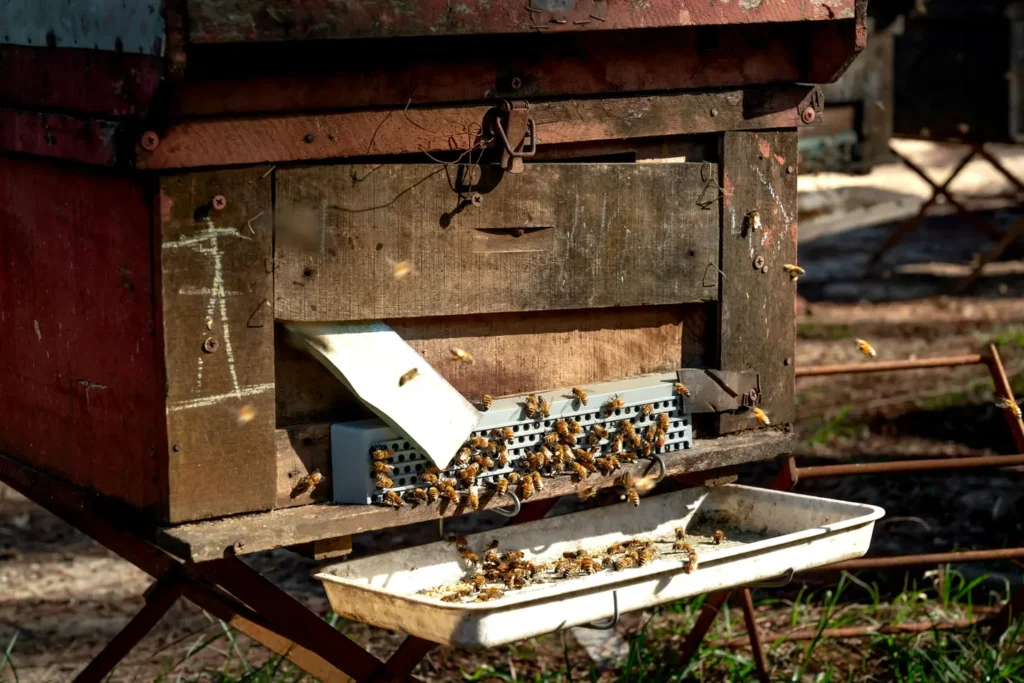
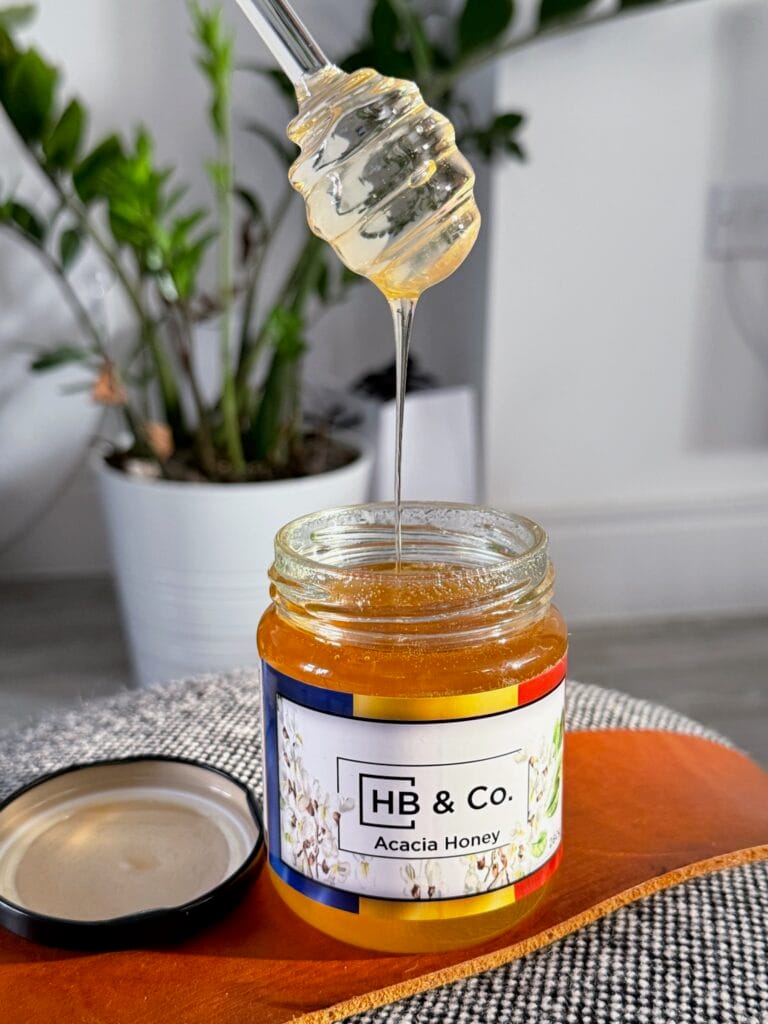
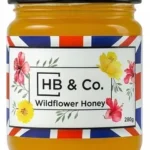
Raw Wildflower honey is made by bees foraging on spring wildflowers. Raw Heather honey is highly esteemed for its antibacterial properties. Raw Lavender honey is known for its unique flavor and is a staple of the Portuguese honey harvest. Acacia Honey has a distinct floral, floral taste.
Every jar reflects the environment in which the bees forage. Light honeys tend to be delicate and floral, while darker varieties are richer and more robust. This natural variation is not a flaw; it is the defining characteristic of real honey.
Natural Syrups and Plant-Based Alternatives
While honey remains our core focus, other natural sweeteners also have a place in a considered kitchen.
- Maple syrup mainly consists of sucrose and delivers minerals such as manganese and zinc, and works well to sweeten both sweet and savoury cooking. Maple syrup has more micronutrients, such as calcium and manganese, than honey, and is an excellent source of both manganese and riboflavin. It also contains small amounts of other minerals and is valued for its unique taste that enhances a variety of dishes.
- Date syrup is made from whole fruit, retaining fibre and potassium, making it a popular refined sugar alternative.
- Coconut sugar and nectar offer a lower glycaemic option for those seeking plant-based alternatives. Coconut sugar retains a warm, toffee-like taste and contains small amounts of iron and zinc, contributing to its appeal as a natural way to sweeten foods.
People with irritable bowel syndrome may be able to digest maple syrup better than honey, making it a suitable choice among sweeteners honey for those with sensitive digestion.
As with honey, processing levels matter. The more heat and filtration applied, the fewer beneficial compounds remain.
Types of Raw Honey and Their Characteristics
Different floral sources create distinct honey profiles.
- Miel de bruyère is dark, aromatic, and high in antibacterial compounds, often harvested from heather fields and sometimes sourced locally.
- Miel de fleurs sauvages is made by bees foraging on spring wildflowers, reflects seasonal diversity, and varies from batch to batch. It is typically harvested from local wildflower meadows, emphasizing its regional character.
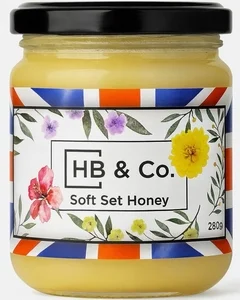
- Miel d'acacia is mild, slow to crystallise, and ideal for everyday use, usually harvested from acacia blossoms and sometimes available locally.
In general, darker honeys contain higher antioxidant levels, while lighter honeys offer subtler sweetness.
How to Choose Quality Sweeteners
When selecting natural sweeteners, quality indicators matter more than marketing claims.The term ‘pure gold’ is often used to signify honey of the highest quality and purity. Choosing minimally processed, nutrient-rich sweeteners aligns with the philosophy of raw vibrant living, supporting a wholesome and energetic lifestyle.
What to Look For
- Raw, unpasteurised honey
- Clear origin and batch information
- Ethical, sustainable sourcing
- Minimal processing and short ingredient lists
- Natural crystallisation in honey
Au HoneyBee & Co., transparency and traceability are central to how we produce and present our honey.
Using Natural Sweeteners Intentionally
Natural sweeteners are best used as replacements, not additions.
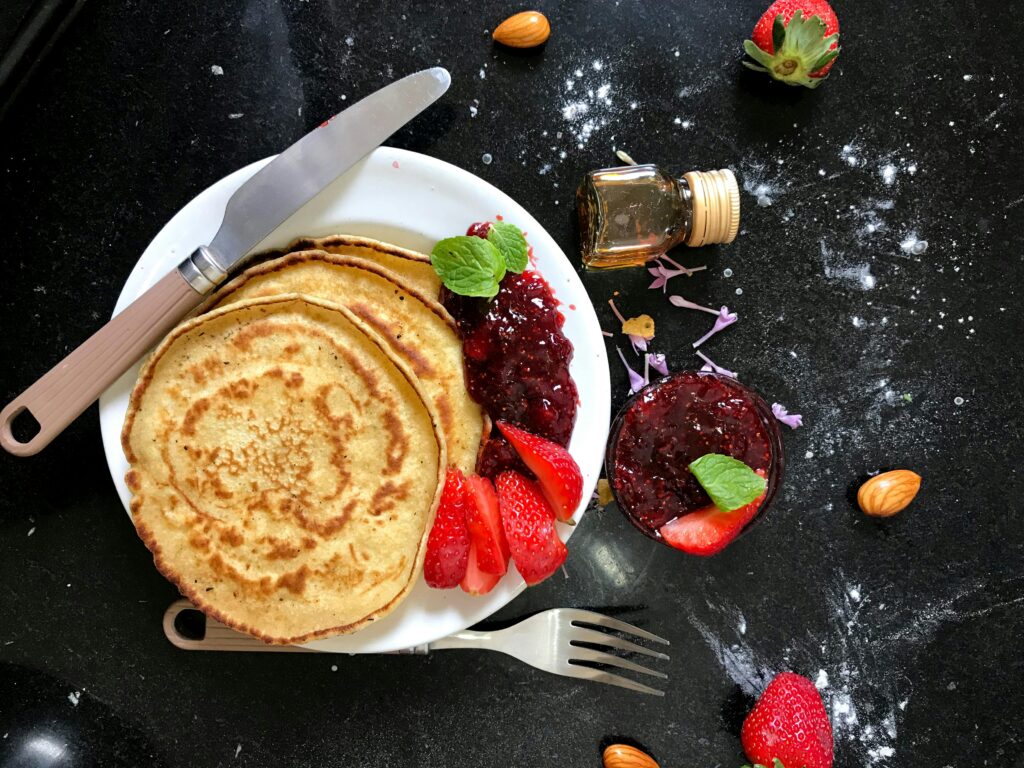
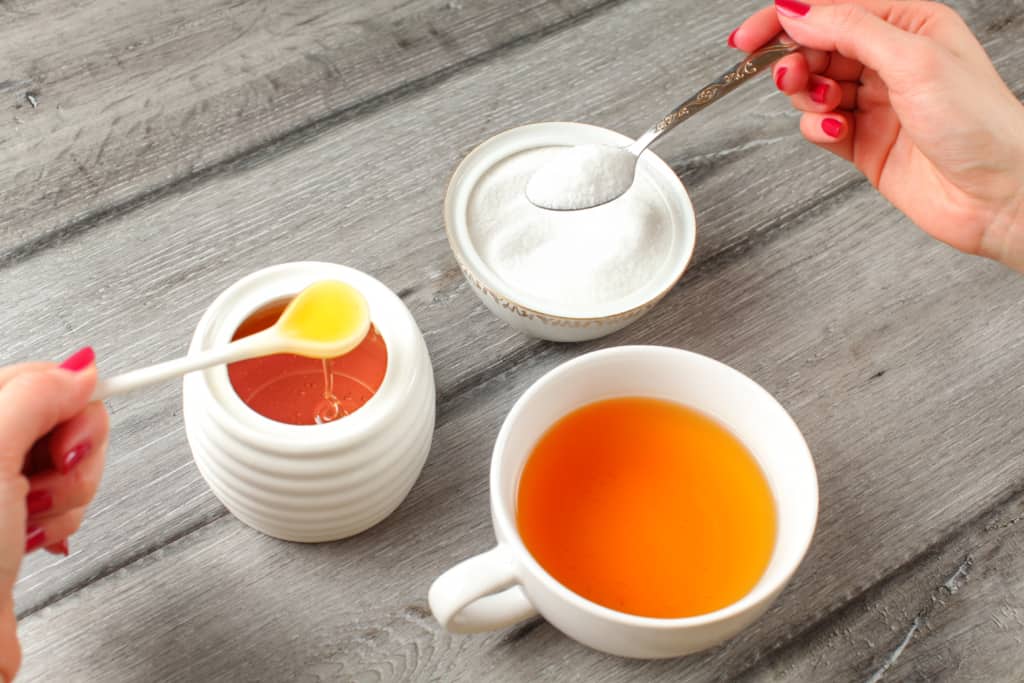
Syrups and sweeteners differ primarily in their physical form and processing, but both serve to add sweetness to food. Raw honey and syrups can be used to add flavor and sweetness to tea, baking, or breakfast foods, enhancing the taste of various foods and beverages. Raw honey often tastes sweeter than refined sugar, meaning smaller amounts are usually sufficient. Replacing sugar with honey in tea, baking, or breakfast foods allows you to reduce overall sugar intake while gaining nutritional value.
Storage Guidance
- Store raw honey at room temperature, away from direct sunlight
- Crystallisation is natural and reversible with gentle warming below 40°C
- Syrups should be refrigerated after opening
Final Thoughts
Raw honey holds a unique place among natural sweeteners. Its nutritional profile, flavour complexity, and long history of use make it an exceptional alternative to refined sugar when sourced and handled correctly.
Au HoneyBee & Co., our aim is simple: to provide raw honey and natural sweeteners that respect the bees, the environment, and the people who enjoy them.
Replacing refined sugar with quality honey and responsibly sourced syrups is not about restriction. It is about choosing better, every day.
Does crystallised honey mean it has gone bad?
No. Crystallisation is a natural process and a sign of authenticity.
Is raw honey still sugar?
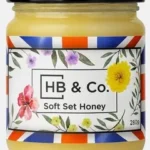
Yes, but it delivers enzymes, antioxidants, and trace nutrients that refined sugar does not.
Can raw honey be used daily?
Yes, when used in moderation as part of a balanced diet.