
Raw · Transylvanian · Single Origin
Miele di acacia
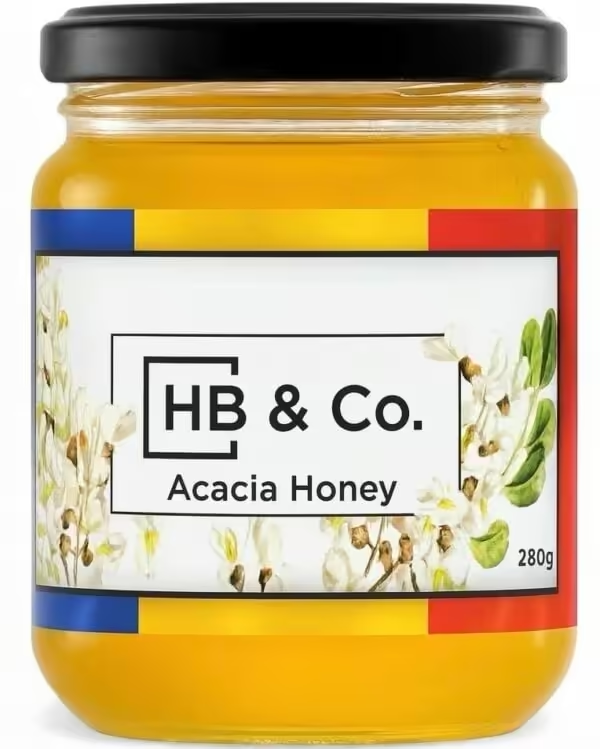
Miele d'acacia grezzo e non pastorizzato proveniente dai nostri apiari di famiglia in Transilvania. Naturalmente liquido, delicatamente floreale, con una dolcezza morbida e una sottile nota di vaniglia. È il miele più delicato e versatile della nostra gamma.
Note di degustazione
Il miele più puro e delicato che possiate mai assaggiare
Raw acacia honey is the world's most popular monofloral honey for good reason. Its exceptionally delicate flavour, pale golden colour, and smooth liquid texture make it the perfect everyday honey. Mild enough for children, refined enough for the most discerning palate.
Il sapore
Delicato, pulito e leggermente floreale, con una sottile dolcezza di vaniglia e quasi nessuna amarezza.
Aroma
Leggeri e freschi fiori d'acacia con una leggera dolcezza e un finale floreale pulito
Struttura
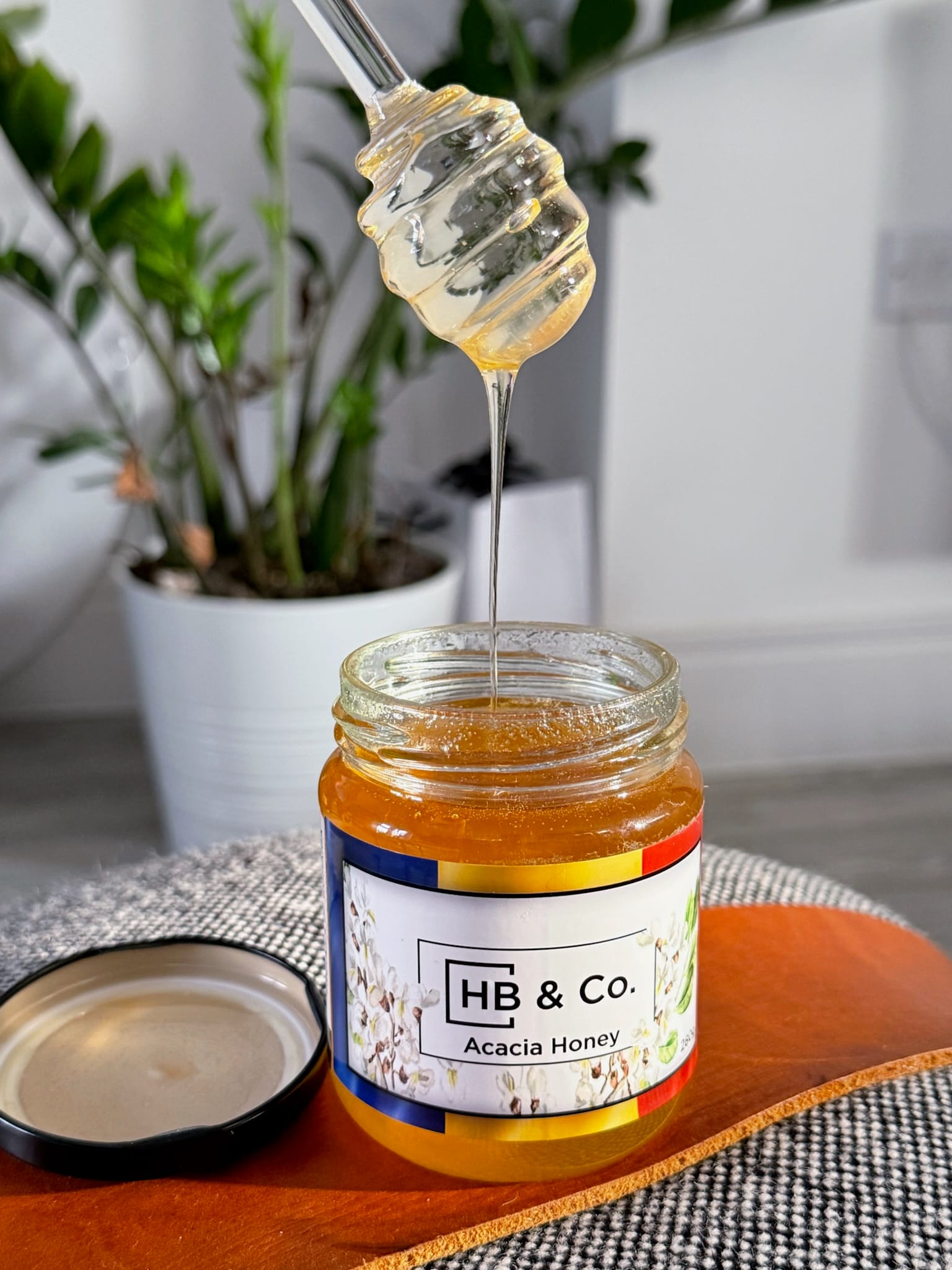
Naturally liquid and smooth. The slowest to crystallise of any honey in our range, thanks to its high fructose content
Colore
Oro pallido, quasi trasparente. Uno dei mieli più leggeri prodotti in tutto il mondo.
Perché il miele di acacia rimane liquido?
Alto contenuto di fruttosio. Cristallizzazione naturalmente lenta.
Acacia honey has an unusually high fructose-to-glucose ratio compared to most other honey varieties. Glucose crystallises readily; fructose does not. This means raw acacia honey can remain liquid for 12 months or more without any heating or processing. If your acacia honey has crystallised, it is still perfectly good. Place the closed jar in warm water (no hotter than 40°C) for 15 to 20 minutes to restore it to its natural liquid state. Learn more about Perché il miele grezzo cristallizza.
The Species Behind the Jar
What Makes This Real Acacia Honey
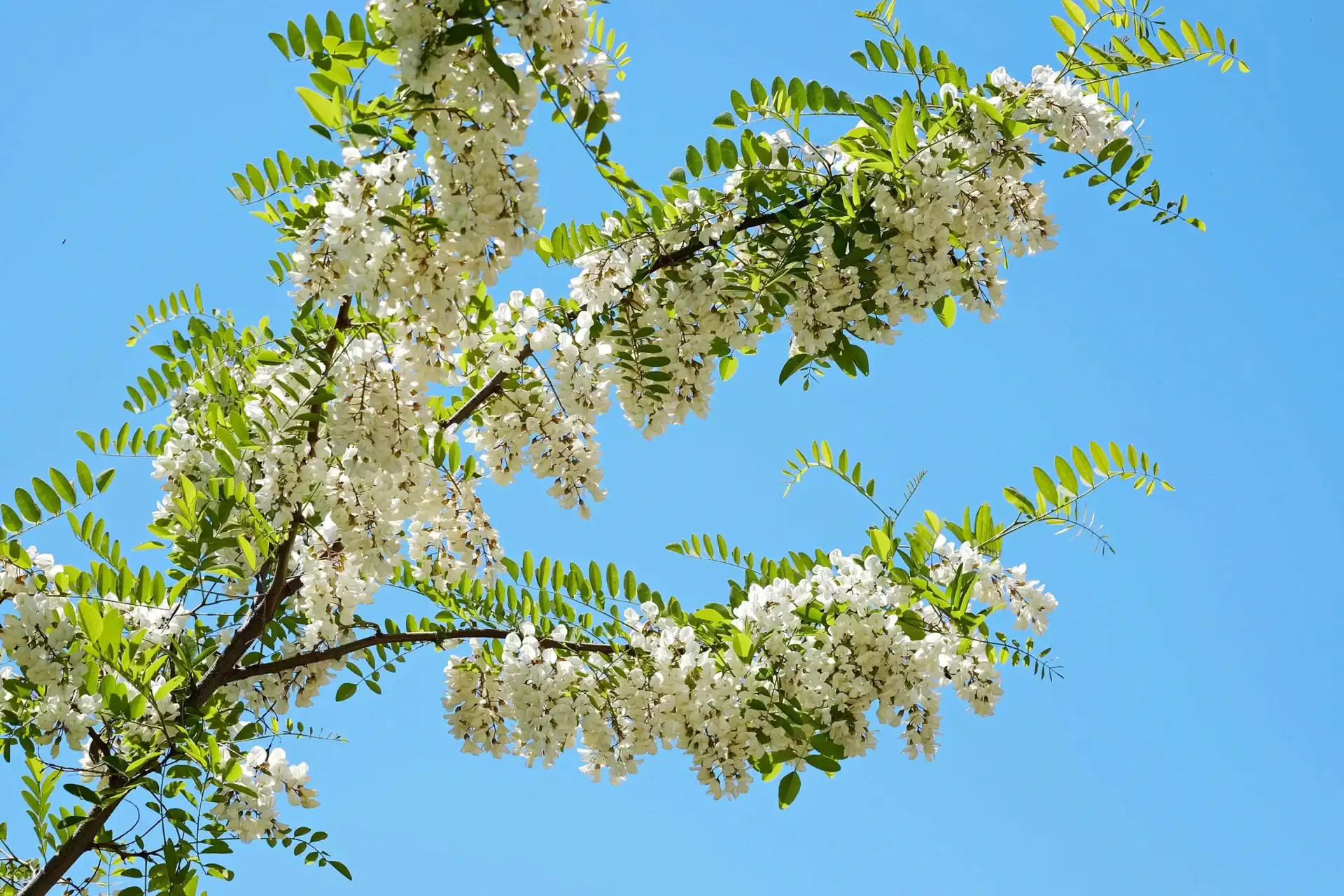
Despite its name, acacia honey does not come from a true acacia tree. It is produced from the nectar of Robinia pseudoacacia, widely known as the false acacia or black locust. This matters more than it sounds, and it is where many cheap supermarket "acacia blossom" products get caught out.
The tree
Native to the Appalachian region of North America, Robinia pseudoacacia was introduced to Europe in the 17th century and is now most cultivated across Romania, Hungary, and Bulgaria — which produce the bulk of the world's real acacia honey. Its fragrant white blossoms appear for just two to three weeks in late May and early June.
The name
True acacias (genus Vachellia e Senegalia) are mostly sub-tropical Australian and African plants that do not produce the honey known as "acacia" in Europe. The confusion is linguistic, not botanical. In France it is miel d'acacia. In Italy, miele di robinia. In the United States, black locust honey. All describe the same thing: honey from Robinia pseudoacacia.
Why it matters for what you buy
Because Robinia blooms for such a short window, genuine monofloral acacia honey is rarer than most labels suggest. Many supermarket jars labelled "acacia blossom" are blends with only a fraction of true Robinia nectar, padded out with cheaper multifloral honeys. Our acacia is harvested exclusively during the Robinia bloom from our family's Transylvanian forests. Monofloral. Single-origin. Never blended.
Learn more in our in-depth article: The Acacia Tree — Everything You Need to Know About Robinia Pseudoacacia →
Origine e provenienza
A Brief June Harvest. One Transylvanian Landscape.
Our Acacia Honey is harvested from a single short window each year, usually the final week of May into the first two weeks of June, when the Robinia trees around our family apiaries in Transylvania, Romania come into bloom. When the flowers finish, the acacia harvest is complete for another year.
The Transylvanian countryside is characterised by clean air, unpolluted soils, and vast unmanaged forest far from industrial agriculture. The Robinia pseudoacacia trees bloom here in dense stands that produce nectar of exceptional purity and concentration. The result is honey with a clarity and delicacy that blended, commodity acacia honey cannot replicate.
We cold-extract and bottle the honey without heating, filtering, or blending. Every enzyme, antioxidant, and flavour compound the bees produced reaches the jar intact. For the full context of our heritage, read HoneyBee & Co.: dagli apiari della Transilvania ai tre servizi consecutivi di Vogue or visit our Pagina di approfondimento.
June
Single annual 2–3 week harvest window
280g
Vasetto di vetro. Confezione eco-compatibile.
Crudo
Mai riscaldato al di sopra della temperatura dell'alveare. Mai pastorizzato.
15-19%
Contenuto di umidità ottimale per sapore e stabilità

Velena at our family farm in Transylvania. Where every jar of our Acacia Honey begins.
Acquista di più, risparmia di più
Fare scorta o scoprire l'assortimento
Risparmiate 5% e ottenete la consegna gratuita nel Regno Unito su ogni confezione multibarattolo.
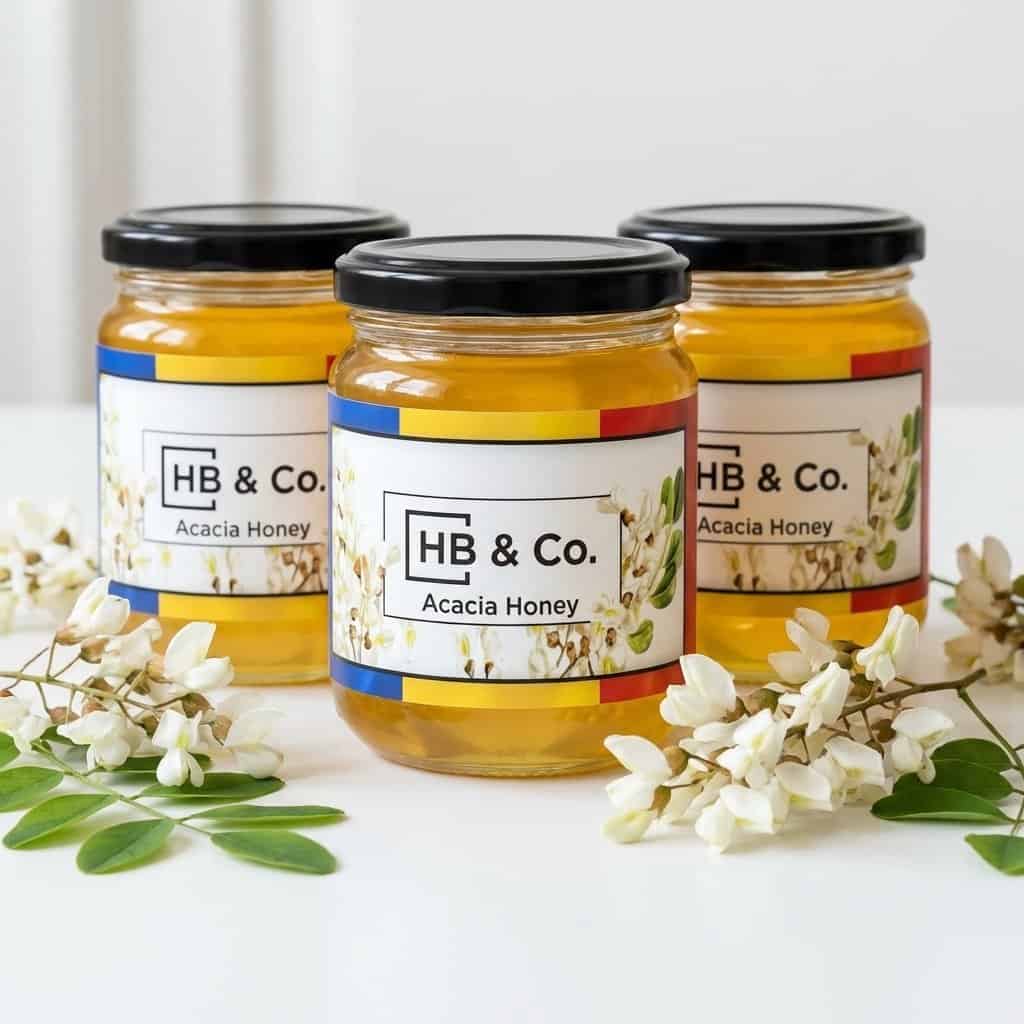
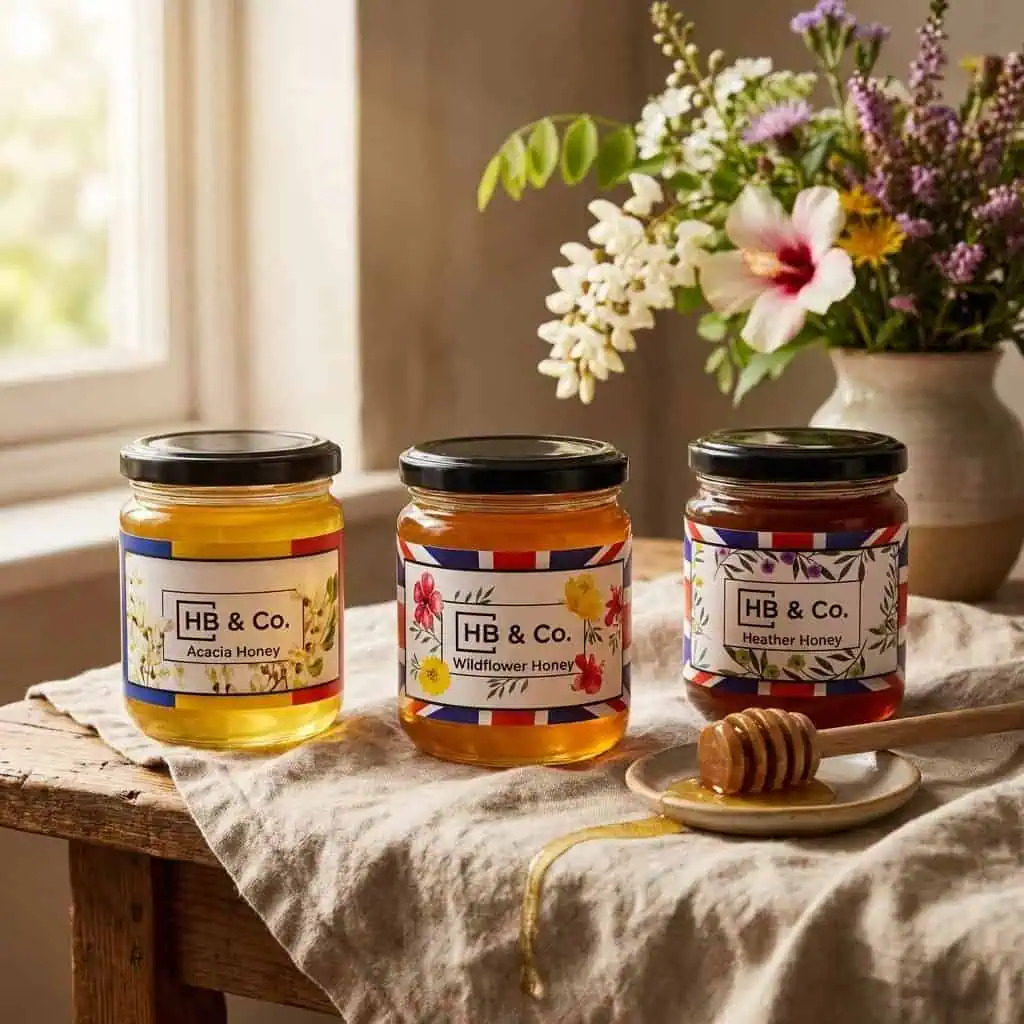
Cercate qualcosa di diverso? Sfoglia tutti i 20 set regalo di miele →
Perché il miele d'acacia
La varietà di miele più versatile al mondo
Il miele d'acacia supera ogni altra varietà in Europa per una buona ragione. Il suo sapore delicato si sposa con quasi tutto, la sua consistenza liquida lo rende facile da usare e la sua purezza naturale lo rende la prima scelta per il tè, la colazione e il piacere quotidiano. Scoprite come si confronta con il altri tipi di miele grezzo nella nostra gamma.
Rimane liquido più a lungo
Grazie all'elevato contenuto di fruttosio, il miele di acacia grezzo rimane liquido per mesi senza bisogno di essere riscaldato. Niente microonde, niente bagno in acqua calda. Basta versare e gustare. Il miele grezzo più conveniente per l'uso quotidiano in cucina.
Basso indice glicemico
Acacia honey has a glycaemic index of roughly 32 — one of the lowest of any honey variety, due to its high fructose and low glucose content. It is widely regarded as the most suitable honey for those monitoring blood glucose, although it remains a sugar and should still be consumed mindfully.
Varietà meno allergenica
I fiori di acacia producono una quantità di polline relativamente bassa rispetto alla maggior parte delle altre piante da fiore. Questo fa del miele di acacia una delle varietà di miele meno allergeniche, adatta alla più ampia gamma di persone, comprese quelle con lievi sensibilità stagionali.
Proprietà naturali
Le proprietà naturali del miele d'acacia grezzo
Il miele di acacia grezzo conserva tutta la sua composizione naturale perché non viene mai riscaldato oltre la temperatura dell'alveare. Le proprietà indicate di seguito sono presenti solo nel miele grezzo e non lavorato. La pastorizzazione le distrugge. Per una panoramica più completa, consultate la nostra guida su i benefici e gli usi del miele d'acacia o leggere le informazioni sul miti e idee sbagliate sul miele grezzo.
Antiossidanti naturali
Raw acacia honey contains flavonoids and polyphenols that act as natural antioxidants. Though lighter in concentration than darker honeys such as heather, raw acacia retains significantly more antioxidants than pasteurised acacia, which has been heat-treated in a way that destroys many heat-sensitive compounds.
Attività antibatterica
Come tutto il miele grezzo, il miele di acacia contiene enzimi che producono perossido di idrogeno (glucosio ossidasi) che gli conferiscono proprietà antibatteriche naturali. Questi enzimi sono presenti solo nel miele grezzo e vengono distrutti dalla pastorizzazione. Il miele di acacia grezzo è tradizionalmente utilizzato per lenire il mal di gola lieve.
Low Pollen Count
Acacia honey contains roughly one-fifth the pollen load of most multifloral honeys. This makes it one of the easiest honey varieties to tolerate for those with mild sensitivities, while still delivering the full raw-honey enzyme and antibacterial profile.
Proprietà lenitive
Il miele d'acacia è tradizionalmente utilizzato per lenire il mal di gola e la tosse leggera. La sua consistenza liscia e coprente e i suoi composti antibatterici naturali lo rendono particolarmente efficace se sciolto in acqua calda (non bollente) con limone.
Le informazioni di cui sopra sono solo a scopo didattico e non costituiscono un parere medico. Il miele grezzo non è raccomandato per i bambini al di sotto dei 12 mesi. In caso di patologie o di gravidanza, consultare il medico di famiglia prima di aggiungere il miele grezzo alla propria dieta.
Come usarlo
Sei modi per gustare il miele di acacia della Transilvania
Il sapore delicato e pulito del miele di acacia lo rende il miele più versatile della nostra gamma. Esalta piuttosto che dominare. Addolcisce senza sovrastare. Si adatta a quasi tutto.
Tè e bevande calde
Il miele di prima scelta per dolcificare il tè. Il suo sapore delicato non compete con le miscele di erbe, i tè verdi o l'Earl Grey. Aggiungetelo quando la bevanda si è leggermente raffreddata per preservare gli enzimi naturali.
Da abbinare a: Earl Grey, tè verde, camomillaPorridge e colazione
Versare a pioggia su porridge, yogurt, granola o frutta fresca. La sua consistenza liquida lo rende facile da versare in quantità precise. Si scioglie istantaneamente e si riveste in modo uniforme senza l'appiccicosità dei mieli più scuri.
Da abbinare a: avena, yogurt, frutti di boscoPane e toast
Da spalmare direttamente su toast caldi, focaccine o pane croccante. La dolcezza delicata e la consistenza morbida ne fanno una delle colazioni semplici più soddisfacenti. Funziona particolarmente bene con il burro come base da spalmare.
Da abbinare a: lievito madre, crumpets, burroFormaggi a pasta molle
Il miele d'acacia si sposa magnificamente con i formaggi a pasta molle, come la ricotta, il brie, il camembert e il formaggio di capra fresco. La sua dolcezza delicata completa senza competere. Versare a pioggia sul formaggio appena prima di servirlo.
Da abbinare a: ricotta, brie, formaggio di capraCuocere e cucinare
Un sostituto pulito dello zucchero raffinato nei dolci. Il suo sapore neutro non altera il gusto del prodotto finale, rendendolo ideale per le ricette in cui si desidera una dolcezza naturale senza che il sapore del miele entri in competizione. Vedere il nostro Guida all'uso del miele come dolcificante.
Ideale con: spugne, condimenti, glasseDirettamente dal barattolo
Prendete un piccolo cucchiaio e lasciate che il miele ricopra la vostra lingua. Notate la dolcezza pulita e leggera con una leggera nota floreale. Non c'è amarezza, astringenza o asprezza. Questo è il sapore che dovrebbe avere il miele d'acacia puro e grezzo.
Consigliato come: rituale quotidianoFounder & Provenance
Founded by a Six-Generation Beekeeper

Dragos Nistor, fondatore
Six-Generation Beekeeper · Guest Lecturer, University of Greenwich · LinkedIn Top Voice 2024
"I founded HoneyBee & Co. with one rule: sell only honey I would be proud to put on my own family's table. Our Acacia Honey comes from the same Transylvanian apiaries my father and grandfather tended. The same forests. The descendants of the same bees. Six generations of knowing exactly what pure acacia honey should taste like, and refusing to sell anything else."
Featured in Vogue's Summer Hot List across three consecutive editions in summer 2024. SALSA-certified British supply chain. NHS 15% Discount available. GS1-barcoded for full traceability on every jar.
Domande frequenti
Everything You Need to Know About Our Acacia Honey
What is acacia honey and what tree does it come from?+
Il miele d'acacia è un miele monofloreale prodotto dalle api che si nutrono dei fiori di Robinia pseudoacacia tree, commonly called false acacia or black locust. Despite the name, it is not a true acacia. Most of the world's genuine acacia honey is produced in Romania, Hungary, and Bulgaria. Ours comes from our own family apiaries in Transylvania. Read the full botanical context in our article about the acacia tree.
Is this real acacia honey or a blend?+
Real, monofloral, and single-origin. Our acacia is harvested exclusively during the two- to three-week Robinia bloom in late May and early June from our family's Transylvanian apiaries. We never blend it with cheaper multifloral honeys to stretch supply. Many supermarket "acacia blossom" products are blends; ours is not.
When is your acacia honey harvested?+
Each year, in a short window during late May and early June, when the Robinia trees in our Transylvanian forests come into flower. The bloom lasts just two to three weeks. When the flowers finish, the harvest is complete for another year.
How long will a 280g jar last me?+
Most households finish a 280g jar in four to six weeks of regular everyday use (a spoon in tea or on breakfast each morning). If you use it primarily for tea or occasional cooking, a jar can easily last two to three months. For heavier daily use, our 3-jar stock-up or a monthly subscription is usually better value.
Will my acacia honey crystallise?+
Acacia is the slowest-crystallising honey variety in our range and can stay liquid for 12 months or more, thanks to its high fructose-to-glucose ratio. If it does eventually crystallise, that is a sign of authenticity, not spoilage. Place the closed jar in warm water no hotter than 40°C for 15 to 20 minutes to restore it to a liquid state.
What's the difference between this and cheaper acacia honey?+
Ours is raw, cold-extracted, never heated above hive temperature, never blended, and sourced from a single family apiary we have worked with for six generations. Most supermarket acacia honey is pasteurised, ultra-filtered, and often a blend of multiple countries with only a fraction of real Robinia nectar. The processing destroys the natural enzymes and antioxidants that make raw acacia honey nutritionally distinct.
Is this the same honey as in your bundles and subscription?+
Yes. Identical honey, identical jar. The only differences are the price and the commitment. A single jar is £10.99. A 3-jar stock-up bundle saves 5%. An ongoing subscription saves 20% on every delivery. Choose whichever suits how much acacia you actually get through.
Il miele di acacia fa bene ai diabetici?+
Acacia honey has a glycaemic index of roughly 32, which is one of the lowest of any honey variety. Some people with diabetes choose it as a more moderate alternative to refined sugar. However, honey remains a sugar and will affect blood glucose. If you are managing diabetes, consult your GP or dietitian before making dietary changes. We make no medical claims about this product.
Il miele di acacia è sicuro per i bambini?+
Raw honey, including acacia, should never be given to children under 12 months due to the rare risk of infant botulism. For children over one year, acacia is the most child-friendly honey in our range because of its mild flavour and absence of bitterness. Many parents use it as a natural alternative to refined sugar at breakfast.
How should I store my jar of acacia honey?+
Room temperature, cool and dry, away from direct sunlight. Keep the lid firmly closed. Do not refrigerate — cold accelerates crystallisation unnecessarily. Raw honey has an almost indefinite shelf life when stored correctly.