
 English (UK)
  Italiano
  Français
  简体中文
简体中文  한국어
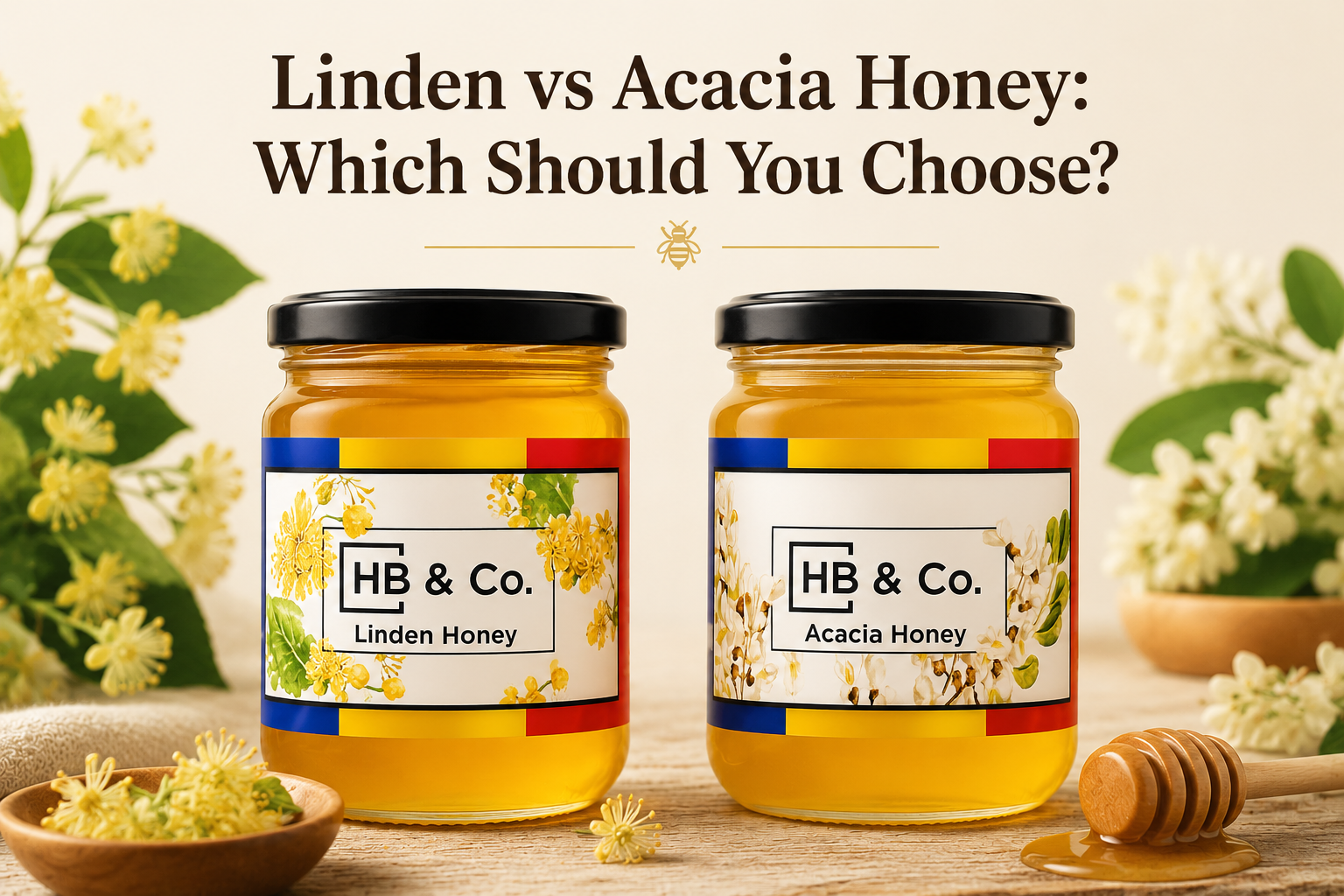
한국어 Acacia and linden come from the same family land in Transylvania, they are both pale, and they both cost the same. Yet they do opposite jobs in the cup. Acacia sweetens and disappears; linden flavours and changes what you are drinking. That single difference is the whole comparison.
Key takeaways
- Acacia is the mildest honey we make; linden is aromatic, herbal, and minty.
- Use acacia to sweeten without changing a flavour; use linden to add flavour.
- Both are raw, single-origin, and from the Nistor family apiaries in Transylvania.
- Acacia is slow to crystallise; linden comes from a short two to three week bloom, so it is rarer.
- Both are 280g and the same price, so you can choose purely on taste and use.
The short answer, side by side
Both are light honeys, so people often assume they are interchangeable. They are not. The table shows where they part ways, and almost all of it comes down to aroma.
| Feature | Acacia | Linden |
|---|---|---|
| Colour | Water-pale to light gold | Light golden |
| Flavour | Delicate, clean, subtle vanilla note | Aromatic, herbal, minty, lime-blossom |
| Aroma | Soft and quiet | Fresh, woody, noticeably fragrant |
| Its job | Sweetens without changing flavour | Adds a flavour of its own |
| Crystallisation | Slow to crystallise | Slow to medium |
| Origin | Transylvania, family apiaries | Transylvania, same family land |
| Best for | Tea, coffee, drizzling, sweetening | Herbal and floral tea, cheese, desserts |
| Price (280g) | £10.99 | £10.99 |
Acacia honey: the honey that disappears
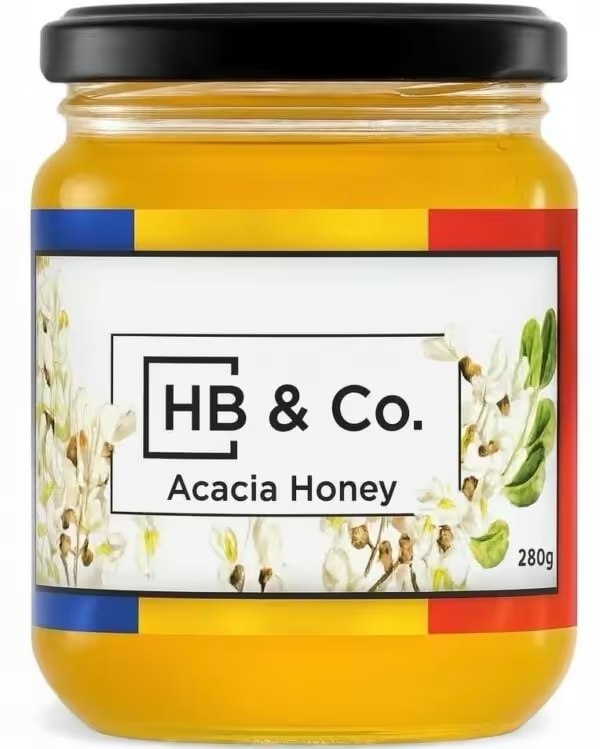
Acacia is the mildest honey in our range and the one we recommend to anyone trying raw honey for the first time. It is pale, almost water-clear, with a clean, gently floral sweetness and a subtle vanilla note. Crucially, it does not impose itself. Stir it into a delicate green tea or drizzle it over yoghurt and you taste sweetness, not honey taking over.
Its high fructose content makes it slow to crystallise, so it stays smooth and easy to pour. That is exactly why it is our everyday, all-purpose jar and the world's most popular monofloral honey.
Reach for acacia when the point is to sweeten: tea, coffee, dressings, light bakes, and anything where you do not want a strong flavour competing.
Acacia Honey, 280g £10.99
Linden honey: the honey with something to say
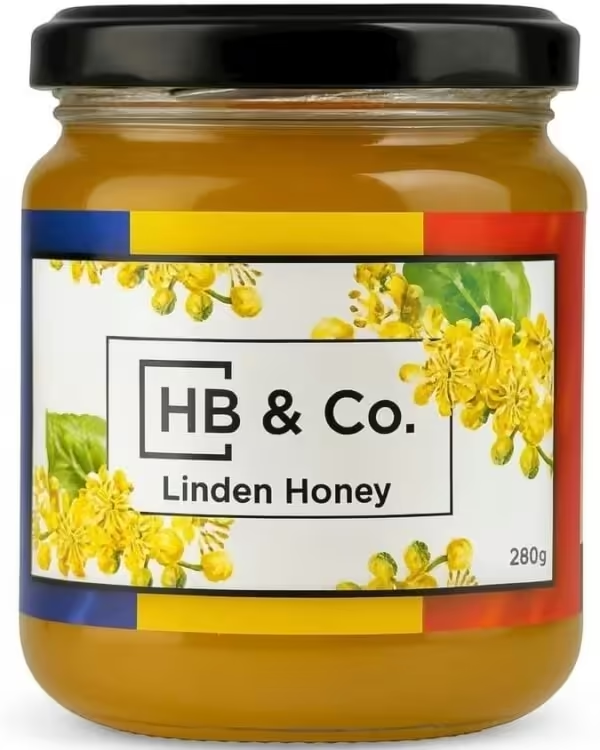
Linden honey, also called lime blossom honey, is the opposite of a background note. Made from the nectar of linden (Tilia) trees, it is light golden but boldly aromatic, with a fresh, woody, minty character and a hint of citrus. Despite the name, it has nothing to do with the lime fruit. It is characterful enough to change how a cup of tea tastes.
That makes it a flavouring honey, not just a sweetener. It is a traditional partner for herbal and floral infusions, especially chamomile, peppermint, and lemon balm, and a long-standing bedtime ritual across Eastern Europe. Its cooling, mildly minty flavour also makes it one of the most child-friendly varieties, though like all honey it is not for infants under one year.
Genuinely raw, single-origin linden honey is rare in the UK, because linden blooms only briefly each summer. If you drink herbal tea, this is the jar to reach for. Our Tea Lover's Selection pairs it with acacia for exactly this reason.
Linden Honey, 280g £10.99
That is the entire window the linden trees bloom each summer. The harvest is small and the timing is unforgiving, which is why genuinely raw, single-origin linden honey is so hard to find in the UK, and why so many people only discover it once they have tried the real thing.
Taste, aroma and use, compared
The easiest way to hold the difference in your head is this: acacia is about sweetness, linden is about aroma. A honey is simply the concentrated nectar of a flower, and a mild spring blossom and a fragrant summer lime tree were always going to produce two different jars.
In tea, acacia suits delicate green and white teas because it adds sweetness without covering their character. Linden suits floral and herbal blends, where its woody, minty notes belong. Add either once the tea has cooled below boiling, so you keep the raw enzymes intact. Never microwave raw honey and never heat it above 40C.
In the kitchen, acacia is the safe all-rounder for dressings, drizzling, and lighter baking. Linden earns its place where its aroma is a feature rather than a distraction: over soft cheese, in desserts, or spooned onto warm bread.
On crystallisation, both stay pourable for a good while, with acacia the slower of the two thanks to its fructose. If either firms up, that is a sign of authenticity, not a fault, and a warm-water bath below 40C brings it back. Our guide to raw versus regular honey explains why real honey behaves this way.
Acacia sweetens your tea. Linden flavours it. That is the whole difference, and it is why so many kitchens keep one of each.
Which honey should you choose?
Choose acacia if you want
A mild, versatile everyday jar for sweetening tea and coffee, drizzling over breakfast, and lighter cooking, without a strong honey flavour taking over. It is also the gentlest introduction to raw honey for anyone unsure where to start.
Choose linden if you want
A characterful honey for herbal and floral teas, a fragrant partner for cheese and desserts, and something genuinely harder to find. If a chamomile or peppermint tea before bed is your ritual, linden was made for it.
If you cannot decide, you do not have to. The Tea Lover's Selection puts them together, and a subscription is the cheapest way to keep a favourite in the cupboard year-round.
One family, one forest
Both of these honeys come from the same place: the Nistor family apiaries at the foot of the Carpathian mountains, near the broadleaf forests where wild lime and black locust grow. This is not honey we source and rebottle. It is honey from land the family has worked for six generations.
Both are raw and cold-extracted, kept below the temperature of the hive so their aroma, enzymes, and character survive the journey to the jar. That is the point of buying single-origin: a honey you can trace to one flower, one harvest, and one beekeeper, rather than an anonymous blend. If you are weighing up a jar like these against a supermarket bottle, our guide to buying honey is worth a read first.

Try them both
Sweeten with one, flavour with the other
Acacia Honey
Pale, mild, slow to crystallise. Sweetens without taking over.
£10.99
Shop AcaciaLinden Honey
Aromatic, herbal, minty. Made for herbal tea.
£10.99
Shop LindenFrequently asked questions
Is linden or acacia honey better?
Neither, they do different jobs. Acacia is the mild everyday honey for sweetening; linden is the aromatic one for flavouring herbal teas and desserts. Which is better depends entirely on what you want it to do.
Which is milder, acacia or linden?
Acacia is much milder. It is the most delicate honey we make. Linden is light in colour but strongly aromatic, with a herbal, minty character that you notice straight away.
Can I use both in tea?
Yes. Use acacia for delicate green and white teas, where you want sweetness without changing the flavour. Use linden for chamomile, peppermint, and other herbal or floral blends, where its aroma belongs. Add either after the tea has cooled below boiling.
Why is linden honey so hard to find?
Linden trees bloom for only two to three weeks each summer, so the yield from any apiary is small. Genuinely raw, single-origin linden honey is rare in the UK, which is why many people only discover it through a specialist producer.
Is linden honey the same as lime honey?
Yes. Linden, lime blossom, and basswood honey are all names for honey from the Tilia genus. In the UK the tree is often called the lime tree, but the honey has no relation to the lime fruit.
Does acacia honey crystallise?
It is slow to crystallise thanks to its high fructose content, so it stays smooth and pourable longer than most honeys. If any raw honey firms up over time, that is a natural sign of authenticity, and a warm-water bath below 40C softens it again.
Are both raw and single-origin?
Yes. Both are raw, cold-extracted, and single-origin from the Nistor family apiaries in Transylvania. Nothing is blended, heated hard, or rebottled from another source.
Which is better for children?
Both suit children over one year old. Linden is often a favourite because its cooling, mildly minty flavour is gentle on young palates. As with all honey, never give it to infants under twelve months.