

 English (UK)
  Italiano
  Français
  简体中文
简体中文  한국어
한국어 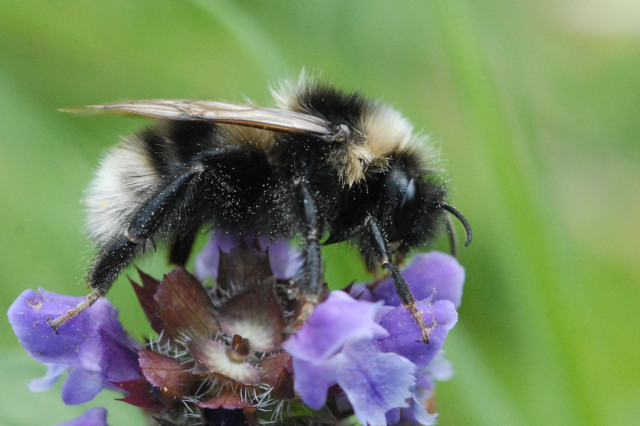 Bombus subterraneus, the short-haired bumblebee. James Lindsey at Ecology of Commanster, CC BY-SA 2.5, via Wikimedia Commons.
UK Bee Species
Short-haired Bumblebee (Bombus subterraneus)
Bombus subterraneus (Linnaeus, 1758) · subgenus Subterraneobombus
The short-haired bumblebee has one of the most dramatic stories of any British bee. Once common across the flower-rich grasslands of southern England, it vanished as those meadows were ploughed and improved, was last seen at Dungeness in 1988, and was declared extinct in Britain in 2000. Two decades later it became the focus of an ambitious reintroduction, using queens from Sweden. Read its history below, and see where its old strongholds lay on the UK Native Bee Species Map, or set it among the world's bumblebees in the World Bee Atlas.
Quick Facts
| Kingdom | Animalia |
| Phylum | Arthropoda |
| Class | Insecta |
| Order | Hymenoptera |
| Family | Apidae |
| Genus | Bombus |
| Subgenus | Subterraneobombus |
| Species | Bombus subterraneus |
The bee that went extinct, then came home
The short-haired bumblebee was once a familiar bee of southern England, locally common in some coastal districts of the south-east.[1] Through the twentieth century it declined catastrophically as flower-rich grasslands were fragmented and improved for farming. The last confirmed British specimens were found at Dungeness in Kent in 1988, and the species was declared extinct in Britain in 2000.[1] By a quirk of history it survived on the other side of the world, in New Zealand, where British bees had been shipped in the nineteenth century to pollinate red clover.[1]
A reintroduction project led by the Bumblebee Conservation Trust with Natural England, the RSPB and Hymettus began in 2009. After an early attempt using New Zealand stock failed, around fifty queens from Sweden were released at the RSPB's Dungeness reserve, and the first British-born workers in a generation were recorded the following year.[3][4]
How to identify the short-haired bumblebee
Its English name is also its best field character: the body hair is notably short, neat and even, without the shaggy look of many bumblebees.[2] Queens and workers are strikingly similar to the large garden bumblebee in both their banding and their short, tidy coat, which makes the two easy to confuse.[2] Males have a broad black band between the wing bases and dark bands across the front abdominal segments, and the darkest individuals can be hard to separate from the great yellow bumblebee, a relative in the same subgenus that long ago retreated to the far north of Scotland.[2]
Habitat, forage and lifecycle
This is a bee of open, flowery, legume-rich grasslands and associated habitats such as coastal dunes and vegetated shingle.[2] Red clover and bird's-foot-trefoils are important pollen sources for queens and workers, while viper's-bugloss is a favoured nectar plant. As a long-tongued bumblebee it is well suited to the deep flowers of the pea family, the same plants that have become scarce in the modern countryside.[2] Like other bumblebees it nests underground, often in old rodent burrows, with a queen founding a colony in spring that produces workers, then males and new queens later in the season.
The exact cause of the extinction is still debated. Loss and fragmentation of flower-rich grassland is the leading explanation, but some researchers argue that a collapse in genetic diversity in the small, isolated final populations was decisive. The dates are also reported slightly differently between sources, with the last confirmed record at Dungeness in 1988 and the formal declaration of national extinction in 2000.[1][5]
Why it matters
The short-haired bumblebee has become a flagship for grassland restoration. The flower-rich field margins and meadows created for it across Dungeness and Romney Marsh have boosted many other threatened bumblebees, butterflies and birds at the same time. Its story is a reminder that saving one species often means rebuilding a whole habitat, and that the deep, nectar-rich flowers of the pea family, clovers, trefoils and vetches, are the foundation that long-tongued bumblebees depend on.
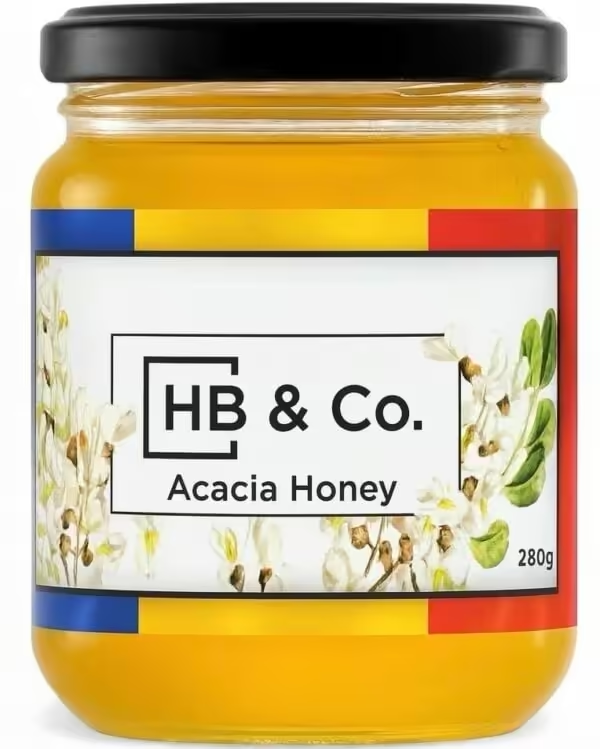
Raw Acacia Honey
Our flagship raw Acacia honey: pale, delicate and slow to crystallise. Six generations of family beekeeping heritage in every 280g jar. £10.99.
Shop Acacia Honey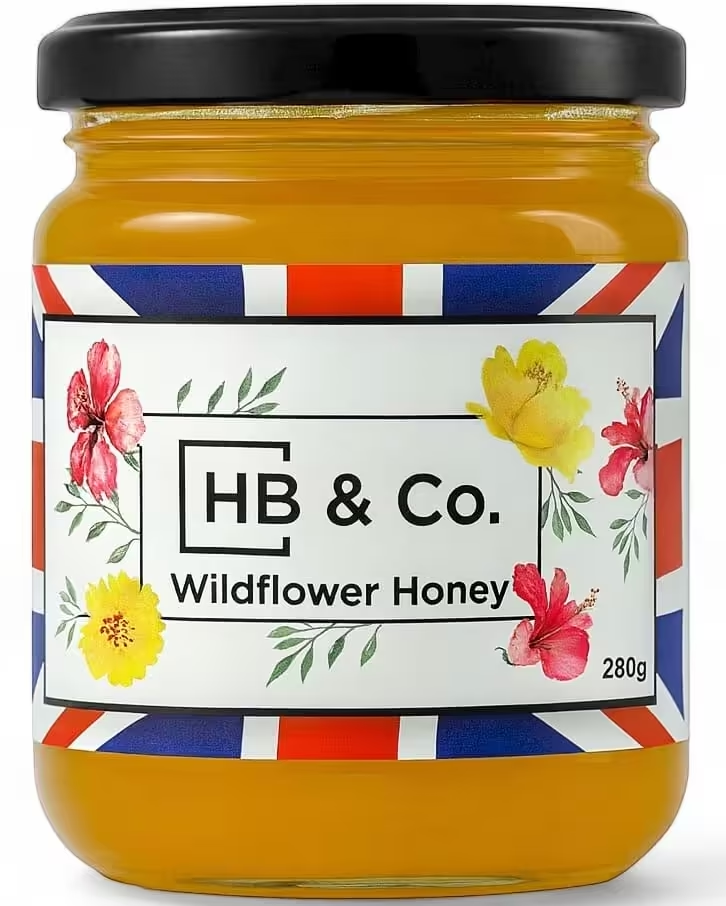
British Wildflower Honey
Raw honey from clover-rich Midlands meadows, the legume-filled grassland a short-haired bumblebee would recognise. Our British honey supplier holds SALSA Certification. 280g. £10.99.
Shop Wildflower Honey
Subscribe & Save 20%
Choose any single honey and save 20% on every delivery, with free UK delivery on every subscription order.
Start a SubscriptionFrequently asked questions
How do I identify a short-haired bumblebee?
Is the short-haired bumblebee extinct?
Why did the short-haired bumblebee disappear from Britain?
How is it being reintroduced?
Where does it live now?
What flowers does it need?
Does the short-haired bumblebee sting?
Does the short-haired bumblebee make honey?
Related species
Large Garden Bumblebee
Bombus ruderatusRead more → Same subgenusGreat Yellow Bumblebee
Bombus distinguendusRead more → Long-tongued beeGarden Bumblebee
Bombus hortorumRead more →Sources & references
- BWARS (Bees, Wasps & Ants Recording Society). Species account: Bombus subterraneus (Linnaeus, 1758), decline, last records and introduction to New Zealand. bwars.com.
- Falk, S. Field Guide to the Bees of Great Britain and Ireland, Bloomsbury, with notes for Bombus subterraneus (short pilosity, similarity to B. ruderatus, habitat and forage). Steven Falk Flickr collection.
- Bumblebee Conservation Trust, Short-Haired Bumblebee Project (Dr Nikki Gammans). Reintroduction background, habitat creation and loss of wildflower meadows. bumblebeeconservation.org.
- British Ecological Society and RSPB news reports (2012-2013). Release of Swedish queens at RSPB Dungeness and the first recorded British nesting in a generation.
- Vaughan-Higgins, R.J., Sainsbury, A.W., Beckmann, K. & Brown, M.J.F. (2016). Disease risk analysis for the reintroduction of the short-haired bumblebee (Bombus subterraneus) to the UK. Natural England Commissioned Report NECR216.
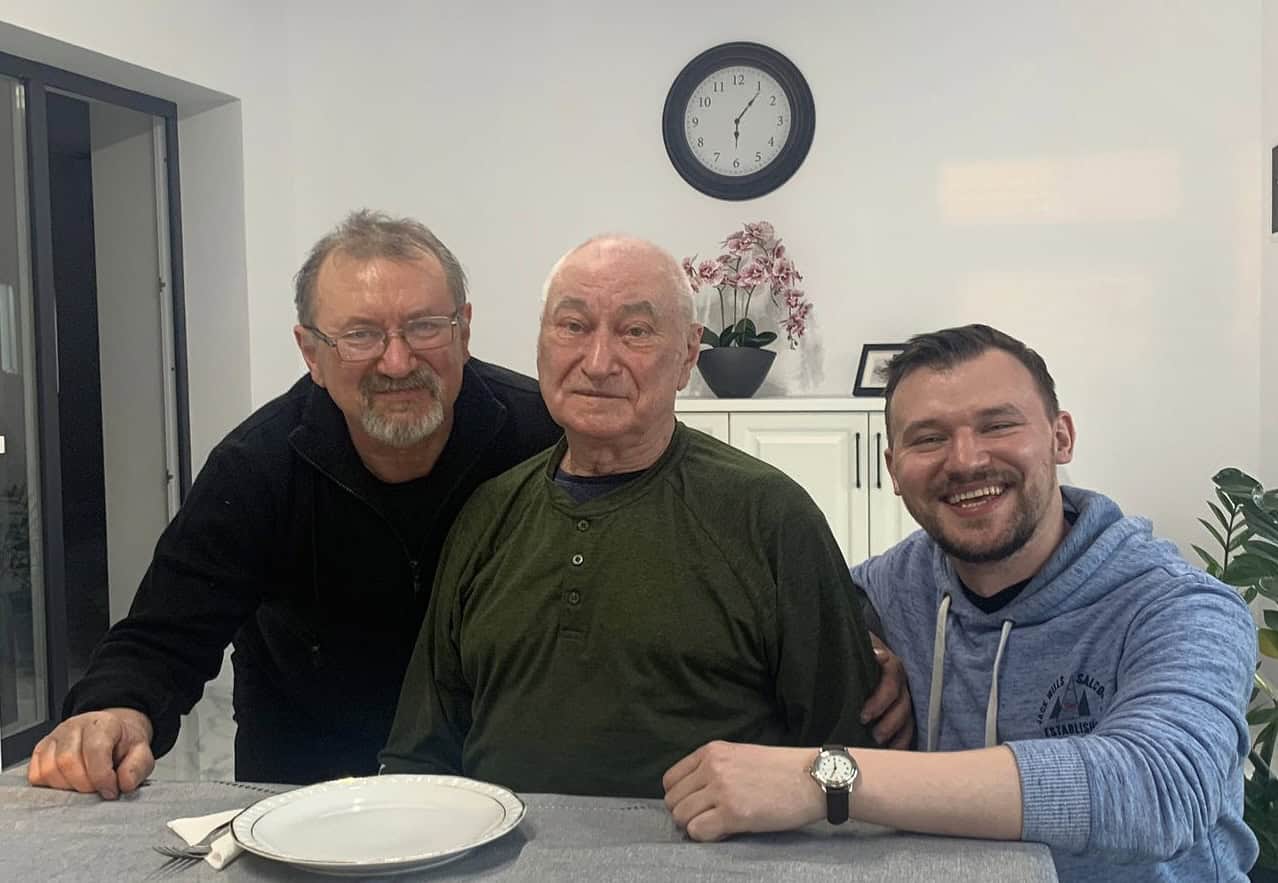
Dragos Nistor
Founder, HoneyBee & Co. · Guest Lecturer, University of Greenwich
HoneyBee & Co. draws on six generations of family beekeeping heritage, with honey from the Nistor family apiaries and from carefully chosen British producers. Our British honey supplier holds SALSA Certification, and we offer a 15% NHS Discount. Every jar is raw, unfiltered and traceable to the hive.