
 English (UK)
  Italiano
  Français
  简体中文
简体中文  한국어
한국어 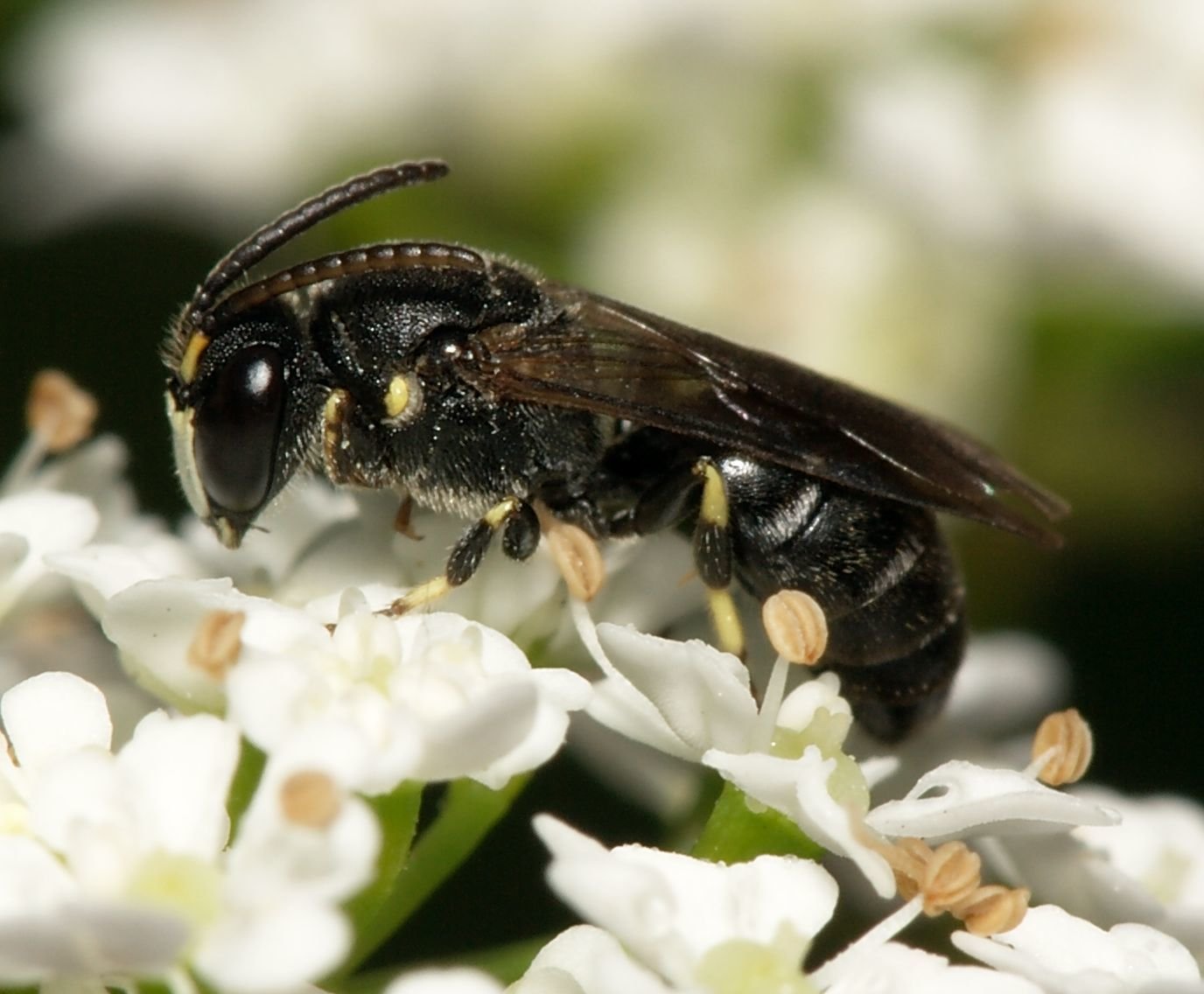
UK Bee Species
White-jawed Yellow-face Bee (Hylaeus confusus)
Hylaeus confusus Nylander, 1852 · subgenus Hylaeus · family Colletidae
The white-jawed yellow-face bee is a small, almost hairless black bee marked with pale yellow on the face, more wasp than bee at first glance. Like all yellow-face bees it carries pollen internally rather than on a brush, and nests in hollow stems and dead wood. It is locally common across the southern half of Britain.
Quick facts
| Kingdom | Animalia |
| Phylum | Arthropoda |
| Class | Insecta |
| Order | Hymenoptera |
| Family | Colletidae |
| Genus | Hylaeus |
| Subgenus | Hylaeus |
| Species | Hylaeus confusus |
A wasp-like bee with a masked face
Yellow-face bees, genus Hylaeus, are among the least bee-like of bees: small, shiny, nearly hairless and black, with pale yellow or white markings on the face that give the group its other name, the masked bees.[3] Because they lack an external pollen brush, they can look more like slender black wasps than bees.[3] See where they sit among the world's bee families in the World Bee Atlas.
The white-jawed yellow-face bee is one of a dozen British Hylaeus species[5] and closely resembles its scarcer relative H. incongruus. The two are best separated on the facial markings: in the female white-jawed yellow-face bee the yellow face spots are smaller and well separated from the antennal sockets, and the head is more rounded in front view.[1]
One of a difficult dozen
With around twelve British species, most small and dark, Hylaeus is a genus where a clear view of the face, thorax and legs is usually needed for a confident name, and a test key from BWARS is the standard tool.[3] Compare the closely related common yellow-face bee.
Small, black and shining, with a pale mask on the face: at a glance, more wasp than bee.
Where it lives and what it visits
The white-jawed yellow-face bee is locally common across the southern half of Britain and is especially frequent in the band between Oxford and Cambridge, becoming patchier and scarcer further north, though it reaches as far as the Inverness area.[1][4] In Ireland it is perhaps the commonest of the four Hylaeus species that occur there.[2] It exploits a wide range of habitats, from open deciduous woodland and its rides and clearings to chalk grassland, heaths, fens and the coast, and takes readily to gardens.[2] It is not regarded as scarce or threatened.[2]
It is polylectic, visiting a variety of flowers with no obvious preference.[1] Adults fly from late May to the end of September.[2]
Pollen on the inside
What most sets Hylaeus apart is how it carries pollen. With no external brush, the female swallows a mixture of pollen and nectar and carries it internally in her crop, then regurgitates it into the nest.[3] She nests in ready-made cavities, hollow plant stems, burrows in dead wood and even old oak galls, and lines the cells with a thin, waterproof, cellophane-like secretion that gives the family Colletidae its name of plasterer bees.[1][3]
In Britain the white-jawed yellow-face bee is presumed to be univoltine, with a single generation on the wing from late May to September. In France it is reported to be bivoltine, with separate spring and autumn broods; whether this also happens in Britain has not been confirmed.[2]
Why it matters
Small, unfussy and widespread, the white-jawed yellow-face bee is a quiet generalist pollinator of woodland edges, grassland and gardens through the summer. Because it nests in hollow stems and dead wood, it is one of the bees that benefits when gardeners leave old bramble and hogweed stems standing and keep a little dead wood in place, rather than tidying every cavity away.
Raw Acacia Honey
Our flagship raw Acacia honey: pale, delicate and slow to crystallise. Six generations of family beekeeping heritage in every 280g jar. £10.99.
Shop Acacia Honey
British Wildflower Honey
Raw honey from British hedgerows and meadows, the mixed summer flowers our wild bees work too. Our British honey supplier holds SALSA Certification. 280g. £10.99.
Shop Wildflower Honey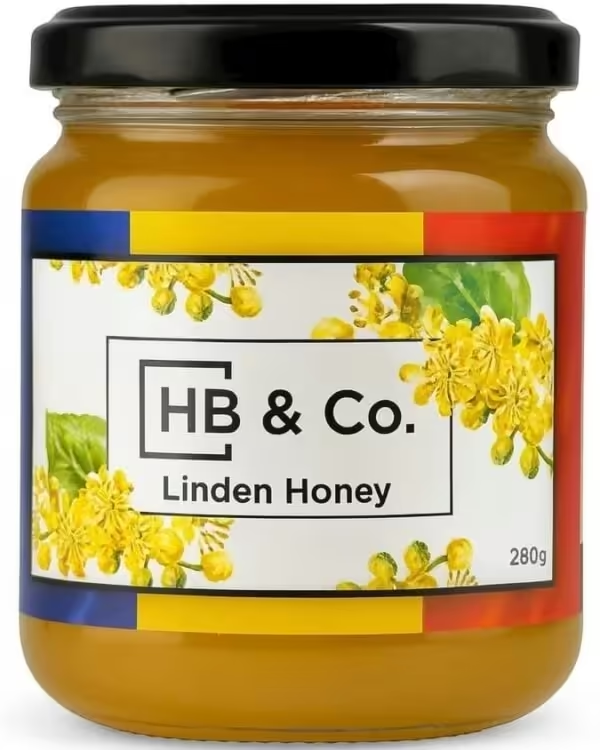
Linden Honey
Raw Linden honey with a fresh, herbal lime-blossom note, gathered as spring turns to summer. A single 280g jar, £10.99.
Shop Linden HoneyFrequently asked questions
How do I identify a white-jawed yellow-face bee?
What is a yellow-face bee?
When is the white-jawed yellow-face bee active?
Where does it nest?
What flowers does it visit?
How does it carry pollen without a pollen brush?
Do white-jawed yellow-face bees sting?
Does the white-jawed yellow-face bee make honey?
Related species
Sources & references
- Falk, S. Field Guide to the Bees of Great Britain and Ireland, Bloomsbury, and the Steven Falk Flickr collection: Hylaeus confusus (facial markings, separation from H. incongruus, distribution, flight period, nesting).
- BWARS (Bees, Wasps & Ants Recording Society). Species account: Hylaeus confusus (Nylander, 1852): trans-Palaearctic distribution, habitats, univoltine or bivoltine flight, conservation status and nesting. bwars.com.
- BWARS genus notes and Falk, S. (2015): Hylaeus biology, internal pollen transport, cellophane-lined cells, roughly twelve British species, and the BWARS test key.
- WildBristol / Bristol Bees, Wasps & Ants group. White-jawed Yellow-face Bee: distribution and flight period. wildbristol.uk.
- NBN Atlas / GBIF Secretariat. Hylaeus confusus Nylander, 1852: taxonomy and UK distribution. nbnatlas.org; gbif.org.
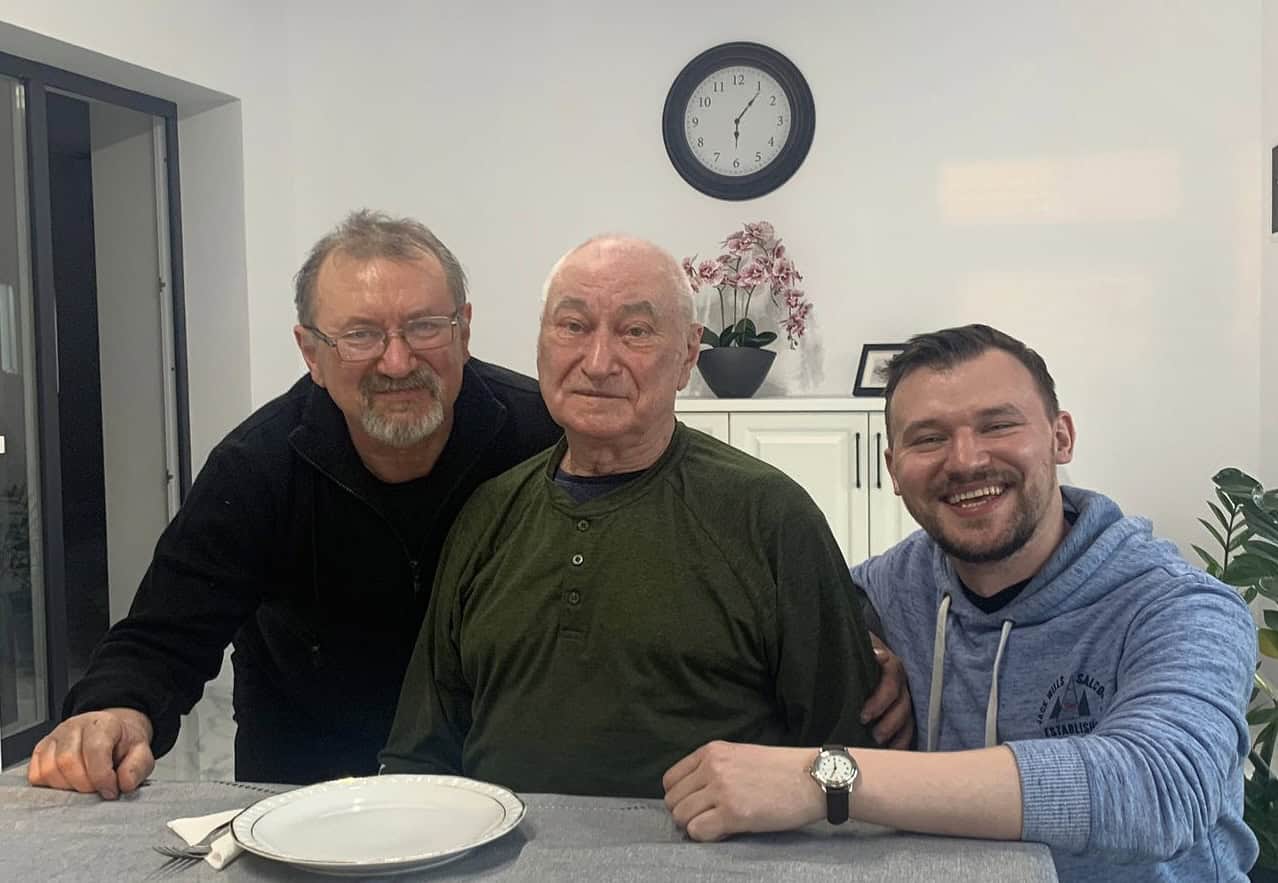
Dragos Nistor
Founder, HoneyBee & Co. · Guest Lecturer, University of Greenwich
HoneyBee & Co. draws on six generations of family beekeeping heritage, with honey from the Nistor family apiaries and from carefully chosen British producers. Our British honey supplier holds SALSA Certification, and we offer a 15% NHS Discount. Every jar is raw, unfiltered and traceable to the hive.