

 English (UK)
  Italiano
  Français
  简体中文
简体中文 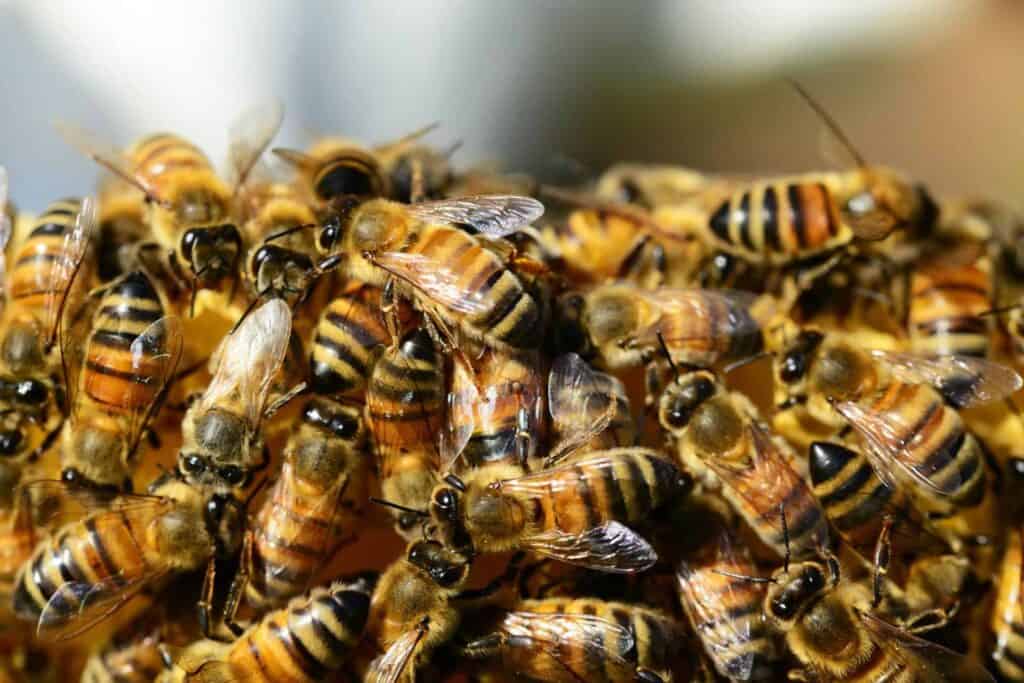
Bees and Their Natural Enemies
In This Guide
- Why Bees Need Protecting
- Inside a Bee Colony
- The Three Kinds of Bee
- Birds
- Wasps and Ants
- The Asian Hornet (UK Alert)
- Are Bees, Ants and Wasps Related?
- Crab Spiders
- Wax Moths
- Small Hive Beetles
- Mammals and Birds That Raid Hives
- Pests, Parasites and Disease
- Weather and Climate
- Human Activity
- How Bees Defend Themselves
- How You Can Help (and Shop)
- Frequently Asked Questions
Key Takeaways
- Bees face threats from every direction: predators (birds, wasps, hornets, spiders, mammals), pests and parasites (Varroa mites, wax moths, hive beetles), weather, and above all human activity.
- In the UK the biggest concerns are the Varroa mite and the invasive Asian hornet (Vespa velutina), alongside pesticides and habitat loss, rather than the bears and skunks of North America.
- Bees fight back with stinging, "balling" (overheating) predators, fleeing, and chemical alarm signals, defences honed over millions of years.
- The single most useful thing most people can do is plant for pollinators, avoid pesticides, and understand why bee numbers are falling.
- Choosing raw honey from ethical, traceable beekeepers supports healthy, well-managed hives. Browse our Discovery Trio or subscribe and save 20%.
Why Bees Need Protecting
Bees are among the most important insects on Earth, pollinating the wild plants and food crops that ecosystems and people depend on. Honey bees in particular are celebrated for their complex social colonies and remarkable teamwork. Yet for all their success, bees are under constant pressure, from predators and parasites to weather and the actions of people. Understanding those threats is the first step to protecting the pollinators we cannot live without. For the bigger picture on falling numbers, see our guide to why bee populations are declining, and explore the world's bees in our complete guide to bees.
Inside a Bee Colony
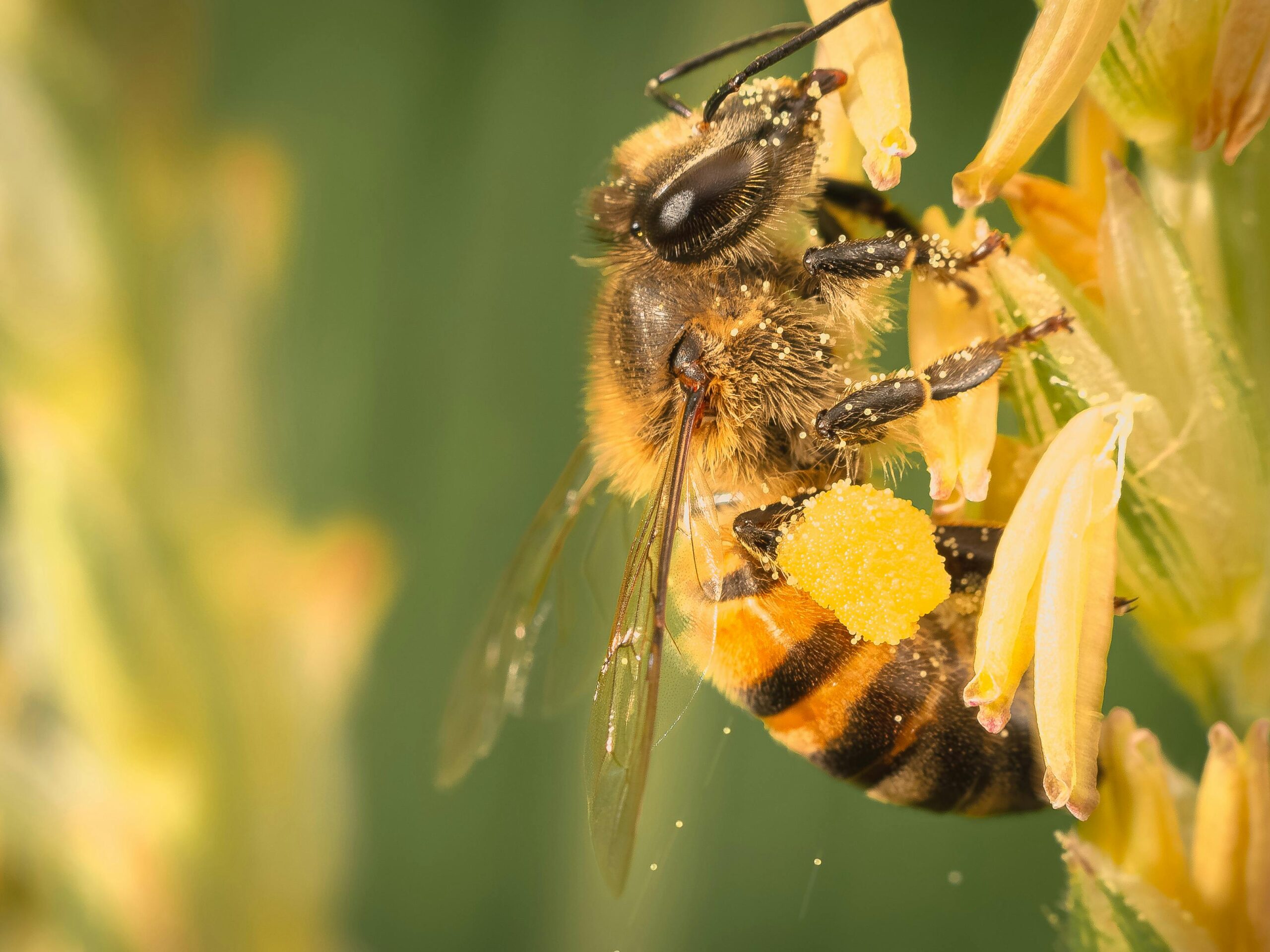
A honey bee colony is a highly organised society of three castes. The queen is the sole egg-layer, producing the next generation. Worker bees, all female, make up the vast majority and do almost everything else: foraging for nectar and pollen, feeding larvae, building and cleaning comb, regulating temperature, and defending the entrance. Drones, the males, exist mainly to mate with queens from other colonies. This division of labour is what lets a colony of tens of thousands behave like a single organism, and it is also what predators and parasites try to exploit. To see how the colony turns nectar into honey, read how bees make honey.
The Three Kinds of Bee
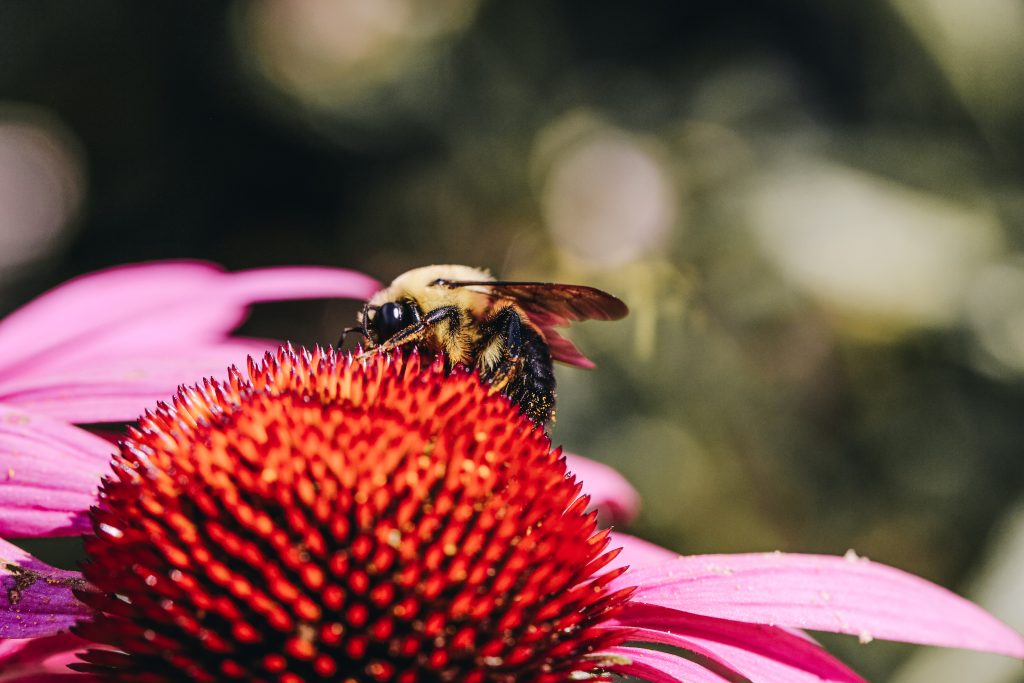
Not all bees live in hives. Honey bees form large, perennial colonies and are the bees behind the honey in your cupboard. Bumblebees live in smaller annual nests and are superb pollinators, especially through "buzz pollination" of crops like tomatoes. Solitary bees, which make up most of the UK's roughly 270 bee species, do not live in colonies at all: each female builds and provisions her own nest. Mason bees and leafcutter bees are familiar examples. Meet some of them in our species profiles for the red mason bee, the buff-tailed bumblebee and the tree bumblebee, or map them all in the UK Bee Map.
Birds
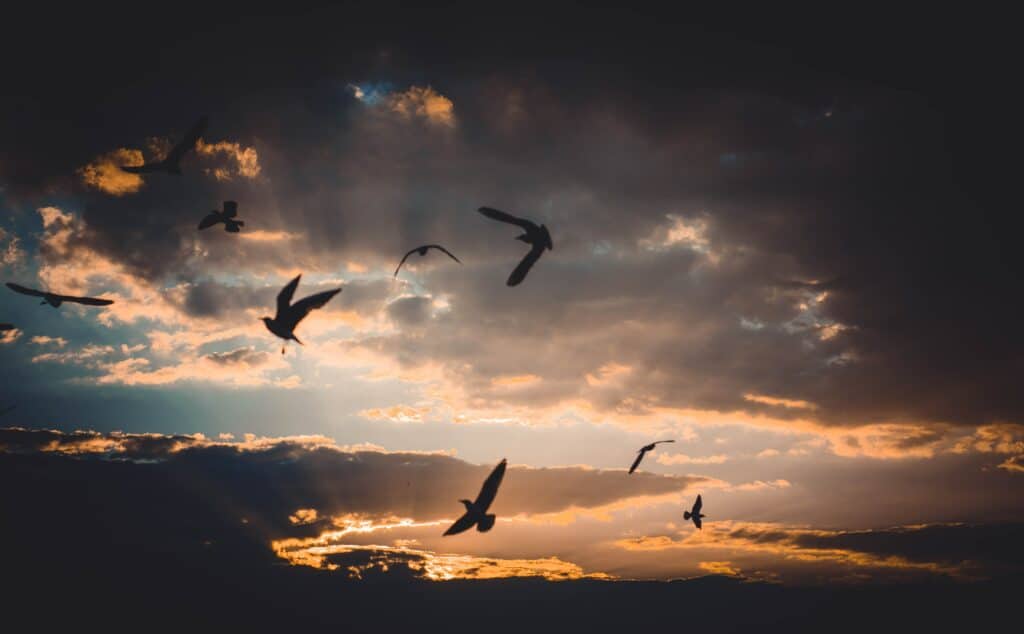
Birds are among the most visible predators of bees, taking adults on the wing and raiding hives for honey and brood. Some, such as bee-eaters and honey buzzards, are specialists adapted to hunt stinging insects; others are opportunists. The hive entrance, where guard bees are stationed, is the vulnerable point most birds target, which is why beekeepers watch it closely.
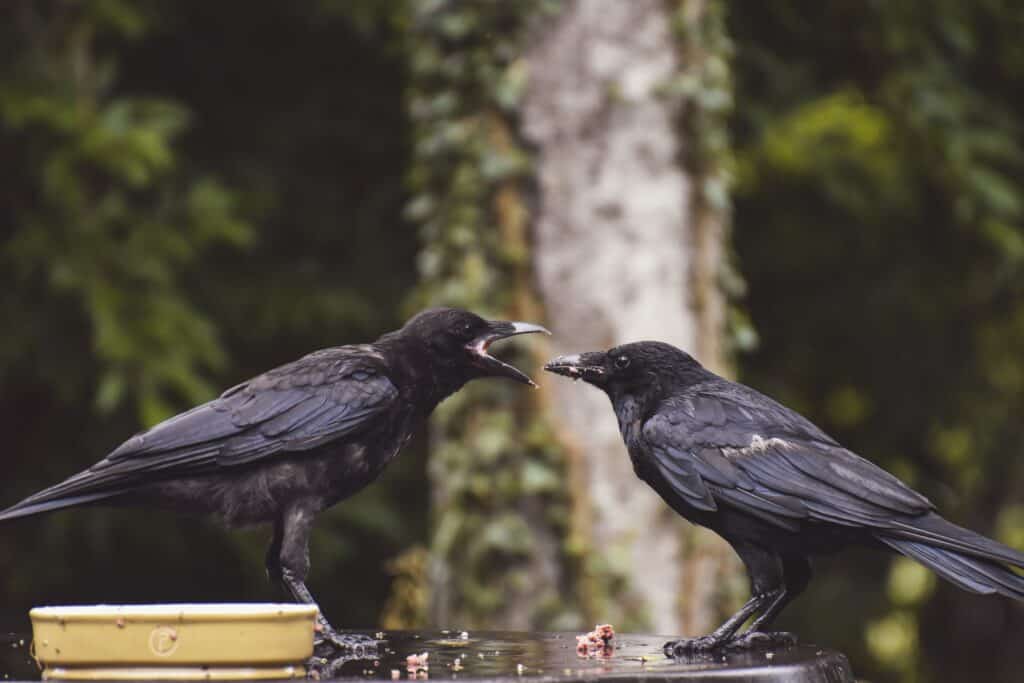
Crows
Crows are highly intelligent and have been observed using tools to pry at hives. They will take both honey and bees, and a determined crow can leave a colony short of the stores it needs to survive.
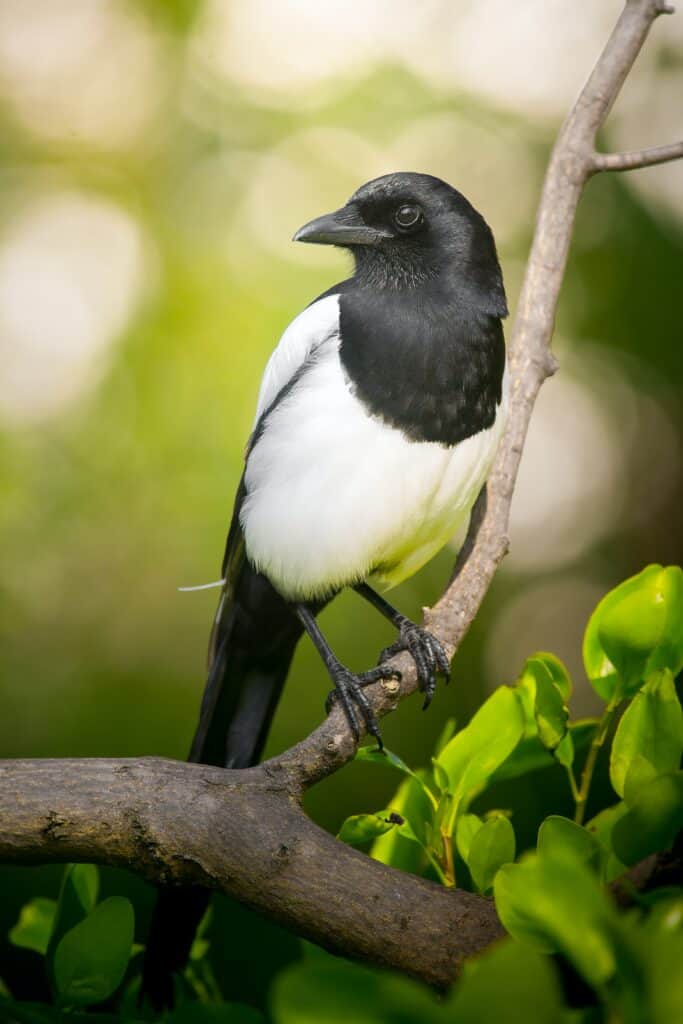
Magpies
Magpies have strong beaks and can break into weak or poorly protected hives, taking honey, adult bees and even eggs and larvae, reducing the colony's population.
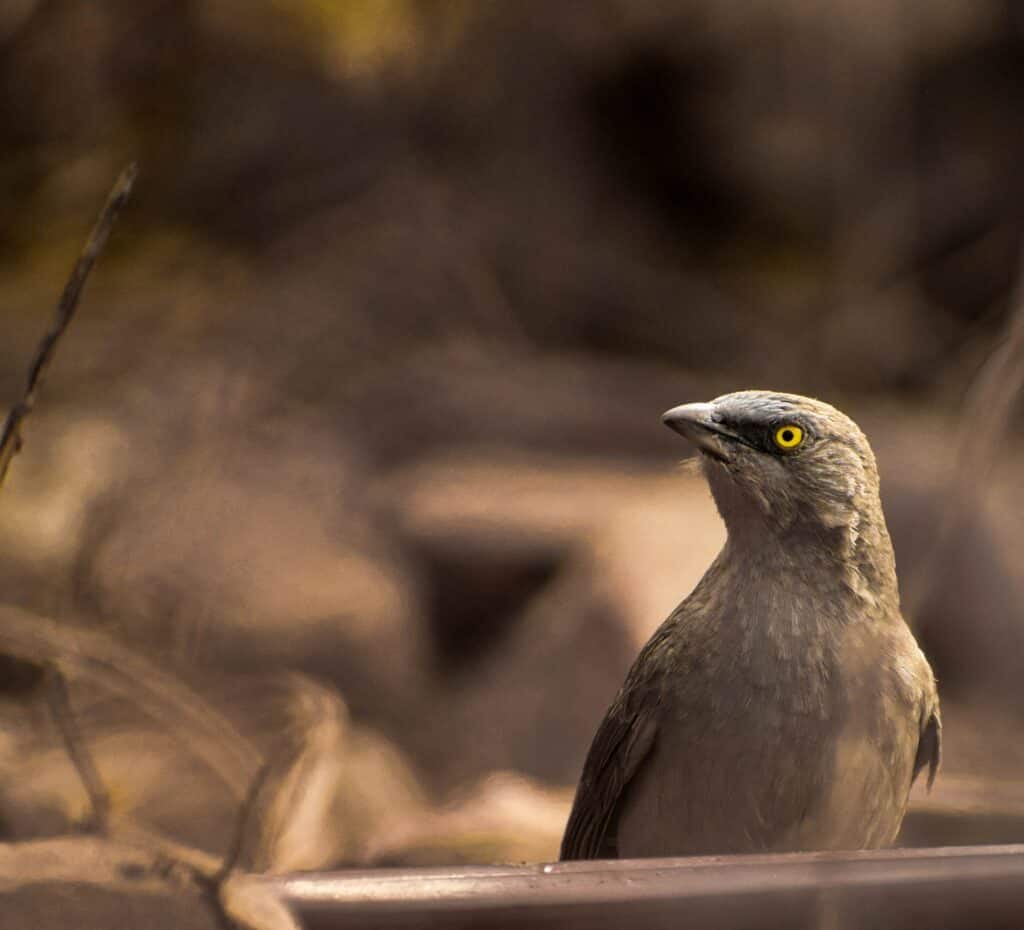
Starlings
Starlings will raid hives for honey and bees and can damage comb. In gardens they are more often a nuisance than a colony-ending threat, but in numbers they add to the pressure on a struggling hive.
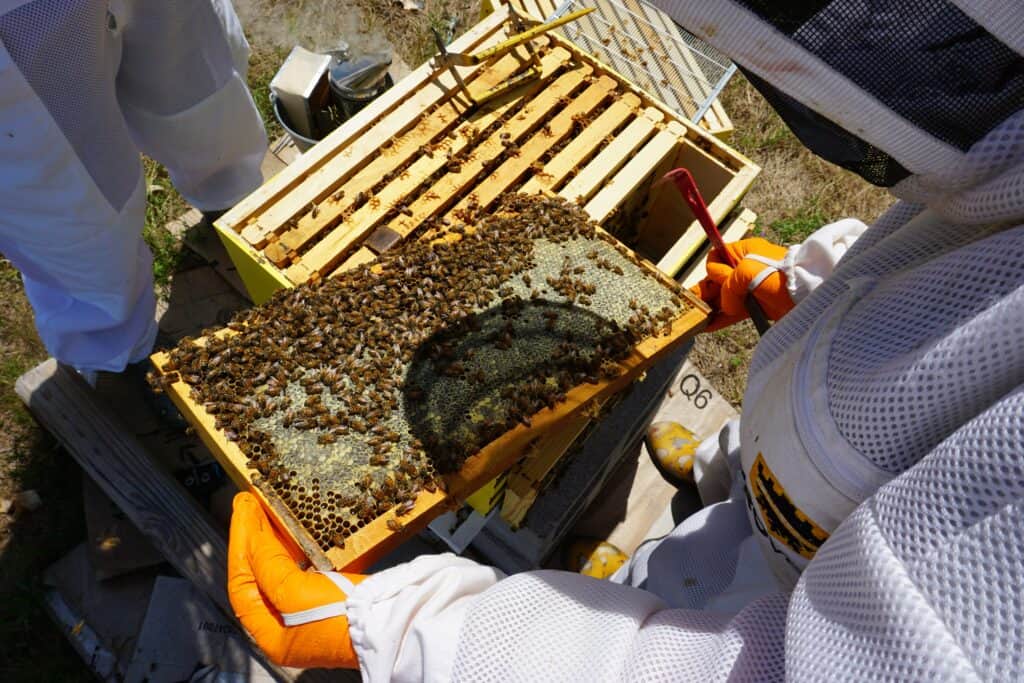
Beekeepers deter birds with simple, non-lethal measures: entrance reducers and mesh guards, raising hives on stands, siting them with some overhead cover, and using visual deterrents. None of this harms the birds, which are themselves a valued part of the ecosystem.
Wasps and Ants
Wasps, especially yellowjackets and hornets, are among the most damaging insect enemies of honey bees. They raid hives for honey and for protein-rich larvae, and they kill foraging and guard bees outright. The pressure peaks in late summer and autumn, when wild wasp colonies run short of food and turn to the rich stores of a beehive.
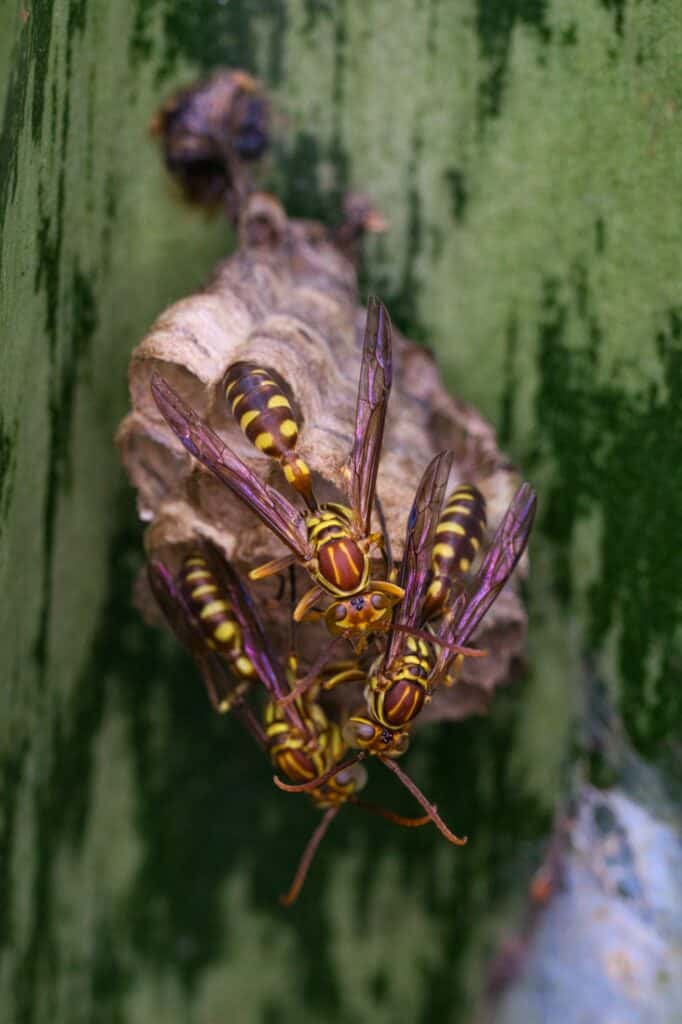
Social wasps are organised and aggressive in defence of their own nests, and that aggression extends to raiding bee colonies they see as competition. A strong honey bee colony can mount a famous defence: workers mob an intruding wasp or hornet into a tight ball and raise the temperature inside it until the predator overheats and dies. It works, but it costs the lives of many bees and weakens an already stressed colony.
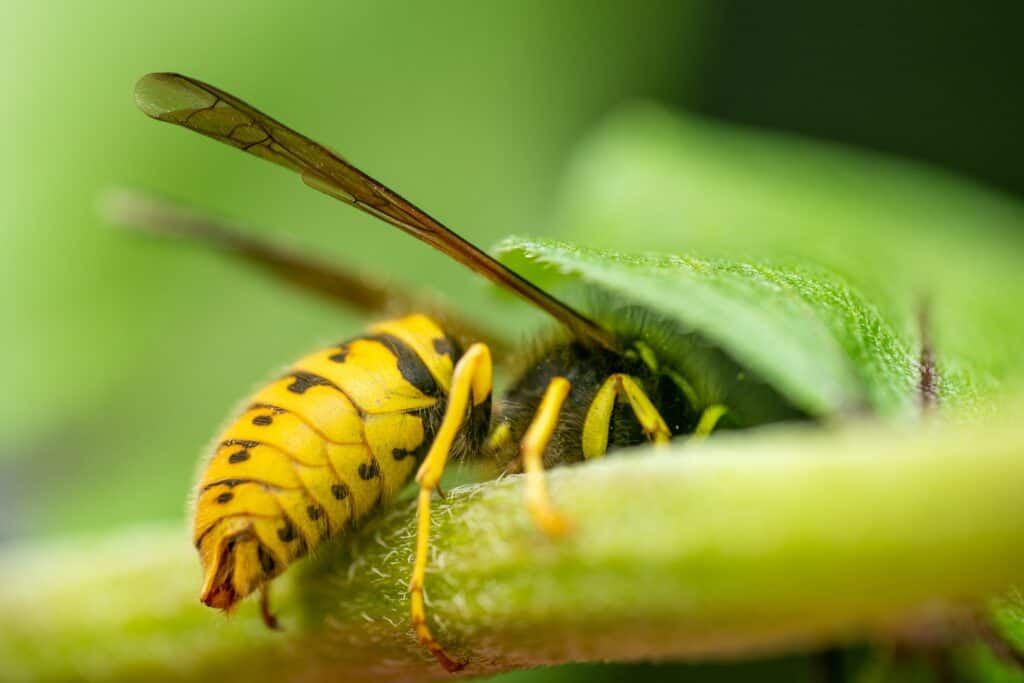
Beekeepers reduce wasp losses by fitting entrance reducers so a smaller force of guard bees can defend the hive, by setting baited wasp traps away from the apiary, and by keeping colonies strong, since weak hives are the ones that get robbed. Chemical controls are a last resort because they harm beneficial insects too.
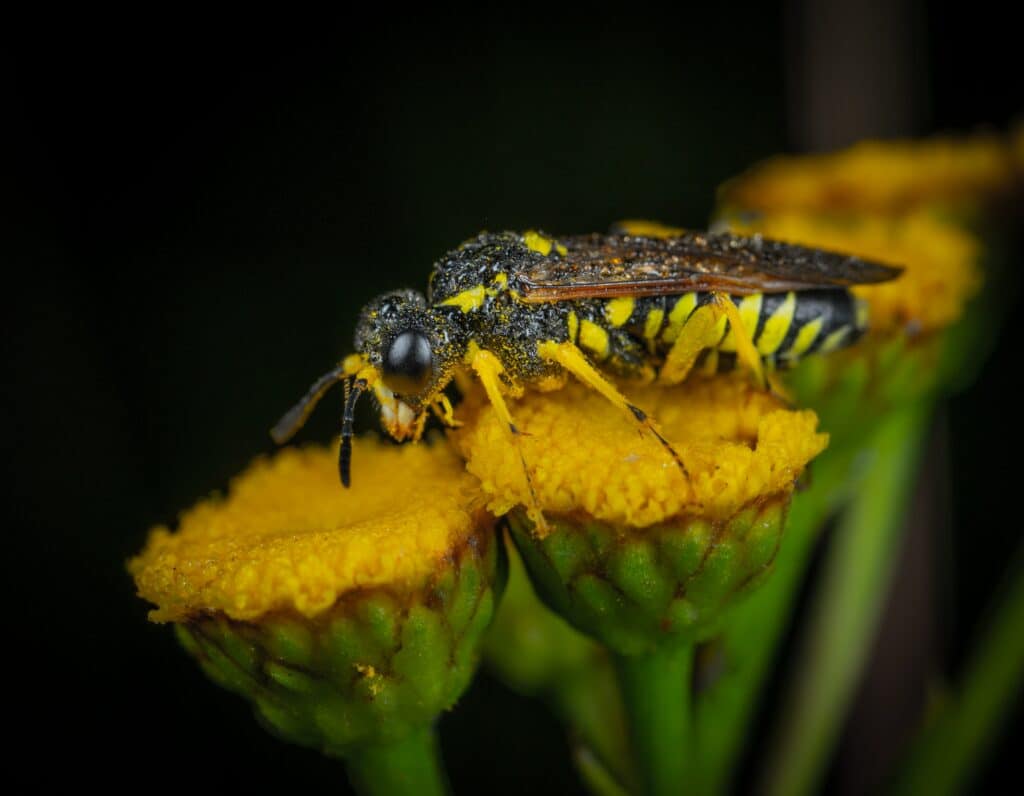
Watch: Giant Hornets Massacre European Bees, Buddha Bees and the Giant Hornet Queen (BBC Earth).
Ants
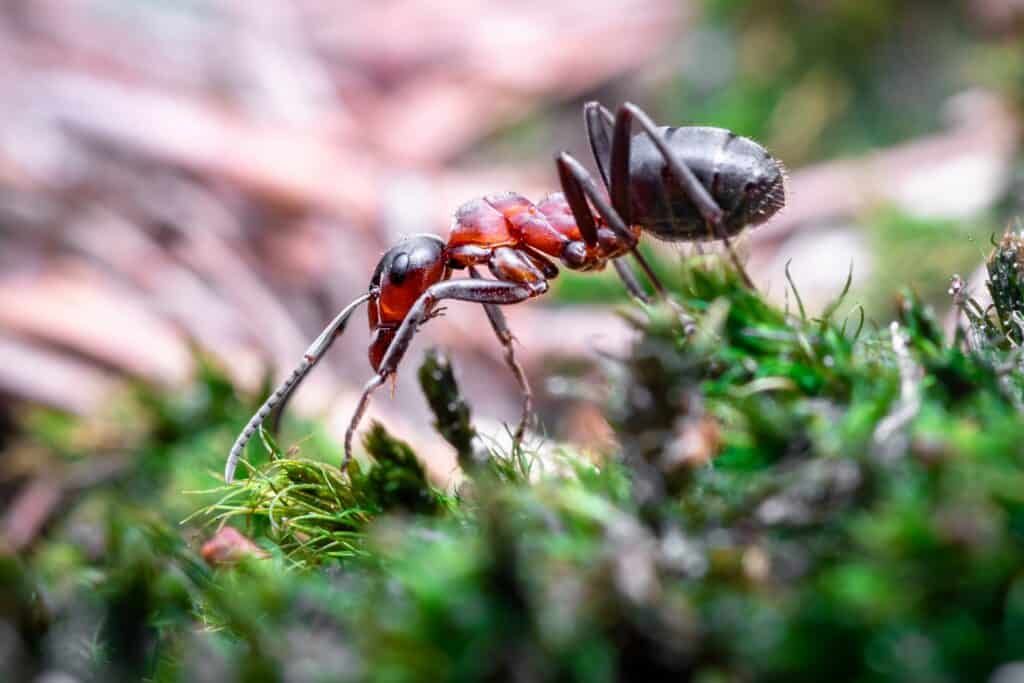
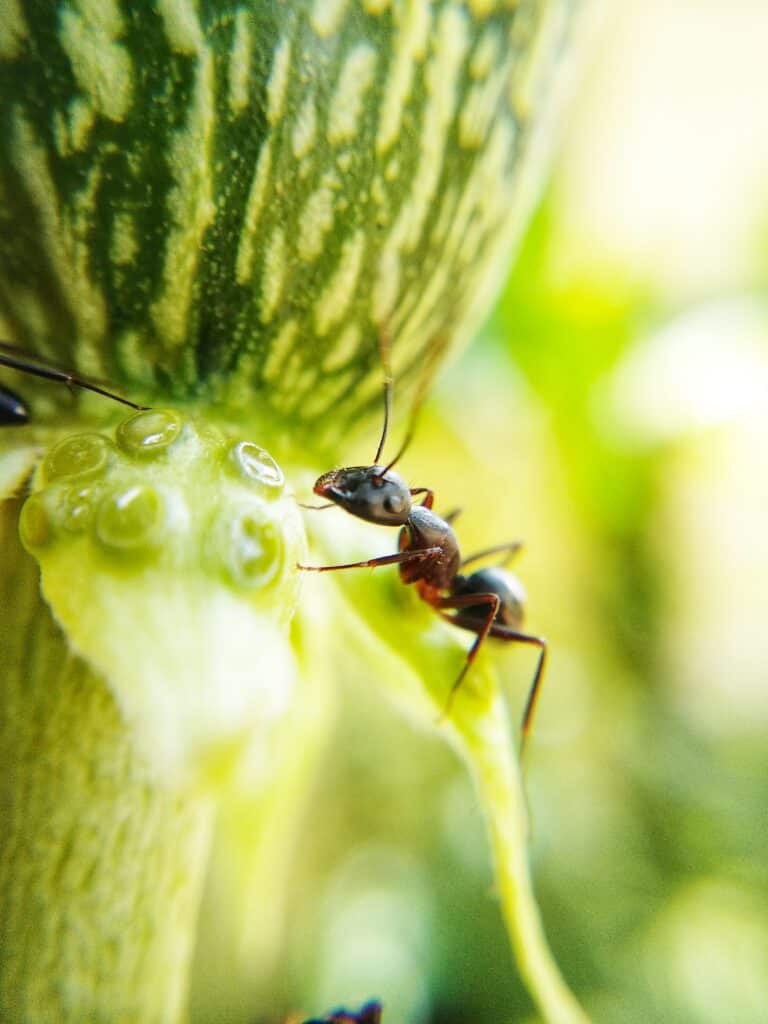
Ants are opportunists. They climb into hives to steal honey, and aggressive species such as Argentine ants can overwhelm a weak colony, attacking larvae and even adult bees. Ants can also carry pathogens between hives, helping diseases such as Nosema to spread. Hive stands with greased legs or water moats keep most ants out without chemicals.
The Asian Hornet: Britain's Newest Threat
No predator worries British beekeepers more right now than the yellow-legged Asian hornet (Vespa velutina). It is not native to Europe: the entire European population is thought to descend from a single fertilised queen that arrived in France around 2004, and the species has since spread across more than a dozen countries. The first confirmed UK sighting was in Tetbury, Gloucestershire, in 2016.
What makes Vespa velutina so dangerous is a hunting technique called "hawking": the hornet hovers outside a hive entrance and snatches returning foragers in mid-air, dismembering them and carrying the protein-rich thorax back to feed its larvae. Native western honey bees evolved no defence against it. Under sustained attack, foragers stop leaving the hive, the queen stops laying, and the colony can collapse. A University of Exeter study found the hornet preys on more than 1,400 insect species, so the risk extends well beyond honey bees to wild pollinators too.
Thanks to rapid monitoring and nest destruction by the Animal and Plant Health Agency's National Bee Unit, the Asian hornet is not yet established in mainland Britain, but new queens keep arriving from Europe and early-year sightings are increasing. It is smaller than our native European hornet, with a dark, velvety thorax, a single orange-yellow band on the abdomen and unmistakable yellow legs. It poses no greater risk to people than an ordinary wasp.
See it, snap it, send it
If you think you have seen an Asian hornet, photograph it from a safe distance and report it through the Asian Hornet Watch app (UKCEH, for Defra) or the British Beekeepers Association. A clear photo is essential, as written descriptions alone are rarely actioned. Never disturb a nest.
For the wider context of how invasive species and other pressures are reshaping our pollinators, see why bee populations are declining.
Are Bees, Ants and Wasps Related?
They are, and the family resemblance explains a lot of the rivalry. Bees evolved from ancient predatory wasps roughly 120 million years ago. Those wasp ancestors hunted other insects to feed their young; somewhere along the line, one lineage switched to a vegetarian diet of nectar and pollen and became the bees. You can explore that story at the Museum of the Earth's evolution of bees resource.
All three belong to the insect order Hymenoptera, but to different families. Bees (family Apidae and relatives) are typically furry, built to carry pollen. Ants (Formicidae) are social specialists with a narrow waist and bulbous abdomen. Wasps (Vespidae and others) are slimmer, smoother and built to hunt. Same order, very different jobs. For a closer look at one common mix-up, read bumblebee vs honeybee.
Crab Spiders
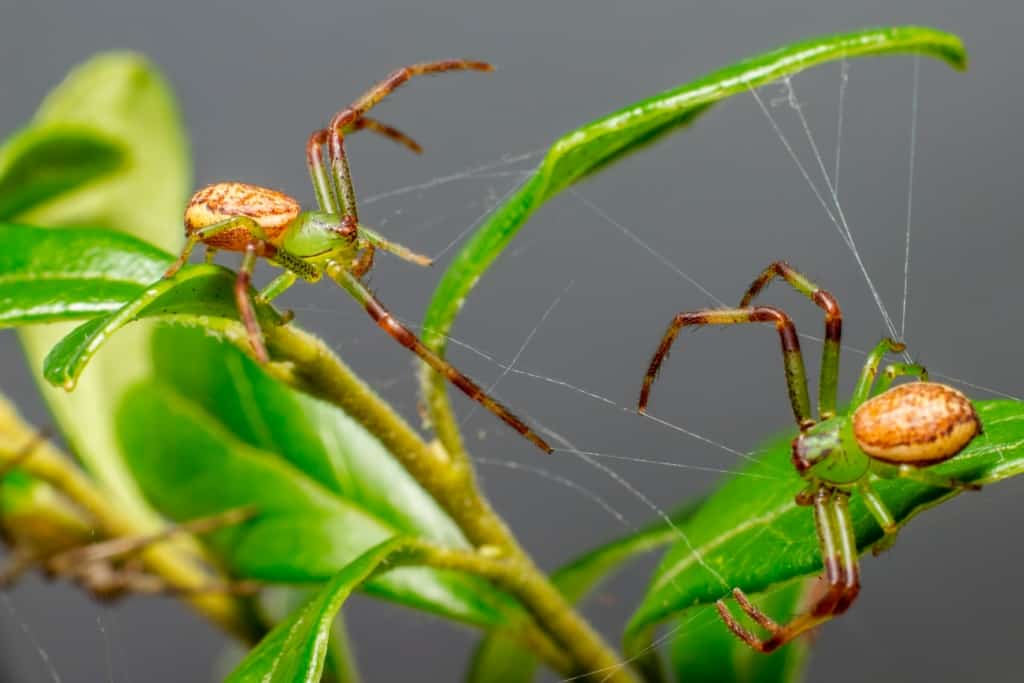
Crab spiders (family Thomisidae) are ambush hunters that wait on flowers, the very places bees must visit to forage. Many can slowly change colour to match a bloom, sitting invisible until a bee lands, then seizing it and injecting a paralysing venom. They take a wide range of insects, including bees, hoverflies, beetles and butterflies. They are part of the natural balance rather than a threat to whole colonies, and their fangs are generally too small to harm people. The Honey Bee Suite has a useful overview of spiders that eat bees.
Wax Moths
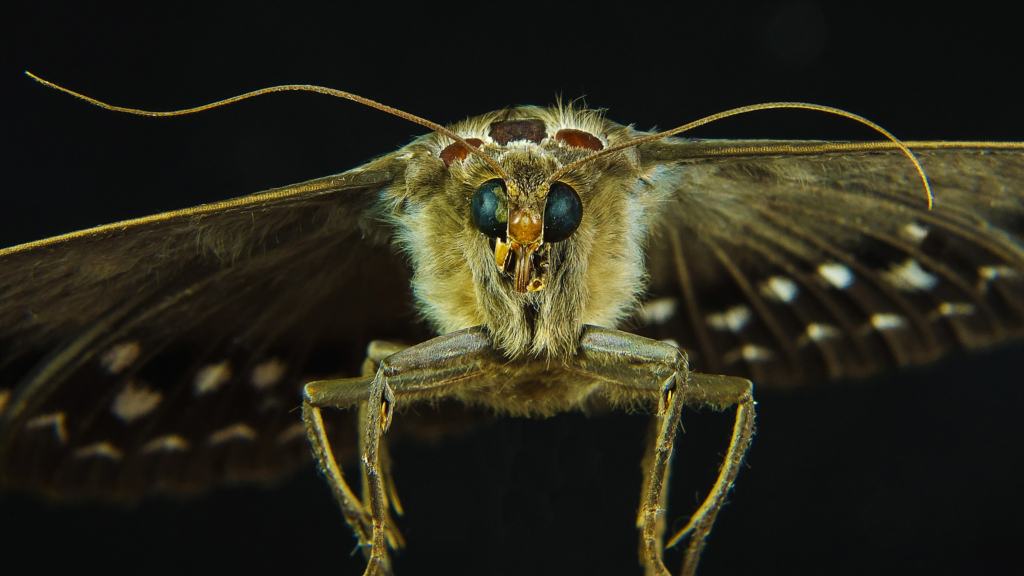
Wax moths (Galleria mellonella and Achroia grisella) lay their eggs in the hive, and the larvae tunnel through the comb, eating wax, pollen and stored honey and leaving a mess of silk and frass behind. A strong colony polices its comb and keeps them in check; wax moths are really a symptom of a weak or queenless hive rather than the original cause of its decline. Beekeepers prevent infestations by keeping colonies strong, rotating out old comb, and freezing stored frames to kill any eggs. The Farm Fit Living guide lists wax moths among the common enemies of honey bees.
Small Hive Beetles
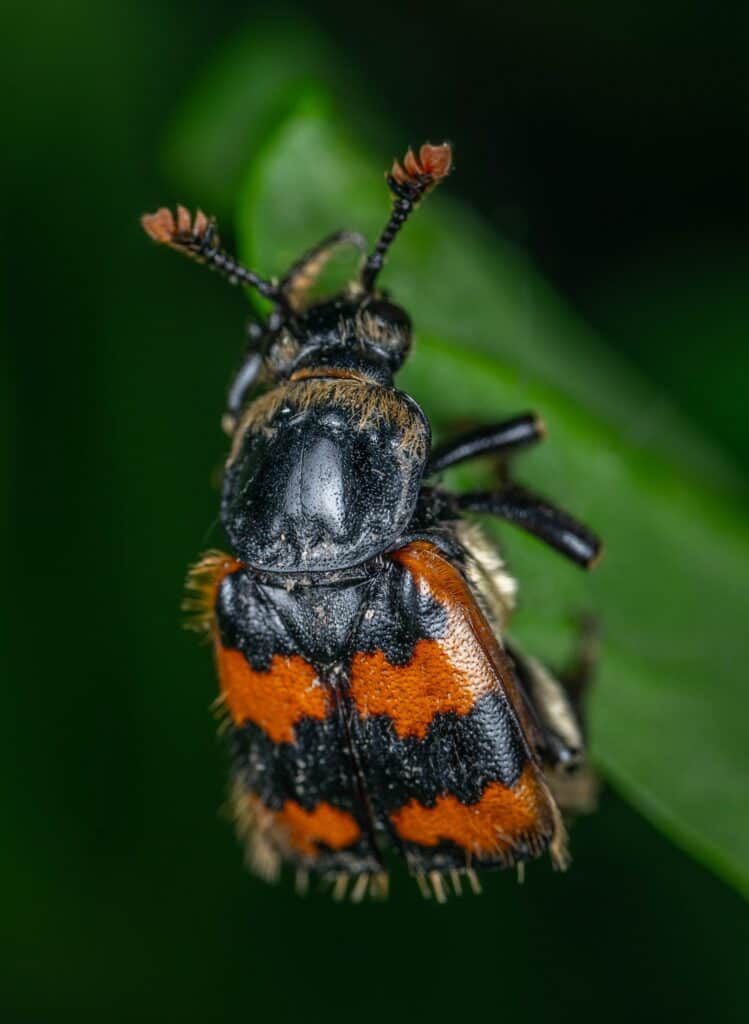
The small hive beetle (Aethina tumida) lays its eggs in the hive, and the larvae feed on comb, pollen and honey, fermenting the stores into a slimy, foul-smelling mess that bees will abandon. It is a serious pest in parts of the world and a notifiable threat that UK beekeepers watch for closely, though it is not currently established in Britain. Regular inspection, strong colonies and clean equipment are the front line of defence, and quarantining incoming equipment helps keep it from arriving in the first place.
Mammals and Birds That Raid Hives
Larger animals raid hives for the rich reward of honey, brood and adult bees. Which animals depends on where in the world the apiary sits, and this is where a lot of online advice, including the original version of this article, leans heavily on North America.
Bears, raccoons and skunks (mainly North America)
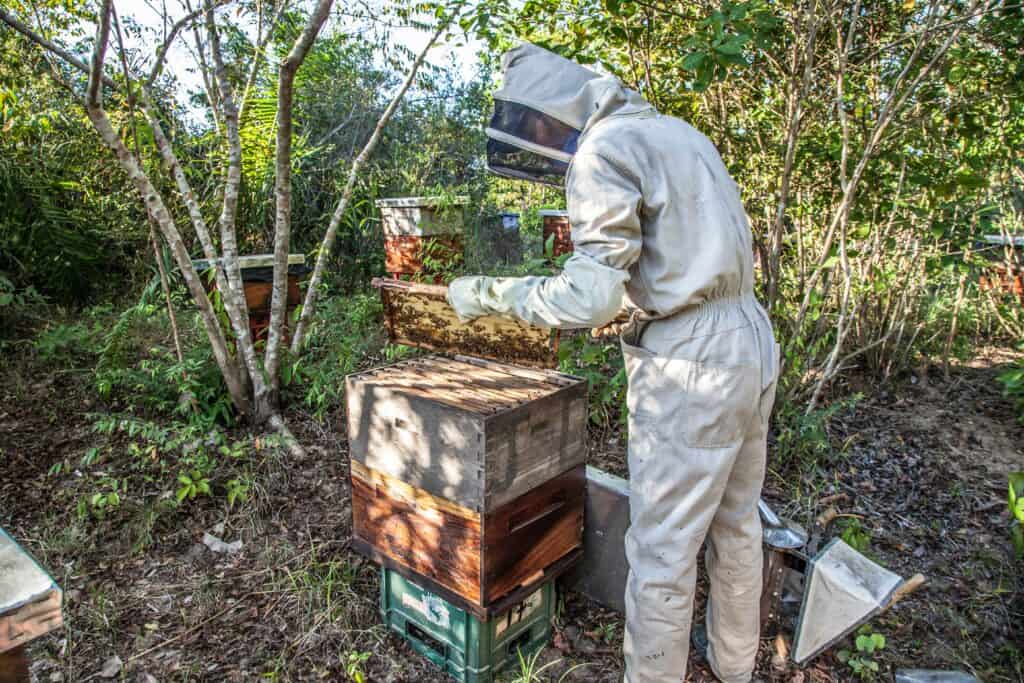
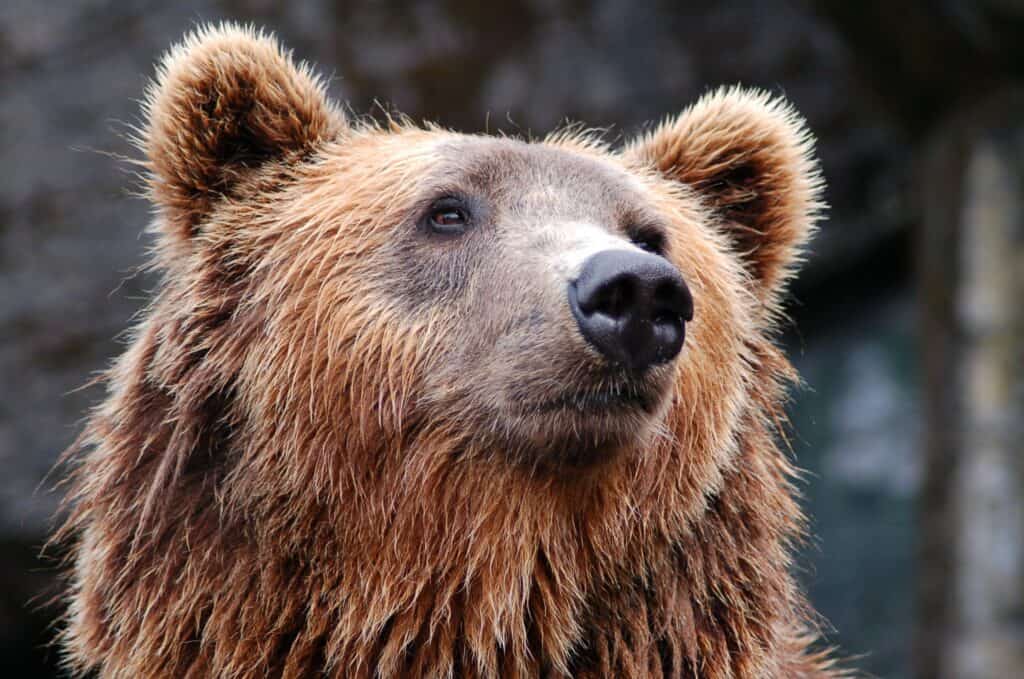
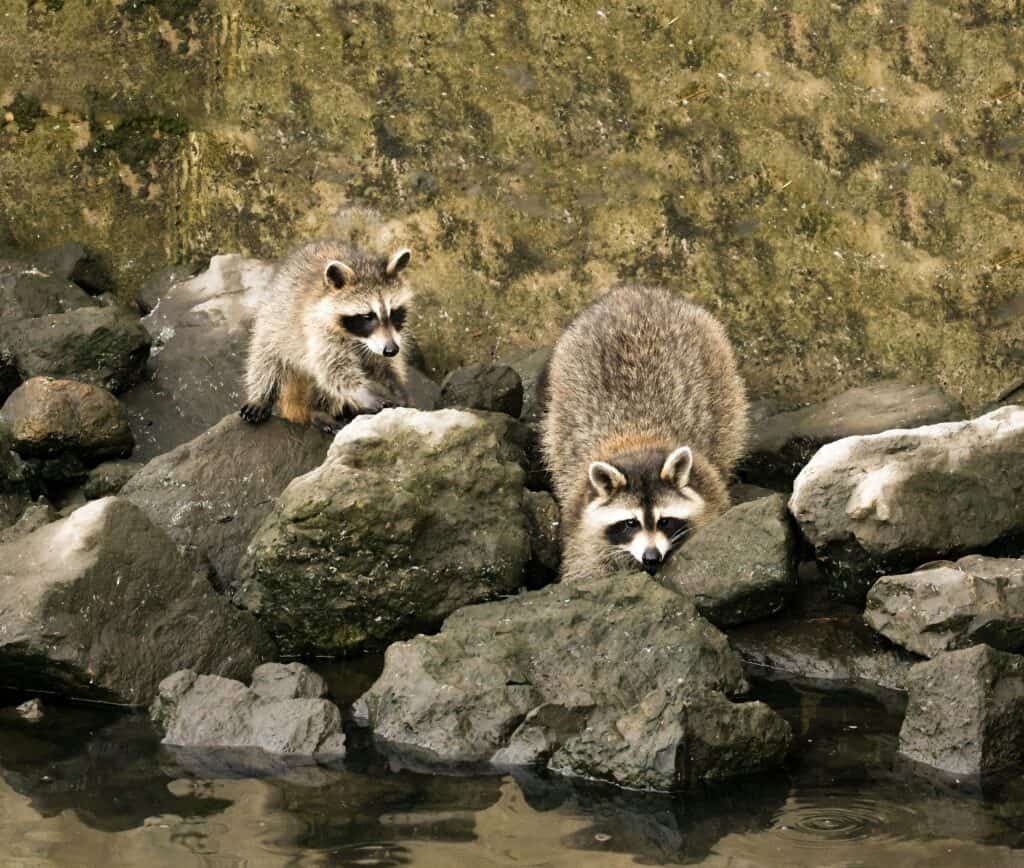
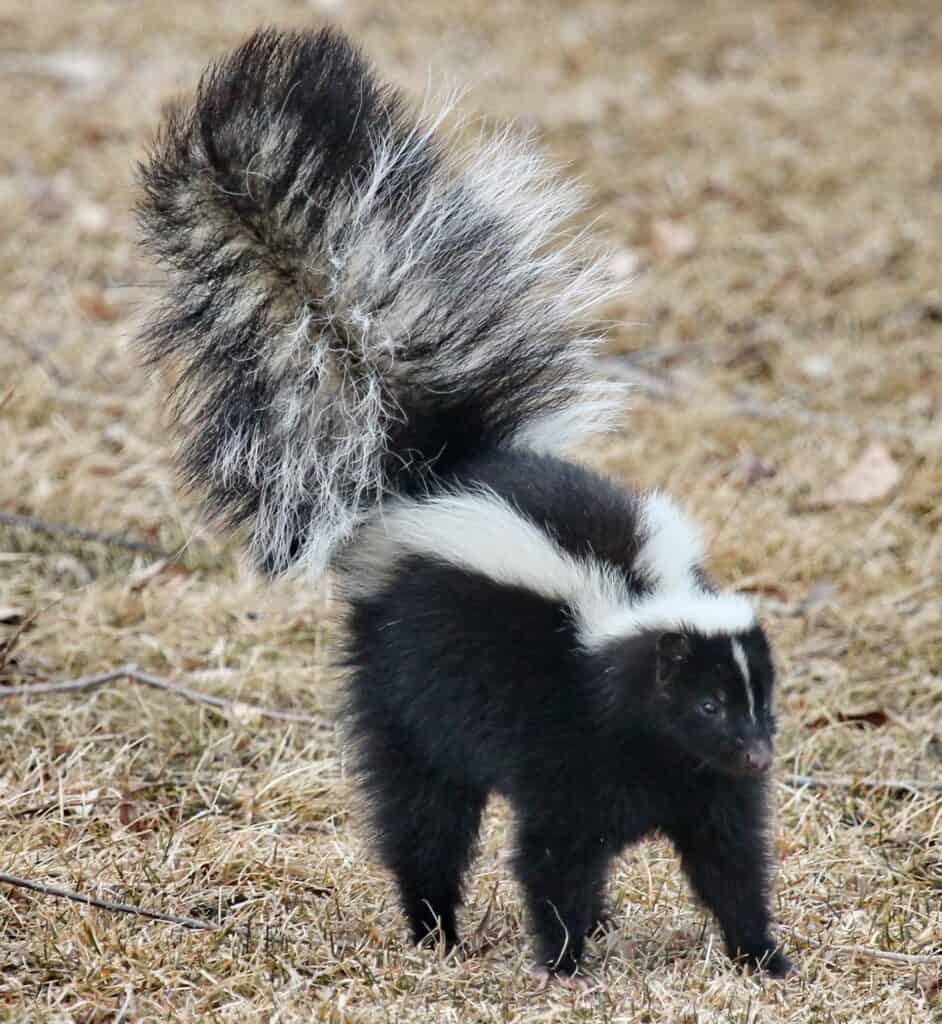
Bears are the most destructive hive raiders where they occur, strong enough to flatten a hive for the brood and honey inside, with most attacks coming in late summer before hibernation. Raccoons use their nimble paws to prise hives open at night, and skunks scratch at the entrance after dark and eat the guard bees that come out to investigate. Beekeepers in bear country rely on sturdy electric fencing; against raccoons and skunks, raised stands and entrance guards do most of the work.
What raids hives in the UK?
British beekeepers rarely worry about bears, but they do contend with the green woodpecker, which can drill into a hive in hard winter weather, badgers, which may tip a hive to reach the brood, and above all mice, which move into hives over winter to nest in the warm comb. A simple metal mouse guard across the entrance in autumn solves the last one, the single most common piece of UK hive protection. Wasps and the emerging Asian hornet remain the more serious insect threats here.
Pests, Parasites and Disease
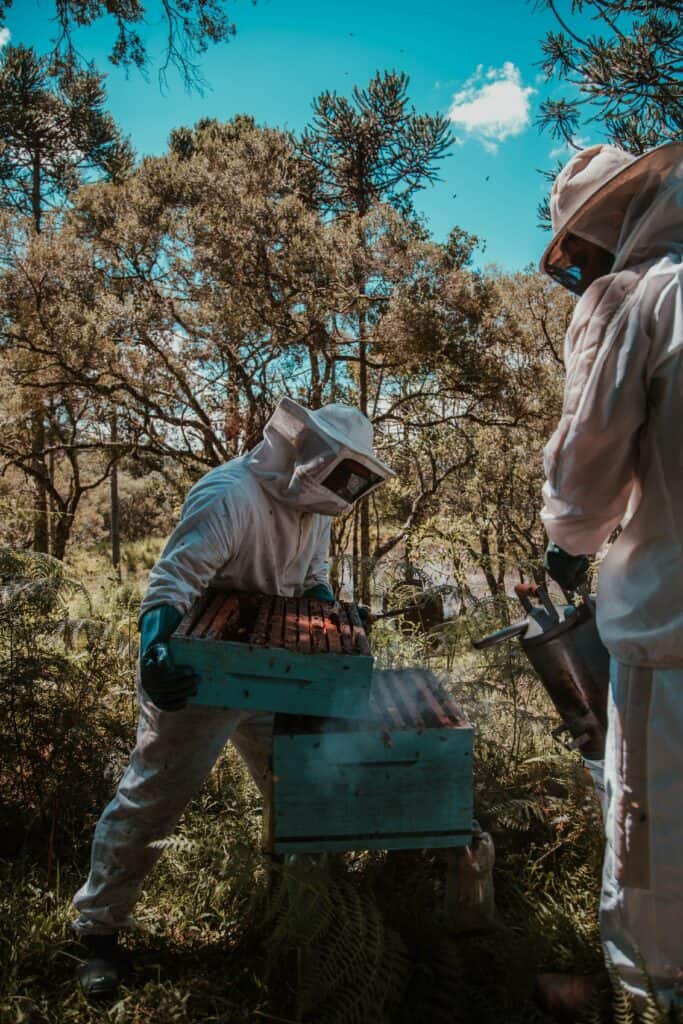
For managed honey bees in the UK and most of the world, the deadliest enemies are not predators at all but parasites and the diseases they spread. Healthy colonies depend on careful, year-round management, the kind of low-intervention care our own beekeepers practise; you can read about it in our story and learn how long colonies and individual bees actually live in our guide to how long bees live.
Varroa mite, the number one threat
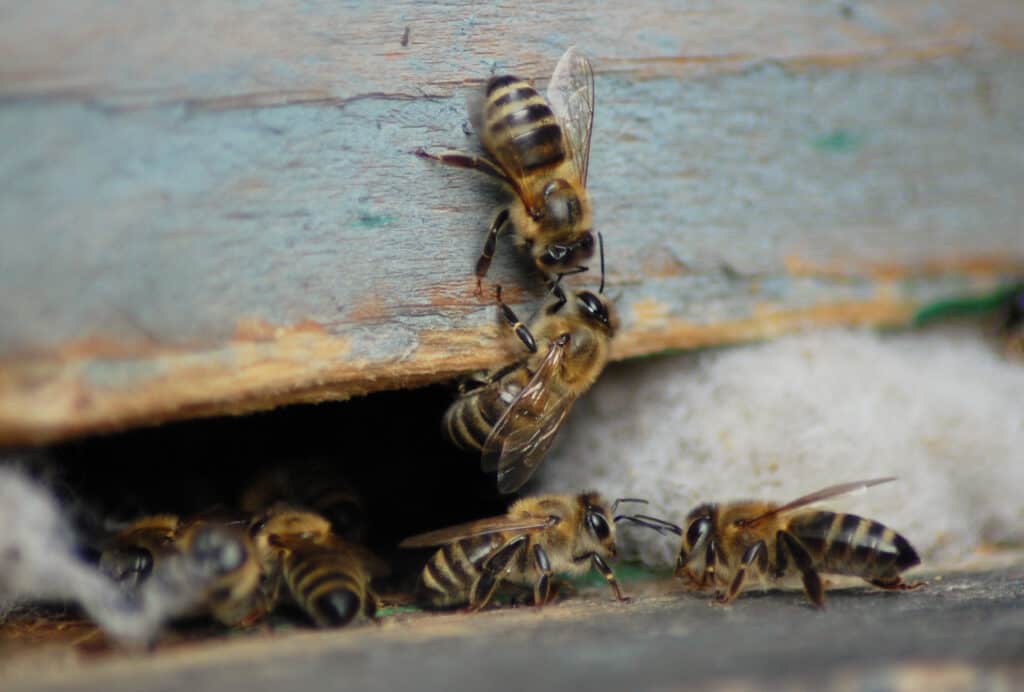
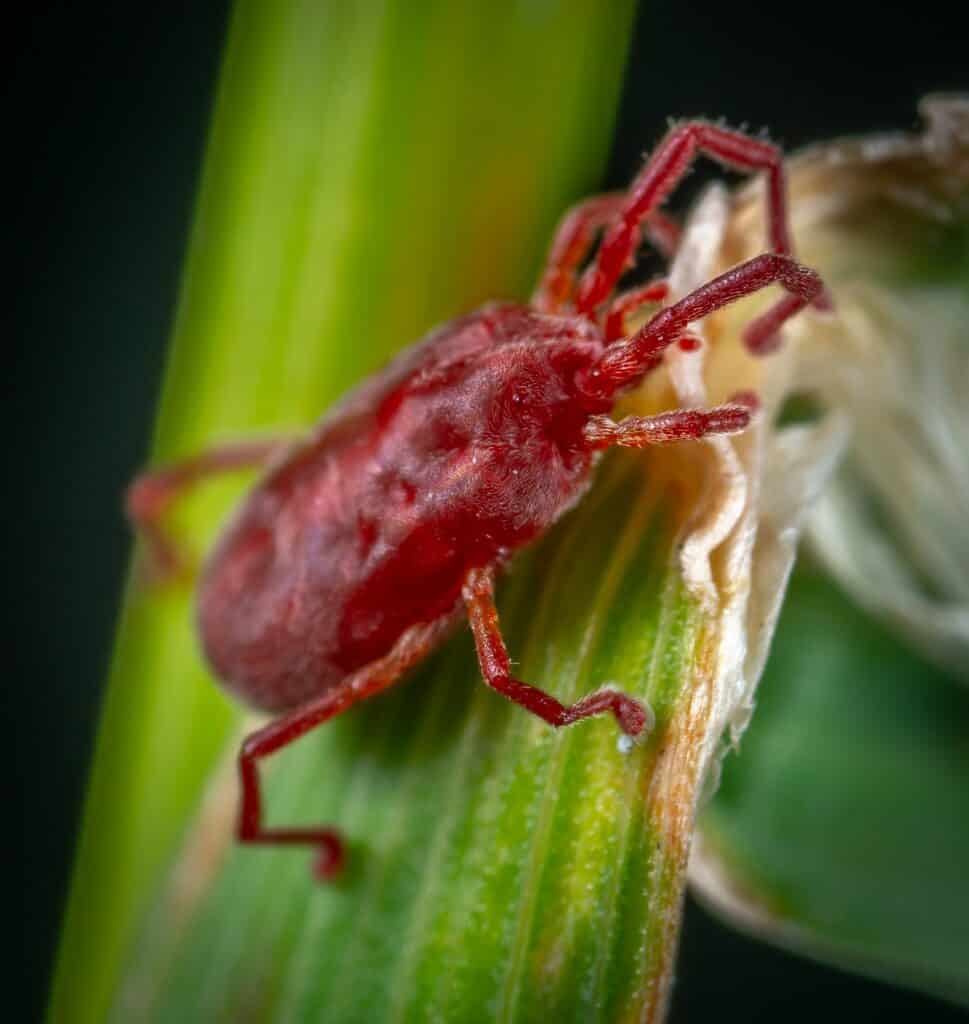
The Varroa destructor mite is the single biggest health threat to honey bees worldwide. The mites attach to bees and feed on them, and crucially they transmit viruses, most damagingly Deformed Wing Virus (DWV), which leaves bees unable to fly. First identified in Asia, Varroa has now reached every continent except Antarctica, and an untreated infestation will usually kill a colony within a couple of years. Beekeepers manage it through Integrated Pest Management: regular monitoring of mite levels, biological and physical controls, and treatment only when thresholds are crossed.
Other parasites and diseases
Tracheal mites infest the breathing tubes of adult bees, weakening and disorienting them. Wax moths and small hive beetles attack comb and stores, especially in weak colonies. Chronic Bee Paralysis Virus (CBPV) causes trembling, paralysis and death, while Nosema, a microsporidian gut parasite, spreads through contaminated comb and weakens whole colonies. Chalkbrood kills developing larvae. Many of these spread between managed and wild bees, which is one reason responsible beekeeping matters for biodiversity, not just for honey.
The strongest defence a colony has against almost every enemy on this list is simply being strong: well fed, well housed, healthy and well managed.
HoneyBee & Co. beekeeping teamWeather and Climate
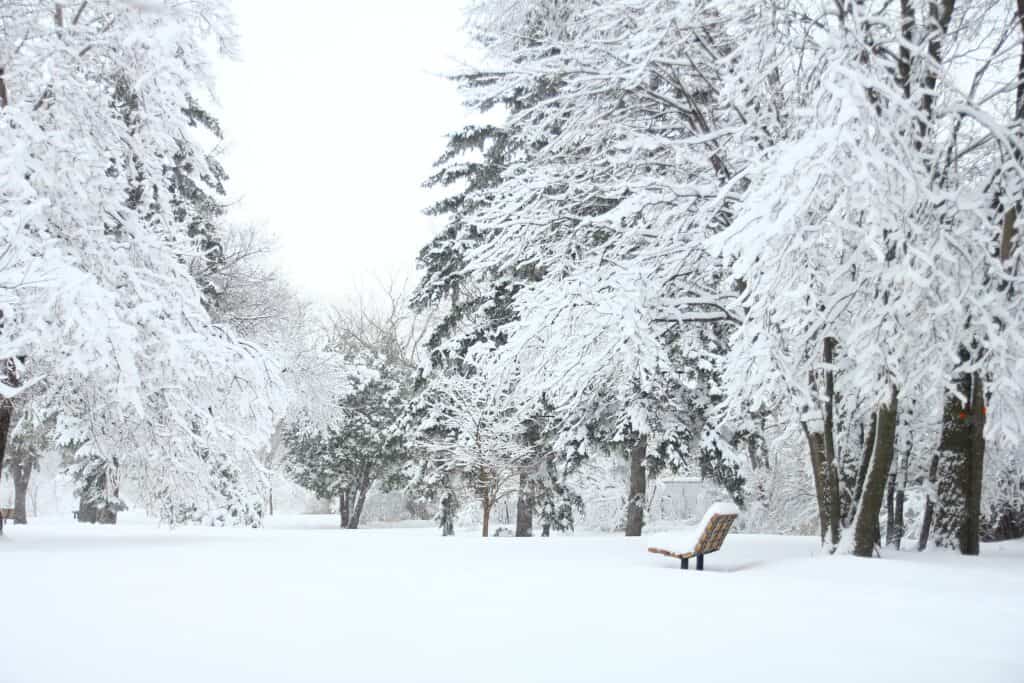
Bees are finely tuned to a narrow band of conditions, and extreme weather can be as dangerous as any predator. Prolonged cold keeps bees clustered and unable to forage, and can leave stores out of reach; sustained heat dehydrates colonies and softens comb, making hives easier for pests to invade.
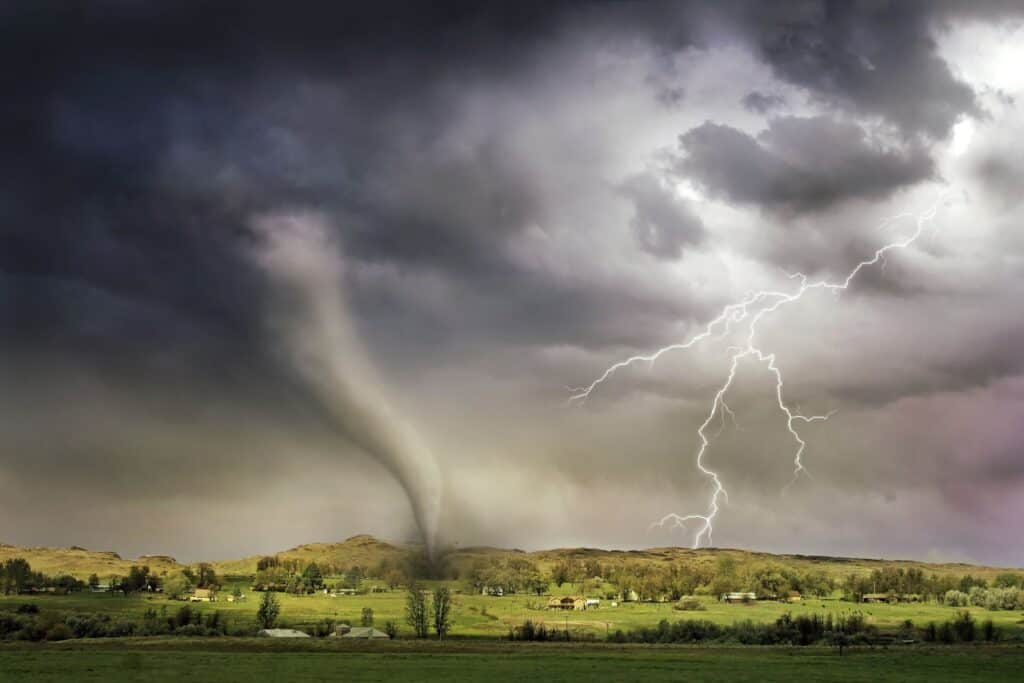

Heavy rain can flood hives and ground foragers, strong winds can topple them, and hail damages both hives and bees in flight. Climate change adds a subtler problem: when warm spells nudge plants into flower before bees emerge, or vice versa, the timing that pollination depends on slips out of sync. Beekeepers help colonies cope with good ventilation and insulation, sheltered siting, and making sure each hive carries enough stores to ride out a long winter or a hot, dry spell.

Human Activity
For all the predators and parasites above, the largest single influence on bee survival is us. Two human pressures stand out: pesticides and habitat loss.
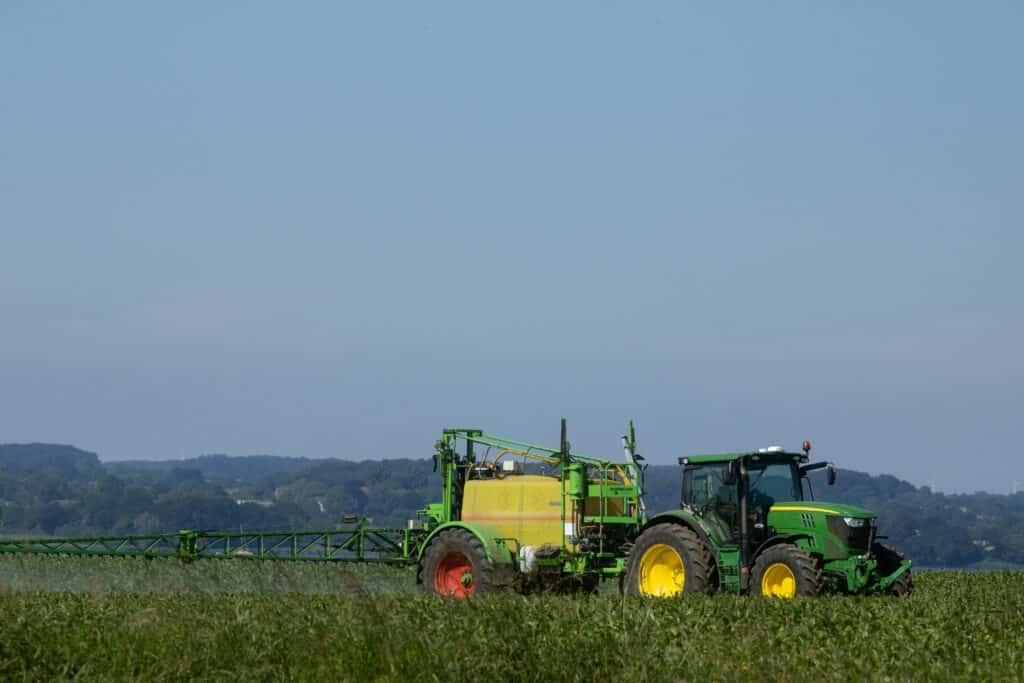
Pesticides, especially some insecticides, can kill bees outright or, at sub-lethal doses, impair their navigation, foraging and immunity, leaving them more vulnerable to the diseases above. Habitat loss is just as serious: as flower-rich meadows, hedgerows and verges give way to development and intensive monoculture, bees lose both food and nest sites. In the UK, the great majority of wildflowers depend on insect pollination, so the loss runs both ways.
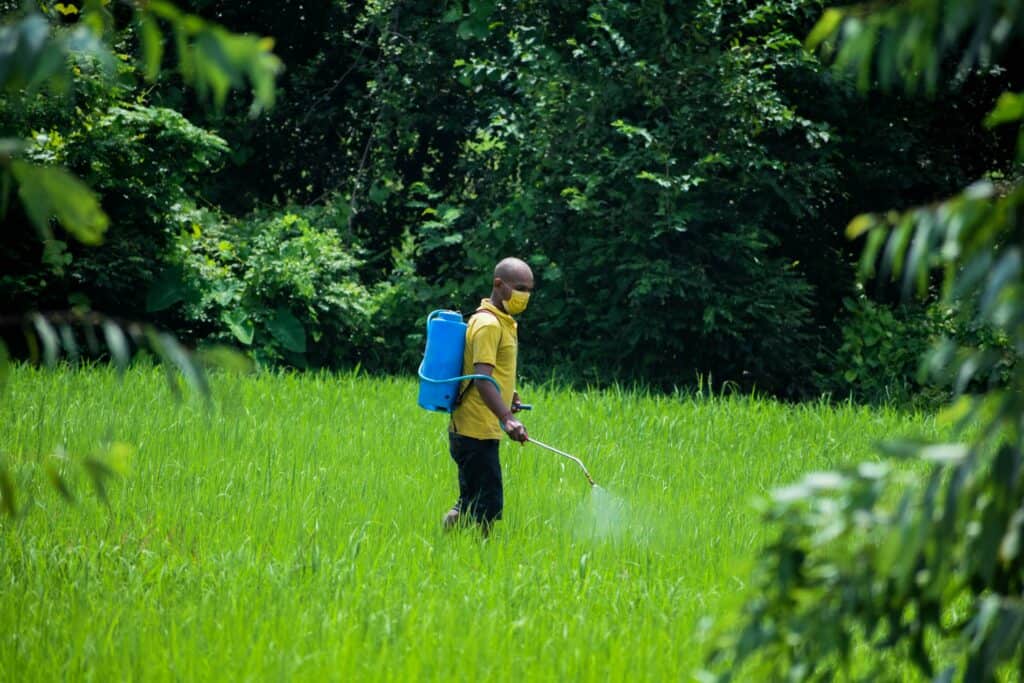
Some beekeeping practices add to the strain, including long-distance migratory pollination that can spread pests between regions, and overuse of antibiotics and chemical treatments. The fixes are well understood: integrated pest management instead of blanket spraying, protecting and restoring flower-rich habitat, and low-intervention beekeeping that keeps chemicals to a minimum. You can do your part at home, our guides to attracting bees to your garden and the flowers bees love most are a good place to start, and you can see what a world without bees would cost in our Plate Without Bees tool.
How Bees Defend Themselves
For all these threats, bees are far from helpless. Over millions of years they have evolved a layered set of defences:
Stinging. Honey bees, bumblebees and some others sting to inject venom that deters predators. A honey bee's barbed sting is a last resort, since it costs the bee its life, but it is highly effective against a colony's enemies.
Balling. When a hornet or wasp threatens the hive, workers swarm it into a tight ball and vibrate their flight muscles, raising the temperature inside until the intruder overheats. It is one of the most remarkable defences in the insect world.
Fleeing and blocking. Bees can fly fast enough to escape many predators, and guard bees will physically block the entrance with their bodies to keep a raider out.
Chemical alarm. A stinging bee releases an alarm pheromone that recruits nestmates to defend the colony, turning an individual response into a coordinated one within seconds.
Every jar backs a healthy, well-managed hive
Raw, single-origin honey from ethical beekeepers, our family apiaries in Transylvania and SALSA-certified British suppliers. 280g jars, free UK delivery on 3 or more.
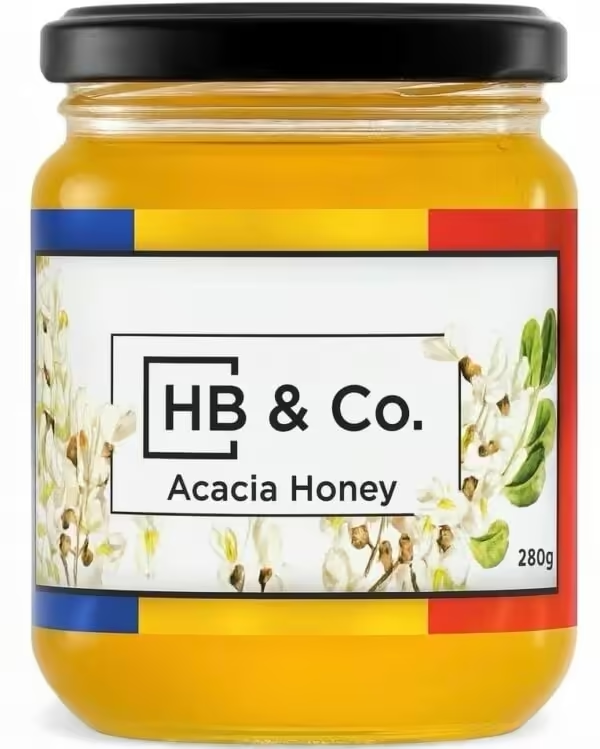
Acacia Honey
Delicate, light and floral. Slow to crystallise.
Shop now ›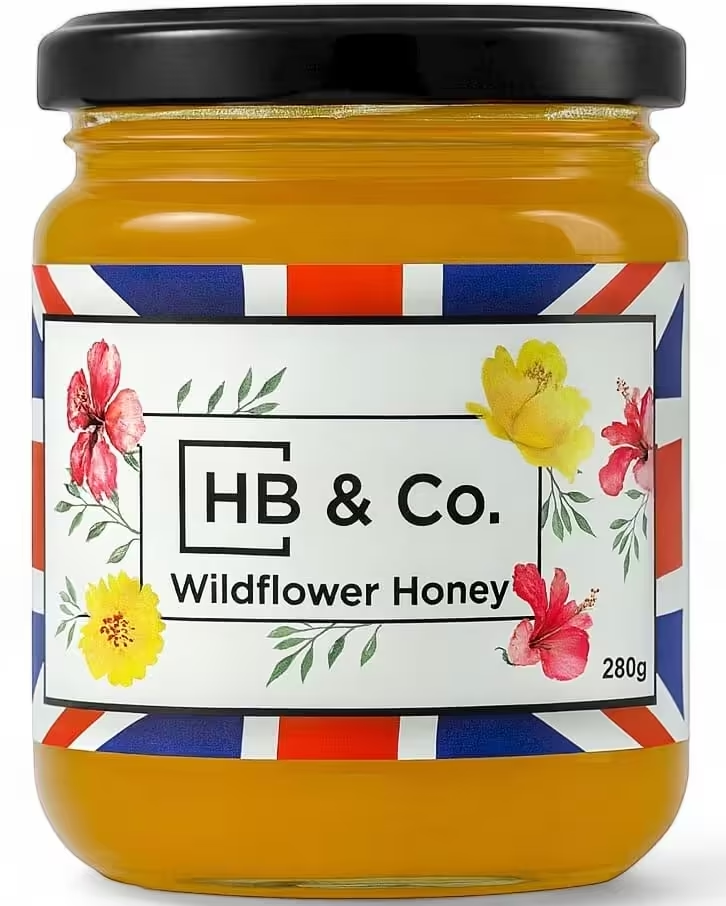
Wildflower Honey
A classic, rounded honey that carries local pollen.
Shop now ›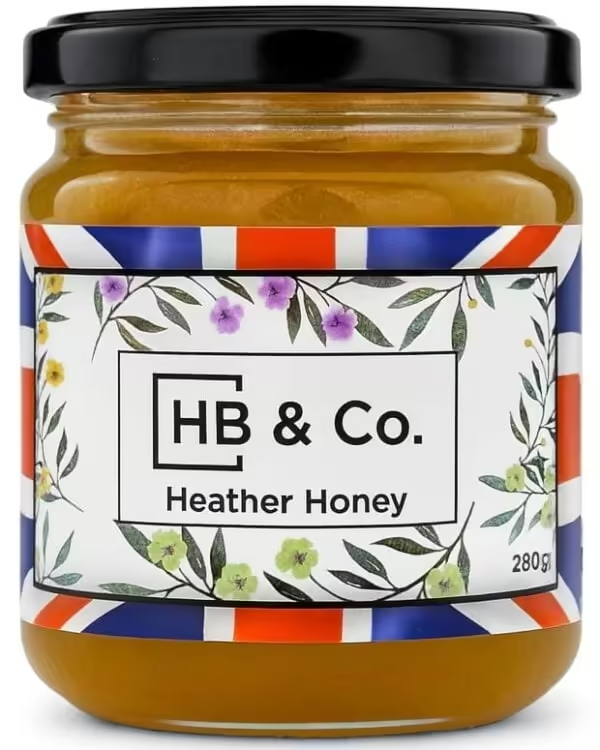
Heather Honey
Dark, robust and aromatic, with a jelly-like set.
Shop now ›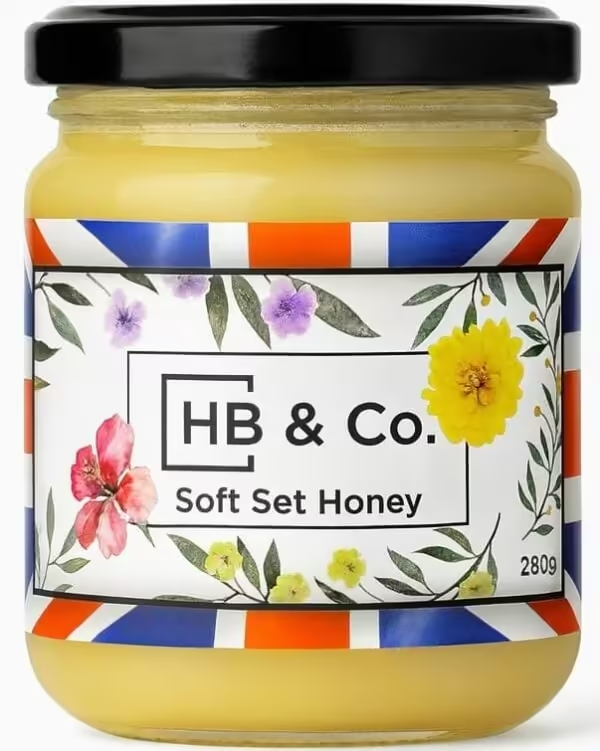
Soft Set Honey
Smooth and spreadable, never runny.
Shop now ›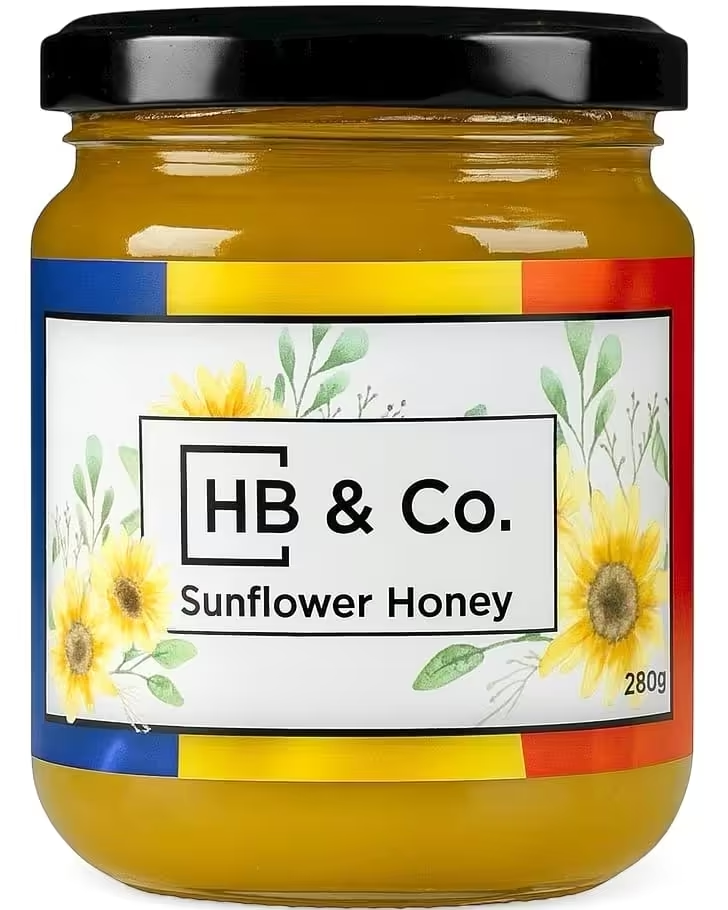
Sunflower Honey
Bright, warm and golden. Naturally quick to set.
Shop now ›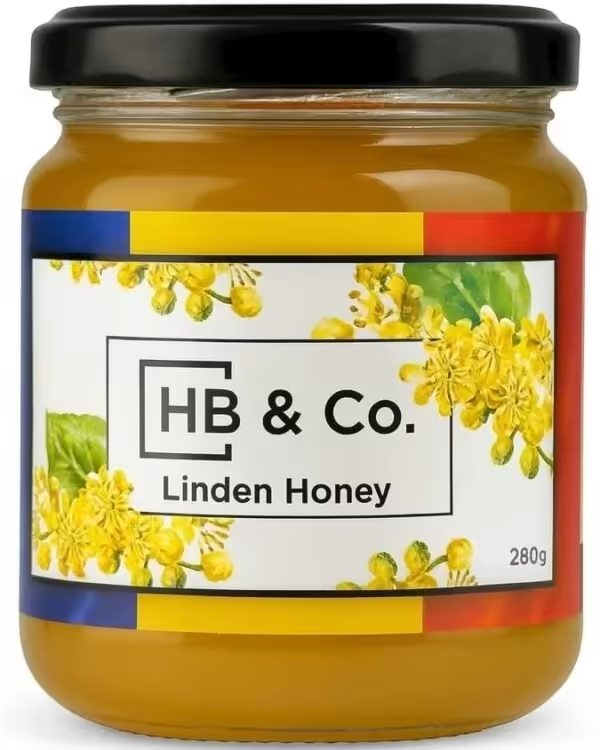
Linden Honey
Light gold with a fresh, lime-blossom finish.
Shop now ›Discovery Trio
Three of our most-loved honeys in one box. Save 5% versus buying separately, £33.22.
Explore the trio › Subscribe & saveHoney Subscription
Your favourite honey on repeat, 20% off and free delivery on every order, pause any time.
Start a subscription › For someone specialHoney Gift Sets
Ready-to-give boxes of single-origin honey, from the British Honey Bundle to seasonal selections.
See the gift sets ›Frequently Asked Questions
What are the main natural enemies of honey bees?
What is the biggest threat to bees in the UK specifically?
How do I report an Asian hornet?
How do beekeepers protect hives from predators and pests?
Why are bees important despite having so many enemies?
How can I help bees at home?
Does buying honey help or harm bees?
Should honey ever be given to babies?

Dragos Nistor
Dragos Nistor is the founder of HoneyBee & Co., a family honey brand built on six generations of beekeeping heritage rooted in Transylvanian apiculture. He combines traditional beekeeping knowledge with modern sustainability, bringing raw, unfiltered honey from hive to jar.
Driven by a belief that good food should be transparent, ethical and traceable, Dragos writes about honey authenticity, biodiversity and the vital role bees play in our ecosystems. Read more about our story.
Sources and Further Reading
- British Beekeepers Association (BBKA). Yellow-legged Asian hornet. bbka.org.uk
- UK Centre for Ecology & Hydrology. Asian Hornet Watch (for Defra). ceh.ac.uk
- Natural History Museum. Why Asian hornets are bad news for British bees. nhm.ac.uk
- Animal & Plant Health Agency, National Bee Unit. BeeBase. nationalbeeunit.com
- Museum of the Earth. The evolution and fossil record of bees. museumoftheearth.org
- Honey Bee Suite. Spiders that eat bees. honeybeesuite.com
- Farm Fit Living. Common enemies of honey bees. farmfitliving.com
- MDPI Insects. Social wasps as predators of honey bees. mdpi.com
- BBC Earth. Giant hornets and the European honey bee defence. youtube.com
- NHS. Foods to avoid giving babies and young children (honey safety). nhs.uk
Bees and Their Natural Enemies
In This Guide
- Why Bees Need Protecting
- Inside a Bee Colony
- The Three Kinds of Bee
- Birds
- Wasps and Ants
- The Asian Hornet (UK Alert)
- Are Bees, Ants and Wasps Related?
- Crab Spiders
- Wax Moths
- Small Hive Beetles
- Mammals and Birds That Raid Hives
- Pests, Parasites and Disease
- Weather and Climate
- Human Activity
- How Bees Defend Themselves
- How You Can Help (and Shop)
- Frequently Asked Questions
Key Takeaways
- Bees face threats from every direction: predators (birds, wasps, hornets, spiders, mammals), pests and parasites (Varroa mites, wax moths, hive beetles), weather, and above all human activity.
- In the UK the biggest concerns are the Varroa mite and the invasive Asian hornet (Vespa velutina), alongside pesticides and habitat loss, rather than the bears and skunks of North America.
- Bees fight back with stinging, "balling" (overheating) predators, fleeing, and chemical alarm signals, defences honed over millions of years.
- The single most useful thing most people can do is plant for pollinators, avoid pesticides, and understand why bee numbers are falling.
- Choosing raw honey from ethical, traceable beekeepers supports healthy, well-managed hives. Browse our Discovery Trio or subscribe and save 20%.
Why Bees Need Protecting
Bees are among the most important insects on Earth, pollinating the wild plants and food crops that ecosystems and people depend on. Honey bees in particular are celebrated for their complex social colonies and remarkable teamwork. Yet for all their success, bees are under constant pressure, from predators and parasites to weather and the actions of people. Understanding those threats is the first step to protecting the pollinators we cannot live without. For the bigger picture on falling numbers, see our guide to why bee populations are declining, and explore the world's bees in our complete guide to bees.
Inside a Bee Colony
A honey bee colony is a highly organised society of three castes. The queen is the sole egg-layer, producing the next generation. Worker bees, all female, make up the vast majority and do almost everything else: foraging for nectar and pollen, feeding larvae, building and cleaning comb, regulating temperature, and defending the entrance. Drones, the males, exist mainly to mate with queens from other colonies. This division of labour is what lets a colony of tens of thousands behave like a single organism, and it is also what predators and parasites try to exploit. To see how the colony turns nectar into honey, read how bees make honey.
The Three Kinds of Bee
Not all bees live in hives. Honey bees form large, perennial colonies and are the bees behind the honey in your cupboard. Bumblebees live in smaller annual nests and are superb pollinators, especially through "buzz pollination" of crops like tomatoes. Solitary bees, which make up most of the UK's roughly 270 bee species, do not live in colonies at all: each female builds and provisions her own nest. Mason bees and leafcutter bees are familiar examples. Meet some of them in our species profiles for the red mason bee, the buff-tailed bumblebee and the tree bumblebee, or map them all in the UK Bee Map.
Birds
Birds are among the most visible predators of bees, taking adults on the wing and raiding hives for honey and brood. Some, such as bee-eaters and honey buzzards, are specialists adapted to hunt stinging insects; others are opportunists. The hive entrance, where guard bees are stationed, is the vulnerable point most birds target, which is why beekeepers watch it closely.
Crows
Crows are highly intelligent and have been observed using tools to pry at hives. They will take both honey and bees, and a determined crow can leave a colony short of the stores it needs to survive.
Magpies
Magpies have strong beaks and can break into weak or poorly protected hives, taking honey, adult bees and even eggs and larvae, reducing the colony's population.
Starlings
Starlings will raid hives for honey and bees and can damage comb. In gardens they are more often a nuisance than a colony-ending threat, but in numbers they add to the pressure on a struggling hive.
Beekeepers deter birds with simple, non-lethal measures: entrance reducers and mesh guards, raising hives on stands, siting them with some overhead cover, and using visual deterrents. None of this harms the birds, which are themselves a valued part of the ecosystem.
Wasps and Ants
Wasps, especially yellowjackets and hornets, are among the most damaging insect enemies of honey bees. They raid hives for honey and for protein-rich larvae, and they kill foraging and guard bees outright. The pressure peaks in late summer and autumn, when wild wasp colonies run short of food and turn to the rich stores of a beehive.
Social wasps are organised and aggressive in defence of their own nests, and that aggression extends to raiding bee colonies they see as competition. A strong honey bee colony can mount a famous defence: workers mob an intruding wasp or hornet into a tight ball and raise the temperature inside it until the predator overheats and dies. It works, but it costs the lives of many bees and weakens an already stressed colony.
Beekeepers reduce wasp losses by fitting entrance reducers so a smaller force of guard bees can defend the hive, by setting baited wasp traps away from the apiary, and by keeping colonies strong, since weak hives are the ones that get robbed. Chemical controls are a last resort because they harm beneficial insects too.
Watch: Giant Hornets Massacre European Bees, Buddha Bees and the Giant Hornet Queen (BBC Earth).
Ants
Ants are opportunists. They climb into hives to steal honey, and aggressive species such as Argentine ants can overwhelm a weak colony, attacking larvae and even adult bees. Ants can also carry pathogens between hives, helping diseases such as Nosema to spread. Hive stands with greased legs or water moats keep most ants out without chemicals.
The Asian Hornet: Britain's Newest Threat
No predator worries British beekeepers more right now than the yellow-legged Asian hornet (Vespa velutina). It is not native to Europe: the entire European population is thought to descend from a single fertilised queen that arrived in France around 2004, and the species has since spread across more than a dozen countries. The first confirmed UK sighting was in Tetbury, Gloucestershire, in 2016.
What makes Vespa velutina so dangerous is a hunting technique called "hawking": the hornet hovers outside a hive entrance and snatches returning foragers in mid-air, dismembering them and carrying the protein-rich thorax back to feed its larvae. Native western honey bees evolved no defence against it. Under sustained attack, foragers stop leaving the hive, the queen stops laying, and the colony can collapse. A University of Exeter study found the hornet preys on more than 1,400 insect species, so the risk extends well beyond honey bees to wild pollinators too.
Thanks to rapid monitoring and nest destruction by the Animal and Plant Health Agency's National Bee Unit, the Asian hornet is not yet established in mainland Britain, but new queens keep arriving from Europe and early-year sightings are increasing. It is smaller than our native European hornet, with a dark, velvety thorax, a single orange-yellow band on the abdomen and unmistakable yellow legs. It poses no greater risk to people than an ordinary wasp.
See it, snap it, send it
If you think you have seen an Asian hornet, photograph it from a safe distance and report it through the Asian Hornet Watch app (UKCEH, for Defra) or the British Beekeepers Association. A clear photo is essential, as written descriptions alone are rarely actioned. Never disturb a nest.
For the wider context of how invasive species and other pressures are reshaping our pollinators, see why bee populations are declining.
Are Bees, Ants and Wasps Related?
They are, and the family resemblance explains a lot of the rivalry. Bees evolved from ancient predatory wasps roughly 120 million years ago. Those wasp ancestors hunted other insects to feed their young; somewhere along the line, one lineage switched to a vegetarian diet of nectar and pollen and became the bees. You can explore that story at the Museum of the Earth's evolution of bees resource.
All three belong to the insect order Hymenoptera, but to different families. Bees (family Apidae and relatives) are typically furry, built to carry pollen. Ants (Formicidae) are social specialists with a narrow waist and bulbous abdomen. Wasps (Vespidae and others) are slimmer, smoother and built to hunt. Same order, very different jobs. For a closer look at one common mix-up, read bumblebee vs honeybee.
Crab Spiders
Crab spiders (family Thomisidae) are ambush hunters that wait on flowers, the very places bees must visit to forage. Many can slowly change colour to match a bloom, sitting invisible until a bee lands, then seizing it and injecting a paralysing venom. They take a wide range of insects, including bees, hoverflies, beetles and butterflies. They are part of the natural balance rather than a threat to whole colonies, and their fangs are generally too small to harm people. The Honey Bee Suite has a useful overview of spiders that eat bees.
Wax Moths
Wax moths (Galleria mellonella and Achroia grisella) lay their eggs in the hive, and the larvae tunnel through the comb, eating wax, pollen and stored honey and leaving a mess of silk and frass behind. A strong colony polices its comb and keeps them in check; wax moths are really a symptom of a weak or queenless hive rather than the original cause of its decline. Beekeepers prevent infestations by keeping colonies strong, rotating out old comb, and freezing stored frames to kill any eggs. The Farm Fit Living guide lists wax moths among the common enemies of honey bees.
Small Hive Beetles
The small hive beetle (Aethina tumida) lays its eggs in the hive, and the larvae feed on comb, pollen and honey, fermenting the stores into a slimy, foul-smelling mess that bees will abandon. It is a serious pest in parts of the world and a notifiable threat that UK beekeepers watch for closely, though it is not currently established in Britain. Regular inspection, strong colonies and clean equipment are the front line of defence, and quarantining incoming equipment helps keep it from arriving in the first place.
Mammals and Birds That Raid Hives
Larger animals raid hives for the rich reward of honey, brood and adult bees. Which animals depends on where in the world the apiary sits, and this is where a lot of online advice, including the original version of this article, leans heavily on North America.
Bears, raccoons and skunks (mainly North America)
Bears are the most destructive hive raiders where they occur, strong enough to flatten a hive for the brood and honey inside, with most attacks coming in late summer before hibernation. Raccoons use their nimble paws to prise hives open at night, and skunks scratch at the entrance after dark and eat the guard bees that come out to investigate. Beekeepers in bear country rely on sturdy electric fencing; against raccoons and skunks, raised stands and entrance guards do most of the work.
What raids hives in the UK?
British beekeepers rarely worry about bears, but they do contend with the green woodpecker, which can drill into a hive in hard winter weather, badgers, which may tip a hive to reach the brood, and above all mice, which move into hives over winter to nest in the warm comb. A simple metal mouse guard across the entrance in autumn solves the last one, the single most common piece of UK hive protection. Wasps and the emerging Asian hornet remain the more serious insect threats here.
Pests, Parasites and Disease
For managed honey bees in the UK and most of the world, the deadliest enemies are not predators at all but parasites and the diseases they spread. Healthy colonies depend on careful, year-round management, the kind of low-intervention care our own beekeepers practise; you can read about it in our story and learn how long colonies and individual bees actually live in our guide to how long bees live.
Varroa mite, the number one threat
The Varroa destructor mite is the single biggest health threat to honey bees worldwide. The mites attach to bees and feed on them, and crucially they transmit viruses, most damagingly Deformed Wing Virus (DWV), which leaves bees unable to fly. First identified in Asia, Varroa has now reached every continent except Antarctica, and an untreated infestation will usually kill a colony within a couple of years. Beekeepers manage it through Integrated Pest Management: regular monitoring of mite levels, biological and physical controls, and treatment only when thresholds are crossed.
Other parasites and diseases
Tracheal mites infest the breathing tubes of adult bees, weakening and disorienting them. Wax moths and small hive beetles attack comb and stores, especially in weak colonies. Chronic Bee Paralysis Virus (CBPV) causes trembling, paralysis and death, while Nosema, a microsporidian gut parasite, spreads through contaminated comb and weakens whole colonies. Chalkbrood kills developing larvae. Many of these spread between managed and wild bees, which is one reason responsible beekeeping matters for biodiversity, not just for honey.
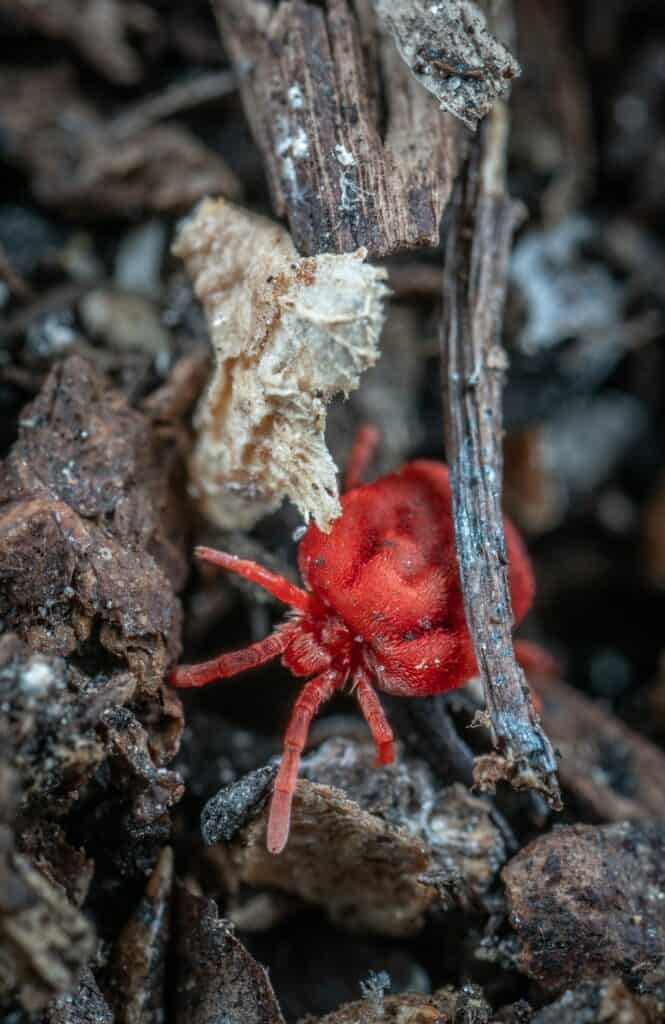
The strongest defence a colony has against almost every enemy on this list is simply being strong: well fed, well housed, healthy and well managed.
HoneyBee & Co. beekeeping teamWeather and Climate
Bees are finely tuned to a narrow band of conditions, and extreme weather can be as dangerous as any predator. Prolonged cold keeps bees clustered and unable to forage, and can leave stores out of reach; sustained heat dehydrates colonies and softens comb, making hives easier for pests to invade.
Heavy rain can flood hives and ground foragers, strong winds can topple them, and hail damages both hives and bees in flight. Climate change adds a subtler problem: when warm spells nudge plants into flower before bees emerge, or vice versa, the timing that pollination depends on slips out of sync. Beekeepers help colonies cope with good ventilation and insulation, sheltered siting, and making sure each hive carries enough stores to ride out a long winter or a hot, dry spell.
Human Activity
For all the predators and parasites above, the largest single influence on bee survival is us. Two human pressures stand out: pesticides and habitat loss.
Pesticides, especially some insecticides, can kill bees outright or, at sub-lethal doses, impair their navigation, foraging and immunity, leaving them more vulnerable to the diseases above. Habitat loss is just as serious: as flower-rich meadows, hedgerows and verges give way to development and intensive monoculture, bees lose both food and nest sites. In the UK, the great majority of wildflowers depend on insect pollination, so the loss runs both ways.
Some beekeeping practices add to the strain, including long-distance migratory pollination that can spread pests between regions, and overuse of antibiotics and chemical treatments. The fixes are well understood: integrated pest management instead of blanket spraying, protecting and restoring flower-rich habitat, and low-intervention beekeeping that keeps chemicals to a minimum. You can do your part at home, our guides to attracting bees to your garden and the flowers bees love most are a good place to start, and you can see what a world without bees would cost in our Plate Without Bees tool.
How Bees Defend Themselves
For all these threats, bees are far from helpless. Over millions of years they have evolved a layered set of defences:
Stinging. Honey bees, bumblebees and some others sting to inject venom that deters predators. A honey bee's barbed sting is a last resort, since it costs the bee its life, but it is highly effective against a colony's enemies.
Balling. When a hornet or wasp threatens the hive, workers swarm it into a tight ball and vibrate their flight muscles, raising the temperature inside until the intruder overheats. It is one of the most remarkable defences in the insect world.
Fleeing and blocking. Bees can fly fast enough to escape many predators, and guard bees will physically block the entrance with their bodies to keep a raider out.
Chemical alarm. A stinging bee releases an alarm pheromone that recruits nestmates to defend the colony, turning an individual response into a coordinated one within seconds.
Every jar backs a healthy, well-managed hive
Raw, single-origin honey from ethical beekeepers, our family apiaries in Transylvania and SALSA-certified British suppliers. 280g jars, free UK delivery on 3 or more.
Acacia Honey
Delicate, light and floral. Slow to crystallise.
Shop now ›Wildflower Honey
A classic, rounded honey that carries local pollen.
Shop now ›Heather Honey
Dark, robust and aromatic, with a jelly-like set.
Shop now ›Soft Set Honey
Smooth and spreadable, never runny.
Shop now ›Sunflower Honey
Bright, warm and golden. Naturally quick to set.
Shop now ›Linden Honey
Light gold with a fresh, lime-blossom finish.
Shop now ›Discovery Trio
Three of our most-loved honeys in one box. Save 5% versus buying separately, £33.22.
Explore the trio › Subscribe & saveHoney Subscription
Your favourite honey on repeat, 20% off and free delivery on every order, pause any time.
Start a subscription › For someone specialHoney Gift Sets
Ready-to-give boxes of single-origin honey, from the British Honey Bundle to seasonal selections.
See the gift sets ›Frequently Asked Questions
What are the main natural enemies of honey bees?
What is the biggest threat to bees in the UK specifically?
How do I report an Asian hornet?
How do beekeepers protect hives from predators and pests?
Why are bees important despite having so many enemies?
How can I help bees at home?
Does buying honey help or harm bees?
Should honey ever be given to babies?
Dragos Nistor
Dragos Nistor is the founder of HoneyBee & Co., a family honey brand built on six generations of beekeeping heritage rooted in Transylvanian apiculture. He combines traditional beekeeping knowledge with modern sustainability, bringing raw, unfiltered honey from hive to jar.
Driven by a belief that good food should be transparent, ethical and traceable, Dragos writes about honey authenticity, biodiversity and the vital role bees play in our ecosystems. Read more about our story.
Sources and Further Reading
- British Beekeepers Association (BBKA). Yellow-legged Asian hornet. bbka.org.uk
- UK Centre for Ecology & Hydrology. Asian Hornet Watch (for Defra). ceh.ac.uk
- Natural History Museum. Why Asian hornets are bad news for British bees. nhm.ac.uk
- Animal & Plant Health Agency, National Bee Unit. BeeBase. nationalbeeunit.com
- Museum of the Earth. The evolution and fossil record of bees. museumoftheearth.org
- Honey Bee Suite. Spiders that eat bees. honeybeesuite.com
- Farm Fit Living. Common enemies of honey bees. farmfitliving.com
- MDPI Insects. Social wasps as predators of honey bees. mdpi.com
- BBC Earth. Giant hornets and the European honey bee defence. youtube.com
- NHS. Foods to avoid giving babies and young children (honey safety). nhs.uk
1 thought on “Bees and their natural enemies”
Comments are closed.
Bees and their natural enemies play a crucial role in the delicate balance of our ecosystem. Bees, as pollinators, are not only essential for the reproduction of countless plant species but also for our agricultural systems, ensuring the production of fruits, vegetables, and nuts. However, they face a multitude of natural enemies that can threaten their populations and disrupt these vital processes.
One of the primary natural enemies of bees is the Varroa destructor mite, which infests bee colonies and weakens them, often leading to colony collapse. Pesticides and habitat loss also contribute to the challenges faced by bees. It’s imperative that we recognize the intricate web of relationships in our environment and take steps to protect bees from these threats.
Conservation efforts, such as promoting pollinator-friendly habitats, reducing pesticide use, and researching innovative solutions to mitigate the impact of natural enemies, are essential to safeguarding the health and survival of bee populations. Our understanding of these interactions should motivate us to take action, as the fate of bees and their natural enemies is closely tied to the well-being of our planet and our food supply.