

 English (UK)
  Italiano
  Français
  简体中文
简体中文  한국어
한국어 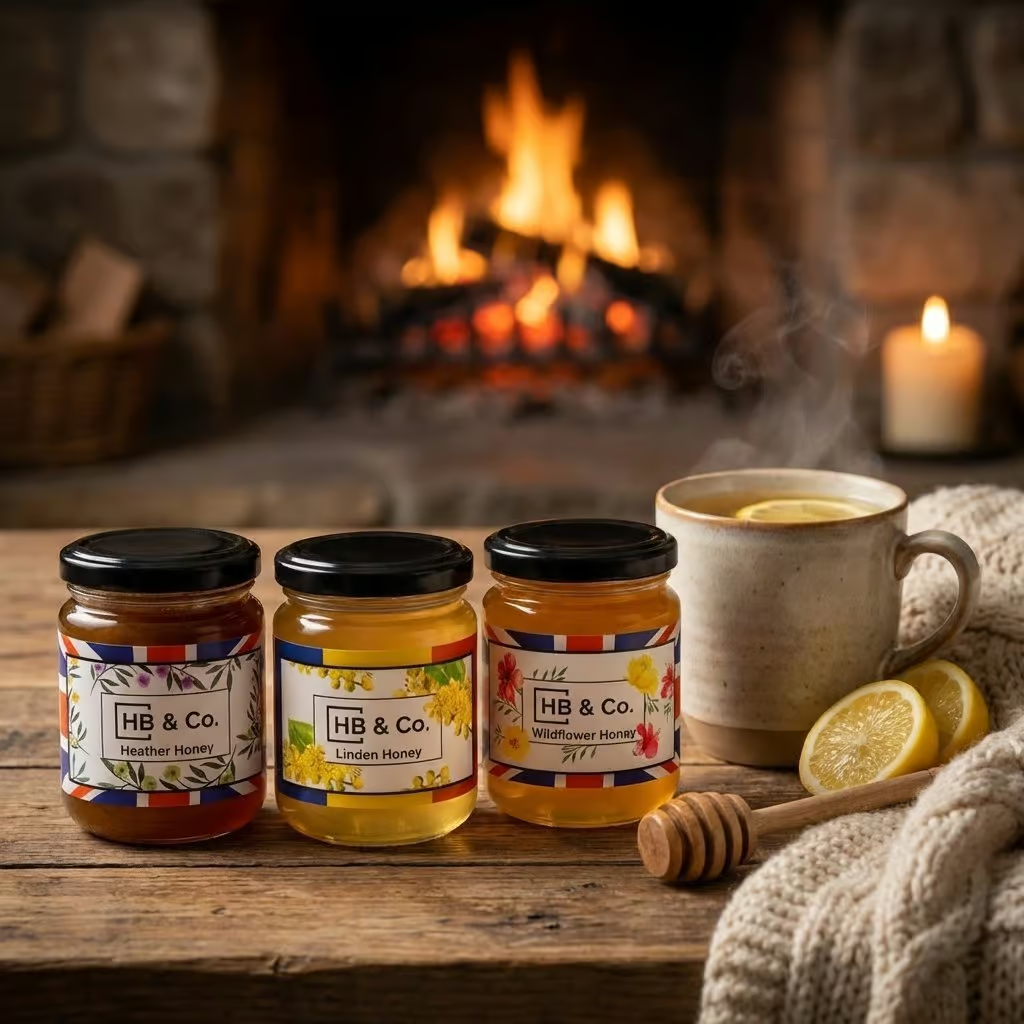
In This Guide
Key Takeaways
- Honey dissolves cleanly into warm drinks and brings a depth that sugar simply cannot.
- For a hot toddy, a bold honey like heather or aromatic linden stands up to whisky and spice.
- For a gentle honey and lemon, a milder honey such as wildflower or acacia is lovely.
- Always use hot, not boiling, water so the honey keeps its aroma. Never give honey to a baby under 12 months.
- Our Winter Warmer Selection brings together the honeys made for cold-weather cups.
Why Honey Rules Winter Drinks
There is a reason honey has warmed winter drinks for centuries. It melts into anything hot, sweetens without the flat edge of refined sugar, and adds its own character, a malty richness from heather, a floral lift from linden, a clean sweetness from acacia. Whether it is a nightcap by the fire or a soothing cup when you are under the weather, honey is what makes a winter drink feel like a small act of looking after yourself.
As ever, the trick is matching the honey to the drink. A delicate honey is lost in a spiced toddy; a bold one can overpower a gentle honey and lemon. Here is how to pour the perfect cup, whatever the weather is doing outside.
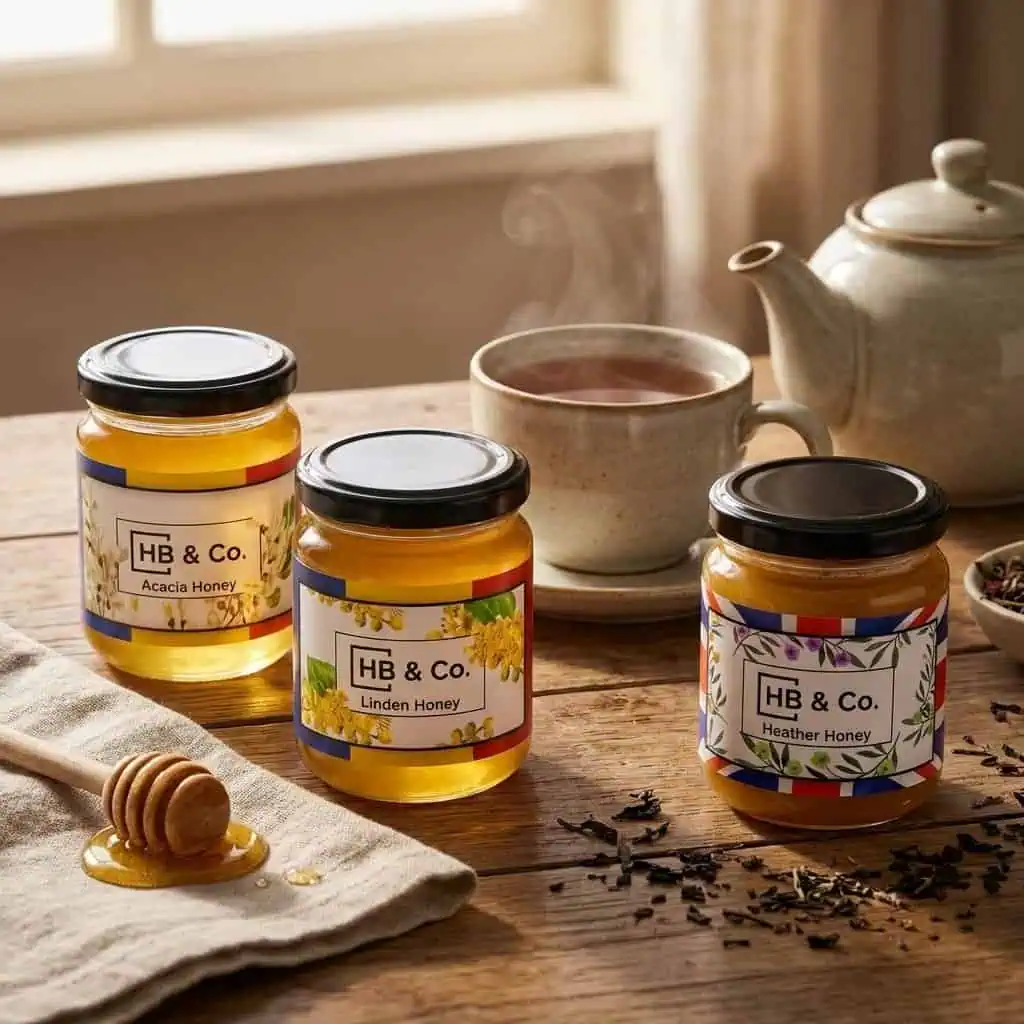
Honey and winter go back a long way. Long before central heating, a hot, sweet, honeyed drink was how people took the edge off a cold evening, and the ritual has survived because it still works. A good honey does three things at once in a winter cup: it sweetens, it adds body, and it brings a flavour of its own, so a honeyed drink tastes of something rather than just of sugar. Get the honey right and the simplest cup of hot water feels like a treat.
A honeyed cup is the oldest comfort there is. Long before medicine cabinets, there was a kettle, a spoon and a good jar of honey.
Hot, Not Boiling: The Science
The single most useful rule for honey in winter drinks is to use hot, not boiling, water. Here is why it matters.
Why hot, and not boiling? Honey's prized aromas are delicate and volatile, and food chemists note that hard heating drives off much of its flavour and aroma and degrades its natural enzymes. Heat also forms a compound called HMF (hydroxymethylfurfural) from the fructose in honey. HMF is used internationally as a marker that honey has not been overheated; the Codex standard caps it at 40 mg/kg in honey sold for eating. None of this makes a warm toddy any less safe to drink. It simply means the gentler you are with the heat, the more of the honey's real character survives in the cup.
In practice it could not be easier. Boil the kettle, then let it stand for a minute, or top boiling water up with a splash of cold, before you stir the honey in. The drink will still be piping hot, but the honey's flavour will come through far more clearly than if you scald it.
The Classic Hot Toddy
The hot toddy is the king of winter drinks, and honey is its heart. The proportions are forgiving, so adjust to taste, but this is the template:
- 50ml whisky (or swap in dark rum or brandy)
- 1 to 2 teaspoons of heather or linden honey
- The juice of a quarter to half a lemon, plus a slice to serve
- Hot, not boiling, water to top up
- Optional: a cinnamon stick, a few cloves or a star anise
Warm your mug first, add the honey, lemon and spirit, then top with hot water and stir until the honey dissolves. Drop in the spices and lemon slice and let it steep for a minute. A bold honey matters here: it has to carry through the whisky and spice rather than disappear, which is why heather and linden are our picks. For a non-alcoholic version, leave out the spirit entirely and you have the classic honey, lemon and hot water, every bit as comforting.
Which Honey for Which Drink
| Winter drink | Best honey | Why |
|---|---|---|
| Hot toddy | Heather / Linden | Bold enough to carry through whisky and spice. |
| Honey & lemon | Wildflower / Acacia | Gentle and clean, lets the lemon shine. |
| Honey in tea | Linden / Acacia | Aromatic with black tea, mild with green or herbal. |
| Hot chocolate | Heather | Malty depth that loves chocolate. |
| Honey in coffee | Heather / Sunflower | Robust enough to stand up to a strong roast. |
| Mulled drinks | Linden | Its herbal aroma suits warming spices. |
If you would rather have the line-up chosen for you, the Winter Warmer Selection gathers a bold, an aromatic and a gentle honey in one box, the three you need to cover every winter cup.
Cosy bundleThe Winter Warmer Selection
Heather, linden and wildflower, the three honeys we reach for all winter, bold enough for a toddy, aromatic for a mulled cup, gentle for honey and lemon.
- Three 280g jars
- Bold, aromatic and gentle
- Toddies, tea and hot lemon
- Free UK delivery
Hot Honey and Lemon
The alcohol-free cousin of the toddy is honey and lemon in warm water, and it is the cup most of us reach for when there is a chill in the air or a tickle in the throat. For this one, reach for a milder honey, wildflower or acacia, so the lemon and honey stay bright and fresh. Use hot rather than boiling water, stir until the honey melts, and add a slice of fresh lemon. One firm rule: never give honey to a baby under 12 months.

It is the most forgiving drink there is. A spoon of honey, the juice of half a lemon, hot water, and a slice of lemon or a thin coin of ginger if you like. Some people add a pinch of cinnamon or a few cloves; others keep it plain. There is no wrong way, only the way you like it. Make it in a mug you love, wrap your hands around it, and it does half its work before you have even taken a sip.
A spoon of good honey, a squeeze of lemon, hot water. Few things do more to take the edge off a winter evening.
Honey and Lemon for Sore Throats
Most of us were handed a honey and lemon at the first sign of a cold as children, and it turns out the tradition has some evidence behind it.
The honey and lemon drink is more than tradition. UK health bodies include it in their self-care advice: the NHS suggests a warm honey and lemon drink to help soothe a cough or sore throat, and NICE lists honey as a first-line self-care option for an uncomplicated acute cough in adults and children over one. The research is modest but real. A 2018 Cochrane review concluded that honey "may be more effective than placebo or no treatment"
for acute cough in children, and a 2021 University of Oxford review in BMJ Evidence-Based Medicine found honey improved cough symptoms compared with usual care. One safety rule applies throughout: never give honey to a baby under 12 months.
To be clear about what this is and is not: a warm honey and lemon is a comforting, widely recommended home drink, not a medicine or a cure. If a cough or sore throat is severe or does not settle, see a pharmacist or doctor. And the under-one rule is absolute, because of the small risk of infant botulism, honey is never given to babies under 12 months.
Honey in Tea and Coffee
Honey in tea is a daily pleasure, and the honey you choose changes the cup. With a strong black tea such as breakfast blend or Earl Grey, an aromatic linden is lovely; with a delicate green or herbal tea, a mild acacia keeps things clean. The golden rule still applies: let the tea cool from boiling for a minute before stirring the honey in. Our guide to honey in tea goes deeper, and the Tea Lovers' Selection brings together the jars we reach for at the kettle.
Coffee is the tougher test. A strong roast will swallow a delicate honey whole, so reach for something with more backbone: bold heather or golden sunflower both stand up to it, lending a rounded sweetness that white sugar cannot. Stir it into a flat white or a long black once it has stopped steaming hard, and you will taste the difference.
Hot Chocolate and Mulled Drinks
Hot chocolate and honey were made for each other. The malty depth of heather honey loves dark chocolate in particular, rounding out the bitterness and adding a grown-up richness. Stir a teaspoon into your usual hot chocolate in place of sugar and it becomes something more indulgent.
Mulled drinks, whether mulled wine, mulled cider or a spiced apple, are another natural home for honey. Here the aromatic linden comes into its own, its herbal note weaving through cinnamon, clove and orange. Add the honey towards the end of warming, off a hard boil, so its fragrance is not cooked away, and taste as you go: mulled drinks are very much to personal taste.
Five Winter-Drink Mistakes to Avoid
- Using boiling water. It scalds the honey and drives off the aroma. Let the kettle settle for a minute first.
- Reaching for a delicate honey in a spiced toddy. It vanishes. Bold drinks need a bold honey.
- Overpowering a gentle honey and lemon. A dark, malty honey muscles out the lemon. Keep this one mild.
- Adding honey too early to mulled drinks. Long simmering cooks off the fragrance. Stir it in near the end.
- Giving honey to a baby under one. Never do this, at any time of year. Honey is for ages one and up.
And if your jar has set solid, that is crystallisation, not spoilage. Stand it in warm water for a few minutes to bring it back to a pour. More in the science behind the solid state of raw honey.
Tips From Our Kitchen
- Warm the mug first: a quick swirl of hot water in the mug keeps your toddy hotter for longer.
- Keep a teaspoon in the jar: in winter we keep a dedicated honey spoon by the kettle, ready for the morning brew and the evening toddy.
- Loosen set honey gently: stand the jar in warm, not boiling, water; the same kindness with heat that you give your drinks.
- Match the honey to the spirit: heather with whisky, linden with rum, a milder honey with brandy, each brings out something different.
Fun Facts & Curiosities
- The toddy is centuries old. Hot spirit, honey, lemon and spice has warmed cold evenings across Britain and beyond for hundreds of years.
- Colour hints at strength. As a rough guide, paler honeys such as acacia are milder, while darker ones such as heather are bolder, useful when matching to a drink.
- Honey is hygroscopic. It draws in moisture, which is part of why it feels so soothing and coating in a warm drink.
For more, dip into our 8 facts about honey and our collection of honey and bee trivia.
Why Our Honey Is Different
Any good honey warms a winter drink. It warms it best when the honey is raw, single-origin and full of character, which is exactly what we set out to make. Every HoneyBee & Co. jar is raw and unblended, from our family's Transylvanian apiaries, tended across six generations of beekeeping by Fanel and Grigore Nistor, or from our British honey supplier, who holds SALSA Certification. It is the same honey that was featured in Vogue's Summer Hot List across three editions in summer 2024.
That range is what lets one brand cover a whole winter: the bold heather for the toddy and the cocoa, the aromatic linden for tea and mulled drinks, the gentle wildflower for an honest honey and lemon. Read more about the family and the hives on our about page.
The honeys made for winter cups
Raw, single-origin honey for toddies, honey and lemon, tea and cocoa. Free UK delivery on three or more jars and on every subscription order.
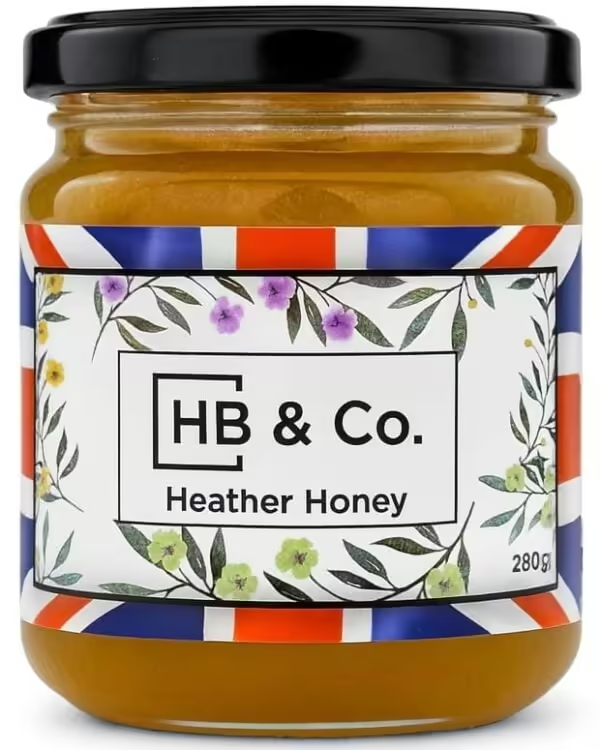
Heather Honey
Dark and malty, the one for toddies and hot chocolate.
Shop now ›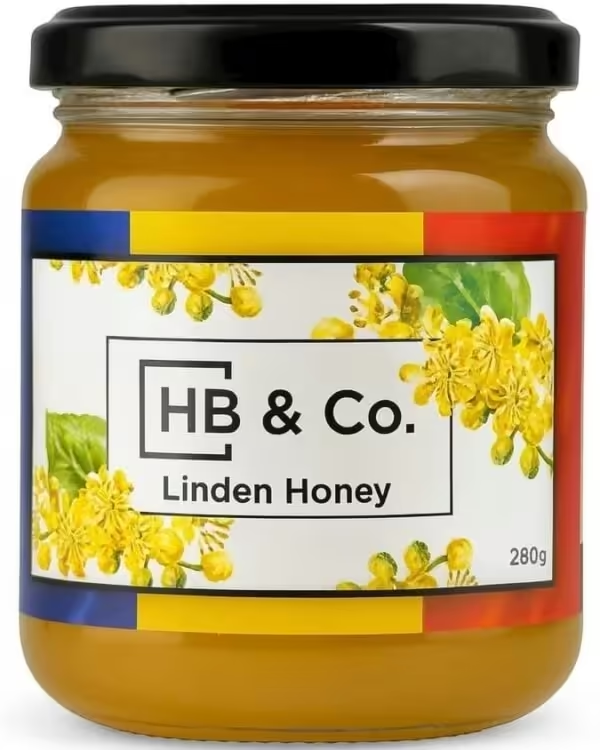
Linden Honey
Aromatic and herbal, lovely in tea and mulled drinks.
Shop now ›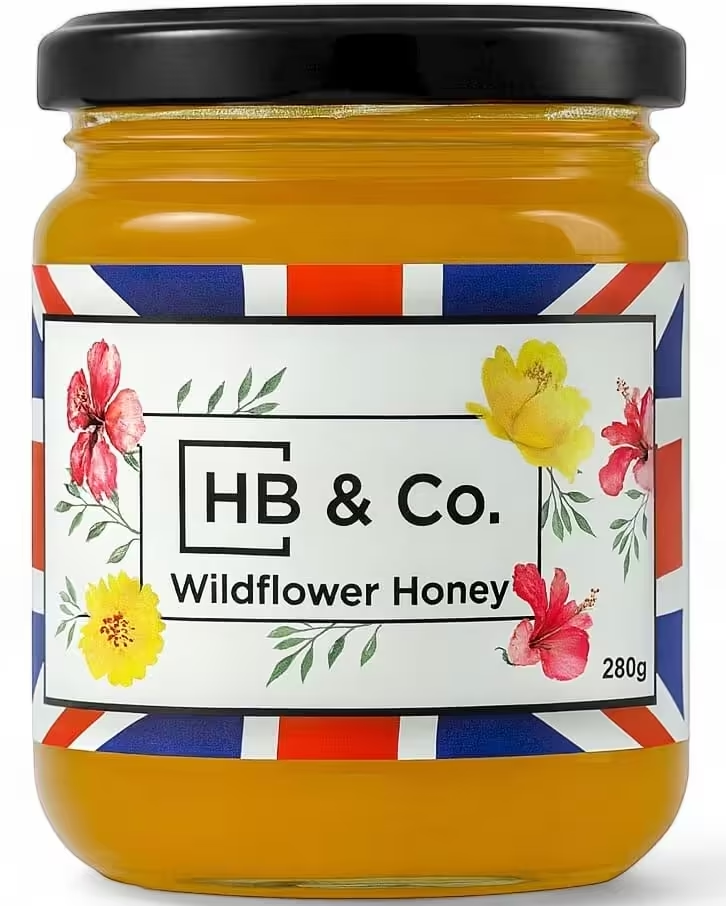
Wildflower Honey
Mild and balanced, perfect for a gentle honey and lemon.
Shop now ›
Bold & Rich Trio
Our three deepest honeys, built to carry through whisky and spice. £33.22.
Shop now ›Tea Lovers' Selection
The honeys we reach for at the kettle, from Earl Grey to a strong brew.
Shop now ›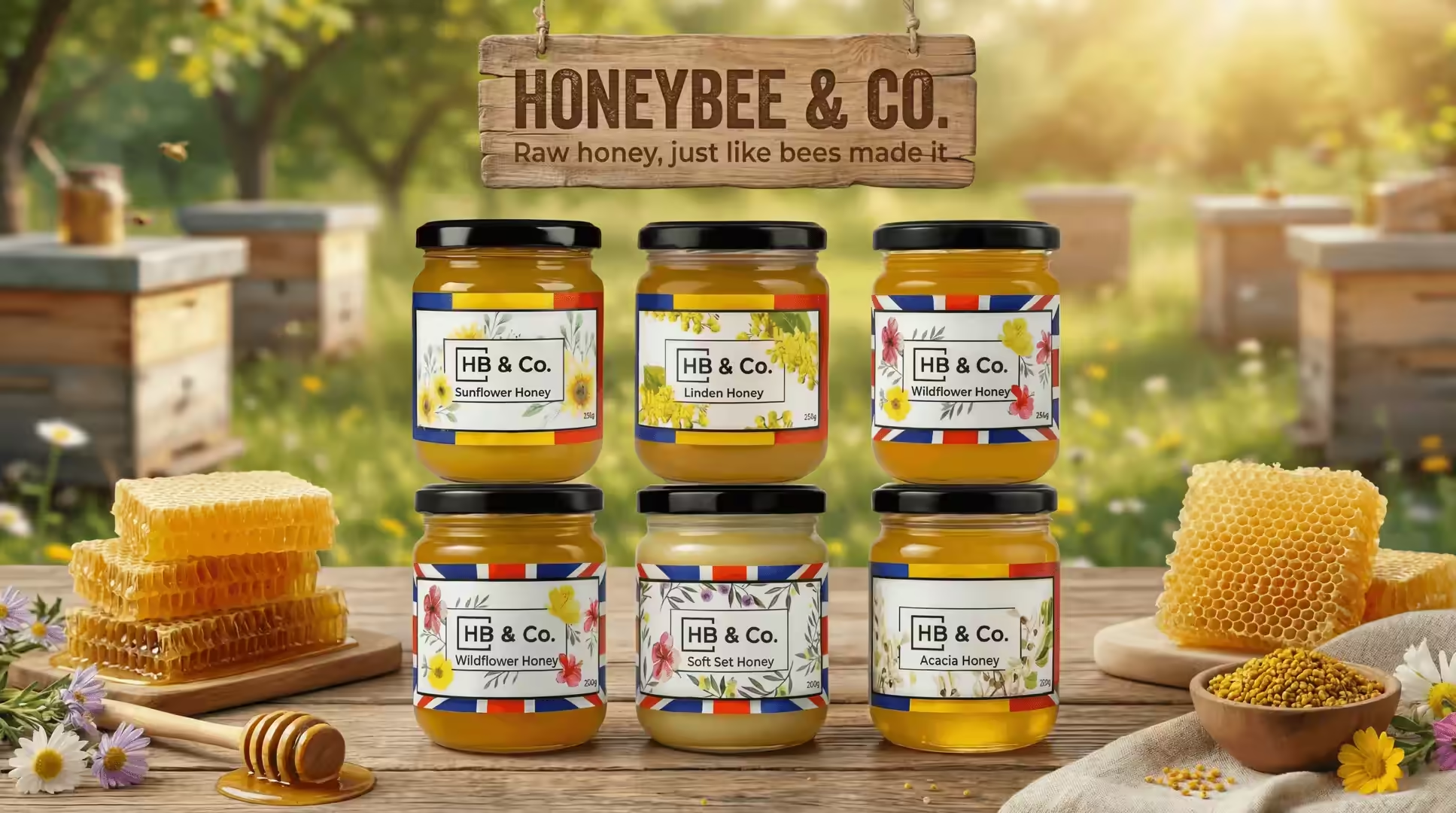
Honey Subscription
Keep a winter jar topped up. 20% off, free delivery, pause any time.
Shop now ›Frequently Asked Questions
What is the best honey for a hot toddy?
How much honey goes in a hot toddy?
What honey is best for honey and lemon?
Does honey and lemon help a sore throat?
Should I use boiling water for honey drinks?
Can I make a hot toddy without alcohol?
Which honey is best in tea or coffee?
What honey goes in hot chocolate?
Can I give honey and lemon to my child?
Is your honey raw and single-origin?
What is the best honey bundle for winter?
Why has my honey gone solid in winter?
References and Further Reading
The science noted in this guide is drawn from the following sources. It is provided for general information only and is not medical advice.
- NHS. Self-care advice for the common cold, including warm honey and lemon drinks. National Health Service (UK).
- NICE. Cough (acute): self-care, listing honey for adults and children over 12 months. National Institute for Health and Care Excellence (UK).
- Oduwole O, Udoh EE, Oyo-Ita A, Meremikwu MM. Honey for acute cough in children. Cochrane Database of Systematic Reviews, 2018. View on the Cochrane Library.
- Abuelgasim H, Albury C, Lee J. Effectiveness of honey for symptomatic relief in upper respiratory tract infections: a systematic review and meta-analysis. BMJ Evidence-Based Medicine, 2021. View on PubMed.
- Shapla UM, Solayman M, Alam N, et al. 5-Hydroxymethylfurfural (HMF) levels in honey and other food products: effects on bees and human health. BMC Chemistry, 2018; and the Codex Alimentarius Standard for Honey. View on PubMed Central.

Dragos Nistor
Dragos Nistor is the founder of HoneyBee & Co., a family honey brand built on six generations of beekeeping heritage. Come winter, he will take a heather honey toddy by the fire over almost anything.