

 English (UK)
  Italiano
  Français
  简体中文
简体中文 
Heather Plants: A Complete Guide to Growing and Caring for Hardy Heathers
In This Guide
- Heather at a Glance
- Heather, Bees and Honey
- What Is Heather? Calluna vs Erica
- Growing Conditions
- Soil Requirements
- Popular Varieties
- Seasonal Blooming
- Planting and Care
- Pruning and Shaping
- Overwintering
- Propagation
- Common Problems
- Uses and Benefits
- Invasive Considerations
- Plant Heather for Bees
- Taste the Moors: Heather Honey
- Frequently Asked Questions
Key Takeaways
- Heather covers two plant groups gardeners often confuse: Calluna (true/ling heather, late-summer flowering) and Erica (heaths, many winter and spring flowering).
- All heathers need the same core conditions: acidic, free-draining soil (pH 4.5 to 6.0) and an open, sunny position. Get those right and they are wonderfully low-maintenance.
- Heather is the UK's second most productive nectar plant, and a compound in its nectar even helps protect bumblebees from a gut parasite. Few garden plants do more for pollinators.
- Plant a mix of Calluna and Erica and you can feed bees nearly all year round, from winter heaths to autumn ling.
- British moorland heather is the source of our Heather Honey, dark, aromatic and thick-set. A single annual harvest.
Heather at a Glance
Few plants offer the year-round beauty and easy-going nature of heather. These small evergreen shrubs win gardeners over with their dense foliage, long flowering season and a remarkable ability to thrive where little else will, on thin, acidic soils, exposed slopes and windswept coasts. As reliable ground cover or a carpet of late-summer colour, heather delivers a great deal for very little fuss.
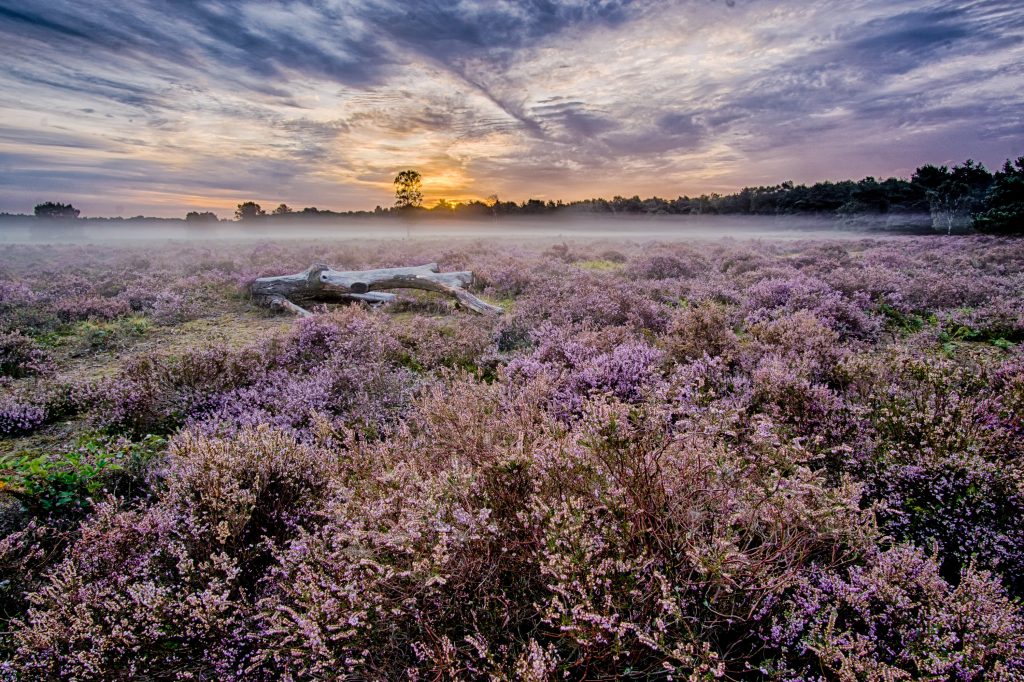
The name covers two main groups that are easy to mix up: Calluna vulgaris (common or ling heather) and the many Erica species (the heaths). Both belong to the family Ericaceae and share similar needs, but knowing the difference helps you pick the right plants for the look and the season you want. Calluna is the plant that defines Europe's heaths and moors, a low evergreen shrub usually 20 to 50cm tall, with tiny scale-like leaves and spikes of bell-shaped flowers in shades from white and pink to deep purple and red. [RHS]
Heather, Bees and Honey
For a honey company, heather is not just a pretty shrub, it is one of the most valuable plants in Britain. Research from the Royal Botanic Gardens, Kew, found that heather (Calluna vulgaris) is the UK's second most productive nectar plant. Better still, its nectar contains a natural compound called callunene that helps protect foraging bumblebees from Crithidia bombi, a common gut parasite, in effect, a medicinal nectar. Planting heather genuinely helps bees.
When bees work a moor in full bloom, they make something unmistakable. Heather honey is dark amber, intensely aromatic and famously thixotropic, it sets to a thick jelly rather than running like other honeys, and has a rich, faintly smoky, port-wine character that honey lovers prize. We source our Heather Honey from British moorland through a SALSA-certified supplier, and because ling flowers only once, in late summer, it is a genuine single annual harvest. That scarcity is exactly why it sits a little above our other jars at £12.99.

What Is Heather? Calluna vs Erica
Heather refers to low-growing evergreen shrubs in the Ericaceae family, mainly two groups gardeners tend to lump together. True heather (Calluna vulgaris) is the classic purple heather of Scottish and northern moors. The heaths (Erica species) offer similar garden value with slightly different foliage and, crucially, different flowering times.
The key differences are botanical and seasonal. Calluna has tiny, scale-like leaves packed along woody stems and flowers from late summer into autumn. Erica has needle-like foliage and many species flower through winter and spring, extending colour, and bee forage, when little else is in bloom. Heather is native to Europe, Iceland and the Faroes, and now grows across the northern hemisphere; you will find it on heaths, moors and bogs, and in acidic pine and oak woodland too. [Encyclopedia of Life]
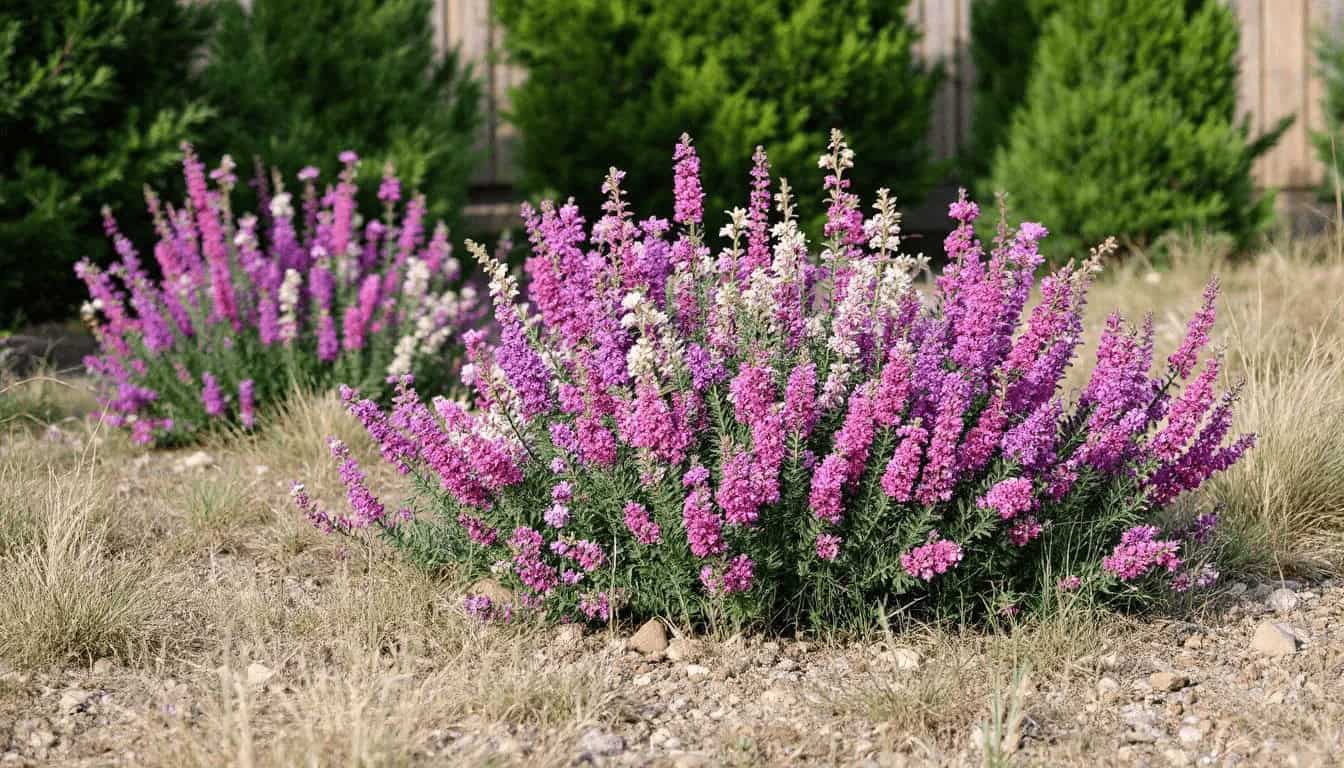
White heather has a special place in Scottish tradition, where finding a naturally white-flowered plant among the purple is said to bring luck, an association popularised in the Victorian era and linked to Queen Victoria. Calluna is also one of Norway's national flowers. Heights range from compact 20cm cultivars to taller forms reaching 60 to 90cm, with most garden varieties settling around 30 to 60cm. Plants spread slowly outward to form natural colonies that can persist for decades.
Growing Conditions
Success with heather comes down to one non-negotiable: acidic soil, ideally pH 4.5 to 6.0. This matters more than anything else. On alkaline (limey) soil most heathers decline and die no matter how well you treat them otherwise, so if your garden is chalky, grow heather in containers of ericaceous compost instead.
The best soils are sandy, peaty or rocky, free-draining yet able to hold a little moisture. Heavy clay needs generous improvement with leaf mould, composted bark or coarse grit, since waterlogging causes root rot, the single most common reason heathers fail. For light, most heathers want an open, sunny position, which keeps growth compact and flowering heavy. In hotter, drier southern gardens a little afternoon shade can reduce stress.
Once established, heathers shrug off drought, wind, salt and hard frost better than almost any garden shrub. The catch is that first season: a newly planted heather needs steady moisture, roughly 2.5cm of water a week, to root in well. Prepare the ground before planting, test and acidify the soil if needed using sulphur, ericaceous compost or pine needles, and avoid lime in any form.
Soil Requirements
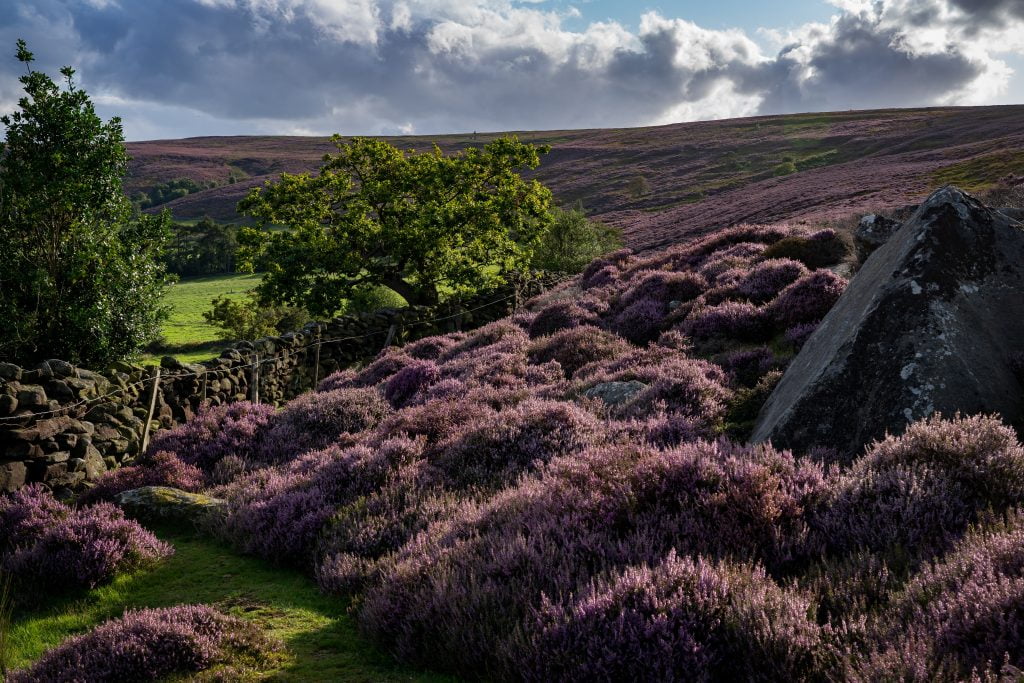
To put the soil question simply: heathers want acidic ground (pH 4.5 to 6.0) that drains freely but holds a little organic moisture. That makes them ideal companions for other acid-lovers such as rhododendrons, azaleas and blueberries. Work compost, leaf mould or ericaceous matter into the planting area to lower pH and feed root development, and add sand or grit to sharpen drainage.
Resist the urge to feed heavily. Heathers evolved on poor, hungry soils, and too much nitrogen produces soft, leggy growth at the expense of flowers, and of the nectar that bees rely on. Moderate organic matter is all they need. Get the soil right and a heather will reward you with year-round evergreen foliage and months of bloom in mauve, pink, purple and white.
Popular Varieties
Modern breeding has produced hundreds of heather cultivars in a huge range of flower and foliage colours and flowering times. Calluna vulgaris alone has more than 800 named cultivars: 'Aurea' for golden winter foliage, 'Wickwar Flame' for fiery orange-red leaves and late-summer mauve flowers. For winter colour, Erica darleyensis cultivars such as 'White Perfection' and 'Kramer's Rote' flower from December into spring, and those winter blooms are a lifeline for early-emerging queen bumblebees.
| Variety | Flower colour | Blooming period | Foliage | Height |
|---|---|---|---|---|
| Calluna 'Anette' | Deep pink | Jul to Sep | Dark green | 30cm |
| Calluna 'Darkness' | Deep purple | Aug to Oct | Dark green | 25cm |
| Erica carnea 'Springwood White' | White | Dec to Apr | Bright green | 20cm |
| Erica cinerea 'Atropurpurea' | Purple | Jun to Sep | Grey-green | 40cm |
| Daboecia cantabrica | Pink to purple | Jun to Oct | Large green | 60cm |
Flower colours, characteristics and the seasons
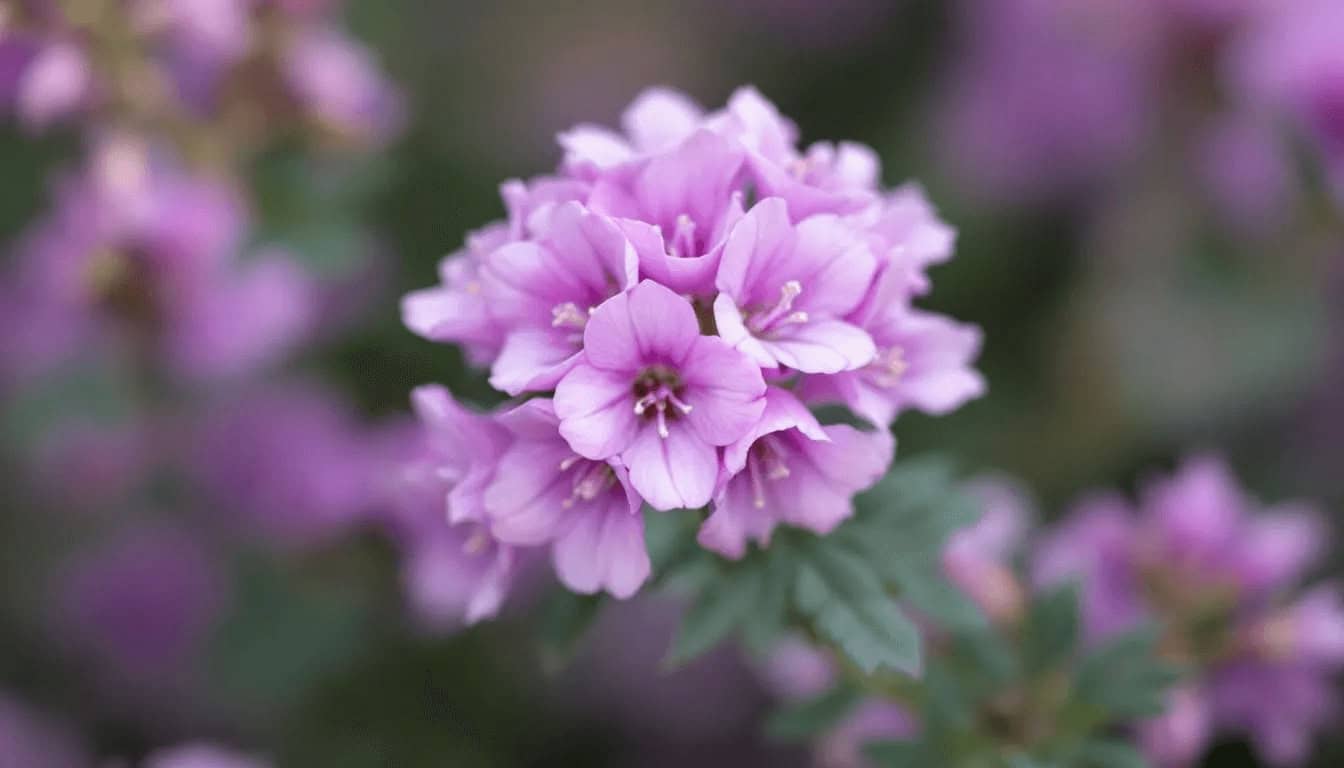
Heather flowers span white, pink, purple and deep red, in tiny bell or urn-shaped blooms clustered along the stem tips in dense spikes that last for months. Their real gift, though, is timing. By choosing the right mix you can have heather in flower almost all year: summer brings the classic Calluna sweep of purple and pink from late July through September; autumn extended-flowering Calluna carry colour into November; winter Erica carnea and E. darleyensis flower December to March; and spring early Ericas continue into April and May. For bees, that succession is gold dust, forage in the lean months when almost nothing else is open.
Planting and Care
Good planting sets up years of easy success. The ideal time is spring, once hard frost has passed, giving plants a full season to root before winter. Space them 30 to 45cm apart for ground cover that knits together in two to three years; plant closer for instant effect in containers or rock gardens.
Step by step:
- Test and, if needed, acidify the soil to pH 4.5 to 6.0.
- Dig a hole twice the width of the rootball but no deeper.
- Mix the excavated soil with an equal part of ericaceous compost or leaf mould.
- Plant at the same depth as the pot, never deeper.
- Water in well and mulch with about 5cm of ericaceous bark or pine needles.
- Keep the soil consistently moist through the first growing season.
Feeding
Heathers need very little feeding, and over-feeding does more harm than under-feeding, pushing out soft growth at the expense of flowers. In decent, organic-rich, correctly acidic soil they rarely need anything. If your soil is poor, apply an ericaceous (acid-loving plant) feed once in early spring at half the usual rate. Stop feeding by late summer so growth hardens before winter.
Watering
Established heathers are impressively drought-tolerant, especially in cooler, wetter parts of the country. New plants are not, water them deeply and weekly through their first full season. Always water at soil level rather than overhead: wet foliage invites powdery mildew. Drip lines or a soaker hose are ideal. In hot southern summers, check that the top few centimetres of soil have not dried out.

Pruning and Shaping
A light annual trim keeps heathers compact, bushy and full of bloom. Prune summer-flowering Calluna in early spring as new growth begins; trim winter and spring Ericas straight after they finish flowering. Use clean, sharp shears and cut just above the old flower spikes, removing roughly the top third of the previous year's growth.
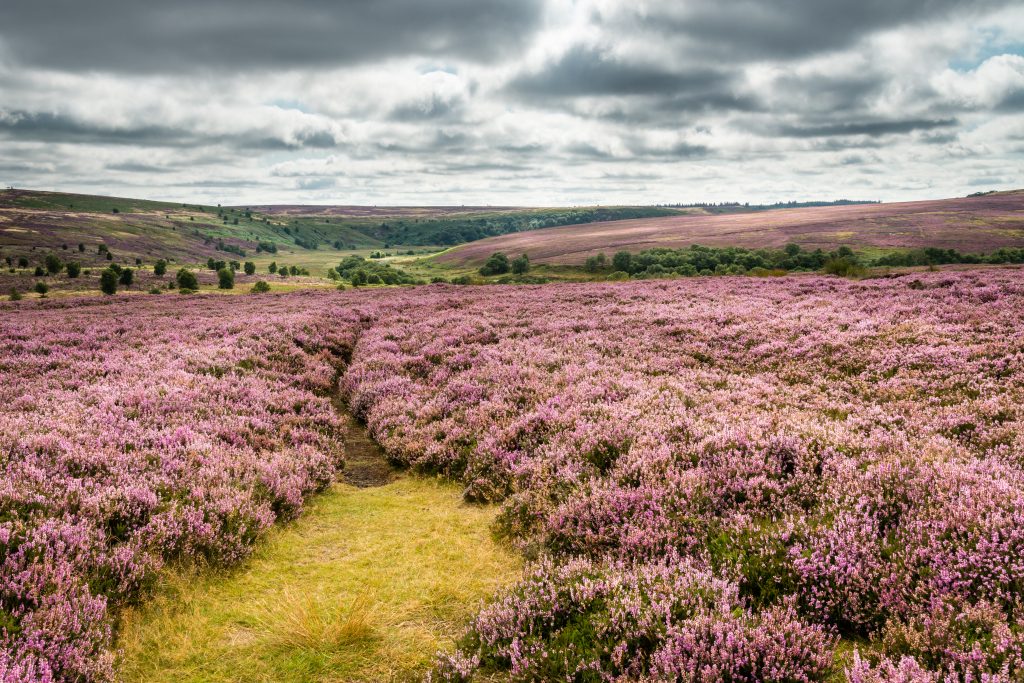
The golden rule: never cut back into old, bare wood. Unlike many shrubs, heathers usually will not regenerate from leafless stems, so always leave some green foliage on each plant. Trimmed this way every year, a heather stays dense, colourful and productive for a decade or more.
Overwintering
Heathers are naturally hardy, but a little winter care pays off in cold or exposed gardens. In hard-frost areas, mulch around the base with straw or pine needles to insulate the roots against deep cold and rapid freeze-thaw. Move container-grown plants to a sheltered spot if a severe frost is forecast.
In milder, wetter gardens the bigger risk is the opposite, too much winter wet. Make sure plants sit in free-draining soil and ease off watering over winter; waterlogged roots are far more dangerous to a heather than cold. Pots dry out and also freeze faster than open ground, so check them more often.
Propagation
Heathers are easy to multiply, whether to expand a planting or replace ageing plants.
Cuttings are the most reliable route. Take 5 to 8cm semi-ripe cuttings from healthy, non-flowering shoots in late summer, strip the lower leaves, dip in rooting hormone and insert into a 50:50 mix of ericaceous compost and sharp sand. Keep cool (around 15 to 18C) and humid; most root within six to eight weeks. Layering works too: peg a low stem to the soil and it will often root where it touches. Division of established clumps is best in early spring, keeping roots and stems intact on each section. Heather seed is fiddly, it evolved to germinate after moorland fires, so needs smoke or heat treatment to break dormancy, which is why most gardeners simply take cuttings.
Tips for success: use sterile compost, keep moist but never waterlogged, give bright indirect light, and harden rooted cuttings off gradually before planting out.

Common Problems
Heathers are tough, but a few issues crop up, almost all of them traceable to soil or watering.
Root rot is the most serious, caused by waterlogged soil or poor drainage. Signs are yellowing foliage, stunted growth and dieback. Prevent it with free-draining soil; treat by improving drainage and cutting back on water.
Powdery mildew shows as a white, dusty bloom on leaves in humid, still conditions. It rarely kills but spoils vigour and looks. Improve airflow and avoid overhead watering.
Heather beetle (Lochmaea suturalis) turns patches of foliage brown as adults graze leaves in spring and summer and larvae attack roots later. Monitor through the season, remove affected material, encourage natural predators, and treat only if damage becomes severe.
Leggy, open growth usually means too much feeding or missed pruning; correct it with an annual trim and a lighter hand with fertiliser. Winter damage in exposed gardens can be reduced with windbreaks, mulch and choosing varieties suited to your conditions.
Uses and Benefits
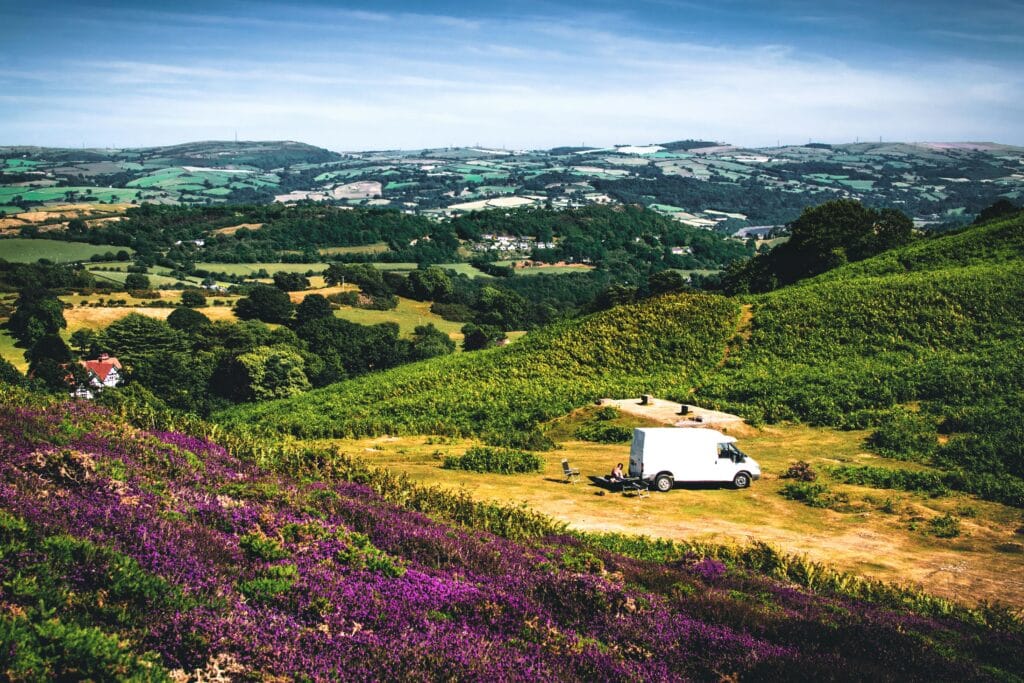
Heather earns its place on looks and on usefulness. As ground cover, its dense, spreading habit smothers weeds and stabilises soil on banks and slopes with almost no maintenance, ideal where mowing is impractical. It thrives in rock gardens, coastal plots that defeat other plants, naturalistic moorland-style schemes and containers of ericaceous compost.
Its wildlife value runs right through the year. Summer Calluna feeds honeybees, bumblebees, solitary bees and butterflies at peak season, while winter Ericas offer rare cold-weather nectar. That long season of forage, plus the medicinal callunene in Calluna nectar, makes heather one of the best things you can plant for pollinators, and the reason beekeepers prize a good heather flow.
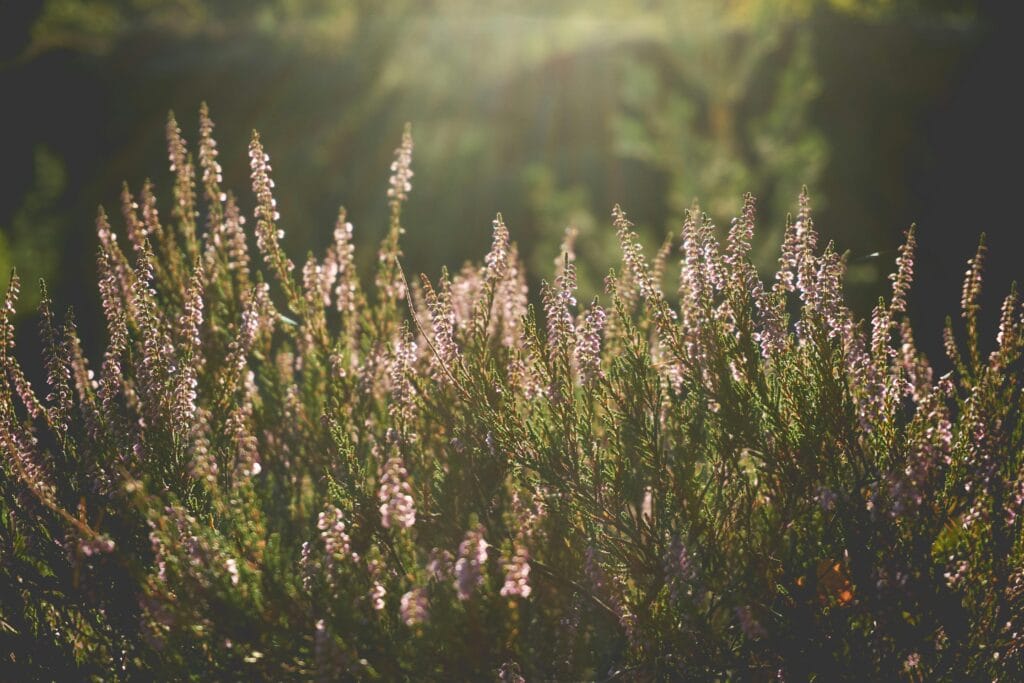
Historically, heather was endlessly useful: Calluna stems were bundled into brooms (its old name comes from a word meaning "to brush"), used for thatch, bedding and fuel, and to dye wool yellow and tan leather. Young shoots fed livestock, and the flowers were brewed into a traditional heather ale, roughly two parts heather to one part malt, and, of course, worked by bees into honey.
Invasive Considerations
Heather is a treasured native across Britain and much of Europe, but it is a different story abroad. In parts of New Zealand, Australia and North America, Calluna vulgaris has escaped gardens and become invasive in regions with cool, moist summers and acidic soils, crowding out native vegetation. If you garden outside its native range, check local guidance before planting, choose sterile cultivars where available, remove spent flowers to limit self-seeding, and keep an eye out for spread into wild areas. Where heather is native, none of this applies, plant freely and enjoy it.
Plant Heather for Bees
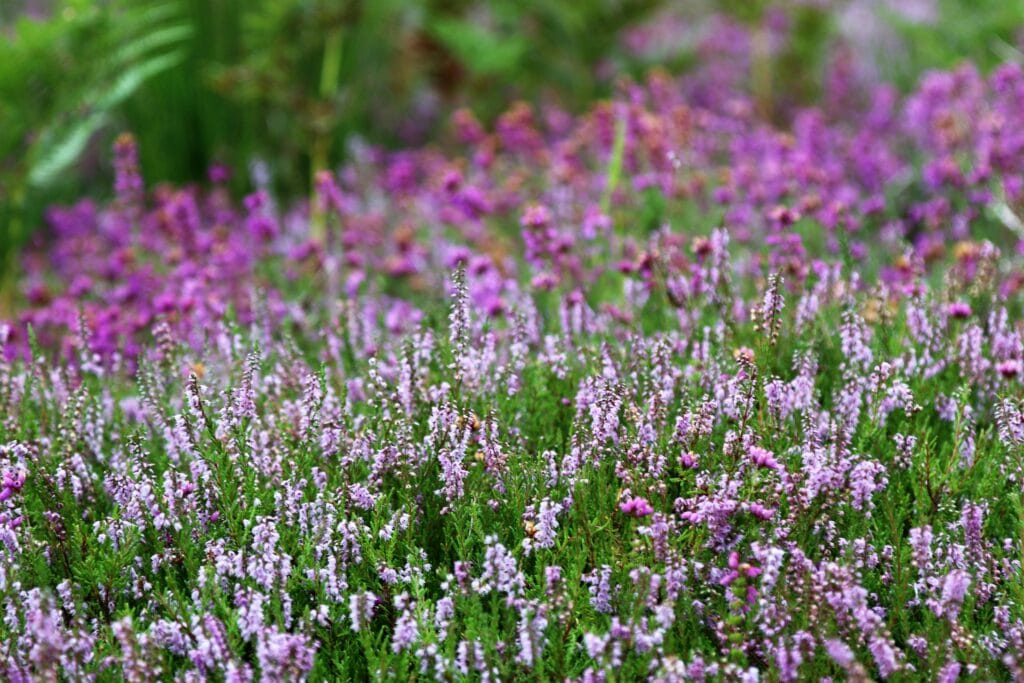
If you want your heather to do real work for pollinators, plan for a long season of bloom. A simple, bee-friendly mix:
- Winter into spring: Erica carnea and Erica x darleyensis, vital nectar for queen bumblebees emerging on mild days.
- Early summer: Erica cinerea (bell heather) and Daboecia, busy with bees on warm days.
- Late summer into autumn: Calluna vulgaris (ling), the main event, and the source of heather honey.
Group plants in generous drifts rather than dotting them about, bees forage far more efficiently on a block of one plant, and skip the pesticides. For more ways to turn your garden into a pollinator haven, see our guides to attracting bees to your garden and the flowers bees love most, and meet the moorland regulars like the red-tailed bumblebee and buff-tailed bumblebee in our guide to bees.
Plant a drift of heather and you are not just decorating a border, you are feeding bees in the leanest weeks of the year.
HoneyBee & Co.Taste the heather: our British Heather Honey
Dark, aromatic and thick-set, made by bees working British moorland in late summer. A single annual harvest, raw and unfiltered. Pair it with the rest of our single-origin range. 280g jars, free UK delivery on 3 or more.
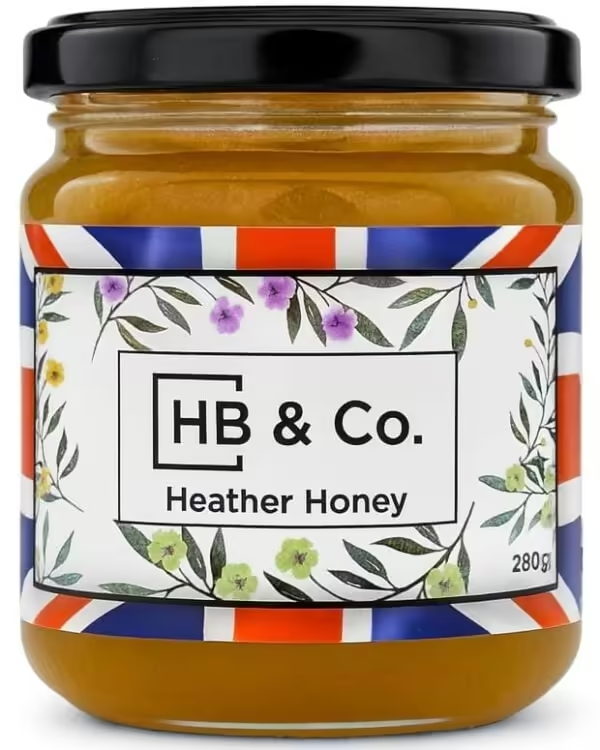
British Heather Honey
Dark, aromatic and thick-set, from British moorland. A single annual harvest.
Shop now ›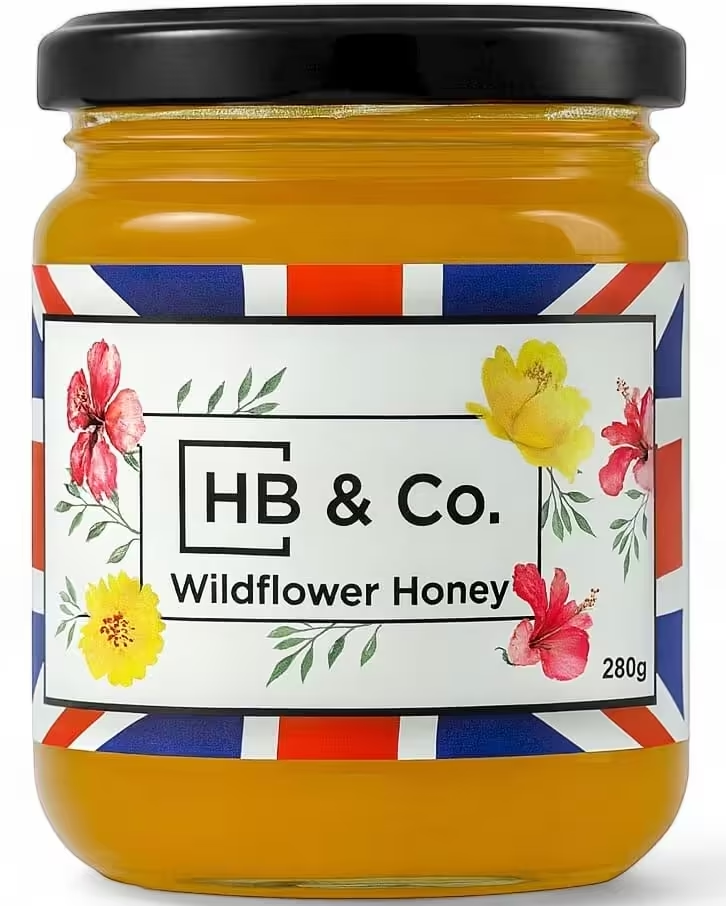
Wildflower Honey
A rounded British honey carrying the pollen of meadow and moor.
Shop now ›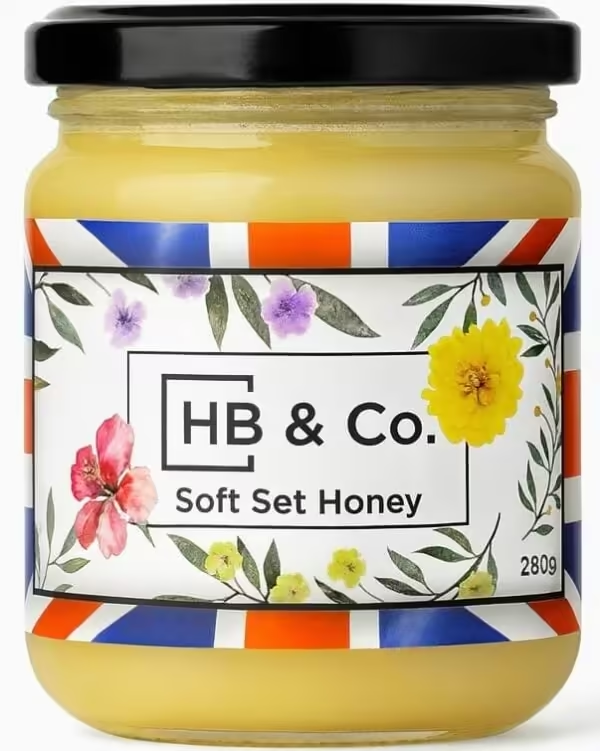
Soft Set Honey
Smooth, spreadable and gently set. A British all-rounder.
Shop now ›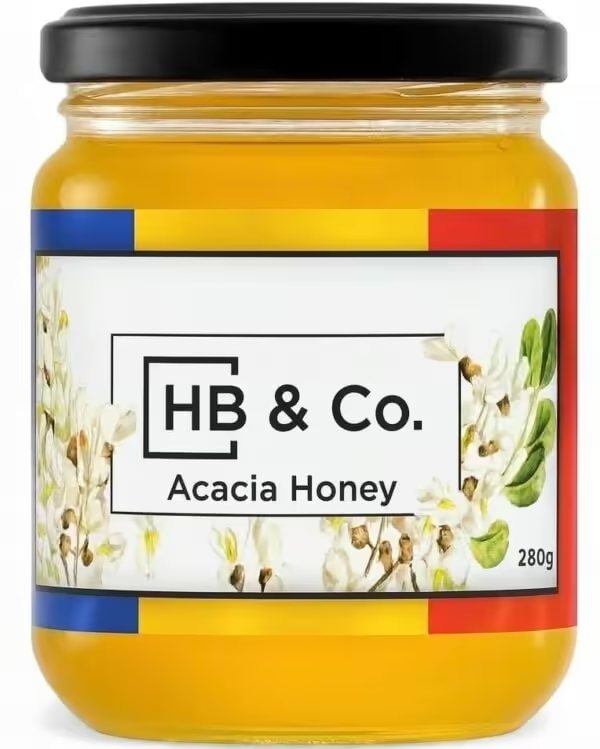
Acacia Honey
Delicate, light and floral. Slow to crystallise.
Shop now ›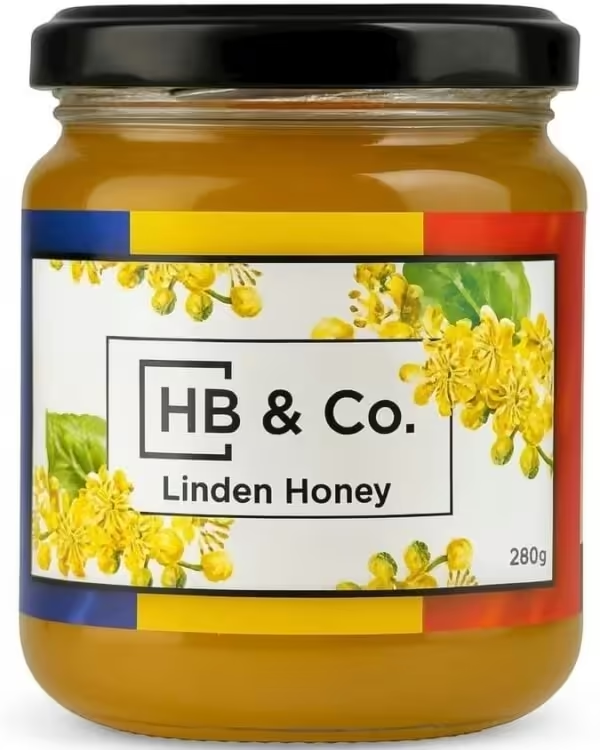
Linden Honey
Light gold with a fresh, lime-blossom finish.
Shop now ›
Sunflower Honey
Bright, warm and golden. Naturally quick to set.
Shop now ›British Honey Bundle
Wildflower, Soft Set and Heather, three British honeys in one box. Save 5%, £33.22.
Shop the bundle › Best for first-timersDiscovery Trio
Acacia, Wildflower and Heather, a perfect introduction to our range. Save 5%, £33.22.
Explore the trio › Subscribe & saveHoney Subscription
Your favourite honey on repeat, 20% off and free delivery every time, pause any time.
Start a subscription ›Final Tips
Heathers are among the best plants for year-round colour, resilience and low effort, as long as you give them what they need: acidic, free-draining soil, an open sunny spot and a light annual prune. Established plants are drought-tolerant but appreciate extra water in hot spells, and prefer things on the dry side over winter. Protect exposed and container plants from hard frost, and never feed heavily. Do that, and you will be rewarded with months of bloom, evergreen structure, and a garden humming with bees from the first winter heath to the last of the autumn ling.
Frequently Asked Questions
Is heather good for bees?
What is the difference between Calluna and Erica?
What soil do heathers need?
When and how should I prune heather?
What is heather honey, and why does it cost more?
Which heathers should I plant for year-round bees?
Is heather invasive?
Why is white heather considered lucky?

Dragos Nistor
Dragos Nistor is the founder of HoneyBee & Co., a family honey brand built on six generations of beekeeping heritage rooted in Transylvanian apiculture. He works with British and European beekeepers to bring raw, unfiltered, single-origin honey from hive to jar.
He writes about honey, bees, and the plants and landscapes, heather and moorland among them, that pollinators and good honey depend on. Read more about our story.
Sources and Further Reading
- Royal Horticultural Society (RHS). Calluna vulgaris and growing heathers. rhs.org.uk
- Royal Botanic Gardens, Kew. Medicinal heather nectar for bumblebees (callunene). kew.org
- Koch H. et al. Flagellum removal by a nectar metabolite inhibits a bumblebee parasite. Current Biology (2019). sciencedirect.com
- Jones L.C. et al. Heather nectar extracts reduce within-colony epidemics of Crithidia bombi. Proc. R. Soc. B (2025). royalsocietypublishing.org
- Bumblebee Conservation Trust. Bees and heathland. bumblebeeconservation.org
- The Wildlife Trusts. Heathland habitats. wildlifetrusts.org
- NatureScot. Heather. nature.scot
- Encyclopedia of Life. Calluna vulgaris. eol.org
- Royal Botanic Gardens, Kew. Plant science and care. kew.org