
 English (UK)
  Italiano
  Français
  简体中文
简体中文  한국어
한국어 Heather is often called Britain's answer to manuka, and on the plate the comparison holds up: both are dark, bold, characterful honeys with a loyal following. The real difference is what you are buying them for. Manuka is bought largely for its graded rating and reputation; heather is bought to eat. This guide compares them as honeys, on flavour, texture, provenance and price, not as supplements.
Key takeaways
- Both are dark, bold, premium honeys with strong, distinctive flavour.
- Manuka is from New Zealand and graded by MGO; heather is British and single-origin.
- Heather has a jelly-like, thixotropic set; manuka is thick and smooth.
- Manuka typically costs several times more than heather for the same size jar.
- For a honey to eat and cook with, heather offers bold flavour and British provenance at a fraction of the price.
The short answer, side by side
Compared as table honeys, the two have a lot in common: dark colour, strong character, and a place at the premium end of the shelf. Here is where they differ.
| Feature | Heather (ours) | Manuka (typical) |
|---|---|---|
| Source | Ling heather, Calluna vulgaris | Manuka bush, Leptospermum scoparium |
| Origin | British, Yorkshire Moorlands, single-origin | New Zealand, often blended by grade |
| Colour | Dark amber, reddish tones | Dark cream to deep brown |
| Flavour | Malty, caramel, stone fruit, bittersweet, faintly smoky | Rich, earthy, herbal, slightly bitter |
| Texture | Thick, jelly-like, needs a stir | Thick and smooth |
| Graded by | Not graded, sold as raw single-origin | MGO or UMF rating drives the price |
| Typically bought for | Flavour and provenance, to eat | Reputation and rating |
| Price (280g) | £12.99 | Often several times more |
Heather honey: the bold British single-origin
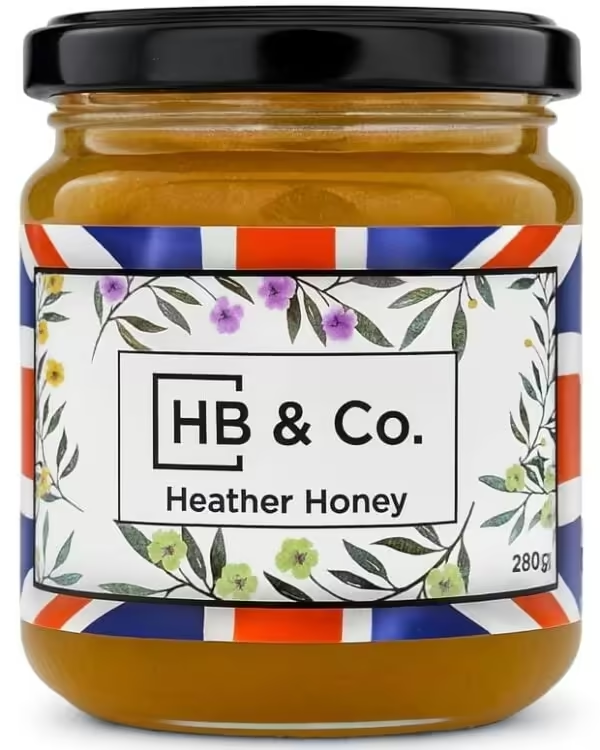
Heather honey is one of the most distinctive honeys Britain produces. Gathered from ling heather on the Yorkshire Moorlands in late summer, it is dark amber with reddish tones, and the flavour is unmistakable: malty and caramel-rich, with notes of stone fruit and a savoury, faintly smoky, bittersweet finish. It is not a background sweetener. It is a flavour in its own right.
It also behaves unlike any other honey. Heather is thixotropic, which means it sets to a thick jelly in the jar and only loosens when you stir it. That gel is natural, expected, and one of the marks of the real thing. Because of it, heather has to be pressed rather than spun, and it comes from a single short annual bloom, so there is never very much of it.
Ours is a genuine single-origin from one beekeeper, and our British supplier holds SALSA Certification. It shines with mature cheese, game, dark bread, and anywhere a bold honey belongs, which is exactly why it anchors our grazing and cheese board selection.
Heather Honey, 280g £12.99
Manuka honey: the famous New Zealander
Manuka honey comes from the manuka bush, native to New Zealand and parts of Australia. It is dark, thick, and smooth, with a rich, earthy, herbal flavour and a characteristic slight bitterness. As a honey to taste, it is bold and distinctive, in the same premium territory as heather.
What sets manuka apart commercially is its grading. Jars carry an MGO or UMF number that is marketed as a measure of activity, and that number is the main driver of the price. Most people buy manuka for its reputation and its rating rather than as an everyday table honey, which is part of why it commands premium prices, often several times the cost of a comparable jar of heather.
Because manuka is in such demand, it is worth buying from a reputable source and reading the label carefully, the same advice we give for any honey in our buying guide.
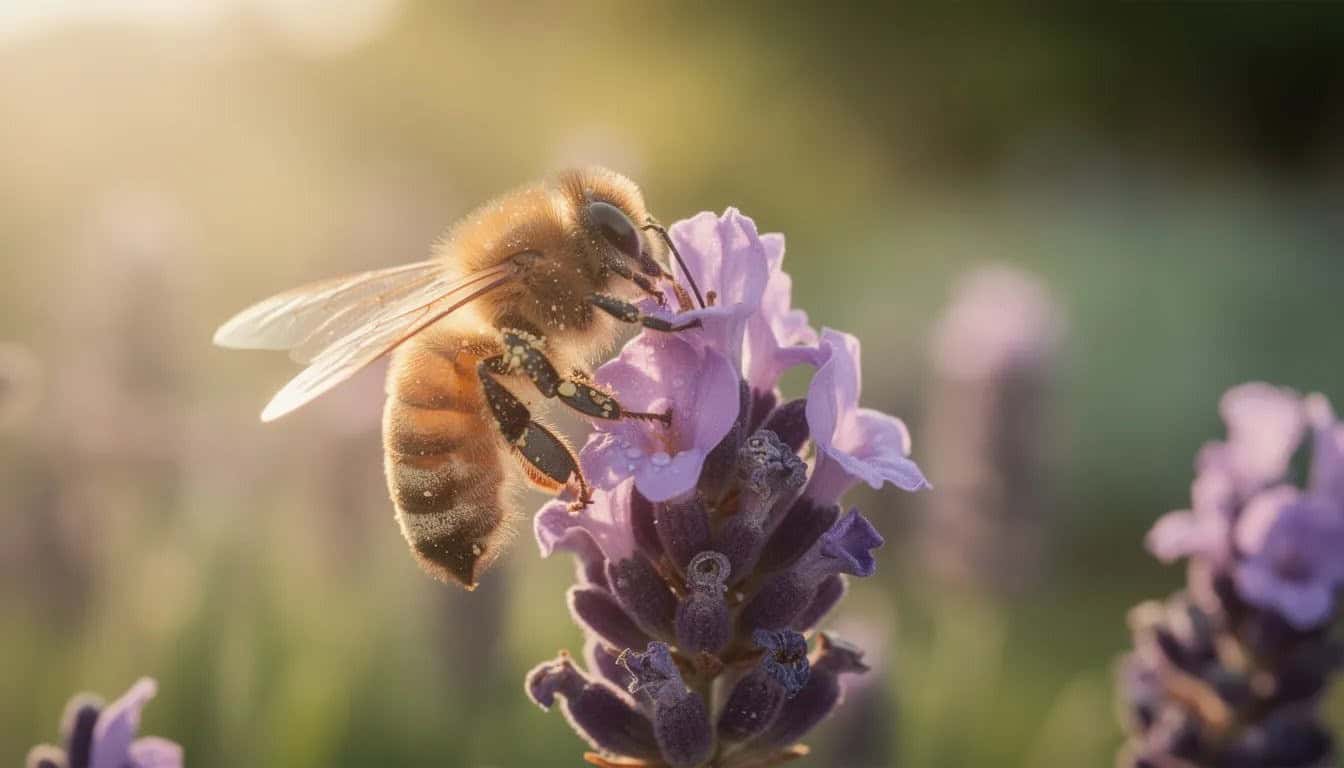
British heather honey is gathered from a single short bloom each year and pressed by hand from the comb. That scarcity, and the work involved, is the honest reason it sits at the premium end, and yet it is still a fraction of the price of graded manuka.
Taste, texture and value, compared
Put side by side as honeys you would actually spread, spoon, or cook with, heather and manuka are closer than their price tags suggest. Both are dark and bold. Both have a savoury edge that sets them apart from mild honeys like acacia. Heather leans malty and caramelised with a whisper of smoke; manuka leans earthy and herbal with a firmer bitterness.

On texture, heather's jelly-like set is the more unusual of the two and a talking point on any board; manuka is thick but conventionally smooth. On provenance, our heather is a single British origin you can trace to one moor and one beekeeper, whereas manuka is frequently blended by grade across many New Zealand suppliers. On value, this is where the gap is widest: a jar of graded manuka often costs several times what a jar of heather does, for a honey that, at the table, does a similar job.
If your interest is a mild everyday honey rather than a bold one, that is a different comparison, and our acacia versus manuka guide covers it. And if you want to place heather against our own lighter honeys, see acacia versus heather.
Manuka is the honey with the famous number. Heather is the honey with the flavour, the story, and the far friendlier price.
Which honey should you choose?
Choose heather if you want
A bold, characterful honey to actually eat and cook with: on a cheese board, with game, on dark toast, or spooned from the jar. You want real British provenance, a distinctive jelly-set texture, and a premium honey that does not cost a small fortune.
Consider manuka if you want
A graded honey bought largely for its rating and international reputation, and you are comfortable paying a significant premium for that. As a pure eating experience, it is excellent but not uniquely so, and heather delivers comparable boldness for far less.
A note on claims: you will see a great many health claims made about both honeys online. We do not make medicinal claims for our heather. We think it earns its place on flavour, provenance and value alone. If heather sounds like your kind of honey, it also makes a memorable gift, and a subscription keeps it in the cupboard for less.
The British alternative
Taste bold, single-origin heather
Heather Honey
Dark, bold, jelly-set. British single-origin, one annual harvest.
£12.99
Shop Heather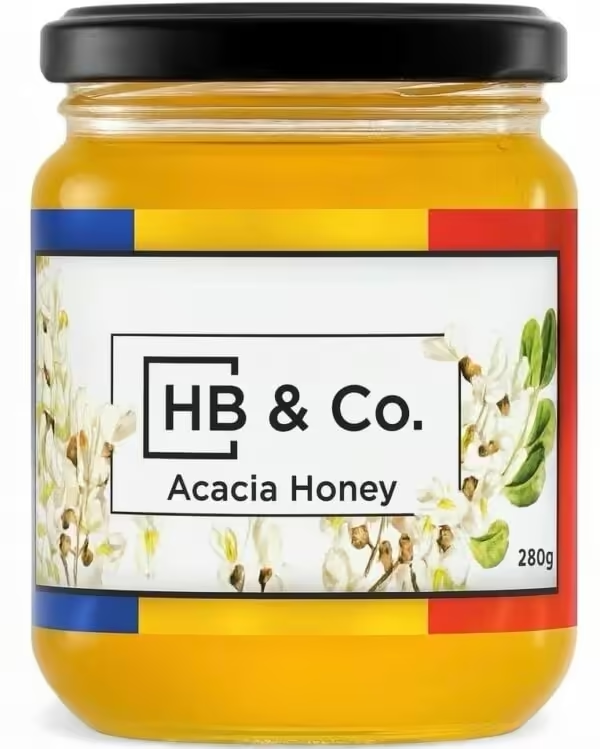
Acacia Honey
Prefer mild? Our palest, most delicate everyday honey.
£10.99
Shop AcaciaFrequently asked questions
Is heather honey as good as manuka?
It depends what you want it for. As a honey to eat and cook with, heather is bold, complex, and British, at a fraction of manuka's price. Manuka is bought largely for its graded rating and reputation. We do not make medicinal claims for heather; we compare the two on flavour, provenance, and value, and on those, heather is very hard to beat for the money.
Why is manuka honey so expensive?
Manuka is graded by an MGO or UMF number that is marketed as a measure of activity, and that rating is the main driver of its price. High demand, limited New Zealand supply, and the cost of testing and certification all add to it. Heather is not graded in this way and is priced simply as a raw, single-origin honey.
Why is heather honey called Britain's answer to manuka?
Because it occupies the same space: a dark, bold, premium honey with a devoted following and a genuine sense of place. The phrase is about character and status rather than any specific claim. On flavour and provenance, heather stands on its own.
Is heather honey meant to be thick and jelly-like?
Yes. Heather honey is naturally thixotropic, so it sets to a gel in the jar and loosens when stirred. That texture is a hallmark of genuine heather honey, not a fault.
Can I cook and bake with heather honey?
Yes, and its bold flavour is a feature in robust bakes, glazes, and marinades, as well as on cheese and dark bread. As with all raw honey, avoid boiling or microwaving it so you keep its flavour and character intact.
Is heather honey raw?
Ours is. It is cold-extracted and never heated above natural hive temperature, not pasteurised, not ultra-filtered, and not blended. Our British supplier holds SALSA Certification, which independently verifies those practices.