🐝 Get Free Delivery With 3 Or More Jars 🐝

Bee Conservation

Bee population decline, conservation efforts, and how to support pollinator health in your community.

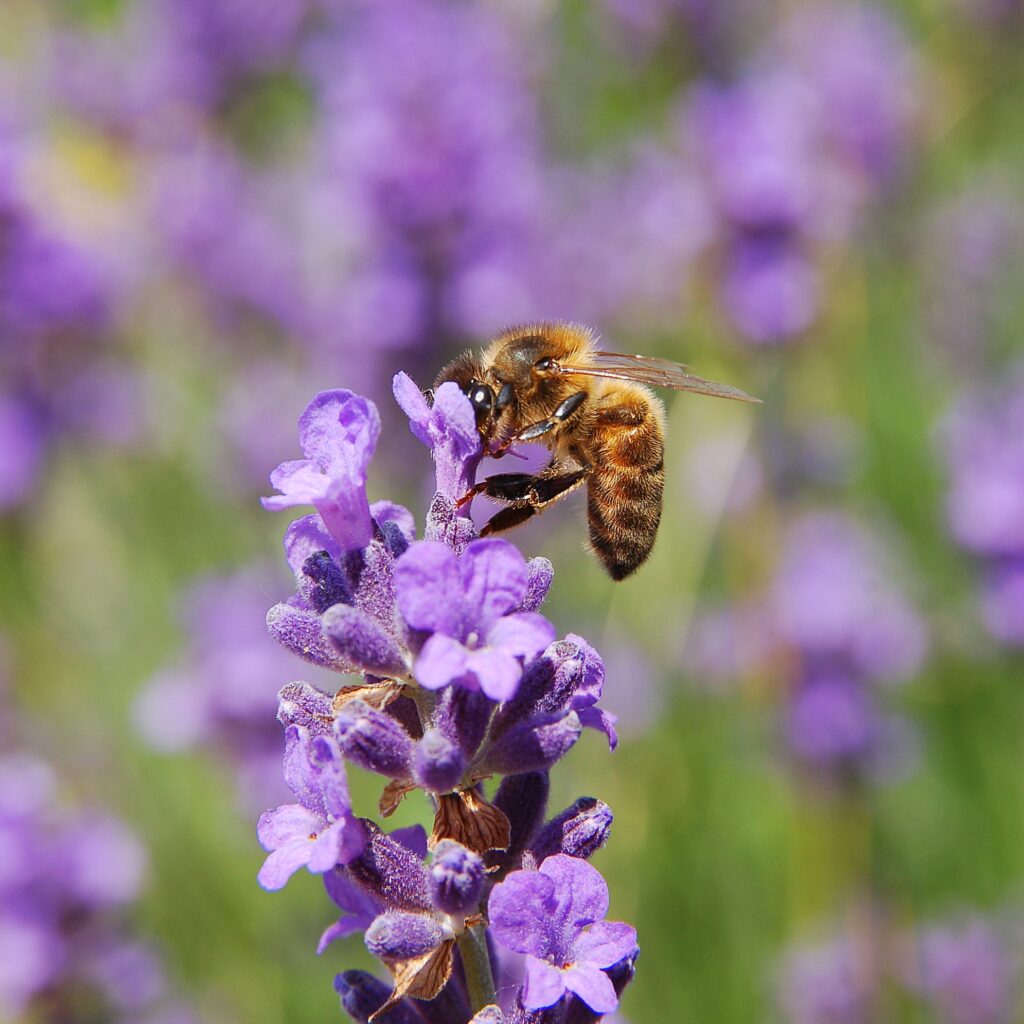
Honeybee collecting nectar from lavender blossom.

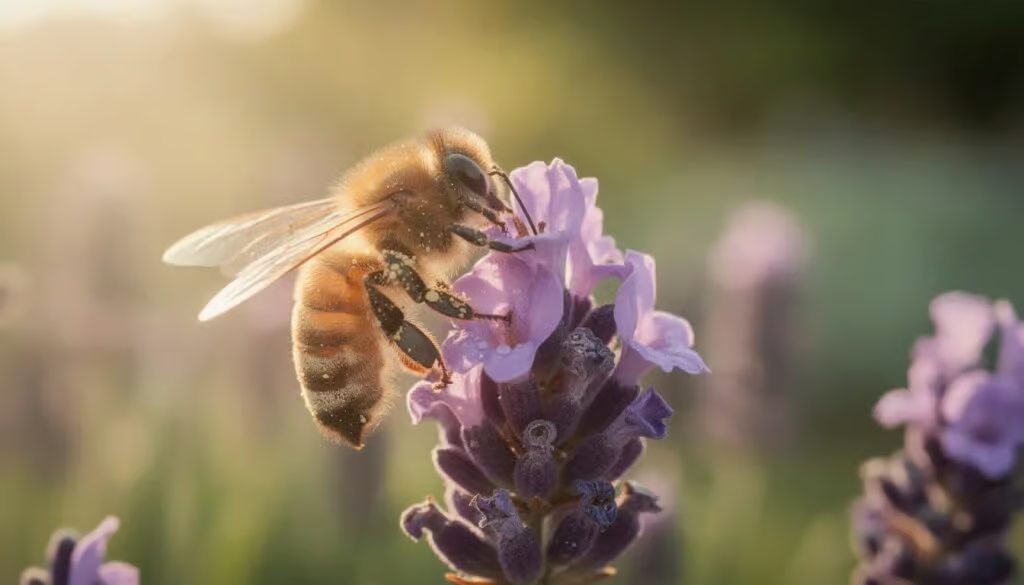
Flowers Nectar: How Blossoms Feed Bees – And Become Distinctive Honey

The Hive Education Bees & Ecology Sustainability Every jar of raw honey begins with a single drop of nectar, hidden deep inside a flower’s petals. That sugary liquid, produced by plants across meadows, woodlands, and orchards, is where everything starts at HoneyBee & Co. Understanding flower nectar, what it is, how bees collect it, and

Flowers Nectar: How Blossoms Feed Bees – And Become Distinctive Honey Read More »

Acacia Honey

The Economics of Beekeeping: Global Markets, Pricing and Rural Livelihoods

The Hive Education Sustainability Beekeeping is one of the few agricultural activities that simultaneously supports biodiversity, rural income and global food security. Behind every jar of raw honey is a complex network of smallholder producers, international trade flows, price pressures and ecological dependencies that most consumers never see. This article draws on FAO data and

The Economics of Beekeeping: Global Markets, Pricing and Rural Livelihoods Read More »

World of bees

Bees InfoGraphic

Bees Beekeeping Honey Education Conservation Science Bees are the most important group of animal pollinators on Earth. Between 24,705 and 26,164 species are estimated to exist worldwide — a figure 18 to 25 percent higher than previously recognised — spanning seven families, every continent except Antarctica, and every terrestrial habitat from Arctic tundra to tropical

Bees InfoGraphic Read More »

Shopping Basket
Shop Raw Honey