
 English (UK)
  Italiano
  Français
  简体中文
简体中文  한국어
한국어 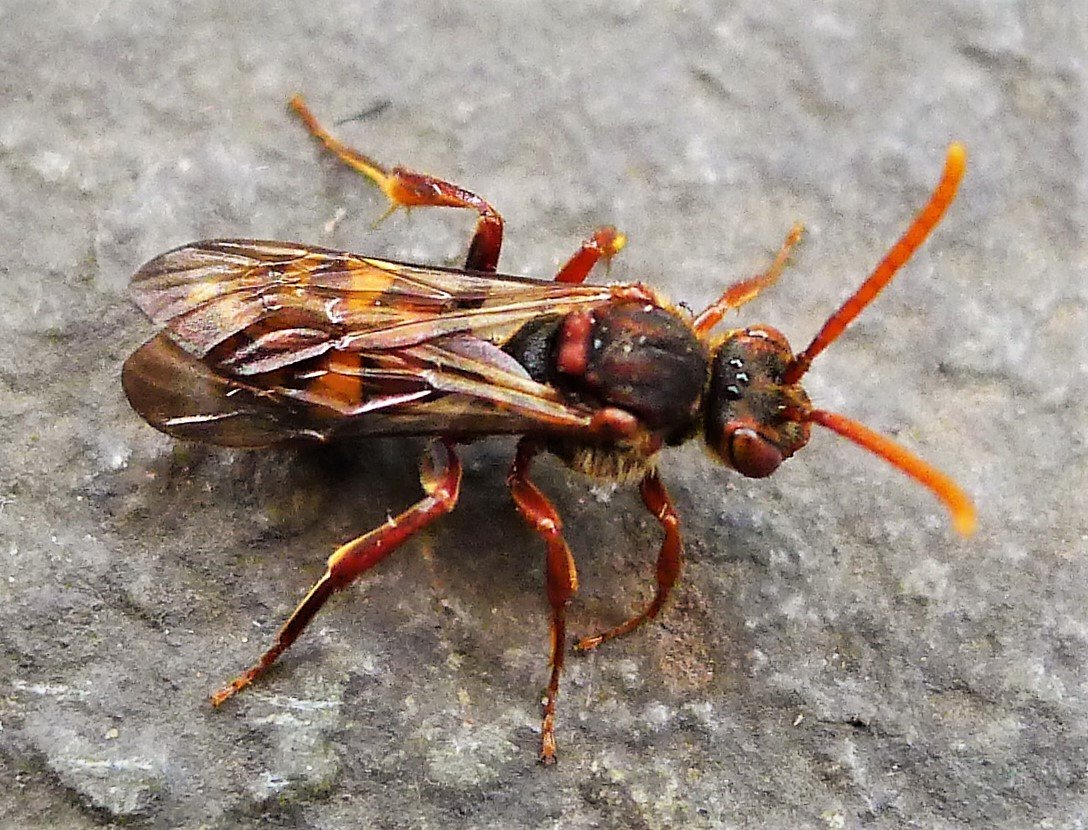
UK Bee Species
Fork-jawed Nomad Bee (Nomada ruficornis)
Nomada ruficornis Linnaeus, 1758 · subgenus Nomada · family Apidae
The fork-jawed nomad bee is a wasp-like spring bee in black, red and yellow, and one of Britain's larger nomad, or cuckoo, bees. It is named for the forked tips of its jaws, and it is the dedicated cleptoparasite of the orange-tailed mining bee, laying its eggs in that host's nests rather than building its own.
Quick facts
| Kingdom | Animalia |
| Phylum | Arthropoda |
| Class | Insecta |
| Order | Hymenoptera |
| Family | Apidae |
| Genus | Nomada |
| Subgenus | Nomada |
| Species | Nomada ruficornis |
A cuckoo in wasp's clothing
Nomad bees, genus Nomada, are cuckoo bees: they build no nest of their own and gather no pollen, but slip into the nests of other bees to lay their eggs, leaving the host's stored food to feed the intruder's grub.[4] Nearly hairless and boldly patterned in black, red and yellow, they look strikingly wasp-like, which is exactly why they can loiter around a host's nest without raising alarm.
The fork-jawed nomad bee is one of the larger British nomads, with females roughly 8 to 11 mm long.[4] In the field it closely resembles the very common Nomada flava and N. panzeri, but there is one reliable clue.
The forked jaws
Its English and scientific interest both rest on its mandibles, which end in two points rather than one. With a hand lens you can watch a gripped bee open its bidentate, or forked, jaws, a feature it shares in Britain only with N. fabriciana.[4] Its thorax is also a little furrier than its look-alikes.[1]
It builds nothing and gathers nothing. The fork-jawed nomad bee lives entirely on another bee's labour.
The orange-tailed mining bee's shadow
The fork-jawed nomad bee is the special cleptoparasite of the orange-tailed mining bee (Andrena haemorrhoa), and its presence anywhere should be checked wherever that host occurs.[2] Its own distribution therefore tracks the host's: found throughout the UK but becoming scarcer further north.[3][5] It shares the same broad range of habitats as the mining bee and can often be seen flying low over sunny banks and lawns where the host is nesting.[1]
Adults are on the wing in spring, from around March into July, matching the flight of the host so that fresh mining-bee nests are available to parasitise.[3] Beyond the UK its range extends right across the Palaearctic to Japan.[3]
How the cuckoo works
A female fork-jawed nomad bee finds an orange-tailed mining bee nest still being stocked, enters, and lays an egg. When it hatches, the nomad grub destroys the host's egg or young larva and eats the pollen store the mining bee had gathered, so a single nomad replaces a single mining bee.[4] Because it collects no pollen of its own, the fork-jawed nomad bee visits flowers only for nectar, and has been recorded at spring blooms such as dandelions, willow, forget-me-nots and greater stitchwort.[4]
It is tempting to see a cuckoo bee as simply harmful, but a healthy population of the fork-jawed nomad bee is a sign of a healthy population of its host. Cleptoparasites sit near the top of the bee food web and tend to disappear first when their host declines, which makes them useful indicators of a functioning system.[2]
Why it matters
The fork-jawed nomad bee is a reminder that a garden or meadow is not just its obvious pollinators but a layered community. It contributes little pollination itself, yet its presence signals a thriving orange-tailed mining bee population and, with it, all the spring pollination that bee provides. Supporting the host, by leaving sunny banks and lawn edges undisturbed and growing early flowers, supports the cuckoo too.
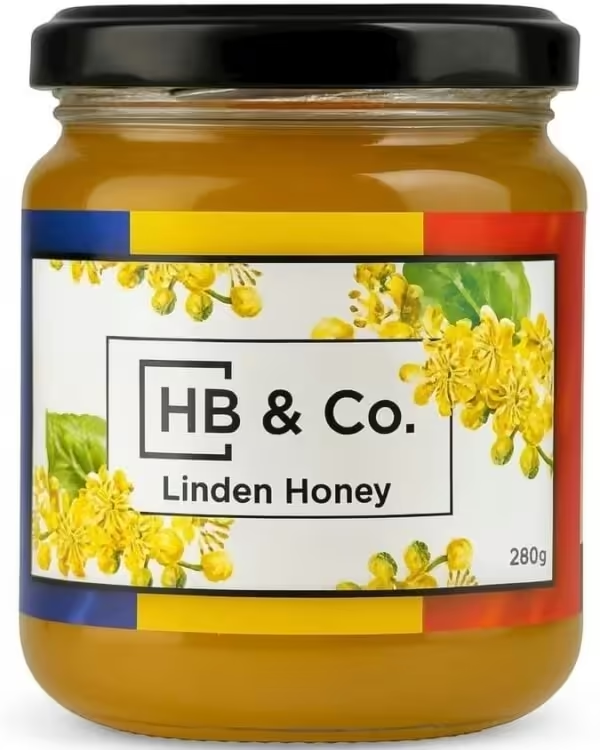
Linden Honey
Raw Linden honey with a fresh, herbal lime-blossom note, gathered as spring turns to summer. A single 280g jar, £10.99.
Shop Linden Honey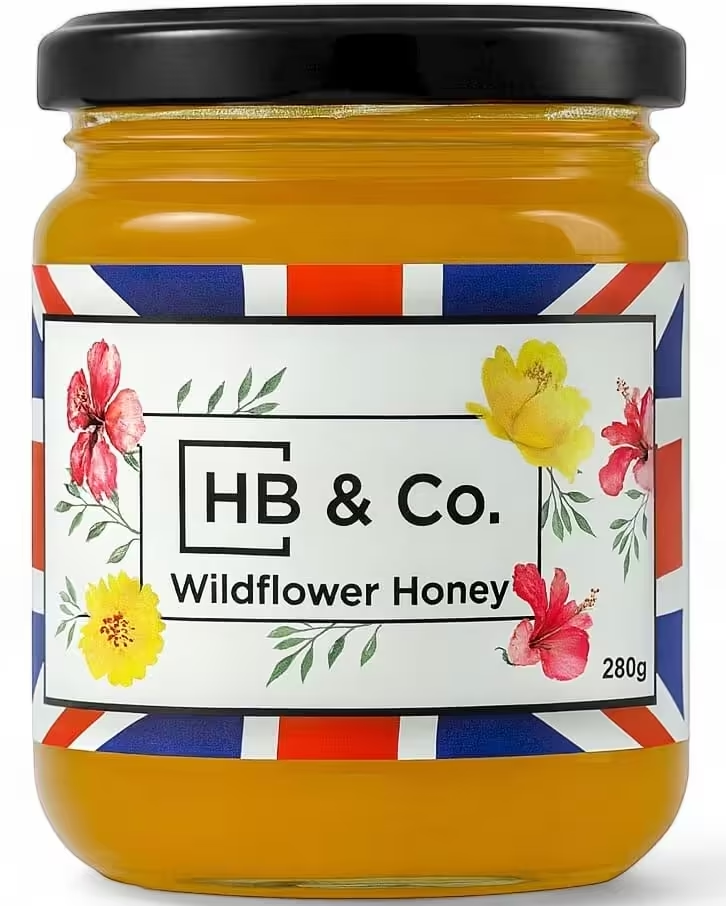
British Wildflower Honey
Raw honey from British hedgerows and meadows, the mixed summer flowers our wild bees work too. Our British honey supplier holds SALSA Certification. 280g. £10.99.
Shop Wildflower Honey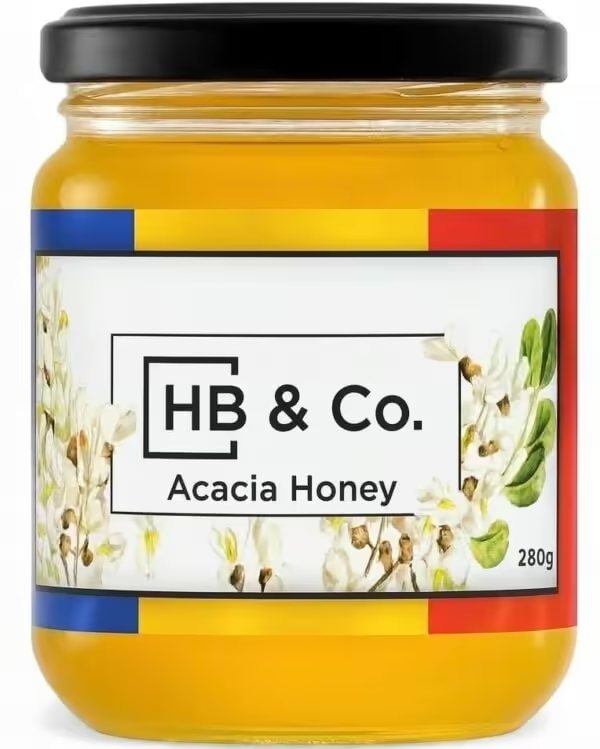
Subscribe & Save 20%
Choose any single honey and save 20% on every delivery, with free UK delivery on every subscription order.
Start a SubscriptionFrequently asked questions
How do I identify a fork-jawed nomad bee?
What is a nomad bee?
Which bee does the fork-jawed nomad bee parasitise?
When is the fork-jawed nomad bee active?
Why is it called fork-jawed?
Does the fork-jawed nomad bee collect pollen?
Do fork-jawed nomad bees sting?
Does the fork-jawed nomad bee make honey?
Related species
Sources & references
- Falk, S. Field Guide to the Bees of Great Britain and Ireland, Bloomsbury, and the Steven Falk Flickr collection: Nomada ruficornis (bidentate mandibles, furrier thorax, separation from N. flava and N. panzeri, host and habitats).
- BWARS (Bees, Wasps & Ants Recording Society). Species accounts: Nomada ruficornis and its host Andrena haemorrhoa: the fork-jawed nomad bee as the special cleptoparasite. bwars.com.
- Crowley, L.M. et al. (2023). The genome sequence of the fork-jawed nomad bee, Nomada ruficornis (Linnaeus, 1758). Wellcome Open Research (univoltine March to July, host A. haemorrhoa, size, distribution to Japan).
- Buzz About Bees. Fork-jawed nomad bee (Nomada ruficornis): cleptoparasitic biology, nectar flowers and host relationship. buzzaboutbees.net.
- NBN Atlas / GBIF Secretariat. Nomada ruficornis (Linnaeus, 1758): taxonomy and UK distribution. nbnatlas.org; gbif.org.
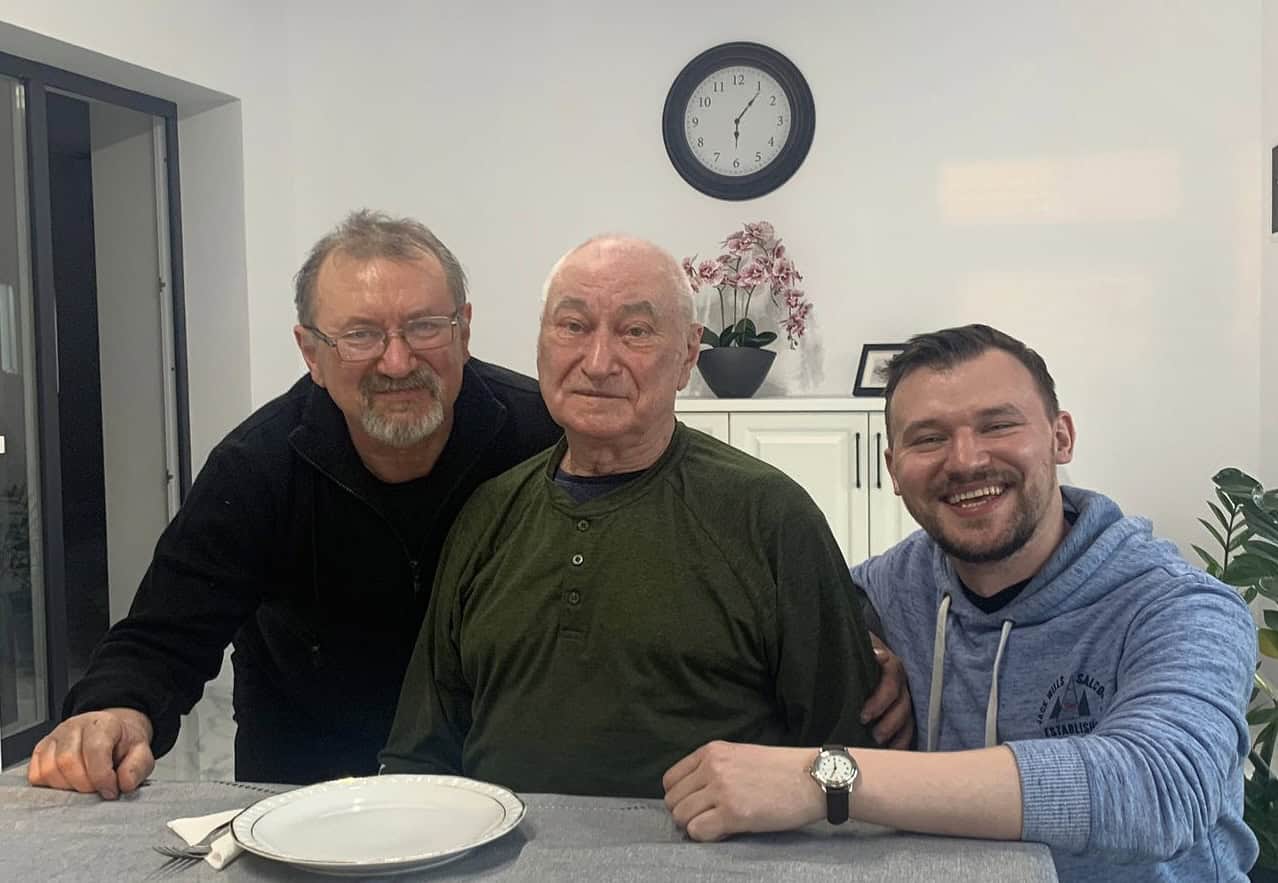
Dragos Nistor
Founder, HoneyBee & Co. · Guest Lecturer, University of Greenwich
HoneyBee & Co. draws on six generations of family beekeeping heritage, with honey from the Nistor family apiaries and from carefully chosen British producers. Our British honey supplier holds SALSA Certification, and we offer a 15% NHS Discount. Every jar is raw, unfiltered and traceable to the hive.