
 English (UK)
  Italiano
  Français
  简体中文
简体中文  한국어
한국어 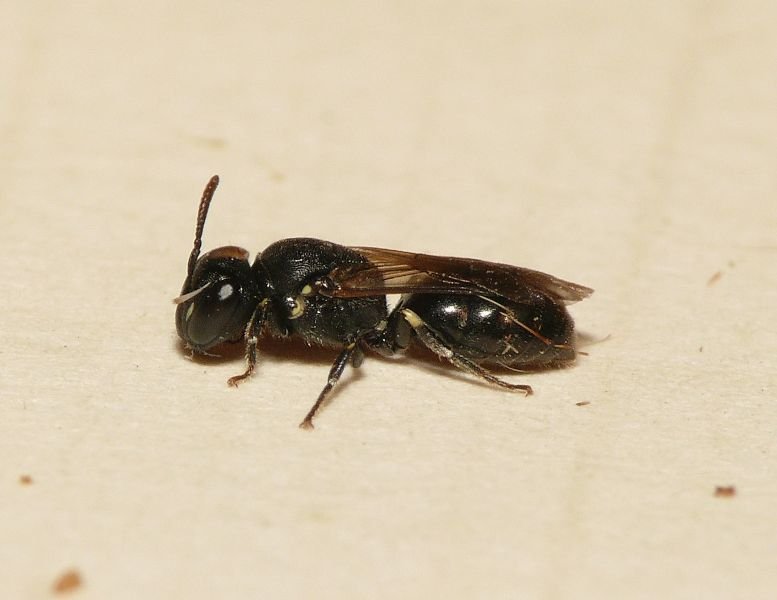
Short-horned yellow-face bee, Hylaeus brevicornis: near-hairless, wasp-like and black, with the pale face markings that name the group. Photograph by Dick Belgers, Waarneming.nl, CC BY 3.0, via Wikimedia Commons.
UK Bee Species
Short-horned Yellow-face Bee Hylaeus brevicornis
Nylander, 1852 (originally Prosopis brevicornis) · subfamily Hylaeinae · family Colletidae
Snap open a dead bramble cane in winter and you might be holding a nursery. The short-horned yellow-face bee spends almost its whole life around bramble, feeding at the flowers in summer and tunnelling the hollow, pithy stems to raise its young. It is also one of the smallest bees in Britain, a glossy black speck with a forewing under four millimetres, so wasp-like that most people never register it as a bee.[2]
Britain's smallest yellow-face, and how to know it
Yellow-face bees are the odd ones out among British bees: small, slender, almost hairless and black, with neat pale markings on the face that look, at a glance, far more like a wasp than a bee.[4] The short-horned yellow-face bee is the tiny end of that group. Along with its close relative the little yellow-face bee, it is the smallest Hylaeus we have, and separating the two, or telling either from the other small dark yellow-face bees, is a job for a hand lens.[2] A few features point the way:
- A rounded face seen head-on, rather than the more oval face of larger yellow-face bees.[2]
- Very short antennae, which give the bee its name: in males the base segment, the scape, is moderately swollen, where the similar little yellow-face bee has an unswollen one.[2]
- In females, the pale facial spots are narrow and clearly separated from the seams of the face, and smaller than in many relatives.[2]
- A smooth, glossy, near-hairless black body with no visible pollen brush anywhere on it.[6]
That missing pollen brush is not an oversight. It is the key to how the whole group lives.
A whole life in a bramble stem
Most solitary bees dig burrows in the ground. Yellow-face bees move into ready-made tunnels instead, and the short-horned yellow-face bee is a bramble specialist: it has been reared many times from nests in dead, pithy bramble canes, where the female hollows out the soft centre and builds a row of cells end to end.[1][3] Each cell holds a loaf of pollen and nectar and a single egg; the grub eats its store and pupates in place. One female may build several small nests in her short life.[5]
Look closely at the lining and you meet the family trademark. Every cell is painted with a thin, transparent, waterproof secretion that the female applies with her tongue and that dries like cellophane, sealing the pollen and grub away from damp and mould. It is this habit that earns the family Colletidae its English name, the plasterer bees.[4]
How to help a stem-nesting bee
The tidiest gardens are the emptiest ones for this bee. Leaving dead bramble, rose and other pithy or hollow stems standing through winter, rather than cutting and clearing them, gives the short-horned yellow-face bee somewhere to nest. A sunny patch of bramble left to flower does double duty, feeding the adults and housing the next generation in the same few square metres.
The bee that carries pollen in its stomach
Nearly every bee you can picture carries pollen on the outside: packed onto stiff hairs on the legs or belly, in those bright saddlebags you see on a bumblebee. Yellow-face bees do without. The female has no pollen brush at all, which is exactly why she looks so bare and wasp-like. Instead she swallows a mixture of pollen and nectar, carries it home inside her body in the crop, or honey stomach, and brings it back up into the cell to provision each egg.[4]
When and where to find it
The short-horned yellow-face bee flies from May to September, and in warmer parts of the country it may fit in two generations in a season.[1] It is a true generalist at the flowers, with no strong preference, though bramble is a firm favourite, along with open, easily reached blooms such as hogweed, wild carrot, wild parsnip, sea-holly, ragwort and thyme.[1] You can meet it in a wide range of open, sunny places: grassland, heathland, brownfield, coastal dunes and cliffs, light woodland and sometimes gardens.[5]
In Britain it is fairly frequent across lowland England, becomes scarcer northwards, reaches into southern Scotland, and is thinly recorded in Wales.[1][5] Across the Irish Sea it is much rarer, and is classed as Endangered in Ireland.[6] Its stem nests do not go unnoticed: small parasitoid wasps have been reared from them, laying their own eggs on the bee's provisions.[1] Place it among Britain's other bees on the UK Native Bee Species Map, or among the world's bees in the World Bee Atlas.
The name: short antennae and woody nests
The species name brevicornis means "short-horned", from the Latin for short antennae, the feature that separates it from some of its relatives.[5] The genus name Hylaeus comes from the Greek for "of the woods", a nod to the group's habit of nesting in woody and pithy material.[4] It was first described by the Finnish naturalist William Nylander in 1852, originally under the old genus name Prosopis. Around the world the family is also called the polyester or cellophane bees, all names for the same self-made cell lining.[4]
| Kingdom | Animalia |
|---|---|
| Phylum | Arthropoda |
| Class | Insecta |
| Order | Hymenoptera |
| Family | Colletidae |
| Subfamily | Hylaeinae |
| Genus | Hylaeus |
| Species | Hylaeus brevicornis |
Small bees, wild flowers, and a jar of raw honey
A generalist like the short-horned yellow-face bee keeps bramble and hedgerow flowers pollinated. Honeybees turn the same nectar into raw honey you can spread on toast.
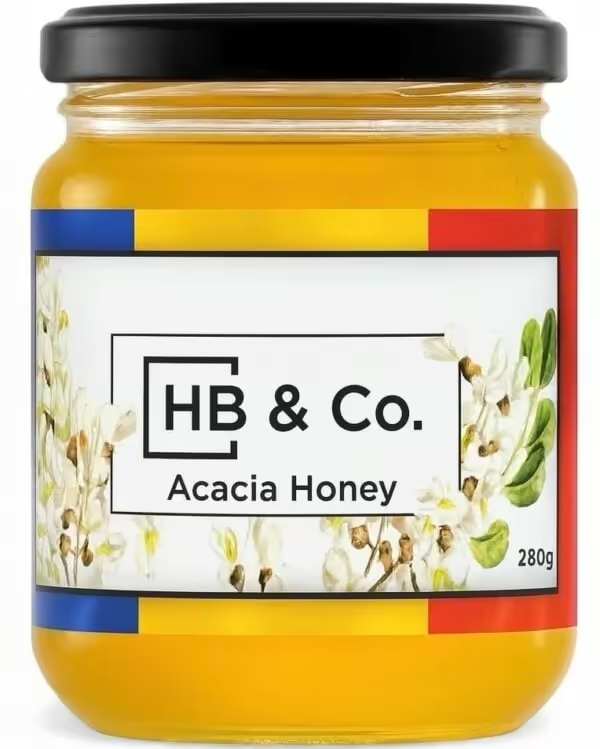
Raw Acacia Honey
Our flagship: pale, delicate and slow to crystallise, from the Nistor family's Transylvanian apiaries. 280g, £10.99.
Shop Acacia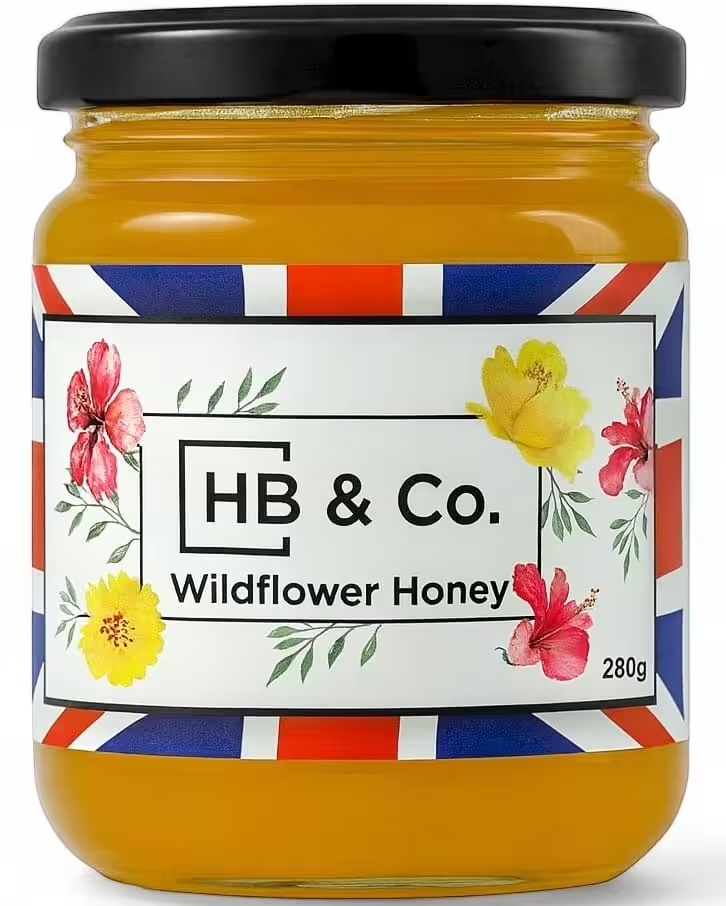
Raw British Wildflower Honey
From Midlands meadows and hedgerows, the same wild flowers a yellow-face bee works all summer. Our British honey supplier holds SALSA Certification. 280g, £10.99.
Shop Wildflower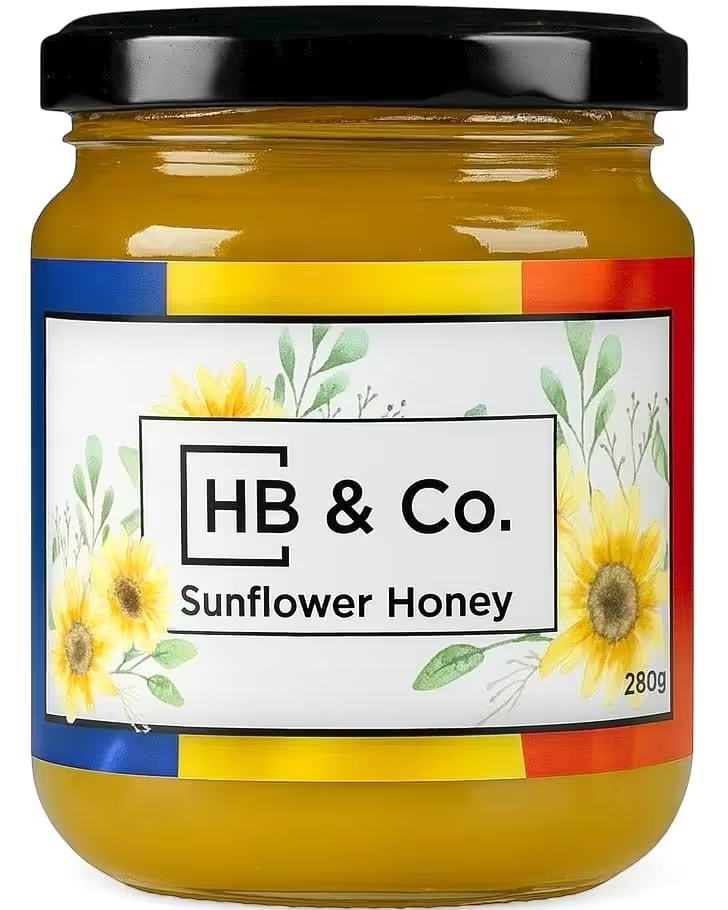
Subscribe and save 20%
Choose any single honey and save 20% on every delivery, with free UK delivery on every subscription order.
Start a SubscriptionFrequently asked questions
Is the short-horned yellow-face bee really a bee, not a wasp?
Yes. It looks like a tiny black wasp because it is almost hairless and has no pollen brushes, but it is a true bee in the family Colletidae. The wasp-like look comes from the way it carries pollen internally rather than on its body.
How small is it?
Very. Its forewing is under four millimetres, making it, with the little yellow-face bee, one of the smallest bees in Britain. It is easy to overlook entirely.
Why is it called short-horned?
The name brevicornis means short-horned, referring to its short antennae. In males the base of the antenna is also slightly swollen, which helps separate it from the very similar little yellow-face bee.
Where does it nest?
In hollow, pithy plant stems, especially dead bramble. The female tunnels out the soft centre and builds a row of cells, each lined with a waterproof cellophane-like secretion.
How does it carry pollen with no pollen baskets?
It swallows it. The female takes pollen and nectar into her crop, carries them home inside her body, and regurgitates the mixture into the nest cell to feed her young.
When is it active?
From May to September. In warmer, southern areas it may manage two generations in a single season.
Does it sting?
It can, but it is not aggressive and stings very rarely. Given its size, any sting is slight and it is far more likely to fly off than to use it.
Does it make honey?
No. It stores only small loaves of pollen and nectar for its own larvae. Only the honeybee makes honey in any quantity. You can compare the bee families in the World Bee Atlas.
Related species
Sources and references
- BWARS (Bees, Wasps & Ants Recording Society). Species account: Hylaeus brevicornis (Colletidae): nesting in dead bramble stems (Danks, 1971), forage plants, parasitoids reared from nests, flight period and British distribution. bwars.com.
- Falk, S. Field Guide to the Bees of Great Britain and Ireland, Bloomsbury, and the Steven Falk Flickr collection: smallest British Hylaeus, forewing under 4 mm, separation from H. pictipes by antennae and scape, and female facial markings.
- Danks, H.V. (1971). Nesting biology of Hylaeus in bramble and other pithy stems, as summarised in the BWARS species account.
- Else, G.R. & Edwards, M. (2018). Handbook of the Bees of the British Isles. Ray Society: the Colletidae and Hylaeinae, internal pollen transport in the crop, and the cellophane-like cell lining that names the plasterer bees.
- NatureSpot and the NBN Atlas: Hylaeus brevicornis Nylander, 1852, habitats, flight period (late May to September), and British recording pattern.
- Nieto, A. et al. (2014). European Red List of Bees. IUCN / Publications Office of the European Union, and Irish status assessments: conservation context, including Endangered status in Ireland.
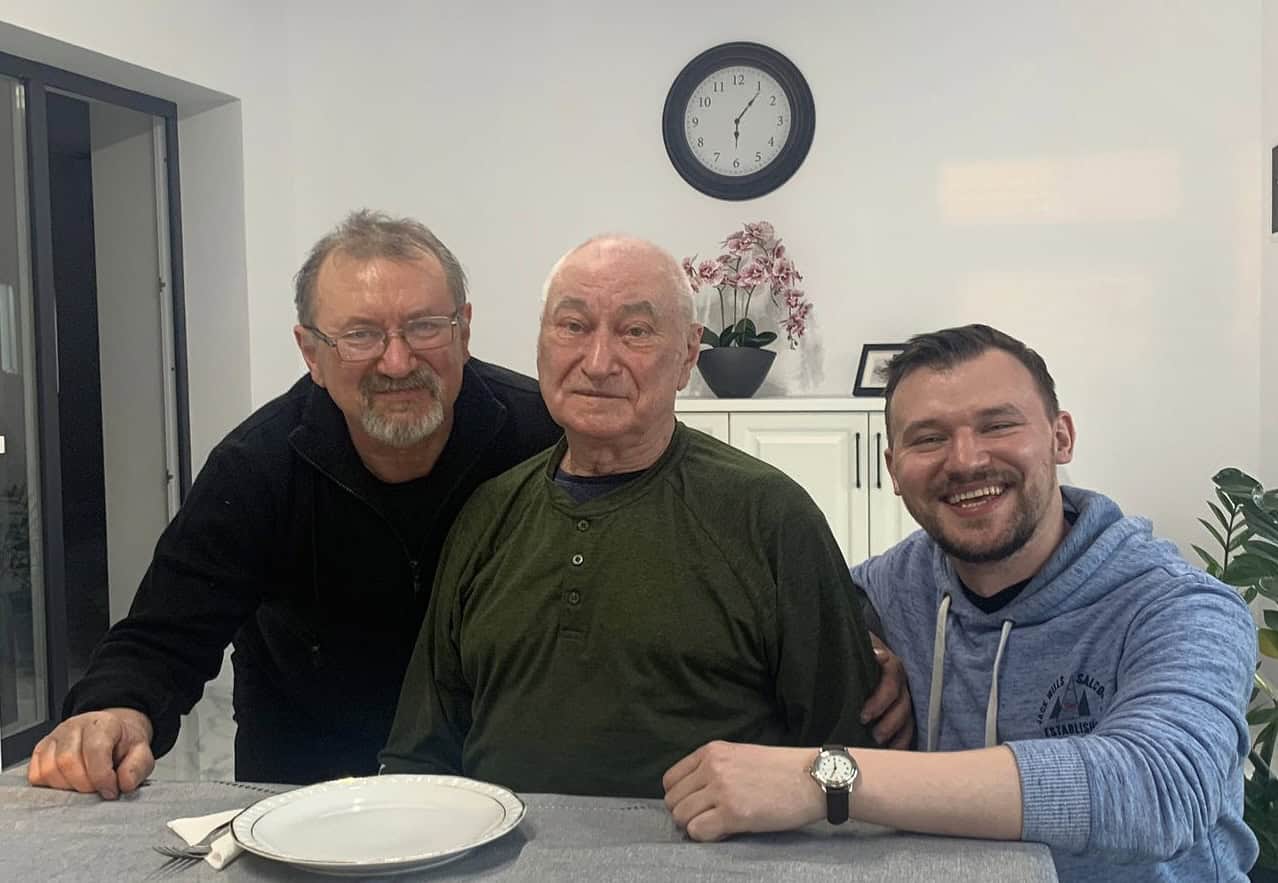
HoneyBee & Co. draws on six generations of family beekeeping heritage, with honey from the Nistor family apiaries and from carefully chosen British producers. Our British honey supplier holds SALSA Certification, and we offer a 15% NHS Discount. Every jar is raw, unfiltered and traceable to the hive.