

Honey is broadly safe for most healthy adults, but like any food, it has side effects worth understanding. High doses can disrupt blood sugar, trigger digestive discomfort, and add significant calories. Certain groups, including infants under 12 months, people with pollen allergies, and those on blood-thinning medications, need to exercise additional care. This guide covers the evidence on honey side effects clearly, so you can enjoy it with confidence rather than caution.
在 HoneyBee & Co., we source raw, traceable 蜂蜜 from beekeepers we know. Understanding how honey works in the body is part of using it well.
- Honey is safe for most healthy adults in moderate amounts. The general guidance is no more than 1 to 2 tablespoons per day as part of a balanced diet.
- Children under 12 months must never be given honey due to the risk of infant botulism. This is an absolute rule, not a precaution for immune-compromised infants only.
- Honey raises blood sugar, but research suggests it has a more moderate effect than refined table sugar. Diabetics should still monitor intake carefully and discuss with their care team.
- People with pollen allergies, ragweed sensitivity, or Asteraceae family plant allergies should approach honey cautiously and may want to discuss with an allergist.
- Honey interacts with certain medications, particularly blood thinners like Warfarin. Always discuss regular honey consumption with your GP if you take prescription medications.
- Excessive consumption can cause fructose overload, leading to bloating, stomach discomfort, and diarrhoea in susceptible individuals.
- Raw, single-origin honey from a named source carries lower adulteration risk than blended supermarket honey, which may contain additives that compound some of these effects.
Common Honey Side Effects at a Glance
The side effects associated with honey fall into a small number of consistent categories. Most are dose-dependent, meaning they occur with excessive consumption rather than moderate daily use. A brief overview before the detailed sections:
- Blood sugar elevation -- honey raises blood glucose, though less sharply than refined sugar according to published research.
- Digestive discomfort -- high fructose content can cause bloating, stomach ache, or diarrhoea in people with fructose sensitivity.
- Allergic reactions -- trace pollen in honey can trigger reactions in pollen-sensitive individuals, ranging from mild itching to anaphylaxis in rare cases.
- Caloric contribution -- one tablespoon contains approximately 64 calories, which matters at scale for weight management.
- Dental erosion -- honey's stickiness and sugar content promote bacterial acid production on tooth enamel.
- Infant botulism -- Clostridium botulinum spores can be present in honey and are dangerous for immature digestive systems.
- Medication interactions -- honey may amplify the effects of blood thinners and certain other medications.
The sections below expand on each of these in detail, with the evidence behind each claim and what it means for your daily consumption.
64 千卡 per tablespoon (21g) -- USDA FoodData Central
17.3g total sugars per tablespoon (glucose + fructose + sucrose)
38 to 40% fructose content by weight -- the primary driver of digestive side effects
GI 35 to 87 -- glycaemic index varies substantially by variety. Acacia is among the lowest, blended commercial honey among the highest
Under 12 months -- absolute age threshold for infant botulism risk. No exceptions by honey type or processing method
40mg/kg -- EU maximum permitted level of HMF (5-hydroxymethylfurfural), a degradation compound that forms when honey is overheated
Allergic Reactions
Honey can trigger allergic reactions in a minority of individuals, primarily because it contains trace amounts of pollen from the flowers its bees have visited. For most people this presents no problem, but for those with specific pollen sensitivities, the risk is real and worth taking seriously before consuming honey regularly.
Reactions can range significantly in severity. Mild symptoms include itching of the mouth, lips, or throat (a pattern known as oral allergy syndrome), skin hives, and nasal congestion. More severe reactions can involve swelling, breathing difficulty, and in rare cases anaphylaxis, which requires immediate emergency medical attention.
Those with known allergies to ragweed, daisies, chrysanthemums, or other Asteraceae family plants face higher cross-reaction risk with chamomile-inclusive or wildflower honeys. If you have a history of anaphylaxis to any plant allergen, introduce honey in a very small amount first and ideally discuss with an allergist before making it a daily habit.
Raw honey contains more pollen than highly filtered commercial honey, which is part of what makes it beneficial for some hayfever sufferers, but also means the allergen exposure is higher. Our full guide to wildflower honey and hayfever covers this distinction in detail.
Digestive Issues
Honey is generally well tolerated in moderate amounts, but a significant minority of people experience digestive discomfort when consuming it in quantity. The primary mechanism is fructose: honey typically contains 38 to 40 per cent fructose by weight, and humans absorb fructose less efficiently than glucose. When fructose intake exceeds the gut's absorption capacity, unabsorbed sugars pass into the large intestine where they are fermented by bacteria, producing gas, bloating, and in some cases diarrhoea.
Stomach Discomfort and Bloating
The fructose overload threshold varies considerably between individuals. People with irritable bowel syndrome or diagnosed fructose malabsorption are particularly susceptible. For them, even modest amounts of honey can produce noticeable gut symptoms, while others can consume several tablespoons without issue.
Starting with a small quantity and monitoring your response over a week is the most practical approach when introducing honey regularly. Spreading consumption through the day rather than taking it in one large dose also tends to reduce digestive load.
Consuming honey with ginger tea can help soothe the digestive system and promote overall gastrointestinal comfort.

Diarrhoea
Excessive honey consumption can lead to osmotic diarrhoea in susceptible individuals. This occurs when unabsorbed sugars draw water into the intestine, accelerating transit. The key contributing factors are:
- High fructose content -- can be difficult for some individuals to absorb completely.
- Overconsumption -- large quantities overwhelm the gut's normal sugar processing capacity regardless of baseline sensitivity.
- Underlying sensitivity -- those with IBS, Crohn's disease, or fructose malabsorption experience symptoms at lower doses.
As with bloating and stomach discomfort, the solution is moderation. One to two teaspoons per sitting, distributed through the day, is unlikely to cause issues for most people. If symptoms persist despite modest intake, discuss fructose malabsorption with your GP.
Impact on Blood Sugar
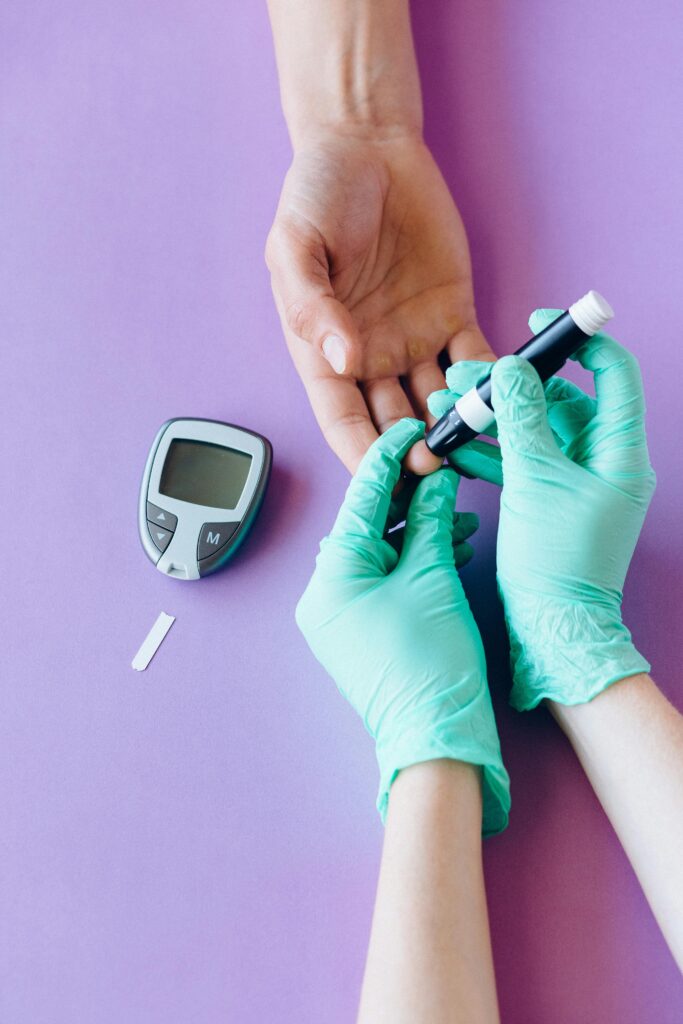
Honey does raise blood sugar levels. This is an important point to establish clearly before considering the nuances, because it is sometimes understated in honey marketing. Honey contains glucose and fructose in roughly equal proportions, and both contribute to postprandial blood glucose elevation.
That said, the research suggests honey has a meaningfully more moderate effect on blood sugar than refined table sugar. A study published in Nutrients found that honey produced a lower glycaemic response compared to conventional table sugar,[1] attributed in part to its fructose content (which is metabolised differently to glucose) and its bioactive compounds. Our detailed honey versus sugar comparison covers the glycaemic index evidence in full.
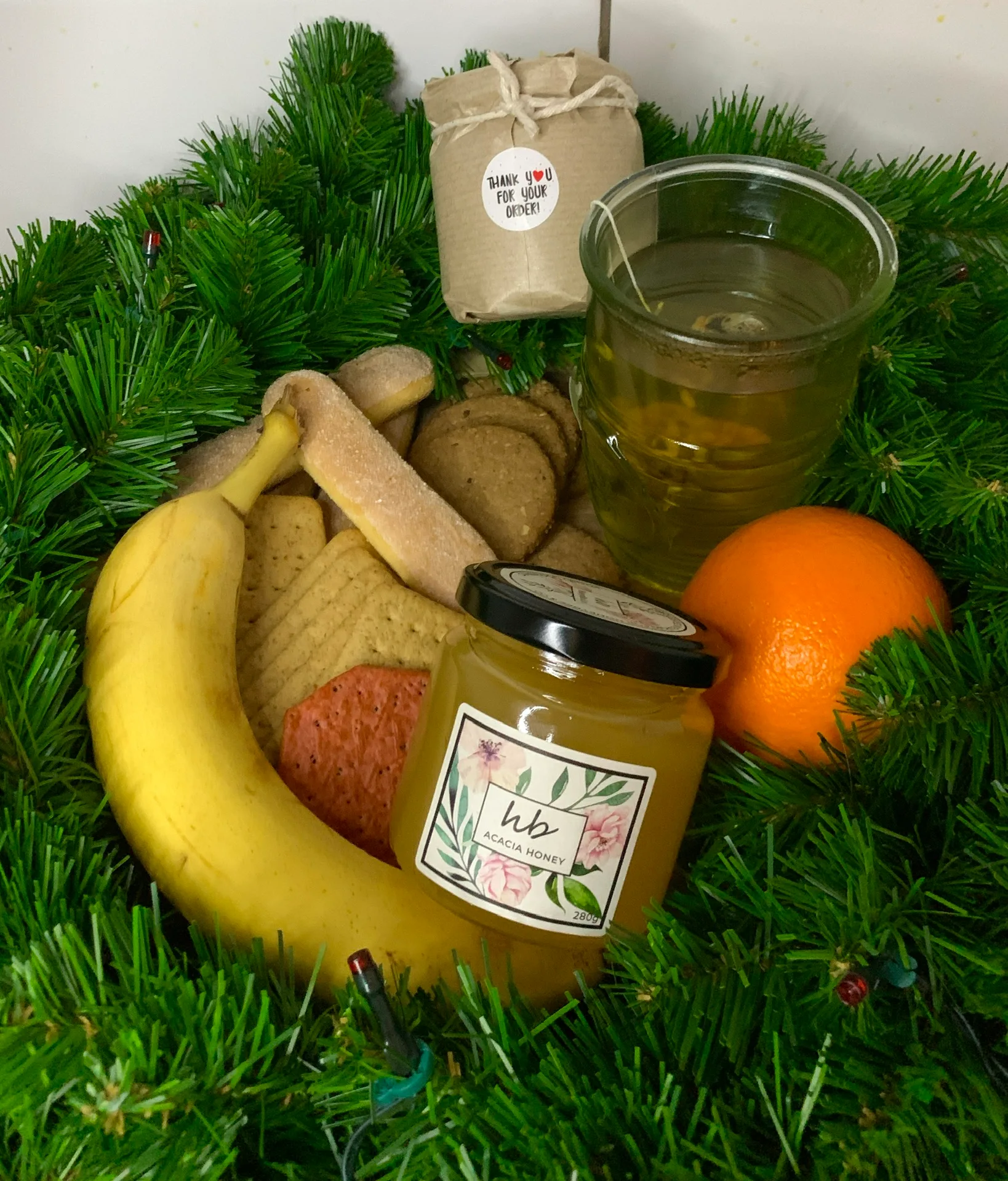
However, for individuals managing or predisposed to diabetes, the distinction from table sugar is less important than the absolute sugar load. Those with diabetes should treat honey as they would any other sugar-containing food: factor it into total carbohydrate intake, monitor blood glucose response, and discuss regular consumption with their diabetes care team. The glycaemic index of different honey varieties also varies: 金合欢蜂蜜 has a notably lower GI than most other varieties due to its higher fructose-to-glucose ratio, making it a more considered choice for those monitoring blood sugar.
Weight Gain and Caloric Content
Honey is more calorically dense than most people appreciate. A single tablespoon (approximately 21 grams) contains around 64 calories, which is comparable to sugar and higher than many people assume given its reputation as a natural health food.[2] Consumed in meaningful quantities daily, this contributes to total caloric intake in a way that matters for weight management.
This does not mean honey causes weight gain in moderate consumption. Replacing refined sugar with honey in equivalent quantities is broadly neutral from a calorie standpoint and may offer modest advantages in terms of micronutrient content and glycaemic response. The problem arises when honey is added on top of existing dietary sugar rather than substituted for it, or when "natural" framing leads to portion sizes that would not be applied to sugar.
The practical guideline is straightforward: use honey as a considered ingredient, not a free-pour condiment. One to two teaspoons in a drink or on food is a sensible serving. Two tablespoons added to porridge, a smoothie, and a cup of tea in the same morning is a significant sugar and calorie load regardless of the source.
For a detailed breakdown of how honey compares to sugar across multiple measures, see our 蜂蜜与糖指南. For specific variety guidance including the caloric and nutritional profile of our range, visit our 蜂蜜的健康益处全指南.
Dental Health Risks
Honey poses a genuine risk to dental health, and this is one of the more consistently supported side effects in the research. The mechanism is straightforward: honey is sticky and high in fermentable sugars, which means it adheres to tooth surfaces and provides substrate for acid-producing bacteria. These bacteria produce acids that demineralise tooth enamel, increasing the risk of cavities over time.
Honey is not uniquely dangerous compared to other sugary foods, but it should not be given a pass purely because it is natural. The sticky texture means it lingers longer on tooth surfaces than many other sweet foods, which extends acid exposure time.

The mitigation is simple: rinse with water after consuming honey, and do not brush teeth immediately (brushing softened enamel causes abrasion). Maintain regular brushing and flossing routines, and avoid consuming honey immediately before sleep without oral hygiene. Our article on choosing the best honey for your pantry touches on practical storage and usage habits that support mindful consumption.
Grayanotoxin Poisoning: The Mad Honey Risk
One honey side effect that receives almost no attention in UK consumer writing is grayanotoxin poisoning, sometimes referred to as mad honey poisoning. Grayanotoxins are naturally occurring compounds produced by plants in the Ericaceae family, principally Rhododendron species. When bees forage on these plants, the toxins transfer to the honey. Consuming honey with elevated grayanotoxin levels can cause significant acute symptoms.
In 2023, the European Food Safety Authority (EFSA) published a scientific opinion on the risks to human health from grayanotoxins in certain honey.[7] The EFSA CONTAM Panel identified that oral exposure causes acute intoxication affecting the muscles, nervous system, and cardiovascular system. Symptoms include dizziness, nausea, vomiting, low blood pressure, low heart rate, and in serious cases, complete atrioventricular (AV) block and respiratory depression.
Grayanotoxin-containing honey is primarily produced in Turkey (particularly the Black Sea region), Nepal, and parts of the Caucasus where Rhododendron species are prevalent. It is not a standard risk from UK-produced honey or from honey sourced from standard wildflower or acacia-dominant landscapes. The risk is highest from imported honey of unclear origin, artisan imports from high-risk regions, or honey purchased while travelling in affected areas. Standard UK and EU honey quality controls include grayanotoxin screening, but this is not always the case for honey bought outside regulated markets.
This is not a theoretical risk. Case reports of grayanotoxin poisoning appear in clinical literature from several European countries, typically linked to imported Turkish honey. Most cases resolve without lasting harm with appropriate medical treatment, but the acute experience can be alarming and in severe cases requires hospitalisation.
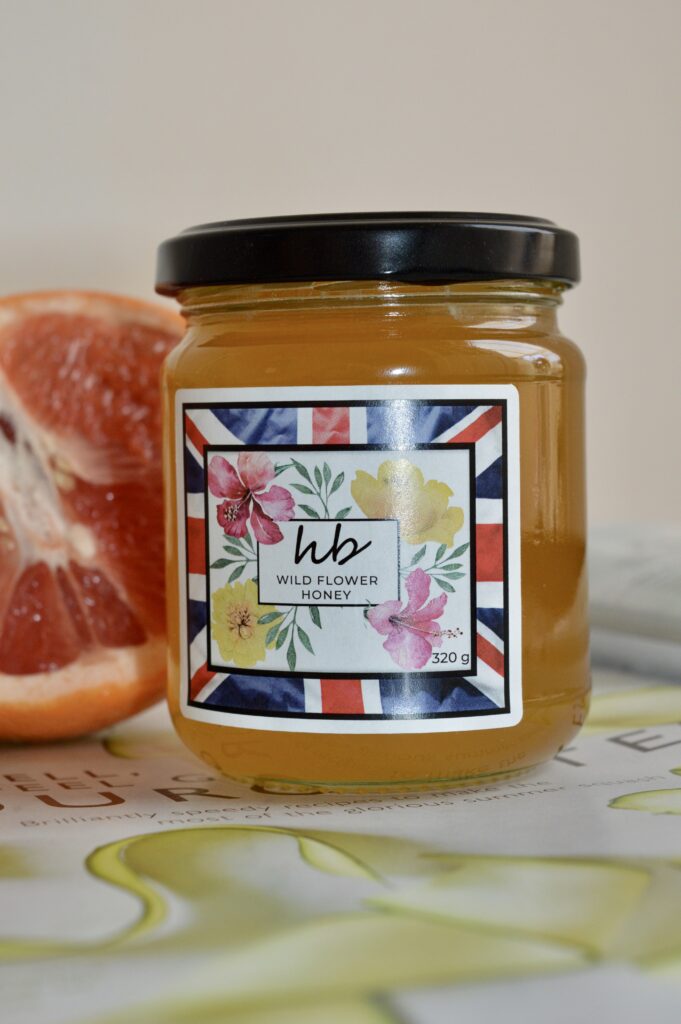
The practical implication for UK consumers is straightforward: buy honey with a named, verifiable origin from a producer you can identify. Honey labelled only as "product of more than one country" or with no region specified carries the highest uncertainty about botanical source. All HoneyBee & Co. honeys are single-origin from named landscapes: our 英国野花 和 海瑟 honeys come from UK Midlands and Yorkshire Moors respectively, neither of which has significant Rhododendron presence. Our Transylvanian varieties come from forest landscapes dominated by Robinia pseudoacacia and linden, not Ericaceae plants.
Infant Botulism
Honey must never be given to children under 12 months of age. This applies to raw honey, processed honey, honey in cooked foods, and honey-based products. There are no exceptions.
Infant botulism is a rare but serious illness caused by the germination of Clostridium botulinum spores in an infant's immature digestive tract. These spores can be present in honey, including commercially produced honey that passes all standard quality testing. The issue is not contamination in the conventional sense: it is that healthy adult digestive systems neutralise these spores before they can cause harm, while infants' systems cannot.
Clostridium botulinum spores produce a toxin that causes progressive muscle weakness. Symptoms in infants include constipation, weak cry, floppy limbs, poor feeding, and difficulty breathing. The condition requires immediate medical attention and can be life-threatening without treatment.[3]
The UK National Health Service advises parents clearly: do not give honey to babies younger than twelve months. The KidsHealth botulism guide and the NHS botulism information page both confirm that honey is the most common dietary source of infant botulism. This recommendation applies to all honey regardless of type, origin, or processing method. After the age of 12 months, the digestive system is sufficiently developed that the spores do not pose the same risk.
Parents with concerns about infant nutrition should always consult their health visitor or GP. General advice on honey consumption, including our range, is not applicable to infants under 12 months.
Honey and Pregnancy
Honey is generally considered safe during pregnancy for healthy women with no underlying conditions. Unlike infants, adults have the digestive maturity to neutralise Clostridium botulinum spores, so the botulism risk does not apply. The NHS does not advise against honey consumption during pregnancy.
However, the standard guidance on moderation applies with added care during pregnancy. Large quantities of any simple sugar, including honey, are not advisable. Blood sugar management is particularly important during pregnancy due to the risk of gestational diabetes, and honey should be treated as a sugar-containing food accordingly.
If there are any concerns about diet during pregnancy, always consult a midwife, GP, or registered dietitian. General nutritional advice is not a substitute for personalised medical guidance during pregnancy.
Interaction with Medications
Honey contains several bioactive compounds that can interact with certain prescription medications. The most significant documented interaction is with anticoagulants (blood thinners) such as Warfarin. Honey has mild anticoagulant properties of its own, and consuming it in quantity while on Warfarin therapy may amplify the drug's effect, increasing bleeding risk.[4] This does not mean a teaspoon in tea is dangerous for someone on Warfarin, but it does mean that regular, meaningful honey consumption is worth discussing with your prescribing doctor.
Other potential interactions include:
- Antidiabetic medications -- honey's sugar content may affect blood glucose management and require medication adjustment.
- Immunosuppressants -- honey's immune-modulating properties are modest but worth noting for those on immunosuppressive therapy.
- Sedatives -- some compounds in honey may have mild sedative properties; theoretical additive effects with prescribed sedatives are worth flagging to your GP.
The general principle is that honey is a bioactive food, not an inert sweetener. If you take multiple prescription medications and are considering using honey therapeutically or in significant daily quantities, a brief conversation with your GP or pharmacist is worthwhile. This is particularly important for anyone managing a chronic condition.
Who Should Avoid or Limit Honey?
Infants Under 12 Months
No exceptions. Infant botulism risk from Clostridium botulinum spores is absolute. Applies to all honey types and honey-containing products.
Severe Pollen Allergy
Those with Asteraceae family allergies or a history of anaphylaxis to plant allergens should introduce honey cautiously and consult an allergist first.
Diabetes
Honey raises blood sugar. Diabetics should factor it into total carbohydrate intake and monitor glucose response individually. Acacia honey has a lower GI than most varieties.
Fructose Malabsorption
Honey's 38 to 40 per cent fructose content causes significant digestive distress in those with confirmed fructose malabsorption or IBS.
Blood Thinners (Warfarin)
Honey's mild anticoagulant properties may amplify Warfarin and similar medications. Discuss regular consumption with your prescribing doctor.
Pregnancy
Generally considered safe, but moderation applies. Blood sugar management is particularly important. Consult midwife or GP for personalised guidance.
Safe Consumption Guidelines
For most healthy adults, honey is safe and beneficial when consumed with awareness. The following guidelines reflect established nutritional and medical consensus:
- Daily amount: no more than 1 to 2 tablespoons (20 to 40 grams) for healthy adults as part of a balanced diet. Less is appropriate for those monitoring caloric or sugar intake.
- 12 个月以下儿童: no honey at all, of any kind.
- Children over 12 months: honey is safe in small amounts. No specific upper limit is established for healthy children, but portion moderation applies.
- Diabetics: treat honey as a sugar-containing food. Factor it into total carbohydrate management. Monitor blood glucose response individually.
- Medication interactions: discuss regular consumption with your GP if you take anticoagulants, antidiabetics, or immunosuppressants.
- Storage: keep honey in an airtight container at room temperature. Honey stored correctly does not spoil. Refrigeration is not necessary and can accelerate crystallisation.
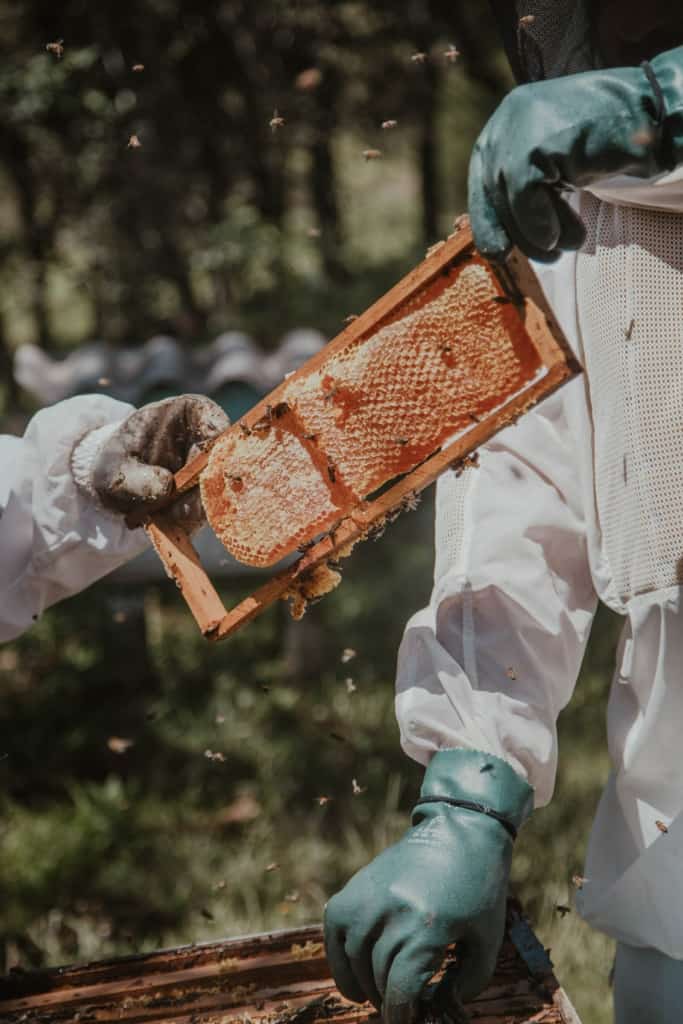
- 资料来源 choose raw, single-origin honey from a named beekeeper where possible. Blended commercial honey may contain added syrups that compound side effects.
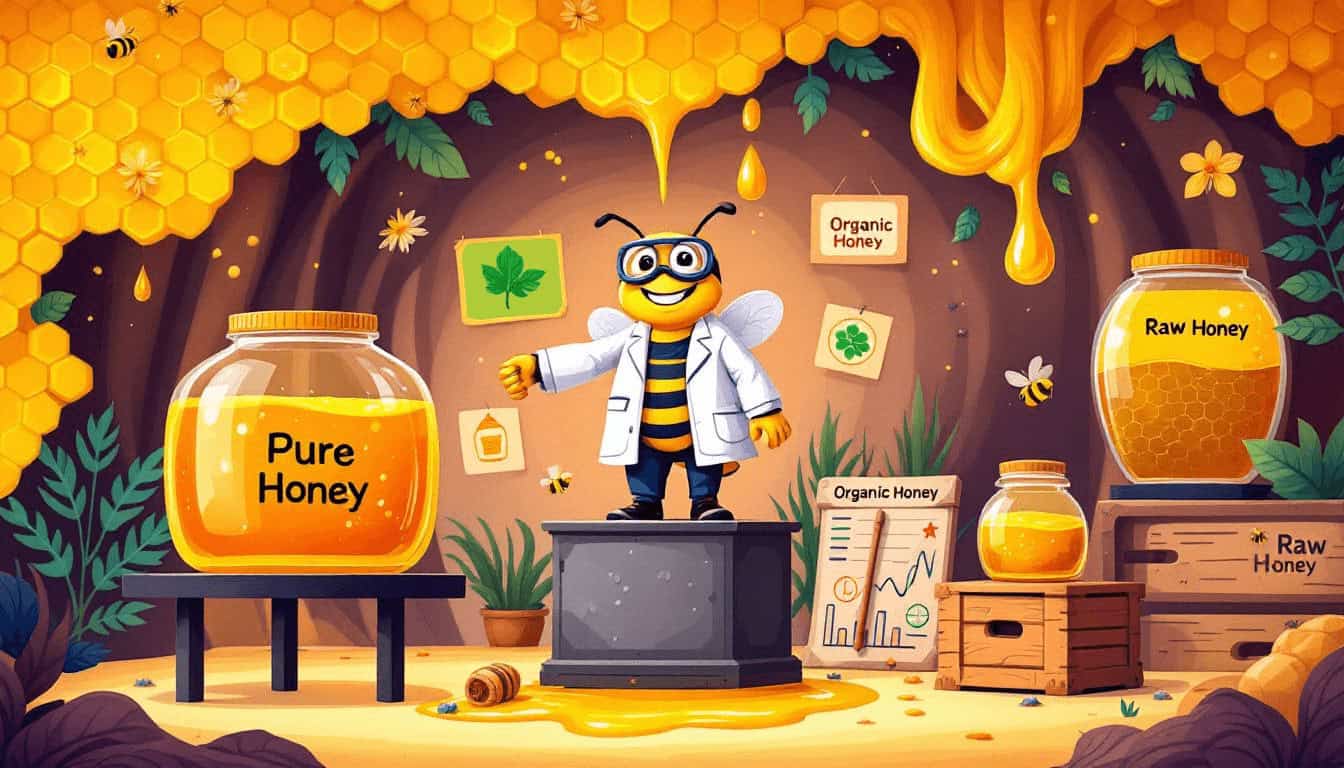
Does Raw Honey Have Fewer Side Effects Than Processed Honey?
This is a question we get asked frequently, and the honest answer is nuanced. Raw honey and processed (pasteurised) honey have the same core composition: fructose, glucose, water, and trace compounds. The side effects discussed in this article apply to both. Raw honey does not bypass the blood sugar, caloric, dental, or botulism risks.
Where raw honey differs is in what has not been removed. Pasteurisation and ultra-filtration strip out pollen, natural enzymes, and many of the bioactive plant compounds. For most side effects this is irrelevant. For pollen-related allergic reactions, raw honey actually carries slightly more risk because the allergen load is higher.
One area where processing does introduce a distinct concern is heat. When honey is heated above 40 degrees Celsius during production or stored in warm conditions, 5-hydroxymethylfurfural (HMF) forms as a degradation compound. EU regulations set a maximum permitted level of 40mg/kg for most honey. Cold-extracted raw honey from a recent harvest and known producer contains negligible HMF. This is another practical reason to add honey after hot water cools: above 40 degrees, both the natural enzymes and the HMF limit converge as concerns.
The case for raw honey is primarily positive: it retains more of the properties that give it nutritional and flavour value. It is not meaningfully safer in terms of side effects. The infant botulism risk, blood sugar impact, caloric content, and dental risks are the same regardless of processing. Our complete guide to honey types and risks covers the raw versus processed distinction in detail, and our guide to how bees make honey explains where each of these properties originates.
Recognising Adverse Reactions
Most honey side effects build gradually with consistent overconsumption rather than appearing acutely. Digestive symptoms, weight changes, and dental erosion develop over time rather than after a single serving. Allergic reactions are the exception: these can occur on first or subsequent exposure and range from mild to severe.
If you experience rashes, swelling, itching in the mouth or throat, hives, or any breathing difficulty following honey consumption, stop consuming it and seek medical advice. Anaphylaxis is a medical emergency requiring immediate attention. Carrying antihistamines if you have known pollen sensitivities is sensible before introducing honey from new sources.
For gastrointestinal symptoms that persist beyond adjustment of portion size, or for blood sugar responses that seem out of proportion, a GP consultation is worthwhile. Ruling out underlying fructose malabsorption or pre-diabetic blood sugar changes provides clarity and a basis for personalised guidance.
"(《世界人权宣言》) HoneyBee & Co. FAQ covers common questions about our specific honeys. For a broader view of honey's positive properties alongside its risks, our guide to honey's health benefits provides the full picture.
Raw Honey. Named Origin. Nothing Added.
Single-origin, cold-extracted, traceable to the beekeeper. If you are going to use honey regularly, knowing exactly what is in the jar is the most reliable way to manage it well.
-
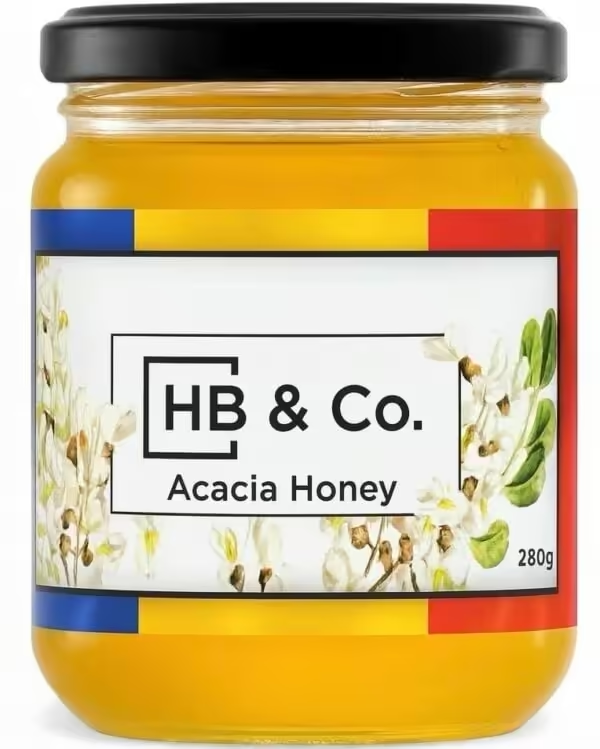 生金合欢蜂蜜 - £10.99 Transylvania, Romania. Lowest GI in the range. Highest fructose-to-glucose ratio. The most considered choice for blood sugar management.商店 → 购物
 -
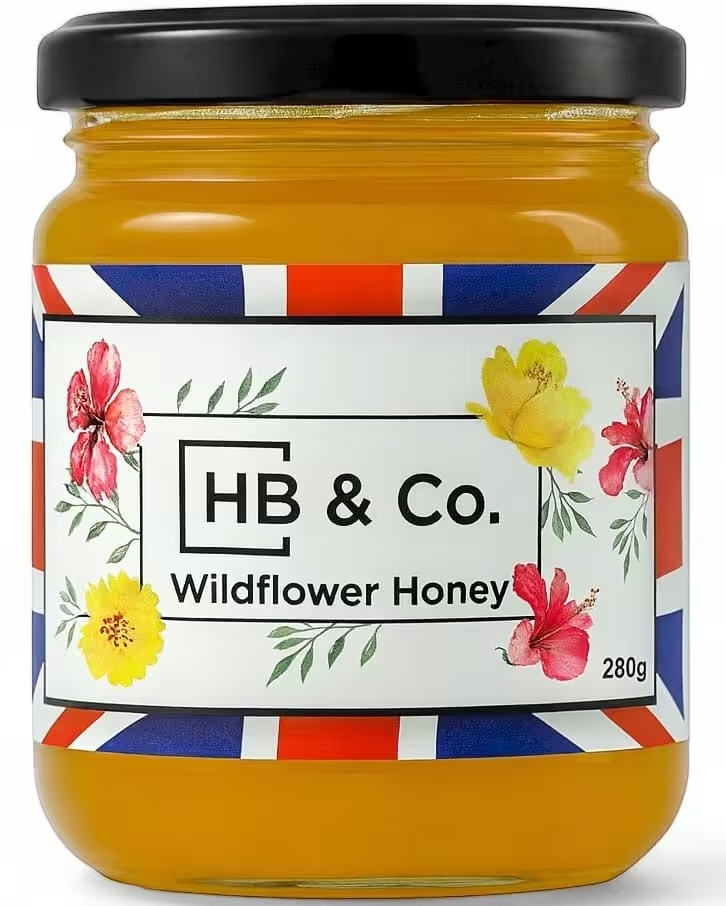 英国野花蜂蜜 - £10.99 Midlands, England. Polyfloral, seasonal, from a SALSA-certified British beekeeper. Traceable to a named landscape.商店 → 购物
 -
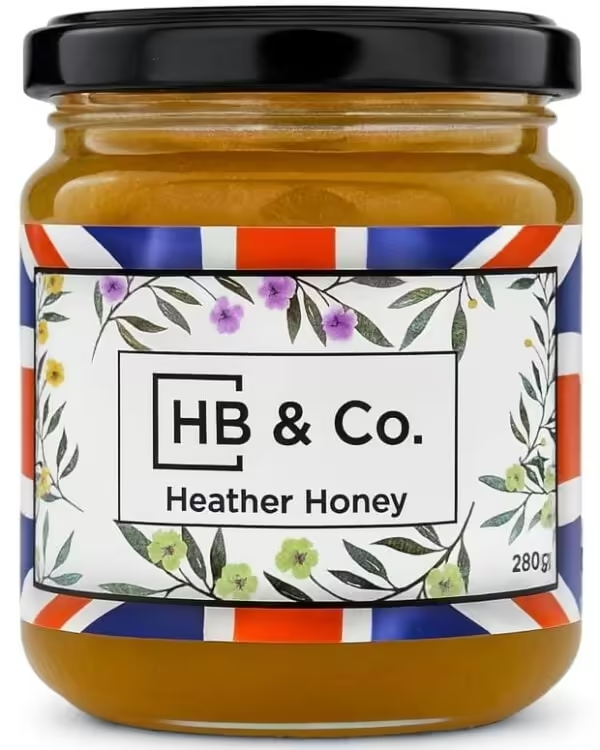 石楠蜂蜜 - £12.99 Yorkshire Moors, England. One harvest per year. The highest antioxidant density in our range.商店 → 购物
Honey Side Effects: Common Questions
Can honey cause side effects?
Yes, though most are dose-dependent. In moderate amounts, one to two tablespoons daily, honey is safe for most healthy adults. At higher doses, honey can cause blood sugar elevation, digestive discomfort (bloating, stomach ache, diarrhoea) due to its fructose content, dental enamel erosion, and caloric contribution to weight management. Allergic reactions can occur at any dose in sensitive individuals, and infant botulism risk exists for children under 12 months regardless of quantity.
Who should avoid honey completely?
Infants under 12 months must never have honey of any kind due to the risk of infant botulism from Clostridium botulinum spores. Beyond infants, complete avoidance is recommended for those with a confirmed severe allergy to honey or pollen from Asteraceae family plants. People with diabetes, fructose malabsorption, or who take Warfarin should not necessarily avoid honey entirely, but should limit intake, monitor their individual response, and discuss regular consumption with their GP or care team.
每天食用多少蜂蜜才安全?
For healthy adults, the general guidance is no more than one to two tablespoons (20 to 40 grams) per day as part of a balanced diet. This keeps caloric and sugar load within reasonable bounds for most people. Those monitoring blood sugar, managing weight, or with digestive sensitivities may want to keep intake closer to one teaspoon per serving. There is no universally agreed upper limit, but treating honey as a condiment rather than a staple food is a sensible practical framework.
Can honey raise blood sugar?
Yes. Honey contains glucose and fructose and raises blood sugar after consumption. Research published in Nutrients found that honey produces a lower glycaemic response than refined table sugar, but this does not make it safe to consume without limit for people managing diabetes or blood sugar. Acacia honey has one of the lower glycaemic indices among honey varieties due to its higher fructose ratio. Diabetics should factor honey into their total carbohydrate intake and monitor individual blood glucose response rather than assuming it is safe because it is natural.
Why can't babies have honey?
Honey can contain Clostridium botulinum spores, which germinate and produce toxin in an infant's immature digestive tract, causing infant botulism. This is a serious illness involving progressive muscle weakness, difficulty feeding, and breathing problems. Adult digestive systems neutralise these spores before they can cause harm, but infants under 12 months cannot. The UK NHS advises strict avoidance of honey for all children under 12 months. This applies to all honey types, including organic, raw, cooked, and honey added to food during cooking.
Can honey interact with medications?
Yes. The most significant interaction is with anticoagulants such as Warfarin. Honey has mild blood-thinning properties, and consuming meaningful quantities while on Warfarin therapy may amplify the drug's effect and increase bleeding risk. Honey's sugar content is also relevant for those on antidiabetic medications, as it may affect blood glucose management. If you take prescription medications regularly and want to use honey therapeutically or in significant daily quantities, discuss this with your GP or pharmacist before starting.
Is raw honey safer than supermarket honey?
In terms of the side effects discussed in this article, no. The blood sugar impact, caloric content, dental risk, infant botulism hazard, and medication interaction risks are the same for raw and pasteurised honey. Raw honey actually carries slightly higher allergen load due to its intact pollen content, which is relevant for those with pollen sensitivities. The case for raw honey is about what it retains (enzymes, pollen, bioactive compounds) rather than what it avoids. For side effect risk, the source and quantity matter more than raw versus processed.
Can honey cause an upset stomach?
Yes, particularly in larger quantities. The primary mechanism is fructose overload: honey contains approximately 38 to 40 per cent fructose by weight, and humans absorb fructose less efficiently than glucose. Unabsorbed fructose passes into the large intestine where it is fermented by gut bacteria, producing gas and potentially causing bloating, cramping, and diarrhoea. People with irritable bowel syndrome or diagnosed fructose malabsorption are particularly sensitive. Spreading honey consumption through the day and keeping individual servings modest reduces this risk substantially.
What is mad honey and is it dangerous?
Mad honey is honey produced by bees that have foraged primarily on Rhododendron or other Ericaceae family plants. These plants contain grayanotoxins, which transfer to the honey and can cause acute poisoning when consumed. Symptoms include dizziness, nausea, vomiting, very low heart rate, low blood pressure, and in serious cases cardiovascular complications requiring hospitalisation. A 2023 EFSA scientific opinion confirmed the acute toxicity risk. Mad honey is primarily a risk from honey originating in Turkey (particularly the Black Sea region), Nepal, and parts of the Caucasus. It is not a significant risk from standard UK or European honey produced from wildflower, acacia, heather, or linden sources, which do not involve Ericaceae plants. The practical protection is buying honey with a clearly named, verifiable origin.
资料来源和参考文献
- Erejuwa OO, et al. (2012). Honey: a novel antidiabetic agent. International Journal of Biological Sciences, 8(6):913-934. Supporting evidence on glycaemic response: Raatz SK, et al. (2018). Nutrients, 10(5):612. pmc.ncbi.nlm.nih.gov/articles/PMC5817209
- USDA FoodData Central. Honey, nutritional composition per tablespoon (21g): 64 kcal, 17.3g total sugars. fdc.nal.usda.gov
- KidsHealth / Nemours Foundation. Botulism. kidshealth.org/en/parents/botulism.html
- Alisi CS, et al. (2019). The relationships between micronutrients and anticoagulant therapy: a systematic review on natural substances influencing anticoagulant therapy. Frontiers in Pharmacology, 10:1462. doi: 10.3389/fphar.2019.01462
- Gibson PR, Shepherd SJ. (2010). Evidence-based dietary management of functional gastrointestinal symptoms: The FODMAP approach. Journal of Gastroenterology and Hepatology, 25(2):252-258. (Fructose malabsorption and digestive symptoms.)
- NHS. Foods to avoid in pregnancy. nhs.uk/pregnancy/keeping-well/foods-to-avoid
- EFSA CONTAM Panel (2023). Risks for human health related to the presence of grayanotoxins in certain honey. EFSA Journal, 21(3):7866. doi: 10.2903/j.efsa.2023.7866. pmc.ncbi.nlm.nih.gov/PMC9978999