🐝 购买 3 个或更多罐子可享受免费送货服务 🐝

野花蜂蜜和花粉热缓解剂

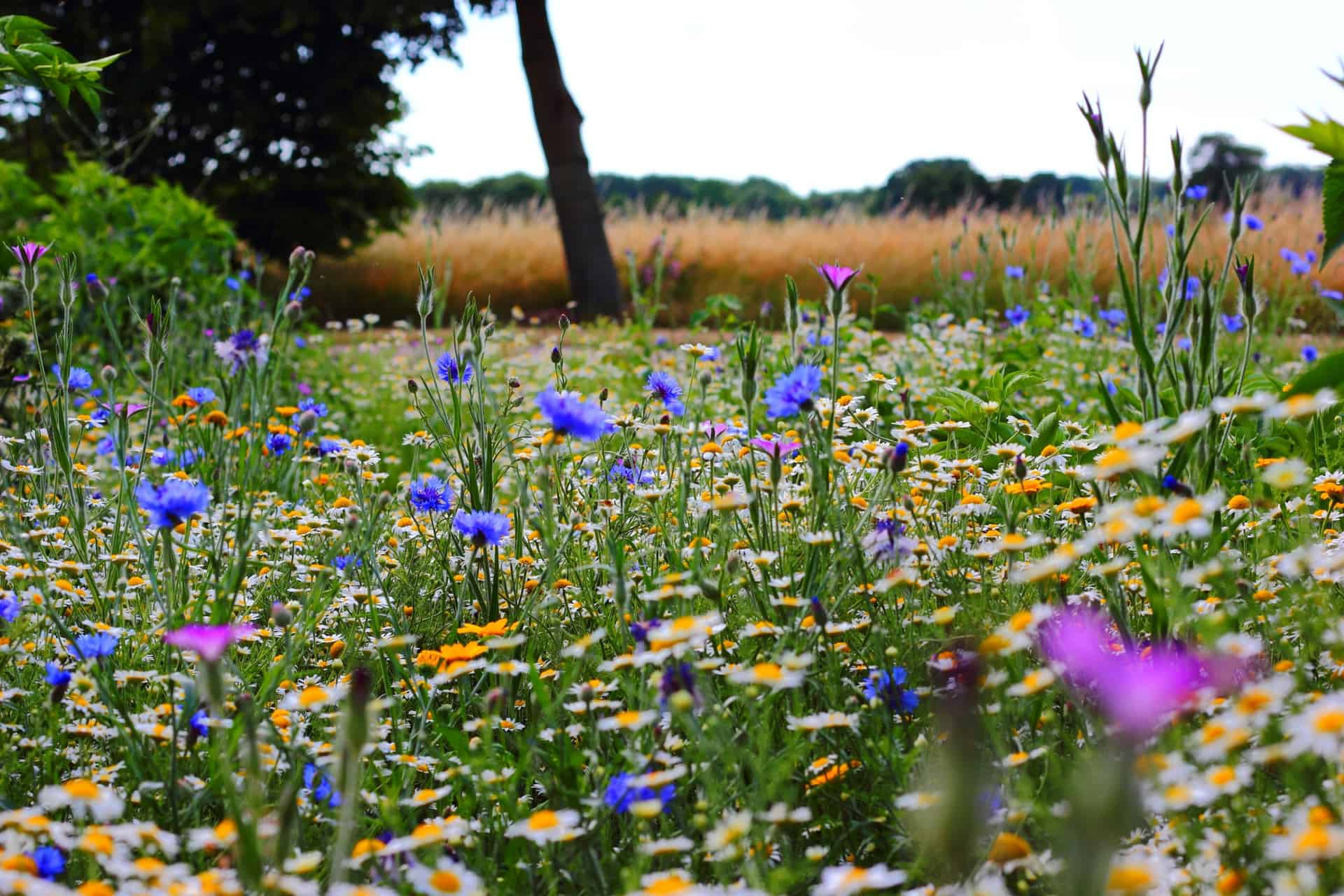
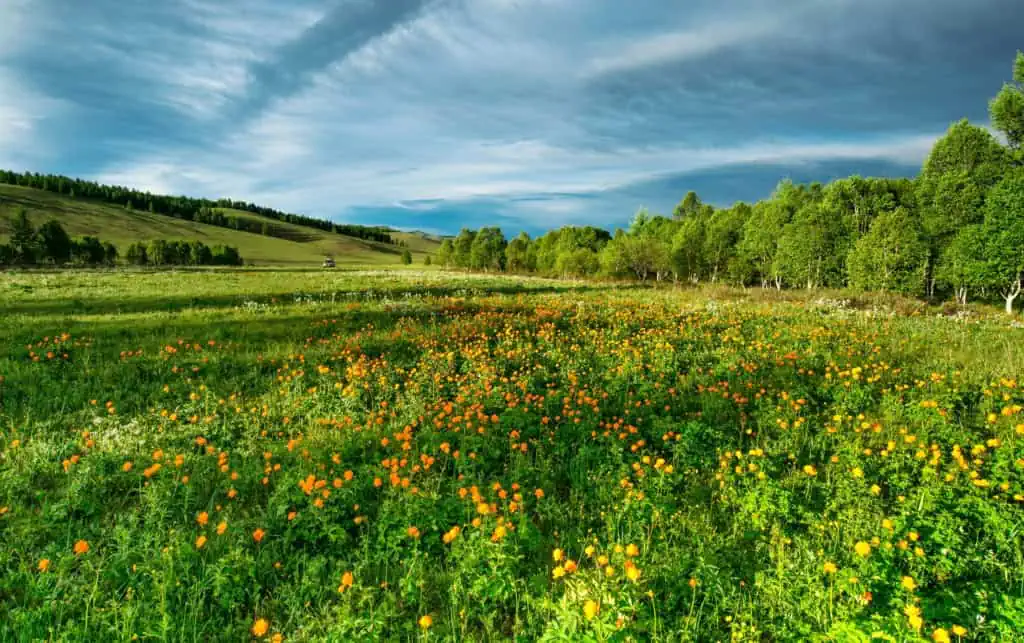
Wildflower meadow in full bloom in summer, the source of British wildflower honey

简短的回答是:对某些人来说有可能,而且这种机制是可信的。英国野花蜂蜜含有微量的当地花粉。该理论认为,小剂量、定期服用花粉可以帮助某些人逐渐增强对引发花粉症的过敏原的耐受性。虽然证据有限,但并非一无是处。本文将介绍我们所知道的、我们所不知道的,以及为什么在这方面最常讨论的品种是原野花蜂蜜。.

在英国,大约每五个人中就有一人患有花粉症。大多数人都依赖于抗组胺药、鼻腔喷雾剂和眼药水。蜂蜜不能替代这些药物。但是,作为花粉季节的日常食物,本地野花原蜜有其合理性。在 HoneyBee & Co., 我们的野花蜂蜜来自英国 Midlands,从蜂巢到罐子,花粉完好无损。.

什么是花粉症?为什么蜂蜜会被提及?

花粉症或过敏性鼻炎是对空气中的花粉产生的过敏反应。当草、树或花的花粉进入过敏者的鼻子、眼睛或喉咙时,免疫系统会将其视为威胁。免疫系统会释放组胺,从而引起我们熟悉的症状:打喷嚏、眼睛发痒、流鼻涕、喉咙堵塞或疼痛。.

在英国,草花粉是最常见的诱发因素(约有 90% 的花粉症患者会受到影响),其次是早春的树木花粉,以及整个夏季的杂草和花朵花粉。花粉症的季节通常从三月底持续到九月,在六月和七月达到高峰。.

蜂蜜之所以成为话题,是因为过敏免疫疗法背后的原理:有控制地、小剂量地反复接触过敏原,随着时间的推移,可以降低对过敏原的免疫反应。医生使用的过敏注射剂和舌下滴剂正是基于这一原理。问题是,花粉中天然存在的微量花粉是否会对人体产生影响? 原野花蜂蜜 可以做类似的事情。.

为什么选择野花

像金合欢这样的单一品种蜂蜜由一种花源制成,花粉种类极少。而野花蜂蜜的花粉则来自不同地貌的数十种不同野花,这意味着它的花粉种类更多,更有可能包含与特定人的触发因素相关的当地物种。我们的英国野花蜂蜜来自 Midlands,因此其花粉反映了该地区生长的特定野花品种。.
Wildflower meadow in summer with a mix of flowering plants attracting pollinators
多样的野花草甸为英国原生野花蜂蜜提供了丰富的花粉成分。.

本地蜂蜜对花粉症有帮助吗?研究结果

实话总结:证据参差不齐,研究规模较小,一些网上资料的说法远远超出了数据支持的范围。但也并非毫无根据。.

赞成的论点

  • 原蜜含有当地野花的微量花粉
  • 免疫疗法原理(逐步脱敏)已在医学上得到证实
  • 一些小型研究表明,食用蜂蜜可适度改善症状
  • 花粉过敏症患者的调查证据显示主观受益
  • 每天适量食用蜂蜜没有已知的危害

局限性和注意事项

  • 蜂蜜花粉浓度远低于临床过敏剂量
  • 蜂蜜中的花粉主要来自昆虫授粉的花朵,而不是风媒花授粉的草(英国大部分花粉过敏症都是由风媒花授粉引起的)。
  • 没有大型人体随机对照试验证实其效果
  • 巴氏杀菌蜂蜜几乎不含活性花粉
  • 持续使用数周至数月后才会产生效果(如有效果)。

值得了解的关键限制因素:英国大多数花粉症都是由以下因素引发的 草花粉, 草花是风媒花。蜜蜂不会光顾草花,因此草花粉不会大量进入蜂蜜。如果您的花粉过敏症主要是由树木或野花的花粉而不是草引起的,那么野花蜂蜜就更有说服力了。如果您的花粉过敏症主要是由草引起的,那么花粉脱敏理论就不那么直接适用了。.

"生野花蜂蜜不是花粉症的治疗方法。在花粉季节,它是一种令人愉悦的、低风险的日常习惯,有些人认为它真的很有帮助。区别很重要"。"
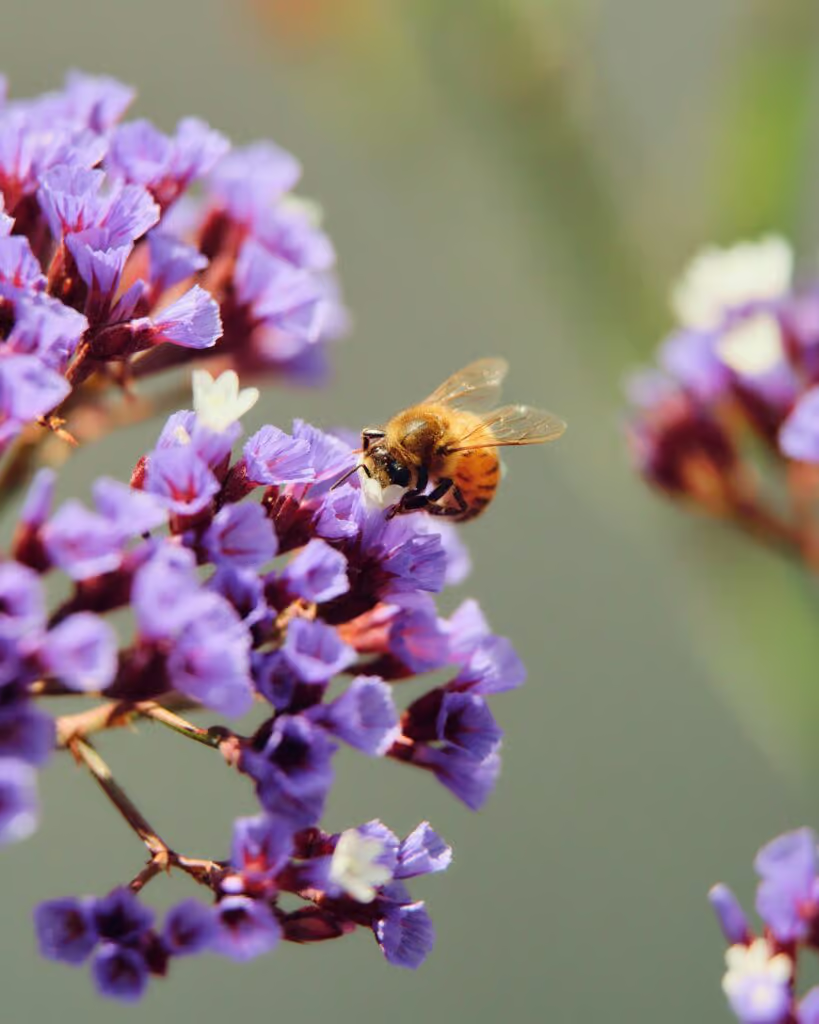
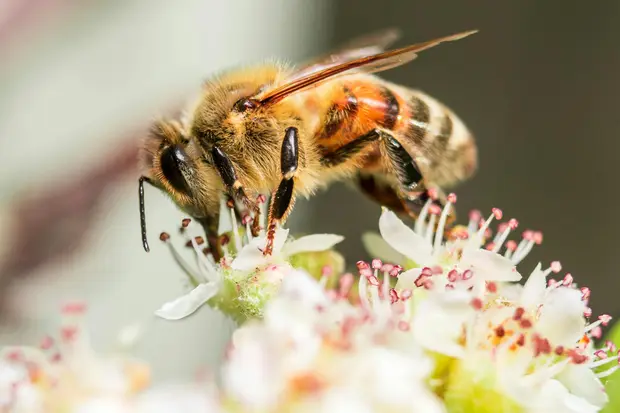
Honeybee foraging on a purple wildflower in summer, collecting pollen and nectar
蜜蜂在野花上觅食时会采集花粉,这些花粉最终会酿成野花蜂蜜。花粉的特征反映了当地盛开的花朵。.

为什么原蜜很重要(巴氏杀菌法不适用于此处)

如果蜂蜜对花粉过敏症的潜在疗效取决于花粉含量,那么只有 未经消毒的生蜂蜜 是相关的。巴氏杀菌法将蜂蜜加热到能破坏花粉、酶和大多数其他生物活性化合物的温度。大多数超市货架上金黄色、均匀透明的蜂蜜都经过了这一过程。.

所有 HoneyBee & Co. 蜂蜜都是冷提取的,从未在蜂巢温度以上加热过。每瓶蜂蜜中的花粉、蜂胶和天然酶都保持完好。这不仅仅是一种市场宣传:您可以看到其中的差别。与巴氏杀菌法生产的蜂蜜相比,原野花蜂蜜会有一些自然的浑浊,随着时间的推移会结晶,并散发出更复杂的芳香。.

说到花粉症,这一点很重要。2013 年发表在《国际过敏与免疫学档案》(International Archives of Allergy and Immunology)上的一项研究发现,与那些只服用普通蜂蜜或抗组胺药的患者相比,在桦树开花季节前食用桦树花粉蜂蜜的患者症状控制得更好。该研究中使用的蜂蜜是专门用桦树花粉预先处理过的。这与食用普通野花蜂蜜不同,但它说明了花粉含量和产地很重要的原理。.
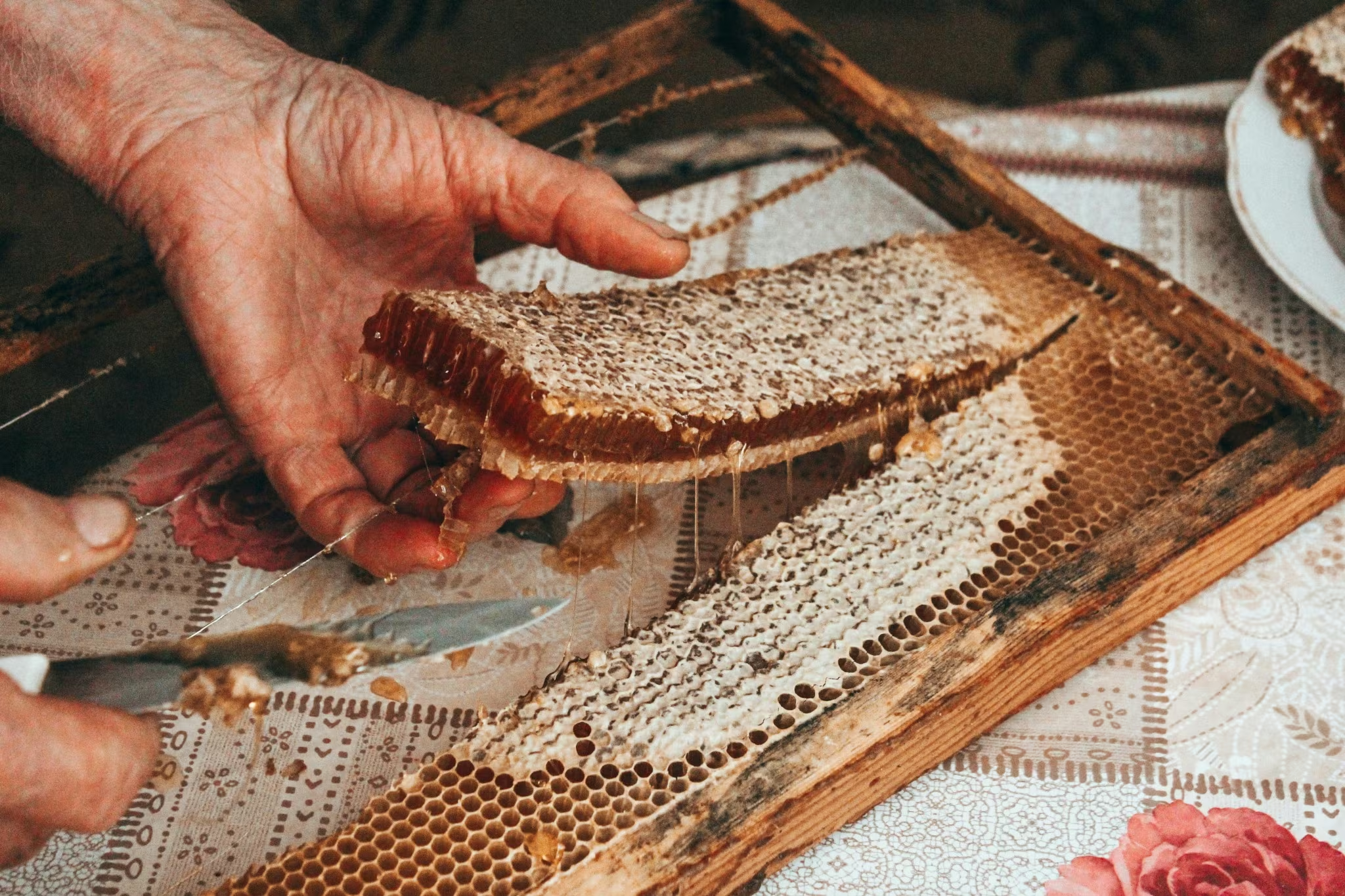
Close up of raw honey showing its natural golden colour and texture straight from the jar
直接从罐子里取出的原蜜。色泽、浑浊度和香气都表明蜂蜜经过了最简单的加工。.

原生野花蜂蜜的实际含量

花粉之外, 原野花蜂蜜 含有一系列与花粉季节相关的化合物,无论是否有脱敏效果。.

槲皮素

槲皮素是一种存在于野花蜂蜜中的天然类黄酮,研究表明它具有抗炎和抗组胺的特性。一些研究表明,它可能有助于抑制某些细胞释放组胺,不过研究的剂量通常高于一茶匙蜂蜜所能提供的剂量。.

抗氧化化合物

生蜂蜜含有多酚,包括咖啡酸和类黄酮,有助于减少与过敏性炎症有关的氧化应激。颜色较深的蜂蜜通常具有较高的抗氧化剂浓度,但原野花蜂蜜比任何巴氏杀菌的蜂蜜都能保留更多的抗氧化剂。.

舒缓特性

除了花粉或免疫效应外,蜂蜜还能涂抹和舒缓疼痛、发炎的喉咙。许多花粉症患者发现,在花粉量大的日子里,一茶匙蜂蜜或一杯加了蜂蜜的茶能明显缓解喉咙症状。这是一种直接的物理效应,不需要脱敏理论。.
Wildflower meadow with diverse flowering plants in the British countryside during summer
夏季的英国野花牧草的多样性直接决定了蜂蜜的花粉特征。.

如何在花粉过敏季节使用野花蜂蜜

如果您想尝试将野花蜂蜜作为花粉症治疗的一部分,最常讨论的方法是坚持每天食用,最好在花粉季节开始前而不是高峰期开始食用。这与其他脱敏方法的原理是一样的:循序渐进,尽早接触,而不是被动使用。.

  1. Start early. Begin 4 to 6 weeks before your typical pollen season. In the UK, tree pollen starts in late February to March. Grass pollen peaks June to July. Start in April for grass season, February for tree.
  2. Be consistent. One to two teaspoons daily, every day. Sporadic use is unlikely to have any cumulative effect if the desensitisation mechanism is what you are relying on.
  3. Use it raw and local. The honey must be raw and unpasteurised. Supermarket honey, however labelled, is usually not. Ours is. Local or regional provenance increases the likelihood the pollen matches your local triggers.
  4. Keep it simple. On toast, stirred into warm (not boiling) water with lemon, or straight from a spoon. Adding it to very hot drinks destroys some of its beneficial compounds.
  5. Keep your antihistamines. Honey is not a replacement for prescribed or over-the-counter hayfever medication. Use both. Tell your GP what you are doing if you have severe hayfever.
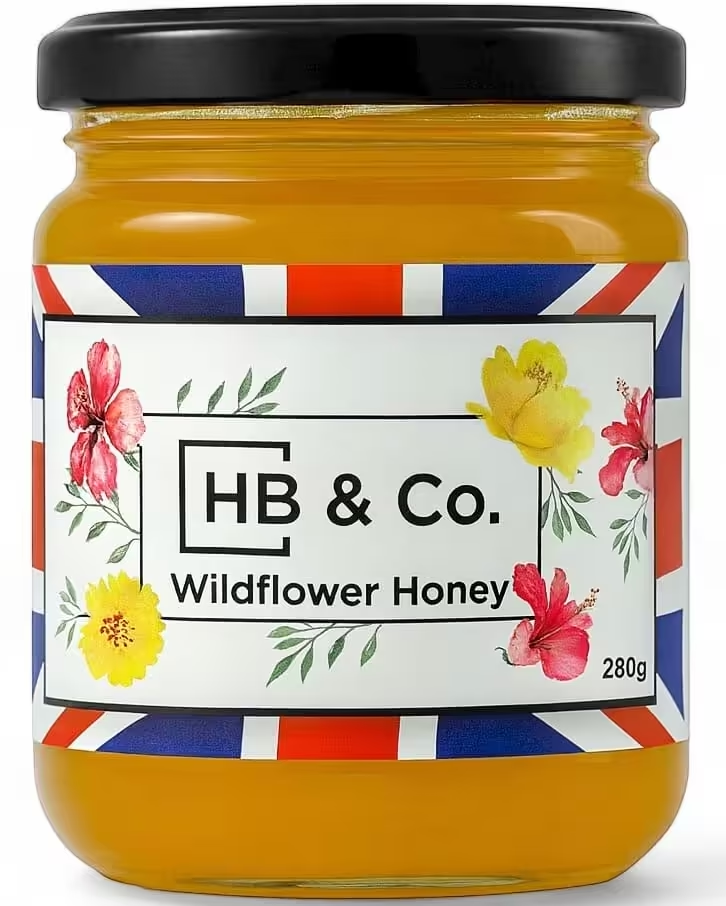
Jar of raw British Wildflower Honey 280g by HoneyBee and Co from the Midlands
Our raw British Wildflower Honey, sourced from the Midlands. Cold-extracted, never pasteurised. Pollen intact.

Wildflower Honey vs Other Honeys for Hayfever

Not all honeys are equal for this purpose. The variety matters.

How the Varieties Compare

Here is how wildflower sits alongside the rest of our range in terms of flavour, texture, and typical use. All are raw. The difference for hayfever purposes is primarily pollen variety and origin.

蜂蜜 Flavour & Texture Origin Hayfever Relevance
野花 Complex, variable; floral with hints of fruit or herbs; usually runny 英国 Midlands Broadest pollen profile; strongest local pollen argument
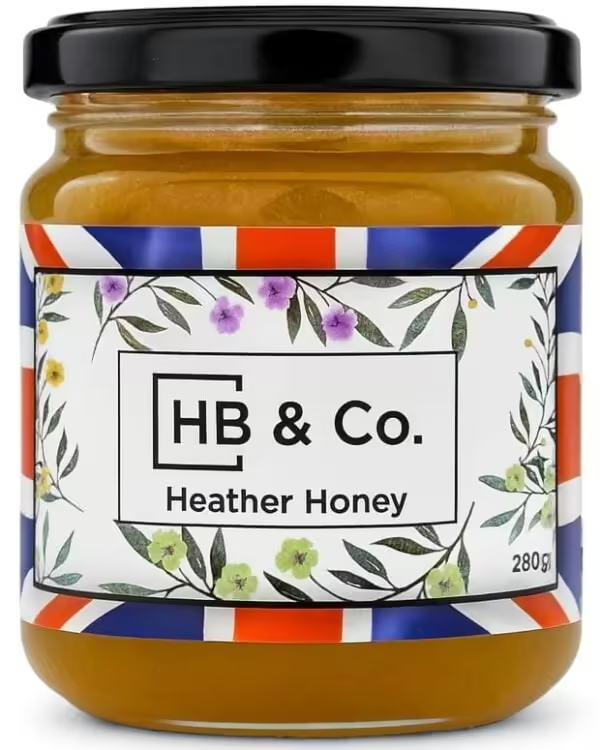
海瑟 Strong, malty, slightly smoky; jelly-like thixotropic texture Yorkshire Moors British-origin, high antioxidants; single-varietal pollen
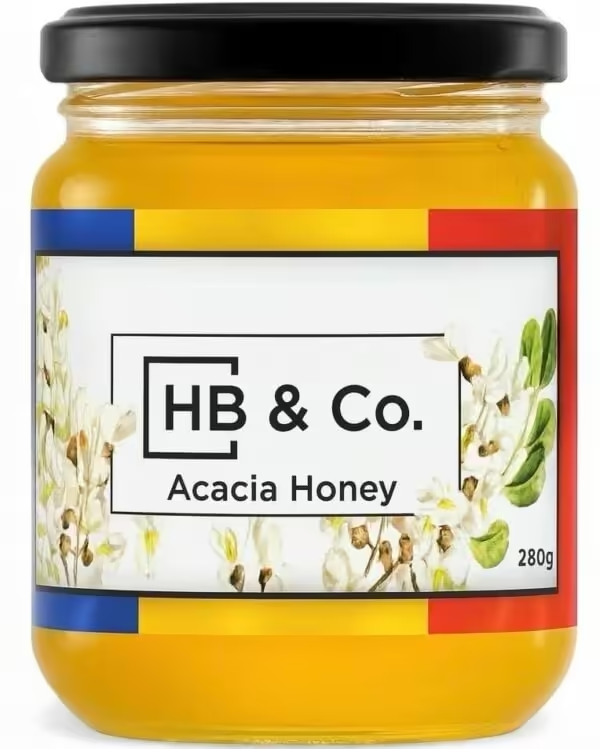
金合欢 Very light, delicate, mild vanilla sweetness; slow to crystallise Transylvania, 罗马尼亚 Raw, antioxidant-rich; good for throat soothing; not local
林登 Herbal, slightly minty, aromatic; crystallises at medium pace Transylvania, 罗马尼亚 Raw, anti-inflammatory compounds; not local UK pollen
软套装 Creamy, spreadable, mild; controlled crystallisation process 英国 Midlands British Wildflower base; same pollen origin as our Wildflower
Raw honey being poured showing its thick golden consistency and natural unpasteurised colour
Raw wildflower honey poured straight from the jar. Consistency and colour vary naturally between harvests.

Honey and Hayfever: Managing Expectations

It is worth being direct about what honey can and cannot do.

Antihistamines, intranasal corticosteroid sprays, and allergen immunotherapy are treatments with strong clinical evidence. Fexofenadine, loratadine, cetirizine, and similar antihistamines are effective, affordable, and widely available. Nasal sprays like beclometasone and fluticasone reduce inflammation in the nasal passages significantly. None of this is replaced by honey.

What honey can do: it may offer a modest, cumulative effect for some people if taken consistently and started early. It will soothe an irritated throat directly and immediately. It is pleasant. It is safe for most people. And it is the kind of daily food habit that, if it helps even a little, has no meaningful downside beyond the natural sugars involved.

The people most likely to notice a difference are those with mild to moderate hayfever triggered by insect-pollinated flowers (not grass) who start early in the season, take it consistently, and choose a truly raw, local wildflower honey.

Medical Caution

Honey should not be given to children under 12 months of age due to infant botulism risk. People with bee or pollen allergies should consult their GP before consuming raw honey. Honey contains natural sugars; those with diabetes should factor it into their dietary management. None of the information in this article constitutes medical advice. Always consult your GP or pharmacist about hayfever treatment.

Raw honey drizzled from a wooden spoon, showing the golden colour and natural texture of unpasteurised British honey
Raw, unprocessed honey. The natural cloudiness and variation in colour are signs of minimal processing.

About Our British Wildflower Honey

我们的 英国野花蜂蜜 is sourced from the British Midlands, harvested by a SALSA-certified independent beekeeper we have worked with for years. The bees forage across pesticide-free meadows and hedgerows, visiting clover, borage, bramble, hawthorn, dandelion, poppy, and cornflower among many others. The result is a honey with a notably broad pollen profile that reflects the real diversity of the Midlands landscape in a given season.

It is cold-extracted, never filtered beyond the removal of wax, never heated, and bottled in glass. The pollen is intact. Every jar is different, because every season is different. That seasonal variation is not a flaw; it is exactly what makes this honey relevant to the hayfever conversation.

You can also subscribe and save 20%, which ensures you have a consistent supply through the whole pollen season without needing to remember to reorder.

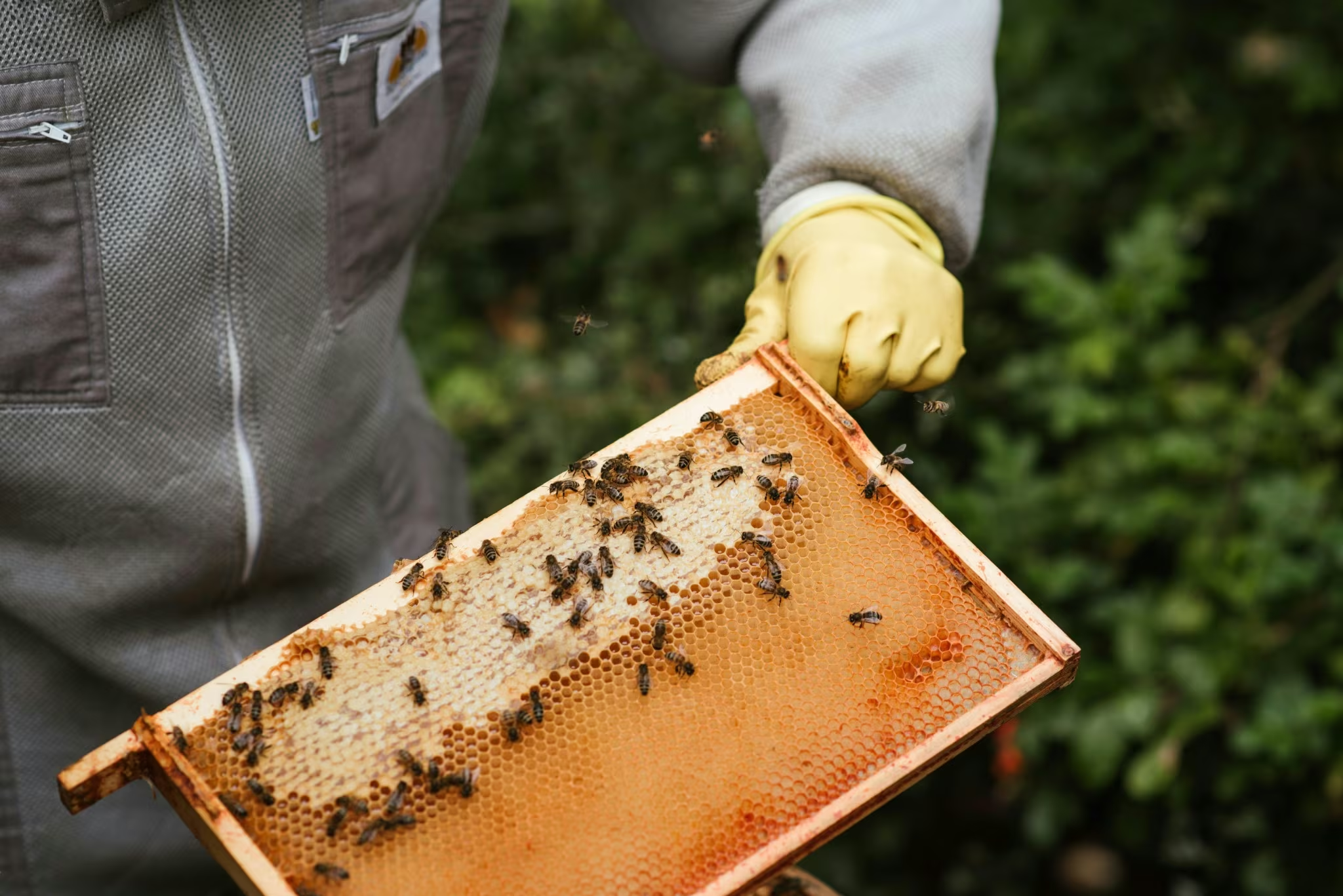
Beekeeper working with hive frames in a wildflower meadow during the summer honey harvest
Our British Wildflower honey is harvested in small batches by an independent beekeeper in the Midlands.

What Is Wildflower Honey?

Wildflower honey, also called multifloral honey, is made when honey bees collect nectar from a diverse mix of wildflowers and hedgerow plants rather than focusing on a single bloom. This means the flavour, colour and aroma can shift from year to year, and even season to season, depending on which flowers were in bloom when the bees were foraging. For an in-depth look at honey types, flavours and how each variety is made, our 蜂蜜种类大全 covers the full range.

Unlike 金合欢蜂蜜希瑟蜂蜜, which draw predominantly from one flower source, wildflower honey captures whatever the landscape offered during that particular harvest. At HoneyBee & Co., our wildflower honey comes from the British Midlands, where typical forage includes clover, bramble, dandelion and hawthorn, along with everything else flowering along woodland edges and country lanes.

The result is usually a runny honey ranging from golden to rich amber. It may naturally crystallise over time, which is a perfectly normal sign of raw, unprocessed honey. No two jars are quite the same, and that variability is exactly what makes it relevant to the hayfever discussion: the pollen it carries reflects the actual local wildflower landscape, not a standardised blend from a processing facility.

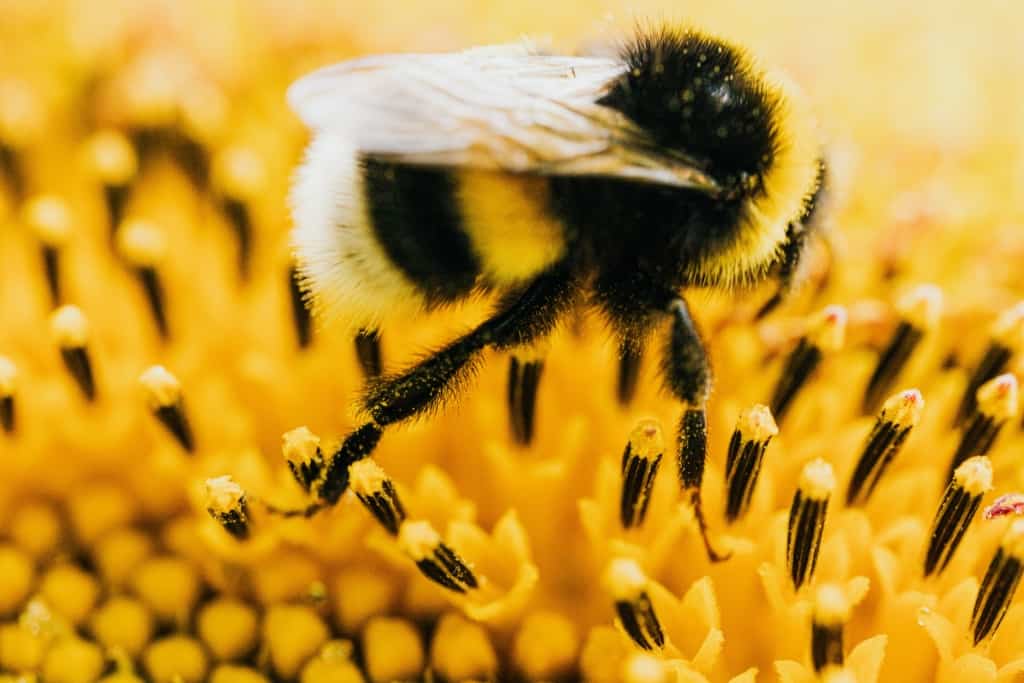
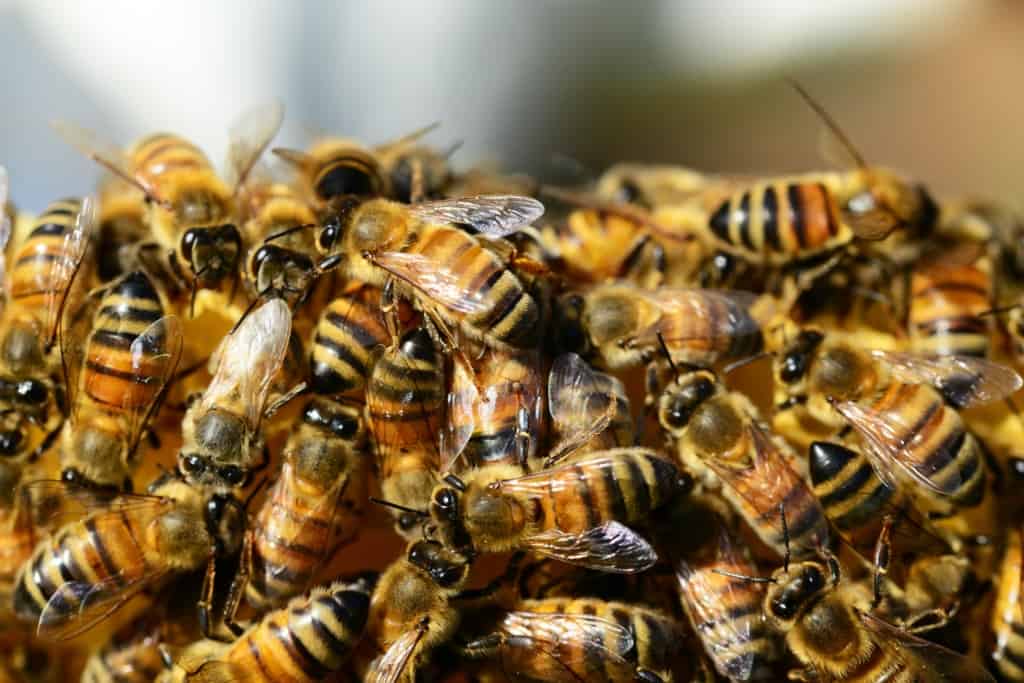
Bees flying around a hive in a wildflower meadow, collecting pollen for wildflower honey production
Wildflower honey begins with bees foraging across a diverse mix of local wildflowers. The pollen from that foraging ends up in the raw honey.

How Is Wildflower Honey Produced?

The journey begins with the seasonal foraging cycle. From April through to late summer, bees travel up to five miles from their hives, collecting nectar from whatever wildflowers are in bloom. In spring, that might mean hawthorn blossom and apple trees. By July and August, the bees are visiting clover, thistle, bramble and countless other hedgerow flowers. Our partner beekeepers place hives near pesticide-free meadows, woodland edges and hedgerows to maximise this wildflower diversity.

When harvest time arrives, beekeepers remove the supers (the boxes where bees store surplus honey), uncap the wax-sealed frames, and spin them in a centrifugal extractor. The honey is then strained only to remove wax particles, not pollen or propolis. This is the step that most commercial producers skip in the name of clarity and shelf life. Keeping the pollen in is not an accident; it is a deliberate choice. For a full explanation of the process, read our guide on 蜜蜂如何酿蜜.

HoneyBee & Co. wildflower honey is never heated above hive temperature. We bottle in small batches, and each jar carries the country of origin. Our British Wildflower comes from the Midlands; our SALSA-certified supplier follows welfare-first beekeeping practices that prioritise colony health over maximum yield.

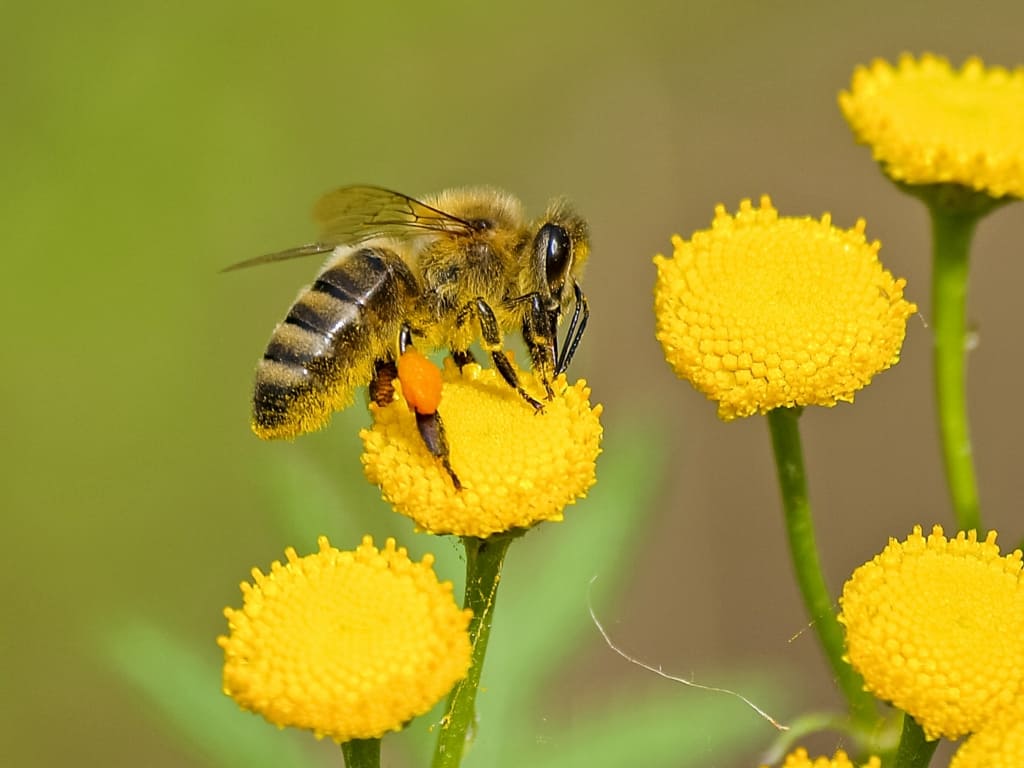
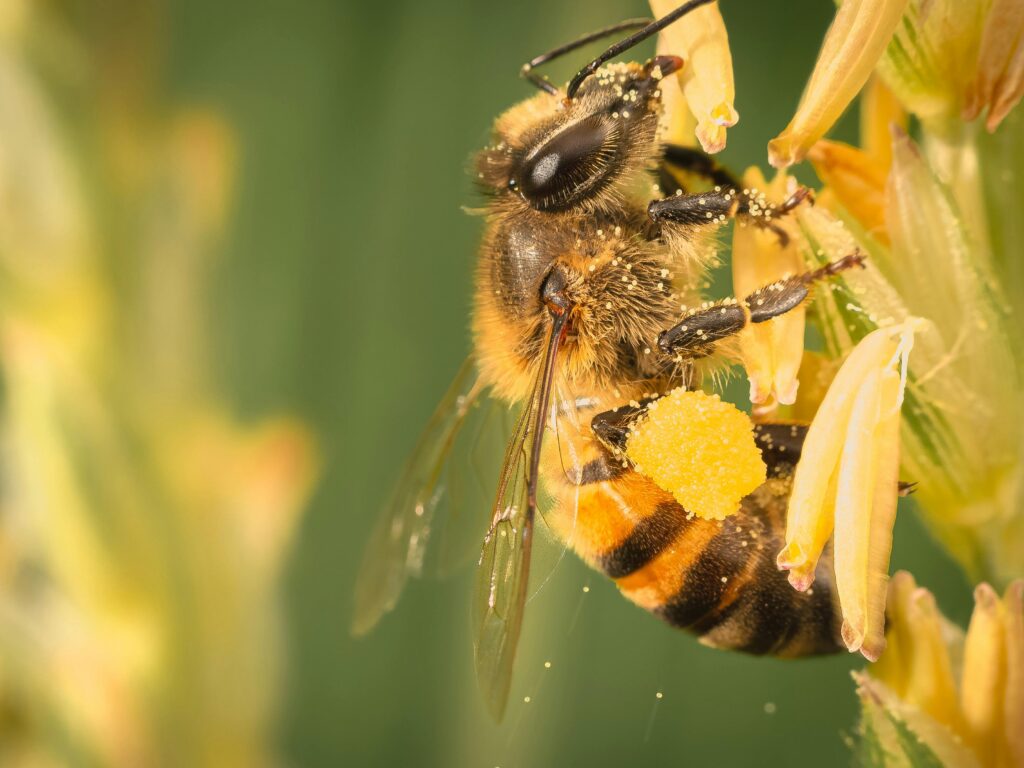
Honeybee collecting pollen from yellow wildflowers, its pollen baskets full on its hind legs
A honeybee gathering pollen and nectar from wildflowers. Pollen collected this way ends up in the raw honey, unstrained and intact.

Taste, Aroma and Colour of British Wildflower Honey

Opening a jar of wildflower honey is like catching a scent of the countryside on a summer afternoon. The fragrance rises immediately, floral and sweet, with hints of the landscape where the bees foraged.

Our UK wildflower honey typically offers light floral notes with hints of orchard fruit and a mild herbal finish. It is approachable and versatile, working well in everything from morning porridge to evening cheese boards. Colour varies too. Spring-dominant nectar tends to produce a lighter gold, while late-summer harvests, heavy with clover, thistle and wild herbs, yield a deeper amber. A May harvest jar might look noticeably different from an August jar, even from the same region.

Season & Region Flavour Notes 颜色 Typical Uses
UK Spring Light floral, orchard fruit, mild Light golden Drizzling, tea, breakfast
UK Summer Richer, herbal, hints of clover and thistle Amber to deep amber Cooking, baking, cheese pairing

Natural crystallisation may make your honey appear lighter and more opaque over time. This is not spoilage. It is a completely normal characteristic of raw honey and actually indicates authenticity. Supermarket honey is typically heated specifically to prevent this, which is how you can tell the difference. We cover the full science behind why raw honey sets in our guide to raw honey crystallisation. You can explore the full range, including our wildflower and every other variety, on our 蜂蜜店.

Jar of raw wildflower honey with a honey dipper, showing the natural golden amber colour of unprocessed honey
The colour and clarity of wildflower honey changes with the season and the landscape. Each harvest is a little different.
常见问题

Honey for Hayfever: Common Questions

蜂蜜对花粉症有好处吗?

对某些人来说有可能。最合理的机制是,本地原蜜中的微量花粉可能会帮助一些人逐渐建立起对本地过敏原的耐受性,这与过敏免疫疗法的原理类似。虽然证据有限,但并非完全没有。最好的办法是在花粉季节来临前几周就开始养成每天坚持食用花粉的习惯,而不是在花粉过敏严重的日子里服用急救药。它并非对每个人都有效,也不能替代抗组胺药或处方治疗。.

治疗花粉症的最佳蜂蜜是什么?

在这种情况下,最常讨论的就是未经巴氏消毒的本地野花蜂蜜。与单一品种的蜂蜜相比,野花蜂蜜具有更广泛的花粉特征,可从数十种野花中提取花粉。当地产地很重要:与进口蜂蜜相比,来自英国或您所在地区的蜂蜜更有可能含有与您当地过敏原相关的花粉。超市里的巴氏杀菌蜂蜜几乎不含活性花粉,因此与本讨论无关。.

花粉症患者应该如何服用蜂蜜?

每天一到两茶匙,最好在花粉季节开始前 4 到 6 周开始服用。浓度比数量更重要。可以直接服用,也可以加入加了柠檬的温水中搅拌,或放在烤面包上食用。避免将其加入沸水中,因为沸水会降解花粉中的某些活性化合物。同时继续服用抗组胺药和其他处方药。.

生蜂蜜比超市蜂蜜对花粉症更有帮助吗?

Yes, significantly, if the pollen content is the active element. Pasteurisation destroys pollen. Most supermarket honey, even if labelled as natural or pure, has been heated to extend shelf life and produce a uniform, clear product. Raw honey that has not been heated retains the pollen naturally present in the comb. At HoneyBee & Co., all our honey is cold-extracted and never heated above hive temperature.

本地蜂蜜能减轻花粉症症状吗?

有些人报告说确实如此。来自对照试验的临床证据很有限,而且英国大多数花粉过敏症都是由草花粉引发的,蜜蜂不会采集草花粉,因此花粉脱敏机制对大多数患者来说都有结构上的局限性。对于那些主要由树木或野花花粉引发的花粉过敏症患者来说,花粉脱敏机制更有说服力。关于花粉过敏的轶事报道很常见,但没有确凿的临床证据。.

在花粉症季节到来之前,我应该从什么时候开始服用蜂蜜?

最常引用的时间窗口是在典型季节开始前的四到六周。在英国,树木花粉季节从 2 月下旬或 3 月开始,草花粉季节从 5 月下旬到 7 月,杂草或花花粉季节从 8 月到 9 月。如果草花粉是您的主要诱因,那么从四月份开始,您就可以在草花粉高峰期之前有大约六周的时间。如果树木花粉对您有影响,那么从 1 月或 2 月开始是合理的。.

蜂蜜能代替抗组胺药治疗花粉症吗?

抗组胺药的作用与此不同,而且有强有力的临床证据支持。抗组胺药有效、起效快,而且广泛使用。蜂蜜是一种令人愉悦的、低风险的日常饮食习惯,有些人认为它与传统治疗方法并行不悖。两者之间并不存在竞争关系。如果您的花粉症很严重,请向全科医生咨询更全面的治疗方案,包括鼻用类固醇或过敏原免疫疗法。.

野花蜂蜜比麦卢卡蜂蜜更适合治疗花粉症吗?

具体到花粉过敏问题,本地原生野花蜂蜜比麦卢卡蜂蜜更有说服力。麦卢卡蜂蜜产自新西兰的一种植物(Leptospermum scoparium),其抗菌特性而非花粉的多样性是它的主要价值所在。对于花粉症患者来说,相关的特质是当地产地和广泛的花粉特征,这两点都使英国原生野花蜂蜜优于进口的单一品种蜂蜜。.

购物车
选购原蜜