 한국어
한국어  English (UK)
  Italiano
  Français
  简体中文
简体中文 
수면을 위해 잠들기 전에 꿀을 섭취하는 것: 과학적 근거는 과연 무엇을 말하고 있을까?
이 가이드에서
주요 내용
- 잠들기 전에 꿀을 먹으면 간 글리코겐이나 멜라토닌 분비 증가를 통해 수면을 "개선"한다는 일반적인 주장은 입증된 사실이 아닌 이론들.
- 인간 대상 연구는 소규모이며 예비적인. 한 건의 타당성 연구에서 꿀이 수면 장애가 있는 사람들에게 도움이 될 수 있다는 가능성이 제기되었으나, 해당 연구의 저자들은 더 대규모의 연구가 필요하다고 밝혔다.
- 수면이 주는 이점 중 가장 확실한 증거가 있는 것은 간접적인: 꿀은 밤에 기침을 진정시켜 주어, 여러분(또는 1세 이상의 아이)이 기침에도 불구하고 푹 잘 수 있게 도와줍니다.
- 꿀은 당류입니다. 잠들기 전 마음을 진정시키는 일과 중 하나로 티스푼 한 스푼 정도를 섭취하는 것은 대부분의 사람에게 괜찮습니다. 꿀은 수면제가 아니며, 합리적인 당분 섭취량 범위 내에서 섭취해야 합니다.
- 생후 12개월 미만의 아기에게는 절대로 꿀을 주지 마십시오. 저녁에 마실 차를 담을 항아리가 필요하시다면, 저희의 헤더 그리고 아카시아 모두 멋진 선택이네요.
『The Short,』, 솔직한 답변
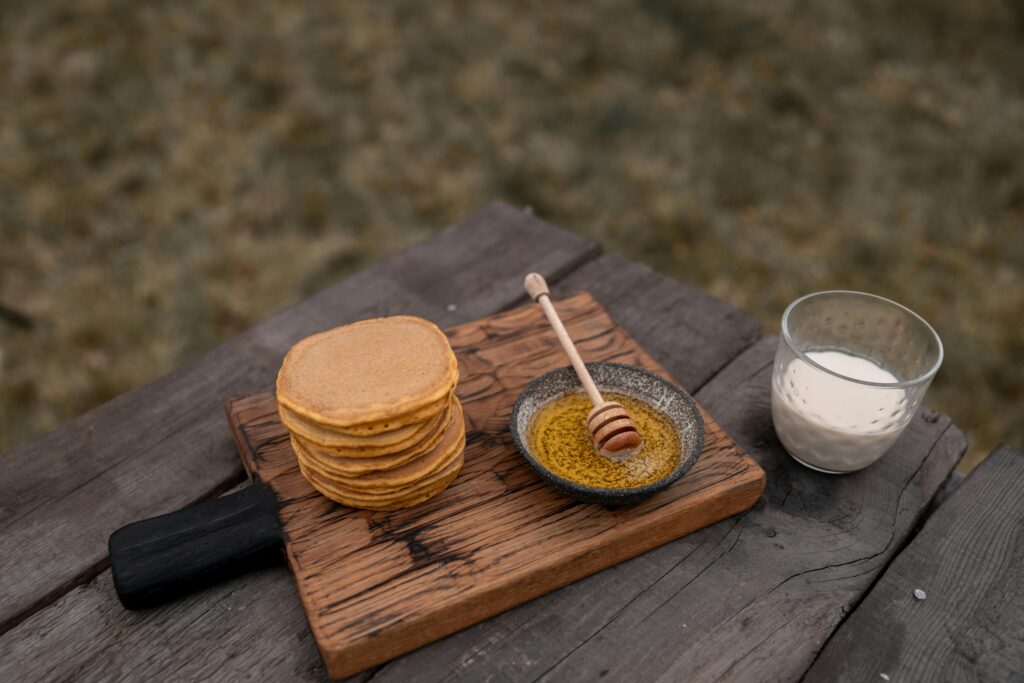
"잠들기 전에 꿀을 먹으면 수면 품질이 좋아진다"는 말은 인터넷에서 가장 인기 있는 웰니스 팁 중 하나입니다. 밤새 꿀이 어떻게 "간 기능을 회복시켜 주고" "멜라토닌 분비를 촉진하는지" 자세히 설명하는 확신에 찬 글들이 수십 개나 올라와 있는데, 그중 상당수는 꿀 판매업자들이 작성한 것입니다. 저희도 꿀을 판매하고 있으니, 솔직하게 말씀드리겠습니다: 꿀이 건강한 성인의 수면을 직접적으로 개선한다는 증거는 미약하며 아직 초기 단계에 그치고 있다. 이러한 메커니즘들은 그럴듯하게 들리는 가설일 뿐, 확립된 과학적 사실은 아닙니다.
그렇다고 해서 밤에 따뜻한 꿀 음료를 마시는 것이 무의미하다는 뜻은 아닙니다. 마음을 진정시키는 취침 전 습관은 많은 사람들이 긴장을 풀고 편안한 마음으로 잠들 수 있도록 진정으로 도움을 주며, 꿀에는 수면에 실제로 영향을 미치는, 과학적으로 입증된 효과가 하나 있습니다. 이 가이드는 입증된 사실과 단순히 반복되어 온 주장을 구분하고, 꿀과 수면에 대해 사람들이 자주 묻는 모든 질문에 답하며, 출처를 명시하여 여러분이 직접 판단할 수 있도록 돕습니다.
한 줄로
꿀이 수면 보조제로 입증된 것은 아니지만, 따뜻한 꿀 음료는 마음을 진정시키는 일상이 될 수 있으며, 밤에 기침이 날 때 실제로 도움이 됩니다. 그런 목적으로 즐기되, 꿀을 너무 많이 넣지 말고, 1세 미만의 아기에게는 절대로 꿀을 주지 마세요.
아이디어가 탄생한 곳 출처:
"잠들기 전 꿀 섭취"라는 트렌드는 주로 약사 마이크 맥인네스의 연구와 그의 저서에서 비롯된 것이다. 꿀 다이어트, 이 책은 두 가지 아이디어를 널리 알렸습니다. 두 가지 모두 이해해 볼 가치가 있으며, 둘 다 확립된 의학이라기보다는 이론에 가깝습니다.
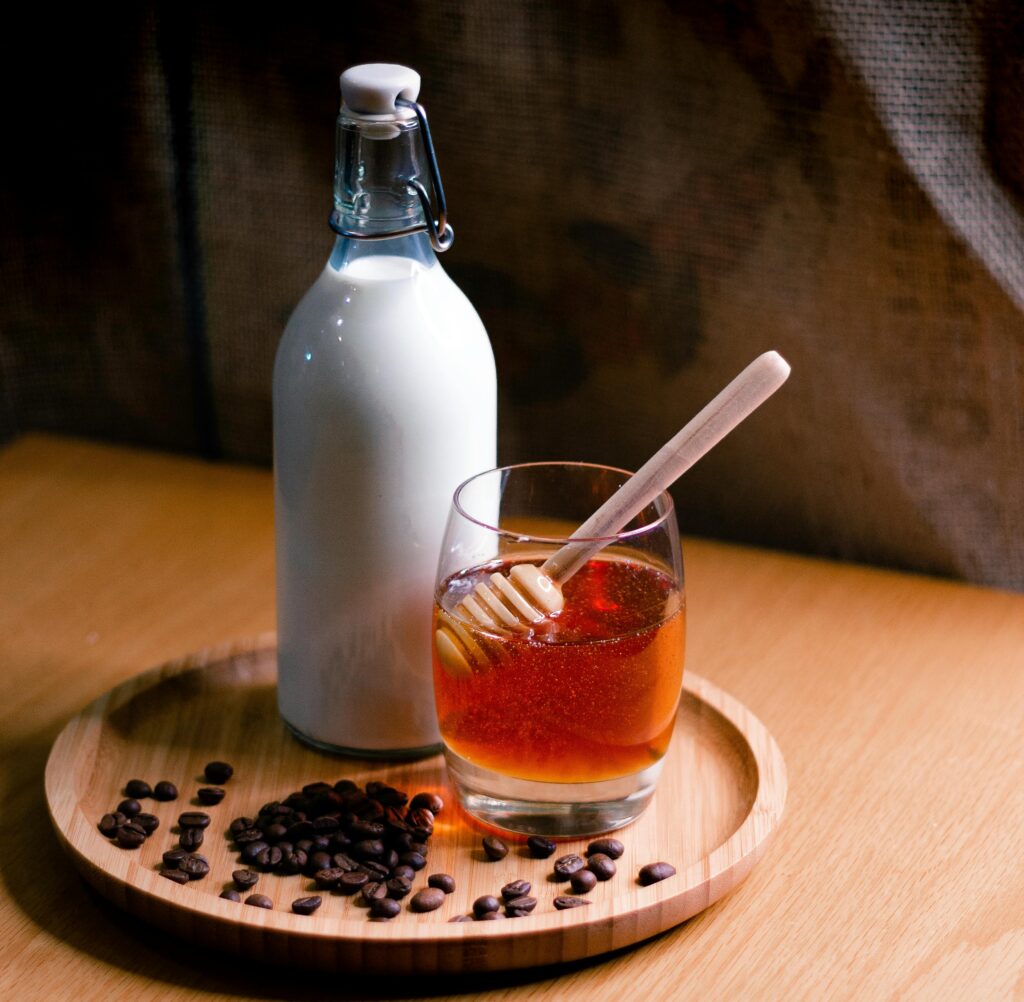
이론 1: 간 글리코겐 가설
뇌는 잠을 자는 동안에도 거의 전적으로 포도당을 연료로 사용합니다. 밤새 간은 혈당 수치를 일정하게 유지하기 위해 저장된 글리코겐을 방출합니다. 이론에 따르면, 이러한 저장량이 부족해지면 신체는 에너지를 확보하기 위해 코르티솔이나 아드레날린과 같은 스트레스 호르몬을 분비하게 되며, 이로 인해 새벽에 잠에서 깰 수 있다고 합니다. 이 주장에 따르면, 잠들기 전에 꿀 한 숟가락을 먹으면 간에 저장된 글리코겐을 보충하여 새벽 3시에 잠에서 깨는 것을 막을 수 있다고 합니다.
그 배후에 있는 생물학적 현상은 실재합니다. 뇌의 에너지 대사와 글리코겐 수치는 수면-각성 주기에 따라 실제로 변동합니다. 바로 그 도약이 아니다 입증된 사실은, 특히 꿀을 티스푼 한 스푼 정도 섭취하면 건강한 사람들의 수면 품질이 눈에 띄게 개선된다는 점입니다. 그 단계에 대해서는 여전히 가설에 그치고 있습니다.
이론 2: 트립토판과 멜라토닌 가설
꿀에는 트립토판이 미량 함유되어 있는데, 이는 우리 몸이 세로토닌으로 전환한 뒤 수면을 유도하는 호르몬인 멜라토닌으로 변환할 수 있는 아미노산입니다. 꿀에 함유된 천연 당분은 미약한 인슐린 반응을 유발하여 트립토판이 뇌에 도달하도록 돕습니다. 이론적으로는 그럴듯한 설명이지만, 실제로 관여하는 양은 매우 적으며, 숟가락에 담은 꿀이 수면에 변화를 줄 만큼 멜라토닌 수치를 충분히 높여준다는 확실한 증거는 없습니다.
하버드 헬스(Harvard Health)가 꿀에 대해 제시한 일반적인 요점을 기억해 둘 필요가 있습니다. 꿀에 함유된 유익한 성분들은 일정량으로 존재하며 "너무 미미해서 건강에 영향을 미치지 않을 정도".
출처: 하버드 헬스 퍼블리싱연구 결과 실제로 방영되는 프로그램
다음은 출처별로 정리한 증거의 실제 상황입니다.
가장 많이 인용되는 "꿀이 수면 효과 면에서 멜라토닌보다 낫다"는 주장은 다음에서 비롯된 것으로, 소규모, 예비적, 공개형 타당성 연구. 연구진은 꿀이 안전해 보이며 수면의 질을 향상시키는 데 도움이 되는 것으로 나타났다고 보고했으나, 더 대규모의 엄격한 임상시험이 여전히 필요하다는 점을 분명히 밝혔다.
출처: ClinicalTrials.gov, NCT04207281 (수면 품질 개선을 위한 꿀)이 연구는 현재 진행 중인 "꿀이 수면에 도움이 된다"는 주장을 뒷받침하는 가장 강력한 연구이지만, 약 20명을 대상으로 한 타당성 조사일 뿐, 결정적인 임상시험은 아닙니다. 이 연구는 확실히 유망하지만, 결코 결정적인 증거는 아닙니다. 임상 검토자들도 이와 같은 균형 잡힌 결론을 내리고 있습니다.
한 독립적인 임상 개요에 따르면, 꿀이 이른 아침 잠에서 깨는 현상을 완화한다는 증거는 다음과 같다. 제한된, 그 결과는 엇갈리는데, 어떤 사람들은 수면의 연속성이 개선되었다고 보고하는 반면, 다른 사람들은 아무런 변화가 없거나 심지어 혈당 변동으로 인해 수면이 방해받기도 한다고 한다.
출처: 임상적 고려 사항 검토, GlobalRPH (2025)증거가 진정으로 설득력을 갖는 부분은 일반적인 "수면" 자체가 아니라, 수면 장애를 일으키는 구체적이고 흔한 원인인 ‘기침’입니다.
유일한 진리 수면의 이점
만약 꿀이 누군가의 수면에 확실한 도움이 된다면, 그것은 기침 때문에 잠을 이루지 못하는 사람일 것입니다. 이 부분은 연구 결과가 확고한 분야이며, NHS가 꿀을 적극적으로 권장하는 이유이기도 합니다.
이중맹검, 무작위 배정, 위약 대조 임상시험 결과, 취침 전에 꿀을 섭취한 경우 위약군에 비해 어린이와 부모 모두의 야간 기침이 줄어들고 수면의 질이 개선된 것으로 나타났다.
출처: Cohen HA 외, 소아과 (2012)이전에 실시된 무작위 임상시험에 따르면, 메밀 꿀은 흔히 기침약에 사용되는 성분인 덱스트로메토르판만큼이나 야간 기침을 완화하는 효과가 있는 것으로 나타났다.
출처: Paul IM 외, 소아·청소년 의학 아카이브 (2007)NHS는 기침이 있을 때 성인과 1세 이상의 어린이가 따뜻한 꿀레몬 음료를 마셔볼 것을 권장하며, 이를 다음과 같이 설명하고 있습니다. "적어도 그만큼 유용하고 더 안전할 가능성이 높다" 일반의약품 기침약과 같이.
출처: NHS 알림따라서 간지러운 기침 때문에 잠에서 깨는 경우, 잠들기 전에 따뜻한 꿀 음료를 마시는 것이 실제로 효과가 입증된 방법입니다. 이것이 솔직한 결론입니다: 수면을 위한 꿀의 효능은 대부분 기침을 진정시키는 데 있으며, 글리코겐이나 멜라토닌의 마법 같은 효과 때문이 아닙니다. 그 음료에 사용할 꿀을 고를 때, 품질이 좋고 생꿀이며 단일 원산지인 꿀이 그 가치를 발휘합니다.
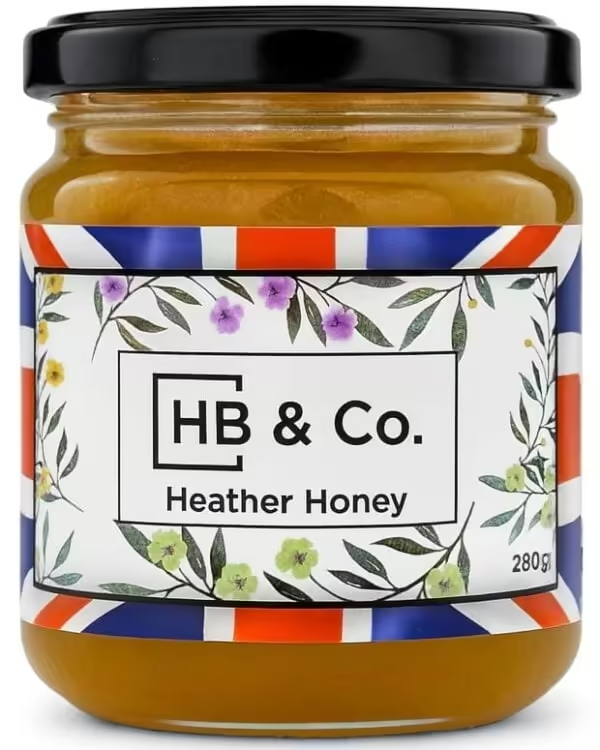
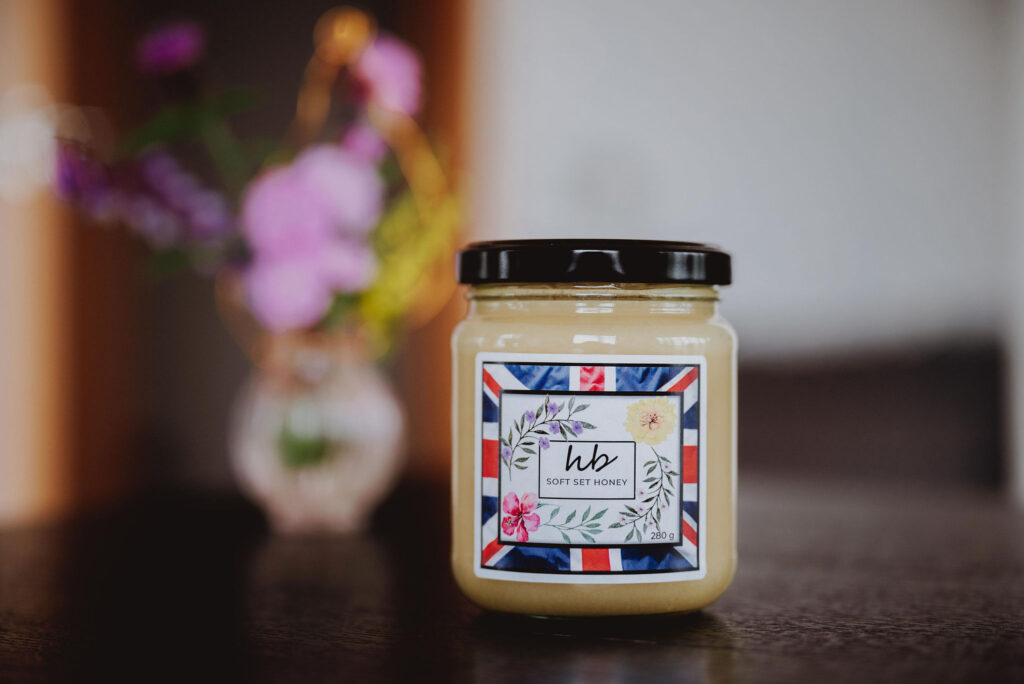
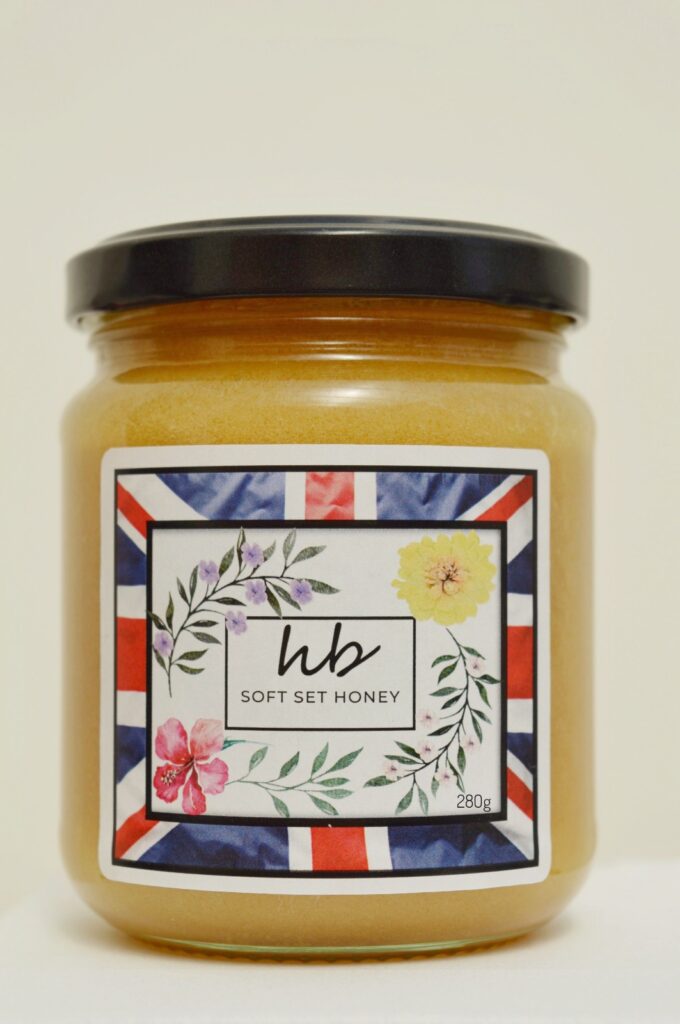
생 헤더 꿀, 280g
짙고 진하며 마음을 편안하게 해주는 헤더 꿀은, 따뜻한 저녁 음료나 뜨거운 꿀 레몬차를 마실 때 주전자 곁에 둬두기 좋은 훌륭한 꿀입니다.
마음을 진정시키는 방법 꿀 취침 전 음료
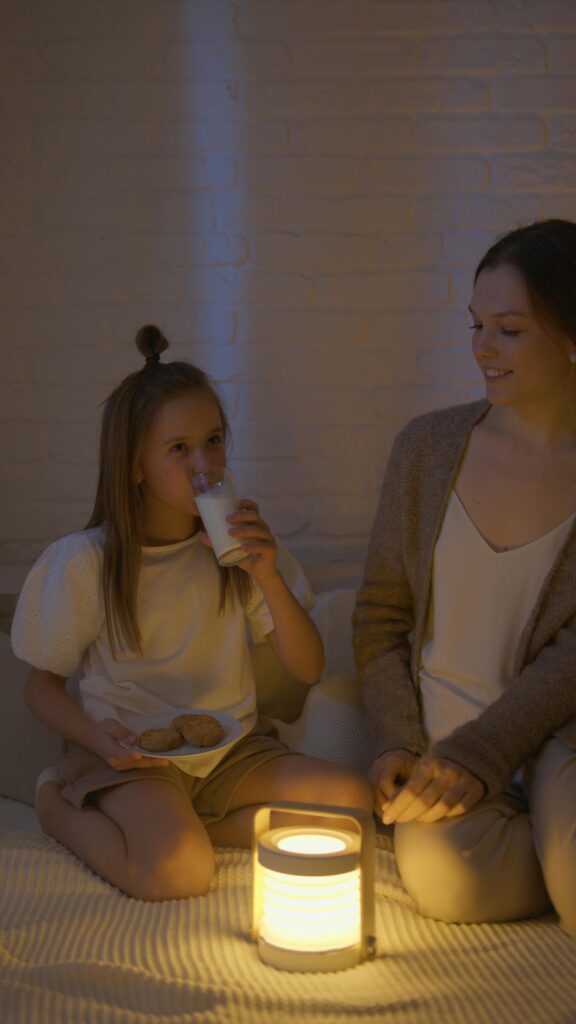
과학적인 측면은 잠시 제쳐두고라도, 따뜻한 음료와 조용한 취침 준비 루틴은 많은 사람들이 잠들기 전에 진정으로 긴장을 풀 수 있도록 도와줍니다. 만약 여러분의 취침 루틴에 꿀을 포함시키고 싶다면, 다음 두 가지 대표적인 방법을 소개합니다:
- 따뜻한 꿀 레몬차. 끓는 물이 아닌 따뜻한 물 한 머그잔에 레몬 반 개 분량의 즙과 꿀 1~2 티스푼을 넣으세요. 특히 기침으로 고생하고 있다면, 가장 효과가 입증된 방법입니다.
- 꿀을 넣은 따뜻한 우유. 따뜻한 우유에 꿀 한 숟가락을 섞어 마시는 것은 수세기 동안 이어져 온 취침 전 습관입니다. 과학적 근거는 미약할지라도 그 위안은 분명합니다. 이를 약이 아니라 마음을 편안하게 해주는 습관으로 여기세요.
양질의 꿀이 지닌 섬세한 향을 살리기 위해 물을 끓이지 말고 미지근하게 유지하며, 꿀은 티스푼 한 스푼 정도만 넣으세요. 차에 꿀을 넣는 방법에 대한 자세한 내용은 다음 가이드를 참고하세요. 차에 넣은 꿀, 그리고 우리가 더 폭넓게 살펴본 꿀 대 설탕.
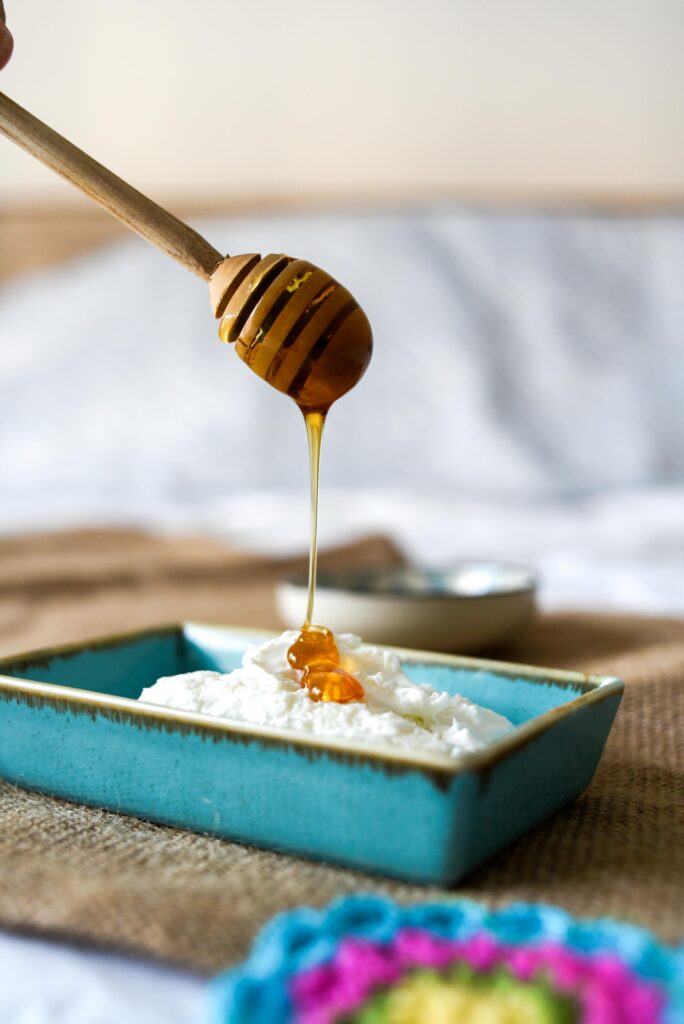
꿀과 수면: 모든 질문에 대한 답변
잠들기 전 꿀에 대해 가장 많이 검색된 질문들에 대해, 출처를 제시하며 솔직하게 답변합니다. 근거에 대한 신뢰도 등급을 매겼습니다. 지원이 잘 되어 있다 미약한 / 잠정적인 지원되지 않음.
잠들기 전에 꿀을 먹는 것이 좋을까요?
미약한 / 잠정적인대부분의 성인에게 있어 꿀은 해롭지 않으며, 잠들기 전 루틴의 즐거운 일부가 될 수 있지만, 입증된 수면 보조제는 아닙니다. 주의해야 할 점은 간단합니다. 꿀은 설탕이므로 티스푼 한 스푼 정도로 섭취량을 제한하고, 치아 관리에도 유의해야 합니다. 1세 미만의 영아에게는 절대로 먹여서는 안 됩니다.
출처: NHS 유리당 지침; ClinicalTrials.gov NCT04207281.
꿀이 정말로 수면에 도움이 될까요?
미약한 / 잠정적인어떤 사람들에게는 약간의 효과가 있을 수도 있지만, 아직 입증된 바는 없습니다. 유일한 확실한 증거는 간접적인 것뿐인데, 꿀이 야간 기침을 완화시켜 감기 걸렸을 때 수면을 개선해 준다는 점입니다. 직접적인 효능에 대한 주장은 소규모의 예비 연구에 근거하고 있습니다.
출처: Cohen 2012 (Pediatrics); ClinicalTrials.gov NCT04207281.
꿀이 어떻게 수면에 도움이 된다고 하나요?
미약한 / 잠정적인두 가지 이론이 있다. 하나는 꿀이 간 글리코겐을 보충하여 잠을 깨게 하는 혈당 저하를 방지한다는 것이고, 다른 하나는 꿀에 미량 함유된 트립토판이 멜라토닌 분비를 돕는다는 것이다. 두 이론 모두 그럴듯하지만 건강한 사람을 대상으로 한 입증은 없으며, 실제 효과가 나타날 만큼의 함량은 극히 미미하다.
출처: 맥인스, 『꿀 다이어트』; 하버드 헬스 퍼블리싱.
꿀과 수면에 대해 실제 연구 결과는 무엇을 말하고 있을까요?
미약한 / 잠정적인이번 주요 연구는 수면 장애가 있는 약 20명을 대상으로 한 소규모 공개 라벨 타당성 시험으로, 꿀이 수면에 도움이 될 수 있으며 안전하다는 점을 시사했으나, 연구 저자들은 더 대규모의 임상시험이 필요하다고 강조하고 있다. 건강한 성인의 수면을 꿀이 개선한다는 것을 입증하는 대규모의 결정적인 임상시험은 아직 없다.
출처: ClinicalTrials.gov, NCT04207281.
잠들기 전에 꿀을 얼마나 먹어야 할까요?
미약한 / 잠정적인취침 전 꿀 섭취를 권장하는 전문가들은 티스푼 1개 분량(대략 5~7g) 정도를 권장합니다. 입증된 권장 섭취량은 없으며, 더 많이 섭취한다고 해서 효과가 더 좋아지는 것은 아닙니다. NHS는 성인의 경우 꿀을 포함한 ‘자유당’의 일일 총 섭취량을 약 30g 정도로 유지할 것을 권고합니다.
출처: NHS, 유리당 지침.
잠들기 전에 꿀은 언제 먹어야 할까요?
미약한 / 잠정적인일반적으로 권장되는 시간은 취침 20~30분 전이며, 대개 따뜻한 음료에 타서 마시는 것이 좋습니다. 이 시간은 임상적으로 입증된 것보다는 관례에 따른 것이므로, 정확한 처방이라기보다는 편안한 일상의 습관으로 받아들이시기 바랍니다.
수면에 가장 좋은 꿀은 무엇인가요?
지원되지 않음어떤 꿀도 "수면에 가장 좋다"는 것이 입증된 바 없으며, 특정 꿀이 수면에 도움이 된다고 주장하는 브랜드는 과학적 근거를 앞지르고 있는 셈입니다. 따뜻한 음료에 타서 마시기 좋은 꿀을 골라보세요. 대담한 헤더 혹은 가벼운 아카시아 둘 다 아주 훌륭하게 작동합니다.
꿀과 따뜻한 우유가 숙면에 도움이 될까요?
미약한 / 잠정적인이는 수세기 동안 이어져 온 위로의 수단이며, 입원 환자를 대상으로 한 소규모 연구에 따르면 우유와 꿀을 섞어 마셨을 때 수면의 질이 개선된 것으로 나타났습니다. 그 주된 원인은 특정 꿀의 효능이라기보다는 이완 효과와 일상의 습관 때문일 가능성이 높습니다. 일상의 의식으로 삼기에는 좋지만, 확실한 치료법이라고 단정할 수는 없습니다.
잠들기 전에 꿀을 먹으면 불면증에 도움이 될까요?
지원되지 않음꿀은 임상적 불면증의 치료법이 아닙니다. 잠들기 어렵거나 잠을 유지하는 데 정기적으로 어려움을 겪는다면, 과학적 근거에 기반한 해결책은 올바른 수면 위생을 실천하고, 필요한 경우 의사의 조언을 구하는 것입니다. 꿀에만 의존하기보다는 주치의와 상담하시기 바랍니다.
꿀은 혈당을 올리는가, 아니면 밤에 잠을 못 자게 하는가?
미약한 / 잠정적인꿀은 당류이므로 혈당을 상승시키지만, 일반 설탕보다는 그 영향이 다소 완만합니다. 어떤 사람들에게는 잠들기 전에 당분이 많은 간식을 먹으면 수면에 도움이 되기보다는 오히려 수면을 방해할 수 있습니다. 당뇨병이 있다면, 꿀도 다른 첨가 당분과 마찬가지로 섭취량을 계산해야 합니다.
출처: 하버드 헬스 퍼블리싱; GlobalRPH 임상 리뷰.
잠들기 전에 꿀을 먹으면 코르티솔 수치가 낮아지나요?
지원되지 않음이는 입증된 사실이라기보다는 혈당 이론의 일부에 불과합니다. 꿀 한 티스푼이 야간 코르티솔 수치를 유의미하게 낮춘다는 것을 뒷받침할 만한 확실한 인체 실험 증거는 없습니다.
수면을 취하는 데 있어 생꿀이 가공된 꿀보다 더 좋을까요?
지원되지 않음생꿀이 수면에 도움이 된다는 사실은 입증된 바가 없습니다. 열처리를 거치지 않은 생꿀, 즉 여과되지 않은 꿀이 진정으로 제공하는 것은 더 풍부한 향과 꽃가루, 그리고 독특한 풍미입니다. 수면을 위해서가 아니라 맛과 원산지를 위해 생꿀을 선택하세요.
잠들기 전에 꿀을 먹으면 체중 감량에 도움이 될까요?
지원되지 않음아닙니다. 이 주장은 바로 그 "꿀 다이어트" 이론에서 비롯된 것이지만, 꿀은 칼로리가 높은 당류입니다. 잠자리에 들기 전에 꿀을 다른 음식 대신 섭취한다고 해서 체중이 줄어들지는 않으며, 평소 식단에 추가로 꿀을 섭취하면 칼로리만 더해질 뿐입니다.
출처: 하버드 헬스 퍼블리싱.
매일 밤 꿀을 먹어도 괜찮을까요?
미약한 / 잠정적인대부분의 성인에게 있어, 합리적인 당분 섭취 한도 내에서 머물고 치아 관리만 잘 한다면, 균형 잡힌 식단의 일환으로 대부분의 밤에 꿀 한 티스푼 정도는 문제없습니다. 꿀은 간식일 뿐, 건강을 위해 무기한으로 섭취해야 할 영양 보충제가 아닙니다.
출처: NHS, 유리당 지침.
잠들기 전에 꿀을 먹으면 기운이 나나요, 아니면 과잉 흥분하게 되나요?
미약한 / 잠정적인티스푼 한 스푼 분량의 설탕은 소량의 당분과 에너지를 공급하지만, 대부분의 사람에게 과도한 흥분을 일으키기에는 충분하지 않습니다. "설탕을 먹으면 과잉 행동이 생긴다’는 생각은 성인에게는 대체로 신화에 불과합니다. 적당량을 섭취한다면 수면에 지장을 주지 않을 것입니다.
아이들이 잠들기 전에 꿀을 먹어도 될까요?
지원이 잘 되어 있다1세 이상의 어린이는 꿀을 섭취할 수 있으며, NHS는 특히 취침 약 30분 전에 따뜻한 음료에 섞어 한 숟가락 정도 먹이는 것을 권장합니다. 이는 밤에 기침을 완화하고 숙면을 돕는 데 도움이 됩니다. 어린 아이들의 섭취량에 대해서는 NHS의 지침을 따르십시오.
출처: NHS Healthier Together; Cohen 2012 (Pediatrics).
아기들은 잠들기 전에 꿀을 먹어도 될까요?
지원되지 않음아니요. 영아 보툴리누스증의 위험이 있으므로, 생후 12개월 미만의 아기에게는 절대로 꿀을 주어서는 안 됩니다. 이는 NHS라는 확고한 규칙이며, 취침 시간이나 기침을 달래기 위한 경우라도 예외는 없습니다.
출처: NHS.
꿀을 먹으면 밤에 기침이 가라앉아 숙면을 취할 수 있을까요?
지원이 잘 되어 있다네. 이것이 꿀의 수면 관련 효능 중 가장 확실한 근거가 있는 용도입니다. 무작위 대조 시험과 NHS 연구 결과에 따르면, 따뜻한 꿀 음료는 성인과 1세 이상의 어린이의 기침을 완화하는 데 도움이 되며, 이는 결과적으로 감기 기간 동안 수면의 질을 향상시킵니다.
출처: Cohen 2012 (Pediatrics); Paul 2007; NHS 정보.
‘꿀 다이어트’나 ‘꿀 동면’이란 무엇일까요?
지원되지 않음약사 마이크 맥인네스가 제시한 널리 알려진 이론에 따르면, 잠들기 전에 꿀 한 숟가락을 섭취하면 간 기능을 활성화하고 수면을 개선하며 밤새 지방 대사를 돕는다고 합니다. 이는 대중의 관심을 사로잡은 흥미로운 가설이지만, 확실한 임상 시험을 통해 입증된 바는 없습니다.
주전자 곁에 두고 간직할 만한 꿀을 골라보세요
더 숙면을 취할 수 있게 해드리겠다고 약속드리지는 않겠습니다. 대신, 벌집까지 추적 가능한 순수한 싱글 오리진 꿀을 제공해 드려, 따뜻한 저녁 음료를 진정으로 즐겁게 만들어 드리겠습니다. 3병 이상 구매 시 및 모든 정기 구독 주문 시 영국 내 무료 배송이 제공됩니다.
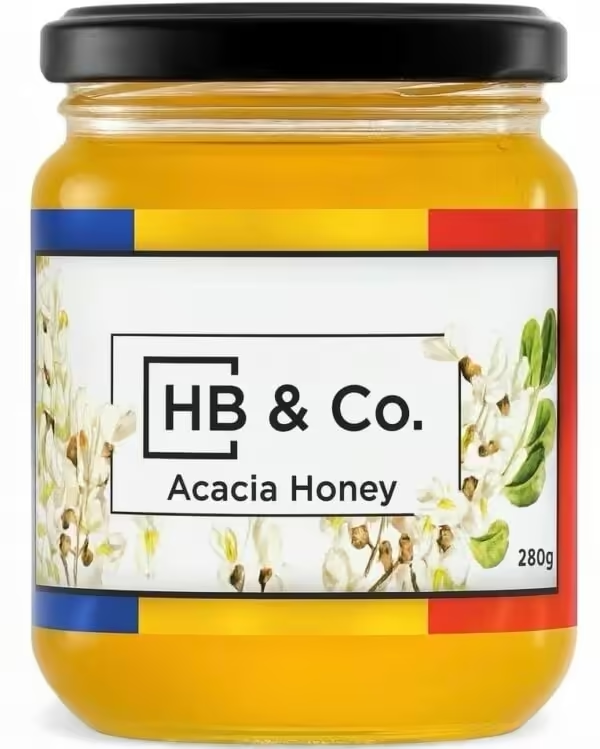
아카시아 꿀
옅은 색에 부드러운 맛과 꽃 향기가 어우러진, 따뜻한 음료에 섞어 마시기 가장 좋은 가장 순한 꿀입니다.
지금 쇼핑하기 ›헤더 허니
짙고 강렬하면서도 마음을 편안하게 해주는, 저녁에 진하게 우려 마시기 좋은 차입니다.
지금 쇼핑하기 ›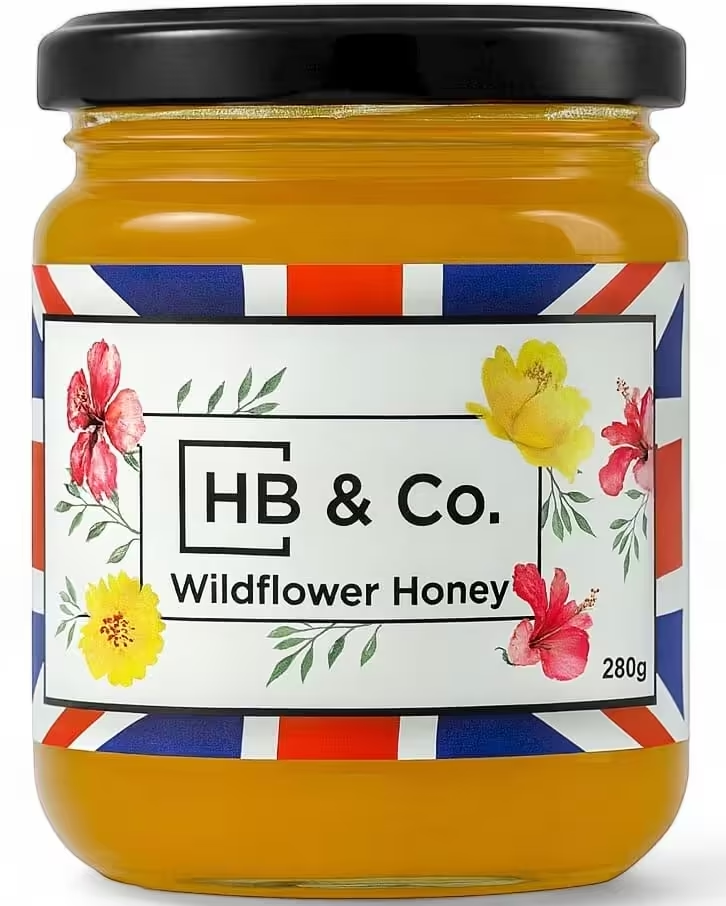
야생화 꿀
화사하고 꽃향기가 은은한, 하루 중 언제든 즐길 수 있는 영국식 만능 향수입니다.
지금 쇼핑하기 ›차 애호가들을 위한 엄선
저녁 한 잔의 차와 함께 즐기기에 안성맞춤인, 차와 가장 잘 어울리는 꿀을 엄선하여 구성한 세트입니다.
상품 둘러보기 › 구독하고 할인받기허니 정기 구독
매일 밤 즐기는 술이 떨어지는 일은 이제 없으세요. 20% 할인, 무료 배송, 언제든지 일시 중지 가능. 월 £8.79부터.
구독 시작하기 › 베스트셀러디스커버리 트리오
아카시아, 야생화, 헤더. 어떤 기분에도, 어떤 컵에도 잘 어울리는 세 가지 꿀. £33.22.
트리오 살펴보기 › 특별한 분께꿀 선물 세트
차 애호가를 위한 싱글 오리진 꿀 선물용 세트입니다.
선물 세트 보기 ›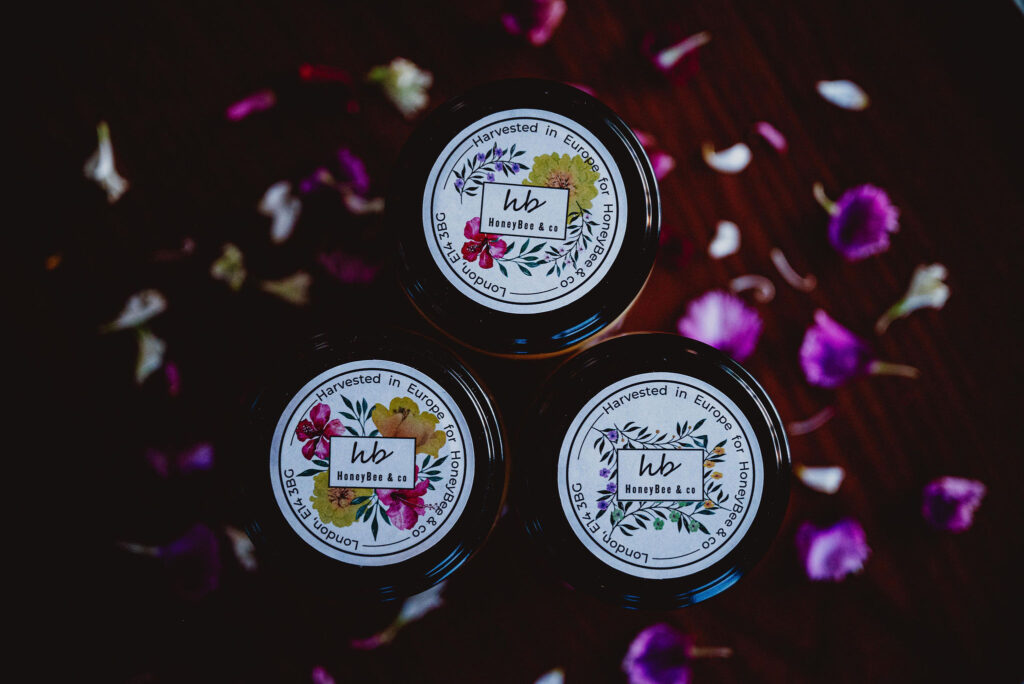
안전: 누가 조심하세요
단 하나의 확고한 규칙: 생후 12개월 미만의 아기에게는 절대로 꿀을 먹이지 마십시오. 영아의 소화 기관은 꿀에 포함될 수 있는 포자를 처리할 수 없어, 이로 인해 영아 보툴리누스 중독이 발생할 수 있습니다. 취침 전 섭취에 대한 예외는 없습니다.
출처: NHS- 당뇨병과 혈당: 꿀은 다른 당류와 마찬가지로 혈당을 크게 올립니다. 취침 전에 당분이 많은 간식을 먹으면 일부 사람들의 수면을 방해할 수 있습니다. 꿀을 첨가 당으로 간주하고 담당 의료진의 조언을 따르십시오.
- 임신: 임신 중에 꿀을 먹어도 안전합니다. ‘1세 미만 금지’ 규칙은 일부 웹사이트에서 주장하는 것과는 달리, 어머니가 아니라 출생 후 아기의 장 건강과 관련된 것입니다.
- 치아: 꿀은 끈적거리고 당분이 많습니다. 밤에 잠들기 직전에 꿀을 먹었다면, 먹은 후 양치질을 하거나 저녁 일찍 먹는 것이 좋습니다.
- 지속적인 수면 문제: 꿀은 불면증 치료제가 아닙니다. 수면 문제가 지속된다면 약사나 주치의와 상담하십시오.
저희가 드리는 말씀, 알기 쉬운 영어로
이 기사는 일반적인 정보와 보건 기관 및 연구자들이 발표한 내용을 다루고 있습니다. 이 기사는 의학적 조언이 아니며, HoneyBee & Co.는 자사 제품에 대해 의학적 효능이나 수면 효과에 대한 어떠한 주장도 하지 않습니다. 꿀은 의약품이 아닌 식품입니다.
항상 최신 NHS 지침을 따르시고, 만 1세 미만의 어린이에게는 절대로 꿀을 주지 마십시오. 또한 본인의 수면이나 건강 상태에 대해서는 자격을 갖춘 전문가와 상담하시기 바랍니다.
간단히 FAQ
잠들기 전에 꿀을 먹으면 정말 잠들기 쉬워질까요?
잠들기 전에 꿀을 얼마나 먹어야 할까요?
수면에 가장 좋은 꿀은 무엇인가요?
따뜻한 우유에 꿀을 타면 잠들기 쉬워질까요?
아기들은 잠들기 전에 꿀을 먹어도 될까요?
잠들기 전에 꿀을 먹으면 체중이 늘어나나요, 아니면 줄어드나요?
매일 밤 꿀을 먹어도 괜찮을까요?
꿀이 밤에 기침에 도움이 될까요?

Dragos Nistor
Dragos Nistor는 6대에 걸친 양봉 유산을 바탕으로 설립된 가족 운영 꿀 브랜드인 HoneyBee & Co.의 창립자입니다. 꿀 판매자로서 그는 수면에 관한 허구를 반복하기보다는 차라리 판매 기회를 놓치는 편을 택합니다. 바로 그 이유로 이 가이드에서는 NHS, 하버드 대학교, 그리고 임상 시험 결과를 직접 인용하며, 증거가 부족한 부분은 솔직하게 밝히고 있습니다.
참고 문헌 및 추가 자료
- ClinicalTrials.gov. 꿀을 이용한 수면 품질 개선 연구 (NCT04207281); 관련 타당성 연구 NCT03567395. clinicaltrials.gov
- Cohen HA, Rozen J, Kristal H 외. 꿀이 야간 기침과 수면의 질에 미치는 영향. 소아과, 2012;130:465-471.
- Paul IM, Beiler J, McMonagle A 외. 꿀이 야간 기침과 수면의 질에 미치는 영향. 소아·청소년 의학 아카이브, 2007.
- Abuelgasim H, Albury C, Lee J. 상기도 감염에 대한 꿀의 효과. BMJ 근거 기반 의학, 2021.
- NHS 정보 (NHS 스코틀랜드). 꿀과 레몬을 활용한 기침 자가 관리법. nhsinform.scot
- NHS. 어린이의 감기, 기침, 중이염; 1세 미만 유아의 꿀 섭취 제한 원칙. nhs.uk
- NHS. 자유당 섭취 지침 (성인의 경우 하루 약 30g). nhs.uk
- 하버드 헬스 퍼블리싱. 건강을 위한 꿀; 그리고 어떤 종류의 당분이 다른 것보다 더 건강에 좋을까요? health.harvard.edu
- GlobalRPH. 생꿀과 이른 아침 기상: 임상적 고려 사항 (2025).
- 맥인스 M. 꿀 다이어트. ‘잠들기 전에 꿀을 먹으면 수면에 도움이 된다’는 이론의 널리 알려진 근거 (임상 시험 결과는 아님).
본 내용은 일반적인 정보 제공을 목적으로 하며, 의학적 조언이 아닙니다. HoneyBee & Co.는 자사 제품에 대해 의학적 효능이나 수면 효과에 대한 어떠한 주장도 하지 않습니다. 인용된 문구는 해당 기관의 표현 그대로입니다. 본인의 건강 및 수면과 관련된 사항은 원본 출처와 자격을 갖춘 전문가에게 문의하시기 바랍니다.