

 한국어
 English (UK)
 Italiano
 Français
 简体中文

음료
Honey and Apple Cider Vinegar Drink: The Ratio, Three Ways, and the Honest Small Print
Stir 1 tablespoon of apple cider vinegar and 2 teaspoons of honey into 250ml of water, warm or cold. That is the whole drink: tart, a little sweet, faintly of apples, close to a sharp homemade lemonade. It has been mixed on farms for centuries, and it is a good drink in its own right. It is not a remedy, and on this page we treat it purely as something to enjoy, with a straight word on what the acidity means for your teeth.
The ratio, and how to turn it up or down
1 : 2 : 16
One part vinegar, two parts honey by spoon, sixteen parts water. In kitchen terms: 1 tablespoon (15ml) of apple cider vinegar, 2 teaspoons (about 14g) of runny honey and 250ml of water. Honey first into the glass, a splash of warm water to loosen it, then the vinegar, then top up.
| Strength | Vinegar | 허니 | 물 | Tastes like |
|---|---|---|---|---|
| Gentle | 2 tsp (10ml) | 1 티스푼 | 250ml | Barely tart; a good first glass |
| Classic | 1 tbsp (15ml) | 2 tsp | 250ml | Sharp lemonade, apple finish |
| Bright | 1 tbsp (15ml) | 1 tbsp | 300ml | Rounder, more like a cordial |
We stop at the classic level for vinegar. Beyond about a tablespoon a glass, the drink stops tasting of apples and starts tasting of salad dressing, and the acid load rises for no gain in flavour.
Two kitchen details make a real difference. First, use a vinegar you would happily put on a salad: a cloudy, unfiltered cider vinegar tastes fuller than a clear one, and the label should say around 5% acidity. Second, never drink the vinegar neat or as a shot; it belongs diluted, every time.
Three ways to make it
The winter one
- 250ml water, just off the boil and left a minute
- 2 tsp Acacia honey
- 사과 식초 1 큰술
- 2 thin slices fresh ginger, optional
Steep the ginger for three minutes, then stir in the honey and vinegar. Letting the kettle settle first keeps the honey’s light floral note in the cup. It sits nicely alongside the drinks in our winter drinks guide.
The sparkling one
- 2 tsp Acacia honey
- 2 tbsp warm water
- 사과 식초 1 큰술
- 200ml chilled sparkling water, ice, a slice of apple
Dissolve the honey in the warm water first; cold fizz will not loosen it. Add vinegar, ice and soda, stir once. A sprig of mint turns it into an alcohol-free aperitif, much in the spirit of our Bee Sting cocktail.
The haymaker’s switchel
- 60ml cider vinegar
- 85g Acacia honey
- 1 tsp ground ginger, or 20g fresh, grated
- 750ml cold water, plenty of ice
Whisk the honey and ginger with a little warm water, add the rest, chill for an hour, strain if using fresh ginger. Keeps two days in the fridge.
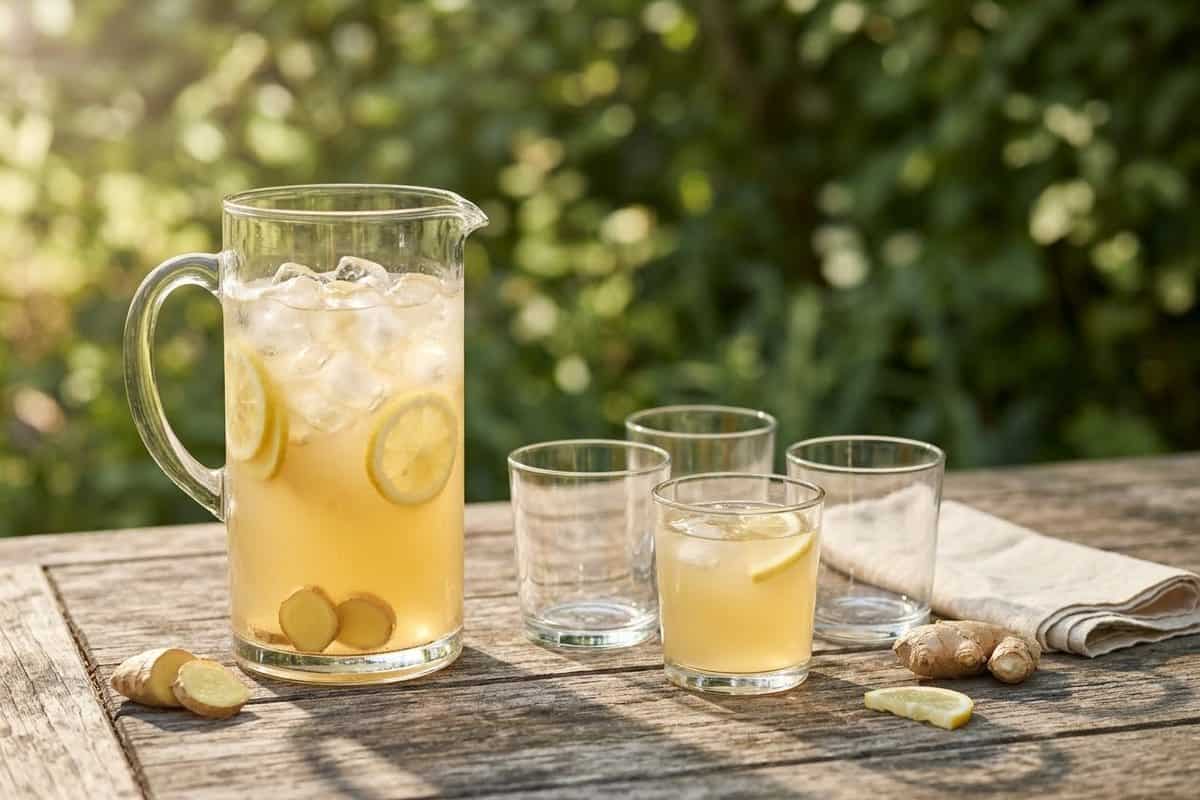
The jug recipe is not our invention. Switchel, a vinegar-and-sweetener drink associated with harvest work in North America, turns up in the Littleton Museum’s printed recipe sheet Switchel, Pocket Lemonade, and Raspberry Shrub Recipes as a quarter cup each of apple cider vinegar and honey, a teaspoon of ground ginger and three cups of water, with a note that “molasses, sugar, or other sweeteners can be used instead”. We kept the proportions and converted them into UK measures. It is a far older idea than the wellness trend that brought it back.
What this drink is not
Search for this pairing and you will find it credited with almost everything. We are not going to repeat any of it. This page makes no health, weight or medical claims for honey and vinegar, together or apart, and we would ask you to be wary of any page that does.
That is not squeamishness. In Great Britain, health claims on foods are governed by retained Regulation (EC) No 1924/2006 on nutrition and health claims made on foods, under which only claims that have been scientifically assessed and authorised may be made. The popular claims for this drink are not among them.
What we can say plainly is what the NHS says: the sugars in honey “still count as free sugars”, and adults should have no more than 30g of free sugars a day. Our classic glass uses about 14g of honey, which works out at roughly 11g of sugars once you allow for the water honey holds, a bit over a third of that ceiling. It is a treat drink, measured like one.
What the acidity means for your teeth
Cider vinegar is acidic, and acid softens tooth enamel. In a laboratory study published in Clinical Laboratory, Willershausen and colleagues soaked human enamel samples in five vinegars with a pH between 2.7 and 3.95 and measured mineral loss. Their conclusion: “the erosive potential of different vinegar varieties on human enamel samples could be demonstrated.” (Willershausen et al., Clinical Laboratory)
The authors are careful to add that real mouths, with saliva, behave differently from a lab dish, so treat this as a reason for sensible habits rather than alarm. Diluting the vinegar, as every version on this page does, is the first habit.
The Oral Health Foundation’s dental erosion advice gives the rest, and it all applies to this glass:
- “Limit acidic foods and drinks to mealtimes.” We drink ours with lunch, not sipped across a whole morning.
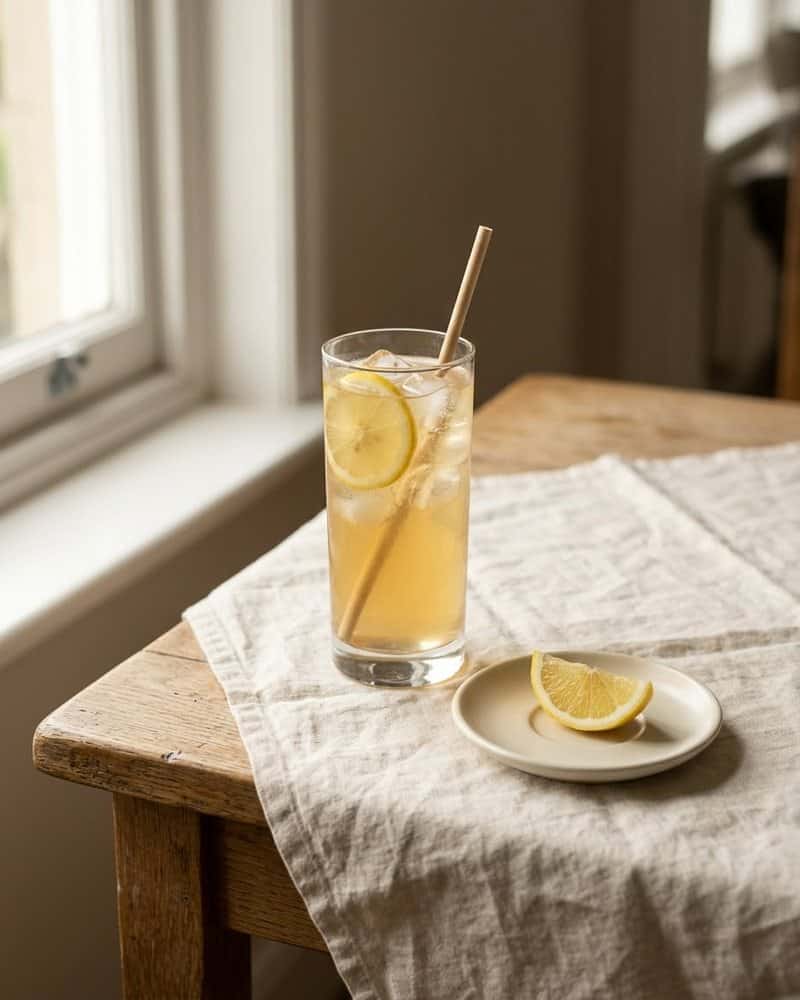
- “Use a straw to reduce contact with the teeth.”
- “Swallow drinks quickly rather than holding them in your mouth.”
- “Wait at least one hour after eating or drinking before brushing your teeth.” Brushing straight after acid scrubs softened enamel.
- A glass of plain water afterwards is our own habit; it is pleasant and rinses the sweetness away.
For the honey side of the story, our guides 꿀은 치아에 해롭나요? 그리고 꿀을 먹은 후 치아를 관리하는 방법 go further. If you have sensitive teeth or existing erosion, ask your dentist before making this a daily drink.
Our view: the best version of this drink is the one you would order if it were on a cafe menu. If you have to hold your nose, the ratio is wrong.The HoneyBee & Co. kitchen
Which honey works best
We make this with 아카시아 꿀, and not out of loyalty. Three things make it the right jar here. It is very pale and mild, so it sweetens without flavouring, and the apple in the vinegar stays the main note. It is slow to crystallise, so the jar on the side stays pourable through the winter and loosens in warm water almost at once; a set honey needs a lot more stirring in a cold glass. And it has a clean finish that does not fight the acid.
A darker honey works too but changes the drink. Heather turns it toffee-ish and quite grown-up; a wildflower honey adds a meadow note. If you want to compare, our Linden vs Acacia guide is a good place to start, and our runny honey guide covers the rest of the pourable range. Curious about the tree itself? Read about Acacia trees and Acacia honey.
| Swap | What changes | Our verdict |
|---|---|---|
| Lemon juice for vinegar | Brighter, less earthy; similar acidity | Good, but it is a different drink; see our 꿀과 레몬 페이지 |
| White wine vinegar | Sharper, thinner, no apple | Not for this |
| Sugar or syrup for honey | Flat sweetness, less aroma | Works; our 꿀 대 설탕 보고서 compares them |
| 꿀 세트 | Same taste, slow to dissolve cold | Fine in the warm mug only |
Our Acacia honey
Pale, mild and slow to crystallise, from the acacia forests of Transylvania where our family has kept bees for six generations. Every jar is 280g, rated 4.9 stars across 55 Google reviews, with free UK delivery on 3 or more jars on any order type.
Drink it often? The Acacia subscription keeps the jar topped up, or see everything in our shop.
자주 묻는 질문
Can I make a big batch of the honey and vinegar mix?
Yes. Stir equal spoons of honey and cider vinegar together in a clean jar, keep it in the fridge and use within a couple of weeks; add 1 tablespoon of the mix to a glass of water. It saves dissolving honey every time.
Hot or cold: which is better?
Purely taste. Warm brings out the honey and suits ginger; cold and sparkling is more refreshing. Let boiling water settle for a minute before adding honey, so its lighter aromas survive.
Can children have it?
Older children can have a weak, gentle-strength glass with a meal, but keep it occasional because of the sugar and acid. Never give honey to a baby under 12 months.
My honey has crystallised. Can I still use it?
Yes. Crystals melt in the warm mug version, or soften the jar gently first; our guide to 결정화된 꿀 explains why it happens and why it is not a fault.
Should I drink it first thing on an empty stomach?
We do not recommend any timing for health reasons, because we make no health claims for it. For your teeth, the Oral Health Foundation’s advice is to keep acidic drinks to mealtimes, so with food is our suggestion.