

 English (UK)
  Italiano
  Français
  简体中文
简体中文  한국어
한국어 
Illustration. Dried chillies and flakes in raw honey, the version that needs no heat at all.
The Honey Kitchen
Hot Honey: How to Make It Without Cooking the Honey
Hot honey is honey infused with chilli. In the UK it is often sold as chilli honey, in the United States as hot honey, and the two names describe the same thing. Almost every recipe online tells you to simmer it in a pan. You do not have to, and if you are starting with raw honey, you should not.
The short answer. Put dried chilli into a jar of raw honey, seal it, leave it in the cupboard and stir it once a day. It is ready in seven to fourteen days. If you want it faster, stand the sealed jar in warm water, no hotter than 40 degrees Celsius, for half an hour. Heat is not what pulls the chilli through the honey. Time is. Simmering only adds the one thing raw honey cannot get back, which is the loss of its enzymes and the start of its heat-damage clock.
What hot honey actually is
It is an infusion, not a sauce. Nothing is cooked and nothing is emulsified. The heat you taste comes from capsaicin and its relatives, the compounds that make a chilli hot, moving out of the dried fruit and into the honey around it.
That movement is slow, and there is a reason. Capsaicin is not water friendly. Extraction studies rank the usual solvents in a consistent order, with methanol and ethanol pulling out far more capsaicinoid than water does, and the researchers note that extraction time runs inversely to how polar the solvent is (Frontiers in Sustainable Food Systems, 2020). Honey is roughly four fifths sugar and one fifth water, which makes it one of the least helpful solvents in a kitchen for this particular job.
So the honey does not grab the heat. It leans on it slowly, over days, and the result is a gentler, rounder burn than a chilli oil, which is why hot honey works on food that would be ruined by a sauce.
The one step worth refusing
Read six hot honey recipes and five will put the jar's contents into a saucepan and take it to the edge of a simmer. It works. It is also the only step in the whole process that costs you something, and it buys you almost nothing, because the chilli was going to give up its heat anyway.
Here is the evidence, and it is worth being precise about what it does and does not say. A thermal study heated three honeys at 40, 60, 80 and 100 degrees and tracked two markers: hydroxymethylfurfural, which rises as honey degrades, and diastase, an enzyme that falls. At 40 degrees, neither marker moved significantly across 95 hours of heating. At 60 degrees the honey reached the 40 mg/kg hydroxymethylfurfural mark after about 80 hours, at 80 degrees after 12.5 hours, and at 100 degrees after 6 (Diyala Agricultural Sciences Journal, 2023).
Be fair to the saucepan method: those figures are measured in hours, and two minutes at a simmer will not drive hydroxymethylfurfural to 40 mg/kg. What it does is put your honey at the steepest end of a curve for no gain, and the enzymes are more fragile than the chemistry markers suggest. Glucose oxidase, the enzyme behind raw honey's antimicrobial behaviour, is the first of the three to go under heat.
This is a judgement, not a law. Use a supermarket blend that has already been pasteurised and the saucepan costs you nothing, because that honey lost its enzymes at the packing plant. Start with raw honey rather than the regular kind and the calculation changes completely.
Two methods, neither of them a saucepan
Cold infusion, 7 to 14 days
- Spoon two or three tablespoons of honey out of a 280g jar to make headroom, or decant the lot into a larger clean jar.
- Add two teaspoons of dried chilli flakes, or two to three whole dried chillies snapped in half.
- Seal it. Leave it in the cupboard, not the fridge, at normal room temperature.
- Turn the jar over once a day. The honey is thick and the chilli will not circulate on its own.
- Taste from day four with a clean spoon. Stop when it is where you want it.
- Strain through a fine sieve to fix the heat, or leave the chilli in and accept that it keeps climbing.
Warm bath, same day
- Add the chilli to the jar exactly as above and seal the lid.
- Fill a bowl with water that is comfortably warm on the inside of your wrist and no hotter. Body temperature is 37 degrees, so if it feels hot, it is too hot.
- Stand the sealed jar in the water for 30 minutes. Do not let water reach the rim.
- Lift it out, turn it over a few times, and repeat once more with fresh warm water.
- Leave it in the cupboard overnight. It will be usable the next morning and better by the weekend.
- Never on the hob. Never in the microwave, which heats unevenly and puts parts of the honey far past 40 degrees while the rest stays cool.
The only number you need to rememberThe temperature the thermal study cleared for long exposure, and roughly the warmest a hive gets on its own. If your method never goes above it, the honey in the jar is the honey you paid for.
Which of the six honeys to start with
This is the part no recipe site can write for you, because it depends on what is in the jar. Our six behave differently once chilli is involved, and two of them are genuinely better starting points than the rest.
| Honey | What the chilli does to it | Start here if |
|---|---|---|
| Sunflower | Warm, buttery sweetness that holds up to real heat rather than disappearing under it. The most forgiving base of the six. | You want the classic pizza and fried chicken drizzle. This is the one to buy first. |
| Acacia | Clean and almost neutral, so the chilli arrives undiluted. It is also slow to crystallise, which makes it the best long keeper. | You want the heat itself to be the flavour, or you are making a jar to give away. |
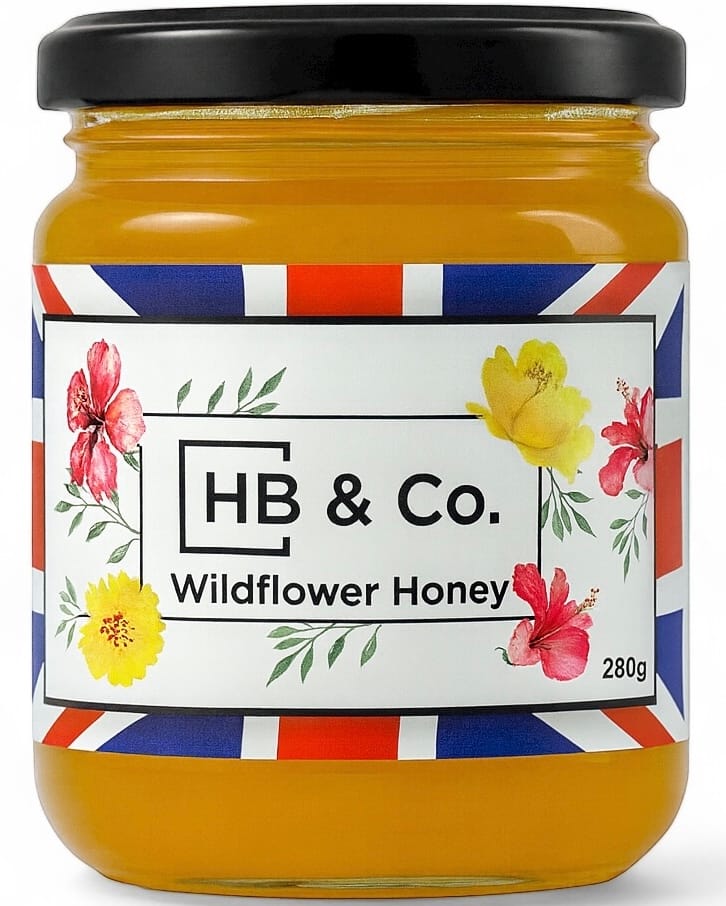
| Wildflower | Floral notes fight the chilli slightly, then settle into something more complex after a week. | You like a drizzle with more going on than sweet and hot. |
| Linden | Herbal and faintly minty. With chilli it turns into a cocktail and marinade honey rather than a breakfast one. | You are building a hot honey for drinks or a pork glaze. |
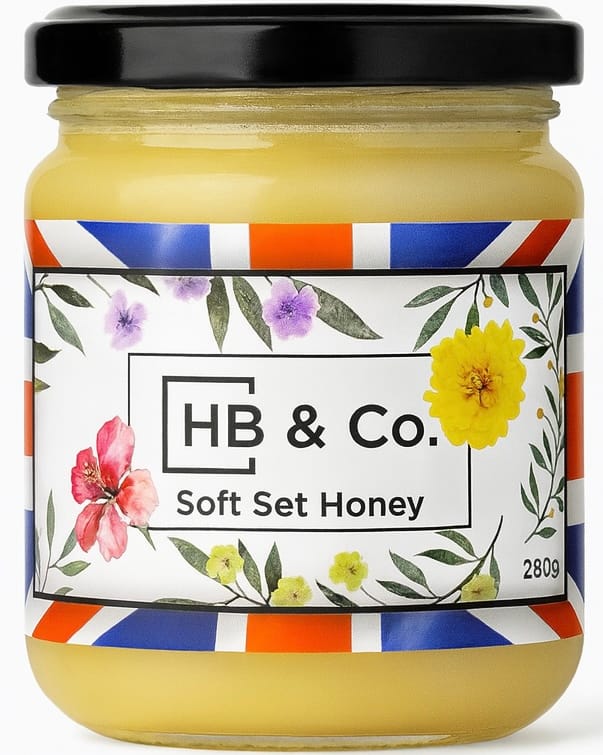
| Soft Set | Spreads rather than pours, so the chilli sits where you put it. Excellent on toast, awkward in a squeeze bottle. | You want it on bread and butter, not on a pizza. |
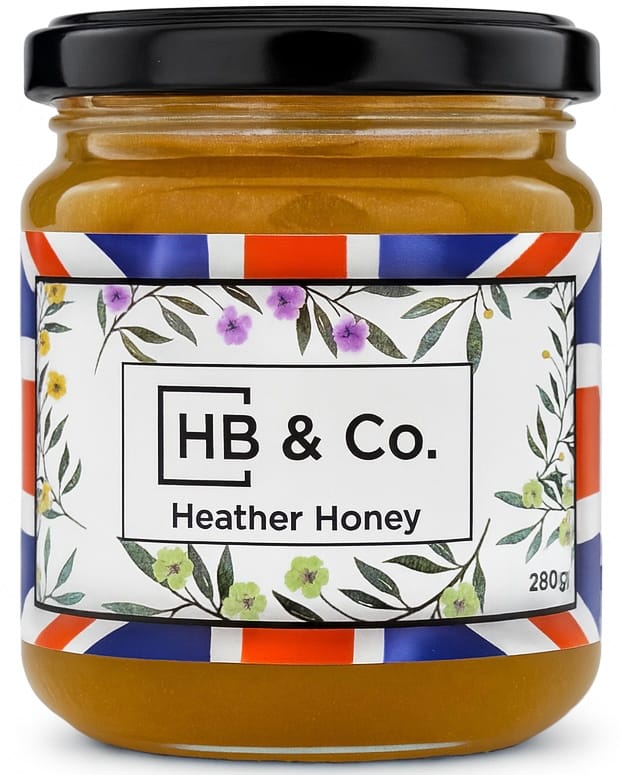
| Heather | Already bold and slightly bitter. Chilli on top of that is a lot, and for most people it is too much. | You already know you like Heather neat. Otherwise skip it. |
One practical warning about Sunflower. It is high in glucose, which is why it granulates faster than the others, and a jar that sets while the chilli is still in it is a nuisance to strain. Either use it within a few weeks, or warm it gently in the same water bath to loosen it. Our guide to softening crystallised honey uses the same 40 degree rule, and if you want to know why it happens at all, crystallisation is a sign of raw honey, not a fault.
Choosing the chilli
Dried, always, for a cupboard jar. The choice within that is a flavour decision more than a heat one.
Standard dried chilli flakes
The default, and the reason most homemade hot honey tastes the same. Flakes that have sat in a cupboard for two years have lost most of their punch. Buy small quantities and replace them.
Whole dried chillies
Better flavour and easier to fish out. Still slightly bendy when you fold one is a good sign of freshness. Snap them in half so the seeds and pith are exposed to the honey, because that is where most of the capsaicin sits.
Gochugaru
Korean chilli flakes, coarse, bright red, fruity and much milder than they look. They make a hot honey that is more colour and aroma than burn, which suits a cheese board. We wrote about what gochugaru is and how it behaves if you have not used it before.
Fresh chilli
It works and it tastes brighter, but it changes the rules entirely. See the next section before you do it.
Safety, in plain terms
- Dried chilli is the safe default. It brings almost no water with it, so the honey stays as inhospitable to microbes as it was in the jar. A cupboard jar made with dried chilli is fine for months.
- Fresh chilli, garlic or citrus change that. They add water to a food whose whole defence is the lack of it. The established guidance for fresh garlic and herbs in oil, which is the same problem in a different medium, is to refrigerate and throw away what is unused after four days (CDC). Treat a fresh-chilli honey the same way: fridge, small batch, days not months.
- Never give honey to a baby under twelve months, plain or infused, cooked or raw. NHS guidance is explicit on this (NHS). The reason is real and measurable: a survey of 190 honeys using PCR detection found Clostridium botulinum spores in 7 per cent of domestic and 16 per cent of imported samples, at levels from under 18 to 140 spores per kilogram (Nevas and colleagues, International Journal of Food Microbiology). Those spores are harmless to an adult gut and decisive in an infant one.
- Cold does not sterilise, it pauses. A risk profile on this organism notes that growth of both relevant groups stops at or below 3 degrees (New Zealand Ministry for Primary Industries). That is what the fridge is doing for a fresh-chilli batch. It is a pause, which is why the four day limit still applies.
- Use a clean dry spoon every time. Bread crumbs and butter in the jar are a bigger practical problem than anything in this list.
Eight things to do with it
- Pizza, at the table. After the oven, never before. A hot pizza will take the honey past 60 degrees on contact, so drizzle and eat.
- Fried chicken. The pairing that made the condiment famous, and still the best argument for it.
- Blue cheese and aged cheddar. Sweet, salty, sharp, hot. Put the jar on the board with a spoon in it.
- Roast carrots and squash. Toss after roasting while the tray is still warm, not before.
- Halloumi. Griddled, then drizzled. The squeak needs the burn.
- Sausage sandwich. Replaces both ketchup and mustard, and settles the argument.
- A whisky sour or a margarita. Loosen a spoonful with a little warm water first so it mixes. Linden is the one for this.
- Ribs and wings, as a finishing glaze. Brush it on after the grill, not during. Our guide to honey on the barbecue explains why honey brushed on early burns before the meat is done.
Keeping it
A dried-chilli hot honey lives in the cupboard with the lid on, away from sunlight, exactly like the honey it was made from. It keeps very well and remains safe to eat well beyond its best-before date, though the chilli aroma fades long before anything else does, so a batch is at its best in the first few months. If you want the heat to stop where it is, strain the chilli out. If you like it fierce, leave it in and remember you did.
Crystallisation will still happen, chilli or no chilli, and it is not spoilage. If you want the fuller answer on dates and storage, we covered whether honey expires separately.
Start with the right jar
Hot honey is only as good as the honey underneath it. All six are raw, cold extracted and never heated above hive temperature, which is the whole reason the no-heat method is worth bothering with. Sunflower is the one to start with, Acacia the one to give away.
Single jars, 280g
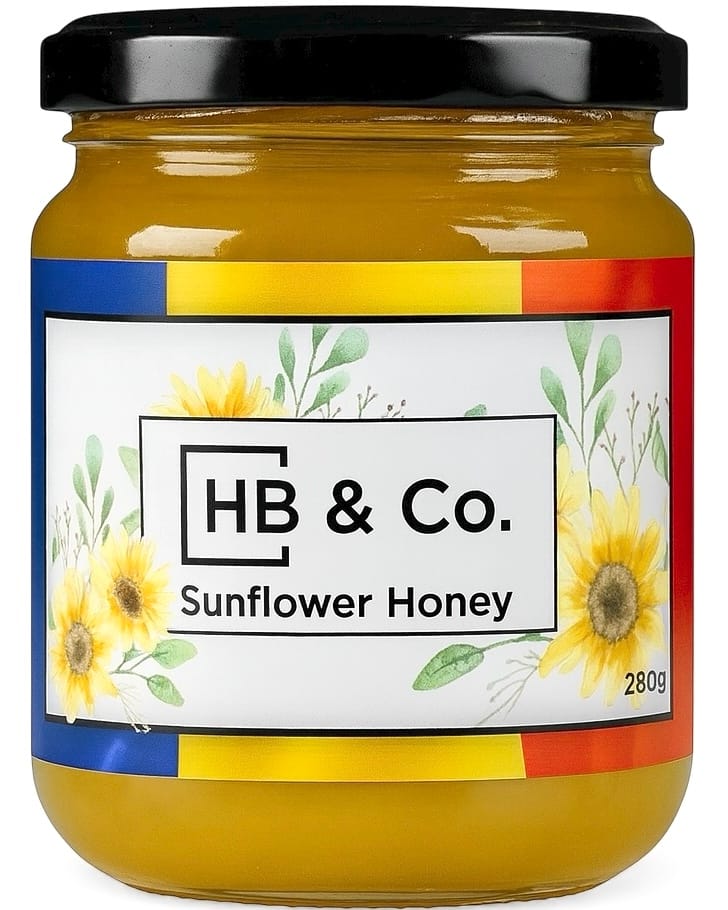
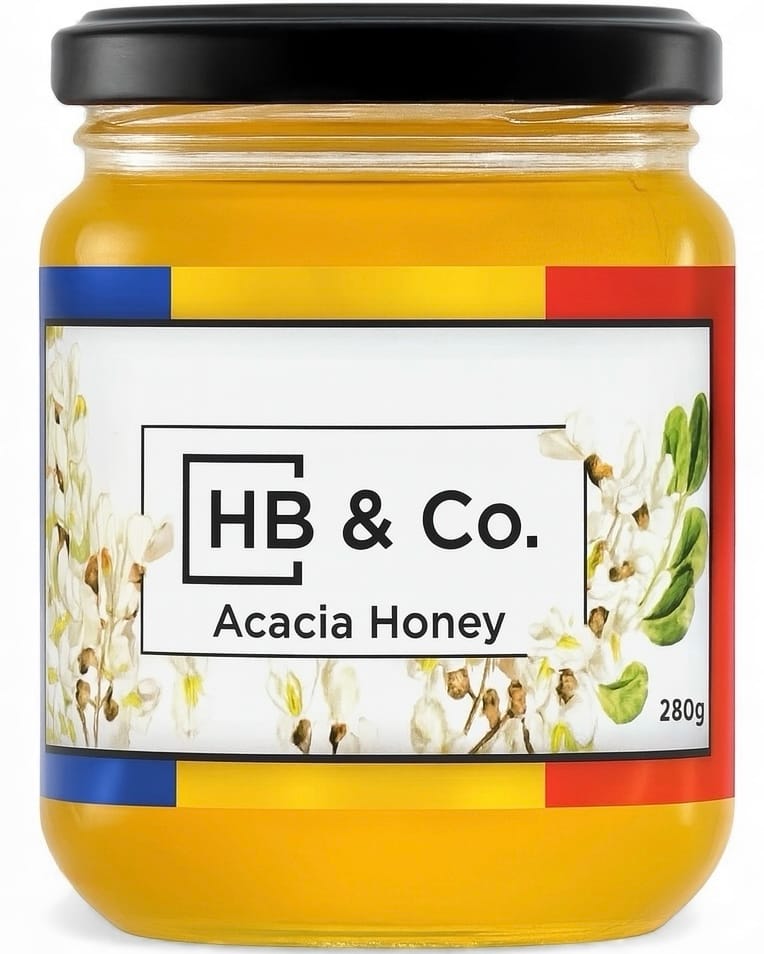
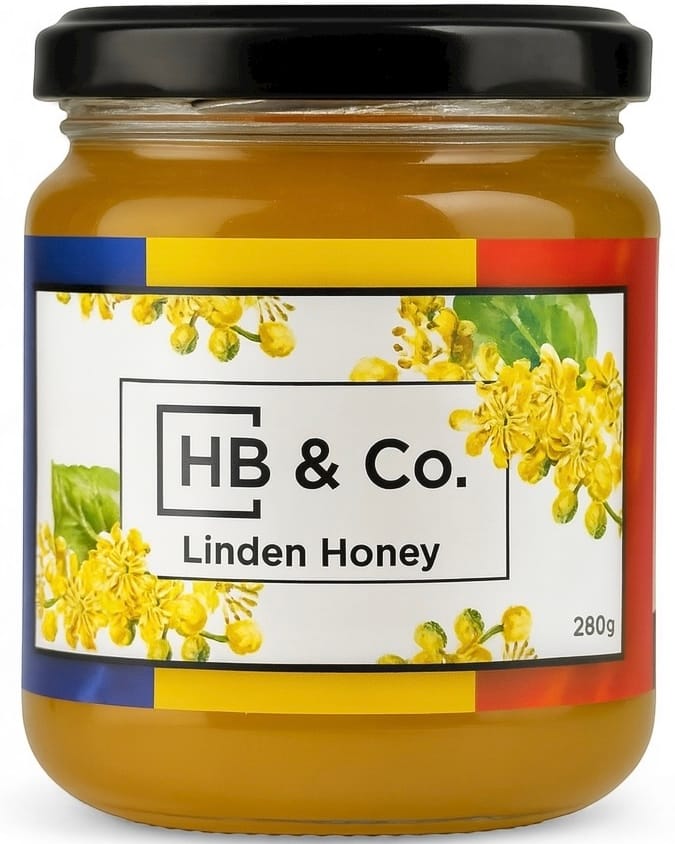
The same honey, on repeat
Bundles and sets
If you are building a drizzle shelf rather than one jar, the BBQ and Grill selection is the closest fit for this article, the Discovery Trio is the cheapest way to taste three before you commit a whole jar to chilli, and every option including delivery and pace is on the subscription page.
Questions people actually ask
Is hot honey the same as chilli honey?
Yes. Hot honey is the American name and chilli honey is the more common British one. Both mean honey infused with chilli, usually dried. Spicy honey turns up as a third name for the same thing.
Do I have to heat honey to infuse it?
No. Heat speeds the infusion but is not required, and capsaicin moves into honey at room temperature given days rather than minutes. Stirring once a day does more than warmth does, because the honey is thick enough that the chilli sits in one place otherwise.
How hot can I safely warm raw honey?
Keep it at or below 40 degrees Celsius. In thermal testing, honey held at 40 degrees for 95 hours showed no significant change in hydroxymethylfurfural or diastase activity, while 60 degrees and above degraded both progressively. A sealed jar in a warm water bath stays within that limit. A saucepan does not.
How long does homemade hot honey take?
Seven to fourteen days for a full cold infusion, with a usable result from about day four. The warm bath method gets you most of the way in a single afternoon, and the flavour still improves over the following week.
Can I use fresh chillies instead of dried?
You can, and it tastes brighter, but it changes how the jar must be stored. Fresh chilli adds water to a food that relies on having very little. Keep a fresh-chilli batch in the fridge, make a small amount, and use it within a few days rather than leaving it in the cupboard.
Which honey makes the best hot honey?
Sunflower, for most people. Its warm, buttery sweetness stands up to chilli instead of vanishing beneath it. Acacia is the alternative if you want the chilli to be the only flavour, and it is slow to crystallise so it keeps longer. Heather is the one to avoid unless you already drink it neat.
Does the heat keep building in the jar?
Yes, for as long as the chilli is in contact with the honey. Straining it out fixes the heat at the level you liked. Leaving it in means a jar that is noticeably fiercer a month later than it was on day ten.
Can children eat hot honey?
Nobody under twelve months should have honey in any form, infused or not, because of the infant botulism risk. Above that age it is a chilli question rather than a honey one, and a mild gochugaru version is a gentler introduction than standard chilli flakes.
Related reading
Sources
- Diastase enzyme activity and hydroxymethylfurfural production during thermal processing of honey. Diyala Agricultural Sciences Journal, 2023. Read the study.
- Recovery of capsaicinoids and other phytochemicals involved with the TRPV-1 receptor. Frontiers in Sustainable Food Systems, 2020. Read the review.
- Nevas M. and colleagues. High prevalence of Clostridium botulinum types A and B in honey samples detected by polymerase chain reaction. International Journal of Food Microbiology, 2002. Read the abstract.
- Risk profile: Clostridium botulinum in honey. New Zealand Ministry for Primary Industries. Read the risk profile.
- Home-canned and home-preserved foods, including garlic and herb oils. Centers for Disease Control and Prevention. Read the guidance.
- Foods to avoid giving babies and young children. NHS. Read the advice.