
 English (UK)
  Italiano
  Français
  简体中文
简体中文 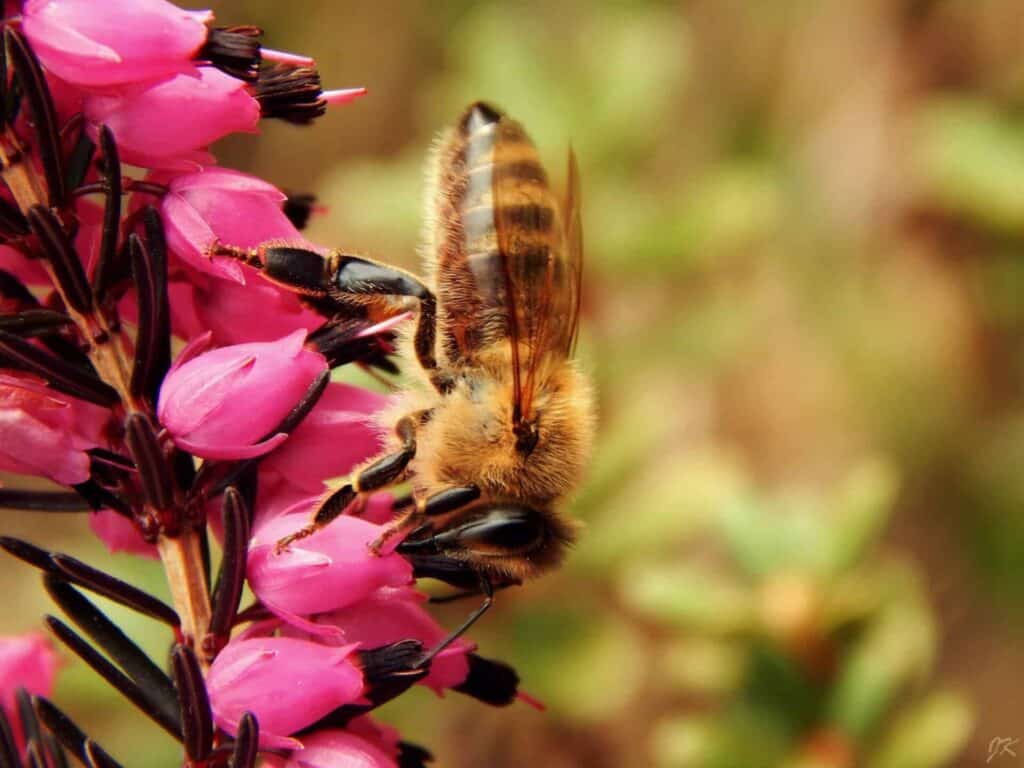
Flowers and Bees: The Partnership That Feeds the World
In This Guide
- A Mutual Dependence
- How Flowers Attract Bees
- Why Timing Matters
- How Pollination Actually Works
- Which Bees Like Which Flowers
- Threats to the Partnership
- Flowers in the Wider Ecosystem
- What Pollination Is Worth
- How to Support Bees
- A UK Pollinator Planting Calendar
- Native or Exotic?
- Five Myths About Flowers and Bees
- The Best Flowers for Bees
- Popular Flowers, Rated for Bees
- Honey From Flower-Rich Land
- Frequently Asked Questions
Key Takeaways
- Flowers and bees are mutually dependent: flowers feed bees with nectar and pollen, and bees pollinate flowers so they can set seed.
- Flowers attract bees with colour, pattern and scent, including ultraviolet "nectar guides" invisible to us.
- Not every pretty flower helps bees. Single, open blooms with accessible nectar and pollen are best; many double or highly bred ornamentals offer almost nothing.
- The big threats are the familiar ones: pesticides, habitat loss and climate change. See why bee populations are declining.
- Plant for pollinators, skip the sprays, and choose honey from flower-rich, ethically managed land.
A Mutual Dependence
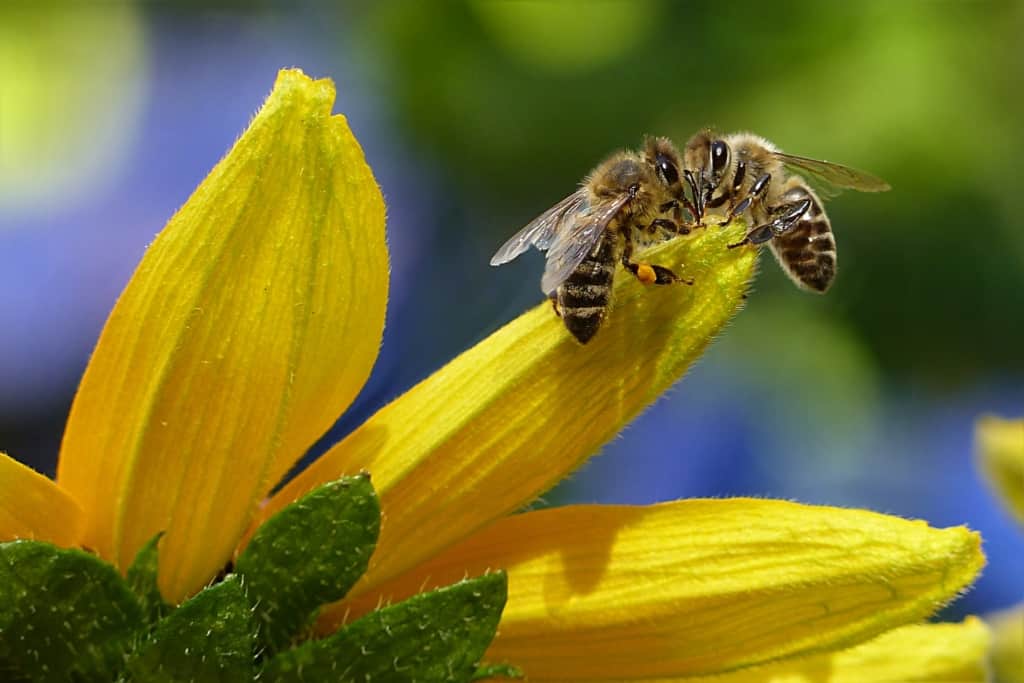
Flowers and bees share one of nature's great partnerships. Flowers provide the food bees live on, while bees are essential pollinators for the reproduction and survival of countless flowering plants. It is a relationship refined over roughly 100 million years, and it underpins not just wild ecosystems but a large share of the food on our plates. To see how bees turn that floral bounty into honey, read how bees make honey, and meet the pollinators themselves in our complete guide to bees.

The bee is more honoured than other animals, not because she labours, but because she labours for others.
Saint John ChrysostomThe relationship is mutualistic to its core. Flowers need bees to carry pollen from the male parts of one bloom to the female parts of another, allowing fertilisation and the creation of seeds. In return, bees rely on flowers for the nectar that fuels them and the pollen that feeds their young. Remove either side and both unravel.
How Flowers Attract Bees
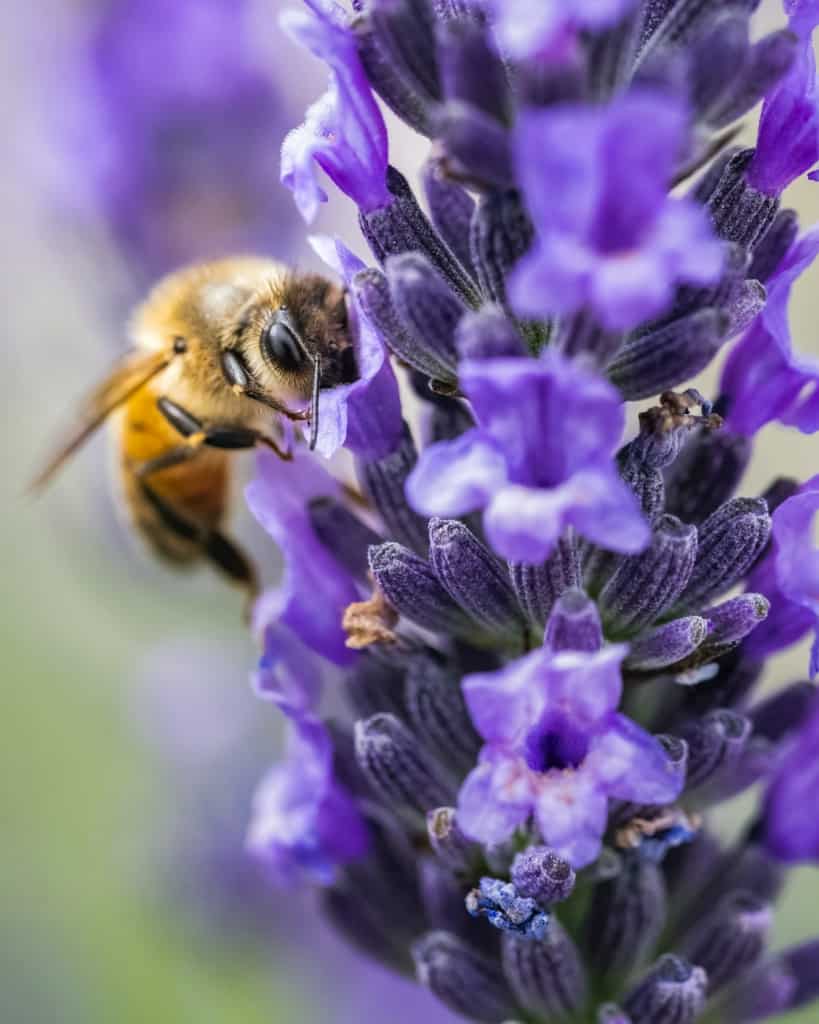
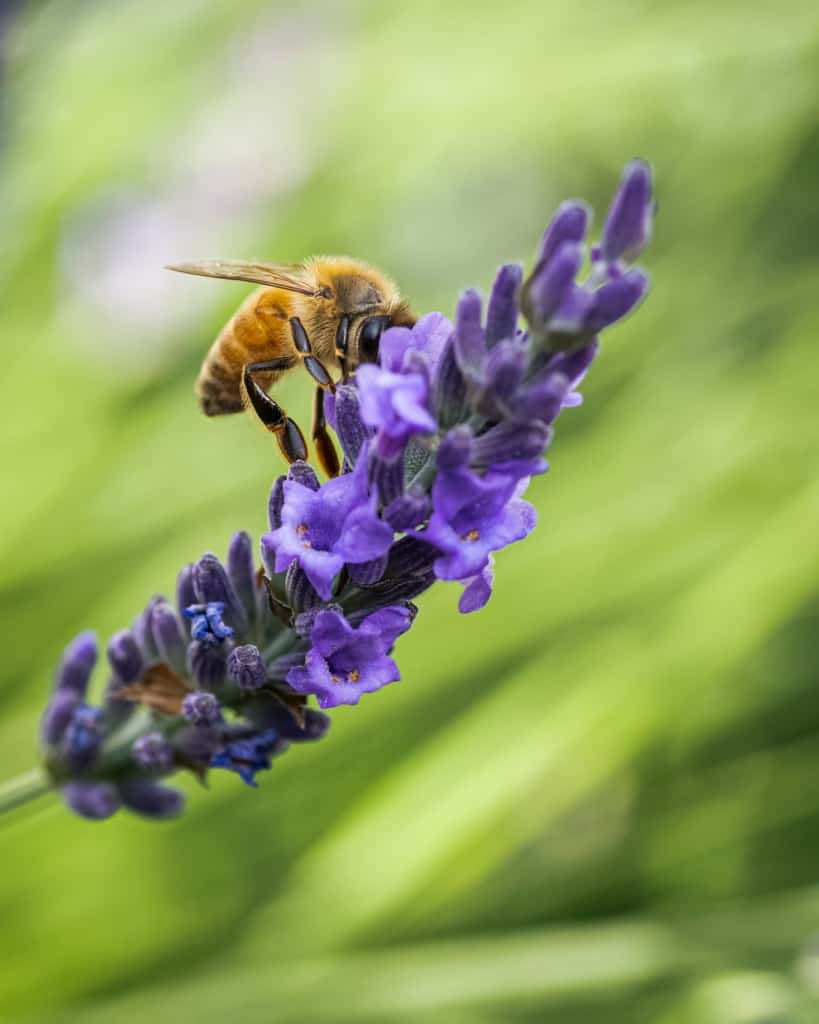
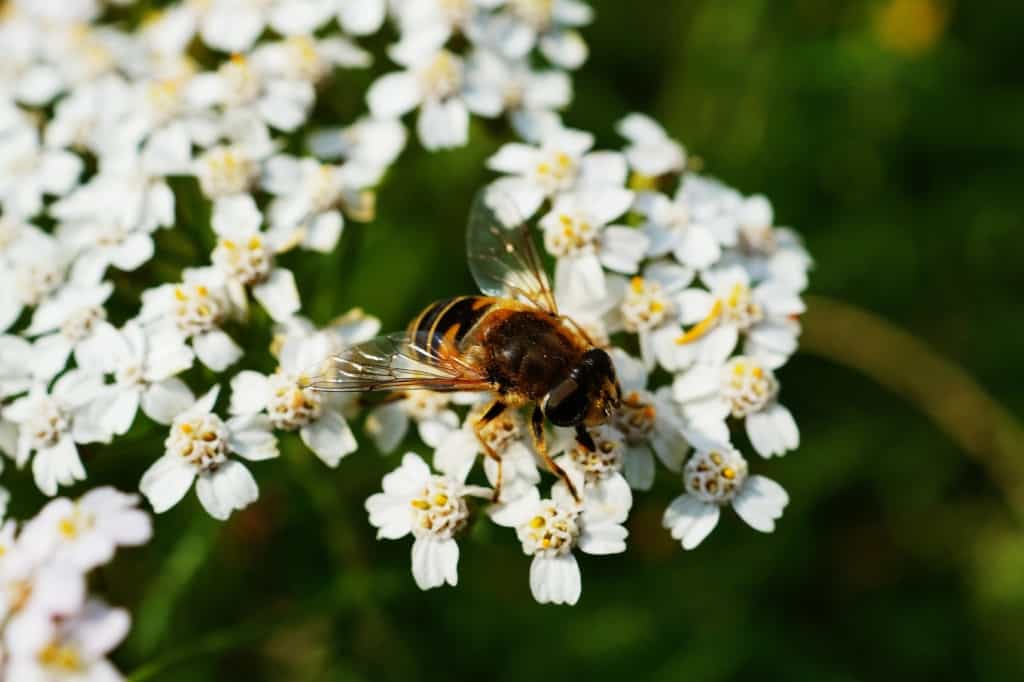
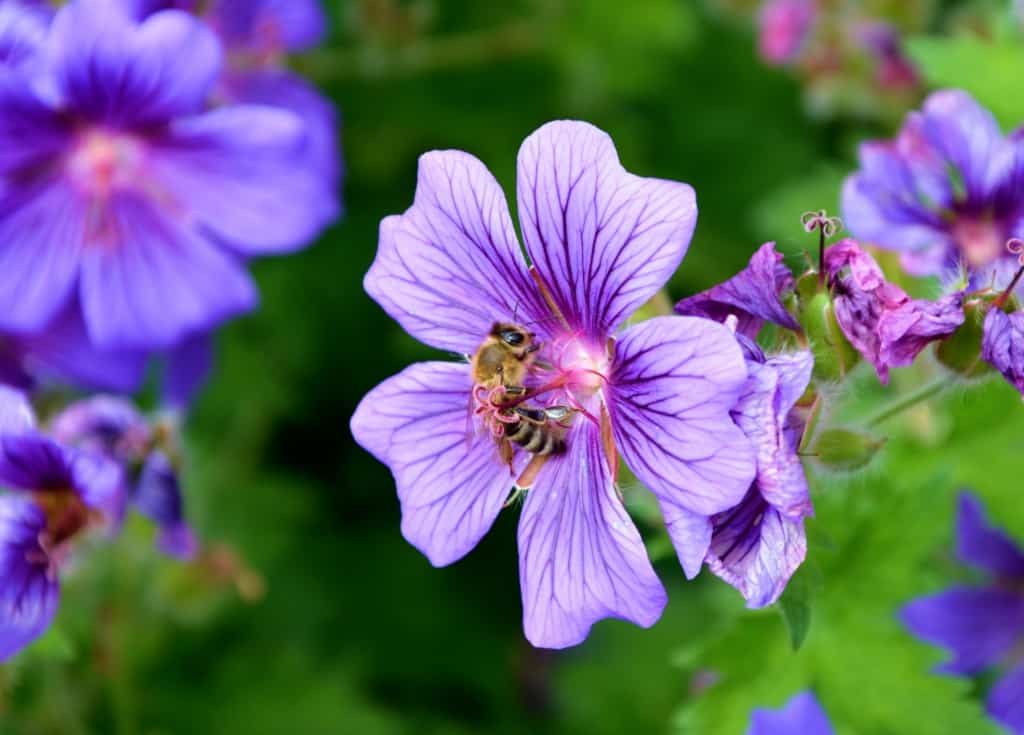
Many flowers have evolved specifically to appeal to bees, using visual cues like colour and pattern and olfactory cues like scent. These signals do more than catch the eye: they advertise the flower's reproductive status and the nectar and pollen on offer. Some blooms even carry ultraviolet "nectar guides", patterns invisible to humans but glowing to a bee, that steer her straight to the reward and, in doing so, past the pollen. Bees see blues, purples and ultraviolet especially well, which is why so many bee-favourite flowers fall in that range.
Why Timing Matters
The synchrony between flowering and bee activity is as important as the flowers themselves. In temperate climates, plants must bloom when their pollinators are flying, and bees must build energy stores before winter. If a flower opens too early or too late, there may be no bees to pollinate it, and a gap in the flowering calendar can leave bees hungry. This is why a garden that offers something in bloom across the whole season matters so much, and why a changing climate, which nudges flowering out of step with emergence, is such a concern. We explore that timing problem further in why bee populations are declining.
How Pollination Actually Works
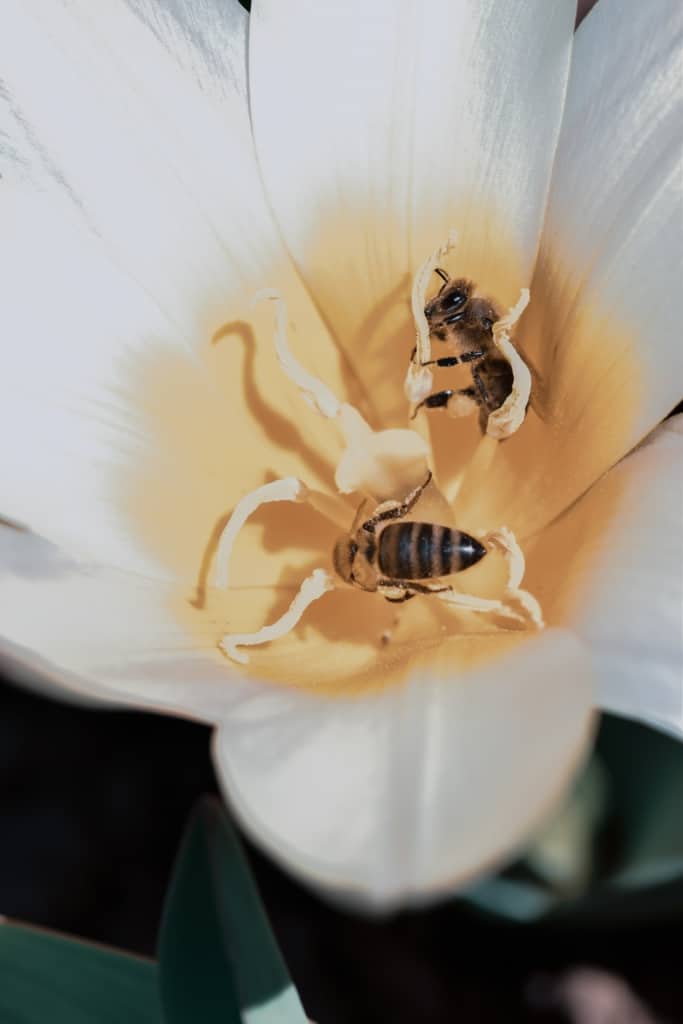
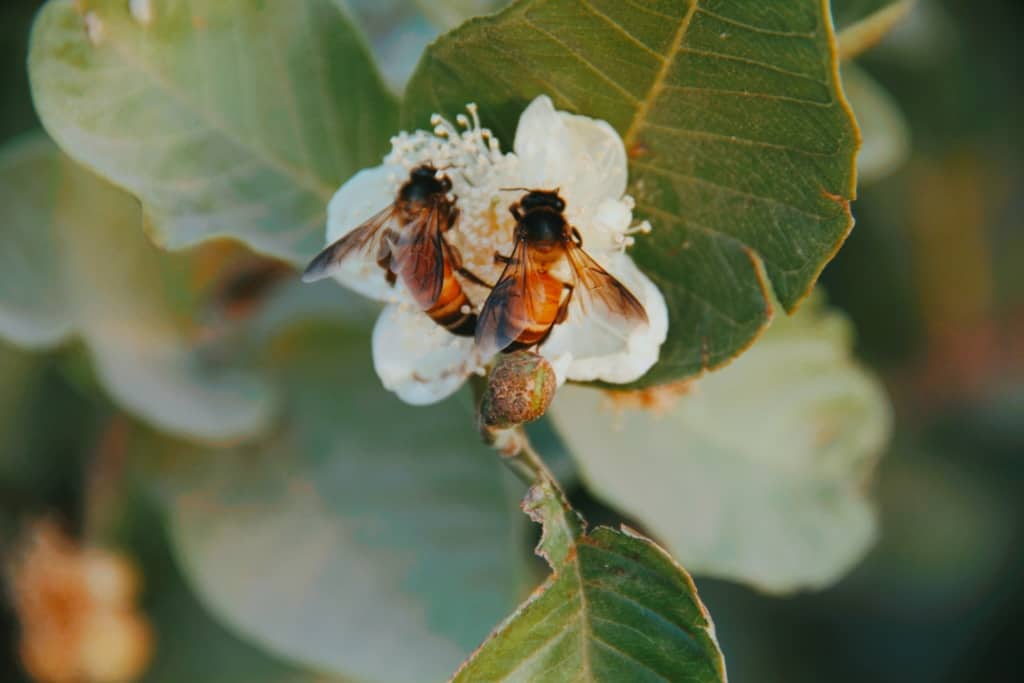
Pollination looks like a gentle accident, a bee bumbling from bloom to bloom, but it is one of evolution's most refined transactions. As a bee pushes into a flower for nectar, pollen from the male anthers brushes onto her body. Carry that pollen to the female stigma of the next flower of the same species and fertilisation can occur, setting seed and fruit. The plant pays in sugar; the bee pays in delivery.
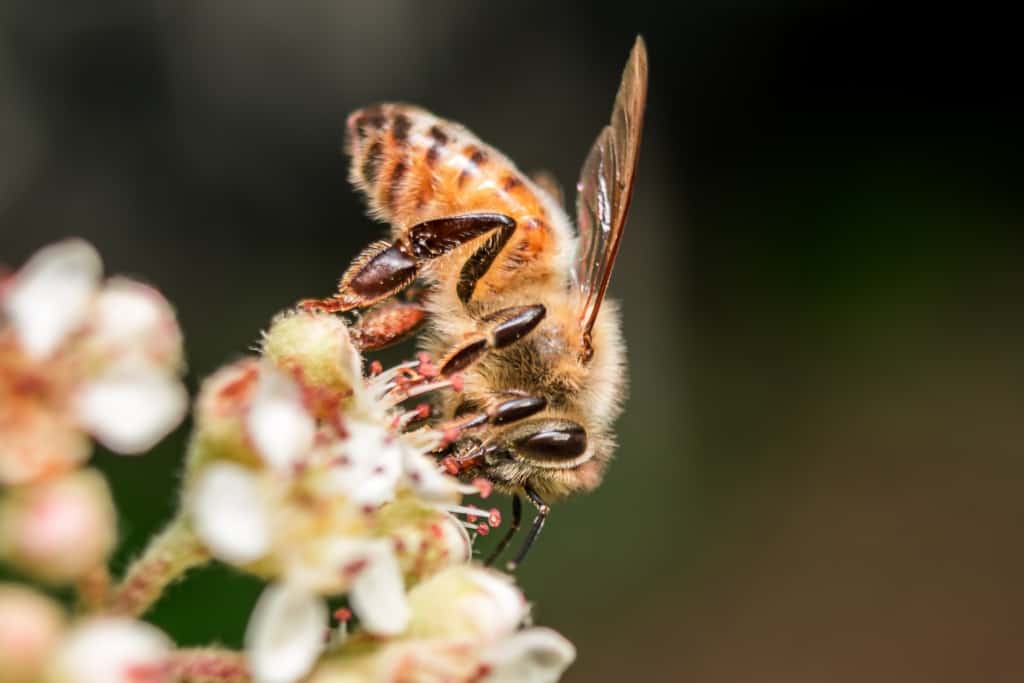
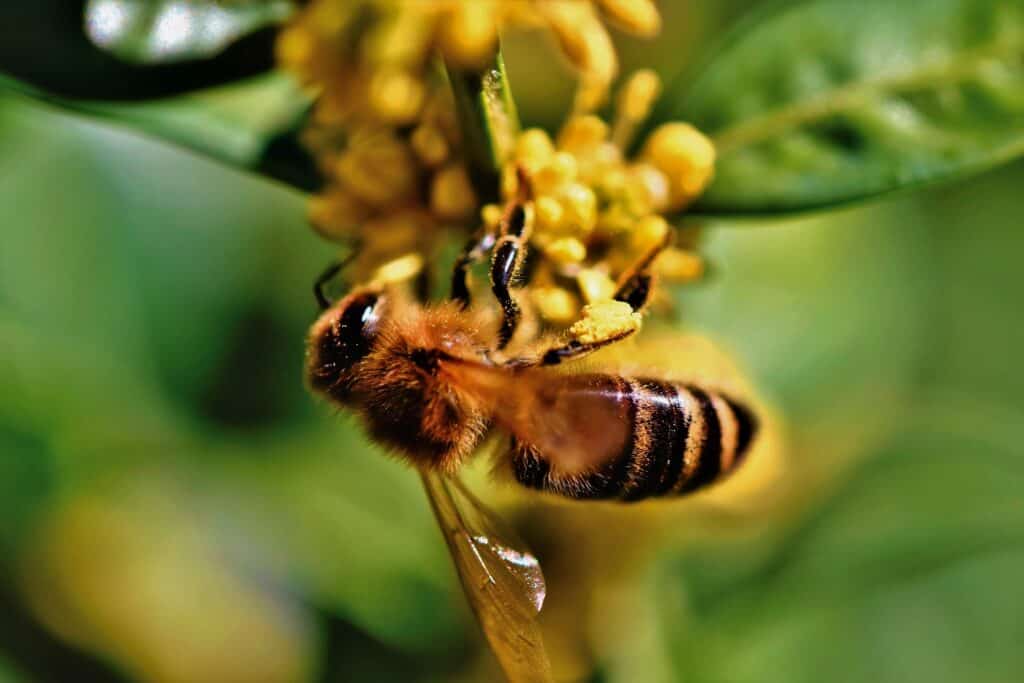
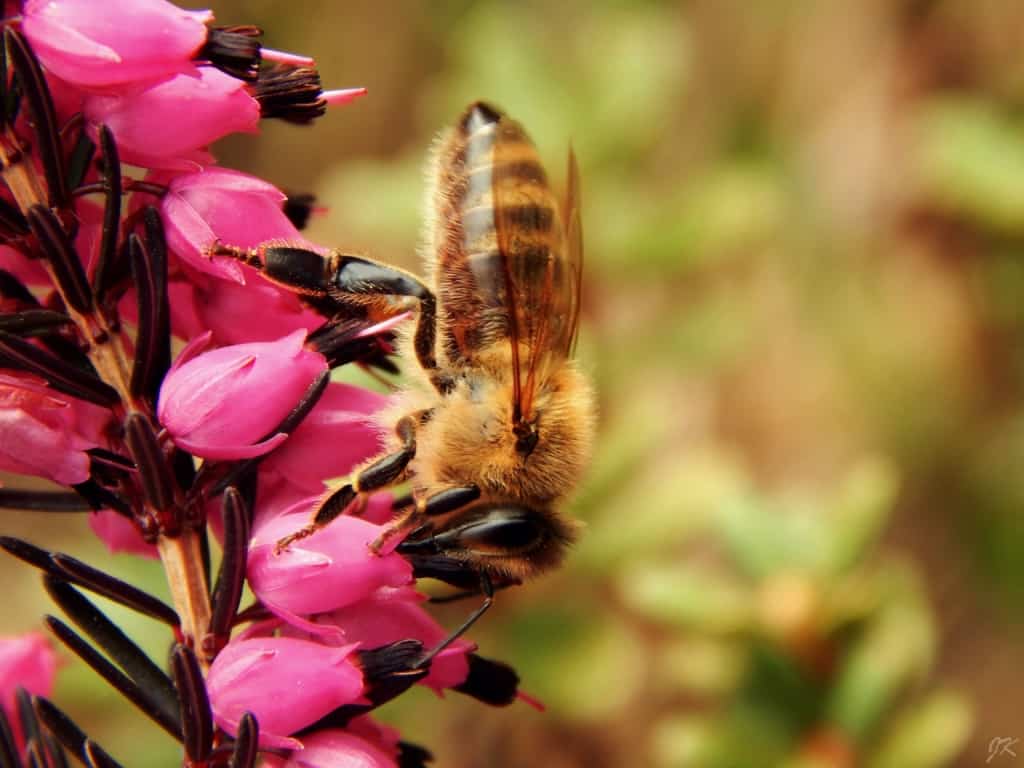
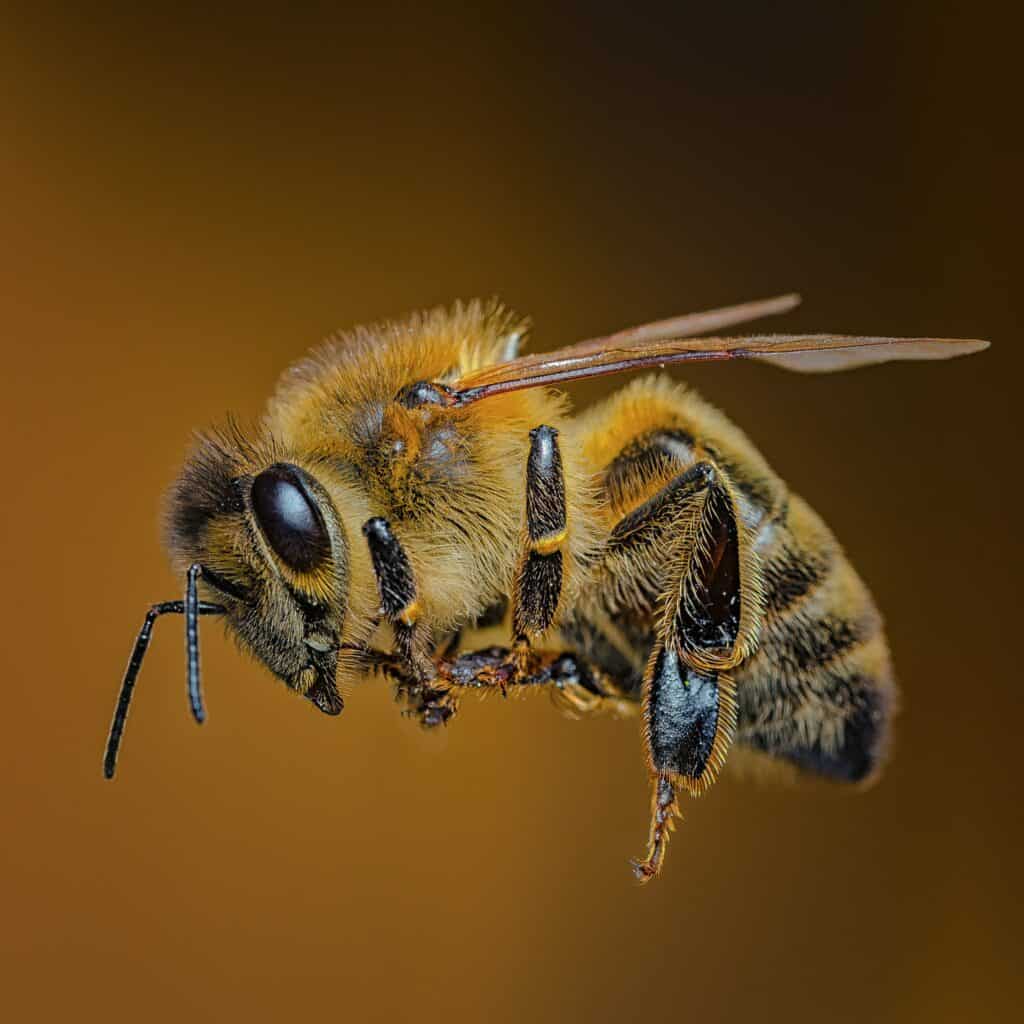
The delivery system is beautifully engineered. A bee's body is covered in branched, feathery hairs that snag pollen grains, and bees actually build up a slight positive electrostatic charge in flight, so negatively charged pollen leaps onto them before they even land. Honeybees and bumblebees comb that pollen into corbiculae, the shiny "pollen baskets" on their hind legs; most solitary bees carry it dry in a brush of hairs called the scopa under the abdomen.
Two behaviours make bees especially good pollinators. The first is flower constancy: on any single foraging trip a bee tends to visit just one kind of flower, so she reliably moves pollen between members of the same species rather than wasting it. The second is buzz pollination, or sonication, the trick of grabbing a flower and vibrating the flight muscles to shake pollen loose. Tomatoes, blueberries, aubergines and many wildflowers give up their pollen only this way, and honeybees cannot do it, bumblebees and some solitary bees can. It is a vivid reminder that we need far more than one species of bee. Once she is laden, the forager heads home, and you can follow what happens next in how bees make honey.
Meet the Foragers: Which Bees Like Which Flowers
"Bee" is not one creature but thousands. Britain alone has around 270 species, and they divide into three broad lifestyles, each suited to different flowers. Knowing them is the secret to a garden that hums from February to November. (See where each lives on our UK Bee Map, and compare the two everyone knows in bumblebee vs honeybee.)
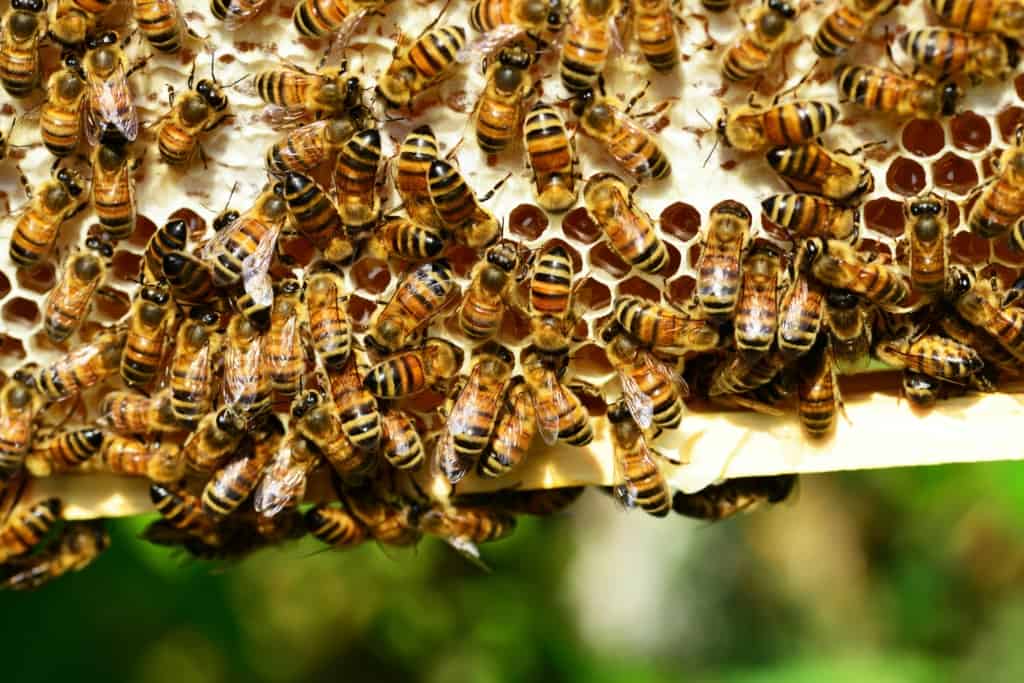
Honeybees (the western honeybee) are the great generalists. Living in colonies of tens of thousands, they recruit nestmates to rich flower patches with the famous waggle dance, show strong flower constancy, and gather a surplus of nectar that becomes the honey in our jars. They favour open, accessible blooms in big drifts: fruit blossom, clover, brassicas, lime, borage and heather.
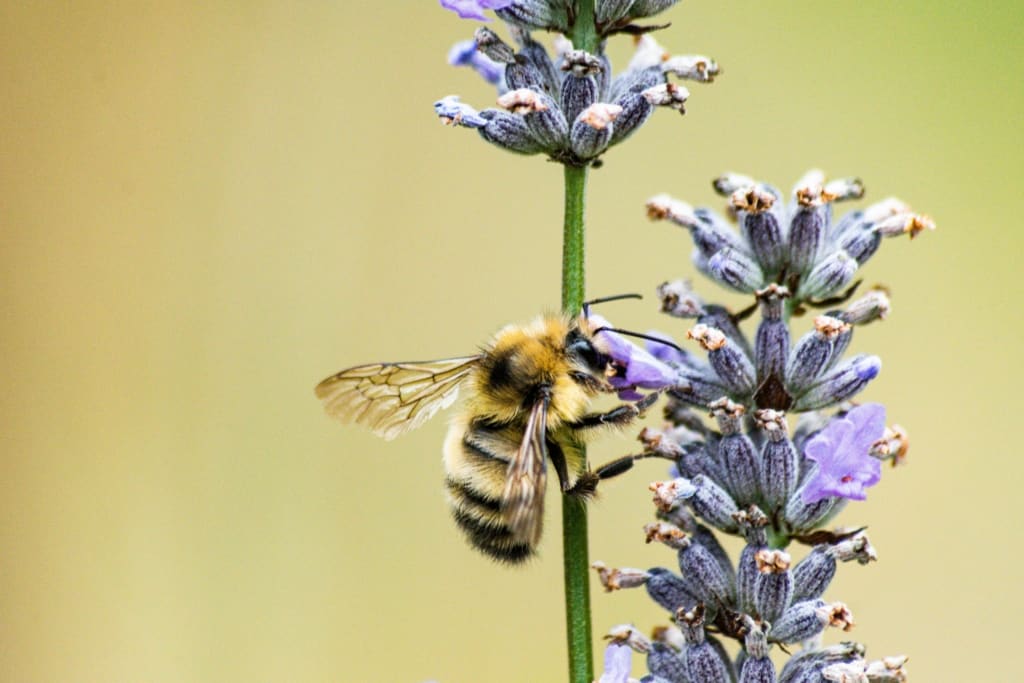
Bumblebees are the cool-weather specialists, furry enough to fly in low light and temperatures that ground honeybees, and the masters of buzz pollination. Long-tongued species reach into tubular flowers like foxglove, comfrey and honeysuckle, while shorter-tongued ones such as the buff-tailed bumblebee and red-tailed bumblebee work open daisies, lavender and dead-nettles. The tree bumblebee loves bramble and cotoneaster, while the common carder bee haunts clover and vetch all season.
Solitary bees make up the great majority of species and, sting-free and prolific, are pound-for-pound the most efficient pollinators of all. The red mason bee is a star of spring orchards; the hairy-footed flower bee darts around early lungwort and comfrey; the tawny mining bee works fruit blossom and dandelions; and the autumn-flying ivy bee depends almost entirely on ivy. Many solitary bees are specialists, tied to a narrow group of plants, which is why flower diversity is not a luxury but a lifeline.
Threats to the Partnership
The bond between flowers and bees is not unbreakable. Pesticides, habitat loss and climate change have all hit bee populations hard, and as bees decline, so does the pollination that flowers depend on. The widespread use of neonicotinoid insecticides has been linked to falling bee numbers and to impaired ability to forage, navigate and reproduce. Protecting the partnership means reducing pesticide use, preserving and restoring habitat, and linking fragmented green spaces into corridors that pollinators can travel. Planting a diverse range of flowers helps too, giving bees, butterflies and other pollinators a steady, varied food supply.
Flowers in the Wider Ecosystem
Flowers do far more than feed bees. They are a foundation of the whole ecological system, offering nectar and pollen to a huge range of insects, and food and shelter to birds and small mammals. Nectar provides energy; pollen provides protein and nutrients. As the reproductive organs of plants, flowers also produce the seeds that sustain the next generation, and by attracting pollinators they enable the cross-pollination that keeps plant populations genetically diverse and resilient.
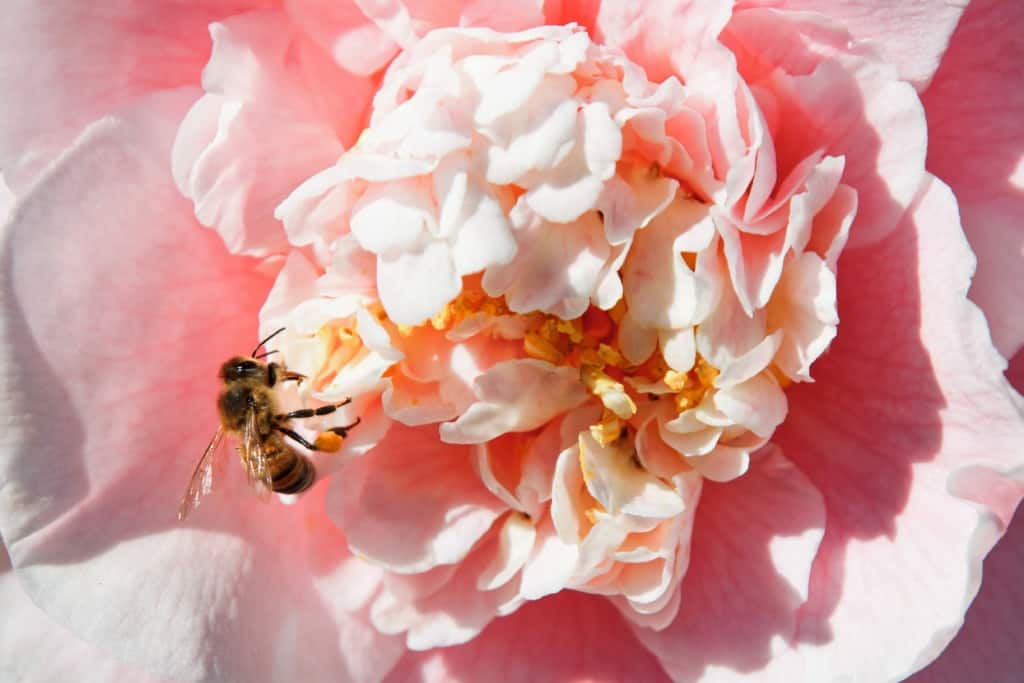
That diversity feeds back on itself. Flowers come in countless colours, shapes and sizes, and that variety attracts a correspondingly wide range of pollinators, which in turn safeguards the genetic diversity of the plants. Flowers and pollinators also help hold ecosystems steady, supporting the balance between herbivores, predators and parasites. Strip the flowers away and a cascade of insects, birds and plants would follow them into decline, with consequences for the stability of the whole system.
What Pollination Is Worth
It is tempting to file flowers and bees under "nice to have." The numbers say otherwise. The global scientific panel on biodiversity, IPBES, estimates that around three-quarters of the world's leading food crops depend at least in part on animal pollination, and that the crops directly affected are worth between US$235 billion and US$577 billion a year. Roughly a third of the volume of food we produce, and nearly 90% of wild flowering plants, leans on pollinators.
Behind the figures sit the foods we would miss most. Apples, almonds, cherries, strawberries, courgettes, coffee and even chocolate (whose flowers are pollinated by tiny midges) all owe their abundance to pollinators. Staples like wheat and rice are wind-pollinated, so we would not starve, but our plates would lose much of their colour, variety and nutrition. That is the thought experiment behind our Plate Without Bees tool, and it is sobering.
The flip side is a warning. The volume of pollinator-dependent farming has risen 300% in fifty years, even as many pollinators decline from pesticides, habitat loss and disease, the pressures we cover in why bee populations are declining. We are leaning harder on bees while making life harder for them. For us as beekeepers, that is exactly why provenance matters: where and how bees are kept is not a marketing detail, it is the whole game.
How to Support Bees
Supporting pollinators is something everyone can do, from a windowsill to a working farm. The best-evidenced practices are simple:
- Provide habitat. Plant a variety of flowering plants, favour native species, and leave some un-mown grass or a small wildflower patch, and a sunny bank or bee hotel for solitary species like the red mason bee. Our guide to attracting bees to your garden sets it all out.
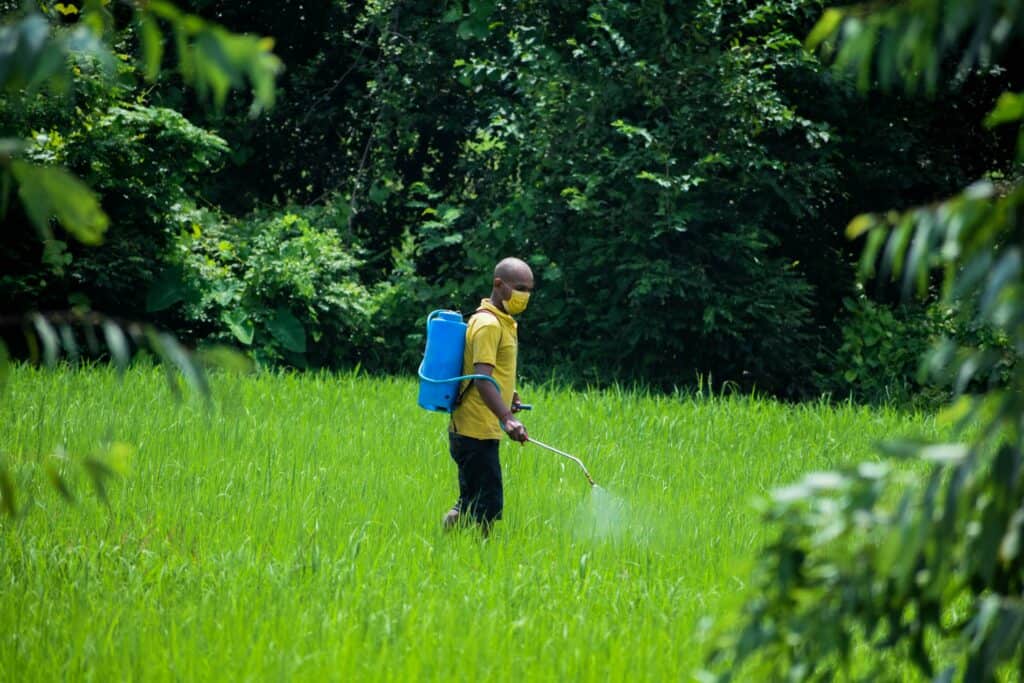
- Minimise pesticides. Use integrated pest management, encourage natural predators, and never spray open flowers where bees are feeding.
- Choose the right plants. Single, open flowers beat showy doubles every time, see the flowers bees like for a fuller list.
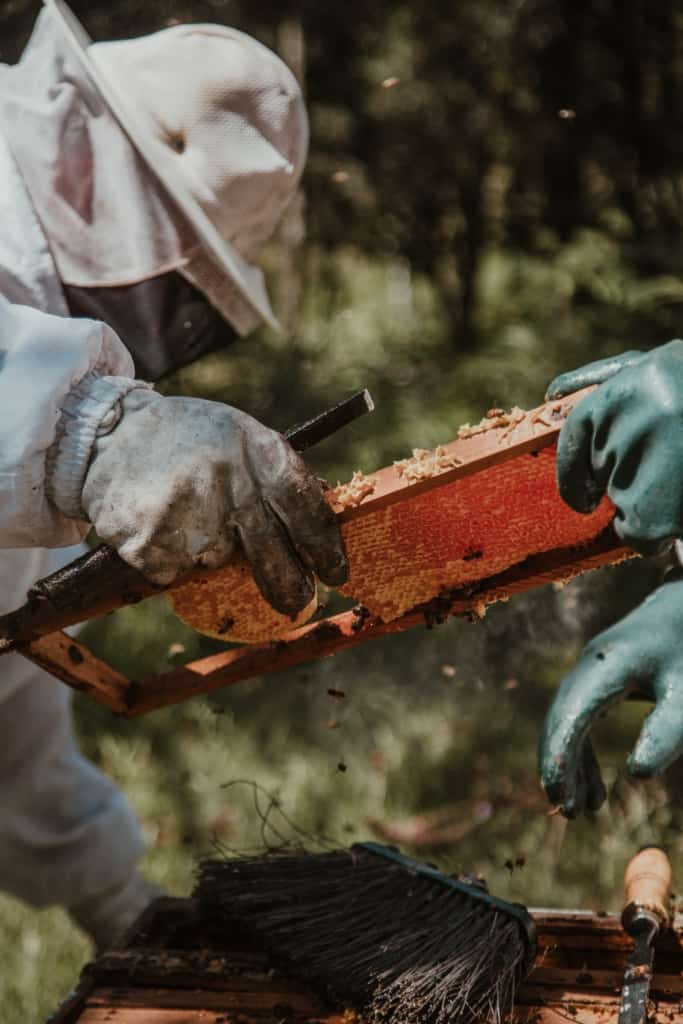
- Support bee-friendly farming. Cover crops, reduced tillage and flower margins all help. Buying from producers who farm and keep bees this way sends the right signal.
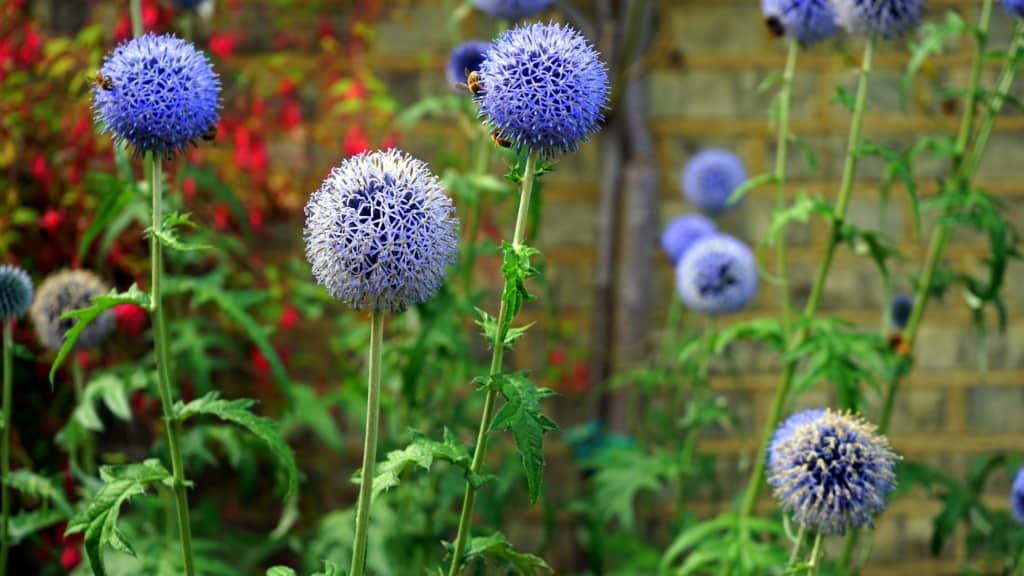
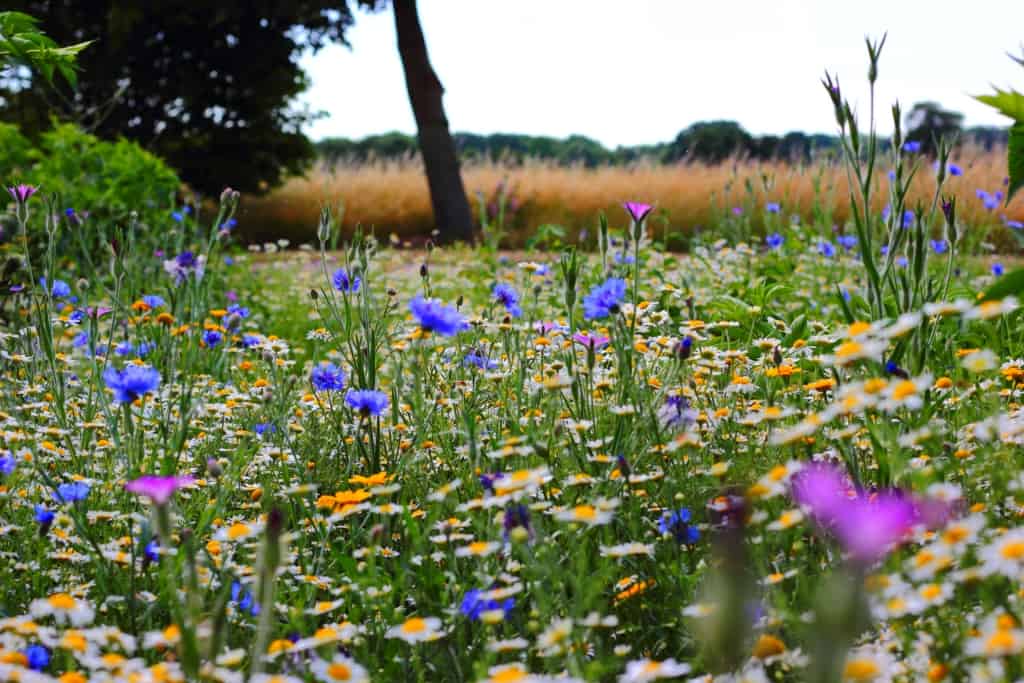
Wildflowers deserve a special mention: a meadow of mixed native flowers is some of the richest forage a bee can find, far better than a manicured lawn. Even a small patch makes a difference, and supports butterflies, moths and hoverflies alongside the bees.
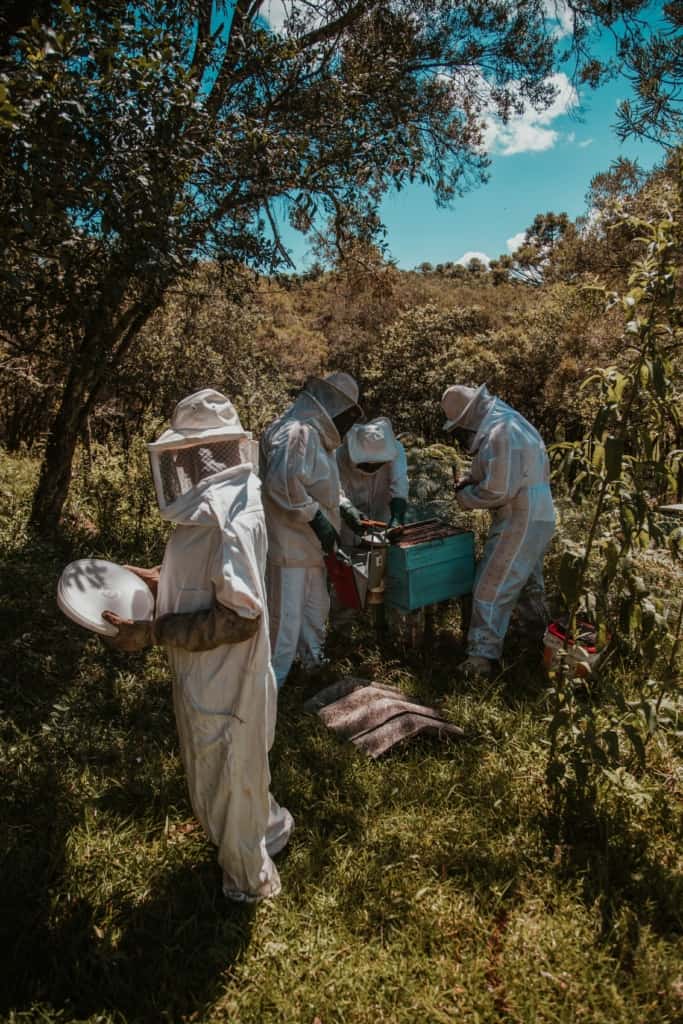
Larger forces matter too. Bee-protection laws (such as European restrictions on certain neonicotinoids), national pollinator strategies, and farm incentives for wildflower planting and reduced spraying all help at landscape scale, alongside the work of conservation groups and citizen-science recording. You can add your own sightings to the picture through our UK Bee Map and explore the bigger story in the World Bee Atlas.
A Year of Bloom: A UK Pollinator Planting Calendar
The single most useful thing a gardener can do for bees is to keep something in flower from the first warm day of late winter to the last of autumn. Gaps in the calendar, especially the "June gap" and the hungry weeks of early spring, are when colonies starve. Here is a season-by-season plan for the UK.
| Season | Plant these | Who they feed |
|---|---|---|
| Late winter | Crocus, snowdrop, winter heather (Erica), hellebore, mahonia, willow catkins | Emerging queen bumblebees and the first solitary bees |
| Spring | Fruit blossom, dandelion, pulmonaria, bluebell, hawthorn, flowering currant | Mason bees, mining bees, honeybees building up |
| Early summer | Borage, comfrey, foxglove, hardy geranium, chives, raspberry, single roses | Long-tongued bumblebees, honeybees, solitary bees |
| High summer | Lavender, marjoram, scabious, knapweed, single dahlia, cosmos, sunflower | The full cast: honeybees, bumblebees, solitary bees, butterflies |
| Autumn | Ivy, sedum (Hylotelephium), Verbena bonariensis, single late sunflowers, heather (Calluna) | Ivy bees, late bumblebees, honeybees stocking up for winter |
A few principles tie it together. Aim for at least two or three plants flowering in every month of the growing season. Plant in generous clumps of a single variety rather than dotting singles about, as bees forage far more efficiently that way. And do not underestimate humble plants: dandelion, clover, bramble and ivy are some of the hardest-working forage of all. Heather earns a special place, in flower when little else is and beloved by bees, which is why it gives us our Heather Honey; our guide to growing hardy heathers shows how to use it. For the full planting picture, see attracting bees to your garden.
Native or Exotic? What UK Bees Actually Need
There is a long-running debate about whether bees need native wildflowers or whether garden exotics will do. The honest, evidence-based answer is: a mix of both, chosen well, beats purism either way.
Native plants have co-evolved with our bees over millennia, and some partnerships are exquisitely tuned, the long flower of the foxglove and the long tongue of the garden bumblebee, for instance. Native wildflowers such as bird's-foot trefoil, knapweed, clover and viper's bugloss are forage powerhouses, and many specialist solitary bees can use little else. A patch of meadow or a wild corner is worth more than any border.
That said, plenty of well-chosen exotics are superb for bees and extend the season: lavender, borage, catmint, Verbena bonariensis, single dahlias and salvias all earn their keep. The trick is to apply three rules. First, choose single, open flowers over densely bred doubles, which often hide or eliminate nectar and pollen. Second, look for plants grown without systemic insecticides, since neonicotinoids can persist in nursery stock and poison the very bees you are trying to help. Third, favour the RHS "Plants for Pollinators" mark as a quick shortcut to good choices. Our companion guide to the types of flowers bees like turns these rules into a practical shopping list.
Five Myths About Flowers and Bees
Myth 1: "Saving the honeybee will save the bees."
The honeybee is essentially managed livestock, and globally its hive numbers are rising, not falling. It is the wild bees, bumblebees and solitary species, that are most at risk. In some places, too many honeybees can even compete with wild bees for forage. Helping bees means planting flowers and protecting habitat for all of them, not just keeping more hives.
Myth 2: "Any flower helps a bee."
Not so. Heavily bred double flowers, and sterile mophead hydrangeas, can offer almost no accessible nectar or pollen. A border of the wrong flowers is, to a bee, a desert with good lighting.
Myth 3: "Bees are drawn to red flowers."
Bees are effectively red-blind. They see blues, purples and ultraviolet best, which is why so many bee flowers are violet-toned or carry UV "nectar guides" we cannot see. Red flowers tend to be aimed at birds.
Myth 4: "Honey bees are going extinct."
Managed honeybee colonies are not heading for extinction; beekeepers replace losses. The real conservation emergency is among wild pollinators, with a significant share of bee and butterfly species in decline. That is the story to act on.
Myth 5: "Bees and wasps are much the same."
They are cousins, but bees are vegetarian pollen-and-nectar foragers built to pollinate, while most wasps are predators. Both matter, but they do very different jobs. We untangle the wider cast, and the threats they face, in bees and their natural enemies.
From Flower to Jar
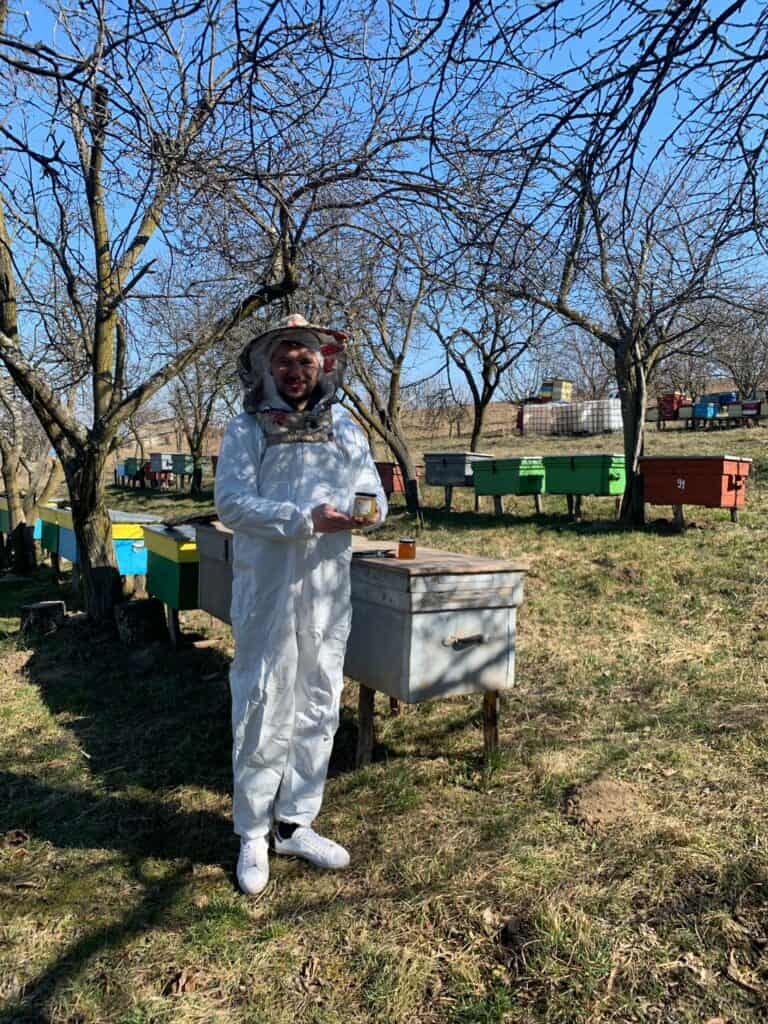
For us this is not theory. Our bees turn the nectar of flower-rich, low-chemical landscapes into raw, single-origin honey, and the health of those flowers is the health of our hives. Six generations of family beekeeping have taught us that you cannot separate good honey from good habitat. Read more about that in raw honey versus regular honey and about how long bees live. You can browse the full range or explore corporate gifting.
The Best Flowers for Bees
If your main aim is to feed bees, a handful of plants stand head and shoulders above the rest. Across a UK year, hard-working favourites include crocus and willow in late winter and early spring (a lifeline for emerging queen bumblebees and the tawny mining bee), borage, lavender, comfrey and single-flowered hardy geraniums through summer, single dahlias, cosmos and sunflowers into autumn, and ivy right at the end of the season, the favourite of the autumn-flying ivy bee. Heather is one of the very best of all, which is why it gives us our Heather Honey; see our guide to growing heather. The golden rule is to choose single, open flowers over densely bred doubles, and to plant in generous drifts so bees can forage efficiently.
Popular Flowers, Rated for Bees
Below are the popular garden and cut flowers people most often ask about, each honestly rated for what it actually offers bees. A beautiful flower is not always a useful one, so we have flagged which earn their place in a pollinator garden and which are really there for us rather than the bees.
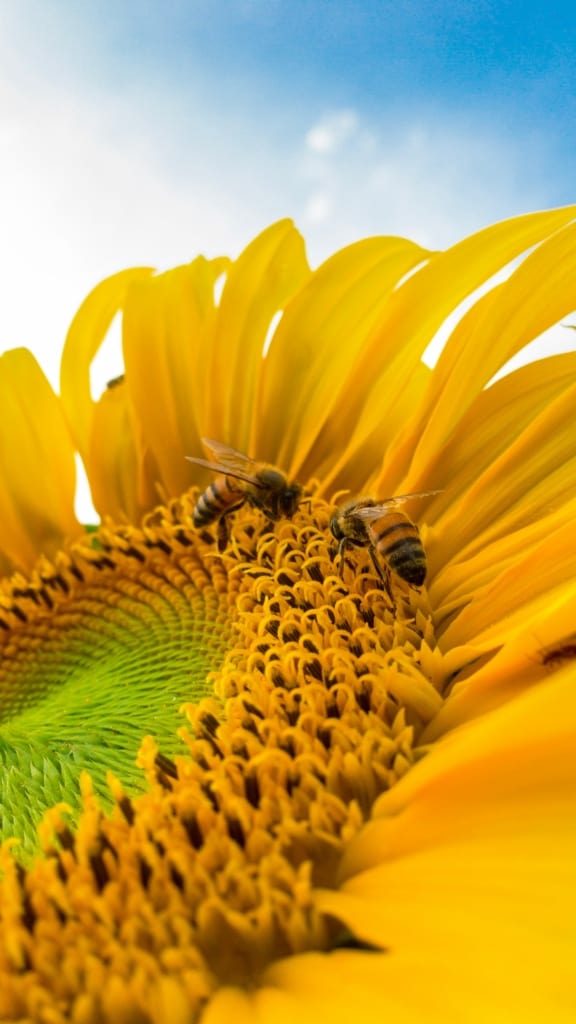
Sunflower
Great for beesOpen, pollen-rich and a magnet for bees. The single-flowered, pollen-bearing types are best, and the source of our Sunflower Honey.
Read the full guide ›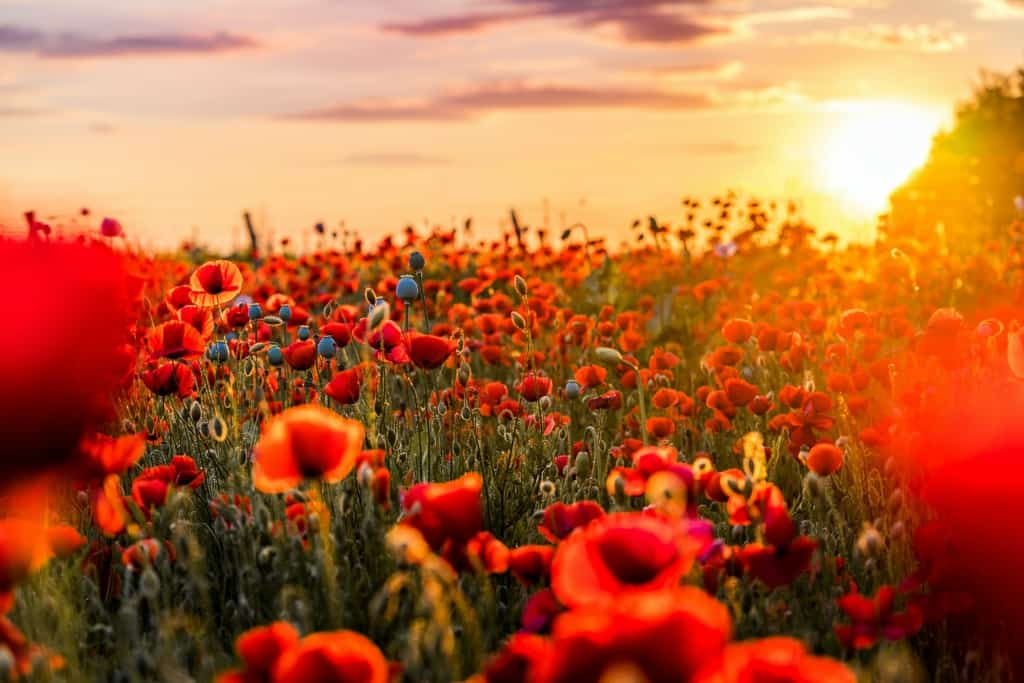
Poppy
Great for beesOffers masses of accessible pollen. Bees work poppies enthusiastically on warm mornings.
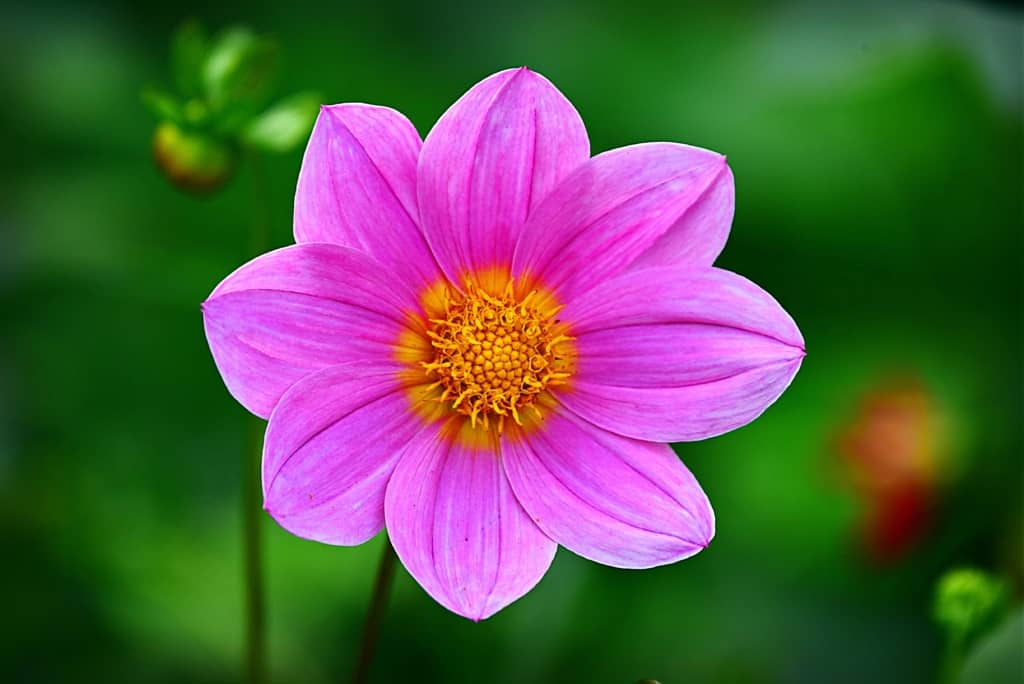
Cosmos
Great for beesSingle cosmos are superb late-summer forage for bees and hoverflies, and bloom for months.
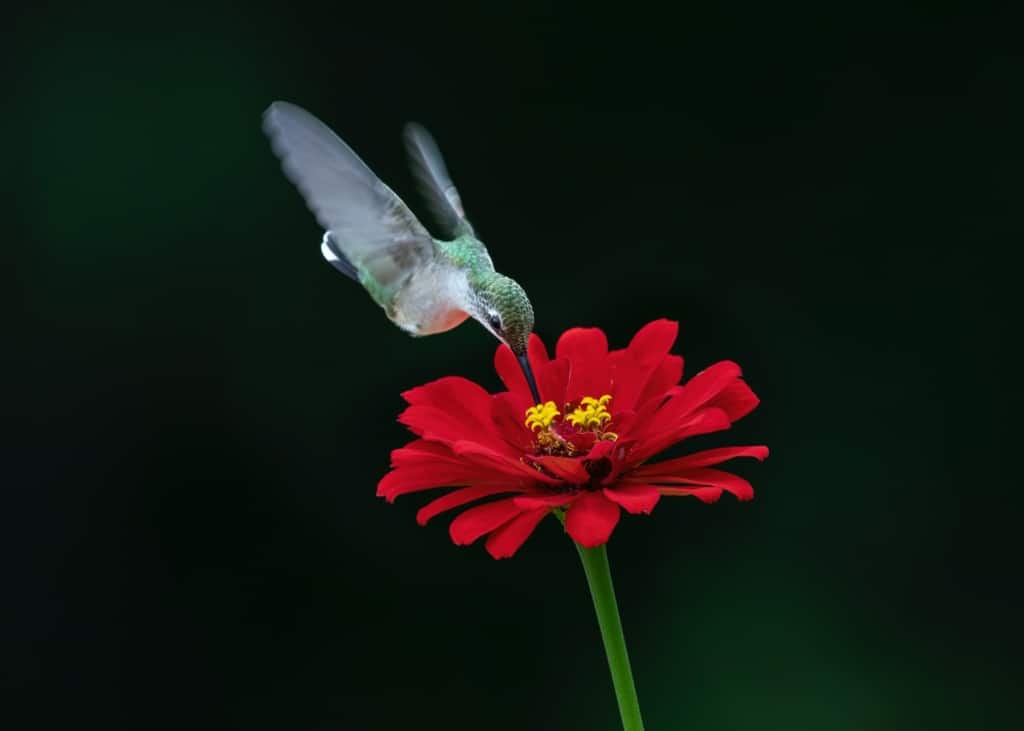
Zinnia
Great for beesSingle-flowered zinnias are rich in nectar and a favourite of bees and butterflies alike.
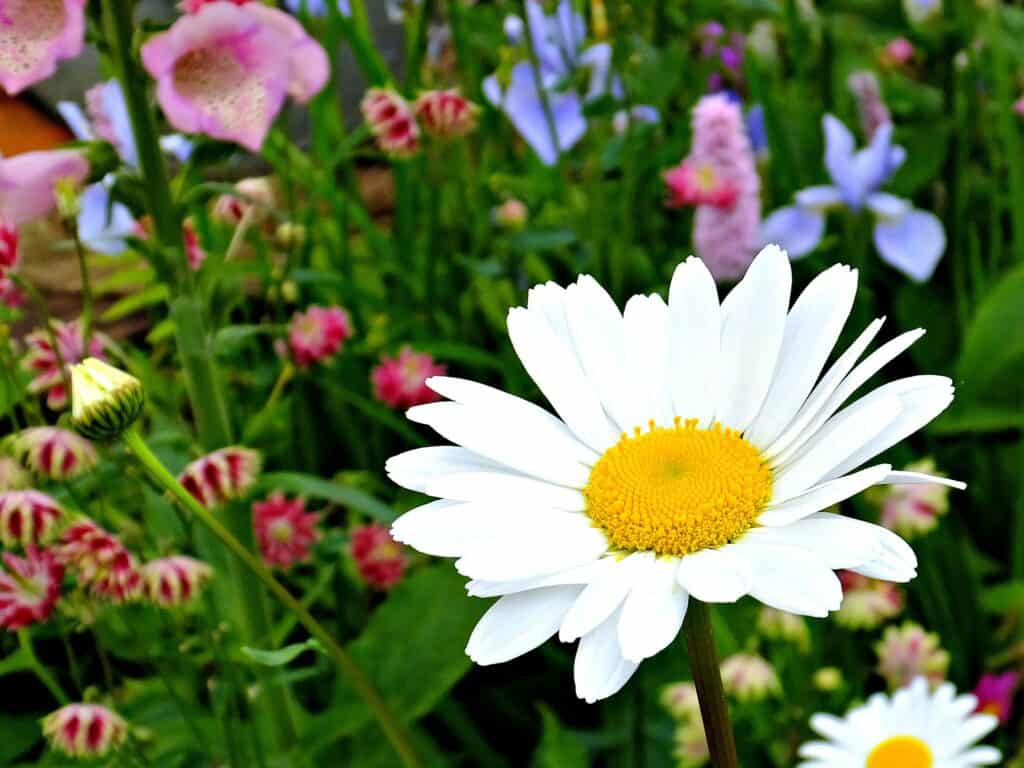
Daisy (oxeye and Shasta)
Great for beesThe open, flat face of a single daisy is easy for many bees and hoverflies to feed from.
Read the full guide ›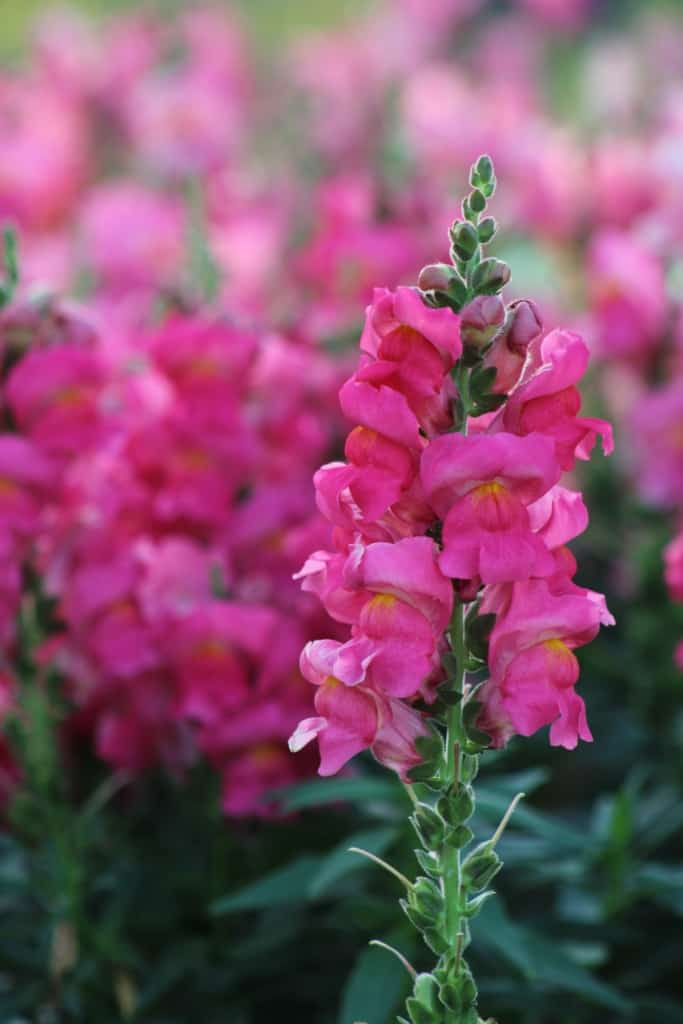
Snapdragon
Useful for beesA bumblebee speciality: strong enough to push open the lipped flowers that smaller bees cannot.
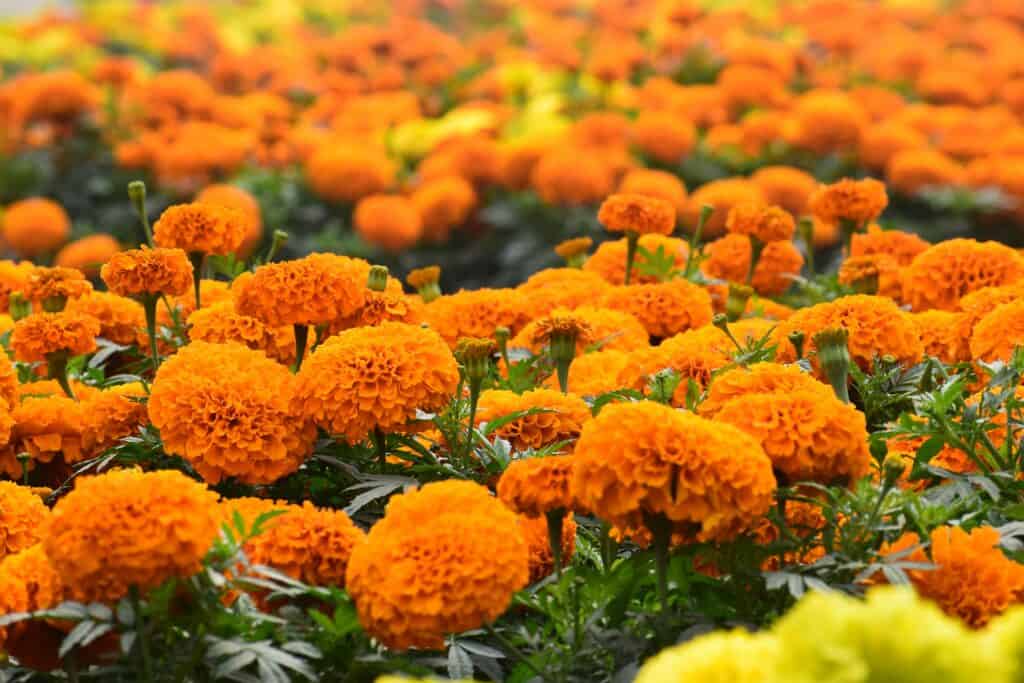
Marigold (single types)
Useful for beesSingle and signet marigolds offer accessible nectar; densely double French types give bees little.
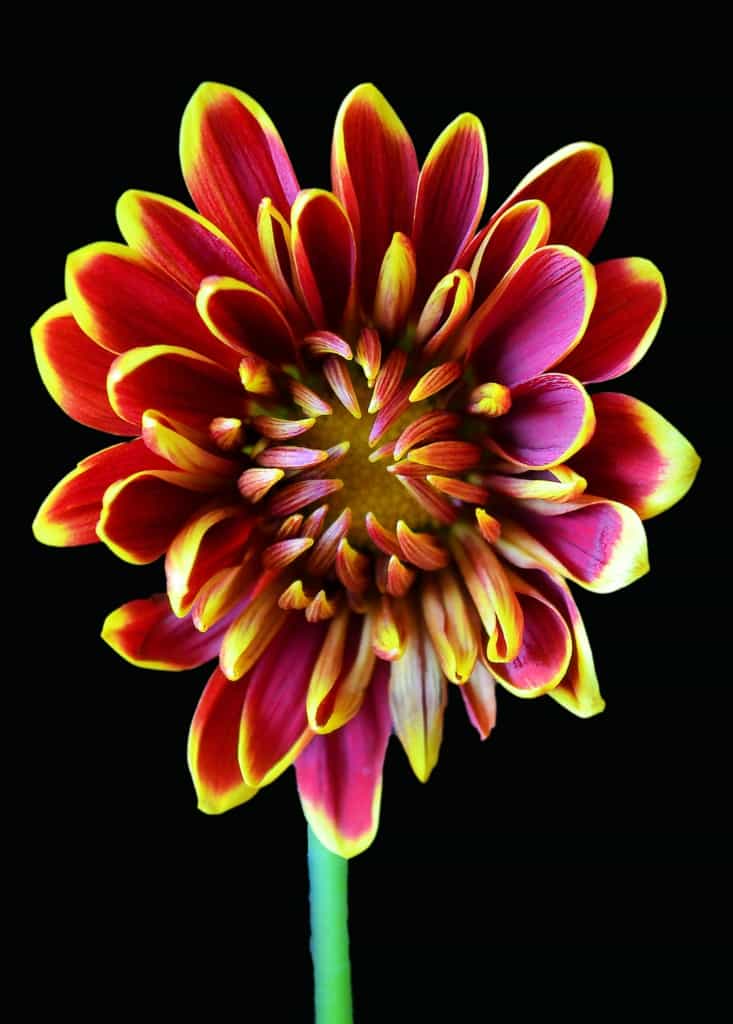
Chrysanthemum (single types)
Useful for beesSingle, open-centred chrysanthemums are valuable late forage; tight pompom forms are largely closed to bees.
Read the full guide ›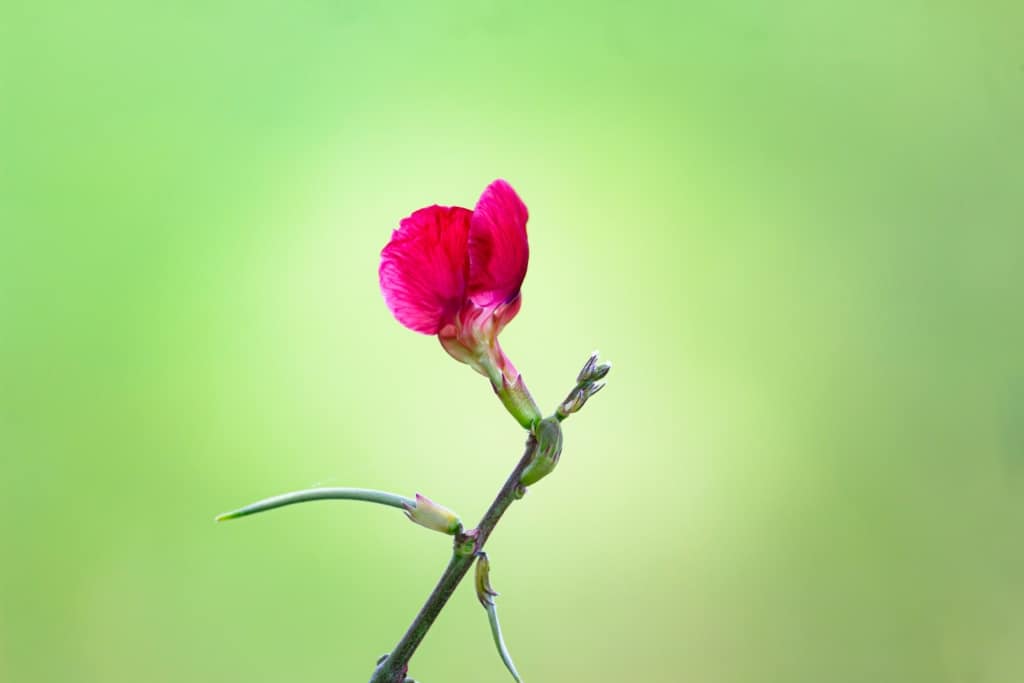
Sweet Pea
Useful for beesVisited by bumblebees, though many modern types are heavily self-pollinating and offer modest reward.
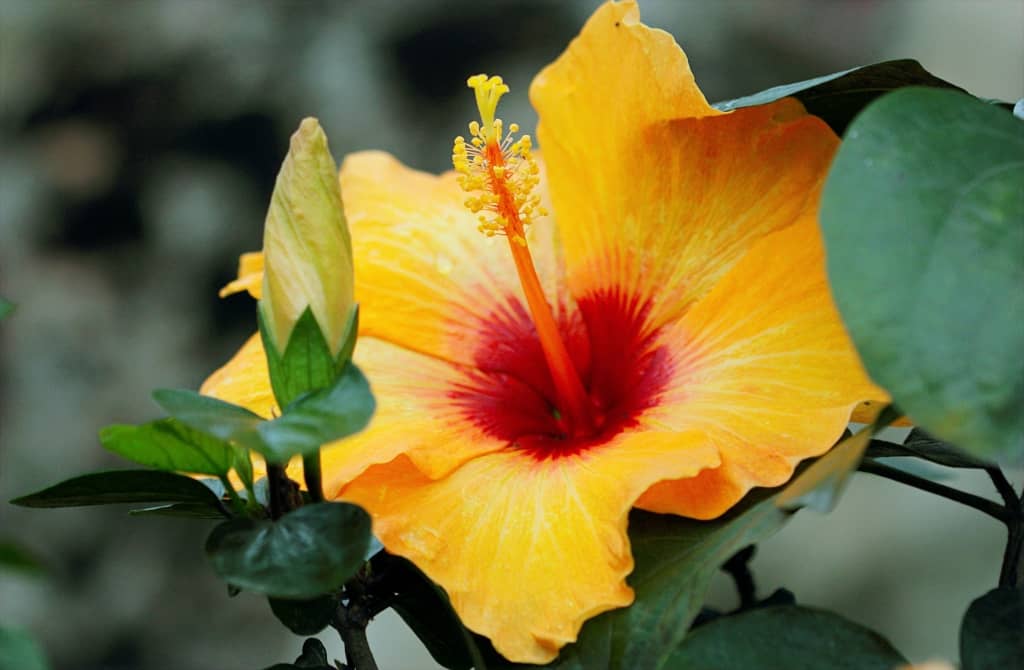
Hibiscus
Useful for beesThe large open blooms give bumblebees easy access to abundant pollen.
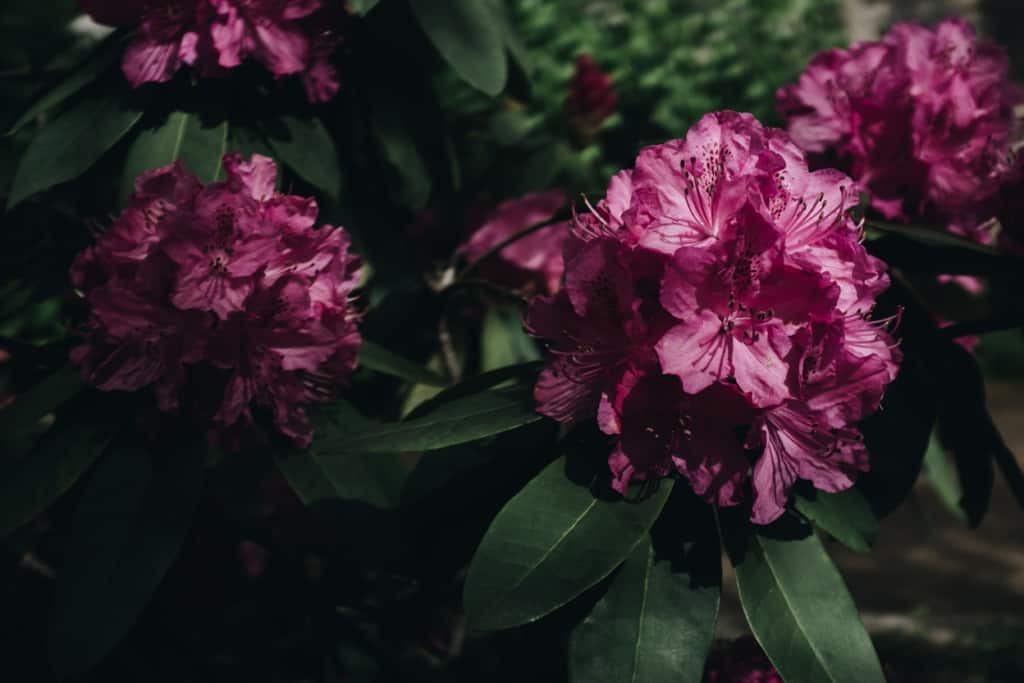
Peony (single types)
Useful for beesSingle and semi-double peonies offer a generous boss of pollen; fully double forms hide it away.
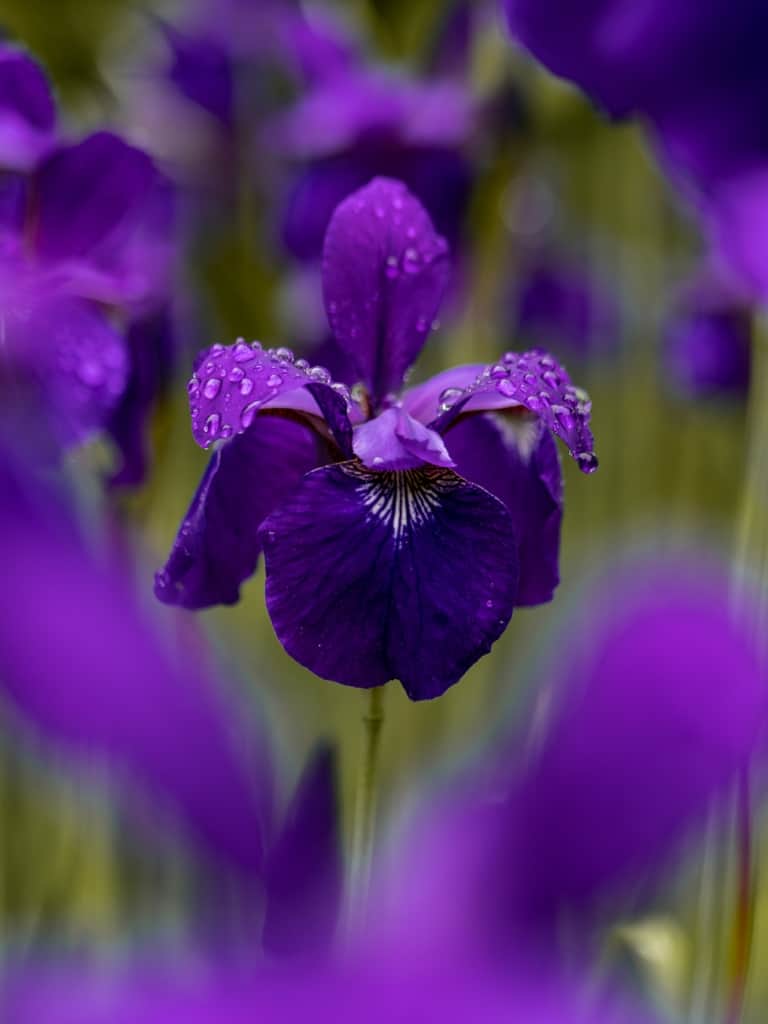
Iris (bearded)
Useful for beesBumblebees are heavy enough to work their way into bearded iris flowers for nectar.
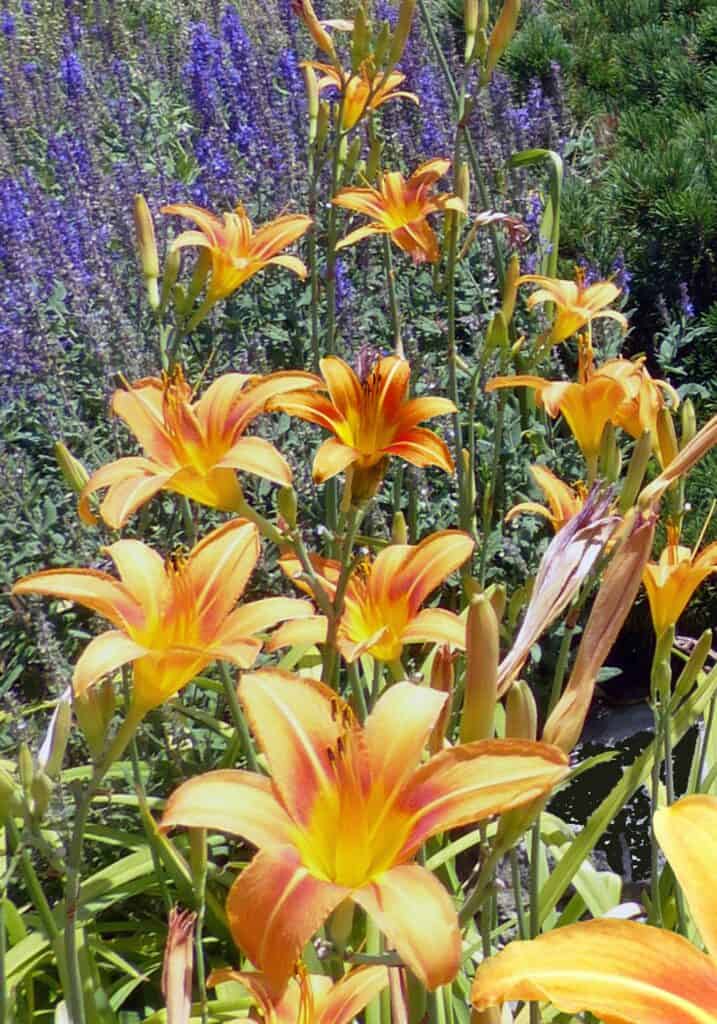
Lily
Useful for beesMainly a pollen source; some bees visit, but lilies are grown more for show than for bees.
Read the full guide ›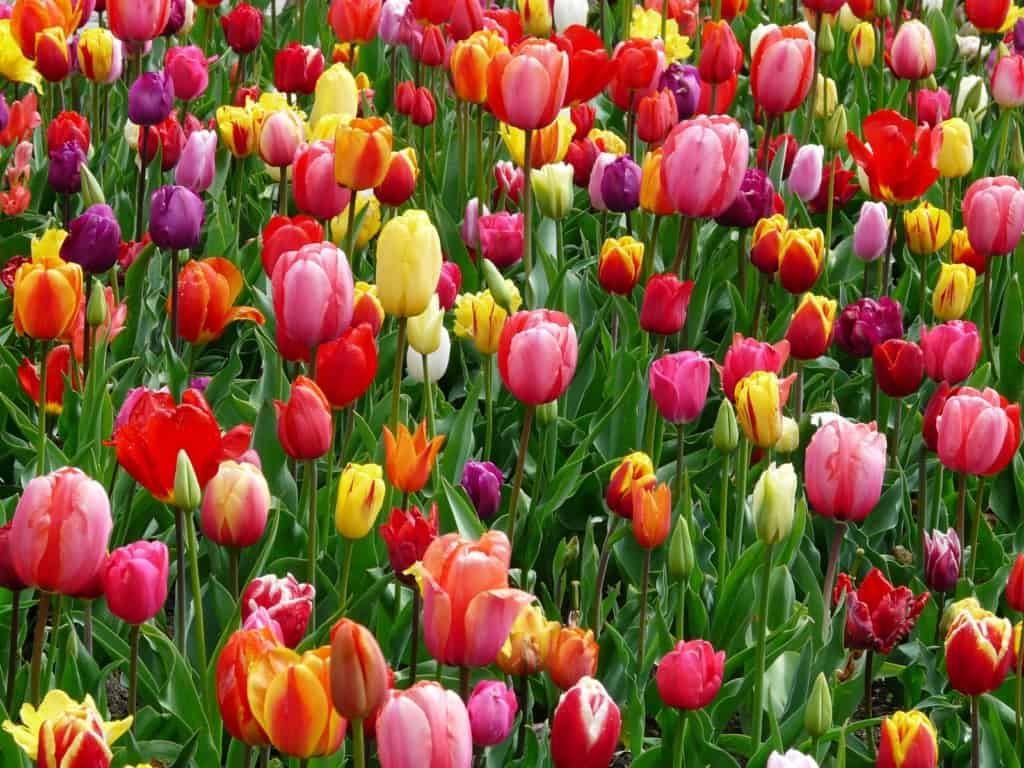
Tulip
Useful for beesEarly colour and a little pollen. Open single and species tulips are far better for bees than tightly bred doubles.
Read the full guide ›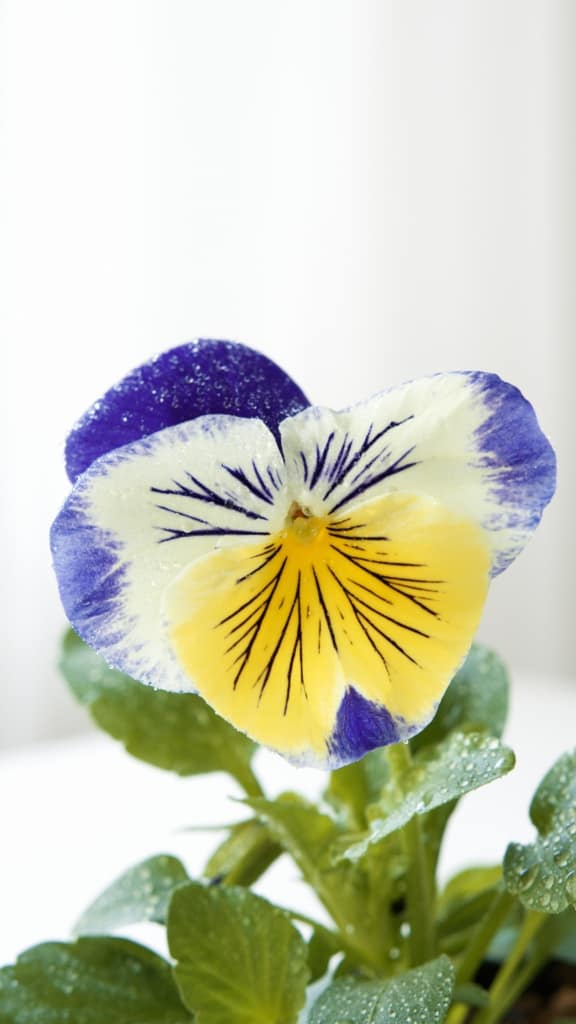
Pansy and Viola
Mainly ornamentalCheerful and early, but they offer bees only modest forage.
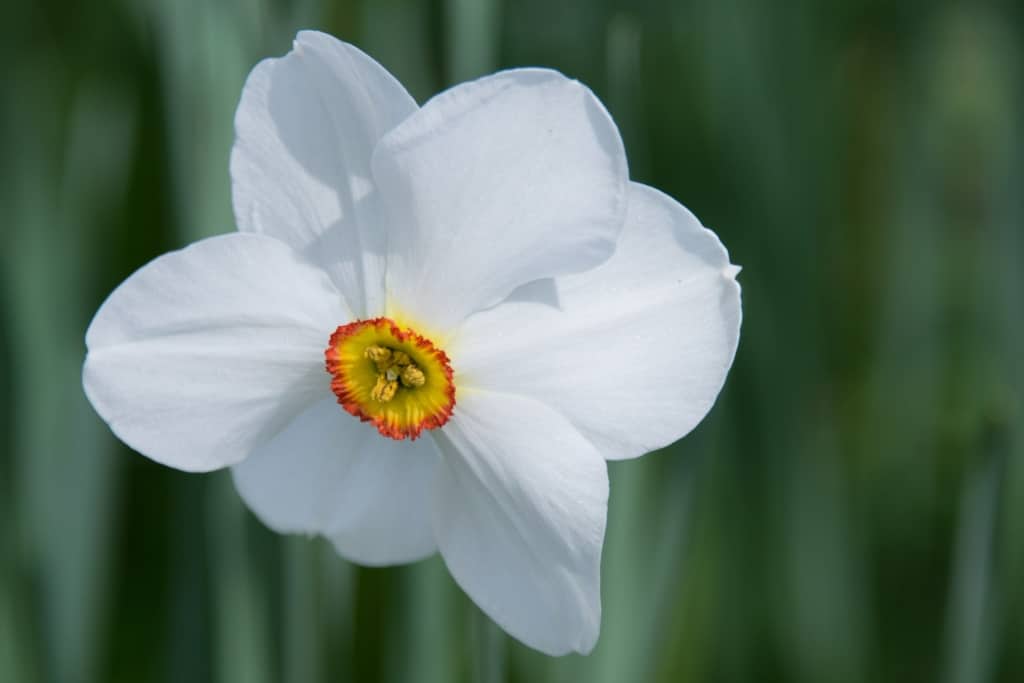
Daffodil
Mainly ornamentalA welcome sign of spring, but daffodils give pollinators very little. Pair them with crocus for the bees.
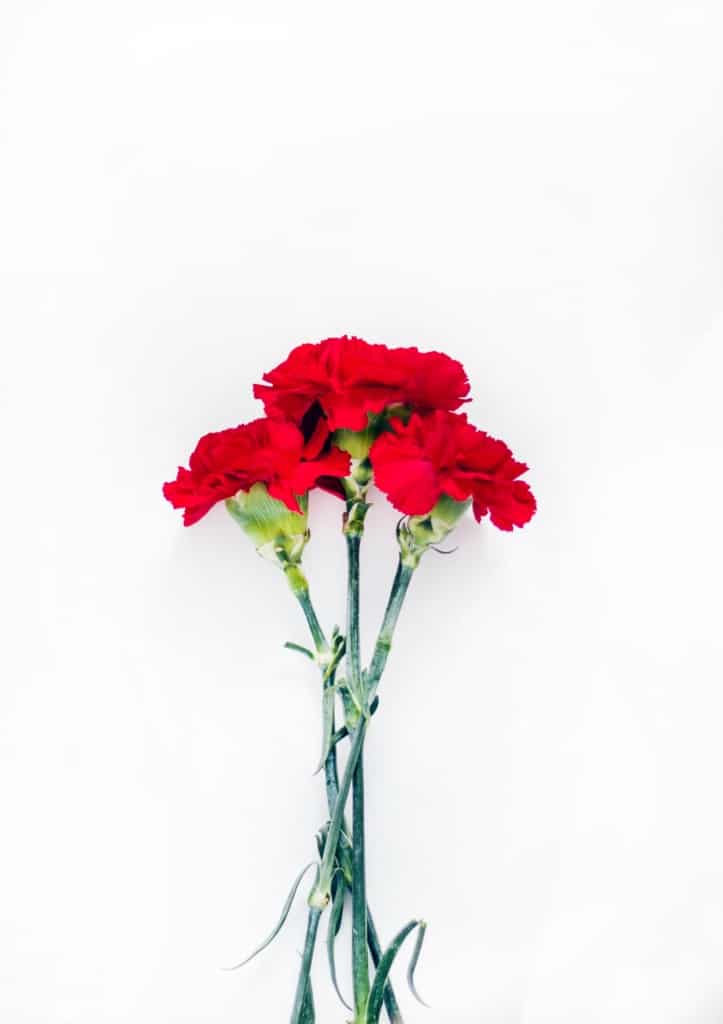
Carnation
Mainly ornamentalBeautiful and long-lasting, but bred so double that bees can rarely reach any nectar.
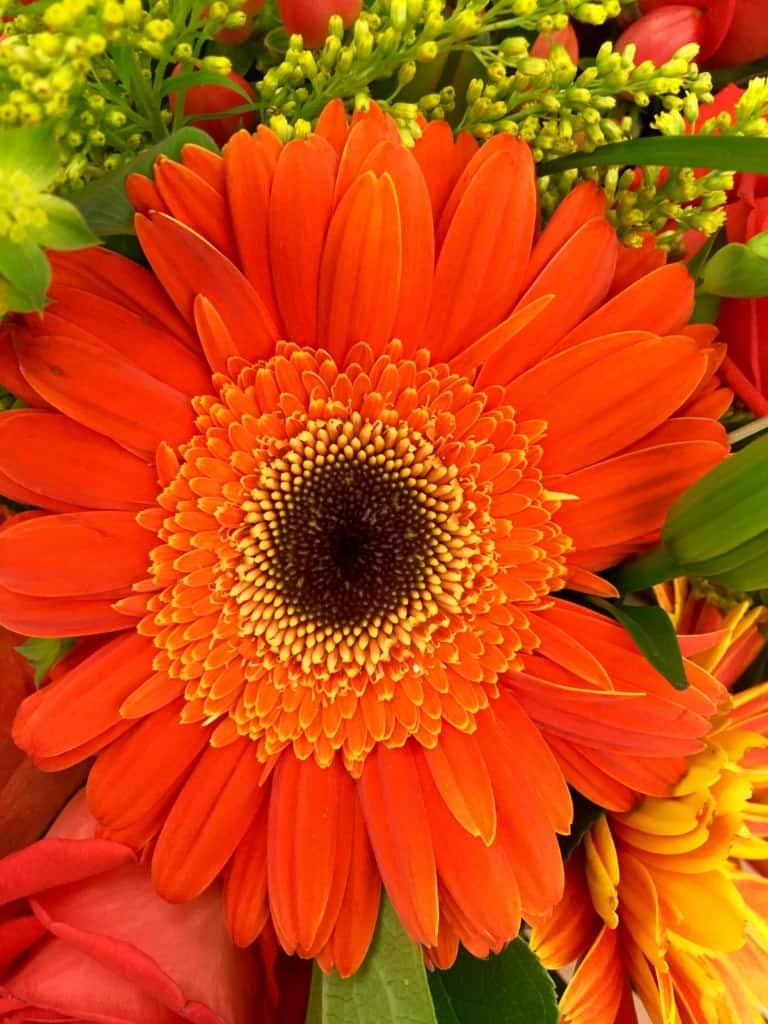
Gerbera
Mainly ornamentalA florist's favourite. Most cultivated gerberas offer little to pollinators.
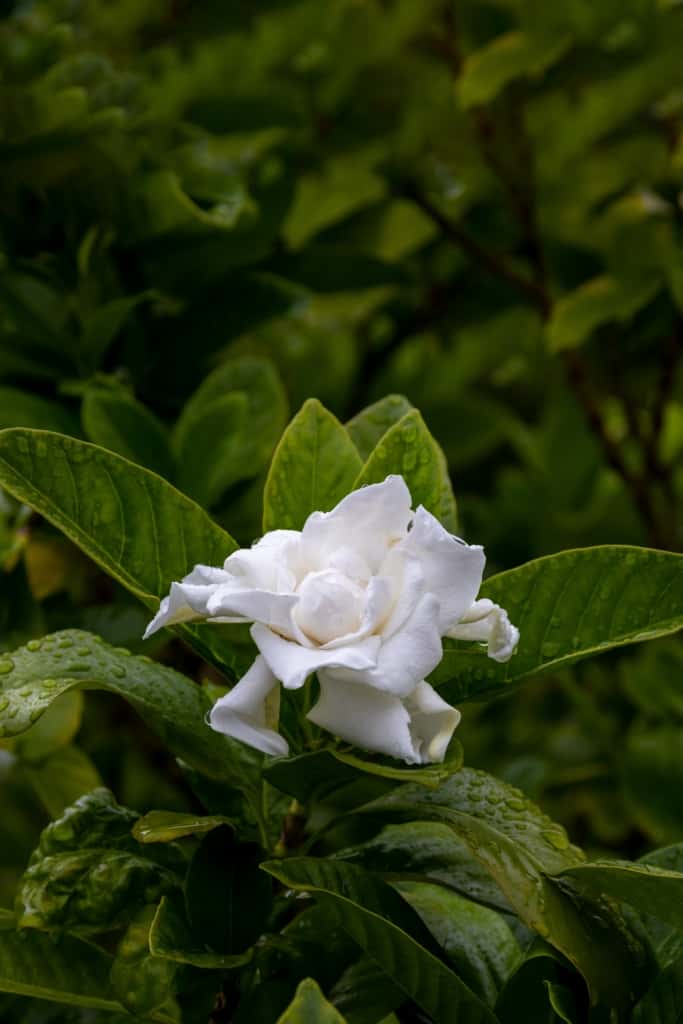
Gardenia
Mainly ornamentalGrown for its scent rather than its bees; not a meaningful forage plant.
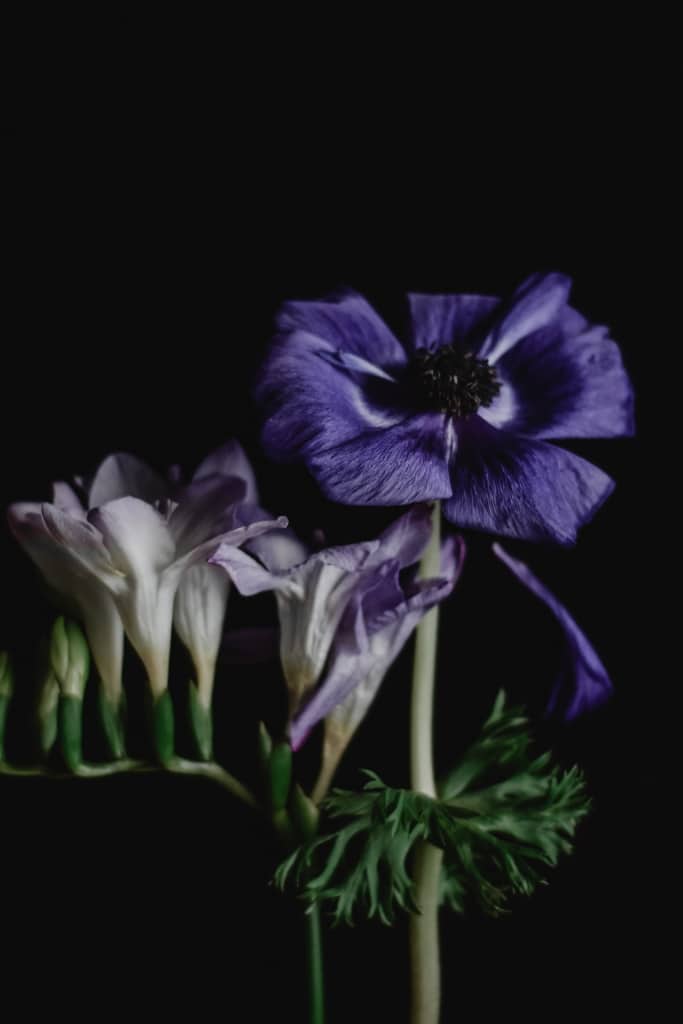
Freesia
Mainly ornamentalPrized for fragrance and cut flowers, with limited value to bees.
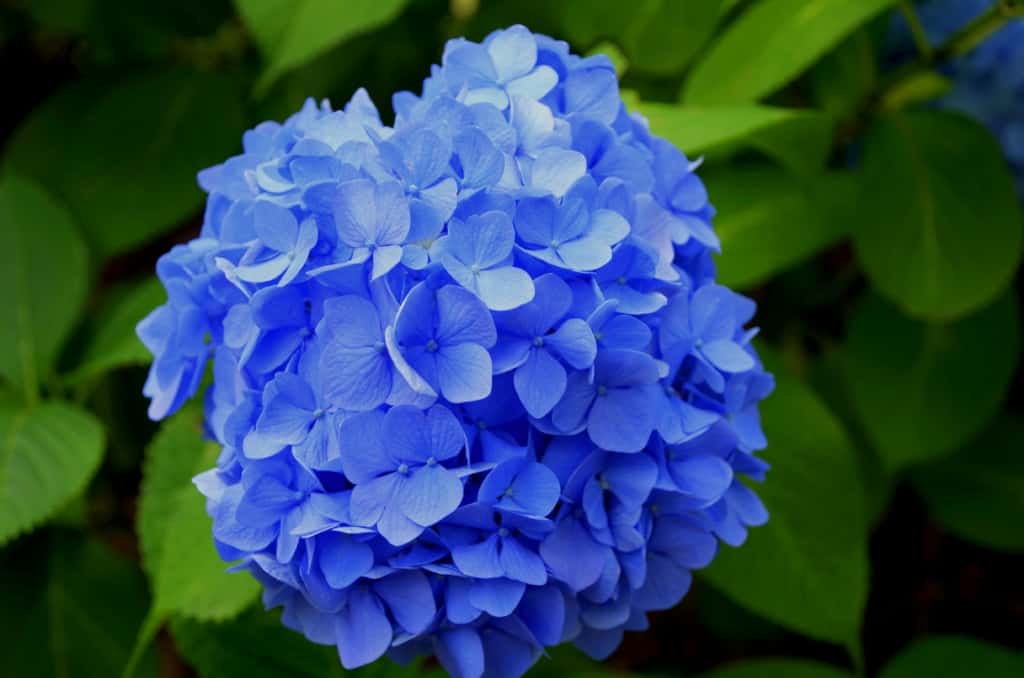
Hydrangea
Mainly ornamentalMophead hydrangeas are sterile and useless to bees; lacecap types with fertile central florets are far better.
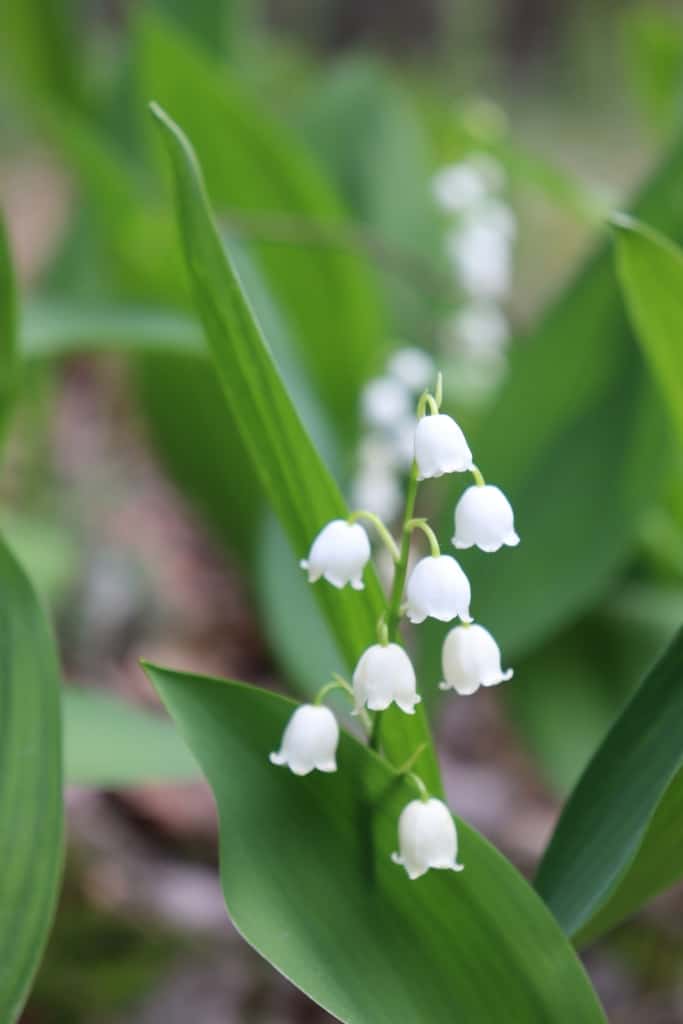
Lily of the Valley
Mainly ornamentalA fragrant shade groundcover, but it offers bees little and every part is toxic if eaten.
Gladiolus
Mainly ornamentalTall and striking for borders and vases, though of limited interest to bees.
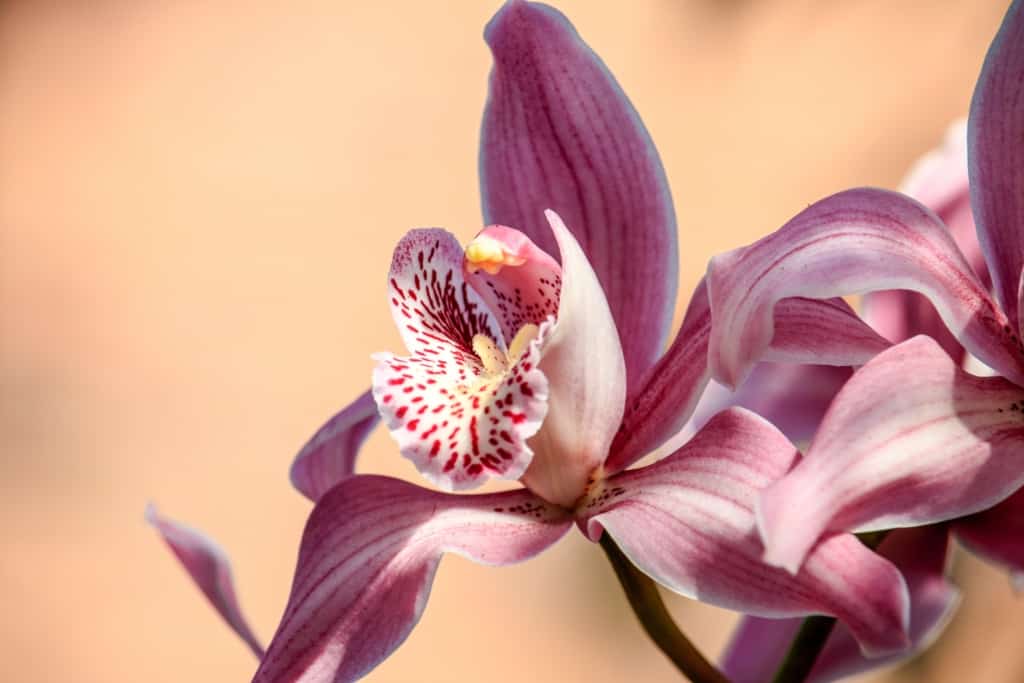
Orchid
Mainly ornamentalOrchids rely on highly specialised pollinators and tricks of scent and shape; most offer little to honeybees, as our dedicated guide explains.
Read the full guide ›For a planting-focused companion to this list, see types of flowers bees like and attracting bees to your garden.
Raw honey from flower-rich, ethically managed land
Single-origin, raw and unfiltered, made by bees foraging diverse, low-chemical landscapes. The taste of the flowers they visit, in every jar. 280g, free UK delivery on 3 or more.
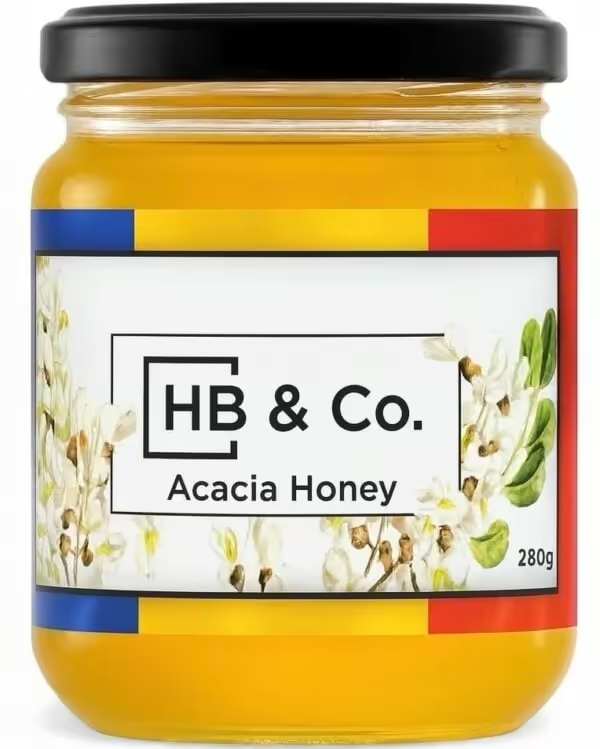
Acacia Honey
Delicate, light and floral. Slow to crystallise.
Shop now ›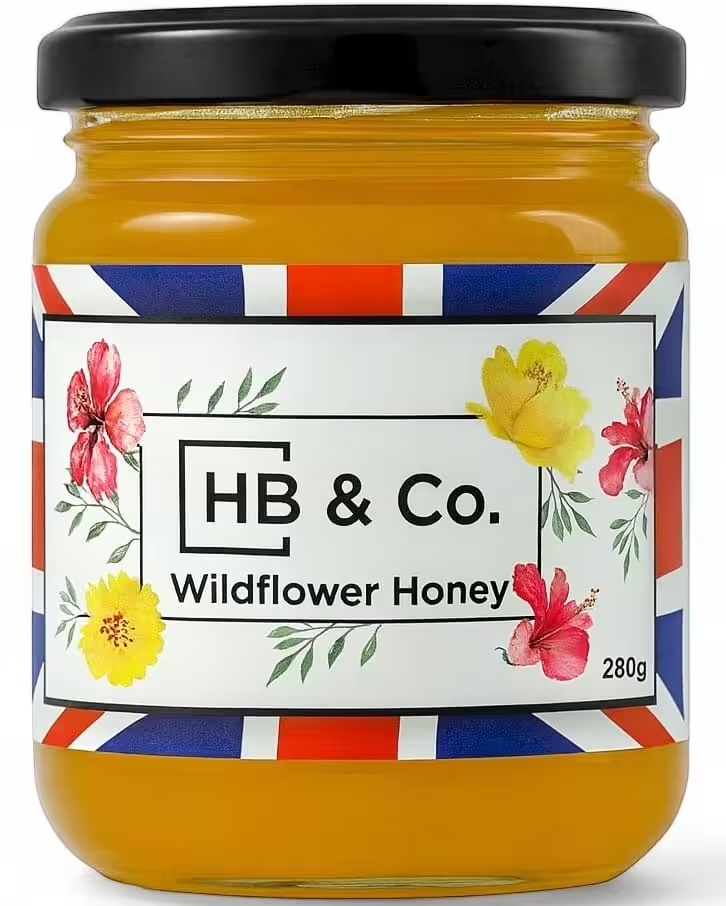
Wildflower Honey
The pollen of meadow and hedgerow in every spoonful.
Shop now ›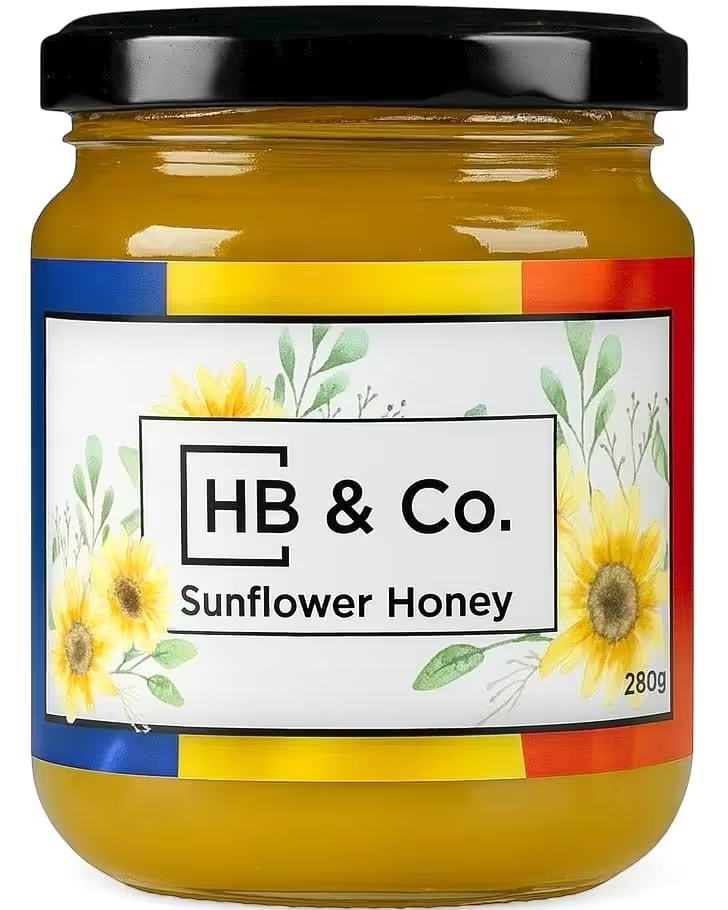
Sunflower Honey
Bright, warm and golden. Naturally quick to set.
Shop now ›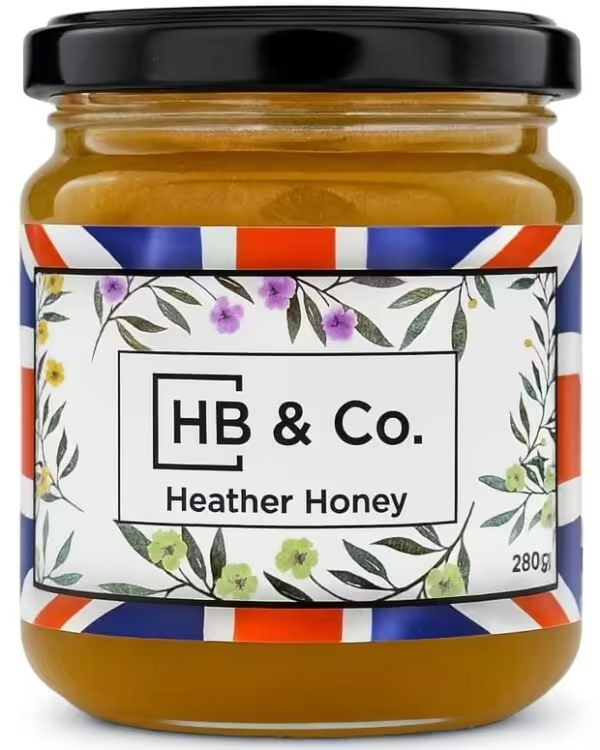
Heather Honey
Dark, aromatic and thick-set, from British moorland.
Shop now ›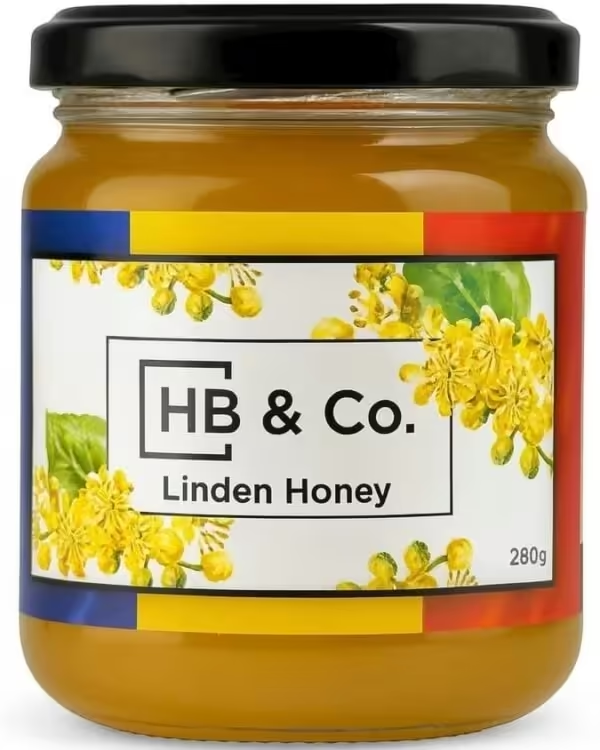
Linden Honey
Light gold with a fresh, lime-blossom finish.
Shop now ›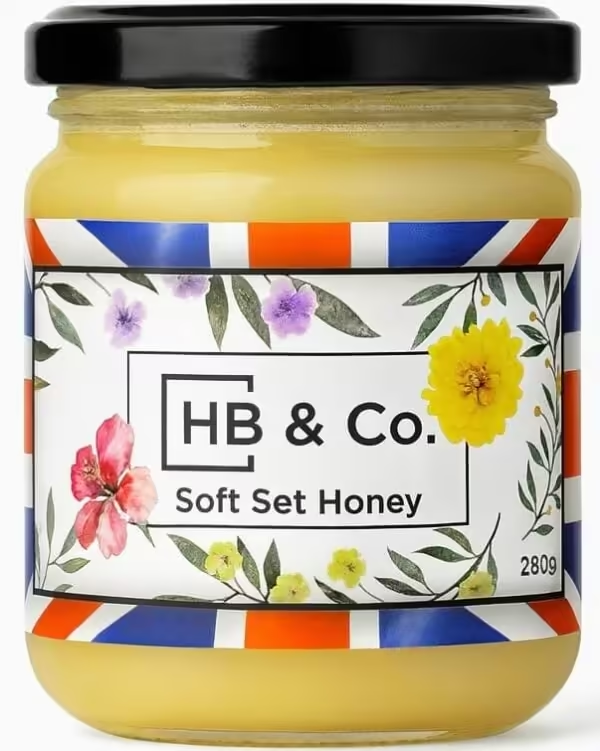
Soft Set Honey
Smooth, spreadable and gently set.
Shop now ›Discovery Trio
Three of our most-loved honeys in one box. Save 5%, £33.22.
Explore the trio › Subscribe & saveHoney Subscription
Your favourite honey on repeat, 20% off and free delivery, pause any time.
Start a subscription › For someone specialHoney Gift Sets
Ready-to-give boxes of single-origin honey for any occasion.
See the gift sets ›Frequently Asked Questions
Why are flowers and bees so dependent on each other?
How do flowers attract bees?
Which flowers are best for bees?
Are all pretty flowers good for bees?
What is harming the flowers-and-bees relationship?
What is buzz pollination, and why does it matter?
Do honeybees compete with wild bees?
If I only have room for a few plants, what should I choose?
How can I help bees in my own garden?

Dragos Nistor
Dragos Nistor is the founder of HoneyBee & Co., a family honey brand built on six generations of beekeeping heritage rooted in Transylvanian apiculture. He brings raw, unfiltered, traceable honey from hive to jar.
He writes about honey, bees, and the flowers and habitats that pollinators and good food both depend on. Read more about our story.
References and Further Reading
- Ollerton, J., Winfree, R. & Tarrant, S. (2011). How many flowering plants are pollinated by animals? Oikos, 120(3), 321-326.
- Biesmeijer, J.C. et al. (2006). Parallel declines in pollinators and insect-pollinated plants in Britain and the Netherlands. Science, 313, 351-354.
- Garibaldi, L.A. et al. (2013). Wild pollinators enhance fruit set of crops regardless of honey bee abundance. Science, 339, 1608-1611.
- Kremen, C. et al. (2010). The value of long-term monitoring of pollinators. Trends in Ecology & Evolution, 25(7), 671-675.
- Vanbergen, A.J. & the Insect Pollinators Initiative (2013). Threats to an ecosystem service: pressures on pollinators. Frontiers in Ecology and the Environment, 11, 251-259.
- Buchmann, S.L. & Nabhan, G.P. (1996). The Forgotten Pollinators. Island Press.
- Royal Horticultural Society. RHS Plants for Pollinators. rhs.org.uk
- The Wildlife Trusts. Gardening for wildlife and pollinators. wildlifetrusts.org
- Bumblebee Conservation Trust. Bee-friendly plants. bumblebeeconservation.org
- The Xerces Society. Pollinator habitat and conservation. xerces.org
I just wanted to take a moment to say how much I appreciate your blog posts. They’re always well-written, informative, and keep me coming back for more. Keep up the great work!
I am truly thankful to the owner of this web site who has shared this fantastic piece of writing at at this place.