
 한국어
한국어  English (UK)
  Italiano
  Français
  简体中文
简体中文 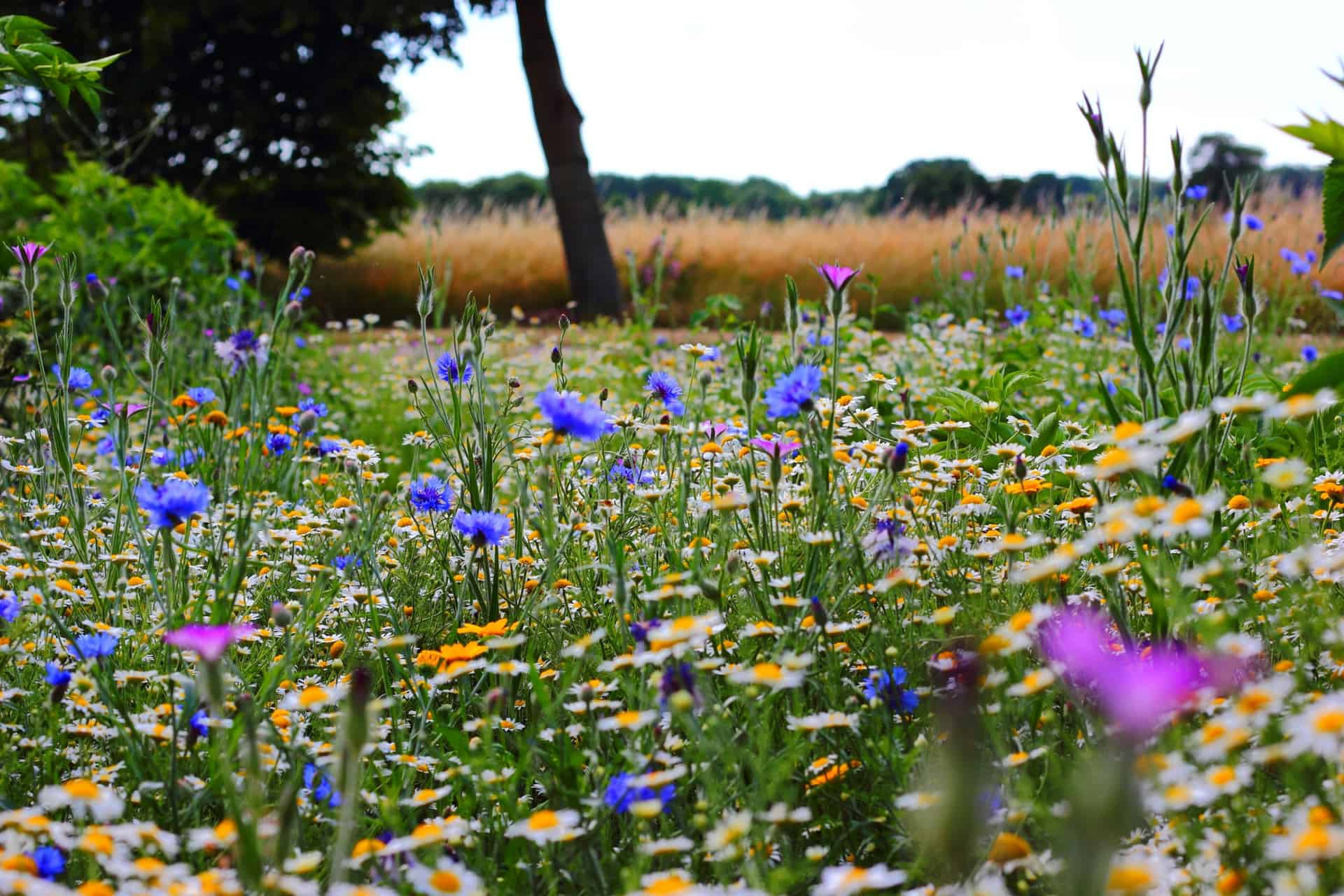
간단히 말해, 어떤 사람들에게는 그럴 가능성이 있으며, 그 작용 메커니즘도 타당해 보입니다. 영국산 야생화 꿀에는 미량의 지역 꽃가루가 포함되어 있습니다. 이 이론에 따르면, 그 꽃가루를 소량씩 규칙적으로 섭취하면 일부 사람들이 건초열을 유발하는 알레르겐에 대한 내성을 서서히 키우는 데 도움이 될 수 있다고 합니다. 증거는 제한적이지만 전혀 없는 것은 아닙니다. 이 글에서는 우리가 알고 있는 사실과 모르는 점, 그리고 왜 생 야생화 꿀이 이러한 맥락에서 가장 자주 논의되는 종류인지에 대해 다룹니다.
영국에서는 약 5명 중 1명이 꽃가루 알레르기로 고통받고 있습니다. 대다수는 항히스타민제, 비강 스프레이, 안약에 의존합니다. 꿀은 이러한 치료법을 대체할 수 없습니다. 하지만 꽃가루가 날리는 계절에 매일 섭취하는 식습관으로서, 현지에서 생산된 생 야생화 꿀을 섭취하는 것에는 타당한 근거가 있습니다. at HoneyBee & Co., 저희는 영국산 Midlands 야생화 꿀을 벌집에서 병에 담을 때까지 꽃가루가 그대로 보존된 생꿀 형태로 공급받고 있습니다.
꽃가루 알레르기는 무엇이며, 왜 꿀이 언급되는 것일까?
꽃가루 알레르기, 즉 알레르기성 비염은 공기 중의 꽃가루에 대한 알레르기 반응입니다. 풀, 나무, 꽃에서 나온 꽃가루가 알레르기 체질을 가진 사람의 코, 눈, 목에 닿으면 면역 체계는 이를 위협으로 인식합니다. 이에 따라 히스타민이 분비되며, 이로 인해 재채기, 눈 가려움, 콧물, 목이 막히거나 아픈 등 흔히 알려진 증상이 나타납니다.
영국에서는 풀 꽃가루가 가장 흔한 유발 요인이며(건초열 환자의 약 90%가 이에 영향을 받음), 그 다음으로 이른 봄의 나무 꽃가루, 여름 내내 발생하는 잡초 및 꽃 꽃가루가 뒤를 잇습니다. 이 시즌은 대개 3월 말부터 9월까지 이어지며, 6월과 7월에 정점을 이룹니다.
알레르기 면역요법의 원리 때문에 꿀이 이 논의에 등장합니다. 소량의 알레르기 유발 물질에 통제된 방식으로 반복적으로 노출되면, 시간이 지남에 따라 해당 물질에 대한 면역 반응이 줄어들 수 있기 때문입니다. 의사가 사용하는 알레르기 주사나 설하 드롭은 바로 이 원리에 따라 작용합니다. 문제는 자연적으로 존재하는 미량의 꽃가루가 생 야생화 꿀 비슷한 일을 할 수 있습니다.
아카시아와 같은 단일 품종 꿀은 한 가지 꽃에서 채취되며, 포함된 꽃가루의 종류가 매우 적습니다. 야생화 꿀은 특정 지역의 수십 가지 다양한 야생화에서 채취되므로, 꽃가루 구성 성분이 더 폭넓고, 특정 개인의 알레르기 유발 요인과 관련된 지역 특산종이 포함될 가능성이 더 높습니다. 당사의 영국산 야생화 꿀은 Midlands 지역에서 생산되므로, 이 꿀에 포함된 꽃가루는 해당 지역에서 자라는 특정 야생화 종을 반영합니다.
지역산 꿀이 꽃가루 알레르기에 도움이 될까? 연구 결과는 어떻게 말할까?
솔직한 결론은 이렇습니다. 증거는 엇갈리고, 연구 규모는 작으며, 일부 온라인 출처에서 제기하는 주장은 데이터가 뒷받침하는 범위를 훨씬 넘어섭니다. 하지만 완전히 근거가 없는 것도 아닙니다.
찬성 의견
- 생꿀에는 그 지역의 야생화에서 유래한 미량의 꽃가루가 들어 있습니다
- 면역요법의 원리(점진적 감작 완화)는 의학적으로 입증되어 있다
- 일부 소규모 연구에 따르면 꿀을 섭취하면 증상이 다소 호전되는 것으로 나타났다
- 꽃가루 알레르기 환자들을 대상으로 한 설문조사 결과, 주관적인 개선 효과가 보고되었다
- 매일 적당량의 꿀을 섭취해도 알려진 유해성은 없다
제한 사항 및 유의 사항
- 꿀의 꽃가루 농도는 임상적 알레르기 유발 용량보다 훨씬 낮습니다.
- 꿀에 들어 있는 꽃가루는 대부분 곤충에 의해 수분되는 꽃에서 유래한 것이며, 바람에 의해 수분되는 풀(영국에서 대부분의 건초열을 유발하는)에서 유래한 것은 아닙니다.
- 인간을 대상으로 한 대규모 무작위 대조 임상시험 중 이 효과를 입증한 연구는 없다
- 저온 살균된 꿀에는 활성 꽃가루가 거의 없거나 아예 없습니다.
- 효과가 있다면, 몇 주에서 몇 달 동안 꾸준히 사용해야 나타납니다.
이해해 둘 필요가 있는 중요한 한계: 영국에서 발생하는 꽃가루 알레르기의 대부분은 다음 요인에 의해 유발되는데, 잔디 꽃가루, 이는 바람에 의해 수분되는 식물입니다. 꿀벌은 풀꽃에는 찾아오지 않기 때문에, 풀 꽃가루가 꿀에 상당량 섞이지는 않습니다. 만약 여러분의 꽃가루 알레르기가 풀보다는 주로 나무나 야생화 꽃가루에 의해 유발된다면, 야생화 꿀을 섭취하는 것이 다소 더 효과적일 수 있습니다. 풀이 주된 유발 요인이라면, 꽃가루 탈감작 이론은 그다지 직접적으로 적용되지 않습니다.
"생 야생화 꿀은 꽃가루 알레르기 치료제가 아닙니다. 꽃가루가 날리는 계절에 매일 섭취할 수 있는, 기분 좋고 위험 부담이 적은 습관일 뿐이며, 어떤 사람들에게는 정말 도움이 되기도 합니다. 이 차이를 분명히 하는 것이 중요합니다."
생꿀이 중요한 이유 (그리고 저온 살균 꿀은 여기에 해당되지 않습니다)
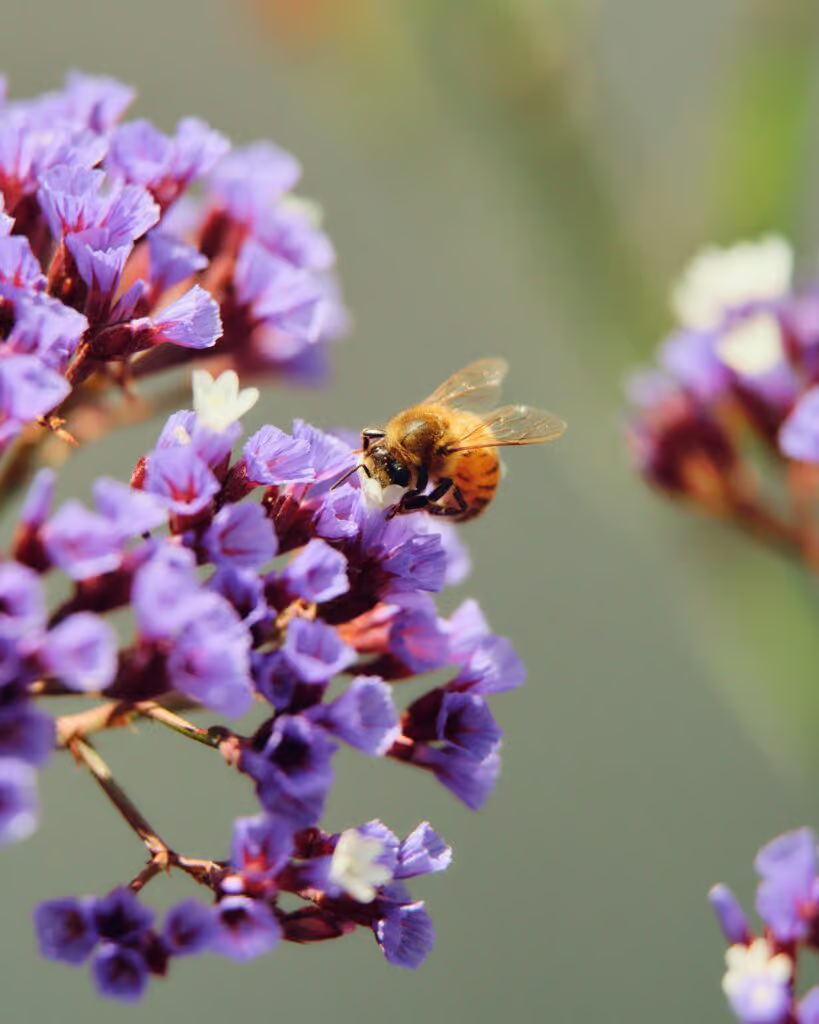
만약 꽃가루 알레르기에 대한 꿀의 잠재적 효능이 꽃가루 함량에 달려 있다면, 오직 가공되지 않은, 저온 살균되지 않은 꿀 관련이 있습니다. 저온 살균 과정에서는 꿀을 가열하여 꽃가루, 효소 및 기타 대부분의 생물학적 활성 성분을 파괴합니다. 대부분의 슈퍼마켓 진열대에 놓인 황금빛을 띠고 균일하게 투명한 꿀은 이러한 과정을 거친 것입니다.
모든 HoneyBee & Co. 꿀은 저온 추출 방식으로 만들어지며, 벌집 온도 이상으로 가열되지 않습니다. 모든 병에는 꽃가루, 프로폴리스, 천연 효소가 그대로 보존되어 있습니다. 이는 단순한 마케팅 문구가 아닙니다. 직접 그 차이를 확인하실 수 있습니다. 생 야생화 꿀은 곳곳에 자연스러운 탁함이 있으며, 시간이 지남에 따라 결정화되고, 저온 살균 처리된 꿀보다 더 복합적인 향을 지닙니다.
꽃가루 알레르기의 경우, 이 점이 중요합니다. 『International Archives of Allergy and Immunology』에 게재된 2013년 연구에 따르면, 자작나무 꽃가루 시즌이 시작되기 전에 자작나무 꽃가루가 함유된 꿀을 섭취한 환자들은 일반 꿀을 섭취하거나 항히스타민제만 복용한 환자들보다 증상 조절 효과가 더 좋았다고 보고되었습니다. 이 연구에서 사용된 꿀은 특별히 자작나무 꽃가루로 사전 처리된 것이었습니다. 이는 일반적인 야생화 꿀을 섭취하는 것과는 다른 경우이지만, 꽃가루 함량과 원산지가 중요하다는 원칙을 잘 보여줍니다.
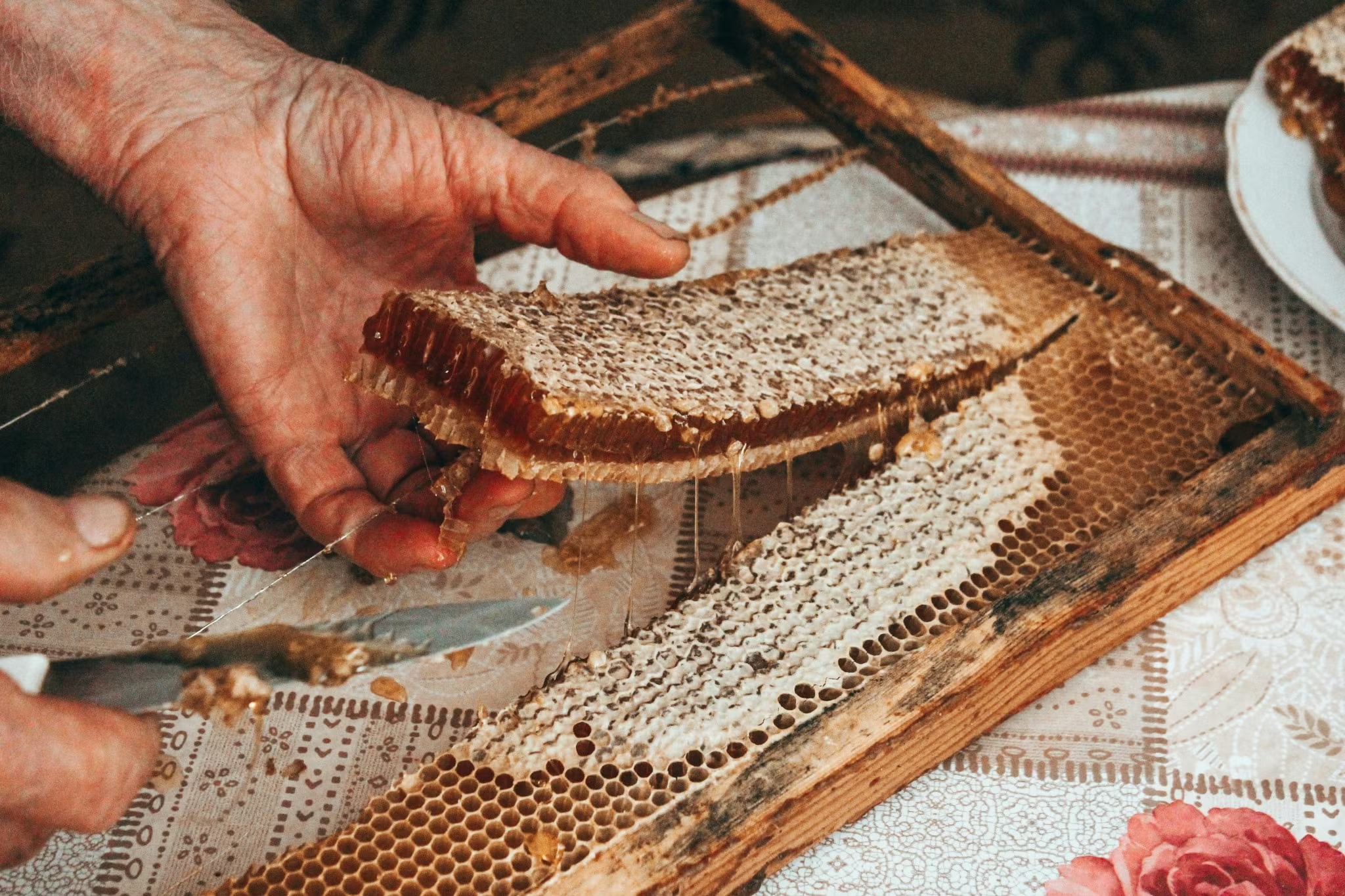
생 야생화 꿀에는 실제로 무엇이 들어 있을까
꽃가루 외에도, 생 야생화 꿀 이 제품에는 탈감작 효과와 무관하게 꽃가루 날리는 시기에 유용한 다양한 성분이 함유되어 있습니다.
케르세틴
야생화 꿀에 함유된 천연 플라보노이드인 케르세틴은 항염증 및 항히스타민 유사 효능에 대해 연구되어 왔습니다. 일부 연구에 따르면 케르세틴이 특정 세포에서 히스타민의 방출을 억제하는 데 도움이 될 수 있는 것으로 나타났으나, 연구에 사용된 용량은 일반적으로 꿀 1티스푼이 제공하는 양보다 더 많은 편입니다.
항산화 화합물
생꿀에는 카페산과 플라보노이드를 비롯한 폴리페놀이 함유되어 있어, 알레르기성 염증과 관련된 산화 스트레스를 줄이는 데 도움이 될 수 있습니다. 색이 진한 꿀일수록 일반적으로 항산화제 농도가 더 높지만, 생 야생화 꿀은 어떤 저온 살균 처리된 꿀보다 더 많은 항산화제를 함유하고 있습니다.
진정 효과
꽃가루나 면역 반응과는 별개로, 꿀은 아프고 자극받은 목을 감싸주며 진정시켜 줍니다. 많은 꽃가루 알레르기 환자들은 꽃가루가 많이 날리는 날에 꿀 한 티스푼이나 꿀을 넣은 차 한 잔을 마시면 목 증상이 눈에 띄게 완화되는 것을 경험합니다. 이는 감작 감소에 대한 이론이 필요 없는 직접적이고 물리적인 효과입니다.
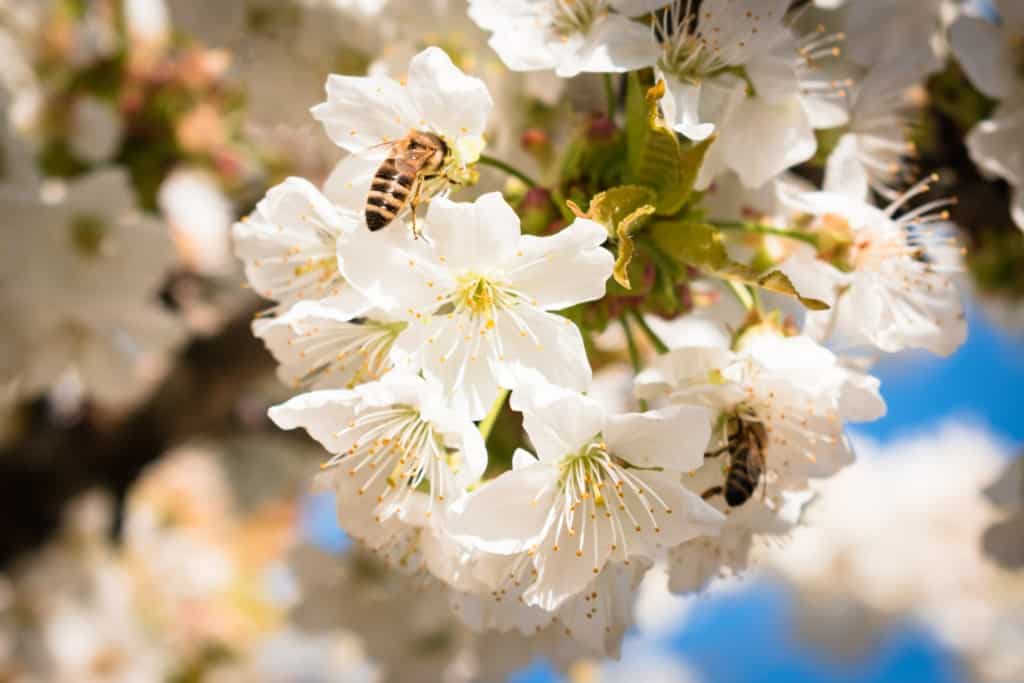
꽃가루 알레르기 시즌에 야생화 꿀을 활용하는 방법
꽃가루 알레르기 관리의 일환으로 야생화 꿀을 섭취해 보고 싶다면, 가장 흔히 언급되는 방법은 매일 꾸준히 섭취하는 것이며, 가급적 꽃가루가 가장 많이 날리는 시기가 아니라 꽃가루 시즌이 시작되기 전에 시작하는 것이 좋습니다. 그 원리는 다른 감작 요법과 마찬가지로, 증상이 나타난 후에 대응하는 방식보다는 점진적이고 조기적인 노출을 통해 알레르기 반응을 줄이는 데 있습니다.
- 일찍 시작하세요. Begin 4 to 6 weeks before your typical pollen season. In the UK, tree pollen starts in late February to March. Grass pollen peaks June to July. Start in April for grass season, February for tree.
- Be consistent. One to two teaspoons daily, every day. Sporadic use is unlikely to have any cumulative effect if the desensitisation mechanism is what you are relying on.
- Use it raw and local. The honey must be raw and unpasteurised. Supermarket honey, however labelled, is usually not. Ours is. Local or regional provenance increases the likelihood the pollen matches your local triggers.
- Keep it simple. On toast, stirred into warm (not boiling) water with lemon, or straight from a spoon. Adding it to very hot drinks destroys some of its beneficial compounds.
- Keep your antihistamines. Honey is not a replacement for prescribed or over-the-counter hayfever medication. Use both. Tell your GP what you are doing if you have severe hayfever.
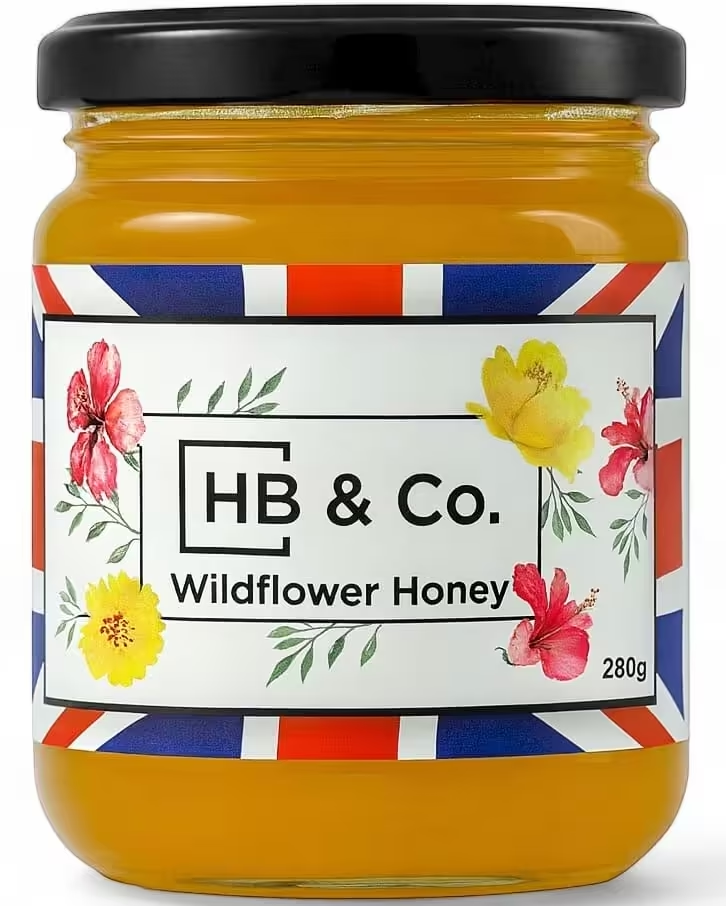
Wildflower Honey vs Other Honeys for Hayfever
Not all honeys are equal for this purpose. The variety matters.
영국산 야생화 꿀
Broadest pollen profile from dozens of UK wildflowers. Local origin from the Midlands. Raw and unpasteurised. The strongest case for hayfever use.
Wildflower 쇼핑하기 →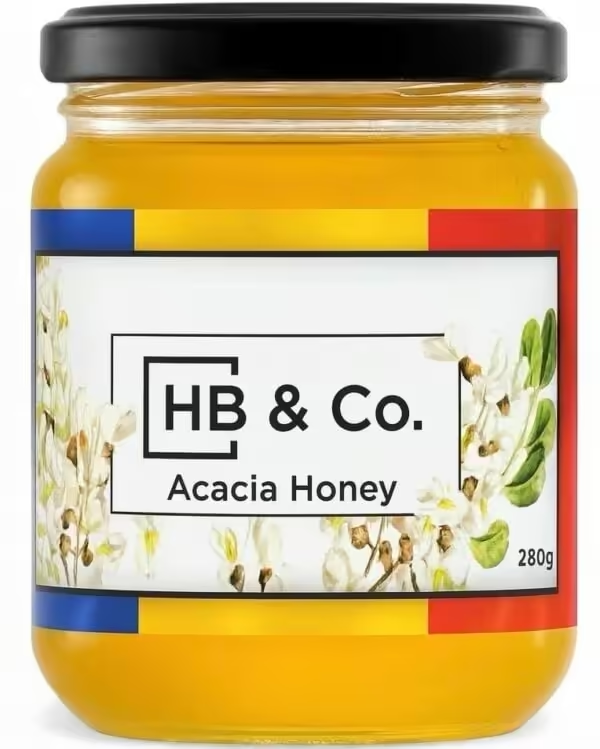
생 아카시아 꿀
Single-varietal from Robinia pseudoacacia in Transylvania. Lower pollen variety than wildflower. Still raw and antioxidant-rich. Useful for throat soothing during pollen season.
아카시아 쇼핑하기 →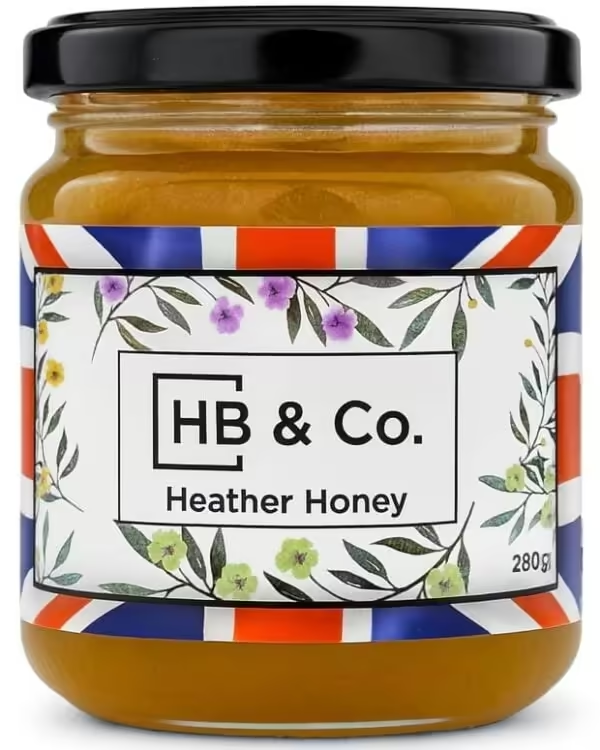
생 헤더 꿀
British-origin from the Yorkshire Moors. Raw, unpasteurised, high antioxidant content. Single-varietal so less diverse pollen, but contains British-origin compounds.
헤더 상품 보기 →How the Varieties Compare
Here is how wildflower sits alongside the rest of our range in terms of flavour, texture, and typical use. All are raw. The difference for hayfever purposes is primarily pollen variety and origin.
| 허니 | Flavour & Texture | 출처 | Hayfever Relevance |
|---|---|---|---|
| 야생화 | Complex, variable; floral with hints of fruit or herbs; usually runny | 영국 Midlands | Broadest pollen profile; strongest local pollen argument |
| 헤더 | Strong, malty, slightly smoky; jelly-like thixotropic texture | Yorkshire Moors | British-origin, high antioxidants; single-varietal pollen |
| 아카시아 | Very light, delicate, mild vanilla sweetness; slow to crystallise | Transylvania, 루마니아 | Raw, antioxidant-rich; good for throat soothing; not local |
| 린든 | Herbal, slightly minty, aromatic; crystallises at medium pace | Transylvania, 루마니아 | Raw, anti-inflammatory compounds; not local UK pollen |
| 소프트 세트 | Creamy, spreadable, mild; controlled crystallisation process | 영국 Midlands | British Wildflower base; same pollen origin as our Wildflower |
Honey and Hayfever: Managing Expectations
It is worth being direct about what honey can and cannot do.
Antihistamines, intranasal corticosteroid sprays, and allergen immunotherapy are treatments with strong clinical evidence. Fexofenadine, loratadine, cetirizine, and similar antihistamines are effective, affordable, and widely available. Nasal sprays like beclometasone and fluticasone reduce inflammation in the nasal passages significantly. None of this is replaced by honey.
What honey can do: it may offer a modest, cumulative effect for some people if taken consistently and started early. It will soothe an irritated throat directly and immediately. It is pleasant. It is safe for most people. And it is the kind of daily food habit that, if it helps even a little, has no meaningful downside beyond the natural sugars involved.
The people most likely to notice a difference are those with mild to moderate hayfever triggered by insect-pollinated flowers (not grass) who start early in the season, take it consistently, and choose a truly raw, local wildflower honey.
Honey should not be given to children under 12 months of age due to infant botulism risk. People with bee or pollen allergies should consult their GP before consuming raw honey. Honey contains natural sugars; those with diabetes should factor it into their dietary management. None of the information in this article constitutes medical advice. Always consult your GP or pharmacist about hayfever treatment.
About Our British Wildflower Honey
저희 영국산 야생화 꿀 is sourced from the British Midlands, harvested by a SALSA-certified independent beekeeper we have worked with for years. The bees forage across pesticide-free meadows and hedgerows, visiting clover, borage, bramble, hawthorn, dandelion, poppy, and cornflower among many others. The result is a honey with a notably broad pollen profile that reflects the real diversity of the Midlands landscape in a given season.
It is cold-extracted, never filtered beyond the removal of wax, never heated, and bottled in glass. The pollen is intact. Every jar is different, because every season is different. That seasonal variation is not a flaw; it is exactly what makes this honey relevant to the hayfever conversation.
You can also 구독하고 20% 할인받기, which ensures you have a consistent supply through the whole pollen season without needing to remember to reorder.
What Is Wildflower Honey?
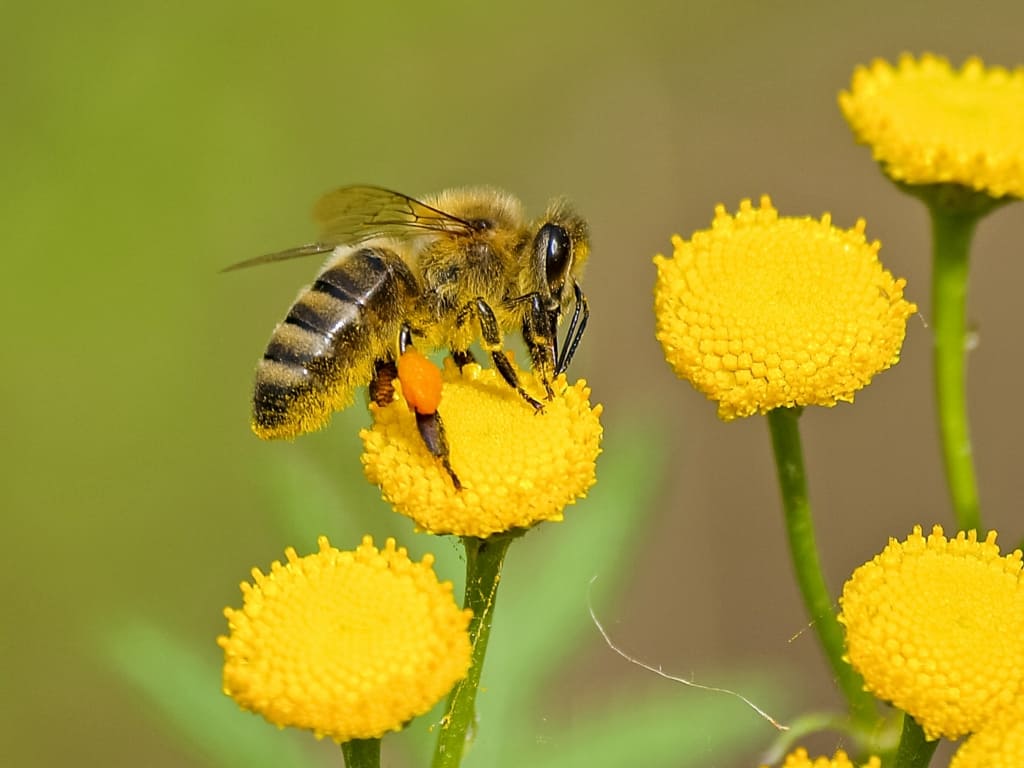
Wildflower honey, also called multifloral honey, is made when honey bees collect nectar from a diverse mix of wildflowers and hedgerow plants rather than focusing on a single bloom. This means the flavour, colour and aroma can shift from year to year, and even season to season, depending on which flowers were in bloom when the bees were foraging. For an in-depth look at honey types, flavours and how each variety is made, our 꿀의 종류에 대한 완전한 가이드 covers the full range.
Unlike 아카시아 꿀 또는 헤더 꿀, which draw predominantly from one flower source, wildflower honey captures whatever the landscape offered during that particular harvest. At HoneyBee & Co., our wildflower honey comes from the British Midlands, where typical forage includes clover, bramble, dandelion and hawthorn, along with everything else flowering along woodland edges and country lanes.
The result is usually a runny honey ranging from golden to rich amber. It may naturally crystallise over time, which is a perfectly normal sign of raw, unprocessed honey. No two jars are quite the same, and that variability is exactly what makes it relevant to the hayfever discussion: the pollen it carries reflects the actual local wildflower landscape, not a standardised blend from a processing facility.
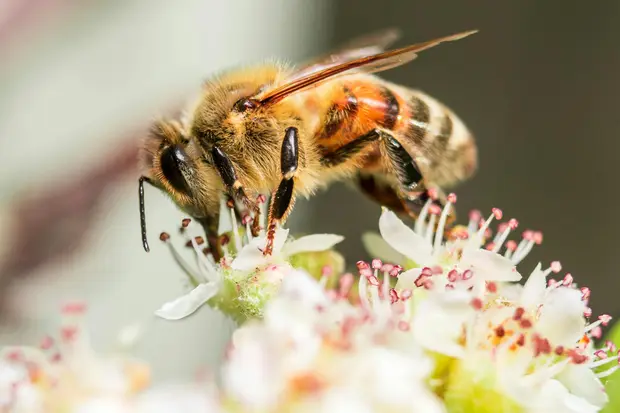
How Is Wildflower Honey Produced?
The journey begins with the seasonal foraging cycle. From April through to late summer, bees travel up to five miles from their hives, collecting nectar from whatever wildflowers are in bloom. In spring, that might mean hawthorn blossom and apple trees. By July and August, the bees are visiting clover, thistle, bramble and countless other hedgerow flowers. Our partner beekeepers place hives near pesticide-free meadows, woodland edges and hedgerows to maximise this wildflower diversity.
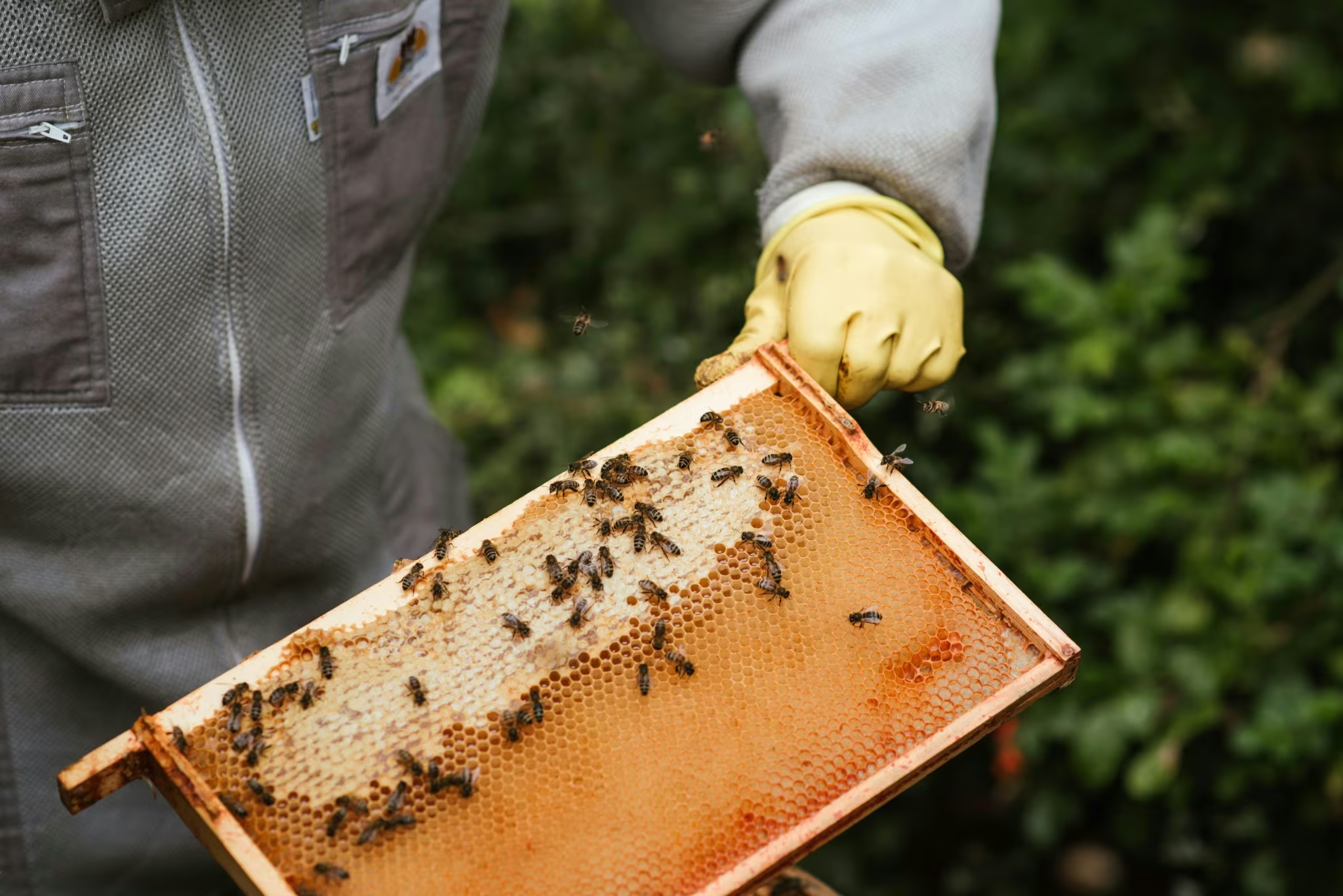
When harvest time arrives, beekeepers remove the supers (the boxes where bees store surplus honey), uncap the wax-sealed frames, and spin them in a centrifugal extractor. The honey is then strained only to remove wax particles, not pollen or propolis. This is the step that most commercial producers skip in the name of clarity and shelf life. Keeping the pollen in is not an accident; it is a deliberate choice. For a full explanation of the process, read our guide on 꿀벌이 꿀을 만드는 방법.
HoneyBee & Co. wildflower honey is never heated above hive temperature. We bottle in small batches, and each jar carries the country of origin. Our British Wildflower comes from the Midlands; our SALSA-certified supplier follows welfare-first beekeeping practices that prioritise colony health over maximum yield.
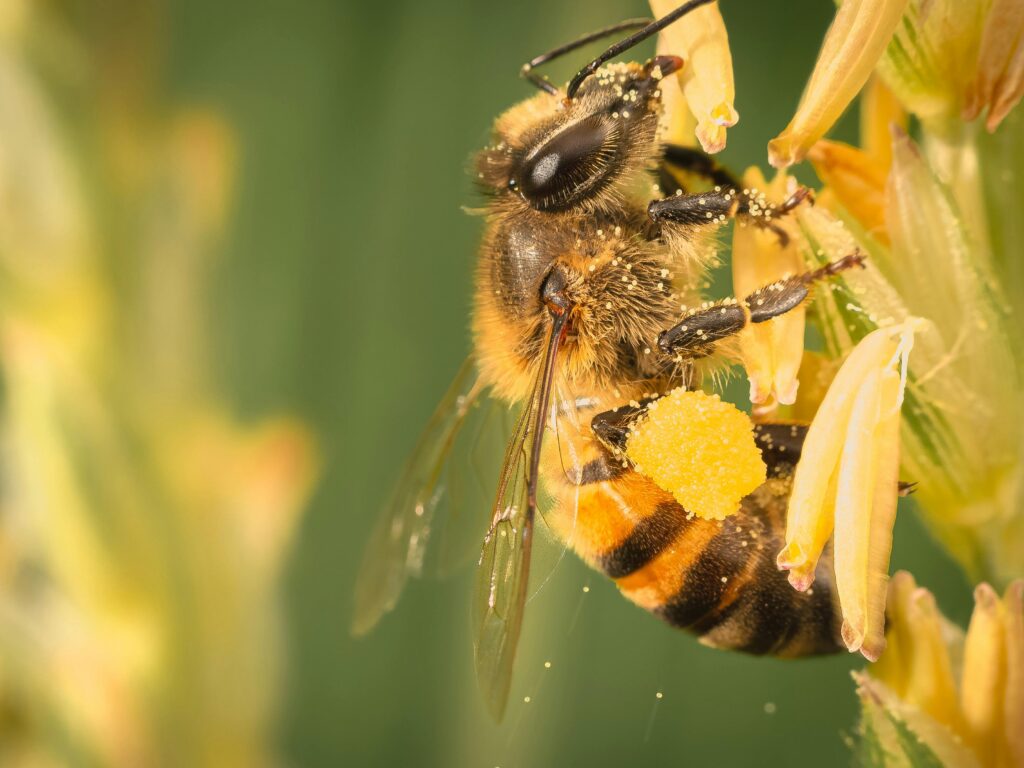
Taste, Aroma and Colour of British Wildflower Honey
Opening a jar of wildflower honey is like catching a scent of the countryside on a summer afternoon. The fragrance rises immediately, floral and sweet, with hints of the landscape where the bees foraged.
Our UK wildflower honey typically offers light floral notes with hints of orchard fruit and a mild herbal finish. It is approachable and versatile, working well in everything from morning porridge to evening cheese boards. Colour varies too. Spring-dominant nectar tends to produce a lighter gold, while late-summer harvests, heavy with clover, thistle and wild herbs, yield a deeper amber. A May harvest jar might look noticeably different from an August jar, even from the same region.
| Season & Region | Flavour Notes | 색상 | Typical Uses |
|---|---|---|---|
| UK Spring | Light floral, orchard fruit, mild | 밝은 황금색 | Drizzling, tea, breakfast |
| UK Summer | Richer, herbal, hints of clover and thistle | Amber to deep amber | Cooking, baking, cheese pairing |
Natural crystallisation may make your honey appear lighter and more opaque over time. This is not spoilage. It is a completely normal characteristic of raw honey and actually indicates authenticity. Supermarket honey is typically heated specifically to prevent this, which is how you can tell the difference. We cover the full science behind why raw honey sets in our guide to raw honey crystallisation. You can explore the full range, including our wildflower and every other variety, on our 꿀 가게.
Raw British Honey for Pollen Season
All raw, cold-extracted, and never pasteurised. Pollen intact from hive to jar.
-
영국산 야생화 꿀 — £10.99 Midlands, England. Broadest pollen profile. SALSA-certified supplier. Cold-extracted. Never pasteurised.쇼핑 →
-
Wildflower Subscription — £8.79/mo Save 20%. Free delivery on every order. Cancel anytime. Consistent supply through the whole pollen season.Subscribe →
-
생 아카시아 꿀 — £10.99 Transylvania, Romania. Raw, mild, high antioxidant. Good for throat soothing during pollen season.쇼핑 →
Wildflower, Soft Set, and Heather. All three British-origin raw honeys in one box. 3 x 280g jars. Free UK delivery.
Honey for Hayfever: Common Questions
꿀은 꽃가루 알레르기에 도움이 될까요?
어떤 사람들에게는 그럴 수도 있습니다. 가장 그럴듯한 작용 기전은, 현지산 생꿀에 미량으로 포함된 꽃가루가 알레르기 면역요법이 작용하는 방식과 유사하게, 일부 사람들이 지역 알레르겐에 대한 내성을 서서히 키우는 데 도움이 될 수 있다는 것입니다. 증거는 제한적이지만 완전히 없는 것은 아닙니다. 이는 꽃가루 시즌이 시작되기 몇 주 전부터 꾸준히 매일 실천하는 습관으로 가장 효과가 좋으며, 꽃가루 알레르기 증상이 심한 날에 급하게 복용하는 치료법으로는 적합하지 않습니다. 모든 사람에게 효과가 있는 것은 아니며, 항히스타민제나 처방받은 치료법을 대체할 수 없습니다.
꽃가루 알레르기에 가장 좋은 꿀은 무엇인가요?
이 맥락에서 가장 자주 언급되는 것은 가공되지 않은, 저온 살균 처리되지 않은 지역산 야생화 꿀입니다. 야생화 꿀은 단일 품종 꿀보다 더 폭넓은 꽃가루 구성을 가지고 있으며, 수십 종의 야생화에서 유래합니다. 산지가 중요합니다. 영국산이나 여러분이 거주하는 특정 지역에서 생산된 꿀은 수입 꿀보다 해당 지역의 알레르기 유발 물질과 관련된 꽃가루를 포함할 가능성이 더 높습니다. 슈퍼마켓에서 판매되는 저온 살균 처리된 꿀은 활성 꽃가루가 거의 없거나 아예 없기 때문에 이 논의와 관련이 없습니다.
꽃가루 알레르기에 꿀은 어떻게 섭취해야 할까요?
매일 티스푼 1~2스푼을 섭취하며, 가급적 꽃가루 시즌이 시작되기 4~6주 전부터 시작하는 것이 좋습니다. 양보다 꾸준히 섭취하는 것이 더 중요합니다. 그대로 먹거나, 레몬을 넣은 따뜻한 물에 타서 마시거나, 토스트에 발라 드세요. 끓는 물에 타면 유효 성분이 일부 파괴될 수 있으므로 피하십시오. 이와 함께 항히스타민제 및 기타 처방받은 치료제도 꾸준히 복용하십시오.
생꿀이 슈퍼마켓에서 파는 꿀보다 꽃가루 알레르기에 더 효과가 있을까요?
Yes, significantly, if the pollen content is the active element. Pasteurisation destroys pollen. Most supermarket honey, even if labelled as natural or pure, has been heated to extend shelf life and produce a uniform, clear product. Raw honey that has not been heated retains the pollen naturally present in the comb. At HoneyBee & Co., all our honey is cold-extracted and never heated above hive temperature.
지역산 꿀이 꽃가루 알레르기 증상을 완화할 수 있을까요?
일부 사람들은 효과가 있다고 보고합니다. 대조군 임상시험을 통한 임상적 증거는 제한적이며, 영국에서 발생하는 꽃가루 알레르기의 대부분은 꿀벌이 채집하지 않는 풀 꽃가루에 의해 유발되므로, 꽃가루 감작 치료 기법에는 대부분의 환자에게 구조적인 한계가 있습니다. 반면, 주로 나무나 야생화 꽃가루에 의해 꽃가루 알레르기가 유발되는 환자의 경우, 이 치료법이 효과적일 가능성이 더 높습니다. 효과가 있다는 일화적인 보고는 흔하지만, 확인된 임상적 증거는 드뭅니다.
꽃가루 알레르기 시즌이 오기 전에 언제부터 꿀을 먹기 시작해야 할까요?
일반적인 꽃가루 시즌이 시작되기 4~6주 전이 가장 흔히 언급되는 시기입니다. 영국에서는 나무 꽃가루 시즌이 2월 말이나 3월부터 시작되고, 풀 꽃가루는 5월 말부터 7월까지, 잡초나 꽃 꽃가루는 8월과 9월에 걸쳐 발생합니다. 잔디 꽃가루가 주된 유발 요인이라면, 4월부터 시작하면 잔디 꽃가루 시즌이 절정에 달하기 약 6주 전에 대비할 수 있습니다. 나무 꽃가루에 민감하다면, 1월이나 2월부터 시작하는 것이 좋습니다.
꽃가루 알레르기 치료에 꿀이 항히스타민제를 대신할 수 있을까요?
아닙니다. 항히스타민제는 작용 기전이 다르며, 이를 뒷받침하는 강력한 임상적 근거가 있습니다. 항히스타민제는 효과가 뛰어나고 작용이 빠르며, 어디서나 쉽게 구할 수 있습니다. 꿀은 맛이 좋고 위험이 적은 일상적인 식습관으로, 일부 사람들은 기존 치료와 병행하여 도움이 된다고 느끼기도 합니다. 이 두 가지는 서로 경쟁 관계에 있지 않습니다. 꽃가루 알레르기 증상이 심한 경우, 코용 스테로이드나 알레르기 면역요법을 포함한 보다 포괄적인 치료 계획에 대해 주치의와 상담하십시오.
꽃가루 알레르기에 마누카 꿀보다 야생화 꿀이 더 효과적일까요?
특히 꽃가루 알레르기 문제와 관련해서는, 현지산 생 야생화 꿀이 마누카 꿀보다 더 유력한 선택지입니다. 마누카 꿀은 뉴질랜드에서 단일 식물(Leptospermum scoparium)을 원료로 생산되며, 일반적으로 꽃가루의 다양성보다는 항균 성분으로 높이 평가받습니다. 꽃가루 알레르기 완화 목적에서는 현지산이라는 점과 폭넓은 꽃가루 구성이 중요한데, 이 두 가지 측면 모두에서 수입된 단일 품종 꿀보다 영국산 생 야생화 꿀이 더 유리합니다.