

 한국어
한국어  English (UK)
  Italiano
  Français
  简体中文
简体中文 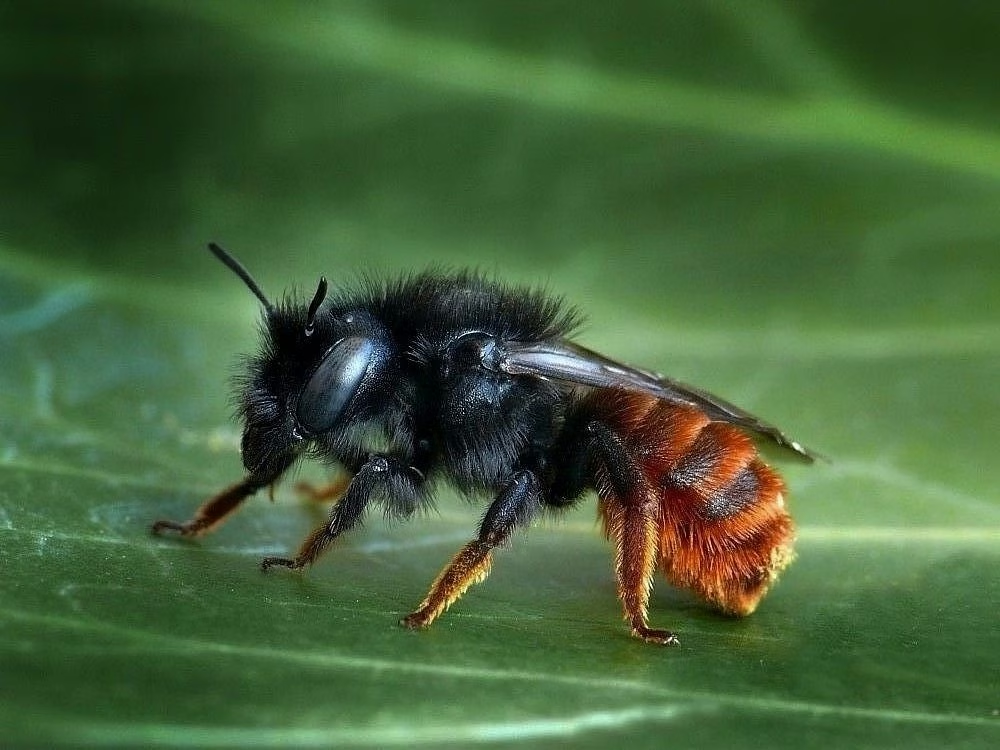
영국의 벌 종류
두 가지 색을 띤 벽돌벌 (Osmia bicolor)
Osmia bicolor (Schrank, 1781) · family Megachilidae
The two-coloured mason bee, also known as the red-tailed mason bee, is one of the most extraordinary of all our wild bees. The female is a smart, black-and-ginger insect of chalk and limestone grassland, and she does something no other British bee does: she builds her nest inside an empty snail shell, then roofs it over with a little wigwam of grass. It is one of the very first solitary bees of spring. See where it sits among Britain's bees on the 영국 토종 벌 종 분포 지도, 혹은 전 세계의 꿀벌들 중에서 세계 꿀벌 지도집.
한눈에 보는 정보
| 킹덤 | 동물계 |
| 문 | 절지동물 |
| 수업 | 곤충문 |
| 주문 | 막시류 |
| 가족 | 메가킬리과 |
| 속 | 오스미아 |
| 종 | Osmia bicolor |
A black and ginger spring bee
The female two-coloured mason bee is unmistakable: a medium-sized bee, around 12 mm long, with a black head and thorax set against an abdomen clothed in dense, bright ginger-red hair.[2] That bold two-tone pattern gives the bee both its names. Males are smaller and plainer, brownish or greyish with paler bands and only a hint of red at the tail, and they are among the very first solitary bees to appear each year, sometimes flying as early as late February.[2] The only real source of confusion is the much larger and fluffier Osmia cornuta, a recent and very localised arrival in southern England.[2]
The bee that nests in snail shells
Here is what sets this bee apart from every other British bee. Rather than digging a burrow or using a hollow stem, the female nests inside an empty snail shell, choosing the shells of snails such as the banded snails (Cepaea), the Roman snail (Helix pomatia) and the Kentish snail (Monacha).[1] Working deep inside the spiral, she provisions a row of cells with pollen, about four or five depending on the size of the shell, dividing them with partitions of leaf mastic, a putty she makes from chewed green leaves.[1][4][5] She fills the last space with a rubble of tiny shells and chalk, plugs the entrance, and turns the whole shell so the opening faces the ground, sometimes part-burying it.[1]
No other bee in Britain does this. The two-coloured mason bee raises its entire family inside the cast-off shell of a dead snail.[1]
A thatched roof of grass
The most remarkable sight comes once the nest is sealed. The female gathers dead grass stems, leaf fragments and small twigs, many of them far longer than her own body, and carries them back one by one to build a loose canopy, a kind of wigwam or thatch, over the shell, binding the pieces with her saliva.[1][2] The purpose is not certain, but it almost certainly hides the nest from the parasites and predators that would otherwise raid it, such as the cleptoparasitic sapygid wasps.[2] A small black-and-ginger bee flying low across short turf with a long grass stem held in her jaws is one of the quiet wonders of a chalk hillside in spring.
어디서, 언제 볼 수 있는지
The two-coloured mason bee is above all a bee of calcareous country: chalk and limestone grassland, downland, old quarries and cuttings, the rides of chalk woodland and calcareous coastal dunes, with the empty snail shells and short, warm turf it needs.[1][2] Most records lie across southern England, south of a line from the Severn to the Wash, though it is spreading north into the Midlands, using brownfield sites as stepping stones.[2] Males appear from late February or March and females a week or two later, with the flight running on to early July; both visit spring shrubs such as sallows, blackthorn and hawthorn, and low flowers including bird's-foot-trefoil, kidney vetch, dandelion and violets.[3] It is a local species, scarce away from its calcareous strongholds.[6]
One of the first solitary bees of the year: males can be on the wing in late February, with females and nest-building following from spring into early July.[2]
A scent, and two colours
속명 오스미아 comes from the Greek for "odour", after the lemony scent mason bees use to mark their nest entrances, while bicolor simply means "two-coloured", for the black-and-ginger female.[7] It was described by the Bavarian naturalist Franz von Paula Schrank in 1781.[7] Like all members of the family Megachilidae, she carries pollen not on her legs but in a brush beneath the abdomen, so a foraging female is dusted with pollen along her belly.[8]
구분하는 방법
The female is one of Britain's most recognisable bees, around ten to twelve millimetres long, with a jet-black head and thorax and an abdomen clothed in bright gingery-red hair, which is why she is also called the red-tailed mason bee.[8] Males are smaller and a duller brown, easily mistaken for other spring bees.[8] It is a bee of chalk and limestone country, calcareous grassland and open woodland, found mostly south of a line from the Wash to the Severn.[8]
Why the two-coloured mason bee matters
This is a flagship insect of one of Britain's richest and most threatened habitats, the unimproved chalk and limestone grassland that supports so many of our scarcer wildflowers, butterflies and bees.[1] Because it needs several things at once, short warm turf, a good supply of empty snail shells, spring flowers and undisturbed ground, its presence is a sign of a healthy old grassland. Protecting and gently grazing that grassland, and resisting the loss of brownfield mosaics that now help it spread, is the surest way to keep this one-of-a-kind bee on our hillsides.
The same spring blossom that feeds this bee feeds our honeybees too. Explore the range of single-origin raw honeys in the HoneyBee & Co. 매장.
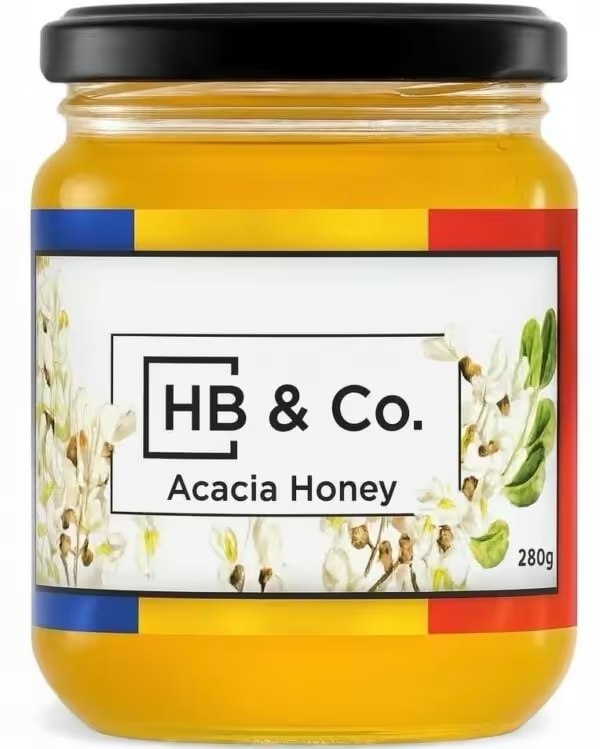
생 아카시아 꿀
당사의 대표 제품인 아카시아 생꿀: 색이 옅고 은은하며 결정화가 느린 것이 특징입니다. 니스토르 가문의 양봉장에서 채취한 이 꿀은, 280g 용기 하나하나에 6대에 걸친 양봉의 전통이 담겨 있습니다. £10.99.
아카시아 꿀 쇼핑하기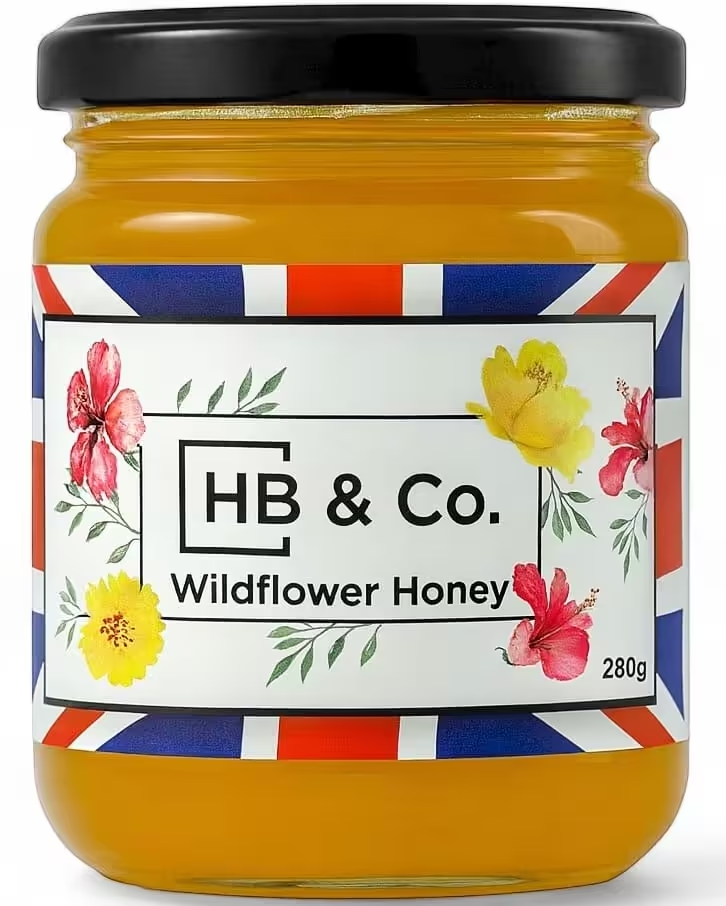
영국산 야생화 꿀
Raw honey from Midlands meadows and hedgerows, the same spring flowers a mason bee gathers. Our British honey supplier holds SALSA Certification. 280g. £10.99.
와일드플라워 쇼핑하기
구독하고 할인받기 20%
원하는 꿀 한 가지를 선택하시면 매 배송 시 20%를 절약하실 수 있으며, 정기 구독 주문 시 영국 내 무료 배송 혜택을 받으실 수 있습니다.
구독 시작하기자주 묻는 질문
What is the two-coloured mason bee?
Why is it also called the red-tailed mason bee?
Do mason bees really nest in snail shells?
Why does it cover the shell with grass?
When is the two-coloured mason bee active?
Where does the two-coloured mason bee live?
Do two-coloured mason bees sting?
Does the two-coloured mason bee make honey?
관련 종
붉은 벽돌벌
Osmia bicornis더 보기 → Mason family패치워크 잎자르기벌
메가킬레 센툰쿨라리스더 보기 → Mason family양모 빗질벌
안티디움 마니카툼더 보기 →출처 및 참고 문헌
- BWARS (꿀벌·말벌·개미 기록 협회). 종 설명: Osmia bicolor (nesting in empty snail shells of Helix, Cepaea 그리고 Monacha, four or five cells, leaf-mastic partitions and plug, shell-and-chalk rubble, grass canopy, calcareous grassland, univoltine April to early July). bwars.com.
- Falk, S. 영국과 아일랜드의 벌에 관한 현장 가이드, 블룸즈버리, 그리고 스티븐 포크의 플리커 컬렉션: Osmia bicolor (black-and-ginger female, male separation, confusion only with the larger O. cornuta, forage, the grass wigwam against sapygid wasps, southern range and northward spread).
- The Wildlife Trusts. Red-tailed (two-coloured) mason bee: snail-shell nesting, chalk and limestone grassland, early-spring males, forage on spring shrubs and low flowers. wildlifetrusts.org.
- Else, G.R. 및 Edwards, M. (2018). 『영국 제도의 벌에 관한 핸드북』. Ray Society (taxonomy and the biology of 오스미아 in the Megachilidae).
- 몬머스셔 비즈 (개발을 위한 비즈). Osmia bicolor: cavity nesting in empty snail shells, leaf-mastic cell partitions, single generation March to July, forage plants. beesfordevelopment.org.
- 니에토, A. 등. (2014). 유럽 꿀벌 적색 목록. IUCN / 유럽연합 간행물 사무국 (보전 현황 관련).
- Schrank, F. von P. (1781), original description. Etymology: Greek 오스미아, "odour" (the lemony scent used to mark nest entrances); Latin bicolor, "two-coloured" (Exotic Bee ID; Wilson & Carril, 2016).
- BWARS species account and Falk, S. (2015): snail-shell nesting, leaf-mastic cells, grass thatching, calcareous habitat, southern distribution, and the abdominal pollen scopa of the Megachilidae. bwars.com.
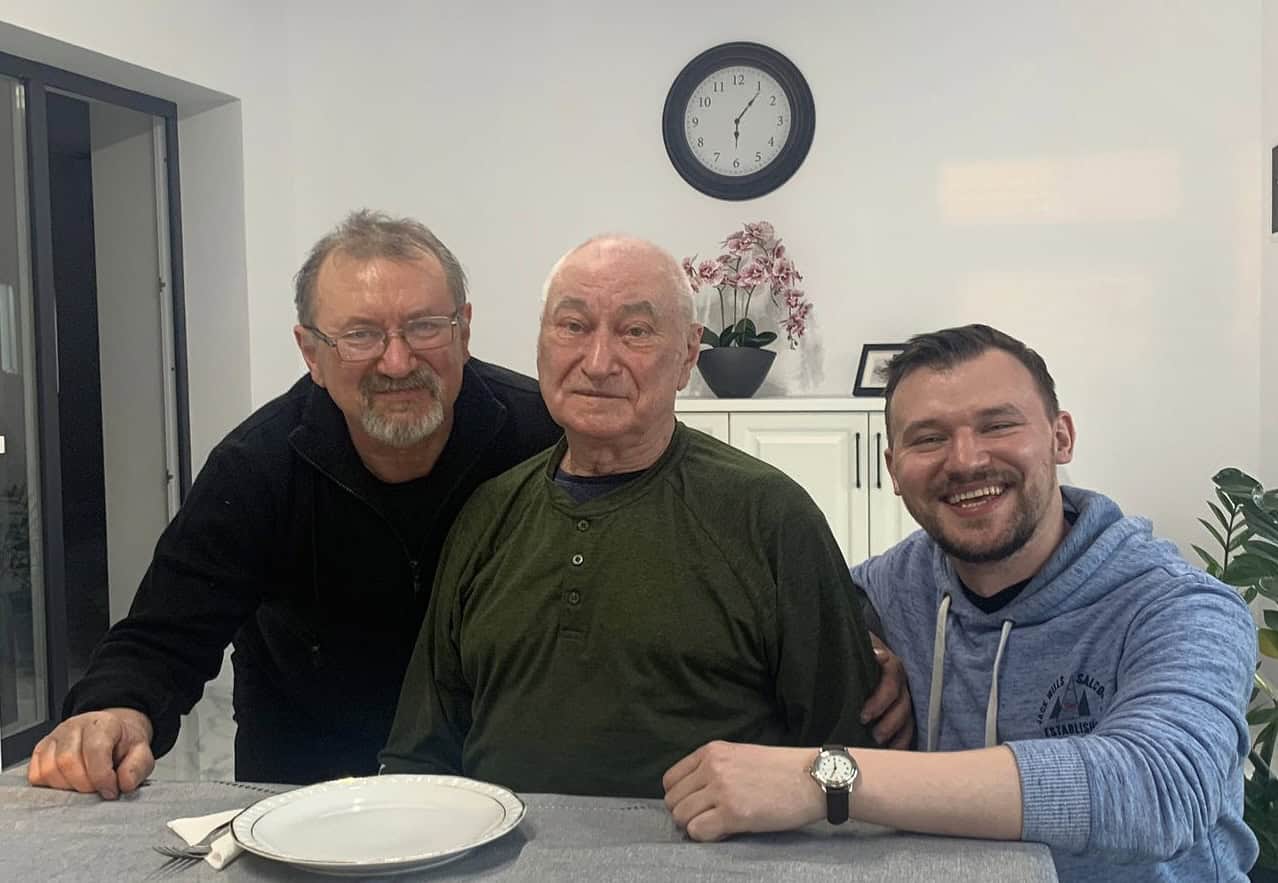
Dragos Nistor
HoneyBee & Co. 설립자 · 그리니치 대학교 객원 강사
HoneyBee & Co.는 6대에 걸쳐 이어져 온 가족의 양봉 전통을 바탕으로, 니스토르(Nistor) 가문의 양봉장과 엄선된 영국 생산자들로부터 공급받은 꿀을 사용합니다. 당사의 영국산 꿀 공급업체는 SALSA 인증을 보유하고 있으며, 15% NHS 할인을 제공합니다. 모든 병은 가공되지 않은 생꿀로, 여과 과정을 거치지 않았으며, 어느 벌통에서 생산되었는지 추적할 수 있습니다.