🐝 3개 이상 구매 시 무료 배송 🐝

꿀에 관한 8가지 사실

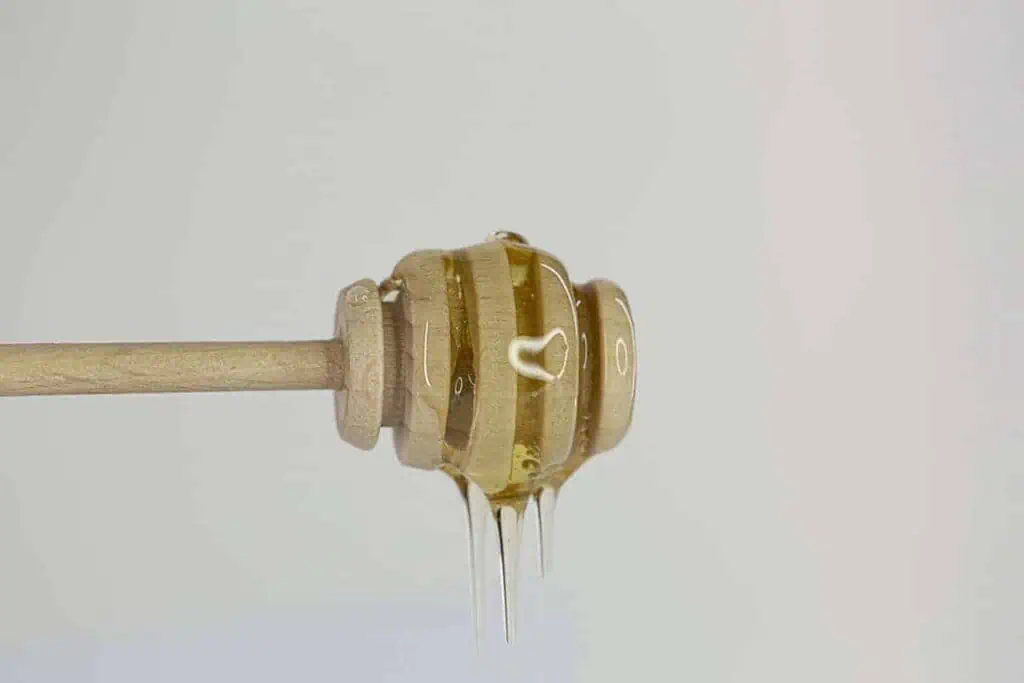
Honey dripping from a honey dipper showcasing natural honey.

Honey has been part of human life for at least 8,000 years. Cave paintings in Valencia show people harvesting it from wild hives. Egyptian priests used it in offerings to the gods. Roman soldiers carried it to dress wounds on the battlefield. And yet most people today know very little about what honey actually is, how it is made, or why no two varieties taste the same. These eight facts change that.

1

Honey Is the Only Food That Never Spoils

When archaeologists opened sealed vessels inside Tutankhamun's tomb in 1922, they found honey approximately 3,000 years old. It was still edible. This is not legend or approximation. It is one of the most striking demonstrations of honey's natural chemistry in recorded history.

Honey resists spoilage because of three simultaneous properties. It is naturally acidic, with a pH typically between 3.2 and 4.5. It contains very little moisture, usually under 20 percent water content. And it produces small amounts of hydrogen peroxide through the enzyme glucose oxidase. Together, these properties create an environment where bacteria and microorganisms simply cannot survive.

The condition that makes honey last indefinitely is the same condition that makes it medicinally interesting. Low moisture, high acidity, and natural antimicrobial activity are not separate qualities. They are the same quality, expressed three different ways.

The practical implication for everyday storage is straightforward. Honey in a sealed jar at room temperature will not go off. Crystallisation may occur over time, but that is a natural physical process rather than spoilage. We return to this in Fact 8.

2

A Single Bee Produces About One Twelfth of a Teaspoon in Its Lifetime

A worker bee lives for approximately six weeks during summer. In that time she will visit somewhere between 50,000 and 100,000 flowers and contribute roughly one twelfth of a teaspoon of honey to the hive. That is less than half a gram. From an entire lifetime of work.

🐝
To fill a single 280g jar of honey Bees from one hive need to visit roughly 1.2 million flowers and fly a combined distance of approximately 34,000 miles. That is more than once around the circumference of the Earth.
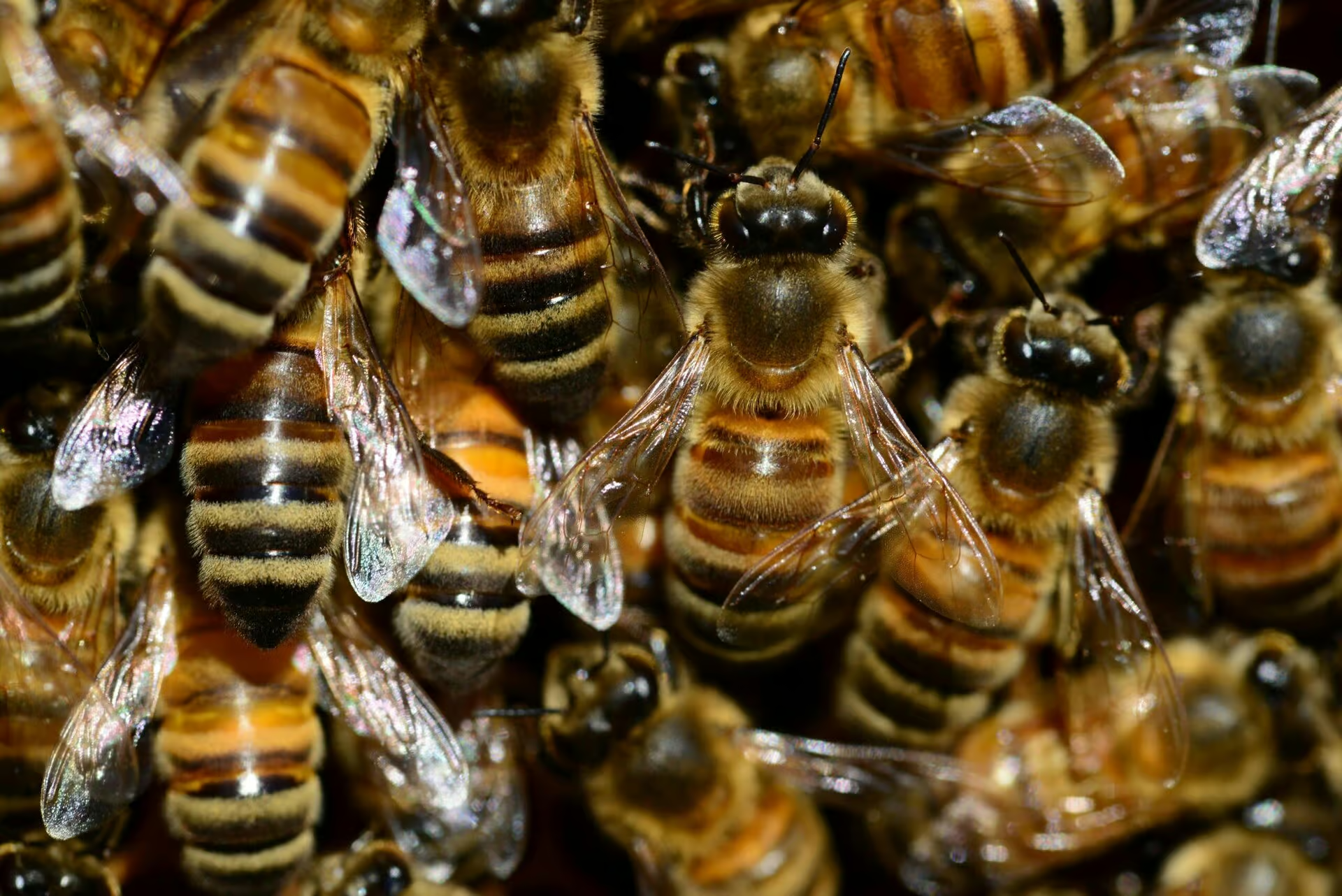
Close-up of honey bees clustered together inside the hive, showing detailed wings and natural textures

Worker bees inside the hive. Each one will contribute less than half a gram of honey across her entire lifetime.

This context is part of what distinguishes artisanal honey from mass-produced blends. When you buy a raw, single-origin variety, the price reflects not just the beekeeper's labour but the accumulated effort of tens of thousands of bees across an entire season. That arithmetic looks entirely different once you understand it.

Honey by the numbers
What it takes to make one pound of honey
🐝 6 weeks Active summer lifetime of one worker bee
🍯 1/12 tsp Honey produced per bee in her lifetime
🌸 2 million Flowers visited to make one pound of honey
🌍 55,000 mi Combined hive flight distance per pound — twice around Earth
Sources: The Honey Association UK · Canadian Honey Council · USDA
3

Honey Contains Over 180 Identified Compounds

Honey is not simply sugar dissolved in water. Analysis has identified more than 180 distinct substances in raw honey, including enzymes, amino acids, B vitamins, several minerals, and a range of polyphenols and flavonoids that vary depending on which flowers the bees visited.

The enzyme invertase converts sucrose into fructose and glucose during production. Glucose oxidase produces hydrogen peroxide when honey is diluted, contributing to its antimicrobial properties. Diastase breaks down starch. These are not trace elements. They are functional compounds that do measurable things.

Raw, unfiltered honey retains all of these compounds. Commercial heating during processing degrades or destroys many of them, which is why the distinction between raw and processed honey matters beyond marketing language.
Raw Honey vs. Processed Honey
🍯 Raw Honey
180+ compounds fully retained
Enzymes active and measurable
Full polyphenol and flavonoid profile
Natural colour varies by floral source
Will crystallise over time
Traceable to hive and origin
Processed Honey
Many compounds degraded by heat
Enzyme activity significantly reduced
Reduced polyphenol content
Uniform appearance after filtering
Filtered to prevent crystallisation
Typically blended from multiple origins

The specific composition of any jar of honey is a direct record of where the bees foraged. Our 아카시아 꿀, harvested from Robinia pseudoacacia trees in Transylvania, has a markedly different polyphenol profile from our 헤더 허니 from the Yorkshire Moors. Same species of bee. Completely different product.

4

Honey Has Natural Antimicrobial Properties Used in Medicine for Centuries

Honey was used as a wound dressing in ancient Egypt, Greece, and Rome. This was not folk medicine based on hope. It worked, and modern research has confirmed exactly why.

Raw honey inhibits bacterial growth through several mechanisms simultaneously. Its high sugar concentration draws moisture out of bacterial cells through osmosis. Its low pH suppresses microbial activity. And its glucose oxidase enzyme produces hydrogen peroxide when diluted. Some varieties, notably Manuka, also contain methylglyoxal, a compound with particularly strong additional antimicrobial action.

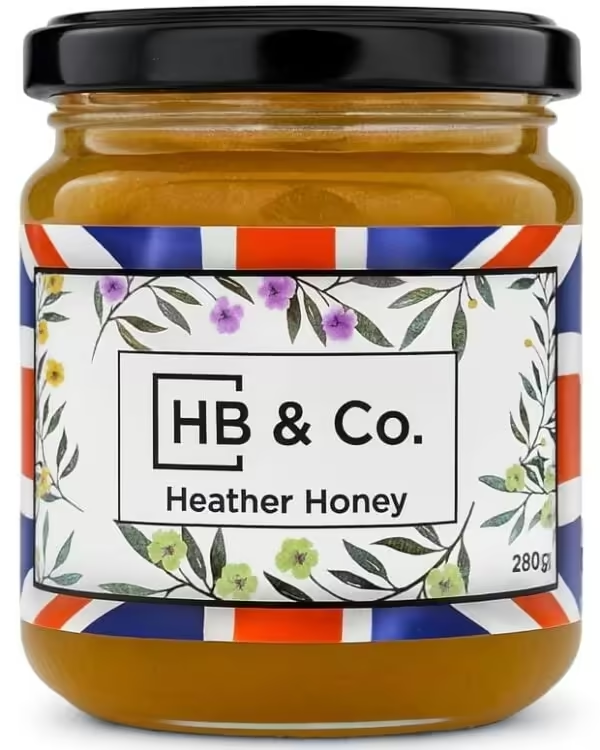
Jar of HoneyBee & Co. Heather Honey 280g with deep amber colour and floral Union Jack label

Our Heather Honey from the Yorkshire Moors. Bold, aromatic, and harvested in August when the moorland is in full bloom.

🔬
Medical-grade honey in clinical use today Medihoney wound dressings, based on active Manuka honey, are used in NHS wound care for chronic wounds and infections resistant to standard antibiotics. The antimicrobial action is inherent to the honey itself rather than a result of processing.

This is one reason the distinction between raw and processed honey matters practically. Heavy heating during commercial processing reduces enzyme activity. A jar of raw honey and a jar of heavily processed supermarket honey may look similar, but they are not chemically equivalent.

출처: Molan PC. The antibacterial activity of honey. Bee World, 1992.

5

Raw Honey Contains Pinocembrin, a Flavonoid Linked to Brain Health Research

Pinocembrin is a flavonoid found in raw honey and propolis. Research has linked it to neuroprotective effects, including reduced inflammatory responses in brain tissue and potential cognitive benefits. This research is ongoing and focused on pinocembrin as an isolated compound rather than as a dietary intervention. It is important to be clear: eating honey is not a treatment for neurological conditions.

What the research does confirm is that raw honey contains biologically active compounds of genuine scientific interest, and that the flavonoid content of raw honey is measurably greater than that of processed honey.

Pinocembrin is one of several active flavonoids in raw honey, alongside quercetin, kaempferol, and luteolin. Each has its own research profile. Honey is not inert. It is a biochemically complex food and science is still building a complete picture of it.

Pinocembrin is also found in propolis, the resinous substance bees use to seal and sterilise the interior of their hives. This connection between honey's antimicrobial environment and its flavonoid content is not coincidental. The hive produces what the hive needs.

출처: Shi X et al. Pinocembrin protects blood-brain barrier integrity. Brain Research, 2011.

6

Every Honey Variety Tastes Different Because Every Flower Is Different

The flavour, colour, aroma, and texture of honey are entirely determined by the nectar the bees collected. This is not a subtle variation. The difference between a pale, almost-transparent Acacia honey and a deep, near-treacle Buckwheat honey is as marked as the difference between a Sauvignon Blanc and a Cabernet Sauvignon. Same process. Completely different result.

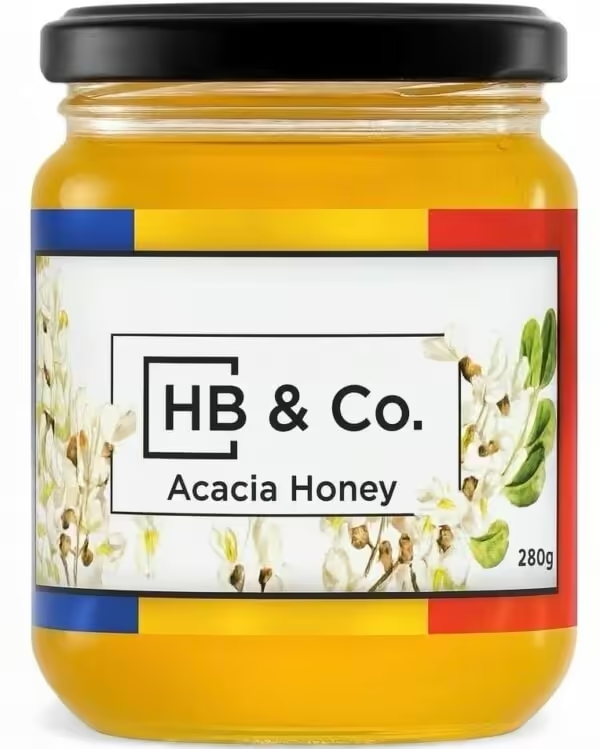
Jar of HoneyBee & Co. Acacia Honey with a honey dipper, showcasing its pale golden colour and smooth texture

Our Transylvanian Acacia Honey. Pale gold, floral, and slow to crystallise. Harvested in late spring before the summer heat concentrates the nectar.

Acacia honey, produced from Robinia pseudoacacia blossoms, is light, floral, and slow to crystallise because of its high fructose content. Our Transylvanian Acacia is harvested in late spring, before the summer heat concentrates the nectar, which preserves the lighter floral notes that define the variety at its best.

Heather honey is a different animal entirely. It is thixotropic, meaning it sets firm in the jar but becomes liquid again when stirred. It is bold, slightly tannic, and deeply aromatic. Our Yorkshire Moors Heather is harvested in August when the moorland is in full bloom, producing a honey that is genuinely unlike anything available from commercial sources.

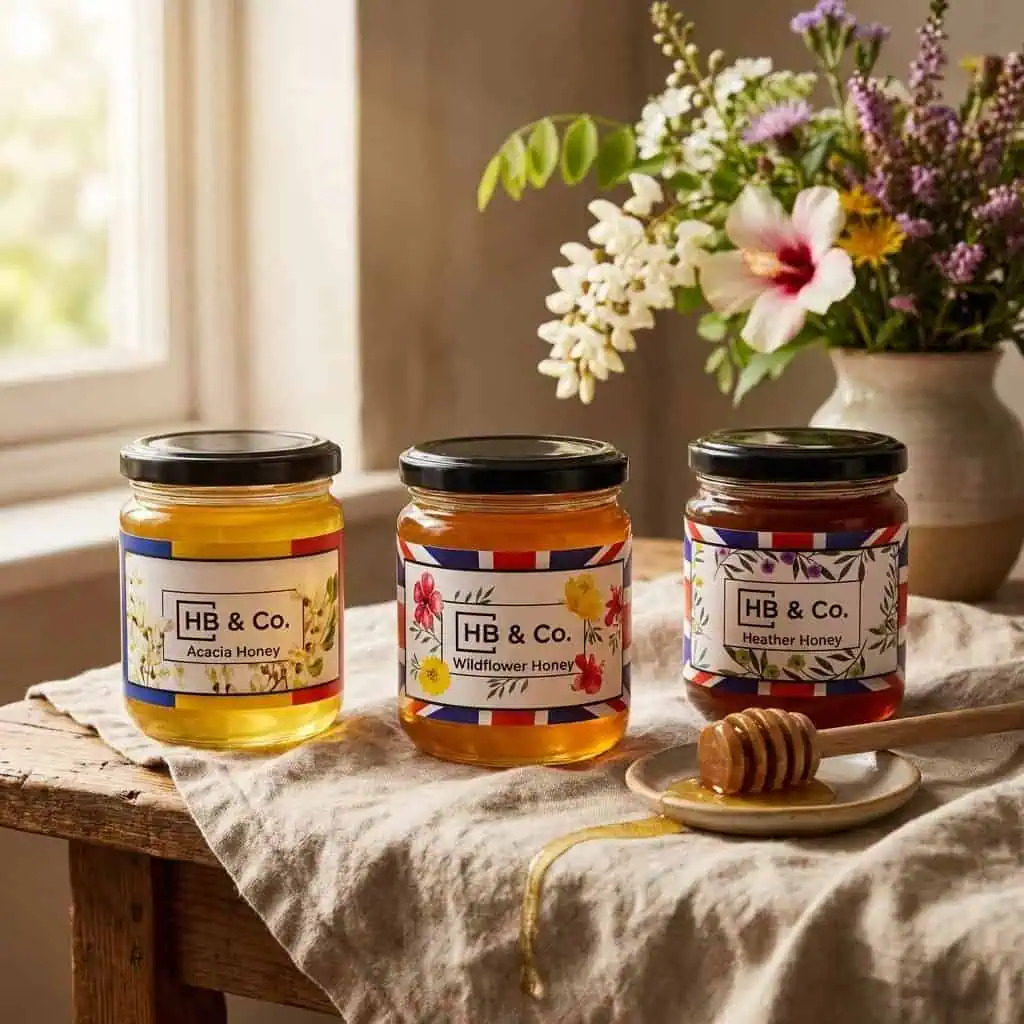
HoneyBee & Co. Discovery Trio — three raw single-origin honey varieties
차이점을 직접 느껴보세요

디스커버리 트리오

Three single-origin honeys in one set. Acacia, Wildflower, and Heather. The most direct way to understand how much variety exists within a single food.

트리오 제품 둘러보기
7

Bees Have Two Dedicated Awareness Dates Worth Knowing

The first is 10 July: Don't Step on a Bee Day. It exists because bee populations globally have declined significantly over the past four decades. The causes are well-documented: habitat loss, pesticide use particularly neonicotinoids, the Varroa destructor mite, and the fragmentation of wildflower meadows that once provided continuous forage through the season.

The second is September, recognised internationally as National Honey Month. It originated in the United States but is now observed more broadly. September marks the end of the main harvesting season in the Northern Hemisphere, when beekeepers extract the summer's surplus and begin preparing colonies for winter.

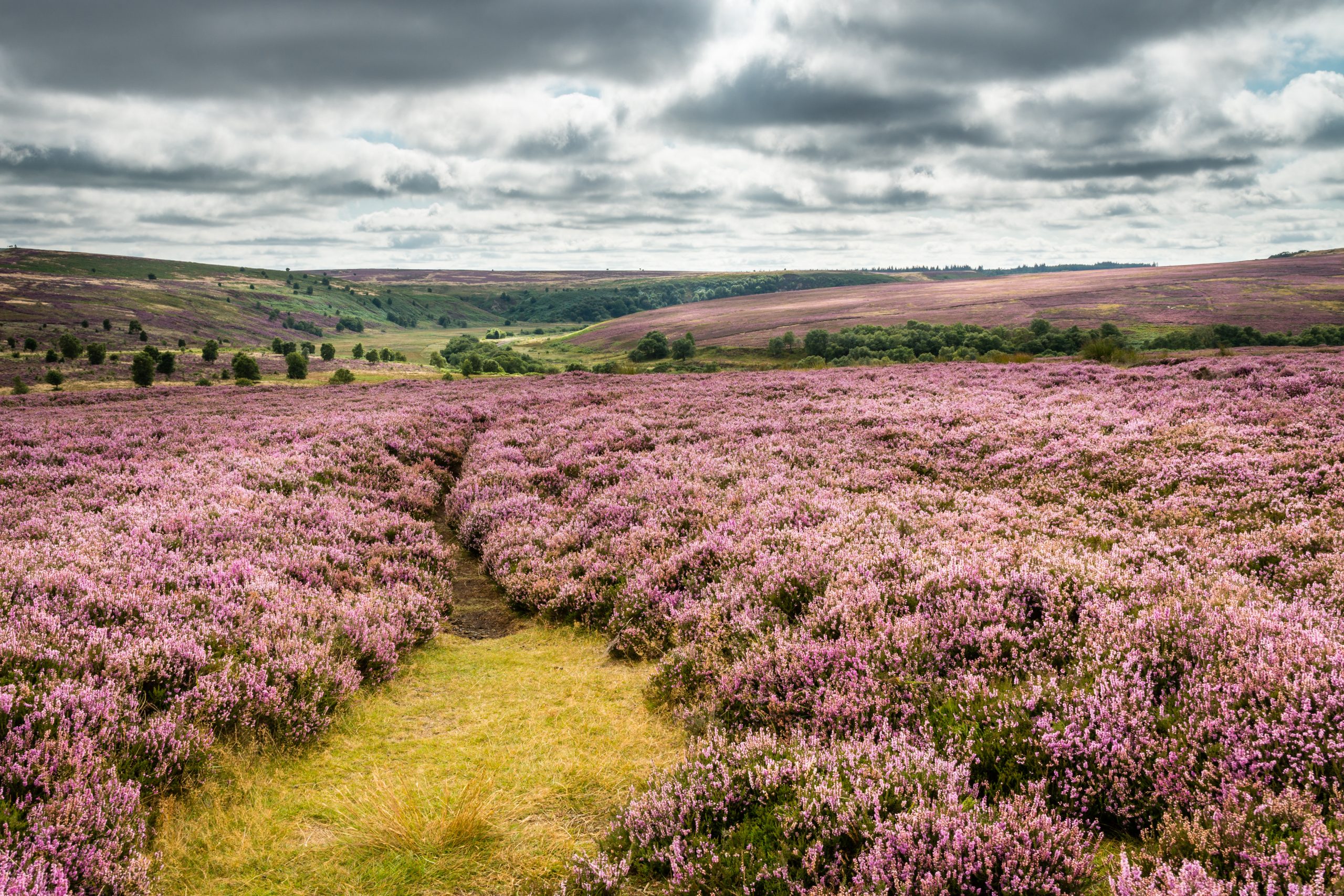
한여름을 맞아 만개한 보라색과 분홍색 헤더 꽃들이 푸른 줄기와 함께 무성한 들판을 수놓고 있다

Heather moorland in full August bloom. The landscape our bees forage from every summer to produce our Yorkshire Heather Honey.

🌿
What practically helps bees Planting single-headed flowers such as lavender, borage, phacelia, and cornflower. Avoiding pesticide use during flowering periods. And buying honey from traceable, ethical beekeepers rather than blended commercial honey from unspecified origins.

그 decline in bee populations is not a background concern for beekeeping enthusiasts. Approximately one third of global food production depends on pollinator activity. The stakes are agricultural, economic, and ecological simultaneously.

8

Crystallised Honey Is Not Ruined Honey

This is one of the most widespread misunderstandings about honey. When honey crystallises and turns from a clear liquid to an opaque, granular solid, many people assume it has gone off and discard it. This is a waste of good honey based on a misreading of what is actually happening.

Crystallisation is a natural physical process driven by the ratio of glucose to fructose in the honey. Glucose is less soluble than fructose, so it tends to come out of solution over time and form crystals. Honeys with a higher glucose content, such as Rapeseed and Sunflower, crystallise quickly and firmly. Honeys with higher fructose content, such as Acacia, remain liquid for much longer.

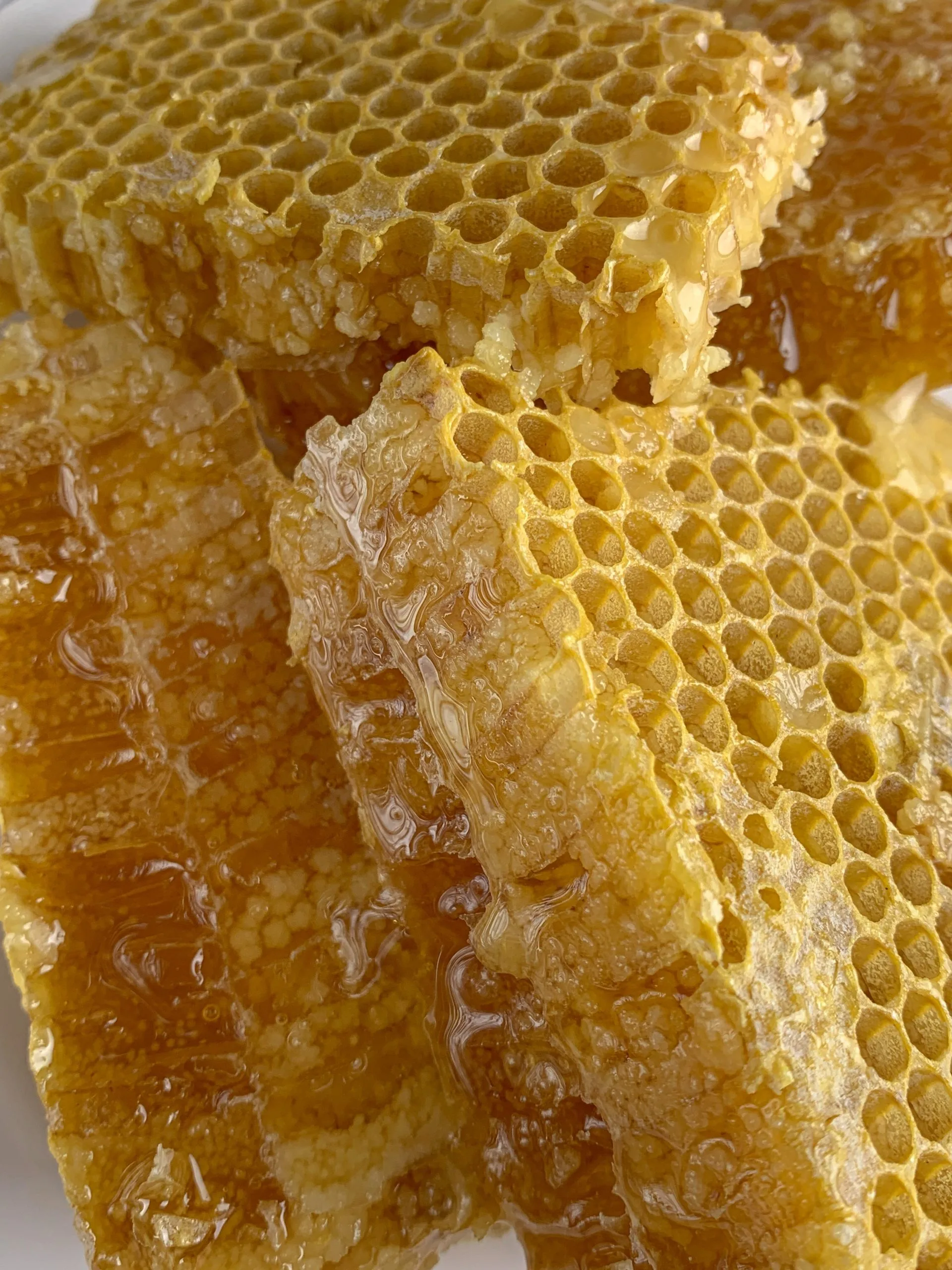
Honeycomb oozing with raw honey straight from the hive

Raw honey straight from the comb. Crystallisation is not spoilage. It is raw honey doing exactly what raw honey does.

Crystallisation is actually a marker of quality in raw honey. Heavily processed commercial honey is filtered and heated precisely to prevent it, since many consumers misread it as spoilage. In doing so, processing also removes much of what makes raw honey nutritionally interesting.

To return crystallised honey to a liquid state, place the jar in warm water below 40 degrees Celsius for 20 to 30 minutes. Above 40 degrees, heat begins to degrade the enzymes. The aim is to gently warm it, not cook it.

저희 부드러운 질감의 꿀 takes this further. By controlling the crystallisation process deliberately, we produce a honey with a smooth, spreadable texture that retains all the properties of raw honey while being easy to use every day.

Eight Things Worth Remembering
  • Honey stored in a sealed jar will not expire. The honey found in Tutankhamun's tomb was approximately 3,000 years old and still edible.
  • One bee produces approximately one twelfth of a teaspoon of honey in her entire lifetime.
  • Raw honey contains over 180 compounds. Heating during commercial processing degrades or destroys many of them.
  • Honey's antimicrobial properties are documented, real, and the basis for medical-grade wound dressings in clinical use today.
  • Pinocembrin, a flavonoid found in raw honey, is the subject of ongoing neuroprotection research.
  • Every honey variety tastes different because every flower's nectar is different. This is not a subtle difference.
  • Bee populations are under serious pressure. What you buy and how you garden both have a direct effect.
  • Crystallised honey is not spoiled honey. It is raw honey doing exactly what raw honey does.
자주 묻는 질문
꿀은 유통기한이 있나요, 아니면 상하나요?

아닙니다. 밀봉된 용기에 보관된 꿀은 유통기한이 없습니다. 꿀은 수분 함량이 자연적으로 낮고 산도가 높으며(pH 3.2~4.5), 효소에 의해 생성된 과산화수소가 존재하기 때문에 박테리아나 미생물이 번식하기 어려운 환경입니다. 수천 년 전 고대 이집트 무덤에서 발견된 꿀도 여전히 먹을 수 있는 것으로 확인되었습니다. 시간이 지나면서 변하는 것은 질감뿐입니다. 꿀은 결정화될 수 있지만, 결정화는 부패가 아닌 물리적 현상입니다.

왜 제 꿀이 굳거나 알갱이가 생겼을까요?

결정화는 완전히 자연스러운 현상이며, 가공되지 않은 생꿀의 특징입니다. 이는 꿀의 주요 당분 중 하나인 포도당이 과당보다 용해도가 낮아 용액에서 서서히 분리되어 결정체를 형성하기 때문입니다. 해바라기꿀이나 유채꿀처럼 포도당 함량이 높은 꿀일수록 더 빨리 결정화됩니다. 반면 과당 함량이 높은 아카시아 꿀은 훨씬 더 오랫동안 액체 상태를 유지합니다. 꿀을 다시 액체 상태로 되돌리려면 용기를 섭씨 40도 미만의 따뜻한 물에 20~30분간 담가 두세요. 40도를 넘는 열은 효소를 파괴하기 시작하므로 끓는 물은 사용하지 마십시오.

꿀은 실제로 무엇으로 만들어질까요?

꿀은 꿀벌이 꽃에서 채취한 꽃꿀을 효소로 부분적으로 소화시킨 뒤, 벌집의 세포에 저장하고, 날개를 퍼덕이며 수분을 증발시켜 수분 함량이 약 20% 미만이 될 때까지 건조시켜 만듭니다. 이렇게 만들어진 물질에는 과당, 포도당, 인버타제 및 포도당 산화효소와 같은 효소, 아미노산, 비타민 B2와 B6, 미네랄, 유기산, 그리고 다양한 폴리페놀과 플라보노이드를 포함하여 180종 이상의 확인된 화합물이 들어 있습니다. 정확한 성분은 꿀벌이 채집한 꽃에 따라 달라지므로, 모든 꿀 품종은 맛과 특성이 각기 다릅니다.

생꿀이 일반 슈퍼마켓에서 파는 꿀보다 더 좋을까요?

생꿀은 가열이나 여과 과정을 거치지 않아, 신선한 꿀에 함유된 효소, 폴리페놀, 플라보노이드를 그대로 모두 간직하고 있습니다. 대부분의 시중 슈퍼마켓에서 판매되는 꿀은 결정화를 방지하고 유통 기한을 연장하기 위해 가공 과정에서 가열 처리됩니다. 이러한 가열 과정은 많은 효소를 분해하거나 파괴하고 폴리페놀 함량을 감소시킵니다. 영양 및 풍미 측면에서 볼 때, 생꿀은 더 복합적이고 완벽한 제품입니다. 시간이 지나면 결정화되지만, 이는 결함이 아니라 순수함을 나타내는 증거입니다.

꿀 한 병을 만들려면 꽃이 몇 송이나 필요할까요?

280g 용기 하나를 채우려면, 한 벌통의 꿀벌들이 약 120만 송이의 꽃을 찾아다니며 총 34,000마일을 비행해야 하는데, 이는 지구 한 바퀴를 한 번 이상 도는 거리보다 더 깁니다. 1파운드(454g)의 꿀을 생산하려면, 이 수치는 약 200만 송이의 꽃과 총 55,000마일의 비행 거리로 늘어납니다. 이는 지구 둘레를 두 바퀴 이상 도는 거리에 해당합니다. 일벌 한 마리는 일생 동안 약 티스푼의 12분의 1에 해당하는 꿀을 생산합니다.

어떤 종류의 꿀이 가장 건강에 좋을까요?

All raw, unfiltered honeys retain their natural enzyme and polyphenol content, making them nutritionally superior to heavily processed alternatives. Darker honeys such as 헤더 그리고 린든 generally have higher antioxidant concentrations due to richer polyphenol profiles. 아카시아 꿀 has a lower glycaemic index than most varieties because of its higher fructose content, making it a more measured option for those monitoring blood sugar. In practical terms, the best honey is a raw, traceable, single-origin variety from a beekeeper whose practices you trust.

집에서 꿀은 어떻게 보관해야 할까요?

꿀은 밀폐된 유리병에 담아 직사광선과 열원을 피한 실온에서 보관하십시오. 저온은 결정화를 촉진하므로 냉장고에 보관하지 마십시오. 반복적으로 열에 노출되면 시간이 지남에 따라 효소가 파괴되므로, 쿡탑 근처나 오븐 위 찬장에 보관하지 마십시오. 서늘하고 어두운 찬장에 밀폐된 병을 보관하는 것이 가장 좋습니다. 올바르게 보관할 경우, 꿀은 특정 기한 내에 섭취할 필요가 없습니다.

꿀을 피부나 입술에 바를 수 있나요?

생꿀은 항균 효과가 입증되어 있으며, 수천 년 동안 외용으로 사용되어 왔습니다. 낮은 pH, 낮은 수분 함량, 그리고 과산화수소 생성으로 인해 세균 증식을 억제하는 환경이 조성됩니다. 메디허니(Medihoney)와 같은 의료용 꿀 드레싱은 만성 감염의 임상적 상처 치료에 사용됩니다. 일상적인 용도로는, 건조하거나 갈라진 입술에 생꿀을 바르면 천연 보습제 역할을 하여 피부에 수분을 공급해 줍니다. 임상적 상처 치료가 필요한 경우에는 식품용 꿀에만 의존하지 말고 의료 전문가와 상담하십시오.

장바구니
생꿀 구매하기