

 한국어
한국어  English (UK)
  Italiano
  Français
  简体中文
简体中文 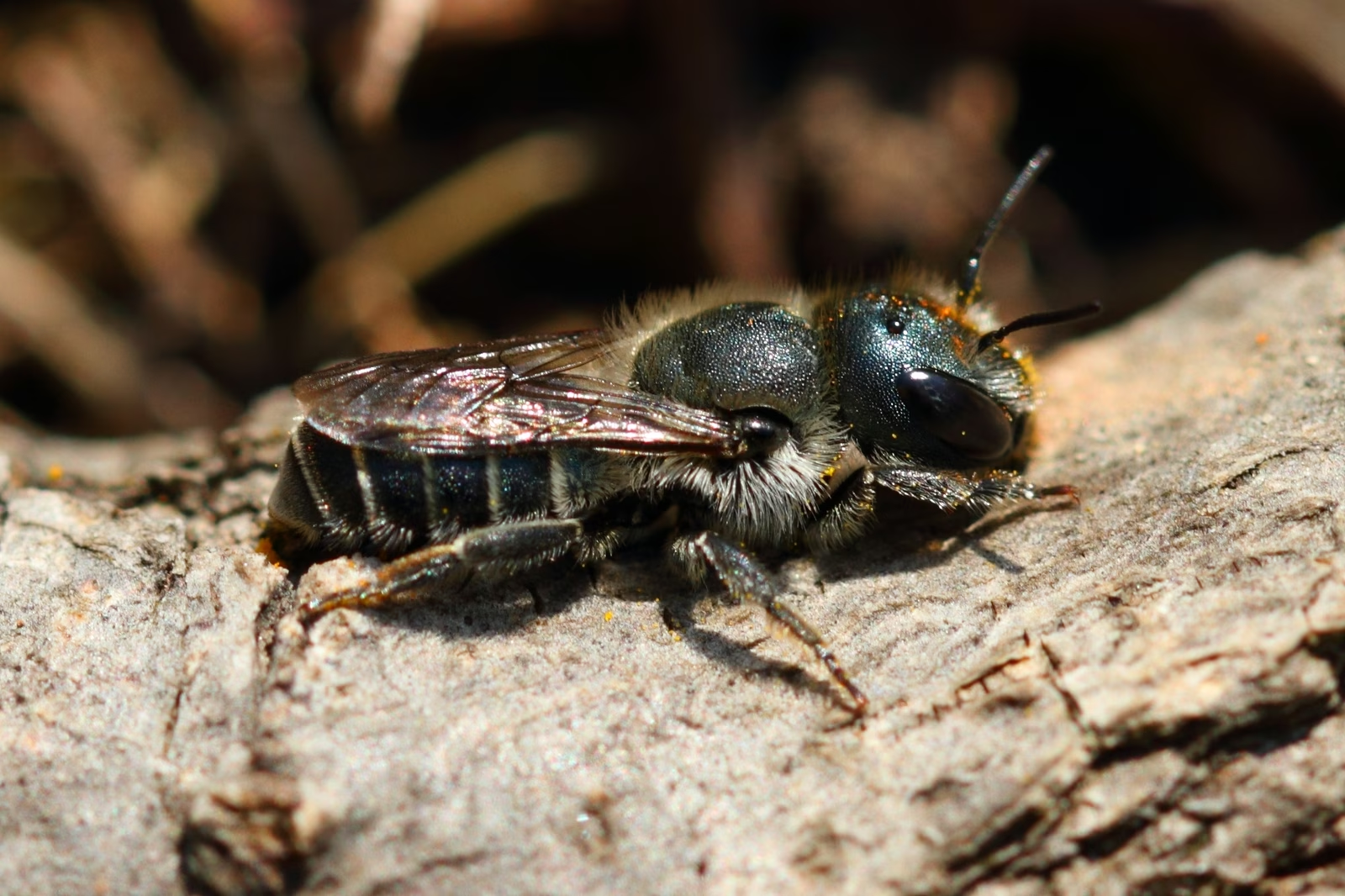
영국의 벌 종류
푸른 벽돌벌 (Osmia caerulescens)
Osmia caerulescens (Linnaeus, 1758) · 메가킬리나에아과 · 메가킬리과
파란 벽돌벌은 서로 너무나 달라 마치 별개의 종처럼 보이는 두 가지 형태가 있습니다: 짙고 메탈릭한 청흑색의 암컷과 날씬하며 구리빛이 도는 녹색-청동색의 수컷. 둘 다 길이가 10밀리미터도 채 되지 않으며, 정원이나 오래된 벽돌담에서 흔히 볼 수 있고, 진흙이 아닌 씹은 잎으로 만든 반죽을 이용해 둥지를 짓는 영국에 서식하는 몇 안 되는 벽돌벌 중 하나에 속합니다.
이 벌은 구멍에 둥지를 트는 종으로, 적당한 크기의 관이 달린 벌 호텔에 쉽게 적응하며, 영국 대부분의 지역에서 1년에 두 번 번식을 합니다. 영국에 서식하는 벌들 중에서 이 벌이 어떤 위치를 차지하는지 다음에서 확인해 보세요. 영국 토종 벌 종 분포 지도, 혹은 전 세계의 꿀벌들 중에서 세계 꿀벌 지도집.
"파랗게 변해 가다"
린네는 1758년, 동물학 명명법의 기초가 되는 저서에서 이 벌을 기술했다.[3] 이 종의 학명은, caerulescens, 이는 암컷의 눈에 띄는 금속성 광택에서 유래한 라틴어로 "파랗게 변하다"는 뜻이며, 영어명과 유럽식 명칭인 ‘스틸 블루 메이슨 비(steel-blue mason bee)’의 어원이기도 합니다.[3] 속명 오스미아 이는 그리스어로 "향기’를 뜻하며, 일부 벽돌벌이 둥지 입구를 표시하기 위해 사용하는 감귤과 꿀 향에서 유래한 이름입니다.[7]
진흙이 아니라 나뭇잎으로 집을 짓는 석공
흔히 볼 수 있는 두 종류의 정원 오스미아, 매우 다른 두 가지 둥지 마개
~인 경우 붉은 벽돌벌 순수한 진흙을 사용하는 반면, 블루 메이슨은 잎을 씹어 녹색 펄프로 만들고, 때로는 약간의 모래를 섞기도 합니다. 완성된 흙덩어리는 이 둘을 구분하는 가장 빠른 현장 판별 기준입니다.
꿀벌 한눈에 보기
전체 분류 체계
| 킹덤 | 동물계 |
| 문 | 절지동물 |
| 수업 | 곤충문 |
| 주문 | 막시류 |
| 가족 | 메가킬리과 |
| 아과 | 메가킬리나과 |
| 속 | 오스미아 |
| 종 | Osmia caerulescens |
암컷과 수컷: 거의 두 마리의 벌
영국의 벌들 중에서도 암수 간에 이토록 뚜렷한 차이를 보이는 종은 드물다. 나란히 놓아두면, 금속성 푸른빛이 도는 검은색의 암컷과 구리빛을 띤 수컷은 같은 둥지 관으로 날아가는 모습을 보기 전까지는 같은 종이라고 믿기 어려울 정도다.
여성
- 10~11 mm, 색이 짙고 질감이 촘촘함
- 메탈릭 스틸 블루에서 블루-블랙에 이르는 광택
- 상자 모양의 머리, 잎을 씹기에 적합한 튼튼한 턱
- 배 아래쪽에 있는 칠흑같이 검은 스코파(꽃가루 빗)
남성
- 8~9mm, 더 얇고 작음
- 밝은 구리빛 녹색에서 청동색을 띤 몸체
- 특히 얼굴에 옅은 머리카락이 비친다
- 매년 봄, 4월 중순부터 가장 먼저 피어나는
두 종 모두 메가킬리다과(Megachilidae)의 특징을 지니고 있는데, 꽃가루를 다리에 꽉 채워 담는 대신 복부 아래의 털 뭉치에 마른 상태로 운반하기 때문에, 먹이를 구하는 암컷의 배를 따라 넓은 꽃가루 띠가 나타납니다.[7] 이 가족이 다른 가족들과 함께 어디에 자리 잡고 있는지 볼 수 있습니다. 세계 꿀벌 지도집.
씹힌 잎들과, 그녀가 둥지를 틀던 곳
이름에 들어간 "메이슨(mason)"은 암컷이 둥지에 쌓아 올리는 ‘벽돌’에서 유래한 것으로, 이 종의 경우 씹은 잎을 반죽한 것을 사용하며, 때로는 약간의 진흙이나 모래를 섞기도 합니다.[1] 돌아오는 암컷 한 마리가 턱에 작은 녹색 잎 펄프 덩어리를 꽉 물고 있는 모습이 보인다.[7] 그녀는 눈에 띄는 어떤 구멍이든 그곳에 둥지를 틀곤 한다. 죽은 나무에 있는 오래된 딱정벌레 굴, 나무 블록에 뚫린 구멍, 속이 빈 가시덤불이나 대나무 줄기, 모르타르의 갈라진 틈, 심지어 정원 창고에 있는 낡은 못 구멍까지도.[1] 폭이 4~8밀리미터인 관이 달린 벌 호텔을 따뜻한 남쪽이나 남동쪽 벽에 설치하면, 대개 며칠 안에 벌들이 입주하게 됩니다.[5]
1년에 두 번 산란
영국의 따뜻한 지역에서는 푸른 벽돌벌이 1년에 두 번 번식하여, 한 여름 동안 두 세대가 번갈아 나타납니다.[1] 4월 중순부터 첫 번째 세대의 수컷이 출현하기 시작하고, 그 뒤를 이어 암컷이 출현합니다. 8월 동안 두 번째 출현 정점을 보인 뒤, 성충은 밀봉된 세포 안에서 겨울을 나게 됩니다.[1] 성충들은 다양한 꽃을 찾아다니며, 특히 새발풀이나 베치와 같은 콩과 식물과 캠피온, 가시덤불, 그리고 세이지나 라벤더 같은 정원 허브를 특히 선호합니다.[5]
어디서, 언제 볼 수 있는지
푸른 벽돌벌은 잉글랜드와 웨일스 전역에 널리 분포하며, 북쪽으로 갈수록 개체 수가 줄어들다가 스코틀랜드 중부까지 이르지만, 아일랜드에서는 발견된 바가 없다.[1][6] 이 벌은 해안 절벽과 모래 언덕, 개인 정원, 도시의 방치된 부지, 햇볕이 잘 드는 숲 가장자리, 오래된 건물 등 다양한 서식지에서 서식합니다.[1] 이 곤충의 주요 천적은 눈에 띄는 흑백 무늬를 가진 사피기드과 말벌이다. Sapyga quinquepunctata, 석공벌이 밀봉한 세포 안에 알을 낳아 유충이 저장된 꽃가루를 먹게 하는 특화된 기생충이다.[1] 광범위한 구북구 종으로, 유럽, 북아프리카, 중앙아시아 전역에 분포하며, 인간의 개입으로 도입된 것으로 보이는 북미 일부 지역에서도 발견된다.[6]
구분하기
한 번 제대로 보면, 푸른 벽돌벌은 다른 토종 벌과 혼동하기 어렵습니다. 암컷의 강철빛 파란 몸통, 상자 모양의 머리, 칠흑같이 검은 복부 꽃가루 모음은 모두 뚜렷한 특징을 이루며, 구리빛을 띤 수컷은 마치 다른 곤충처럼 보입니다.[5] 유일한 함정은 더 작고 초록빛을 띤 수컷인데, 두 가지 색을 띤 벽돌벌, 이 종 역시 구리빛 광택을 띠지만 암컷은 전혀 다른 벌로, 몸집이 훨씬 작고 복부가 밝은 주황색이며, 둥지를 틀기 위해 빈 달팽이 껍데기를 주로 이용합니다.[7] 만약 여러분이 관찰하고 있는 벌이 벌 호텔에서 일하고 있는 무늬 없는 금속성 광택이 도는 검은 벌이고, 둥지 입구의 마개가 붉은색이 아니라 진흙빛 녹색이라면, 잉글랜드 남부와 중부 대부분 지역에서는 파란 벽돌벌이라고 보는 것이 가장 무난합니다.[1]
왜 파란색 벽돌벌이 중요한가
푸른 벽돌벌은 찾아가는 수많은 꽃들 중에서 가장 효율적인 수분 매개체 중 하나인데, 이는 모든 메가킬리다과 벌과 마찬가지로 다리에 꽃가루를 젖은 덩어리로 뭉쳐 담는 대신 배 밑면에 마르고 흩어진 상태로 운반하기 때문에, 각 꽃에 훨씬 더 많은 꽃가루가 묻어나기 때문이다.[8] 이들이 낡은 나무나 벽, 줄기의 구멍을 좋아하는 점은, 훌륭한 야생동물 정원은 대개 좀 더 어수선한 곳이라는 사실을 일깨워 줍니다. 죽은 채 서 있는 줄기, 햇볕이 잘 드는 울타리 기둥, 벌 호텔, 그리고 몇 제곱미터의 긴 풀만 있어도 아주 적은 비용으로 파란 벽돌벌과 수십 종의 다른 독거벌을 서식시킬 수 있습니다.[5] 그 작은 선택들이 어떻게 쌓여가는지 확인해 보세요 벌이 없는 접시.
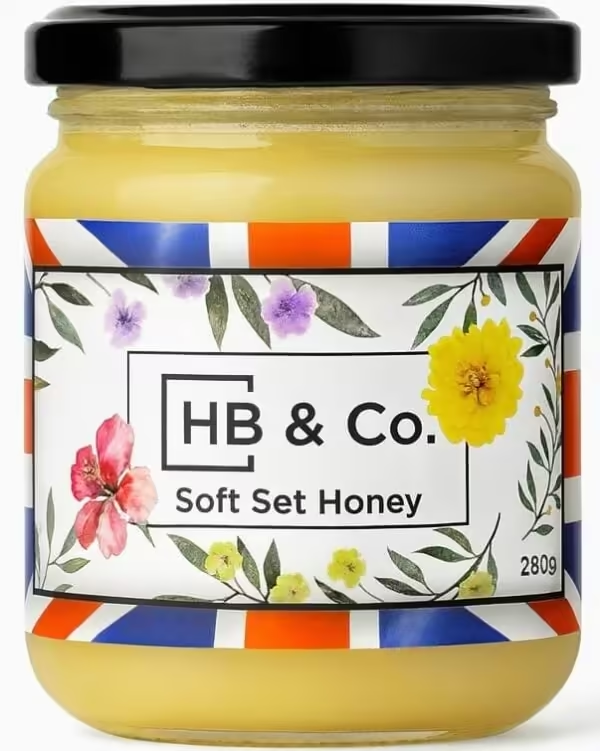
영국산 소프트 세트 꿀
자연적으로 응고되어 발라 먹기 좋으며, 저온 살균을 거치지 않고 최소한으로 여과한 이 꿀은, 4월부터 8월까지 푸른 벽돌벌이 활동하는 꽃이 만발한 영국 시골의 양봉장에서 채취한 것입니다. 당사의 영국산 꿀 공급업체는 SALSA 인증을 보유하고 있습니다. 280g. £10.99.
소프트 세트 허니 구매하기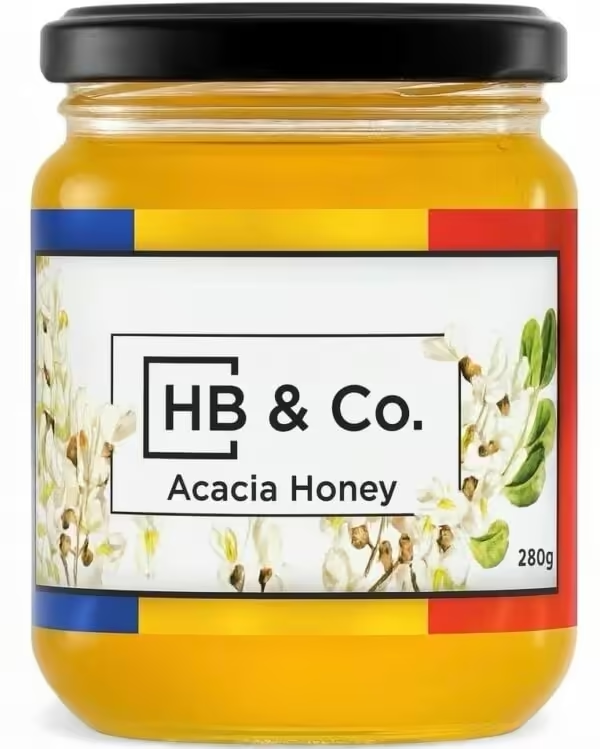
생 아카시아 꿀
당사의 대표 제품인 생 아카시아 꿀: 옅은 색을 띠고, 섬세하며, 결정화가 느리게 이루어집니다. 니스토르 가문의 Transylvanian 양봉장에서 생산되었습니다. 280g. £10.99.
아카시아 쇼핑하기
구독하고 할인받기 20%
원하는 꿀 한 가지를 선택하시면 매번 배송 시 20%를 절약하실 수 있습니다. 3병 이상 주문 시 영국 내 무료 배송이 제공됩니다. 전체 상품 둘러보기.
구독 시작하기자주 묻는 질문
파란색 벽돌벌이란 무엇인가요?
왜 ‘메이슨벌’이라고 부르는 걸까요?
붉은 메이슨벌과는 어떻게 다른가요?
푸른 벽돌벌은 벌 호텔을 이용할까요?
파란 벽돌벌은 언제 활동하나요?
파란색 메이슨벌은 쏘나요?
파란색 메이슨벌은 꿀을 만들까요?
제 벌 호텔 주변에 있는 작은 흑백색 말벌들은 무엇일까요?
관련 종
붉은 벽돌벌
Osmia bicornis더 보기 → 오스미아 동료 여러분두 가지 색을 띤 벽돌벌
Osmia bicolor더 보기 → 메가킬리과양모 빗질벌
안티디움 마니카툼더 보기 →출처 및 참고 문헌
- BWARS (꿀벌·말벌·개미 기록 협회). 종 설명: Osmia caerulescens (린네, 1758): 잉글랜드와 웨일스 전역에 분포하며, 1년에 두 번 번식하고, 죽은 나무와 줄기의 구멍에 둥지를 틀며, 사피기드 기생충이 있다. Sapyga quinquepunctata. bwars.com.
- Falk, S. 영국과 아일랜드의 벌에 관한 현장 가이드, 블룸즈버리, 그리고 스티븐 포크의 플리커 컬렉션: 암컷과 수컷의 식별, 크기, 색상, 그리고 검은 배를 가진 스코파.
- 린네, C. (1758), 『Systema Naturae』, 제10판, 원문 설명. 어원: 라틴어 caerulescens, "파랗게 변하다"; 속 오스미아, 그리스어에서 유래 osme, "향기" (NBN Atlas; GBIF).
- Ungricht, S., Muller, A. 및 Dorn, S. (2008). 팔레아르틱 지역 Osmiini 속(Hymenoptera: Apoidea: Megachilidae)의 분류학적 목록. Zootaxa 1865: 1~253.
- NatureSpot (레스터셔 & 러틀랜드 야생동물 신탁) 종 정보, Osmia caerulescens: 종 식별, 서식지, 비행 시기 및 먹이. naturespot.org.
- 위키백과 기여자들, Osmia caerulescens: 구북구 분포, 아종 (caerulescens 그리고 cyanea), 그리고 북미 대륙으로의 도입 기록.
- Else, G.R. 및 Edwards, M. (2018). 『영국 제도의 벌에 관한 핸드북』. 레이 학회 (메가칠리과 생물학, 복부 스코파, 벽돌벌의 밀봉 행동 및 영국종의 분류) 오스미아).
- Wilson, J.S. & Carril, O.M. (2016). 마당에 사는 벌들. 프린스턴 대학교 출판부: 메가킬리다과(Megachilidae)의 상대적 수분 효율, 꽃 방문 행태 비교 및 구멍 속 둥지 짓기 행동.

Dragos Nistor
HoneyBee & Co. 설립자 · 그리니치 대학교 객원 강사
HoneyBee & Co.는 6대에 걸쳐 이어져 온 가족의 양봉 전통을 바탕으로, 니스토르(Nistor) 가문의 양봉장과 엄선된 영국 생산자들로부터 공급받은 꿀을 사용합니다. 당사의 영국산 꿀 공급업체는 SALSA 인증을 보유하고 있으며, 15% NHS 할인을 제공합니다. 모든 병은 가공되지 않은 생꿀로, 여과 과정을 거치지 않았으며, 어느 벌통에서 생산되었는지 추적할 수 있습니다.